This site is supported by our readers. We may earn a commission, at no cost to you, if you purchase through links.

Your couch takes a beating. Kids jump on it, pets claim it as their throne, and spills happen without warning. Standard upholstery fabric won’t survive that kind of daily assault for long.
Heavy fabric for upholstery changes the game with weight ratings above 12 ounces per square yard and weave construction built to resist tears, pilling, and stains. The difference shows up fast. Furniture wrapped in heavy-duty material maintains its shape and color through years of use, while lighter options sag and fade within months.
Choosing the right heavy upholstery fabric means understanding fabric weights, abrasion ratings, and which textures match your lifestyle—not just your living room’s color scheme.
Table Of Contents
Key Takeaways
- Heavy upholstery fabric weighs over 12 ounces per square yard and uses tight weaves with high thread counts to resist tearing, pilling, and stains better than standard materials.
- Durability depends on double rub ratings—residential furniture needs 9,000 to 15,000 rubs while commercial-grade pieces require 15,000 to 30,000 or more to handle daily wear.
- Fabric choice should match your furniture’s use: high-traffic family rooms perform best with microfiber or canvas blends, while formal spaces can use plush velvet or leather options.
- Regular maintenance extends fabric life—weekly vacuuming, immediate spill blotting, UV protection from sunlight, and professional cleaning every 12 to 24 months prevent fading and structural breakdown.
What is Heavy Fabric for Upholstery?
Heavy upholstery fabric is thicker and stronger than standard material. You’ll find it on furniture that gets daily use like couches and dining chairs.
Before you commit to a fabric, check out this guide on how to choose upholstery fabric to weigh factors like texture, stain resistance, and color.
Here’s what makes it different and where you’ll use it most.
Definition and Key Characteristics
Heavy fabric for upholstery fabric is a thick woven material weighing over 12 ounces per square yard. You’ll find heavy duty upholstery fabric built with tight weave patterns and high thread count for material strength.
This durable fabric resists snagging and wear better than standard options. Furniture upholstery demands dense construction—higher fabric density means your heavy weight fabrics hold up longer on couches and chairs.
Common Uses in Furniture and Decor
You’ll rely on heavy duty upholstery fabric for furniture upholstery on couches, ottomans, and dining room chairs that see constant use. These durable fabrics work well for benches and stools in busy households.
Furniture restoration projects benefit from heavy weight fabrics that handle wear. Your fabric selection affects home furnishing longevity—upholstery designs using dense weaves suit high-traffic pieces. Decor trends now favor sturdy materials for both residential and commercial spaces.
How Heavy Upholstery Fabric Differs From Standard Fabrics
Standard fabrics won’t hold up like heavy weight options. Your heavy duty upholstery fabric exceeds 12 ounces per yard, while regular materials weigh much less.
Fabric thickness and weave density create stronger resistance to tearing. Material strength shows in double rub counts—heavy weight fabrics reach 30,000 rubs or more.
Durable fabric for furniture offers texture variety from bouclé to velvet, maintaining shape better than lightweight alternatives. For details on options and recommendations, see this overview of heavy weight upholstery fabrics.
Popular Types of Heavy Upholstery Fabric
You’ll find heavy upholstery fabrics in a range of materials, each suited to different furniture needs.
Some fabrics offer texture and warmth for indoor comfort, while others are built to resist water and weather. Here are the most common types you can choose from.
Choosing fabric for lined skirts depends on the drape and structure you want, whether that’s flowing or tailored.
Bouclé, Velvet, and Linen Options
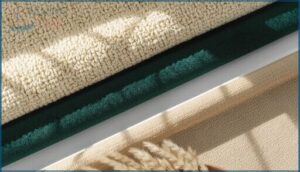
Bouclé fabric brings a looped yarn surface that creates cozy texture for your sofas and chairs. Bouclé fabric is especially valued for its unique texture and durability in upholstery applications.
Velvet offers dense, plush pile with a rich sheen that changes with light.
Linen adds breathable, natural fiber with visible weave patterns and casual character.
These heavy weight fabrics use different material blends—wool, cotton, or synthetic—to match your upholstery styles while balancing comfort and durability.
Leather and Microfiber Blends
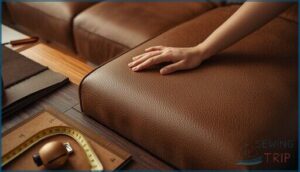
You’ll find leather blends combine a real leather base with a polyurethane-coated synthetic top layer. This furniture material offers microfiber benefits like easier stain removal and enhanced tear strength.
These leather alternatives deliver upholstery fabric durability through textile innovation—high abrasion resistance meets consistent texture. When you’re choosing upholstery supplies for family seating, this blend durability enhances heavy weight fabrics performance in your fabric selection process.
Outdoor and Waterproof Fabrics (e.g., Recacril)

Recacril solution dyed acrylic turns outdoor durability into everyday reality. You get marine canvas that shrugs off salt spray and harsh sun.
Waterproof awning materials rely on Infinity fabric treatments for permanent water repellent protection:
- Water column ratings reach 300 mm for tested outdoor fabric performance
- Oil repellency hits level 5 on standardized scales
- Marine applications resist mold in humid coastal zones
Waterproof coatings keep your awning materials breathing while blocking moisture.
How to Choose The Right Heavy Upholstery Fabric
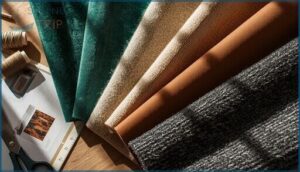
You can’t pick the right upholstery fabric by guessing. Your furniture’s lifespan depends on matching weight, weave, and fiber content to how you’ll use it.
Here’s what matters most when you’re ready to choose.
Assessing Durability (Double Rubs, Weave Density)
When you’re picking upholstery fabric, durability metrics tell you how long it’ll last. The Wyzenbeek test measures double rubs—each forward-back motion counts as one.
Residential fabrics usually need 9,000 to 15,000 double rubs for everyday use, while commercial grade targets 15,000 to 30,000. Weave analysis matters too: denser weaves with tighter thread counts boost abrasion resistance and keep your furniture looking fresh longer.
Matching Fabric to Furniture Type and Use
Your furniture deserves fabric that works as hard as it looks good. Here’s how to nail fabric selection and upholstery pairing:
- Heavy duty fabric uses: Sofas and sectionals need tightly woven materials for smooth seating and durability.
- Furniture upholstery for high-traffic rooms: Family spaces perform best with microfiber or canvas blends.
- Fabric for home decor style: Traditional pieces shine with plush velvets, while modern furniture upholstery favors sleek textures.
Match room usage to fabric strength for upholstery tips that last.
Color, Pattern, and Texture Considerations
Color schemes and pattern mixing shape how your upholstery fabric performs in real life. Light neutrals like taupe and greige resist visible wear better than bright whites, while texture contrast through bouclé or velvet adds depth without busy prints. Small-scale fabric patterns hide stains on high-use pieces, and matte weaves minimize glare while showcasing decorative fabric choices.
| Consideration | Best For High Traffic | Visual Balance Tip |
|---|---|---|
| Color Schemes | Deep jewel tones, charcoal | Match wood undertones |
| Pattern Mixing | Small geometric repeats | Pair solid with patterned pillows |
| Texture Contrast | Microfiber, tight weaves | Layer matte and satin finishes |
Fabric selection and upholstery success depend on coordinating fabric types and applications with your room’s existing elements for effortless fabric weaves integration.
Durability and Performance Factors
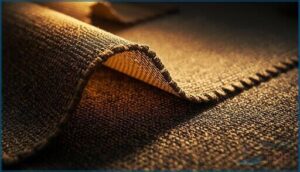
You need fabric that holds up under real use. Durability isn’t just about thickness—it’s about how well the material resists wear and stains, and daily stress.
Let’s break down the key performance factors that separate fabrics built to last from those that won’t.
Fabric Strength and Abrasion Resistance
True durability in upholstery fabric hinges on fiber blends and how tightly those fibers lock together. Fabric density and weaving patterns create wear resistance that protects your furniture from daily friction.
Abrasion testing measures how many double rubs a heavy weight fabric can handle before breaking down, while surface finishes add an extra shield against scuffs and pilling on high-traffic pieces.
Stain Resistance and Cleaning Requirements
Stain repellency keeps spills beading on your upholstery fabric instead of soaking in, thanks to hydrophobic finishes or solution dyed acrylic fibers.
For microfiber care, blot immediately with a clean cloth, then use pH-neutral cleaners on fresh marks.
Waterproof fabric options like Recacril offer built-in water resistance, while water resistant fabric needs gentle soap and air drying to preserve protective coatings without harsh scrubbing.
Residential Vs. Commercial Grade Standards
You’ll see commercial grade upholstery fabric endure 40,000+ double rubs in fabric testing versus residential’s 10,000–25,000, making grade comparison critical for furniture upholstery longevity.
Usage standards demand certified durability metrics for hotels and offices, while upholstery and home decor prioritizes aesthetics. Cost analysis shows commercial textiles materials and properties justify higher upfront pricing through extended replacement cycles in fabric selection and uses decisions.
Care and Maintenance of Heavy Upholstery Fabric
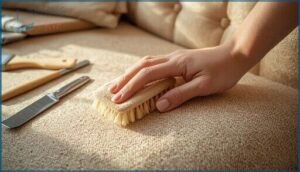
Your heavy upholstery fabric won’t last if you don’t take care of it. Regular cleaning and smart habits prevent wear and keep your furniture looking good for years.
Here’s what you need to know about maintaining your investment.
Cleaning Tips for Longevity
Keeping your upholstery fabric in top shape doesn’t have to drain your wallet or derail your schedule. Commit to a cleaning routine that matches how hard your furniture works.
- Blot spills within 5 minutes using a clean white cloth—rubbing spreads stains deeper into textile materials.
- Vacuum weekly with a soft brush to lift dust before it grinds fibers down.
- Schedule professional cleaning every 12 to 24 months to restore fabric protection and refresh high-use pieces.
Preventing Fading, Stains, and Wear
Regular maintenance preserves your investment, but smart fabric shielding stops damage before it starts. Position furniture away from direct sunlight to slash fading risk by 60 percent over five years. UV protection window treatments block up to 99 percent of harmful rays.
Rotate cushions seasonally for even wear. Choose solution-dyed acrylic or waterproof fabric options with built-in color preservation. For textile materials and properties that resist daily battle, stain repellents and wear reduction treatments maintain their edge after 50-plus cleanings.
| Protection Strategy | Impact |
|---|---|
| UV blocking blinds | Block 99% harmful rays |
| Seasonal cushion rotation | Even sun exposure distribution |
| Colorfast dyes | Resist 15,000+ double rubs |
Professional Vs. DIY Maintenance Practices
You’ll need to decide where your skills and budget meet maintenance demands. Professional upholstery cleaning schedules bring warranty compliance, detailed fabric inspection, and maintenance logs that track every stain removal attempt.
DIY care saves money but risks voiding coverage on furniture upholstery if you skip textile materials guidelines during fabric selection. Weigh your comfort level against upholstery fabric selection complexity.
Frequently Asked Questions (FAQs)
What are the types of heavyweight fabric?
Think of heavyweight textiles as your furniture’s armor—there are woven natural fibers like heavyweight cotton and cotton duck, plush pile fabrics including velvet, durable leather, dense synthetic fabrics, and weather-resistant outdoor weaves.
What is the best material for a couch for heavy use?
For heavy use, you want upholstery material that hits at least 40,000 double rubs on durability tests.
Leather, microfiber blends, and performance synthetics outlast heavyweight cotton. Pair solid fabric weight with a hardwood couch frame for best results.
How heavy should upholstery fabric be?
For furniture upholstery, target fabric weight between 16 and 20 oz/yd² for sofas. Thread count, weave density, and material strength matter as much as weight.
Durability tests guide upholstery fabric selection for luxury fabrics and upholstery projects.
Can heavy upholstery fabric be used for curtains?
Like a warm blanket on a window, yes—you can use heavy upholstery fabric for curtains. It provides excellent drape, privacy, and insulation while resisting wear from frequent handling.
What tools are needed for DIY upholstery projects?
You’ll need a staple gun, upholstery pliers, measuring tools, fabric cutters, and a heavy-duty sewing machine.
These essentials handle fabric selection for crafting and sewing projects, plus fabric types suited for upholstery and other fabric crafts.
How much fabric is required for a sofa?
A three-seater couch usually needs 12 to 16 yards of upholstery fabric.
Add extra for pattern alignment, cushion count, and design complexity.
Measure your furniture dimensions for accurate fabric selection across different fabric types.
Are heavy upholstery fabrics safe for pet owners?
Yes, heavy upholstery fabrics offer excellent pet claw resistance through dense weaves and abrasion ratings above 15,000 double rubs.
They simplify hair management, accident cleanup, and odor prevention while providing durable, comfortable surfaces your pets won’t easily damage.
Where can I find upholstery fabric samples locally?
You’ll find upholstery fabric samples at local showrooms, fabric centers, home retailers, and designer showrooms across Ashburn.
Many furniture fabric stores let you borrow swatches free or for a small fee.
Conclusion
Think of heavy fabric for upholstery as armor for your furniture. It won’t flinch under scratches, spills, or years of wear.
You’ve learned the weights, textures, and care routines that separate temporary fixes from long-term solutions. Now you can walk into a fabric store and pick materials that match how you actually live—not just how your living room looks.
Your couch deserves protection that lasts. Choose wisely, and it will.
- https://rodeohome.com/collections/fabric-upholstery-heavy-weight
- https://stampshomefurniture.com/blogs/furniture-guide/best-sofa-fabric-for-your-lifestyle-boucle-vs-velvet-vs-linen-stamps
- https://www.crateandbarrel.com/fabric-guide
- https://thefabricoutlet.com/collections/boucle
- https://www.fabricresource.com/houston/making-sense-home-interior-fabric-weight-2/