This site is supported by our readers. We may earn a commission, at no cost to you, if you purchase through links.
You pick up two fabrics labeled “100% cotton”—one floats like tissue paper, the other feels thick as a blanket. The difference isn’t the fiber. It’s fabric weight, measured in grams per square meter (GSM), and it dictates whether your project drapes beautifully or stands structured.
Beginners often grab material based on color or pattern alone, then struggle when their lightweight voile buckles under a sewing machine or their canvas tears delicate needles. Understanding fabric weight for beginners means learning to match GSM numbers to your project’s demands—summer dresses need airy 60 GSM organza, while tote bags require sturdy 400 GSM canvas. Once you decode these numbers, you’ll stop fighting your fabric and start choosing materials that behave exactly as you need them to.
Table Of Contents
- Key Takeaways
- What is Fabric Weight?
- How Fabric Weight is Measured
- Fabric Weight Categories for Beginners
- Factors Affecting Fabric Weight
- Choosing The Right Fabric Weight
- Examples of Lightweight, Medium, and Heavy Fabrics
- How Fabric Weight Impacts Sewing
- Measuring Fabric Weight at Home
- Mistakes Beginners Make With Fabric Weight
- Caring for Different Fabric Weights
- Frequently Asked Questions (FAQs)
- Conclusion
Key Takeaways
- Fabric weight (measured in GSM or ounces per square yard) determines how material drapes, performs, and responds to sewing techniques—lightweight fabrics under 150 GSM flow and breathe, medium weights between 150-350 GSM balance structure with comfort, and heavyweight fabrics over 350 GSM deliver durability and body.
- Weight and thickness aren’t interchangeable—a dense satin weave can feel thin but carry high GSM while a chunky knit might feel thick yet weigh little, so you need to check actual measurements rather than relying on how fabric feels in your hand.
- Matching fabric weight to your project prevents disasters: summer dresses need airy materials around 60-120 GSM, everyday wear sits comfortably at 150-350 GSM, and structured items like coats or bags require 350+ GSM with corresponding adjustments to needles, thread, and machine settings.
- You can measure fabric weight at home with a digital scale accurate to 0.1 gram—cut a 10cm × 10cm sample, weigh it, divide by 0.01, and you’ve got your GSM without needing professional equipment.
What is Fabric Weight?
Fabric weight is one of those foundational concepts that sounds simple but affects nearly every decision you’ll make in sewing or crafting. It determines how a material feels, drapes, and performs—whether you’re making a breezy summer dress or a structured winter coat.
Just as choosing the right thread weight ensures your stitches match your fabric’s thickness, understanding fabric weight helps you pair materials with the right techniques and thread.
Here’s what you need to know to confidently understand and work with fabric weight.
Definition of Fabric Weight
Fabric weight is the mass of fabric per unit area—a fundamental textile property that tells you how much fiber exists in a given space. You’ll see it expressed in GSM (grams per square meter) or oz per yd² (ounces per square yard).
These fabric measurement units define fabric density and help you understand material science basics: heavier fabrics show higher values, while lighter ones measure lower across weight classes.
For more details on typical fabric weight categories and their common uses, refer to reputable resources.
Why Fabric Weight Matters
Understanding GSM and fabric weight transforms how you choose materials. When you know a fabric’s mass per area, you can predict three key outcomes:
- Fabric drape — Lighter weights flow and skim; heavier ones hold structure and resist wrinkles
- Weight durability — Dense fabrics endure abrasion at seams and high-stress zones far longer
- Sewing challenges — Heavier materials demand stronger needles and adjusted machine settings
Fabric comfort, garment longevity, and material selection all hinge on fabric properties you can measure.
Fabric Weight Vs. Fabric Thickness
Weight and thickness aren’t the same thing. Fabric weight measures mass per area in GSM, while thickness measures the distance between surfaces.
A dense weave can feel thin but carry high weight—think tightly woven satin. Conversely, a chunky knit might feel thick yet weigh little due to air pockets. Fabric density and material composition determine both properties independently, affecting fabric flexibility and drape in different ways.
How Fabric Weight is Measured
You can’t pick the right fabric if you don’t know how to read its fabric weight.
The two most common measurement systems—GSM and ounces per square yard—might look confusing at first, but they’re simpler than you think.
Here’s what each one means and how to switch between them when you need to.
GSM (Grams Per Square Meter) Explained
Think of GSM as your fabric’s identity card—it tells you exactly how much one square meter weighs in grams. This weight measurement gives you a quick snapshot of fabric density and thickness without guessing.
When you’re doing material selection, GSM conversion helps compare different textiles side by side. It’s the definitive fabric weight guide for smart choices.
If you want to understand more, check out this breakdown of GSM and textile quality.
OZ (Ounces Per Square Yard) Explained
OZ measures weight in ounces per square yard—one yard by one yard equals 1,296 square inches of fabric. This imperial system gives you an instant read on fabric density and durability.
Higher OZ values mean sturdier material, better for bags or upholstery. Lower numbers drape beautifully but pose sewing challenges with delicate handling.
Most US manufacturers list OZ alongside grams per square meter for easy weight conversion.
Converting Between GSM and OZ
To shift from grams per square meter to ounces per square yard, multiply your GSM value by 0.0295—that’s the conversion factor linking these measurement conversions.
A 200 GSM fabric becomes 5.90 OZ per square yard.
This unit equivalence lets you compare fabric density across systems without changing the actual fabric weight. Most retailers round weight calculations to two decimals for clarity.
Fabric Weight Categories for Beginners
Now that you know how fabric weight is measured, it’s time to break down what those numbers actually mean for your projects.
Fabrics fall into clear weight categories—and each one has its own personality and purpose. Let’s walk through the main categories so you can start matching the right weight to what you’re making.
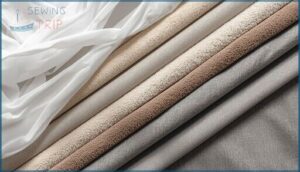
Lightweight Fabrics (30–150 GSM)
Lightweight fabrics between 30 and 150 GSM range feel like summer itself—airy, breathable textiles that move with you. These soft fabrics create beautiful garment flow and natural fabric drape, perfect for summer apparel like voile blouses or chiffon scarves.
At 30–60 GSM, you’ll get sheer, delicate materials; at 90–120 GSM, expect more durability without sacrificing that breezy quality you’re after.
Medium-Weight Fabrics (150–350 GSM)
Medium-weight fabrics sit in the 150–350 GSM sweet spot—your go-to for everyday wear. Fabric blends like cotton-poly poplin at 200 GSM or denim around 300 GSM offer fabric durability without stiffness.
These textiles balance drape with structure, making fabric selection easier for year-round shirts, trousers, and casual dresses. You’ll find medium-weight fabrics handle machine sewing beautifully while maintaining comfortable breathability.
Heavyweight Fabrics (350+ GSM)
Heavyweight fabrics push past 350 GSM—think canvas, denim, and wool coats built to last. That extra fabric density comes from dense weaves packing more fibers per inch, creating sturdy materials you can count on for outerwear and workwear.
When heavyweight fabric selection matters most:
- Winter coats and jackets (400–600 GSM)
- Upholstery and heavy-duty bags
- Workwear requiring abrasion resistance
- Structured garments needing body
- Outdoor gear facing rough conditions
Thick fabrics in this range deliver durability but demand careful sewing adjustments.
Very Lightweight and Very Heavy Fabrics
Beyond the core categories lie the extremes: very lightweight fabrics under 60 GSM—like silk chiffon and cotton voile—that feel sheer and demand gentle sewing techniques, versus very heavy fabrics over 500 GSM—canvas, leather alternatives, and heavy denim—providing rigid fabric drape and structure.
These extremes dictate everything from lightweight applications in summer blouses to heavy fabric uses in upholstery, with fabric texture varying dramatically across the spectrum.
Factors Affecting Fabric Weight
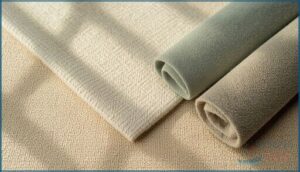
Fabric weight isn’t just about the material itself—it’s shaped by how that fabric is made. Three main factors determine whether a fabric ends up light and airy or thick and sturdy: the fibers used, how they’re woven or knitted together, and any treatments applied afterward.
Let’s break down each one so you can predict a fabric’s weight before you even touch it.
Fiber Type and Blend
The fibers inside your fabric—whether Natural Fibers, synthetic, or blended—directly control the final Fabric Weight and GSM. Cotton and wool create different densities than polyester, even in identical constructions. Fiber Blends and Fiber Hybrids shift Material Selection entirely.
- Natural Fibers like cotton and silk vary in weight based on fiber diameter and cross-section shape
- Synthetic Options such as polyester and nylon usually produce lighter fabrics with similar durability
- Blend Ratios determine final weight—60% cotton/40% polyester behaves differently than pure cotton
- Fiber combinations influence drape, so Fabric Selection depends on your project’s needs
- Understanding Fabric Types by fiber content helps you predict GSM before purchasing yardage
Weave and Knit Structure
Once you’ve picked your fiber, the way those yarns interlace completely shifts Fabric Density and GSM. Plain weaves create tight, balanced fabrics with stable Thread Counts, while satin’s long floats yield lighter weights and lustrous drape.
Twill adds durability through diagonal Weave Patterns, and Knit Types stretch more than any woven option—loop structures change Yarn Thickness impact on final Fabric Weight entirely.
Finishes and Treatments
After weave sets your structure, Fabric Coatings and Textile Finishes add extra grams.
Water-repellent Surface Treatments create microscopic barriers that increase GSM, while Chemical Applications like mercerization or calendering modify Textile Properties without major weight shifts.
Durable-press Material Enhancements bond resins to fibers, bumping final measurements up by 10–30 GSM—so always check Fabric Properties post-treatment when planning Fabric Selection for your project.
Choosing The Right Fabric Weight
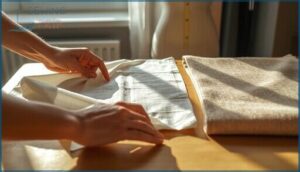
Picking the right fabric weight isn’t about following a formula—it’s about matching the material to what you’re actually making.
The wrong choice can turn a flowing summer dress into a stiff disaster or leave your winter coat feeling flimsy. Three key factors will guide you toward the perfect weight every time.
Project Purpose and End Use
Your project goals shape every fabric decision you make. Before you buy a meter of cloth, ask yourself: who’s the end user, and how will they use what you’re sewing?
- Scope Definition: A children’s play dress needs different durability than evening wear
- Stakeholder Alignment: Know if you’re pleasing yourself or meeting a client’s brief
- End User Needs: Active toddlers require tougher fabrics than stationary display garments
- Risk Management: Choosing wrong fabric weight means wasted time and materials
- Fabric Selection: Your sewing project’s purpose drives fabric type and weight decisions
Seasonal Considerations
Cold weather gear demands more than guesswork—winter fabrics need 180–230 GSM minimum for base layers, while thermal insulation through fabric layering adds 60–120 GSM without bulk.
Seasonal fabric choices matter: tighter weaves reduce wind penetration by 40%, and fleece finishes deliver up to 2.5 TOG warmth. Your seasonal textiles determine comfort, so fabric weight and selection directly impact how well your sewing and crafting stands up to the elements.
Desired Drape and Structure
Drape styles depend on how fabric hangs and folds—soft drapes create fluid folds with minimal stiffness, while stiff drapes hold angular shapes and crisp lines.
Fabric flow changes with weight: lighter fabrics (under 150 GSM) fall gracefully over curves, heavier ones (350+ GSM) maintain structure. Fold dynamics and texture impact your fabric selection—evaluate fabric density by observing how it falls on a dress form before cutting.
Examples of Lightweight, Medium, and Heavy Fabrics
Now that you understand fabric weight categories, let’s look at real-world examples you’ll find in stores.
Each category includes fabrics with distinct textures and uses—from delicate sheers to sturdy canvas. These common options will help you match fabric weight to your next project.
Common Lightweight Fabrics (e.g., Voile, Chiffon)

You’ll find lightweight fabrics in the 30–150 GSM range, where sheer textiles and summer blends really shine. These delicate materials need careful handling but reward you with gorgeous drape and breathability.
Here’s what you should know about popular lightweight options:
- Voile (30–70 GSM): Translucent cotton or polyester with soft hand—wrinkles easily
- Chiffon (20–60 GSM): Gauze-like crepe with fluid drape—frays readily
- Organza (20–40 GSM): Crisp sheer fabric holding shape—adds body to layers
- Georgette (40–90 GSM): Crinkled silk weave resisting wrinkles—snags if mishandled
Common Medium-Weight Fabrics (e.g., Poplin, Denim)
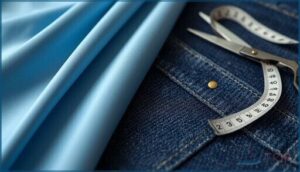
Medium-weight fabrics between 150 and 350 GSM range give you the sweet spot for everyday wear.
Poplin—cotton or cotton blends around 90–180 GSM range—delivers crisp body perfect for button-ups and summer dresses, holding seams flat with minimal fuss.
Denim sits heavier at 405–680 GSM range, offering legendary durability through its twill weave. Both handle regular washing well, though denim shrinks initially and benefits from prewashing before you cut your first piece.
Common Heavyweight Fabrics (e.g., Canvas, Wool)
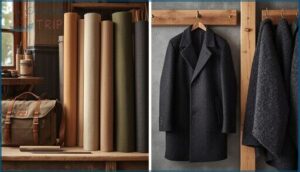
Canvas—usually 8 to 24 oz per yard—thrives in bags, tents, and workwear where fabric durability matters most. Its tight plain weave creates rigidity that resists tearing, and waxed versions add water resistance without sacrificing breathability.
Wool heavyweight textiles deliver warmth through dense worsted or felted constructions, making them ideal outdoor materials for coats. Both showcase how GSM and fabric density determine performance in demanding applications.
How Fabric Weight Impacts Sewing
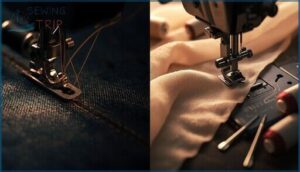
Fabric weight changes almost everything about how you sew. Heavier fabrics need stronger needles and thicker thread, while lightweight materials require a gentler touch and different machine settings.
Let’s break down the three main areas where weight makes the biggest difference in your sewing process.
Needle and Thread Selection
Your needle and thread choices determine whether your project comes together smoothly or fights you at every seam.
Lightweight fabrics (30–150 GSM) need size 9–11 needles with fine polyester or cotton thread to prevent puckering. Medium-weight materials (150–350 GSM) pair best with size 14–16 universal needles and all-purpose thread.
Heavyweight fabrics (350+ GSM) require size 100–110 jeans needles with heavy-duty thread for proper fabric compatibility and strong, skip-free stitches.
Sewing Machine Adjustments
Your machine won’t automatically adapt to different fabric weights—you need to adjust thread tension, presser foot pressure, and stitch length manually.
Lightweight materials require reduced thread tension and minimal presser foot pressure to prevent puckering, while heavyweight fabrics need increased pressure and slightly longer stitch length so the fabric feeds evenly through your sewing machine without skipped stitches or bunching.
Seam and Finish Techniques
Seam finishes and edge binding depend entirely on fabric density—lightweight fabrics need French seams or narrow rolled hems to prevent fraying without bulk, while heavyweight materials require flat-fell seams or bound edges for strength.
Fabric interfacing stabilizes structured areas on any weight, but your stitch selection and hemming techniques must match the fabric weight: delicate garment construction demands different sewing techniques than durable workwear.
Measuring Fabric Weight at Home
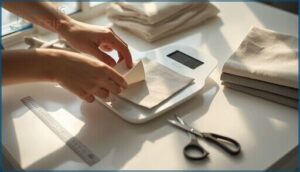
You don’t need a lab to measure fabric weight—just a few basic tools and five minutes of your time.
The process is straightforward: weigh a precise square of fabric and convert that number into GSM. Here’s everything you need to get accurate measurements at home.
Tools Needed for Measurement
You don’t need a full lab to measure fabric weight at home—just a few precision tools. Here’s what you’ll want:
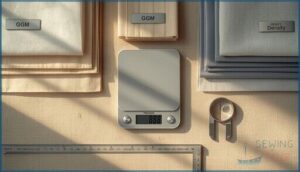
- Digital scales accurate to 0.1 gram, with calibration weights to verify readings stay within ±0.2 g
- Precision rulers or measuring tools to cut exact test samples (10 cm × 10 cm works well)
- Fabric cutters for clean, straight edges that won’t fray during weighing
Step-by-Step GSM Calculation
With your tools ready, here’s how to calculate GSM. Cut a 10 cm × 10 cm sample—that’s 0.01 square meters. Weigh it on your calibrated scale and record the grams. Divide that weight by 0.01, and you’ve got your grams per square meter.
For measurement accuracy, take five samples from different fabric areas, calculate each GSM, then average them. This fabric sampling method ensures reliable fabric density readings across your material.
Tips for Accurate Results
Calibration methods make all the difference—zero your scale before each weigh-in to prevent drift. Keep fabric samples flat and unwrinkled, because compressed areas throw off GSM readings.
For data validation, flag any measurement that varies more than 0.5 GSM from your average and recheck it. Room temperature matters too: let samples cool after ironing to guarantee accuracy checks reveal true fabric weight.
Mistakes Beginners Make With Fabric Weight

Even seasoned sewers will tell you: picking the wrong fabric weight can turn a simple project into a frustrating mess.
Most beginners make the same handful of mistakes—ones that lead to puckered seams, broken needles, or garments that sag in all the wrong places.
Here are three common pitfalls to watch out for when you’re just starting to work with fabric weight.
Choosing by GSM Alone
GSM tells you weight, not behavior. Two fabrics at 150 GSM can drape completely differently—one might flow like water while the other stands stiff.
GSM measures weight, not drape—two fabrics at 150 GSM can behave completely differently
That’s because GSM doesn’t account for fiber content or weave structure. You’ll face sewing challenges if you ignore how cotton, polyester, or linen handle at the same weight.
Lightweight fabric in silk won’t perform like lightweight fabric in canvas, even when GSM numbers match.
Overlooking Machine Capabilities
Your sewing machine has limits—push beyond them and you’ll face skipped stitches, loose seams, or motor overheat. High sewing speed with dense weaves strains older machines, while ultra-lightweight knits can stretch under inadequate presser foot pressure.
Thread tension struggles with unfamiliar fibers, and automatic settings won’t always adjust correctly. Material selection must match machine capabilities, or your fabric compatibility issues will derail even simple sewing techniques.
Ignoring Seasonal Suitability
Pairing winter wool with summer heat creates discomfort fast—your body overheats, perspiration increases, and the garment performance you expected vanishes. Climate considerations aren’t optional when selecting fabric weight.
- Heavy fabrics in warm climates cause excessive sweating and thermal discomfort
- Lightweight fabric in cold seasons provides inadequate warmth and protection
- Weight mismatch accelerates fading and pilling through improper washing cycles
- Off-season storage of dense GSM fabrics risks mildew without proper drying
Caring for Different Fabric Weights

Different fabric weights need different care—what works for delicate chiffon will ruin heavy canvas, and vice versa.
Getting the washing, storage, and handling right protects your investment and keeps your fabrics in good shape for years.
Here’s how to care for lightweight, medium, and heavyweight fabrics without causing shrinkage or damage.
Washing and Drying Guidelines
Treat your fabric like you’d treat a favorite sweater—wash it wrong once, and you’ll watch it shrink, fade, or fall apart. Lightweight materials need delicate care with cool water and gentle cycles to prevent tearing. Medium-weight fabrics handle warm water and standard settings. Heavyweight options tolerate hot washes—but always check for fabric shrinkage first.
| Fabric Weight | Washing & Drying Techniques |
|---|---|
| Lightweight (30–150 GSM) | Cold water, delicate cycle, air dry flat |
| Medium (150–350 GSM) | Warm water, normal cycle, low-heat tumble |
| Heavyweight (350+ GSM) | Hot water acceptable, medium-heat or hang dry |
Skip fabric softening on performance textiles—it clogs fibers. For stain removal, pretreat gently based on fabric density and material selection.
Handling and Storage Tips
Store your fabric like you store your memories with care, or you’ll lose them to time. Fabric folding and storage solutions need to match fabric density, because heavyweight canvas can crush delicate voile, and humidity control prevents mold on natural fibers.
- Roll lightweight materials to avoid permanent creases
- Use breathable cotton bags instead of plastic for pest prevention
- Group fabrics by weight for easy fabric organization
- Keep storage between 60–70°F and 50–65% humidity
- Label bins by material selection and fabric care needs
Preventing Shrinkage and Damage
Pre-shrink your fabric before cutting—it’s the simplest way to prevent surprises. Natural fibers like cotton and wool can shrink 5 to 12 percent after washing, while synthetics hold their shape better. Fabric density matters too: tighter weaves resist fiber relaxation more than loose ones.
| Fabric Weight | Heat Limit | Shrinkage Risk |
|---|---|---|
| Lightweight | Low–Medium | 3–8% |
| Medium | Medium | 2–5% |
| Heavyweight | Medium–High | 1–3% |
Control moisture and temperature during washing—warm cycles relax fibers faster than cool ones. Always follow care labels for heat resistance guidance, because fabric stabilization depends on matching your process to textile properties. Prewashing gives you predictable material selection every time.
Frequently Asked Questions (FAQs)
What is a good fabric weight?
The “best” weight doesn’t exist—it depends entirely on your project. Lightweight fabric (30–150 GSM) drapes beautifully for blouses, while heavyweight fabric (350+ GSM) gives structure to upholstery and outerwear.
How heavy should fabric weights be?
Fabric density varies by project—lightweight fabric starts around 30 GSM for sheers, medium-weight ranges between 150–350 GSM for everyday wear, and heavyweight fabric exceeds 350 GSM for structure and durability.
Is 13 oz fabric heavy?
It depends on context. For T-shirts, 13 oz is heavyweight; for jeans, it’s midweight.
Fabric stiffness and density also shape weight perception, so fiber content and weaving matter as much as ounces per square yard.
What does 12 oz fabric mean?
Like a reliable workhorse, 12 oz fabric weighs twelve ounces per square yard—a mid-weight category in fabric density.
This weight conversion translates to roughly 340–400 GSM, offering balanced material selection for durability.
Can I mix different fabric weights in one project?
Yes, you can mix fabric weights when the contrast is intentional.
Balance heavier and lighter materials strategically, reinforce seams, and test samples first to verify drape and structure work together harmoniously.
Does fabric weight affect how color appears?
Surprisingly, yes—heavier fabrics show deeper color saturation due to increased dye uptake and fabric density, while lightweight fabrics may look washed out from fabric transparency and how light reflection alters weight perception.
What fabric weight works best for beginners?
Midweight fabrics (150–250 GSM) offer the best starting point—they’re stable enough to handle cleanly but forgiving during cutting and stitching.
Cotton poplin and quilting cotton sit in this sweet spot for learners.
How does humidity change fabric weight measurements?
Here’s the deal: humidity shifts your fabric weight reading because fibers absorb moisture from air.
Cotton gains more weight than polyester—moisture regain causes GSM variability when testing hygroscopic fibers without fabric conditioning.
Are vintage fabrics heavier than modern ones?
Typically, vintage fabrics often weigh more than modern equivalents because they relied on denser natural fibers like wool and heavy cotton, tighter weave construction, and finishing techniques that added bulk and stiffness.
Conclusion
Think of fabric weight for beginners as learning a new language—once you can read GSM numbers, every bolt of cloth tells you exactly how it’ll behave.
You’ll walk into fabric stores knowing which materials will drape, which will stand, and which will frustrate your machine. Stop guessing at the cutting table. Match weight to purpose, calibrate your tools accordingly, and your projects will finally cooperate instead of fighting back.