This site is supported by our readers. We may earn a commission, at no cost to you, if you purchase through links.
That shirt you love wearing in summer? It breathes well because of what it’s made of—not how it’s cut or colored. Fiber content in fabric refers to the specific mix of fibers woven or knitted into a material, and it quietly controls everything from how a fabric feels against your skin to how long it survives the wash cycle.
A 100% cotton label tells a completely different story than a 60% polyester blend. Knowing how to read fiber content helps you choose smarter, care better, and avoid the shrinkage disasters and pilling nightmares that come from treating every fabric the same.
Table Of Contents
Key Takeaways
- The fiber content is the percentage breakdown of fibers in a fabric, and it controls everything from how the fabric feels to how it holds up in the wash.
- Natural fibers like cotton and wool breathe well and absorb moisture, while synthetics like polyester dry faster and resist wear, so matching fiber type to your intended use matters.
- Every care label is built around fiber content — ignore it, and you risk shrinkage, pilling, or damage that’s hard to undo.
- Synthetic fibers shed hundreds of thousands of microplastics per wash cycle, so choosing certified natural or blended fabrics can meaningfully reduce your environmental footprint.
What is Fiber Content in Fabric?
Fiber content is simply the mix of fibers that make up a fabric — think of it as the ingredient list for your textile. Every fabric label tells you exactly what’s inside, usually shown as percentages by weight.
Paired with the label, knowing how to read fabric weight and weave patterns helps you understand the full picture of what you’re working with.
Here’s what you need to know about how fiber content works, how it’s labeled, and what common examples look like.
Definition of Fiber Content
Fiber content is the foundation of fabric analysis — it tells you exactly which fibers make up a textile and how much of each is present by weight.
Whether you’re working with natural fibers like cotton or synthetic fibers such as polyester, understanding fabric composition connects material science and textile regulation to real decisions about comfort, performance, and care.
For further details about fiber labeling regulations and standards, review official guidelines that impact textile products.
How Fiber Content is Labeled
Once you know what fiber content means, the next step is knowing where to find it. In the U.S., textile regulations require fabric labels to list each fiber by generic name and percentage by weight, in descending order.
Label placement is usually sewn inside the garment. These labeling requirements also mandate care instructions, country of origin, and manufacturer identification — giving you everything you need at a glance. Manufacturers must comply with for accuracy and visibility.
Common Fiber Content Examples
Labels tell the story, but real-world examples make it click. A classic cotton tee lists 100% cotton — soft, breathable, simple.
Jeans often show 97% cotton, 3% elastane, a fiber mixture that moves with you. Polyester-heavy activewear dries fast and holds color.
Fabric blends like 80% cotton, 20% polyester hit the sweet spot between natural textiles and synthetic materials — comfortable yet durable.
Types of Fibers Used in Fabrics
Not all fibers are created equal, and knowing the difference changes how you shop, sew, and care for what you own.
From cotton to silk to wool, sewing tips for different fabric types can save you from costly mistakes before you ever cut a single thread.
Fabrics generally fall into two main camps — natural and synthetic — with blends sitting somewhere in between. Here’s a closer look at each type and what it brings to the table.
Natural Fibers (Cotton, Wool, Linen, Silk)
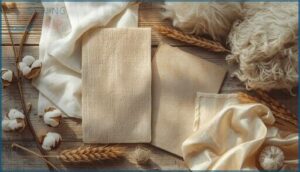
Natural fibers have shaped textile history for thousands of years, and they’re still hard to beat for comfort and eco-friendly performance. Each one comes from a living source, which gives it distinct characteristics you can feel and see in the fabric weaving and fiber sourcing process.
- Cotton absorbs over 25% of its weight in water, keeping you cool and comfortable
- Linen comes from flax stalks, softens with every wash, and dries faster than cotton
- Wool traps air in its crimped fibers, offering warmth even in damp conditions
- Silk produces a smooth, lustrous drape from a single continuous filament
Synthetic Fibers (Polyester, Nylon, Acrylic, Rayon)

Synthetic fibers — polyester, nylon, acrylic, and rayon — are the workhorses of textile innovation. Polyester moves sweat off your skin up to 50% faster than cotton, while nylon withstands abrasion like nothing else. Acrylic mimics wool’s warmth at lighter weights.
Rayon, a semi-synthetic, drapes beautifully but weakens when wet. One trade-off: synthetic production and fiber blending contribute to microplastic impact, raising questions about sustainable materials.
Blended Fabrics and Their Benefits
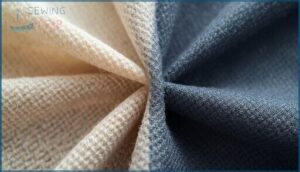
Blended fabrics are where material science meets real-world wearability. Through deliberate fiber mixing and garment engineering, mills combine natural fibers like cotton with synthetic fibers like polyester to get the best of both.
Fabric blending improves durability, reduces shrinkage, and cuts drying time. Many cotton-polyester fiber blends use 50–80% cotton, giving you breathability without sacrificing shape retention — a smart result of modern textile innovation.
How Fiber Content Affects Fabric Properties
The fiber content of a fabric shapes almost everything about how it feels and performs in real life.
From how long it holds up under daily wear to how it withstands a hot summer day, the fibers inside make all the difference.
Here’s a closer look at the key properties fiber content controls.
Texture, Softness, and Comfort
Fiber fineness is where fabric softness begins. Merino wool, for example, measures around 17 to 21 microns, which is why it sits comfortably against sensitive skin without the prickle of coarser fibers.
Your fabric content directly shapes these comfort factors — smooth natural fibers like cotton and silk reduce skin friction, while texture analysis often reveals that tighter fiber composition creates a gentler fabric hand overall.
Durability and Performance
Think of durability as your fabric’s long-term promise. Nylon and polyester lead in abrasion resistance and fiber strength, outlasting cotton and viscose in tear testing by a wide margin.
Your fabric content shapes material properties from day one — tighter fiber compositions boost fabric performance and resist UV degradation over time. Smart fiber composition choices directly extend fabric longevity.
Breathability and Moisture Management
Your fabric content is basically a breathability blueprint. Natural fibers like cotton and linen absorb moisture vapor and allow strong air permeability, while synthetics excel at moisture wicking through capillary action. Fiber composition directly shapes sweat management and vapor transmission.
- Cotton absorbs up to 25% of its weight in moisture
- Polyester wicks sweat outward without holding it internally
- Wool buffers humidity while maintaining fabric breathability
Care and Maintenance Requirements
Care and maintenance requirements follow directly from what’s woven into your fabric characteristics. Cotton and linen tolerate warm washing but risk fabric shrinkage above 140°F.
Wool and silk need cold water and gentle detergents for proper garment care. Your care label tells the full story — don’t skip it. Smart drying methods, careful ironing tips, targeted stain removal, and color preservation habits all depend on knowing your fabric characteristics.
Identifying Fiber Content in Fabrics

Knowing what’s in your fabric doesn’t always require a lab. There are a few practical ways to figure it out right at home, and knowing when to call in a professional can save you from costly mistakes.
Here’s what you should know.
At-Home Identification Methods (Burn Test, Feel, Water Absorption)
Three simple home fabric testing methods can tell you a lot about what you’re working with.
During a burn test, hold a small swatch with tweezers over a flame — cotton ashes softly, while synthetic fibers melt into hard beads.
A fabric feel test and water absorption rate check add more clues, since natural fibers absorb quickly while polyester beads up.
When to Consult a Textile Expert
Home tests work well for basic checks, but some situations call for professional textile analysis. Label disputes, complex blends, or vintage authentication needs go beyond a burn test.
Experts use infrared spectroscopy and chemical fiber analysis to confirm exact percentages — something no kitchen test can match. For legal testimony, production failures, or textile regulations compliance, a certified specialist gives you answers you can actually trust.
Why Fiber Content Matters for Sewers
Knowing your fiber content isn’t just useful background information — it directly shapes how your projects turn out. The fabric you choose affects everything from how easy it’s to sew to how long the finished piece actually lasts.
Here’s why fiber content deserves a spot at the top of your decision-making process.
Choosing The Right Fabric for Projects
Choosing the right fabric starts with knowing your project’s end use. For activewear, synthetic fibers like polyester wick moisture and dry fast.
For everyday shirts or dresses, natural fibers such as cotton or linen keep you comfortable.
Smart fabric selection through textile analysis means matching fiber composition to function — so your sewing techniques work with the material, not against it.
Understanding Care Instructions and Longevity
Once you’ve matched fiber content to your project, knowing how to maintain it keeps your work intact. A care label isn’t just fine print — it tells you how to prevent fabric shrinkage, protect fiber longevity, and choose the right washing techniques.
Cotton textiles can survive around 200 wash cycles with proper fabric care, but harsh heat and wrong drying methods cut that number fast.
Environmental and Ethical Considerations
Every fiber choice carries weight beyond the sewing table. Polyester sheds over 700,000 microfibres per wash, driving serious microplastic pollution in waterways.
Every polyester wash sheds over 700,000 microfibres, quietly flooding waterways with plastic pollution
Sustainable materials like GOTS-certified organic cotton cut greenhouse emissions by roughly 45 percent and support fair labor practices throughout the supply chain. Prioritizing eco friendly options and green manufacturing reduces textile waste and your environmental impact — small decisions that shape sustainable fashion one project at a time.
Frequently Asked Questions (FAQs)
What does fiber content mean in clothing?
Fiber content fabric facts are foundational. Your clothing labels reveal exactly which fibers make up your garment by weight, guiding fabric selection, care instructions, and helping you understand the textile properties of natural fibers versus synthetic fibers.
What is the unhealthiest fabric to wear?
Polyester ranks as the unhealthiest fabric for daily wear. Its synthetic fibers trap heat, cause skin irritation, carry chemical additives, and shed micro plastics.
Sensitive skin and allergic reactions are common complaints.
Is 60% cotton 40% polyester ok?
Think of it as the best of both worlds blend. A 60% cotton 40% polyester fabric content mix balances natural fibers’ breathability with synthetic fibers’ durability, making it genuinely ok for everyday wear.
What is the difference between fiber content and fabric content?
Fiber content tells you what a fabric is made of, like cotton or polyester.
Fabric content describes how it’s constructed, such as denim or jersey.
Both matter for smart material selection.
Can fiber content affect fabric color retention?
Yes, fiber composition directly shapes color fading, dye stability, and fabric bleeding.
Synthetic fibers like polyester offer outstanding UV resistance and colorfastness tests confirm natural fibers fade faster due to higher moisture absorption.
How does fiber content influence fabric weight?
Your fabric content directly controls weight. Denser natural fibers like cotton push grams per meter higher, while synthetic fibers with lighter fiber density keep fabric thickness down, with weave construction and yarn weight also shaping the final result.
Which fibers work best for sensitive skin?
Your skin doesn’t lie — cotton, bamboo, and silk are the go-to hypoallergenic fibers for sensitive skin. These breathable fabrics offer soft textures, moisture control, and rarely trigger allergic reactions.
Does fiber content impact fabric shrinkage over time?
Fiber content directly drives fabric shrinkage over time. Natural fibers like cotton can shrink 3–5%, while synthetic fibers resist dimensional change.
Your fabric care routine and blend composition determine long-term textile stability.
How do fibers affect static electricity in clothing?
Static electricity isn’t random — it’s your fabric’s fiber content working against you.
Synthetic fibers like polyester hold almost no moisture, so charge builds fast. Natural fibers breathe and shed it quietly.
Conclusion
You don’t need a chemistry degree to make sense of fabric labels—you just need to know what the fibers are telling you.
Understanding what’s fiber content fabric means you’re no longer guessing why that sweater shrank or why your workout shirt stays damp. Every label is a quiet instruction manual. Follow it, and your clothes last longer, perform better, and feel exactly as they should.
The fabric always knew. Now, so do you.