This site is supported by our readers. We may earn a commission, at no cost to you, if you purchase through links.
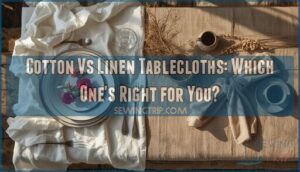
Growing a kilogram of cotton drinks up roughly 29,000 liters of water—about the same as three years of daily showers. Linen, spun from flax, needs less than 1,000. That single number captures something bigger than sustainability stats: these two fabrics live differently, feel different under your hands, and age in completely opposite ways.
Cotton brings softness, bold color, and easy care to your table. Linen arrives crisp, a little rough at first, and quietly gets better with every wash.
Choosing between them for your tablecloth comes down to how you eat, how you entertain, and what kind of wear you’re willing to put a fabric through.
Table Of Contents
Key Takeaways
- Linen uses up to 29x less water than cotton to produce, making it the greener pick if sustainability matters to you.
- Linen gets softer and better with every wash, while cotton stays comfortable but gradually thins out over time.
- Cotton is easier to care for and more affordable upfront, but linen’s durability means it can outlast cotton by years—often a decade or more.
- Your lifestyle is the real deciding factor: cotton fits casual, busy households, while linen suits anyone who loves hosting and wants a tablecloth that doubles as a long-term investment.
Cotton Vs Linen: Key Material Differences
Before picking between cotton and linen, it helps to understand what actually sets them apart at the material level.
Each fabric also behaves differently at the seams, so it’s worth checking out how to finish seams without a serger for cotton and linen before you commit to a technique.
These two fabrics come from completely different plants, and that origin shapes everything from how they feel to how they look on your table.
Here’s a closer look at the key differences worth knowing.
Fiber Sources and Fabric Construction
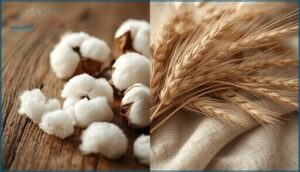
Every tablecloth starts somewhere in a field. Cotton comes from the fluffy seed bolls of the cotton plant, while linen is pulled from the stalk of the flax plant — two very different natural origins that shape everything about how each fabric behaves.
| Feature | Cotton | Linen |
|---|---|---|
| Plant Parts Used | Seed boll | Flax stem |
| Fiber Lengths | 0.5–1 inch | 6–20 inches |
| Yarn Thickness | Finer yarns | Thicker yarns |
Those longer flax fibers spin into thicker, sturdier yarns, which is why linen weaves feel so substantial right from the start. Cotton is celebrated for its durability and comfort, making it a popular choice among premium table linen options.
Natural Texture and Appearance
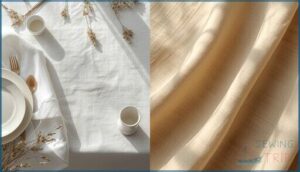
Those longer fibers we mentioned? They show up right on the surface. Cotton tablecloths offer a smooth, even fabric weave that feels familiar and soft from day one. Linen tablecloths bring a different kind of aesthetic charm — natural slubs and tiny ridges give them visual appeal that catches light beautifully. This linen vs cotton comparison really comes down to elegance and texture versus easy comfort.
| Feature | Cotton Tablecloths | Linen Tablecloths |
|---|---|---|
| Surface Feel | Soft, uniform | Crisp, slightly textured |
| Visual Appeal | Flat, consistent | Rustic, character-rich |
| Texture Comparison | Smooth weave | Visible slubs and ridges |
Color and Pattern Variety

Color follows texture in this linen vs cotton comparison.
When dyeing either fabric, texture shapes how color absorbs—something worth keeping in mind if you’re experimenting with a linen-cotton tent dress pattern that blends both materials.
Cotton tablecloths offer wider color options — bold primaries, soft pastels, seasonal prints — because cotton fibers absorb fabric dyes easily.
Linen tablecloths lean toward earthy, muted tones and subtle textile prints that let the weave speak.
Tablecloth shoppers may want to learn more about the variety of cotton tablecloth styles to find the best fit for their space.
| Feature | Cotton | Linen |
|---|---|---|
| Color Options | Broad, bold range | Muted, earthy tones |
| Pattern Variety | Checks, florals, prints | Damask, woven jacquards |
Durability and Longevity Compared

When you’re investing in a tablecloth, you want it to actually last. Both cotton and linen hold up well, but they age in pretty different ways.
Here’s how they compare regarding durability and the long game.
Resistance to Wear and Tear
Think of your tablecloth as armor for your dining table. Linen wins on abrasion resistance and fiber strength — it can handle 10,000 to 30,000 Martindale cycles before showing real wear, while cotton starts fading around 8,000 to 15,000.
Linen’s tight weaving also fights surface pilling and keeps seam durability strong, making it the more durable, low-drama choice for busy tables.
Lifespan of Cotton Vs Linen Tablecloths
Regarding tablecloth longevity, linen has a clear advantage. A quality cotton tablecloth usually survives around 120 to 130 commercial wash cycles, while linen tablecloths hold up far longer thanks to greater fiber strength.
For home use, cotton lasts roughly three to five years with proper maintenance and care, whereas linen — with its impressive fabric durability — can serve your table for a decade or more.
Aging and Softening Over Time
Here’s where the two fabrics really start to tell different stories. Linen tablecloths go through a genuine softening process with every wash, slowly breaking down the natural stiffness until you get that buttery, relaxed drape. The texture change is part of linen’s charm — a material patina that actually improves with age.
A cotton tablecloth stays consistently soft, but its fabric evolution trends toward thinning rather than deepening.
Maintenance and Everyday Practicality

Knowing how durable a tablecloth is only tells half the story — how easy it’s to care for matters just as much in real life.
Cotton and linen each come with their own set of maintenance habits, and the differences can affect your weekly routine more than you’d expect. Here’s what you need to know about keeping each one in good shape.
Washing and Drying Requirements
Cotton is the low-maintenance friend of the two — machine wash at around 40°C, tumble dry on medium heat, and you’re done.
Linen needs a little more gentleness: cooler water temperatures, gentle cycles, and air drying to protect its fibers and support durability and longevity.
Skip harsh detergents on both, and your detergent choice really does matter for long-term textile and fabric care.
Ironing and Wrinkle Management
Linen wrinkles more sharply than cotton — those stiff flax fibers crease deep and hold on. For smoothing methods, iron linen between 200°C and 230°C while slightly damp, or use fabric steaming for easier results. Cotton responds well to medium-high heat.
Starch applications keep both crisp longer, and good wrinkle prevention starts with loose folding during storage — simple maintenance that protects durability over time.
Stain Resistance and Ease of Cleaning
Spills happen — it’s just part of sharing a meal. Linen’s absorbency works in your favor here; liquids sit near the surface instead of diving deep, making stain removal easier with quick spot cleaning. Cotton soaks up spills fast, so fabric treatment needs to happen immediately.
- Blot linen spills with salt or baking soda right away
- Pre-treat cotton with stain remover before washing
- Air dry both after cleaning to check stains before setting
Good laundry tips and prompt attention make all the difference.
Environmental Impact and Sustainability

Your tablecloth choice does more than dress up a table — it quietly reflects your values. Both cotton and linen have an environmental footprint, and they’re not equal.
Here’s how they compare across the things that matter most.
Water and Resource Consumption
In terms of water usage, flax wins by a wide margin. Growing cotton can take up to 29,000 liters of water per kilogram of fiber — flax needs as little as 1,000.
That kind of resource efficiency makes linen a clear leader in green production and eco footprint. If sustainable materials matter to you, linen’s agricultural roots make it the smarter, greener choice.
Biodegradability and Eco-Friendliness
Both fabrics are biodegradable materials, but what happens at end-of-life tells a more nuanced story. Here’s what sets them apart on eco-friendliness:
- Linen breaks down faster in compost-friendly conditions.
- Cotton can linger in landfills for over 200 years.
- Undyed, unfinished sustainable textiles decompose most cleanly.
- Synthetic finishes on either fabric slow biodegradation considerably.
For genuine eco-friendly fabrics, always check for certifications.
Supporting Sustainable Choices
Choosing the right certification is where sustainable living really starts. Look for GOTS on organic cotton or EUROPEAN FLAX on linen — both signal genuine green manufacturing and responsible consumption. These labels back eco-friendly materials that skip harmful dyes and chemical finishes.
Sustainable textiles built to last also mean buying less over time, which is quiet but meaningful environmental stewardship.
Best Uses and Style for Your Table

Picking the right tablecloth isn’t just about fabric — it’s about how you want your table to feel. The setting, the season, and your own style all play a part in that decision.
Here’s what to think about before you choose.
Formal Vs Casual Dining Settings
Your table setting tells a story before anyone takes a bite. For formal events and elegant dinners, linen creates a dining ambiance that signals polish and care — guests notice.
Cotton shines at casual gatherings, keeping the dining experience relaxed and welcoming.
- Linen suits formal dining and upscale dining room decor
- Cotton fits everyday casual gatherings perfectly
- Both shapes shape guest experience differently
Seasonal and Decorative Considerations
Seasonal colors shift your dining ambiance more than you might expect. Cotton works beautifully for summer and spring table settings — think bold stripes or pastel florals that feel light and fun.
Linen, with its naturally slubbed fabric texture, fits fall and winter holiday decor like a warm hand in a glove. One neutral linen cloth can anchor your dining room decor across every season, with runners and centerpieces doing the decorative heavy lifting.
Making The Right Choice for Your Home
Your lifestyle is the real tablecloth selection guide here. If busy mornings and little hands define your dining experience, a cotton tablecloth fits your household budget and fabric care routine without a fight.
But if home decor matters deeply and you love hosting, a linen tablecloth rewards your investment over time. Match the fabric to how you actually live, not just how you’d like to.
A linen tablecloth rewards those who love hosting — choose fabric for how you live, not how you wish you did
Frequently Asked Questions (FAQs)
Why is linen preferred over cotton?
Linen wins hearts for good reason. Its exceptional strength, moisture wicking, elegant drape, and heirloom quality make it a sustainability and elegance statement — durability and absorbency built right into every fiber.
How do linen and cotton tablecloths compare in price?
Generally, a cotton tablecloth runs $20–$40, while a comparable linen tablecloth starts around $70–$ Linen costs more upfront, but its durability often makes it the smarter long-term investment.
Which fabric works better for outdoor dining events?
For outdoor dining events, linen wins on weather resistance and fabric breathability, drying faster after spills and staying fresh in heat.
Cotton works fine casually, but linen manages outdoor durability and dining comfort better overall.
Can tablecloths be blended from linen and cotton?
Yes, tablecloths can absolutely be blended from linen and cotton. These natural fiber blends combine linen’s durability with cotton’s softness, offering a balanced tablecloth material that’s easier to care for than pure linen.
How do allergies factor into fabric choice?
Ancient healers wrapped wounds in linen for good reason — it’s naturally hypoallergenic.
For allergy triggers and fabric sensitivity, both cotton and linen offer skin comfort, breathability, and chemical-free hypoallergenic options when untreated.
Which fabric is easier to find in stores?
Cotton wins on store availability by a wide margin. Cotton tablecloths fill shelves at big-box retailers, discount chains, and online shops alike, making them the easiest tablecloth materials to find during any quick shopping trip.
Conclusion
Think of your tablecloth as the foundation of every meal you’ll share—it sets the mood before a single dish arrives. Regarding cotton versus linen for tablecloths, neither fabric wins outright.
Cotton suits casual, color-forward homes that value softness and easy care. Linen rewards patience, growing more beautiful the longer you keep it.
Match the fabric to how you actually live, and you really can’t go wrong.
- https://livelinen.com/collections/linen-tablecloth
- https://qfk.htx.mybluehost.me/website_875f5f3d/burlap-wedding-table-decor-ideas/
- https://tablecoversnow.com/guides/how-to-iron-a-tablecloth-cover-linen
- https://www.masterclass.com/articles/what-is-organza-fabric
- https://handwovenmagazine.com/weaving-linen-and-links-to-the-past/