This site is supported by our readers. We may earn a commission, at no cost to you, if you purchase through links.
Walk into any fabric store and you’ll likely hear “bolt” and “roll” used as if they mean the same thing—they don’t, and that mix-up costs sewers and buyers real yardage. A bolt wraps folded fabric around a flat rectangular core, cutting its visible width roughly in half, while a roll wraps continuously around a cylindrical tube, keeping the full width intact.
That distinction alone changes how you measure, store, and budget for a project. Knowing the difference between fabric bolts and rolls isn’t just textile trivia—it’s the kind of knowledge that separates a smooth production run from a frustrating, expensive ordering mistake.
Table Of Contents
- Key Takeaways
- Fabric Bolts Vs Rolls: Key Differences
- How Fabric Bolts Are Constructed
- How Fabric Rolls Are Constructed
- Standard Sizes for Bolts and Rolls
- Industry Terminology: Bolts and Rolls
- Labeling and Measurement Differences
- Storage and Handling Practices
- Buying Fabric: Bolts Vs Rolls
- Project Planning: Choosing Bolts or Rolls
- Common Myths About Bolts and Rolls
- Frequently Asked Questions (FAQs)
- Conclusion
Key Takeaways
- Bolts fold fabric in half around a flat core, cutting the visible width, while rolls wrap fabric around a tube, keeping the full width intact.
- Mixing up bolts and rolls can lead to wasted fabric, inaccurate measurements, and costly ordering mistakes.
- Rolls are best for bulk buying and large projects, offering lower prices and continuous yardage, while bolts suit smaller, home sewing needs.
- Always check labels for yardage and width, since bolt and roll sizes vary widely by fabric type and supplier.
Fabric Bolts Vs Rolls: Key Differences
If you’ve ever stood in a fabric store wondering whether you’re looking at a bolt or a roll, you’re not alone — most people use the terms interchangeably, but they’re actually different things. Knowing the distinction can save you time, money, and a few headaches when ordering materials.
Once you know the difference, it also helps to understand how many yards are in a bolt of fabric so you’re never caught short on a project.
Here’s what sets them apart.
Definition of Fabric Bolts
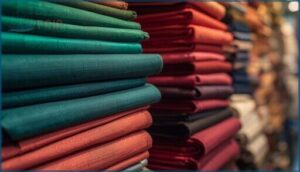
A fabric bolt is basically a flat, folded package of cloth wrapped around a rectangular cardboard core. The fabric gets folded in half lengthwise first — that’s fabric folding in action — then wound neatly around the board.
| Feature | Detail |
|---|---|
| Core Shape | Flat rectangular cardboard |
| Fabric Folding | Folded in half lengthwise |
| Bolt Sizes | 10–100 yards long |
| Common Widths | 44–60 inches |
Bolt labels tell you fiber content, width, and yardage — pretty handy at the cutting counter. For more details on the industry standard bolt measurement, refer to textile industry resources.
Definition of Fabric Rolls
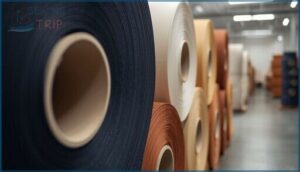
Now, a roll of fabric is a different animal altogether. Instead of folding, the cloth wraps continuously around a cylindrical tube — cardboard or plastic — under consistent Roll Tension to keep every layer smooth.
Roll Construction preserves the full Fabric Width, selvage to selvage, making it a go-to for fabric wholesale and commercial use across the textile industry.
Effective use of fabric rolls is enhanced by automated fabric allocation methods, which help minimize waste in apparel manufacturing.
| Feature | Detail |
|---|---|
| Core Shape | Cylindrical tube |
| Fabric Folding | None — continuous wrap |
| Roll Length | 30–100+ yards |
| Fabric Width | 54–118 inches |
| Edge Finishing | Selvage edges intact |
Common Misconceptions
Here’s where bolt assumptions and roll confusion tend to trip people up. Many assume a fabric bolt always holds 100 yards — not true. Bolt length ranges wildly, from 10 to 100+ yards depending on the supplier.
| Myth | Reality | Why It Matters |
|---|---|---|
| Bolts and rolls are totally different | Suppliers often use both terms for the same product | Avoids ordering errors |
| All bolts have equal yardage | Length varies by fabric type and manufacturer | Prevents project shortfalls |
| Bolt width means length | Width measures selvage to selvage, not yards | Accurate fabric measurement saves money |
These fabric myths catch even experienced sewers off guard.
How Fabric Bolts Are Constructed

Once you know bolts and rolls aren’t the same thing, it’s worth understanding what actually goes into making a bolt — because the construction explains a lot about how it behaves on the shelf and in your hands.
A fabric bolt starts with a flat rectangular cardboard core — not a tube. The fabric is folded in half lengthwise, then wound neatly around that flat core. This bolt construction is what gives it that tidy, compact look you see stacked in retail stores.
Here’s what that means for you practically:
- Bolt length usually runs 40 to 100 yards, depending on fabric weight
- Fabric folding cuts the visible width roughly in half
- The flat core keeps edges aligned and wrinkle-free
- Understanding fabric bolt measurements helps you avoid costly ordering mistakes
Simple design, smart purpose.
How Fabric Rolls Are Constructed
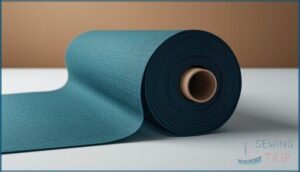
Flip the bolt on its side, swap the flat cardboard for a cylindrical tube, and you’ve got the basic idea behind how a fabric roll comes together.
Unlike a bolt of fabric, a fabric roll winds continuously around that cylindrical core — no folding involved. That’s the big difference. The full width stays open, which makes roll construction ideal for industrial textile manufacturing and large-scale projects where you need to see exactly what you’re working with.
Here’s what defines a typical roll:
- Core Materials — a sturdy cardboard or plastic tube holds the roll’s shape
- Fabric Winding — the roll of fabric wraps outward without edge folding
- Edge Finishing — selvage edges remain fully exposed for accurate fabric measurement
Clean, wide, and ready for serious work. 淋
Standard Sizes for Bolts and Rolls
Knowing the standard sizes for bolts and rolls can save you a lot of guesswork when you’re ordering fabric. Sizes aren’t one-size-fits-all — they vary based on the type of fabric and how it’s packaged.
Here’s what you need to know.
Typical Lengths and Widths
Size really does matter when you’re buying fabric. Bolt lengths commonly run 30 to 100 yards, depending on weight and put-up, while fabric width usually falls between 44 and 60 inches. Roll sizes follow similar measurement standards but vary widely.
Here’s a quick look at common fabric dimensions:
| Format | Typical Yardage | Common Width |
|---|---|---|
| Retail Bolt | 30–40 yards | 44–45 inches |
| Quilting Bolt | 40–60 yards | 44–45 inches |
| Wholesale Roll | 50–100 yards | 54–60 inches |
| Event/Decor Roll | 10–50 yards | 54–60 inches |
Variations by Fabric Type
Not all fabrics play by the same rules. Fabric weights and material thickness shape how fabric gets packaged — that’s one of the bigger fabric bolt and roll differences you’ll notice.
Lightweight quilting cotton folds neatly on a bolt, while heavier denim ships on rolls. Stretchy knit fabric types need rolls too, since folding distorts them.
Textile variations in fabric width, weave, and loft all drive those choices.
Industry Terminology: Bolts and Rolls
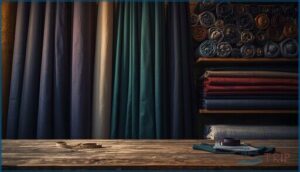
The textile world has its own language, and knowing it saves you a lot of confusion at the fabric counter. Depending on the industry, people use different terms for the same thing — and sometimes the same term for different things.
Here’s how the terminology breaks down across two of the biggest sectors.
Apparel Industry Usage
Here’s something that might surprise you — in the clothing industry, “bolt” and “roll” are often used interchangeably, even by pros. But sourcing decisions, cutting efficiency, and logistics planning all depend on understanding the difference.
Apparel fabric arrives from mills on continuous rolls for bulk production, while fabric wholesale suppliers repack the same apparel fabric onto smaller bolts for easier inventory tracking and fabric measurement.
Upholstery and Interior Design Terms
In interior design, the words “bolt” and “roll” carry real weight — and knowing the difference shapes how you plan upholstery projects. A bolt of fabric is folded lengthwise around a flat board, while a roll of fabric wraps around a cylindrical tube.
Upholstery fabric width usually runs 54 inches, and fabric durability, pattern repeat, and fabric patterns all factor into which format suits your textile standards best.
Labeling and Measurement Differences
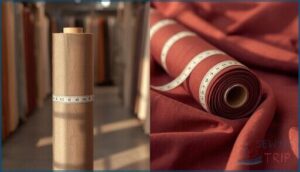
Once you pick up a bolt or roll, the label is your first clue about what you’re actually working with. It tells you more than you’d expect — and knowing how to read it saves you from some costly mistakes.
Here’s what you’ll usually find on those tags.
Information on Roll Tags
Think of a roll tag as the fabric’s ID card. It tells you everything that matters — fiber content like 95% cotton, usable width (usually 44 to 60 inches), total yardage, and GSM weight.
Roll tracking systems use lot numbers for fabric identification and traceability, while labeling requirements under U.S. textile law mean bolt label details aren’t optional.
Tag inspection codes help flag any defect grades too.
QR Codes and Digital Info
Beyond the bolt label basics, QR codes are quietly changing how fabric information travels. Scan one and you might land on a product page packed with fabric characteristics, care guides, or even fabric dimensions — no squinting at tiny print required.
Manufacturers use editable QR codes to update pricing or availability without reprinting labels, supporting inventory automation and digital traceability straight from the warehouse floor.
Storage and Handling Practices
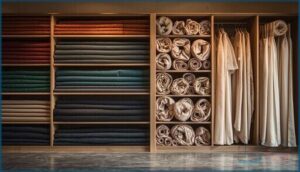
How you store fabric matters more than most people think. Bolts and rolls each have their own storage needs, and mixing them up can lead to creasing, damage, or wasted space. Here’s what you need to know about handling each one properly.
Storing Bolts in Stores
Walk into most fabric stores and you’ll notice bolts standing tall on vertical storage shelves — that’s intentional. Vertical shelf organization lets customers scan colors and prints instantly, while keeping your fabric inventory management clean and accessible.
Many commercial displays hold up to 80 bolts at once, maximizing your store layout without chaos. Proper bolt protection means avoiding direct sunlight and keeping bolts off the floor.
Storing Rolls in Warehouses
Warehouses play a different game entirely. Instead of neat retail shelves, fabric rolls in the Roll Goods Industry live on dedicated racking systems — cradle-style or cantilever designs that keep rolls off the floor and prevent moisture damage. Vertical storage maximizes space without crushing your inventory.
Good safety practices mean forklifts handle the heavy lifting, and smart fabric storage and inventory management ensures wholesale buyers pull the right roll every time.
Buying Fabric: Bolts Vs Rolls
Buying fabric isn’t just about picking the right color or texture — how it’s packaged can seriously affect your budget and project plans. Whether you’re shopping for a quick home project or stocking up for a full production run, bolts and rolls come with some real differences worth knowing.
Here’s what to keep in mind before you buy.
Cost Differences
Why does buying a full roll often feel like snagging a secret deal? It’s all about cost-effectiveness—rolls access better Pricing Models, Bulk Discounts, and lower Shipping Costs per yard. Bolts, meanwhile, have higher Unit Prices and more Waste Reduction challenges. Here’s a quick snapshot:
| Item | Bolts (per yard) | Rolls (per yard) |
|---|---|---|
| Unit Price | $5–$15 | $3–$10 |
| Bulk Pricing | Limited | Aggressive |
| Waste | Higher | Lower |
Minimum Purchase Quantities
Most suppliers don’t let you cherry-pick yardage freely — Order Thresholds and Wholesale Requirements vary a lot. Bolt Minimums often start at 3–5 bolts per shipment, while Roll Quantities can demand 100+ meters per color. Color Restrictions mean each colorway counts separately, which adds up fast when buying fabric by the yard isn’t an option.
| Buyer Type | Bolt of Fabric Min | Fabric Roll Min |
|---|---|---|
| Retailer | 3–5 bolts | 1 roll/color |
| Wholesaler | 2 bolts | 100m/color |
| Home Sewer | 1 yard cut | ¼ yard cut |
Bulk Buying Considerations
Three factors shape your bulk buying decision: price per yard, shipping costs, and storage. Buying fabric in bulk — especially full rolls — often unlocks better bulk pricing, sometimes dropping to as low as $3/yard for basic cotton. But freight savings can disappear fast if oversize surcharges kick in.
| Factor | Bolts | Rolls |
|---|---|---|
| Price Per Yard | Moderate | Lower at volume |
| Shipping Costs | Standard rates | Oversize risk |
Project Planning: Choosing Bolts or Rolls
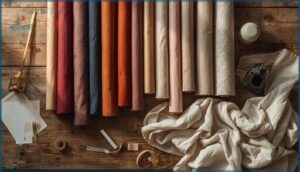
Picking between a bolt and a roll isn’t just a storage question — it’s a project planning decision. The right choice depends on your project size, how much fabric you need, and how you’ll be working with it.
Here’s what you need to know before you buy.
Suitability for Home Sewing
For most home sewists, a bolt of fabric is honestly your best friend. You can grab just 1 to 3 yards at a sewing store — perfect for smaller sewing projects without the storage headache.
Fabric handling stays manageable too, since bolts are lightweight and sit flat on your cutting table. Match your fabric width and yardage to your sewing goals, and fabric selection becomes refreshingly simple.
Best Choice for Large Projects
When you’re running large-scale production, a roll of fabric is your best ally — not a bolt. Rolls offer continuous yardage that keeps your cutting layouts clean, your color consistent, and your costs manageable through wholesale pricing.
- Continuous Yardage minimizes seam joins across large panels
- Bulk Fabric Savings lower your per-yard cost substantially
- Wholesale Pricing improves margins on big textile production runs
- Project Efficiency improves when fabric yardage arrives in fewer, longer rolls
- Consistent bolt length reduces shade variation across your entire order
Common Myths About Bolts and Rolls

There’s a lot of misinformation floating around about fabric bolts and rolls, and honestly, some of it can cost you time and money. A few stubborn myths tend to trip people up — especially when they’re ordering fabric for the first time.
Here are the most common ones worth clearing up.
Bolt Size Misunderstandings
Think a bolt of fabric always means 100 yards? That’s one of the most common measurement errors in sewing. Bolt size varies wildly — quilting cotton often runs 40–50 yards, while boutique bolts can be as short as 10–15 yards. Bolt width shifts too, from 36″ to 60″+. Always check fabric bolt labels before assuming anything.
Bolt sizes can range from 10 to 50 yards or more, so always check the label before assuming its length or width
| Bolt Type | Typical Bolt Length | Common Bolt Width |
|---|---|---|
| Quilting Cotton | 40–50 yards | 44–45 inches |
| Upholstery Fabric | 30–50 yards | 54–60 inches |
| Specialty/Sheer | 60–100 yards | Up to 118 inches |
Fabric Yield Expectations
More yardage doesn’t always mean more usable fabric — that’s where yield myths sneak up on you. Fabric width, pattern matching, and end loss all quietly eat into your roll efficiency. Here’s what actually shapes fabric utilization:
- A 60″ bolt of fabric delivers more yield than a 44″ one at the same yardage
- Printed fabrics lower fabric utilization due to pattern-matching requirements
- Smart cutting strategies can push marker efficiency above 80%
Mistakes When Ordering Fabric
Yield surprises hurt, but ordering mistakes sting worse — especially when the fabric never shows up right in the first place.
One of the biggest buying pitfalls? Assuming every bolt of fabric is 44 inches wide. Common fabric measurement errors like this, or misreading fabric yardage in meters vs. yards, can leave your project 10–15% short. Always check fabric bolt labels before you buy.
Frequently Asked Questions (FAQs)
Is a bolt a roll of fabric?
Sort of — but not quite. In the textile industry, a bolt of fabric is actually one specific type of fabric roll, just folded and packaged differently. Same idea, different setup.
Is it cheaper to buy a bolt of fabric?
Yes, buying a bolt of fabric is usually cheaper per yard — bulk discounts and wholesale pricing can save you 10 to 30 percent compared to buying individual cuts.
How many wraps on a bolt of fabric is a yard?
Two folds on a bolt of fabric equal roughly one yard — that’s the Fold Counting Rule. It’s a handy shortcut for Estimating Yardage, but Unreliable Counting happens fast on rewrapped bolts, so always measure to confirm.
Can fabric bolts be reused after unwinding?
Absolutely — most fabric bolts can be reused after unwinding. The rigid cardboard core offers real Reuse Potential as a Storage Solution, perfect for Repurposing Ideas like wrapping cut yardage, organizing fabric storage, or recycling with minimal Limitations.
How does humidity affect stored fabric rolls?
Humidity quietly wrecks stored fabric rolls. Moisture absorption swells fibers, causes fabric shrinkage, and invites mold above 60% humidity. Keep roll storage between 45–55% RH for safe dimensional changes control.
Are bolts and rolls recyclable or eco-friendly?
The cardboard cores on most bolts and rolls are made from recycled pulp and are fully recyclable.
The fabric itself is trickier — textile waste still lacks easy curbside recycling in most areas.
Do different countries use different bolt standards?
Yes — and it’s a whole patchwork of standards! The US favors 44–60 inch wide bolts, Japan’s kimono tanmono run just 15–16 inches wide, and there’s no single global rule governing bolt sizes.
Can you mix bolt and roll orders from suppliers?
In most cases, you can mix a fabric bolt and a roll of fabric in one order. Many wholesalers allow it as long as you hit their minimum fabric yardage or dollar threshold.
Conclusion
It’s funny how the smallest mix-up—grabbing a roll when you needed a bolt—can unravel an entire project budget. That’s rarely bad luck; it’s usually a terminology gap closing at the worst moment.
Once you understand the real difference between fabric bolts and rolls, those moments stop happening. You measure smarter, order accurately, and waste less. The fabric doesn’t change, but your confidence working with it absolutely does.
- https://www.blog.apparelsearch.com/2016/02/fashion-fabrics-by-yard.html
- https://sew4home.com/how-to-read-a-fabric-bolt/
- https://www.cvlinens.com/blogs/styling-tips/how-wide-are-fabric-rolls
- https://www.apparelsearch.com/terms/b/bolt_fabric.html
- https://www.foliofabrics.com/blogs/inspo/railroaded-vs-not-railroaded