This site is supported by our readers. We may earn a commission, at no cost to you, if you purchase through links.
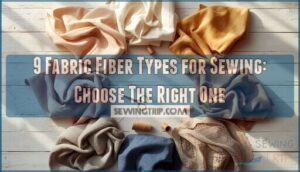
The wrong fabric can unravel a project before you even finish cutting. A sewing enthusiast once spent weeks crafting a summer dress, only to discover her chosen fabric trapped heat like a greenhouse—beautiful on the bolt, miserable to wear. That single misstep came down to one thing: not knowing her fiber types.
With thousands of fabrics available today, understanding fabric fiber types for sewing separates frustrating guesswork from confident, intentional choices. Each fiber behaves differently under a needle, against skin, and through a wash cycle. Knowing which fiber fits your project means your finished piece actually performs the way you envisioned it.
Table Of Contents
- Key Takeaways
- Major Fabric Fiber Types for Sewing
- Key Properties of Fabric Fibers
- Natural Vs Synthetic Fiber Comparison
- Top 9 Fabric Fiber Products for Sewing
- 1. Crafty Cuts White Cotton Fabric
- 2. BENBO Linen Embroidery Fabric
- 3. David Angie Ethnic Stripe Fabric
- 4. Stretch Velour Fabric Teal
- 5. Navy Blue Cotton Ticking Fabric
- 6. Simple Opulence Linen Fabric
- 7. Ice Fabrics Cotton Broadcloth Fabric
- 8. Barcelonetta Pink Fleece Fabric
- 9. Deep Indigo Cotton Denim Fabric
- Tips for Choosing Fiber Types for Projects
- Frequently Asked Questions (FAQs)
- Conclusion
Key Takeaways
- Knowing your fiber types — natural, synthetic, or semi-synthetic — is what separates a project that performs from one that falls apart after the first wash.
- Natural fibers like cotton and linen breathe and biodegrade, but synthetics like polyester and nylon win on durability and stretch, so match your fiber to what your project actually needs to do.
- Prep work isn’t optional — pre-washing prevents shrinkage and protects fiber integrity before you cut a single piece.
- Fiber choice shapes everything from how your fabric drapes and holds embroidery to whether it traps heat against your skin or moves with your body.
Major Fabric Fiber Types for Sewing
Fabric fibers fall into three main camps, and knowing which is which changes everything about how you sew. Each type behaves differently under your needle, on your body, and in the wash.
Natural fibers like cotton and silk are a great starting point—understanding thread texture for sewing helps you match the right fiber to your project from the start.
Here’s a look at the natural fibers, synthetic fibers, and semi-synthetic fibers you’ll work with most.
Natural Fibers: Cotton, Linen, Silk, Wool, Hemp
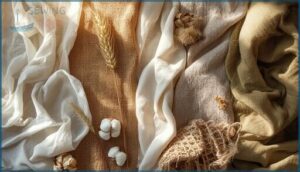
Natural fibers are your most adaptable starting point. Natural fibers are soft, breathable, and ideal for cotton blends in everyday garments. Linen, sourced through careful fiber sourcing from flax stalks, stays cool in heat.
Silk finishing gives fabric that unmistakable drape and sheen. Wool insulates even when damp. Hemp production yields tough, sustainable yardage. All accept natural dyes beautifully and reward thoughtful weaving choices.
For a deeper comparison of how linen and cotton impact the planet and your projects, see these.
Synthetic Fibers: Polyester, Nylon, Acrylic, Spandex
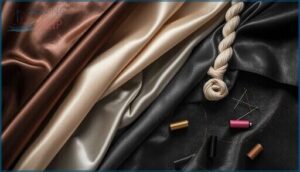
Synthetic textiles take a different approach than their natural counterparts.
Polyester blends resist wrinkles and dry fast, while nylon fabrication gives you serious strength for bags and outerwear. Acrylic yarns mimic wool’s warmth without the price tag. And spandex stretch? It’s what keeps leggings snug through every move.
These manmade fibers built from petroleum give you durability on demand. To explore more about the durability and variety of these materials, check out the different types of synthetic fabrics.
Semi-Synthetic Fibers: Rayon, Acetate
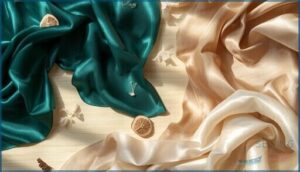
Semi-synthetic fibers sit right between natural and manmade — and that middle ground is surprisingly useful.
Rayon, made from regenerated cellulose, drapes like silk and soaks up dye beautifully.
Acetate fabrics share similar origins but lean more lustrous, making them a go-to for linings and formalwear.
Both semi-synthetic fibers involve fiber modification from wood pulp, giving you natural comfort with a little extra polish.
Key Properties of Fabric Fibers
Not all fabric fibers behave the same way, and that difference matters more than you’d think.
The right fiber can make your project breathable, strong, or beautifully draped — the wrong one can leave you frustrated.
Here are the key properties to know before you pick your next fabric.
Breathability and Moisture Absorption
Think of your fabric as your second skin — it either works with your body or against it.
Natural fibers like cotton and linen offer strong natural absorbency, with cotton’s moisture regain sitting between 7 and 11 percent.
Synthetic wicking fabrics like polyester skip absorption entirely, moving sweat outward instead. Understanding these fabric properties helps you match fiber breathability and moisture management to whatever you’re making.
Strength, Durability, and Elasticity
Durability isn’t just a buzzword — it decides whether your finished project lasts a season or a decade.
Nylon leads in fabric abrasion resistance, surviving around 4,500 Martindale cycles, while denim clears 8,000.
In terms of tensile strength and elastic recovery, spandex stretches up to 600% and bounces back.
Understanding these textile fiber properties — fiber flexibility, wrinkle resistance, and durability testing results — helps you choose smarter.
Texture, Sheen, and Drape
Texture, sheen, and drape shape how your fabric looks and moves — and they’re worth understanding before you cut a single inch.
Natural fibers like cotton and linen feel matte and crisp, while silk and rayon catch light with a smoother surface sheen.
Fiber drape depends on yarn weight and fabric finish too.
Loose weaves flow; tight ones hold structure.
Knowing these textile fiber properties sharpens your fabric selection every time.
Sustainability and Eco-Friendliness
Sustainability isn’t just a buzzword — it’s a real fabric property worth weighing. Natural fibers like hemp and organic cotton are renewable resources that biodegrade, while synthetic options like polyester shed microplastics into waterways for centuries.
Natural fibers biodegrade; synthetic ones shed microplastics into waterways for centuries
Eco friendly fabrics certified by GOTS or OEKO-TEX support green manufacturing and circular economy goals. Choosing sustainable textiles means your sewing projects align with sustainable fashion values from the very start.
Natural Vs Synthetic Fiber Comparison
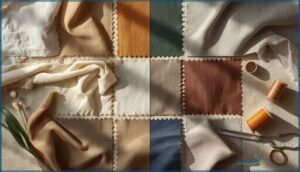
Picking between natural fibers and synthetic fibers is one of those decisions that can make or break a project. Each type has real strengths — and real trade-offs worth knowing before you cut a single inch of fabric.
Here’s how they stack up.
Benefits and Drawbacks of Natural Fibers
Natural fibers are the workhorses of sustainable sewing — breathable, skin-friendly, and genuinely comfortable to wear. But they come with trade-offs worth knowing before you cut a single yard.
| Fiber | Benefits | Drawbacks |
|---|---|---|
| Cotton | Breathable fabrics, soft, easy to sew | Shrinks, wrinkles, needs pre-washing |
| Linen | Natural fiber comfort, cool in heat | Creases heavily, can feel stiff |
| Wool | Warm, moisture-wicking, wrinkle-resistant | Can shrink, may irritate sensitive skin |
| Hemp | Eco friendly textiles, strong, durable | Coarser feel, limited print options |
| Silk | Luxurious drape, organic materials feel | Delicate, expensive, tricky to handle |
These textile fibers reward careful handling with long-lasting, comfortable results.
Advantages and Limitations of Synthetic Fibers
Synthetic fibers like polyester and nylon are workhorses of textile innovation — tough, affordable, and low-maintenance. Synthetic fiber durability means your activewear and linings hold up through hard use. The trade-off? Fabric sustainability takes a hit, since microplastic pollution enters waterways every wash cycle.
| Fiber | Advantage | Limitation |
|---|---|---|
| Polyester | Wrinkle-resistant, budget-friendly | Microplastic pollution |
| Nylon | Strong, abrasion-resistant | Low breathability |
| Spandex | Excellent stretch and recovery | Non-biodegradable |
Recycled options offer eco friendly alternatives worth exploring.
When to Choose Each Fiber Type
Choosing the right fiber comes down to the job at hand. Natural fiber options like cotton and linen win in hot weather, while wool owns the cold months. For stretch or durability, man-made fiber blends are your go-to. Smart fabric selection means reading the project, not just the label.
| Project Type | Best Fiber Choice |
|---|---|
| Summer apparel | Cotton or linen (seasonal fabrics) |
| Winter outerwear | Wool or fleece |
| Activewear | Spandex fabric blending |
| Home decor | Canvas or linen |
| Quilts | Quilting cotton or minky |
Top 9 Fabric Fiber Products for Sewing
Picking the right fabric can make or break your sewing project.
To save you the guesswork, we’ve rounded up nine solid options that cover a range of fibers, uses, and skill levels.
Here’s a closer look at each one.
1. Crafty Cuts White Cotton Fabric
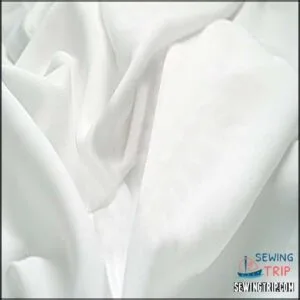
If you want a reliable go-to for quilts, simple garments, or home décor, the Crafty Cuts White Cotton Fabric is hard to beat. You get a full 2 yards of 100% cotton in a plain weave — breathable, stable, and easy to cut without shifting around.
It’s pre-shrunk, so you’re not starting from scratch on that step. The solid white works with almost anything. Just finish your seams to prevent fraying, and you’re good to go.
| Best For | Sewers, quilters, and DIY crafters who need a dependable, easy-to-work-with white cotton fabric for everyday projects. |
|---|---|
| Material | 100% Cotton |
| Color | White |
| Washable | Yes |
| Sold By | 2 Yards |
| Primary Use | Sewing/Quilting |
| Weight | 7.2 oz |
| Additional Features |
|
- Pre-shrunk, so you can skip that prep step and get straight to crafting
- Solid white goes with everything — great base for dyeing, printing, or leaving as-is
- Versatile enough for quilts, garments, masks, curtains, and even cheesemaking
- A bit thin, so light can show through — you may need extra layers for opacity
- Prone to fraying once cut, so finishing your seams is a must
- Occasional small imperfections like dark spots may pop up in the fabric
2. BENBO Linen Embroidery Fabric
If cotton linen is your everyday workhorse, linen is where things get a little more interesting.
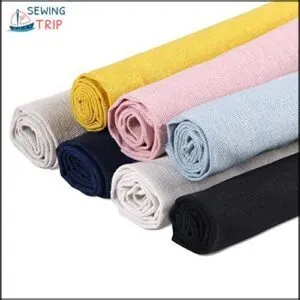
The BENBO Linen Embroidery Fabric gives you seven pre-cut squares — each 19.7 x 19.7 inches — in colors ranging from crisp white to navy and black.
It’s a cotton-linen blend, so you don’t get that rough, scratchy feel pure linen sometimes brings. Medium weight, soft in the hand, and easy to hoop.
Perfect for embroidery, cross-stitch, pillows, or small tote panels.
| Best For | Embroidery and cross-stitch enthusiasts — beginners and seasoned crafters alike — who want a soft, easy-to-work-with linen fabric in a variety of colors. |
|---|---|
| Material | Cotton Linen Mix |
| Color | 7 Assorted Colors |
| Washable | Yes |
| Sold By | 7 Pieces |
| Primary Use | Embroidery/Needlework |
| Weight | 1.6 oz |
| Additional Features |
|
- Seven pre-cut 19.7 x 19.7 inch squares in a solid range of colors, so you’ve got variety right out of the bag.
- The cotton-linen blend keeps it soft and breathable without that stiff, scratchy feel pure linen can have.
- Versatile enough for embroidery, cross-stitch, pillows, tote panels, and more.
- Not built for heavy-duty projects — if your work takes a lot of stress or tension, this probably isn’t the fabric for it.
- Quality can be a little inconsistent, with some buyers finding it less sturdy than expected.
- Shipping delays have been reported, so it’s worth ordering ahead if you’re on a deadline.
3. David Angie Ethnic Stripe Fabric
If linen squares suit your hand-stitching projects, the David Angie Ethnic Stripe Fabric takes things in a completely different direction — bold prints, soft stretch, and ready to move.
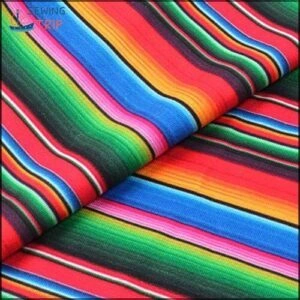
It’s a double-brushed polyester-spandex blend with 4-way stretch, so it works beautifully for leggings, fitted tops, and dresses. The colorful ethnic stripe print hides minor sewing imperfections too, which is a quiet win for beginners. At 59 inches wide, you get plenty of room to cut most patterns without extra panels.
| Best For | Sewers and crafters who want a stretchy, vibrant fabric for leggings, dresses, or fun accessories like headbands and baby apparel. |
|---|---|
| Material | Polyester/Spandex |
| Color | Colorful |
| Washable | Yes |
| Sold By | By the Yard |
| Primary Use | Apparel/Accessories |
| Weight | 8.1 oz |
| Additional Features |
|
- The 4-way stretch makes it great for fitted clothing that actually moves with you
- 59 inches wide means you can cut most patterns in one go — no awkward extra panels
- The bold ethnic stripe print is eye-catching and naturally hides small stitching mistakes
- You might get up to 1cm off in size due to cutting variations, so measure twice
- It’s a delicate fabric that needs careful handling — not something you want to rush through
- Polyester-spandex blends can be slippery to work with, which may frustrate newer sewers
4. Stretch Velour Fabric Teal
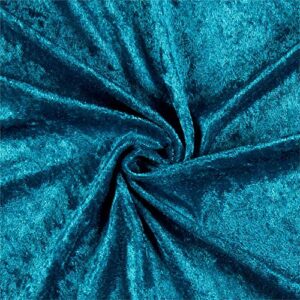
If bold prints got you excited, wait until you feel stretch velour. This teal fabric from Ben Textiles is 96% polyester and 4% spandex, giving you that soft, velvety pile with 40% stretch across the grain.
It’s 60 inches wide and sold by the yard, so you only buy what you need. Think dancewear, leotards, kids’ costumes, or a cozy dress. Just use a ballpoint needle and keep your iron on low — the pile crushes easily under direct heat.
| Best For | Dancers, costume makers, and anyone who loves cozy, stretchy apparel like leotards, loungewear, or kids’ costumes. |
|---|---|
| Material | Polyester/Lycra Spandex |
| Color | Teal |
| Washable | Machine Wash Cold |
| Sold By | By the Yard |
| Primary Use | Loungewear/Costumes |
| Weight | 8 oz |
| Additional Features |
|
- Super soft velvety feel with a nice shimmer — looks great on stage or around the house
- 40% stretch across the grain makes it really comfortable and easy to move in
- Sold by the yard, so you’re not stuck buying more than you need
- Thin and a bit finicky to sew — definitely not a beginner-friendly fabric
- Color can be hit or miss, with some customers getting a lighter shade than expected
- Quality isn’t always consistent, and the return process can be a headache
5. Navy Blue Cotton Ticking Fabric
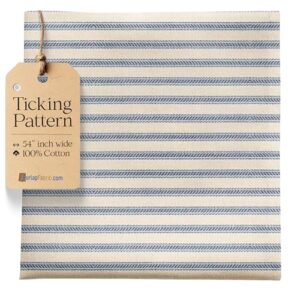
Classic never goes out of style — and this navy blue cotton ticking fabric proves it. Made from 100% medium-weight upholstery duck canvas, it’s 54 inches wide and holds up beautifully for cushions, pillows, curtains, and DIY home projects.
The woven navy stripe stays crisp on both sides, so your work looks intentional from every angle. Machine wash cold, then air-dry to keep it looking sharp. It’s the kind of fabric that makes farmhouse and coastal rooms look effortlessly put together.
| Best For | Home decorators, crafters, and DIYers who want a timeless, durable fabric for upholstery, pillows, curtains, or farmhouse-style projects. |
|---|---|
| Material | 100% Cotton |
| Color | Blue |
| Washable | Machine Wash Cold |
| Sold By | By the Yard |
| Primary Use | Upholstery/Home Decor |
| Weight | 1 lb |
| Additional Features |
|
- Pure 100% cotton canvas that’s sturdy enough for upholstery but still easy to work with at home
- Wide 54-inch cut and sold by the yard, so you can grab exactly what you need without waste
- Machine washable and versatile enough for everything from pillow ticking to full curtain panels
- May arrive folded and cut slightly crooked, so budget extra fabric for squaring up your edges
- Needs to air-dry for best results, which takes more time than tossing it in the dryer
- Can shrink and wrinkle a bit after washing, so pre-washing before your project is a smart move
6. Simple Opulence Linen Fabric
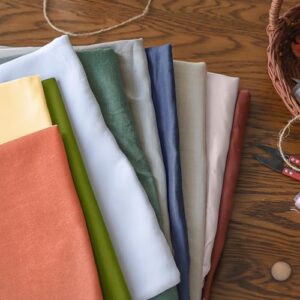
If you want a linen that pulls double duty — beautiful and functional — Simple Opulence delivers. This 100% natural flax fabric is 78 inches wide and comes in 13 muted, easy-to-pair colors.
At 160GSM, it’s substantial enough for bags, clothing, and home décor without feeling stiff. It’s machine washable, breathable, and softens with every wash. Just note: it can shrink up to 1.5 inches in width, so prewash before you cut. Your future self will thank you.
| Best For | Crafters and sewists who want a versatile, natural fabric for clothing, bags, home décor, or embroidery projects. |
|---|---|
| Material | 100% Linen |
| Color | 13 Available Colors |
| Washable | Machine Washable |
| Sold By | 1 Yard |
| Primary Use | Sewing/Crafts |
| Weight | 10.2 oz |
| Additional Features |
|
- Comes in 13 colors and a generous 78-inch width, so it works for big projects without piecing fabric together.
- Machine washable and gets softer with every wash — easy to care for and comfortable against skin.
- Substantial 160GSM weight holds its shape well, making it great for structured items like bags or tablecloths.
- Can shrink up to 1.5 inches in width after washing, so prewashing before cutting is a must.
- Colors may look different in person — darker or lighter than what you see in product photos.
- Sold in pre-cut 1-yard pieces, not as a continuous roll, which could be limiting for larger projects.
7. Ice Fabrics Cotton Broadcloth Fabric
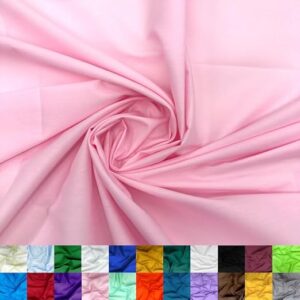
Ice Fabrics Cotton Broadcloth is a solid pick when you need a fabric that works hard without fighting back. It’s an 80/20 polyester-cotton blend — meaning you get cotton’s softness alongside polyester’s wrinkle resistance and durability.
At 100GSM and 60 inches wide, it’s lightweight but dependable for shirts, dresses, aprons, and costumes. It’s machine washable, holds its color well, and cuts cleanly. Just keep in mind it runs thin, so it’s not the best choice for structured pieces that need real body.
| Best For | Sewers and crafters who want an easy-to-work-with fabric for everyday projects like shirts, dresses, aprons, and home décor. |
|---|---|
| Material | 80% Polyester/20% Cotton |
| Color | Pink |
| Washable | Machine Washable |
| Sold By | By the Yard |
| Primary Use | Apparel/Home Decor |
| Weight | 10 oz |
| Additional Features |
|
- Soft and breathable thanks to the cotton-polyester blend, so it’s comfortable to wear and easy to handle
- Holds its color well wash after wash, which means your projects stay looking fresh longer
- Machine washable and wrinkle-resistant, so it’s low-maintenance once you’re done sewing
- Runs thin, so it’s not a great fit for structured garments that need more body or stability
- May still need a quick iron after washing, despite the wrinkle-resistant claim
- Maxes out at 50 yards per order, which could be limiting for larger or bulk projects
8. Barcelonetta Pink Fleece Fabric
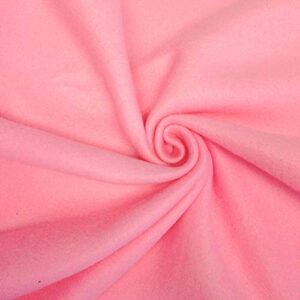
If you want something soft and warm, the Barcelonetta Pink Fleece Fabric delivers. It’s 100% polyester polar fleece — anti-pill, plush, and cut to 72 by 60 inches, so a simple throw blanket is basically already done for you.
The solid pink color is easy to pair with other fabrics, and it sews smoothly on a home machine. It’s best for blankets, ponchos, and cozy accessories rather than structured garments.
| Best For | DIYers and crafters who love making blankets, throws, pet beds, or cozy gifts without a lot of fuss. |
|---|---|
| Material | Fleece |
| Color | Pink |
| Washable | Yes |
| Sold By | 2 Yards |
| Primary Use | Blankets/Apparel |
| Weight | 1.69 oz |
| Additional Features |
|
- Soft, plush polar fleece that holds up well and resists pilling over time
- At 72 by 60 inches, it’s already the right size for a throw blanket right out of the package
- Sews easily on a home machine and works great for a wide range of projects
- Fabric feels on the lighter side, so it may not hold up well for structured clothing
- The pink shade doesn’t always match what you see online, so color accuracy can be hit or miss
- Quality sits more in the mid-range, which might disappoint anyone expecting premium weight fabric
9. Deep Indigo Cotton Denim Fabric
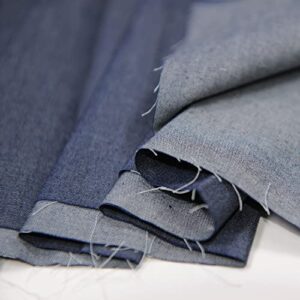
Deep indigo denim is the workhorse of your fabric stash. This 100% cotton fabric is 58 inches wide and weighs 5 ounces per yard — light enough for shirts and dresses, but structured enough for skirts and jackets.
That deep blue color comes from layered indigo dyeing, so expect some bleeding in early washes. Always prewash it first, since it can shrink about 2 inches per yard. Use a 90/14 needle and a longer stitch length to sew through it cleanly.
| Best For | Anyone who wants to sew stylish everyday pieces like jeans, skirts, jackets, or casual shirts without needing a heavy, stiff denim. |
|---|---|
| Material | 100% Cotton |
| Color | Deep Indigo |
| Washable | Machine Wash Cold |
| Sold By | By the Yard |
| Primary Use | Jeans/Jackets |
| Weight | 5 oz |
| Additional Features |
|
- Wide 58-inch fabric means fewer seams and more flexibility when cutting out patterns
- Light 5oz weight makes it comfortable to wear and easier to sew than traditional denim
- Works for a range of projects — from clothing to quilting and home décor
- Can shrink around 2 inches per yard, so prewashing is a must before you cut anything
- Color may bleed early on, and the actual shade might look different than it does on your screen
- Not true heavy-duty denim — some buyers say it feels more like chambray, so it won’t hold up for structured workwear or thick-seam projects
Tips for Choosing Fiber Types for Projects
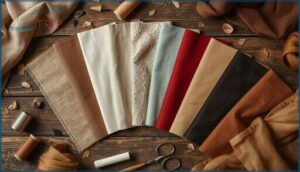
Picking the right fiber isn’t just about looks — it’s about making sure your project actually holds up.
A few simple habits can save you a lot of frustration before you even cut the first piece.
Here’s what to keep in mind as you choose.
Matching Fiber to Project Type (Quilts, Apparel, Home Decor)
Your sewing project lives or dies by quilt fiber choices, apparel fiber match, and home decor fibers working together. For quilting, cotton withstands repeated washing without complaint.
Linen brings crisp texture to decorative pillows and curtains, while polyester holds up on upholstery. Apparel fiber match matters too — cotton breathes for everyday wear, wool tailors beautifully.
Fabric selection really comes down to how your project will be used.
Considering Fabric Weight and Construction
Once you’ve matched your fiber to the project, fabric weight and construction methods shape how it behaves. Lightweight fabrics (30–150 gsm) drape softly, while heavyweights like denim add structure. Weave patterns also matter — plain weave stays crisp, twill drapes better, satin flows freely.
Pick your fabric confidently by asking:
- Does the fabric weight suit your pattern’s design?
- Does the weave pattern support your construction methods?
- Will the fabric density work for your natural fiber or man-made fiber choice?
Prepping and Handling Different Fiber Types
Fiber preparation is where good projects begin. Before you cut a single piece, pre-wash your fabric — cotton shrinks in warm water, while silk needs a cold hand wash to stay strong. Linen softens beautifully after a warm machine wash.
Thread tension also shifts with different fabric properties, so always test on a scrap first.
| Fiber Type | Prep Method |
|---|---|
| Natural Fiber (Cotton/Linen) | Warm machine wash, tumble dry |
| Silk (Natural Fiber) | Cold hand wash, lay flat dry |
| ManMade Fiber (Polyester) | Cool gentle cycle, low heat |
Care and Maintenance for Longevity
Once your project is done, how you care for it decides how long it lasts. Good fabric care isn’t complicated — it just takes a little know-how.
- Washing Tips: Cold water protects cotton, linen, and silk from shrinking and fading.
- Drying Methods: Line dry or use low heat to preserve durability and breathability.
- Ironing Techniques: Match heat to fiber — high for linen, low for silk.
- Stain Removal: Treat stains fast with mild detergent; dab, don’t rub.
- Fabric Storage: Store clean clothes in breathable bags to boost wrinkle resistance and moisture absorption.
Frequently Asked Questions (FAQs)
What are the different types of fabric fibers?
Funny how a simple piece of cloth holds so many secrets. Textile fibers fall into three main groups: natural (cotton, linen, silk), synthetic (polyester, nylon), and semi-synthetic (rayon, acetate).
What are the 10 sewing materials?
The 10 core sewing materials include cotton, polyester, nylon, silk, wool, linen, rayon, acrylic, spandex, and hemp.
Understanding textile science and smart material selection makes fiber blending and sewing techniques far more effective.
What are the different types of sewing fabrics?
Sewing fabric falls into three main groups: natural fibers, synthetic, and semi-synthetic.
Understanding textile fibers and fabric types shapes every decision in garment construction — from fabric selection to your finished sewing techniques.
How do fiber blends affect sewing difficulty?
Fiber blends affect sewing difficulty based on blend composition.
A fabric with high polyester content can pucker and slip, while cotton-rich blends behave more predictably, making technique adjustments simpler for most sewists.
Which fibers work best for childrens clothing?
For kids’ clothing, cotton is your best friend — it’s soft, breathable, and gentle on sensitive skin.
Organic cotton adds eco friendly peace of mind.
Avoid polyester for everyday wear; it traps heat and moisture.
Can fabric fibers affect allergic reactions in wearers?
Yes, like an uninvited guest, fabric fibers can trigger skin irritation and allergic reactions.
Textile dermatitis, fiber allergy, and fabric sensitivity are real concerns, especially with synthetic fibers that trap heat and reduce breathability.
How does fiber type impact pattern cutting accuracy?
Your fiber type shapes cutting accuracy more than you’d think. Slippery synthetics drift mid-cut, while stable cottons hold grain.
Match stretch direction to your pattern grainline for solid pattern distortion prevention and clean results.
Which fibers hold embroidery or embellishments best?
Cotton and linen offer the best fabric stability for embroidery and bead embroidery. Their firm weave accommodates thread tension well, while pile fabric like velvet gives strong embellishment support for heavier textile fiber designs.
Conclusion
Choosing the wrong fiber doesn’t just ruin a project—it can waste weeks of work, money, and creative energy you’ll never get back.
But now that you understand fabric fiber types for sewing, every bolt of fabric tells you exactly what it can do. Cotton breathes, silk drapes, polyester endures. You’re no longer guessing at the cutting table—you’re deciding with confidence.
The right fiber doesn’t just complete your project; it makes it.
- https://letslearntosew.com/understanding-fabric-types-structure-use/
- https://thetextilethinktank.org/a-beginners-guide-to-textile-fibers/
- https://littlestitchstudio.com/blog/2023/11/5/a-guide-to-fabrics-and-fibers
- https://onlysewing.com/the-ultimate-guide-to-fabric-types/
- https://www.thecreativecurator.com/types-of-fabrics-for-those-who-sew/