This site is supported by our readers. We may earn a commission, at no cost to you, if you purchase through links.
Cornrows have been the backbone of sew-in installs for decades—but they come with a trade-off most people don’t talk about openly: tension headaches, flat roots, and hair that moves like a helmet.
A braidless sew-in flips that script entirely. Instead of braiding your natural hair down, small silicone-lined micro-beads anchor directly to quarter-inch sections near your scalp, creating a flexible base that lets your hair breathe and move the way it actually wants to.
Learning how to braidless sew in takes technique, but the payoff—a lightweight, natural-feeling install with real scalp comfort—makes every step worth mastering.
Table Of Contents
Key Takeaways
- A braidless sew-in ditches tight cornrows for silicone-lined micro-beads, giving your scalp real breathing room and movement that traditional installs just can’t match.
- You’ll need at least 3–4 inches of natural hair, medium-to-thick density, and a commitment to maintenance every 4–6 weeks to get the most out of this method.
- Proper upkeep—sulfate-free washing every 7–10 days, daily detangling from ends to roots, and protecting your hair at night—is what separates a fresh 8-week install from one that falls apart in four.
- Watch for bead slippage, hair matting near the tracks, or ongoing scalp tension; any of these are your sign to book a reinstall before damage sets in.
What is a Braidless Sew-In?
A braidless sew-in is exactly what it sounds like — all the fullness of a sew-in, none of the tight braids underneath. Instead of cornrows, it uses a mesh base and micro-beads to hold your wefts in place, which means less tension and a way more natural feel.
If you’re curious how this compares to traditional methods, how long a sew-in lasts versus braidless alternatives is worth knowing before you commit to either.
Here’s what you need to know before you get started.
How Braidless Sew-Ins Work
The braidless sew-in technique skips cornrows entirely and builds a foundation using silicone-lined micro-beads instead. Your natural hair gets sectioned into clean horizontal rows, and each bead anchors a tiny slice of hair roughly a quarter inch from the scalp.
From there, wefts are sewn directly onto that bead base — giving you real movement, scalp protection, and serious extension longevity. This method is similar to using hair extension methods for added versatility.
Key Differences From Traditional Sew-Ins
Traditional sew-ins lock your scalp down with tight cornrows, causing headaches. The braidless sewin technique changes this completely.
Instead of braid lines pulling at your roots, bead security points spread tension evenly. This gives you scalp comfort, natural movement, and real hair flexibility.
Your sewin extensions settle flatter, last longer, and honestly just feel freer.
Ideal Candidates for Braidless Sew-Ins
Not everyone is ready for a braidless sew in — and that’s okay. Ideal candidates have at least 3 to 4 inches of natural hair, medium to thick density, and a healthy scalp.
Your lifestyle considerations matter too: if you’re committed to regular upkeep and protective nighttime habits, this hair extension technique rewards you with extensions that move, blend, and feel completely yours.
Longevity and Wear
Commit to the upkeep, and your braidless sew in can stay fresh longer than you’d expect. Here’s what shapes how long your install lasts:
- Sewin Longevity: Expect 6–8 weeks of wear before a full reinstall.
- Bead Maintenance: Tighten every 4–6 weeks to keep tracks flat.
- Wear Factors: Frequent washing or hard water can cut lifespan by 1–2 weeks.
- Hair Durability: Quality Remy wefts survive multiple reinstalls with gentle hair care and maintenance.
To achieve a long-lasting hair installation, consider learning about hair extension methods that promote durability and safety.
Step-by-Step Braidless Sew-in Tutorial
Ready to get your hands on it? This tutorial walks you through every step, from gathering your tools to blending your extensions like a pro.
Here’s exactly what you’ll need and how to make it happen.
Essential Tools and Materials Needed
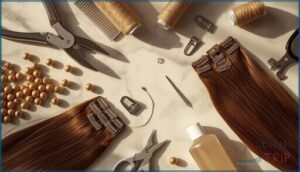
Having the right tools makes or breaks your hair extension installation. You’ll need silicone-lined micro beads (3–5mm), a bead threader tool, extension pliers with smooth jaws, curved sewing needles, strong nylon weaving thread, and quality weft hair extensions.
For the full step-by-step process, sew-in hair extension installation guide walks you through exactly how to use each of these tools for seamless, comfortable results.
A loop comb, sectioning clips, and heat protectant round out your kit. Don’t skimp here — your braidless sew-in extensions deserve a solid foundation.
Sectioning and Preparing Natural Hair
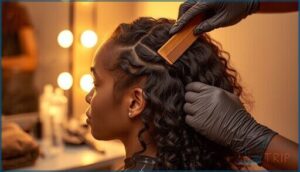
Good prep is everything — skip it and your braidless sewin will shift, slip, or stress your scalp fast.
Start your scalp preparation by washing within 24 hours, then detangle in sections using a slippery conditioner, working ends to roots. Stretch coily natural texture with a tension blow-dry.
Map your leave-out before any hair mapping or hair sectioning begins, so your natural hair stays protected throughout.
Attaching Micro-Beads or Micro-Links
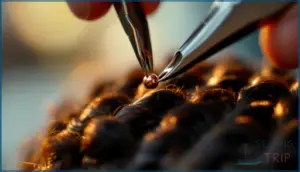
Micro-beads are your foundation — get this wrong and the whole install pays for it. Proper bead sizing and bead placement make every microlink hold its ground.
For each hair sectioning row, slide a 4.0 mm silicone-lined microbead onto a small, balanced bundle using your loop tool, positioning it about 1 cm from the scalp. Crimp with flat-nose pliers, then tug gently to confirm extension security.
Sewing Wefts Onto The Bead Base
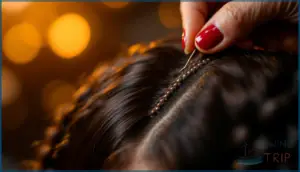
Now the real magic starts. With your bead placement locked in, align each weft directly against the bead line and thread your curved needle with doubled nylon thread matched to your root color.
Use a looping stitch pattern spaced 5–10mm apart, keeping tension control firm but not punishing.
Finish every row with tight square knots — that’s your weft security sorted for your braidless sew-in.
Blending Extensions for a Seamless Look
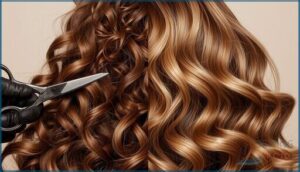
Blending is where your braidless weft extensions either look impeccable or fall apart. Match your extensions within one to two levels of your natural color, then focus on undertones — warm, cool, or neutral — over exact shade names.
Blending makes or breaks extensions — match undertones first, exact shades second
Use layering techniques to stagger your weft rows, and align curl pattern with your leave-out. Point-cut ends vertically for smooth hair blending and a natural finish.
Maintenance and Care for Braidless Sew-Ins

Getting your braidless sew-in installed is only half the job — keeping it fresh is where the real work begins.
How you care for it day-to-day determines how long it lasts and how good it looks.
Here’s what you need to know to make every week count.
Washing and Conditioning Tips
Washing your braidless sew-in the right way is non-negotiable for hair health. Aim to wash every 7–10 days using proper shampoo selection — sulfate-free only. Your hair maintenance routine should include:
- Mix shampoo with water in an applicator bottle for scalp care between rows
- Apply conditioning methods from mid-lengths down, never near the beads
- Use cool water when rinsing for hair protection and shine
- Prioritize hair drying at the roots immediately after washing
- Limit product application of heavy oils near the beads
Preventing Tangling and Matting
Even with perfect washing habits, tangles can sneak up on you fast. Daily detangling is your best defense — start from the ends and work upward, holding the roots steady so you’re not yanking on the beads.
Use a loop brush for gentle handling, and separate the rows with your fingers first. Light leave-in spray on the mid-lengths keeps your braidless sew-in extensions smooth and frizz-free all day.
Tightening and Repositioning Beads
Your braidless sew-in extensions stay fresh when bead maintenance happens every 4–6 weeks. As hair grows, beads shift — that’s your cue to reposition them closer to the scalp using a bead threader tool and professional micro bead tools.
Keep these tightening techniques in mind:
- Clamp silicone beads side-to-side, never top-to-bottom
- Work bead by bead for even tension
- Check fit by sliding a fingertip under the row
- Replace any cracked or misshapen microbeads immediately
- Address pain or pinching before leaving the chair
Recommended Styling Practices
Now that your beads are secure, styling becomes your playground. For heat styling, keep tools under 375°F and always use a heat protectant. Refresh curls every two to three days instead of daily — your curl maintenance routine will thank you.
Wrap extensions in satin at night for protection, keep updos low-tension, and let your blending techniques do the heavy lifting.
Signs It’s Time for Removal or Reinstallation
Your extensions will tell you when they’re done — you just have to listen. Watch for these three signals:
- Bead Slippage — beads spinning freely or sliding down the hair shaft mean your braidless sew-in extensions have lost their grip.
- Hair Matting — clumps or webbing near the track signal trapped shed hair.
- Scalp Tension — persistent soreness or headaches mean reinstallation is overdue.
Top 5 Products for Braidless Sew-in Success
The right tools can make or break your braidless sew-in—and yes, that difference is real.
Having the right clips, brushes, and styling tools on hand keeps the process smooth and your results looking polished.
Here are five products worth keeping in your kit.
1. Kitsch Mini Hair Clips
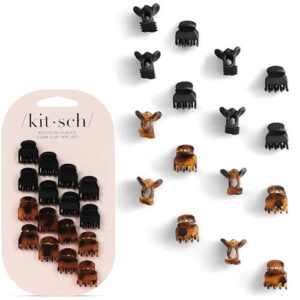
Small clips can make or break your install — and Kitsch Mini Hair Clips deliver exactly the control you need. Each pack includes 16 pieces made from recycled plastic, so they’re lightweight enough to sit near your roots without dragging.
The smooth, rounded teeth glide off wefts easily when you reposition them, and the internal metal spring keeps each clip firmly in place while you work your bead rows.
They come in tortoise and black, blending seamlessly with most hair shades.
| Best For | Anyone who needs a reliable hold for bangs, flyaways, or shorter layers — great for women and kids with fine or medium hair. |
|---|---|
| Material | Recycled plastic |
| Hair Suitability | Fine and short hair |
| Portability | Compact and portable |
| Ease of Use | Simple clip design |
| Weight | 1.12 ounces |
| Quantity or Set | 16 pieces |
| Additional Features |
|
- 16 clips per pack, so you’ve always got a spare when you need one
- Made from recycled plastic, keeping things lightweight and eco-friendly
- Compact enough to toss in a bag for quick touch-ups on the go
- Too small for thick hair or larger sections — they’ll struggle to hold
- The mini size isn’t for everyone; some people just need something bigger
- Durability can vary depending on how often you’re using and handling them
2. Conair Metal Round Hair Brush
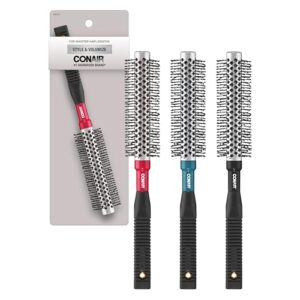
Your leave-out hair needs to move like it belongs there — and the Conair Metal Round Hair Brush makes that happen. The lightweight metal barrel absorbs heat from your blow dryer, helping you smooth and blend your natural hair right over those bead rows without flattening everything out.
Ball-tipped nylon bristles let you work close to the attachment points without snagging. Roll upward at the roots for lift, and your install won’t look like extensions at all.
| Best For | Anyone with short to medium-length hair who wants to blend leave-out hair seamlessly over bead rows while adding natural-looking volume and movement. |
|---|---|
| Material | Metal and bristle |
| Hair Suitability | Short to medium hair |
| Portability | Standard size |
| Ease of Use | Comfortable handle grip |
| Weight | 1.6 ounces |
| Quantity or Set | 1 brush |
| Additional Features |
|
- The metal barrel soaks up heat fast, so your blow-dry time is shorter and your results are smoother
- Ball-tipped bristles let you work close to attachment points without snagging or pulling
- Light as a feather at 1.6 oz — easy to maneuver even through a full styling session
- Fine hair can tangle easily, so you’ll want to work in smaller sections
- No airflow holes in the barrel, which can make even heat distribution tricky
- Product images and descriptions can be a little misleading about what’s actually included in the box
3. Kitsch Ceramic Hair Rollers
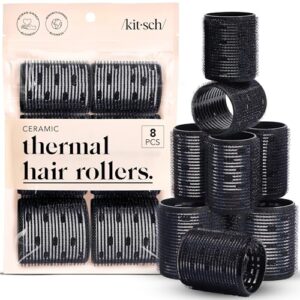
Rollers that actually do the work — that’s the Kitsch Ceramic Hair Rollers summed up. The set comes with 8 rollers in three sizes, so you can target volume at the crown and defined waves near the face.
The ceramic core heats up with your blow dryer, then cools to lock in the shape. Self-grip design means no clips digging into your micro-beads.
Use them on almost-dry hair over your wefts to refresh body without reaching for a flat iron every time.
| Best For | Anyone with medium to long hair who wants effortless curls and volume without heat damage — especially great for extensions and wefts. |
|---|---|
| Material | Ceramic |
| Hair Suitability | All lengths and textures |
| Portability | Travel-ready |
| Ease of Use | Self-grip design |
| Weight | 3.53 ounces |
| Quantity or Set | 8 rollers |
| Additional Features |
|
- Ceramic core locks in shape fast and leaves hair smooth and frizz-free
- Self-grip design means no clips, no snags — just easy styling
- Lightweight and compact, so they’re perfect for travel
- Only 8 rollers in the set, which might not be enough for thick or long hair
- Can be tricky to use on very curly or layered hair
- Short hair or certain textures may not get great results
4. Wavytalk Mini Flat Iron for Short Hair
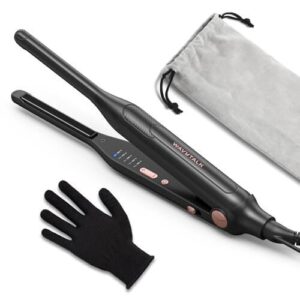
Short hair doesn’t have to mean skipping the polish. The Wavytalk Mini Flat Iron earns its spot in your kit with plates just 3/10 inch wide — narrow enough to smooth edges, bangs, and nape hairs that your regular iron can’t even touch.
It heats up in about 15 seconds, adjusts from 300°F to 450°F, and its compact size lets you get right to the root without disturbing your tracks. Travel-friendly, beginner-approved, and genuinely precise where it counts.
| Best For | Anyone with short hair, pixie cuts, or bangs who needs a precise, travel-friendly iron that can hit those tricky edges and small sections. |
|---|---|
| Material | PTC ceramic plates |
| Hair Suitability | Short hair and pixie cuts |
| Portability | Travel-friendly |
| Ease of Use | Beginner-friendly |
| Weight | 10.72 ounces |
| Quantity or Set | 1 tool |
| Additional Features |
|
- Narrow 3/10-inch plates get into tight spots regular irons totally miss
- Heats up fast and gives you full control with a wide temp range (300–450°F)
- Lightweight and compact — easy to toss in a bag and use on the go
- Not the right tool if you have long or thick hair
- Plates may not fully close without extra pressure, which can be annoying
- Durability is a question mark — some users had theirs quit after just a few months
5. Deeka Double Row Hair Clips
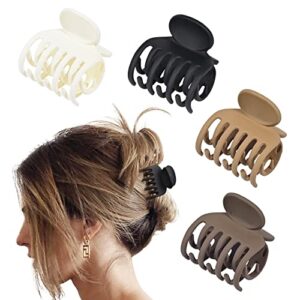
Good sectioning is everything in a braidless sew-in — and the Deeka Double Row Hair Clips make that part almost seamless. Their double row of teeth grabs fine and slippery strands without letting go, so your sections stay clean while you work.
At 1.52 inches, they’re compact enough to sit close to the scalp without bumping into your bead line. Lightweight, matte, and precise — these clips quietly do the heavy lifting so your install stays organized from the first row to the last.
| Best For | Anyone with fine or thin hair who needs a reliable clip to keep sections neat during a sew-in or half-up style. |
|---|---|
| Material | Resin |
| Hair Suitability | Thin and fine hair |
| Portability | Standard size |
| Ease of Use | Non-slip convenience |
| Weight | 1.76 ounces |
| Quantity or Set | 4 pieces |
| Additional Features |
|
- Double row of teeth locks in fine, slippery hair without sliding
- Compact size sits close to the scalp without getting in the way
- Matte, neutral colors keep things clean and low-profile
- May feel bulky if you have a lot of clips near each other
- Not a great fit for very thick or very short hair
- Packaging can be flimsy, so some clips may arrive damaged
Frequently Asked Questions (FAQs)
How long does a braidless sew-in take?
A standard braidless sew-in usually takes 2 to 4 hours. First-time appointments often run 3 to 5 hours, factoring in consultation and aftercare. Partial installs for added volume can wrap up in 60 to 90 minutes.
Is a braidless sew healthy?
Yes, a braidless sew-in is generally healthy — it reduces scalp tension, allows easier cleansing, and skips tight braids. Proper installation and maintenance are key to keeping your hair safe.
What is the difference between braidless sew in and sew in?
Think of it like building a house — one method pours a concrete slab (braids), the other uses adjustable stilts (beads).
A braidless sew-in skips tight cornrows, using micro-beads on loose hair instead.
How many bundles for braidless sew in?
Most braidless sew-ins need 1 to 3 bundles depending on your hair length, head size, and how full you want the finished look to be.
How often should I wash my hair with a braidless sew-in?
Wash your braidless sew-in every 7 to 10 days. Oily scalps and active lifestyles need the shorter end, while dry scalps can stretch closer to 10 days comfortably.
What products should I use for maintaining and styling my braidless sew-in?
Caring for your sew-in is simple, yet the wrong product can undo everything. Use a sulfate-free shampoo, lightweight conditioner, leave-in detangler spray, heat protectant, and an extension-safe loop brush.
What kinds of styles can I create with a braidless sew-in?
Your styling options are wide open with a braidless sew-in. Wear it bone straight, tousled with curls, swept into a sleek ponytail, or parted any way you want.
Will a braidless sew-in damage my natural hair over time?
Done right, a braidless sew-in is actually one of the gentler extension methods out there.
The real risk comes from poor bead tension, skipped maintenance, or wearing it too long without a break.
How soon after getting a braidless sew-in can I swim or exercise?
Give your beads at least 48 hours to settle before hitting the gym, and wait 5 to 7 days before swimming. Sweat and chlorine can loosen micro-links fast.
How much does a braidless sew-in typically cost?
A braidless sew-in usually costs $200–$350 for installation alone, or $400–$900 when you factor in hair bundles. Your total depends on the stylist’s experience, your location, and how many rows you need.
Conclusion
Think of your hair like a garden—cornrows were the fence, holding everything in place but leaving little room to grow. The braidless sew-in removes that fence entirely, letting your roots breathe while your style thrives.
Now that you know how to braidless sew in from prep to final blend, you hold something real: a technique built for comfort, longevity, and hair that actually moves like yours. That’s not just a better install—that’s ownership.