This site is supported by our readers. We may earn a commission, at no cost to you, if you purchase through links.
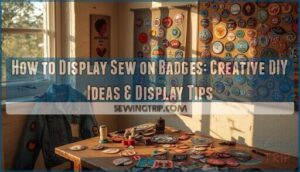
Your jacket’s sleeves can only hold so many pieces of your story before the fabric starts protesting. Badges pile up fast—memories from camps, concerts, or cities you barely remember until a patch brings them back.
The trick isn’t getting more badges; it’s figuring out how to display sew on badges without hiding half of them in a drawer. Whether you’re stitching onto denim, layering felt banners, or turning a cork board into wall art, you can turn that growing pile into something worth showing off, one creative display at a time.
Table Of Contents
Key Takeaways
- Display options fall into two main camps: wearable pieces like jackets, backpacks, and vests, and home displays like felt banners, quilts, cork boards, shadow boxes, and wall panels.
- A good badge layout is intentional, with patches grouped by theme or color, evenly spaced, labeled if needed, and arranged so key pieces sit near eye level or focal areas.
- You can protect and rearrange a collection using damage-free methods like Velcro panels, magnetic boards, pinning into felt or cork, and framed shadow boxes with UV-safe glass.
- Long-term badge collections stay manageable when you sort, catalog, and store extras, then rotate what’s on display so it always feels fresh without starting from scratch.
Creative Ways to Display Sew on Badges
There are countless ways to show off your favorite sew-on badges, whether you want them on something you wear or something that hangs on your wall. How you display them is all about what story you want them to tell and where you want them to be seen.
Every badge display tells a story—choose how and where yours will be seen
Here are a few creative ideas to get you started.
Backpacks, Jackets, and Vests
Backpacks, jackets, and a well-loved vest turn your sew-on patches into a walking patch display that goes wherever you do. For strong Badge Placement and clean Jacket Customization, stick to upper chest, sleeves, and upper back so designs stay visible and don’t fight heavy seams. Backpack Displays handle travel badges well when you start at the top panel and work down in rows, and simple hand Sewing Techniques like a whip stitch or running stitch keep everything secure.
For smart Vest Organization, pack official pieces on the front and let the fun stuff party across the back. When you run out of space, explore decorative badge display projects on ribbons, tote bags, or wall hangings to keep showcasing your achievements.
- Use strong polyester thread and a thimble on thick denim, canvas, or leather.
- Pin or lightly glue patches first so they don’t slide on curved jacket areas.
- Move “retired” badges to a tote or backup backpack when your main vest fills up.
Felt Banners and Cloth Books
Not every patch display needs to travel with you. A felt banner gives your collection a permanent home — polyester felt hangs flat, won’t fray at the edges, and supports badge weight without sagging. Aim for around 17 by 28 inches for solid coverage. If you enjoy customizing your display surfaces, you can add your own designs by to arrange across the banner.
For layout ideas or to draft your own banner pattern, check out this guide on creating custom sewing patterns.
Prefer something portable? A cloth book with fabric-bound pages keeps your Patch Organization tidy and flip-through easy. Both are legit DIY patch displays.
Framed Cork Boards and Shadow Boxes
If you like the calm, book‑style feel of cloth pages, you’ll probably love turning your collection into wall art.
Cork Board Frames make an easy patch display: a cork board with a sturdy backing holds Badge Mounting pins securely while you play with layouts on your display board.
For more polished display ideas, Shadow Box Displays add Frame Depth Options and Display Protection Methods—think deep shadow box, fabric‑covered backing, and glass or acrylic front so your badges stay safe but still loud and proud.
Patch Quilts and Blankets
If wall art feels too tame, go bigger with a patch quilt.
It’s soft, useful, and perfect for patch collecting. Try simple Quilt Patterns and sturdy Fabric Choices that can handle layers.
Focus on neat Badge Placement and solid Quilting Techniques—this kind of fabric craft turns sew-on patches into everyday textile art that actually keeps you cozy.
Patch Walls and Tabletop Displays
Nothing beats seeing your collection fill a space that feels lived-in. Patch walls use sturdy Wall Panel Designs with grommets for Badge Mounting, while Tabletop Frames make smaller patch collages shine under Display Lighting. Try these patch display methods for easy Patch Organization:
- Patch walls
- Hanging panels
- Framed boards
- Shadow boxes
- Tabletop displays
Step-by-Step Guide to Displaying Badges
Ready to turn your pile of patches into something worth showing off? This section walks you through the whole process, from first sketch to final stitch.
Let’s break it down step by step so you can build a display that actually fits your style.
Planning Your Badge Display Layout

Think of your layout as a map for your story, not just a random patch pile. Start with Layout Strategies: decide if you want a clean grid, a clustered “badge explosion,” or edge framing around a display board for Visual Balance in your patch display.
Then plan Badge Placement and Theme Planning together—group by topic or timeline, use Spacing Techniques (a slim gap between edges) to keep your patch collection readable, and reserve prime spots for your most important badges.
As you test patch display ideas for displaying patches on jackets, blankets, or walls, keep key pieces off crease lines and closer to eye level so they actually get seen.
Gathering and Organizing Badges
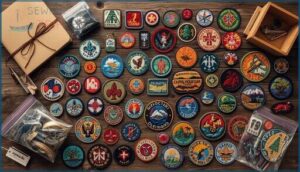
Before you dive into patch display ideas, get your whole patch collection in one place. Badge Sorting comes first so you’re not hunting later. Try:
- Sort collectible patches by type, theme, era, or organization for easier Collection Tracking.
- Pull duplicates into a separate pile for trading or gifting.
- Use simple Storage Solutions like labeled zip bags, drawer units, or binders to start organizing patch collections.
- Start basic Cataloging Methods with a spreadsheet or notebook noting badge name, date, and location, then add Preservation Techniques like dry, cool storage away from sunlight so your display patches stay bright.
Preparing Your Chosen Display Surface

Strong patch displays always start with Surface Cleaning and Fabric Preparation, not the first stitch. Wash your fabric or banner to remove sizing, then dry and press it using simple Ironing Techniques so it lies flat. On softer fabric, add Stabilizing Materials like fusible interfacing.
For boards, focus on clean Board Assembly, tight fabric wrapping, and smooth edges for any Velcro display or sewing-friendly display surface.
Sewing or Attaching Badges Securely
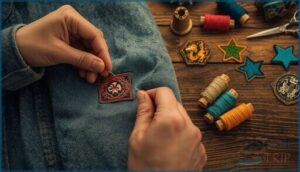
Secure patch application starts with solid Fabric Prep and smart Badge Placement on flatter areas that don’t flex much.
Use strong Thread Selection, like polyester, paired with Stitch Patterns such as straight, zigzag, or backstitch when sewing patches onto denim or canvas. Match your Needle Choices to thickness, and mix in Velcro or adhesive tape for DIY patch display ideas that stay put while displaying patches cleanly.
Arranging Badges for Best Visibility
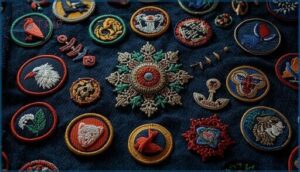
Start your layout with a strong focal point—your biggest or most meaningful badge—then build around it for clear Visual Hierarchy.
Use Badge Grouping by color or theme to guide the eye naturally. Keep key patches near Eye Level Optimization for easier viewing, and balance Display Lighting to highlight your patch display’s best details without glare.
Organizing and Preserving Your Badge Collection
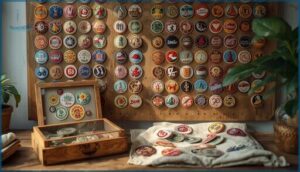
Keeping your badge display neat and in good shape takes a bit of planning. You’ll want a system that makes your collection easy to see, change, and care for over time.
Here’s how to keep things organized while showing your badges at their best.
Grouping by Size, Theme, or Color
A well-balanced patch display starts with smart organization. Size Sorting builds a clean visual hierarchy, while Theme Clustering turns your patch collection into story sections—travel, music, scouting, whatever fits.
Add Color Coding to pull the look together or go for Mixed Criteria if you like variety. Each approach makes displaying patches feel intentional and bold.
Using Templates for Even Spacing
Once your patch collection is grouped, even spacing is what makes a patch display look sharp instead of chaotic. You can also lean on low‑tech Spacing Tools like tape strips, Acrylic Grids, or simple Digital Guides to test patch display ideas before you commit.
Grid Templates on paper or fusible interfacing keep your Badge Layout straight on any display surface or display board.
Labeling and Adding Captions
Once your spacing looks even, labeling ties your patch display together like a story. A little Caption Writing goes a long way in showing where each badge came from or what it stands for.
Try these quick tips:
- Use acid‑free Label Materials.
- Keep Font Selection clean.
- Add tiny Color Coding dots.
- Use Badge Annotation for context.
Rotating and Updating Displays
Once your labels are in place, it’s time to keep things moving with a rotating display. Use Seasonal Themes and simple Update Schedules so your walls don’t feel stuck. A three-month Display Rotation works well: swap 25–30% of your display patches, then tuck the rest into safe Storage Solutions like binders or sleeves. That way, Badge Swapping stays fun, not chaotic, and you can test new patch display ideas and patch display methods without redoing everything from scratch. Think of it as creative ways to display patches on repeat—your own rotating display “playlist” of favorites.
| Rotating Idea | How You Can Use It |
|---|---|
| Summer camping set | Feature outdoor badges June–August |
| School‑year board | Show team or club patches September–May |
| Event highlight panel | Add new badges right after big events |
| Favorites-only frame | Keep your top wins up all year |
| Quiet‑season refresh | Edit layouts while most patches are stored |
Choosing Uniform Backing Materials
Fabric Selection defines your whole patch display—it’s the canvas of your textile art. Aim for uniform Material Thickness and Color Consistency so your sew-on patches lie flat and look cohesive. Consider Backing Textures that match your project:
- Cotton twill for smooth strength
- Felt for softness
- Canvas for durability
- Archival fabric for long-term preservation
Damage-Free and Removable Display Methods
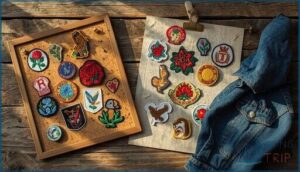
If you don’t want to commit your patches permanently, there are plenty of ways to show them off without a single stitch. These options keep your collection safe and easy to swap when your style changes.
Here are a few damage‑free methods that work great for removable displays.
Velcro and Hook-and-Loop Systems
Ever wish you could rearrange your badge wall anytime? Hook Tape and Loop Fabric make it a breeze. Nylon Velcro display panels hold strong for thousands of cycles, perfect for frequent swaps. Choose outdoor polyester or Flame Retardant indoor tapes for safety and durability.
Here’s a quick look:
| Material Type | Best Use |
|---|---|
| Nylon Hook Tape | Indoor boards, jackets |
| Polyester Hook Tape | Outdoor banners, camp gear |
| Loop Fabric Panels | Reusable wall displays |
| Adhesive Options | Temporary patch mounting |
| Flame Retardant Tape | Public or regulated spaces |
Magnetic Boards for Metal-Backed Badges
Got metal-backed badges? Magnetic boards keep things damage-free and easy to swap.
Thin steel sheets, 0.5 to 0.8 mm thick, or brushed stainless give solid board materials that resist rust. Neodymium magnets pack serious magnet strength for secure holds.
Enjoy display flexibility—rearrange for badge organization by theme without a stitch. Perfect DIY patch organization for your patch display ideas.
Using Pinning and Mounting Techniques
Think of pinning as controlled freedom—secure, but never permanent. Straight pins angled about 45° hold badges flat and firm, while rust‑resistant steel keeps fabric clean.
Mix Pin Placement across felt or cork backings for balance and Badge Security.
With simple Mounting Methods, smart Fabric Choices, and minimal Display Hardware, you’ll master damage‑free patch mounting without sewing patches down.
Protective Framing and Glass Covers
Your badges deserve better than raw exposure in glass cases. When you’re framing your patches, combine solid Frame Materials, smart Spacer Systems, and the right Glass Types so threads never touch the glazing.
A shadow box with Acrylic Glazing or UV Protection glass turns a simple display board or fabric display surface into a clean, long‑term home for your collection.
Top 7 Products for Badge Display
For showing off your badge collection, the right tools make all the difference. Whether you want something wearable, hangable, or totally custom, there’s a product that fits your style.
Here are seven top picks worth keeping on your radar.
1. Kids Backpacks For School
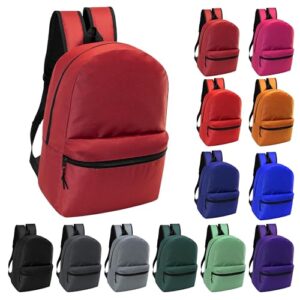
Want a display that actually moves with your kid instead of sitting on a shelf? A 17″ kids backpack is your workhorse badge board.
You get a flat front pocket that’s perfect for lining up sew-on badges in rows or themed clusters, and durable polyester that can handle repeated needle holes without fraying.
Adjustable padded straps keep it comfy, while reinforced stitching helps the bag survive daily school runs, stuffed folders, and all those proud “look at my badges” moments.
| Best For | Teachers, parents, and groups buying backpacks in bulk for school drives or student giveaways. |
|---|---|
| Material | Not specified |
| Primary Use | Storage/Carrying |
| Weight | Not specified |
| Color Options | 12 assorted colors |
| DIY Friendly | Yes |
| Indoor Use | Yes |
| Additional Features |
|
- Great variety of colors for easy sorting or personalization.
- Padded straps make it comfortable for daily use.
- Reinforced stitching adds extra durability for school wear and tear.
- Some bags may have zipper or stitching issues.
- No water bottle holder or interior pockets.
- Quality might not match higher-end brands.
2. Freestyle Patch Adhesive Kit
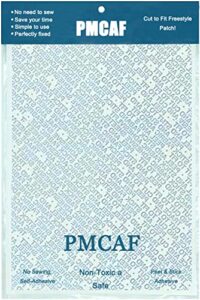
If you’d rather skip the needlework, the Freestyle Patch Adhesive Kit keeps things simple. Each sheet is about the size of printer paper—8½ by 11 inches—and you just cut the adhesive to fit your patch shape. Stick it on, press, done.
It bonds fabrics fast and works on backpacks, jackets, even wood or leather displays. The best part? You can peel off and reposition badges later when it’s time to update or rearrange your collection.
| Best For | People who want a quick, no-sew way to attach or rearrange patches on clothes, bags, or displays. |
|---|---|
| Material | Leather/Metal |
| Primary Use | Patch Attachment |
| Weight | 1.6 oz |
| Color Options | Not specified |
| DIY Friendly | Yes |
| Indoor Use | Yes |
| Additional Features |
|
- Easy to cut and apply to any shape or material.
- Works on fabrics, leather, metal, and more.
- Removable and machine washable for flexible use.
- Adhesive may weaken after multiple washes.
- Not meant for permanent or heavy-duty bonding.
- Heat or rough surfaces can reduce grip.
3. Sargent Art Burlap Canvas
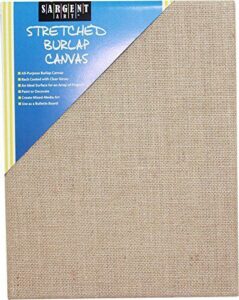
For a more permanent setup, the Sargent Art Burlap Canvas is worth a look. It’s a pre-stretched burlap surface over a pine wood frame — rustic texture, neutral tan color, ready to hang straight out of the box.
The open weave makes hand-stitching badges surprisingly easy, and the clear gesso backing keeps the fibers stable so nothing frays over time.
Comes in sizes up to 16 x 20 inches, giving you plenty of room to build out a real wall display.
| Best For | Artists and crafters who love working with natural textures and want a rustic, ready-to-hang canvas for painting or creative displays. |
|---|---|
| Material | Wood |
| Primary Use | Art/Crafting |
| Weight | 8.6 oz |
| Color Options | Clear/Brown |
| DIY Friendly | Yes |
| Indoor Use | Yes |
| Additional Features |
|
- Back coated with clear gesso for durable, fray-free use.
- Pine wood frame keeps the burlap stretched and stable.
- Great for painting, crafting, or decorative bulletin displays.
- Only available in a smaller 8 x 10 size.
- Stapled back edges may not appeal to all users.
- May need extra primer for more detailed or layered art projects.
4. Roller Shade Blackout Window Blind
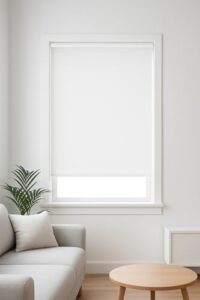
If you like the idea of a wall display but want something that can disappear in seconds, a blackout roller shade is surprisingly handy. When it’s down, you’ve got a smooth, flat polyester panel with a thermal backing that blocks light and UV, so your thread colors don’t fade as fast.
The cordless, spring-loaded mechanism keeps things kid-safe, and the fabric is sturdy enough for lightweight sew-on badges without warping the roll. Just keep most of your patches away from the top few inches so it still glides up cleanly.
| Best For | People who want a stylish, easy-to-use blackout shade that blocks all light and keeps rooms cool and private. |
|---|---|
| Material | 100% Polyester |
| Primary Use | Light Blocking |
| Weight | 1 lb |
| Color Options | White |
| DIY Friendly | Yes |
| Indoor Use | Yes |
| Additional Features |
|
- Cordless design makes it safe for kids and pets.
- Thermal coating helps with energy efficiency and total light blocking.
- Simple to install and available in various sizes to fit most windows.
- Color may differ slightly from what’s shown online.
- Some users have reported tearing or sagging over time.
- Instructions for trimming or mounting can be unclear for first-time installers.
5. Cotton Canvas Create Your Own Flag
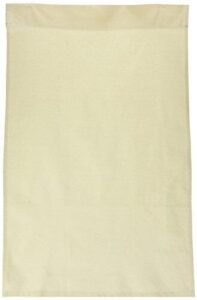
If you want something sturdy yet simple, a cotton canvas flag is a great pick. The 10‑ounce fabric holds patches tight without sagging, and the natural texture grips your stitches so they don’t slip.
At 18 by 27 inches, there’s plenty of space to arrange badges in rows or clusters. Hang it from a ⅝‑inch rod, paint a background, or label sections with fabric pens—you’ll end up with a clean, classic display that still feels handmade.
| Best For | Teachers, students, and crafters who want a sturdy, natural canvas for displaying handmade designs, flags, or classroom projects. |
|---|---|
| Material | Cotton |
| Primary Use | Display/Decoration |
| Weight | 3.36 oz |
| Color Options | Natural |
| DIY Friendly | Yes |
| Indoor Use | Yes |
| Additional Features |
|
- Made from durable 10 oz cotton canvas that holds up well for crafting.
- Large 18 x 27-inch size gives plenty of room for creative layouts.
- Works with paint, vinyl, or heat transfer designs for versatile use.
- Needs ironing to smooth out wrinkles before displaying.
- Not recommended for outdoor use due to material limitations.
- Only fits rods up to ⅝ inch, which may limit hanging options.
6. Canvas Banner With Wooden Dowel Holder
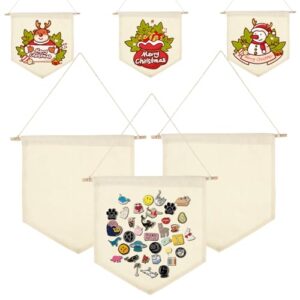
Canvas banners with wooden dowel holders are perfect when you want your badges off the couch and up on the wall where everyone can see them. You get a six‑pack here, each beige canvas pennant around 11.8 by 10.5 inches, pre‑strung to hang from doors or walls without extra hardware.
The fabric is sturdy enough for pins, patches, and buttons, but still light, so it won’t pull out of the wall. Use one for Scout badges, another for travel patches, and keep the set looking cohesive in any room.
| Best For | Crafters and collectors who want an easy, stylish way to display pins, patches, or small artwork at home or in a classroom. |
|---|---|
| Material | Canvas |
| Primary Use | Display/Decoration |
| Weight | 8.8 oz |
| Color Options | Beige |
| DIY Friendly | Yes |
| Indoor Use | Yes |
| Additional Features |
|
- Comes in a six-pack for multiple projects or displays.
- Lightweight but sturdy canvas with a clean, neutral look.
- Easy to hang on doors or walls with the included rope.
- Size may feel smaller than expected.
- Beige tone is off-white, not bright white.
- Some assembly may be needed for dowels and strings.
7. Baltic Birch Plywood Wood Circles
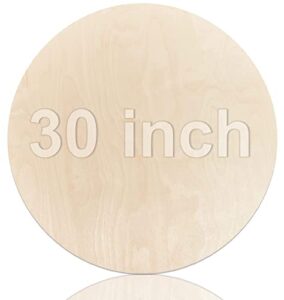
Baltic birch plywood circles are tough, smooth, and made for long‑term displays. Each 30‑inch round gives you a sturdy base for sewing or gluing badges in clean, balanced rings.
The hand‑sanded surface takes paint or sealers easily, so labeling sections or burning in designs looks sharp.
With its multi‑ply birch core and exterior‑grade glue, this board stays flat and resists warping.
Hang it with D‑rings, prop it on a shelf, or make it your go‑to badge wall centerpiece.
| Best For | Crafters, artists, and DIY makers who want a large, smooth birch base for painting, wood burning, or display projects. |
|---|---|
| Material | Baltic Birch Plywood |
| Primary Use | Crafting/DIY |
| Weight | 3.79 lbs |
| Color Options | Natural wood |
| DIY Friendly | Yes |
| Indoor Use | Yes |
| Additional Features |
|
- Smooth, hand-sanded surface perfect for paint, stains, or engraving.
- Sturdy Baltic birch plywood with strong, eco-friendly glue.
- Versatile for crafts, décor, plaques, or custom ornaments.
- Natural color variations may affect uniform appearance.
- Thinner than some users expect for heavy-duty projects.
- Rare reports of receiving MDF instead of real birch plywood.
Frequently Asked Questions (FAQs)
Where should you display your badge?
Stuck badges in a drawer? Nah, slap ’em on your backpack’s front pocket or shoulder straps for daily hikes. Jackets? Left chest or sleeves shine best. Vests take ’em center back. Banners and blankets let your collection roar loud and proud.
What to do with fabric patches?
Use fabric patches to tell your story. Sew them on denim jackets, backpacks, caps, or tote bags, or use them to cover holes and stains on clothes.
Turn extras into wall hangings, quilts, or framed displays for your space.
How best to display pin badges?
Hang your favorite pin badges on denim or canvas jackets, lined backpacks, or lanyards so they stay visible but supported by sturdy fabric.
At home, use cork or framed pin boards, then protect special pins in shadow boxes away from direct sun and damp rooms.
How to display award patches?
Pin them to a Velcro wall panel, mount them in a shadow box with photos, or sew them onto a canvas vest.
Each method keeps your patches visible, protected, and easy to rearrange.
What is the best way to display patches?
The “best” way is the one you’ll actually enjoy looking at every day: jackets or backpacks for wearable story‑telling, a felt banner or blanket for big sewn displays, or Velcro panels and shadow boxes if you want damage‑free flexibility and protection.
How to display badges in a frame?
Think of the frame like a tiny museum wall: pick a shadow box or deep frame with UV‑protective glass, a fabric‑covered, acid‑free backing, then sew or pin badges on in a planned, evenly spaced layout, leaving a small gap from the glass for airflow and protection.
How do you stick badges to clothes?
You’ve got four main options: sew around the edge with polyester thread for the strongest hold, use fabric glue on clean, dry fabric, iron on heat-activated badges on cotton or denim, or stick peel-and-stick backs for temporary wear.
How to display pins and patches?
You’ve got two main routes: wear them or wall them.
Load up denim jackets, vests, hats, and canvas backpacks so your collection travels with you, or use cork boards, felt banners, and shadow boxes for protected, long‑term displays.
What are some kid-friendly ways to display badges?
When kids wear their badges proudly, it’s like wearing stories on their sleeves.
Backpacks, soft felt banners, and Velcro display panels let them swap, rearrange, and show off collections without fuss or damage.
How can I incorporate badges into paper crafts and scrapbooking?
You can treat badges like chunky embellishments: glue lightweight ones to sturdy cardstock with fabric glue or strong tape, and use hook‑and‑loop dots for pieces you want to move around.
Build page themes around the badge story—travel, concerts, clubs—and let patches frame photos, titles, or borders while thicker ones live on covers or chipboard inserts so your album doesn’t warp.
Conclusion
A friend once said her badge-covered jacket felt like a map she could wear, guiding her back to who she’s been. That’s the power here: you’re not just deciding how to display sew-on badges, you’re deciding what parts of your story get front-row seats.
Pick one surface, start with a small cluster, and let it grow. Edit ruthlessly. When you hang it up or put it on, it should feel unmistakably yours, forever.
- https://tsscustompatches.com/blogs/news/your-guide-to-displaying-custom-patches-effectively
- https://www.custompatchfactory.com/guides/how-to-display-frame-patches-creative-ways
- https://laughinglizards.com/blogs/blog/10-ways-to-display-your-patches
- http://whip-stitch.com/junior-ranger-backpacks-with-patches-and-pins/
- https://makinghandmadebooks.blogspot.com/2011/04/cloth-book.html