
This site is supported by our readers. We may earn a commission, at no cost to you, if you purchase through links.
You grab your jacket, slide the zipper up, and suddenly it won’t budge. A chunk of fabric is wedged between the teeth, holding everything hostage. The harder you pull, the worse it gets. This frustrating scenario hits at the worst moments—right before you need to leave or when you’re already running late.
The good news is that most zipper jams can be fixed in minutes with the right approach. Whether you’re dealing with a stubborn jacket lining, a backpack pocket, or delicate clothing, you can free that trapped fabric without destroying the zipper or ripping your garment. The key is knowing which technique works for your specific situation.
Table Of Contents
- Key Takeaways
- Common Reasons Fabric Gets Stuck in Zippers
- Essential Tools for Freeing Fabric From Zippers
- Step-by-Step Guide: Removing Fabric From a Zipper
- Using Lubricants to Loosen Stuck Fabric
- Heat and Soaking Methods for Stubborn Zippers
- Preventing Fabric From Getting Stuck in Zippers
- Special Tips for Different Fabrics and Items
- Top Products for Zipper Fabric Removal and Care
- Frequently Asked Questions (FAQs)
- Conclusion
Key Takeaways
- Most zipper jams happen because loose fabric, misaligned teeth, dirt buildup, or overstuffing force material into the zipper track—understanding the cause helps you pick the right fix without making things worse.
- You can free stuck fabric using tweezers for precision work, lubricants like soap or graphite to reduce friction, or careful heat application to soften stubborn fibers, but always work slowly to avoid tearing the garment or damaging the zipper.
- Prevention beats repair every time—keep zippers clean, trim loose threads before they migrate into teeth, zip slowly with proper alignment, and close all zippers before washing to protect both the slider and your fabric.
- Different materials demand different approaches: delicate fabrics like silk need gentle extraction with minimal force, while heavy-duty gear like backpacks and jackets can handle stronger tools like pliers and industrial lubricants to break free from stubborn snags.
Common Reasons Fabric Gets Stuck in Zippers
Before you can fix a stuck zipper, you need to know what caused the problem in the first place. Understanding the common culprits helps you pick the right solution and avoid making things worse.
Here are the main reasons fabric gets caught in zipper teeth.
Loose Clothing and Accidental Contact
Loose fabric is the enemy of smooth zipping. When you’re wearing baggy clothes or rushing to zip up, stray fabric can snag in the teeth before you realize what’s happening. Here’s how it usually goes wrong:
- Fabric folds bunch up near the zipper track during motion
- Clothing design with excess material creates accidental tugs
- Loose threads from fabric fray get caught between teeth
- Your shirt or lining wraps around the slider mid-zip
- Poor zipper alignment lets fabric slip into gaps easily
Tweezers become your best friend when fabric gets stuck.
Zipper Track Misalignment
When zipper teeth don’t line up right, they create gaps that grab fabric like tiny traps. Misaligned sliders shift the track out of sync, leaving openings where material slips through. Bent teeth from hard yanks make things worse—they warp the zipper alignment and snag whatever’s nearby. Zipper realignment and track cleaning help, but a touch of lubricant on the zipper track often stops fabric from getting stuck again.
| Problem | What Happens | Quick Fix |
|---|---|---|
| Bent teeth | Track warps, fabric catches | Gently straighten with pliers |
| Misaligned sliders | Gaps form between teeth | Realign slider on track |
| Poor alignment | Fabric slips into openings | Clean and lubricate zipper |
| Worn track | Teeth don’t lock properly | Replace or repair zipper |
Dirt, Dust, and Lack of Maintenance
Even perfect alignment won’t save you if grime clogs the zipper track. Dirt accumulation builds a sticky layer that cranks up friction and traps fabric in the teeth. Without regular zipper cleaning and maintenance tips, stuck zippers become inevitable.
Here’s how dirt sabotages your gear:
- Lint and dust pack between teeth, blocking smooth slider movement
- Fabric protection breaks down as debris grinds against fibers
- Lubricant options wash away faster without proper zipper maintenance
Clean tracks mean friction reduction and fewer snags.
Overloading and Fabric Folds
Cramming too much into a bag or jacket creates fabric strain that forces material into the zipper teeth. When you overload, excess zipper tension bends the track and shoves folds directly into the slider’s path. That bunched fabric gets caught between zipper teeth instantly.
Practice proper fabric handling and fold prevention—don’t stuff gear beyond capacity if you want to avoid overload risks and stuck zippers.
Essential Tools for Freeing Fabric From Zippers
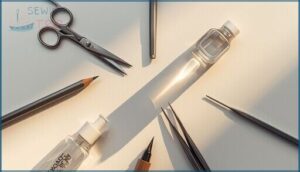
You don’t need a toolbox full of fancy gadgets to free fabric from a stuck zipper. Most fixes require just a few simple items you probably already have around the house.
Let’s break down the essential tools that’ll help you tackle this annoying problem quickly and safely.
If your zipper slider has come off the track completely, you can follow a step-by-step guide to reattach a zipper slider and get it working again in minutes.
Tweezers and Needle-nose Pliers
When fabric gets trapped, you need tools that let you work with surgical control. Precision gripping is your secret weapon here—tweezers and needle-nose pliers give you the leverage to free stubborn threads without wrecking your zipper.
If you’re working with delicate materials like silk or chiffon, check out recommended hand-sewing techniques for fragile fabric types to avoid pulling or distorting the weave.
- Tweezers with fine tips let you pinch and pull individual fibers from tight spots
- Needle-nose pliers grab thicker fabric bunches that fingers can’t reach
- Stainless steel options resist rust when you’re dealing with damp garments
- Ergonomic grips prevent hand fatigue during tricky extractions
Straight Pins and Sewing Needles
Sometimes delicate work demands delicate instruments. Straight pins and sewing needles let you pierce through trapped fibers without damaging the zipper teeth—perfect for thread liberation when tweezers can’t reach.
For fabrics that need gentle care after zipper repair—like silk, which wrinkles more easily than other materials—consider using a steamer instead of direct heat.
Position pins perpendicular to zipper tracks for sewing precision that frees stubborn snags.
If pins alone don’t solve it, you might be dealing with a zipper that needs replacing—here’s how to fix a zipper that separates before you start a new project.
| Tool Type | Best For | Technique |
|---|---|---|
| Fine straight pins (size 60-70) | Lightweight clothing repair | Pierce perpendicular to seam line |
| Standard sewing needles | Loosening wedged threads | Weave under stuck fabric gently |
| Stainless steel pins | Moisture-resistant fabric piercing | Hold fabric steady while extracting |
| Ball-point needles | Knit garments | Slip between fibers without snagging |
Razor Blades and Safety Pins
When gentle methods fail, razor blades become your last-resort tool for cutting stubborn threads—but blade safety demands caution. You’ll risk accidental cuts on delicate fabrics, so only use cutting methods on non-delicate areas.
If razor cutting proves too risky for your garment, explore practical zipper alternatives that eliminate the need for threads altogether.
Safety pins work better for stabilizing fabric edges during manipulation, preventing further snagging around zipper teeth.
Always work on flat surfaces and consider cut-resistant gloves when handling sharp razor alternatives near stuck zippers.
Household Lubricants and Heat Sources
You’ll cut friction fast with basic household lubricants like soap, candle wax, or even lip balm—each coating zipper teeth to ease stuck fabric free. WD40 works too, though it can stain delicate materials.
For heat application, your hair dryer softens fibers on low settings, expanding metal components slightly.
Regular zipper maintenance with these tools prevents future jams while offering solid fabric protection during extraction.
Step-by-Step Guide: Removing Fabric From a Zipper
Now that you’ve got your tools ready, it’s time to tackle that stuck zipper. The key is working slowly and methodically—rushing through the process usually makes things worse.
Here’s how to free your fabric without damaging the zipper or your garment.
Assessing The Jammed Area
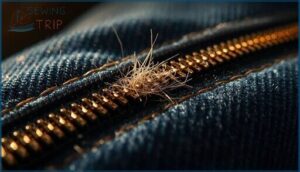
Before you wage war on that stuck zipper, stop and take a close look at what’s really happening. Your jammed area inspection reveals where fabric meets teeth—usually right where the slider sits or just behind it.
Check these three spots:
- The slider channel for wedged fibers or thread loops
- Individual teeth along the zipper track for bent metal or trapped material
- The fabric edge nearest the snag for loose threads ready to cause more trouble
Understanding the fabric entanglement pattern helps you choose the right fix without making things worse.
Gently Tugging With Fingers or Tweezers
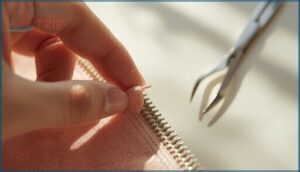
Your first move? Try the direct approach with clean, dry fingers or precision tweezers. Grip the trapped fabric and pull with light, steady traction parallel to the zipper—no yanking. If you feel resistance building, stop immediately.
Forcing it tears fabric or bends teeth, turning a minor hiccup into a repair nightmare. This gentle tugging works best before you reach for lubricant.
Loosening Fabric Using Pins or Needles

When tweezers won’t budge the stuck zipper, reach for a fine-tipped sewing needle or straight pin. Slide the point under trapped threads at a shallow angle—this precision handling lifts fibers away from zipper teeth without shredding anything.
Work each strand loose with controlled fabric manipulation, wiggling the needle gently. Keep tension light to avoid embedding material deeper into the track.
Cutting Stubborn Threads Carefully
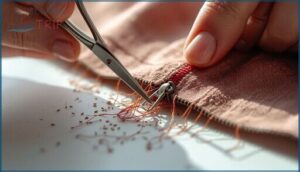
When needle work fails, sharp small scissors become your next move. Trim protruding threads close to the fabric—but never touch the base fibers. Keep your zipper slider completely still before cutting to prevent fabric shift.
A razor blade works too, though tweezers help brush away loose bits afterward. Always inspect for remaining stuck threads and repeat if needed, using minimal pressure to protect the zipper.
Using Lubricants to Loosen Stuck Fabric
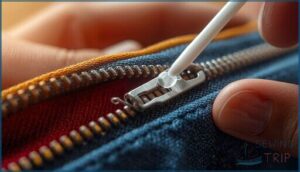
When fabric’s jammed tight in zipper teeth, a little slick can work wonders. Lubricants reduce friction and help the stuck material slide free without tearing or damaging the zipper.
Here’s how to choose and apply the right option for your situation.
Applying Soap or Candle Wax
A slippery solution can break you free from zipper frustration fast. Soap or candle wax acts as friction reduction agents that help stuck fabric slide right out of zipper teeth.
- Run a dry bar of soap directly along both sides of the zipper teeth where fabric is caught
- Rub candle wax on the zipper track, then gently work the slider back and forth
- Wipe away excess lubricant with a clean cloth to prevent staining
- Test soap alternatives on hidden fabric first to check for discoloration
Using Specialized Zipper Lubricants
If you want pro-level results, grab a specialized zipper lubricant—they’re built for this. These products glide onto stuck zipper teeth without leaving gunk or stains on your fabric. Apply a small amount to the jammed area, work the slider gently, and watch the fabric slip free. Test on a hidden spot first, then wipe off excess to keep your gear looking sharp.
When auditing the effectiveness of such lubricants, consider the importance of methodological rigor in scientific studies.
Household Alternatives (lip Balm, Graphite)
Out of zipper lubricant? Raid your desk drawer. A graphite pencil rubbed along zipper teeth cuts friction fast—no greasy residue. Lip balm works too: smear a thin layer on the jammed spot, wiggle the slider, and the stuck fabric slides free. Both are clutch emergency fixes when you’re in a bind.
- Graphite pencil: Dry lubrication that won’t stain light fabrics
- Lip balm: Waxy coating eases fabric through zipper teeth instantly
- Test first: Try on hidden areas to avoid surprise marks
When and How to Apply Lubricants Safely
Timing matters. Apply lubricant only after you’ve checked the jam—never before. Spraying oil or smearing petroleum jelly on stuck fabric can push threads deeper into the teeth.
Instead, inspect first, then pick your weapon: graphite pencil for dry friction, zipper-specific formulas for metal tracks, or a dab of soap on plastic coils. Use a cotton swab for precise application methods that won’t stain your gear.
Heat and Soaking Methods for Stubborn Zippers

When lubricants don’t cut it, you can break out the big guns: heat and moisture. These methods soften stubborn fabric fibers and loosen their grip on zipper teeth, giving you a fighting chance against even the most irritating snags.
Here’s how to apply heat and soaking techniques without wrecking your stuff.
Using a Hair Dryer or Iron (with Precautions)
When fabric won’t budge, gentle heat application can soften stubborn fibers. Set your hair dryer to low or cool air—dryer settings matter—and hold it at least 6 inches away for 10–15 seconds.
For iron safety, use low heat without steam and place a cloth barrier between the iron and zipper.
After thermal repair, work the stuck fabric free with your fingers or tweezers.
Soaking With Vinegar, Saltwater, or Soda
When direct force fails, a good soak can break the stalemate. Dilute vinegar with water to soften mineral buildup without fading colors—vinegar benefits include loosening fibers while protecting fabric.
Saltwater works too, but saltwater risks include zipper corrosion on metal hardware if you don’t dry it fast. Soda effects offer gentle bubbling action.
Always rinse thoroughly after fabric softening to prevent long-term damage during clothing maintenance.
When to Use Heat Versus Moisture
Sometimes your zipper just won’t surrender, so you need to pick the right weapon. Heat application works when fabric’s stubborn and stiff—synthetic fibers can handle warmth, but keep it brief to avoid melting. Moisture therapy is your safer bet for delicate materials, reducing friction without scorching.
Here’s your game plan:
- Try moisture first for gentle fiber protection and fabric relaxation
- Switch to heat only when stuck fabric refuses lubrication methods
- Match temperature control to your material—natural fibers need lower heat than synthetics
Protecting Delicate Fabrics During Treatment
Delicate fabrics need your full attention before you start any treatment. Test your lubricant on a hidden spot first—you don’t want surprise stains ruining your favorite piece.
Keep temperatures low and avoid heat unless the care label gives you the green light. Use gentle extraction techniques, working slowly to protect fragile fibers.
Pull the garment free immediately after fabric removal to prevent oversaturation and damage.
Preventing Fabric From Getting Stuck in Zippers
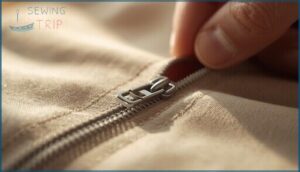
You don’t have to keep fighting the same zipper battles over and over. A few simple habits can save you from those frustrating moments when fabric gets caught and you’re stuck wrestling with a stuck zipper.
Here’s how to keep your zippers running smoothly and your clothes intact.
Regular Zipper Cleaning and Lubrication
You’ll dodge most zipper jams by keeping your tracks clean and slick. Brush away dust monthly—more if you’re roughing it outdoors. After cleaning, apply a thin coat of silicone lubricant or beeswax along the teeth, then run the slider up and down to work it in.
During inspection, check for bent teeth or misalignment before they trap fabric.
Trimming Loose Threads and Reinforcing Seams
Loose threads sneak into zipper tracks like saboteurs, so trim them close to the fabric with sharp scissors before they migrate. Hold the material taut, snip parallel to the seam, and inspect for strays.
Reinforce frayed seams with a quick backstitch using matching thread—textile repair that takes two minutes but saves you from roadside wardrobe emergencies. Fabric stability beats replacement every time.
Careful Zipping Techniques
Align zipper tracks before you zip—misaligned teeth grab fabric like a trap. Keep fabric tension steady and zip slowly, giving the slider time to engage each tooth without resistance.
When you feel a snag, stop immediately and inspect the zipper track rather than forcing it. Gentle handling prevents most zipper disasters before they start, saving you from roadside repairs and wardrobe malfunctions.
Washing and Storing Garments Properly
Close all zippers before washing—it’s one of the simplest Fabric Care Tips that protects both the garment and the slider mechanism. Turn clothes inside out to shield surface fibers and use a gentle cycle with cold water for most Fabric Protection Methods.
When storing garments, fold them promptly and keep them in a cool, dry space away from direct sunlight to maintain zipper integrity and prevent snags.
Special Tips for Different Fabrics and Items
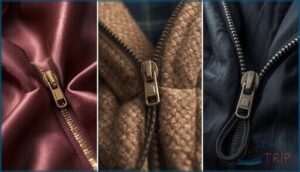
Not all fabrics play by the same rules when they’re stuck in a zipper. What works for a silk blouse won’t cut it on a heavy winter coat or a stuffed backpack.
Here’s how to handle different materials and items without making things worse.
Delicate Fabrics and Lightweight Garments
Silk, chiffon, and satin don’t play nice with zippers—they snag fast and tear easily. When fabric gets stuck, you’ve got to treat it like it’s made of glass. Fabric snag prevention starts with understanding delicate material handling and zipper compatibility before things go sideways.
- Turn lightweight garment care inside out before washing to protect edges from zipper teeth
- Use a fabric-safe lubricant on fine zippers to reduce friction during clothing and textile care
- Add interfacing along zipper edges for fabric edge reinforcement that stops fraying when your zipper stuck on fabric happens
Backpack Linings and Pocket Fabric
Backpack durability starts with knowing your lining materials—nylon and polyester rule the pack world, but they’ve got a dark side. When fabric composition includes slippery coatings, fabric interfacing near pockets shifts and bunches, turning your zipper track into a trap.
Zipper entrapment happens fast with multi-layered linings, especially in tight channels. If your zipper stuck on fabric near a pocket seam, check for fraying stitches first—they shed fibers that wedge between teeth and lock everything down.
Shoes, Outerwear, and Heavy-duty Gear
Heavy-duty zippers on boots, jackets, and duffels face harsher wear patterns than everyday gear—grit from dirty soles and trail dust grinds into the zipper track, while thick fleece or quilted linings bunch up when you move. Breaking free demands a tougher approach:
- Brush out debris before you attempt any fabric removal
- Apply graphite-based lubrication to ease friction on industrial zipper material
- Work slowly with needle-nose pliers on stubborn snags in reinforced seams
To maintain your gear, understanding language patterns is vital for effective communication. Gear maintenance now saves zipper replacements later.
Repair Considerations for Thick or Layered Textiles
Wrestling with denim or canvas creates its own zipper nightmare. Layered textile care means inspecting teeth for damage after fabric extraction tips save the day.
Thick fabric repair often demands zipper reinforcement around worn seams where stuck textile fibers stressed the track. Replace damaged teeth before they fail completely, apply heavy-duty lubrication, and consider upgrading to industrial-grade zippers designed for the punishment your gear takes.
Top Products for Zipper Fabric Removal and Care
Having the right tools on hand can turn a zipper nightmare into a quick fix. Some products are specifically designed to prevent fabric snags and keep zippers gliding smoothly, while others help you safely extract stuck threads without damage.
Here are four proven products that make zipper maintenance and fabric removal easier.
1. Star Brite Zipper Lubricant
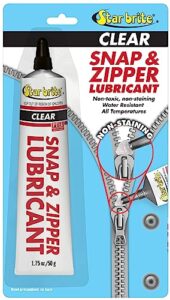
When your zipper’s stuck and you need fast relief, Star Brite Zipper Lubricant delivers smooth operation without the mess. This clear, 1.75-ounce tube applies directly to zipper teeth, reducing friction that causes fabric to snag in the first place.
You’ll protect against corrosion while keeping snaps working properly on jackets, bags, and outdoor gear. The synthetic formula won’t stain most fabrics, though you should test delicate materials first.
Apply a thin layer, work the zipper back and forth to distribute it evenly, then wipe excess away. It’s zipper maintenance that actually prevents problems before they start.
| Best For | People who regularly use zippers on outdoor gear, boat covers, bags, and jackets and want to prevent snags and stuck sliders before they happen. |
|---|---|
| Application Type | Liquid tube |
| Primary Material | Synthetic |
| Brand | STAR BRITE |
| Intended Use | Zipper/snaps lubrication |
| Weight | 0.13 pounds |
| Form Factor | Tube |
| Additional Features |
|
- Clear formula applies easily and won’t leave visible stains on most fabrics
- Reduces friction to keep zippers and snaps working smoothly while protecting against corrosion
- Small tube format makes it easy to carry and apply exactly where needed
- Can stain delicate fabrics if not tested first in an inconspicuous spot
- May need multiple applications to get the best results on stubborn zippers
- Costs more than basic alternatives like graphite pencils or wax sticks
2. AGS Zipper Ease Lubricant Stick
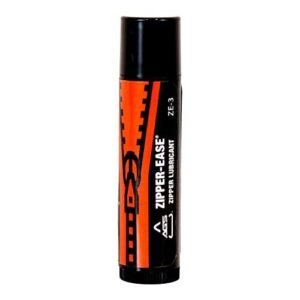
You need a solution that frees fabric without taking your jacket off—that’s where AGS Zipper Ease Lubricant Stick shines. This wax-based stick glides along zipper teeth in a twist-up format, reducing friction that traps fabric.
Apply a thin line directly to metal or plastic zippers, work the slider gently, and watch the jam release. You’ll get minimal residue and quick fabric release without staining risk.
It’s simple zipper maintenance that resolves stuck zipper solutions on the spot, whether you’re dealing with coats, backpacks, or sleeping bags that won’t cooperate.
| Best For | Anyone dealing with stuck zippers on jackets, backpacks, or outdoor gear who needs a quick fix without removing the item. |
|---|---|
| Application Type | Wax tube |
| Primary Material | Wax |
| Brand | AGS |
| Intended Use | Zipper lubrication |
| Weight | 0.15 ounces |
| Form Factor | Tube |
| Additional Features |
|
- Applies precisely with a chapstick-style tube that targets zipper teeth without mess
- Works on metal, plastic, and coil zippers with minimal residue or staining risk
- Natural, eco-friendly wax formula that’s safer than chemical sprays
- Small 0.15-ounce size may run out quickly if you maintain multiple items regularly
- Some users report a noticeable smell after application
- Effectiveness varies—works great for some zippers but only moderately for others
3. Faber Castell Graphite Sketch Pencils
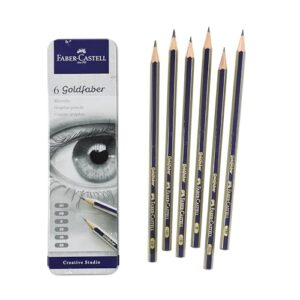
Grab a soft graphite pencil from your art supplies drawer—the same sketching tools you’d use for drawing techniques work wonders on stubborn zippers. Run a 2B or softer lead along the zipper teeth to create instant lubrication. The graphite quality creates a slick coating that frees trapped fabric without mess.
Just sharpen your pencil to expose fresh graphite, trace both sides of the zipper track, then gently work the slider. It’s pencil sharpening meets emergency repair, turning everyday art gear into your fabric-freeing secret weapon.
| Best For | Artists, students, and hobbyists who need a versatile graphite pencil set for sketching, shading, and everyday drawing projects. |
|---|---|
| Application Type | Graphite pencil |
| Primary Material | Graphite/wood |
| Brand | Faber-Castell |
| Intended Use | Drawing/sketching |
| Weight | 0.007 ounces |
| Form Factor | Pencil |
| Additional Features |
|
- Six hardness grades (2H to 6B) give you plenty of range for everything from fine lines to deep shading
- Break-resistant lead bonded through the entire pencil means less frustration and wasted material
- Eco-friendly production with reforested wood and carbon-neutral manufacturing
- Only six hardness options might leave professional artists wanting more specialized grades
- No eraser included, so you’ll need to grab one separately for corrections
- The metal storage tin adds bulk if you’re trying to keep your kit lightweight and portable
4. Knipex Long Nose Pliers With Cutter
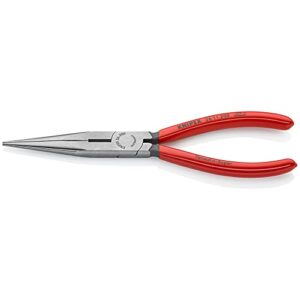
When graphite won’t budge your stuck fabric, reach for Knipex Long Nose Pliers With Cutter. The precision grip and jaw alignment let you grasp threads deep inside zipper teeth without damaging the slider.
These 8-inch pliers excel at zipper repair—the serrated tips hold fabric firmly while you work it free, and the integrated cutter snips stubborn threads cleanly.
Tool ergonomics matter during delicate work, and proper plier maintenance keeps the cutting edges sharp. Just remember cutter safety: trim only fabric, never metal teeth.
| Best For | Anyone tackling stubborn zipper jams or doing detailed fabric work where you need a strong grip and clean cuts in tight spaces. |
|---|---|
| Application Type | Long nose pliers |
| Primary Material | Chrome vanadium steel |
| Brand | Not specified |
| Intended Use | Gripping/cutting |
| Weight | 7.1 ounces |
| Form Factor | Pliers |
| Additional Features |
|
- Serrated tips grab fabric securely without slipping, so you can pull threads free from zipper teeth without fighting the tool
- Built-in cutter handles both delicate thread snips and tougher wire cuts up to 1/8-inch, giving you two tools in one
- Chrome vanadium steel construction means these pliers won’t bend or wear out after a few uses like cheaper options
- At 8 inches and 7.1 ounces, they’re heavier than basic needle-nose pliers, which can tire your hand during long repair sessions
- The price runs higher than most hardware store pliers, so it’s an investment if you only need them occasionally
- Cutting capacity maxes out at 1/8-inch, so they won’t handle heavy-duty wire or thick metal fasteners
Frequently Asked Questions (FAQs)
Can a stuck zipper damage the fabric permanently?
Yes, a stuck zipper can permanently damage fabric through fiber fraying, weave distortion, and localized abrasion. Repeated forcing worsens the snag, potentially requiring textile repair or replacement instead of simple zipper maintenance and fabric care.
Should you replace or repair a repeatedly jamming zipper?
Replace the zipper if teeth break, tape frays, or jams keep recurring—that’s your signal the hardware has failed.
Repair works for slider issues or occasional sticking with lubricant and realignment.
How do you fix a zipper that separates after unsticking?
If your zipper keeps separating, realign the slider on the teeth and straighten bent zipper teeth with pliers.
Apply zipper lubrication for smooth operation and reinforce fabric reinforcement near seams to prevent future separation.
What causes zippers to catch fabric more over time?
Over time, zipper teeth wear down and misalign, creating rough edges. Slider misalignment and track deformation increase friction, while fabric fray deposits lint inside the channel—all making your zipper catch material more often.
Conclusion
A stuck zipper doesn’t have to hold you hostage. Armed with the right technique—whether it’s tweezers, lubricant, or careful cutting—you can reclaim control and get fabric out of a zipper without causing damage.
The real power comes from staying calm, evaluating the situation, and choosing your method wisely. Next time fabric catches, you’ll know exactly what to do. No more panic, no more delays—just freedom to zip up and move forward.