This site is supported by our readers. We may earn a commission, at no cost to you, if you purchase through links.
Running your hand across a bolt of fabric tells you almost everything you need to know before you buy it. That sleek, glassy surface of charmeuse silk whispers luxury and elegance, while the nubby loops of bouclé shout warmth and character.
The choice between smooth vs textured fabric shapes not just how your project looks, but how it performs, how it feels against your skin, and how much time you’ll spend maintaining it. Smooth fabrics reflect light like a mirror and drape like water, making them perfect for formal wear that demands a polished appearance.
Textured fabrics, on the other hand, catch the eye with their dimensional surfaces and invite touch with their tactile appeal. Understanding the practical differences between these two fabric families helps you match the right material to your specific project.
Table Of Contents
- Key Takeaways
- Key Differences Between Smooth and Textured Fabrics
- Types of Textured Fabrics Explained
- Best Uses for Smooth Fabrics
- Best Uses for Textured Fabrics
- Top 9 Fabric Options for Projects
- How to Choose Between Smooth and Textured
- Care and Maintenance Tips for Each Type
- Frequently Asked Questions (FAQs)
- Conclusion
Key Takeaways
- Smooth fabrics, like satin and silk, reflect light evenly and drape fluidly, making them ideal for formal wear, professional attire, and minimalist spaces, while textured fabrics, such as velvet, chenille, and bouclé, scatter light to create visual depth and invite touch, working best for upholstery, winter clothing, and decorative accents.
- The choice between smooth and textured fabric depends on your project’s functional needs—smooth surfaces resist dust and require minimal maintenance, whereas textured weaves hide wear better but demand more careful cleaning and storage to preserve their pile and dimensional character.
- Mixing smooth and textured fabrics creates visual contrast and balanced designs, whether you’re layering silk with velvet in clothing or combining sleek cotton with plush chenille in home décor.
- Material composition drives durability more than surface texture alone—polyester blends boost abrasion resistance in both smooth and textured fabrics, while proper care, like cool water washing for smooth fabrics and gentle spot cleaning for textured ones, extends lifespan significantly.
Key Differences Between Smooth and Textured Fabrics
Choosing between smooth fabrics and textured fabrics isn’t just about what looks good—it’s about understanding how each one behaves in your hands and in your space.
If you’re still figuring out the basics, this guide to fabric texture breaks down how different weaves and finishes create the feel you’re after.
The differences go beyond surface appearance, affecting everything from how light plays across the material to how long it’ll last through daily use. Let’s break down the four key distinctions that’ll help you make the right choice for your project.
Visual Appearance and Surface Characteristics
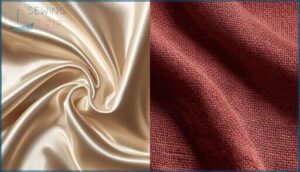
Here’s where smooth fabrics really split—how they catch your eye. Smooth fabric reflects light evenly, giving you that uniform sheen across the material finish, while textured fabric scatters it into highlights and shadows that shift as you move.
Burlap shows coarse surface roughness with visible loops, velvet creates a soft nap that changes with angle, and crepe’s crinkled visual texture diffuses light for a matte look.
Tactile Feel and Touch Experience
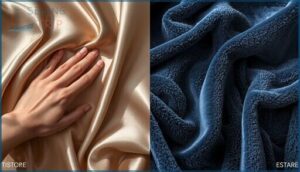
When you run your fingers across fabric, tactile perception kicks in fast. Smooth fabric glides under your palm with minimal friction—think satins or tightly woven cottons registering under 20 micrometers of surface roughness.
Textured fabric grips back with pleasant resistance, from chenille’s soft loops to velvet’s plush pile rising up to 2.5 millimeters, creating a sensory experience that shifts how skin comfort and fabric sensitivity play out.
Textured fabrics grip your hand with resistance—chenille’s loops and velvet’s 2.5mm pile create a sensory shift in comfort
Durability and Wear Resistance
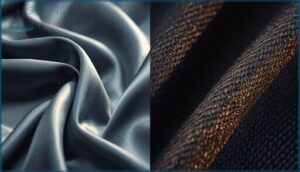
Durability shifts based on what builds the fabric. Material Blends with polyester or nylon boost Abrasion Resistance beyond pure cotton, making them tougher in Upholstery Fabric applications. Surface Coatings add protection, while Textured Fabric often hides wear better than smooth weaves.
Here’s what matters for Fabric Strength:
- Fiber composition determines breakage resistance under stress
- Yarn twist affects pilling and surface fuzzing over time
- Weaving patterns distribute friction to reduce localized damage
- Chemical finishes improve dimensional stability and longevity
- Proper Fabric Care preserves integrity against Wear Factors
For a deeper understanding of how different materials withstand friction and damage, see the detailed explanation of material wear resistance principles.
Light Reflection and Drape Qualities
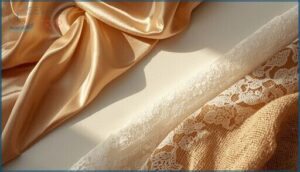
When light hits your fabric, Texture Impact changes everything about Fabric Shine and Visual Depth. Smooth surfaces bounce light evenly for a sleek glow, while Textured Fabric scatters rays to create Light Diffusion and subtle shadows that add dimension.
Fabric Texture also shapes how material hangs and moves on your body or furniture.
| Fabric Type | Light Behavior | Drape Styles |
|---|---|---|
| Velvet | Directional sheen | Soft, flowing fall |
| Lace | Scattered, delicate | Light, airy drape |
| Burlap | Matte, uneven | Stiff, structured |
| Satin | Even reflection | Fluid, sleek hang |
Types of Textured Fabrics Explained
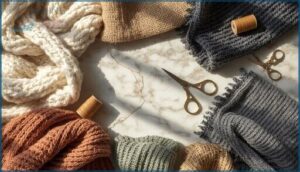
Textured fabrics come in more varieties than you might expect, and each one brings its own character to your projects. Some feel rough and rustic while others offer plush softness, so knowing the differences helps you choose wisely.
Let’s look at six popular textured fabrics and what makes each one stand out.
Burlap
You’ll recognize burlap by its unmistakable coarse lattice-like weave, where jute fibers cross in irregular patterns that give it that authentic rustic texture.
This natural material creates a sturdy upholstery fabric with a grainy hand-feel, and when you run your fingers across it, you’ll notice the rough, organic surface that makes burlap weaving perfect for casual decor and craft projects where durability matters.
For more examples of textured fabric types, you can explore the wide variety used in sewing and upholstery.
Chenille
When you touch chenille, you’ll feel that signature soft, fuzzy texture created by twisted fibers forming a bulky weave that stands apart from smoother textured fabrics like velvet.
This plush material features a gentle nap ranging from 1 to 4 millimeters, where chenille yarn creates that cozy, almost caterpillar-like surface perfect for sweaters and upholstery where comfort matters most.
Crepe
Crepe fabric stands apart with its crinkled texture created from high-twist yarn, giving you that slightly grainy hand-feel and uneven surface that drapes beautifully. This soft draping quality makes it perfect for evening wear where you want movement and elegance.
Here’s what makes this textured fabric unique:
- Creates natural crinkled surface patterns
- Features high-twist yarn weaving technique
- Offers fluid drape for flowing garments
- Shows subtle light-catching texture variations
- Provides comfortable stretch without bulk
Velvet
Velvet brings that luxurious appeal you’ve been searching for with its dense short pile that reflects light for a rich luster. This type of textured fabric features a pile height ranging from 1 to 4 millimeters, creating a smooth underside and plush surface perfect for velvet upholstery.
The velvet fabrication process builds depth and visual drama while remaining surprisingly durable for everyday use.
Embroidered Fabrics
Embroidered fabrics introduce raised stitched patterns that create tactile dimension and visual interest, transforming any base fabric into something remarkable.
The fabric texture changes dramatically based on stitch techniques and thread varieties you choose, from delicate floral design motifs to bold cultural symbols. This textured fabric type lets you control the depth and spacing of embroidery, making it perfect for sewing projects where you want that handcrafted look that draws notice.
Bouclé
Bouclé stands apart with its double-twisted yarns that create loops across the fabric surface, giving you that signature soft and fleecy feel. This upholstery fabric showcases distinct weave patterns where fiber blends and yarn twist techniques produce characteristic nubs and curls.
The textured fabric offers medium fabric drape with impressive softness levels, making it your go-to choice for adding tactile richness to furniture pieces and structured garments.
Best Uses for Smooth Fabrics
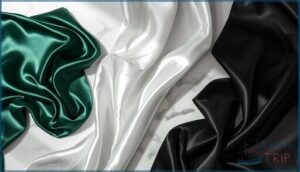
Smooth fabrics have a sleek surface that makes them perfect for situations where you want a polished, refined look. They drape beautifully and reflect light in ways that textured fabrics simply can’t match, which is why designers reach for them in specific scenarios.
Let’s look at where smooth fabrics really shine and why they’re often the better choice for certain projects.
Formal Wear and Evening Gowns
When you’re dressing for a gala or walking the red carpet, smooth luxury fabrics bring that polished confidence you need. Satin and silk dominate evening wear because they drape beautifully and catch light without competing with your silhouette.
- Formal gowns rely on charmeuse or crepe for uninterrupted, elegant lines
- Bridal fashion pairs smooth silk with delicate lace overlays for refined romance
- Red carpet moments demand fabrics that photograph flawlessly under flash
- Fashion design uses smooth weaves to let embellishment and cut take center stage
Lining and Underlayers
You won’t see lining materials on the outside, but they transform how a garment moves and feels against your skin.
Fabric interfacing and underlay techniques using smooth cotton batiste or polyester satin keep construction hidden while preventing friction. Sewing methods that pair smooth underlayers with textured fabric on the outside give you opacity, comfort, and shape—without adding bulk or disrupting drape.
Professional and Business Attire
Your office look demands smooth fabrics—crisp cotton shirts and wool-blend suits telegraph competence without trying too hard.
Corporate Fashion experts know that light blue button-downs and charcoal blazers create authority through clean lines and controlled drape.
Business Etiquette favors this visual restraint, while textured choices like Chenille or Boucle pull focus away from your message.
Professional Style means letting your ideas shine, not your weave.
Minimalist Home Decor
Clean linen and smooth cotton anchor your Minimalist Aesthetics at home—neutral color upholstery fabric keeps focus on form, not fuss.
Interior Design principles favor monochromatic schemes where calming textures emerge through subtle weave variations, not pile height. Simple patterns in matte finishes let natural light shape the mood, proving that Home Decor restraint beats textured fabric drama when you’re chasing visual quiet.
Best Uses for Textured Fabrics
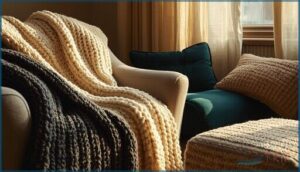
Textured fabrics bring depth and visual interest to spaces and projects where you want something more than just a flat surface. They work best when you need durability, warmth, or a tactical experience that catches the eye and invites touch.
Let’s look at where these fabrics really shine in everyday use.
Upholstery and Furniture
Textured fabrics like velvet fabrics, chenille, and bouclé transform your furniture into living sculptures that beg to be touched.
Upholstery trends favor these tactile materials because they hide small surface flaws while adding visual depth that flat weaves can’t match.
When you’re considering furniture restoration or interior decorating projects, textured upholstery fabric delivers both furniture durability and character, making pieces feel warmer and more inviting than smooth alternatives ever could.
Winter Clothing and Sweaters
Cold weather demands fabrics that work as hard as you do, and textured sweater materials deliver thermal insulation your body craves. Wool, tweed, chenille, velvet, and faux fur create winter layers that trap warmth while feeling wonderful against your skin.
- Cable knits and ribbed weaves seal heat close to your body
- Brushed interiors add softness without bulk
- Fabric thickness ranges from lightweight to heavy-duty protection
Decorative Accents and Cushions
Your living room craves layers of personality, and textured fabric delivers exactly that punch.
Bouclé, velvet, and embroidered cushion styles create focal points that smooth upholstery fabric simply can’t match.
Mix fabric patterns with accent colors to anchor your decor trends—chenille pairs beautifully with mid-century looks, while soft furnishings in varied fabric texture add warmth to minimalist spaces without overwhelming clean lines.
Costume and Specialty Projects
Performance stages demand fabrics that photograph well under hot lights and survive rigorous movement schedules. You’ll find textured options excel in costume design because they build visual depth without extra embellishment, while specialty materials like faux fur, velvet, and lace support character development through tactile storytelling.
Smart fabric selection for prop making includes:
- Chenille for period-accurate upholstery on set furniture
- Burlap layered with paint washes for aged, weathered effects
- Stretch velvet allowing full range of motion in fitted garments
- Embroidered lace adding dimension that reads clearly from audience seats
Top 9 Fabric Options for Projects
You’ve got a solid understanding of smooth fabrics versus textured fabrics now, so let’s talk about actual options you can grab for your next project.
The fabrics below cover everything from rustic burlap to elegant lace, giving you choices for upholstery, clothing, and decorative work. Each one brings its own texture and personality to the table, so you can pick what fits your vision.
1. Natural Jute Burlap Roll Fabric
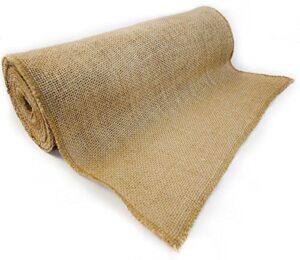
When you want that raw rustic vibe for your project, jute burlap delivers. This RC RICHCRAFT roll measures 360 inches long by 12 inches wide and weighs just 1.3 pounds, making it easy to handle for weddings, table runners, or DIY crafts.
The no-fray fringed edges save you time, though you’ll notice the rough, coarse texture typical of natural jute. Expect some shedding when you first work with it, and don’t be surprised if it carries a slight earthy smell—that’s the authentic fiber talking.
| Best For | DIY enthusiasts and event planners looking for affordable natural burlap for rustic-themed weddings, table décor, or crafting projects. |
|---|---|
| Material | Jute |
| Color | Modern Rustic |
| Width | 12 inches |
| Form | Roll |
| Primary Use | Crafts/Decorating |
| Texture | Burlap weave |
| Additional Features |
|
- Lightweight 30-foot roll gives you plenty of material for multiple projects
- No-fray fringed edges cut down on prep work and finishing time
- Versatile width works well for table runners, placemats, and decorative accents
- Sheds noticeably when handling, creating cleanup hassle
- Strong natural fiber smell may require airing out before use
- Quality inconsistency means some rolls may need extra hemming or reinforcement
2. Damask Chenille Upholstery Fabric
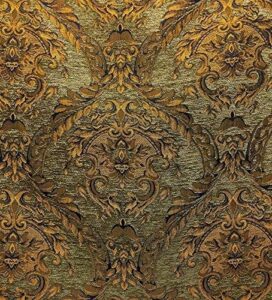
This olive-and-gold chenille fabric measures 60 inches wide and comes cut by the yard, giving you flexibility for upholstery projects like sofas, ottomans, or toss pillows.
The polyester base offers a low-luster sheen and a fuzzy chenille background that’s easy to clean and machine washable—a real win for high-traffic furniture. You’ll notice it’s not as soft as velvet due to the thicker fibers, but the intricately woven tapestry pattern adds depth and character.
The heavier construction accommodates drapery, valances, and duvet covers without losing its shape.
| Best For | DIYers and home decorators looking for a durable, washable fabric for upholstery projects like sofas, ottomans, or heavier drapes that need to hold up over time. |
|---|---|
| Material | Polyester |
| Color | Olive/Gold |
| Width | 60 inches |
| Form | Cut by yard |
| Primary Use | Upholstery |
| Texture | Chenille fuzzy |
| Additional Features |
|
- Machine washable and easy to clean, making it practical for furniture that gets a lot of use
- Heavy tapestry weave adds visual interest and holds its shape well for upholstery and window treatments
- 60-inch width means fewer seams and less waste on larger projects
- Thicker fibers make it less soft than velvet, so it might not feel as plush
- Only available in one color combination (olive/sage and gold), limiting design flexibility
- Sold by the yard, so you’ll need to calculate yardage carefully for bigger pieces
3. Red Velvet Stretch Fabric
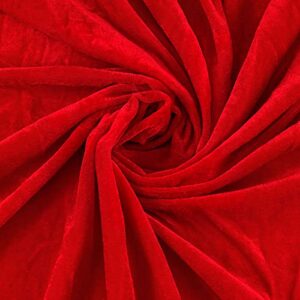
You’ll find this red velvet brings genuine drama to costume builds, evening wear, and stage backdrops thanks to its dense nap and deep color that holds under lighting.
The polyester-spandex blend gives you four-way stretch and smooth recovery, so it drapes with a luxurious fall and doesn’t fight your silhouette. At 65 inches wide by 10 yards, you’re covered for larger projects like curtains or tablecloths.
Just remember to hand wash cold and air dry—the pile stays soft and the color won’t fade.
| Best For | Costume designers, crafters, and event planners who need luxurious-looking fabric with stretch for theatrical productions, formal garments, or large-scale decorative projects. |
|---|---|
| Material | Polyester/Spandex/Velvet |
| Color | Red |
| Width | 65 inches |
| Form | Cut by yard |
| Primary Use | Costumes/Crafts |
| Texture | Soft velvet |
| Additional Features |
|
- Four-way stretch and excellent drape make it easy to work with for fitted garments and flowing designs
- 65 inches wide by 10 yards provides plenty of material for big projects like backdrops or multiple costumes
- Deep red color stays vibrant and resists fading when properly cared for
- Some users report the fabric feels flimsy or thinner than expected for velvet
- Prone to wrinkling and requires careful handling during storage and use
- 10-yard minimum may leave you with excess material if you only need a small amount
4. Blue Crepe Knit Fabric
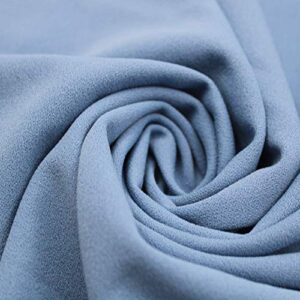
This blue crepe knit gives you that signature pebbled surface with a subtle sheen, and the knit construction stretches in both directions so you can move freely. It’s perfect for dresses, tops, and light jackets that need drape without stiffness, flowing smoothly over your body instead of clinging.
The color stays true after multiple washes, whether you choose sky blue or deep royal. Just toss it in the machine on cold or warm, tumble dry low, and give it a cool iron if needed.
| Best For | Sewers looking for a stretchy, easy-care fabric for comfortable everyday clothing like dresses, tops, and lightweight jackets. |
|---|---|
| Material | Crepe |
| Color | Blue Steel |
| Width | Not specified |
| Form | Cut by yard |
| Primary Use | Apparel |
| Texture | Stretchy knit |
| Additional Features |
|
- Stretches in both directions for comfort and movement
- Machine washable and low-maintenance
- Drapes beautifully without clinging or feeling stiff
- Can wrinkle easily and may need ironing
- Not suitable for projects requiring a structured, non-stretchy fabric
- Color may fade over time with repeated washing
5. African Lace Fabric For Wedding Dresses
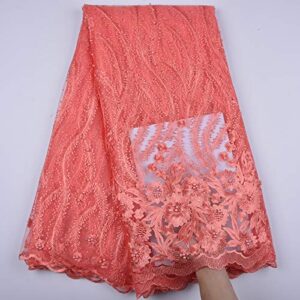
For brides planning grand celebrations, African lace fabric brings intricate embroidery and beaded details that catch light beautifully during ceremonies. Nigerian and West African patterns offer bold contrast and dimensional motifs, while East African designs show softer, delicate florals up close.
You’ll find these laces in coral, ivory, and custom colors, often sold in three-yard panels weighing about 1.35 pounds. The net base enables dense embroidery without sacrificing drape, creating structured bodices and fluid skirts that photograph stunningly under ceremony lighting.
| Best For | Brides and designers creating statement wedding or special occasion dresses with rich texture and traditional African aesthetic. |
|---|---|
| Material | Net/Lace |
| Color | Coral |
| Width | Not specified |
| Form | 3 yards |
| Primary Use | Wedding dresses |
| Texture | Embroidered beaded |
| Additional Features |
|
- Intricate beaded embroidery catches light beautifully, creating dimensional, eye-catching detail for ceremonies and photos
- Net fabric base provides structure for bodices while maintaining drape for flowing skirts
- Three-yard panels give enough material for most dress projects without excess waste
- Only available in coral, limiting color flexibility for different wedding themes or skin tones
- Beaded embroidery requires delicate handling and special care during cleaning
- No fabric content or durability information makes it hard to assess longevity or comfort for all-day wear
6. Fabricla Faux Fur Fabric
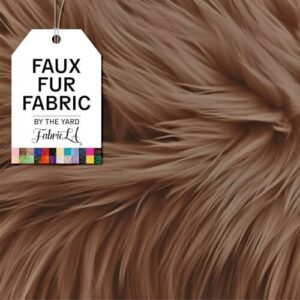
When you want plush warmth without real animal fur, Fabricla faux fur fabric delivers 2–2.5″ pile that feels soft against your skin and looks genuinely luxurious from across the room. You can choose from over thirty colors, including light brown and realistic tones that mimic natural pelts.
This hypoallergenic synthetic works beautifully for cozy blankets, costume trims, and children’s toys, though you’ll need patience sewing through its thick construction—use a heavy-duty needle and slow, steady stitching for clean seams.
| Best For | Crafters and costume makers who want thick, luxurious-looking faux fur for blankets, toys, or cosplay projects and don’t mind working with a heavier fabric. |
|---|---|
| Material | Faux Fur |
| Color | Light Brown |
| Width | 60 inches |
| Form | Precuts |
| Primary Use | Home décor/Crafts |
| Texture | Plush fur |
| Additional Features |
|
- Over 30 color options with realistic 2–2.5″ pile that looks genuinely plush
- Hypoallergenic and safe for baby blankets, children’s toys, and sensitive skin
- Versatile for multiple projects—from home décor to apparel and cosplay accessories
- Thick construction makes machine sewing challenging without a heavy-duty needle
- Color accuracy can vary from photos depending on your screen settings
- Some customers have reported receiving incorrect items or lower quality than expected
7. Barcelonetta Felt Fabric
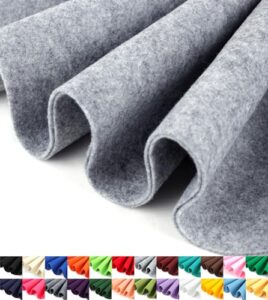
Softness meets practicality with Barcelonetta felt fabric. You get a dense, fuzzy nap that feels gentle under your fingers, yet resists fraying and dust.
At 72 inches wide and 1.6mm thick, it’s perfect for bold craft projects—think plush toys, wall hangings, or laptop cases. The acrylic blend is stain-resistant and easy to cut, so you won’t wrestle with tricky edges.
If you’re after color variety and consistent quality for DIY, this felt checks all the boxes.
| Best For | Crafters who need wide, stain-resistant felt for plush toys, home décor, or DIY accessories like laptop cases. |
|---|---|
| Material | Acrylic Felt |
| Color | Heather Grey |
| Width | 72 inches |
| Form | Cut by yard |
| Primary Use | DIY crafts |
| Texture | Soft felt |
| Additional Features |
|
- 72″ width gives you plenty of material for large projects without seams
- Stain-resistant acrylic blend is forgiving and easy to clean
- Cuts cleanly without fraying, so edges stay neat
- Acrylic felt can pill with frequent handling or washing
- Some customers report receiving wrinkled or incorrectly sized pieces
- Requires careful ironing with a cloth to avoid heat damage
8. Freer Nomad Damask Chenille Fabric
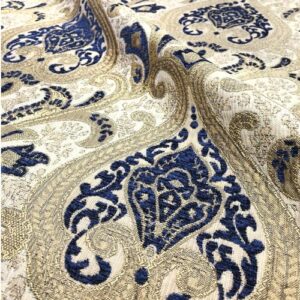
Texture and tradition meet in Freer Nomad damask chenille fabric. You’ll notice a raised damask pattern woven with plush chenille yarns, creating soft contrast between high and low areas that catches light beautifully.
At 54 to 58 inches wide, it’s ready for upholstery projects like sofas and armchairs or heavy curtains that drape with elegance. The dense weave hides minor wear, and regular vacuuming keeps the pile looking fresh.
If you want rustic refinement that suits traditional or transitional rooms, this chenille delivers both comfort and durability.
| Best For | Anyone looking to add classic elegance to upholstery projects or drapery, especially if you appreciate traditional damask patterns with a soft, touchable chenille texture. |
|---|---|
| Material | 100% Polyester |
| Color | Red/Gold/Brown/Blue |
| Width | 57-58 inches |
| Form | Cut by yard |
| Primary Use | Upholstery/Drapery |
| Texture | Jacquard brocade |
| Additional Features |
|
- The raised damask pattern and chenille weave create beautiful texture and light play that elevates furniture and window treatments
- Wide width (57/58 inches) and durable polyester construction make it practical for large upholstery jobs and heavy-use items
- Versatile enough for multiple projects—reupholstering furniture, making pillow covers, or even costume design
- Color accuracy can be inconsistent; some customers report the actual fabric looks more gold-toned or has more blue than the listing photo suggests
- The texture and hand-feel might differ from what you expect based on photos alone, so it’s worth ordering a sample first
- At 100% polyester, it won’t have the breathability or natural feel of cotton or linen blends
9. Ivory Lace Fabric For Wedding Dresses
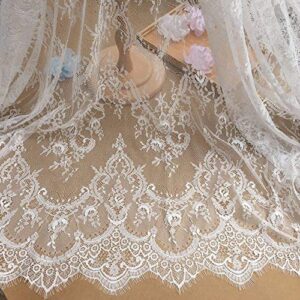
Delicate florals and scroll motifs dance across sheer tulle in ivory lace wedding fabric, giving you that ethereal bridal glow. You’ll find corded or embroidered details that add subtle dimension without weighing down your silhouette, and scalloped edges along borders save trimming time.
The lace drapes beautifully at 118 inches long by 59 inches wide, whether you’re crafting a gown bodice, sleeves, or train. Color tones range from pure ivory to warm champagne, so you can match your vision perfectly.
| Best For | DIY sewers and brides looking for affordable lace fabric to create custom wedding dresses, veils, or decorative overlays for special occasions. |
|---|---|
| Material | Lace |
| Color | Ivory/White |
| Width | 59.06 inches |
| Form | Single piece |
| Primary Use | Bridal/Formal wear |
| Texture | Scallop lace |
| Additional Features |
|
- Large size (118″ x 59″) gives you plenty of material for full gowns or multiple projects
- Scalloped edges save time by eliminating the need for extra trimming
- Versatile for both bridal wear and craft projects like baby blessing dresses or home decor
- Final product may not match the listing photos exactly
- Quality can be inconsistent, with some customers reporting disappointment
- Color may vary between ivory and champagne tones, making precise matching difficult
How to Choose Between Smooth and Textured
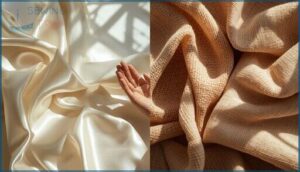
Choosing between smooth fabrics and textured fabrics doesn’t have to feel overwhelming once you know what questions to ask yourself. The right fabric depends on how you’ll use it, who will interact with it, and how much upkeep you’re willing to handle.
Let’s walk through four practical considerations that will help you make a confident decision for your next project.
Consider Your Project Purpose
Your project goals should steer every fabric selection decision you make. For upholstery fabric that endures daily use, textured fabric with reinforced weaves resists fraying under stress.
Budget constraints often mean choosing readily available fabric types and characteristics over special orders with longer lead times. Match intended use to durability needs—performance garments need stretch, while heirloom pieces demand colorfastness and low shrinkage.
Assess Comfort and Wearability Needs
When comfort priorities run the show, breathability factors and skin sensitivity take center stage in your fabric choices. Cotton and linen deliver impressive breathability rates for all-day wear, while smooth sateen weaves minimize friction on delicate skin types.
- Fabric softness varies with weave—sateen feels silkier than plain weaves, velvet offers plush density
- Wear comfort depends on elasticity; spandex blends reduce cling and move with you
- Textured fabric may pill with heavy use, though dense weaves like twill resist fabric fatigue
- Hypoallergenic finishes protect sensitive skin from irritation during extended contact
Evaluate Maintenance and Care Requirements
Think beyond how fabric looks—your cleaning routine should guide material selection just as much as drape qualities. Smooth fabrics resist dust accumulation and rarely snag, so you won’t wrestle with ironing techniques or complicated stain removal.
Textured weaves demand more attention in fabric care and maintenance, yet evaluating fabric quality and fabric durability upfront helps you choose materials with genuine staying power for your lifestyle.
Match Texture to Room Ambience
Room Ambience shifts with every yard of Upholstery Fabric you introduce, so weigh how Texture Balance plays against Ambient Lighting before you commit.
Textured Fabric absorbs sound to improve Room Acoustics, while smooth surfaces bounce light for brighter Visual Harmony. You control Spatial Depth through fabric texture and description—plush chenille anchors warmth, sleek satin opens space, and mixing both creates the atmosphere you’re after.
Care and Maintenance Tips for Each Type
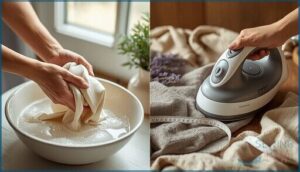
Your fabric choices deserve care that keeps them looking fresh and lasting longer.
Smooth fabrics need different handling than textured ones, and knowing the right approach saves you from ruined favorites.
Here’s how to maintain both types so they stay beautiful through years of use.
Washing Smooth Fabrics
You want smooth fabrics to stay silky, so treat them with care during washing. Water temperature and detergent choice matter for fabric protection, and a gentle cycle preserves thread count and weaving integrity.
- Use cool water (20°C to 30°C) and mild liquid detergent to prevent fading and fiber distortion in satin or silk blends.
- Skip fabric softening products that leave residue and dull the sheen.
- Air dry flat to maintain drape without warping.
Cleaning Textured Fabrics
Textured fabrics demand a lighter touch than their smooth cousins, and fabric stain removal starts with blotting instead of rubbing to protect pile and loops.
You’ll want gentle spot cleaning with mild detergent tested first on hidden fibers, then a soft brush along the nap direction to lift dirt without crushing chenille or velvet.
Delicate drying methods mean air circulation away from heat sources.
Storage and Preservation Methods
Once your textured pieces are clean, storage solutions protect your investment through climate control and archival methods. Keep humidity between 40 and 50 percent to prevent mold, and roll heavy fabrics instead of folding to spare fibers from creases.
Acid-free boxes shield against yellowing, while pest prevention with cedar blocks keeps moths away. Proper fabric handling with cotton gloves preserves delicate surfaces you’ve worked hard to maintain.
Preventing Damage and Extending Lifespan
Smart fabric protection starts with small habits that compound over time. Rotate your wardrobe pieces to prevent overuse, and repair snags immediately before they spread.
Here’s how you extend fabric durability:
- Use garment guards on zippers to shield fibers from abrasion at stress points
- Apply appropriate sealants to reduce staining and stretch laundering intervals
- De-pill textured surfaces regularly with a fabric comb for lasting quality
Frequently Asked Questions (FAQs)
Is textured fabric good?
Yes, textured fabric offers real benefits—it adds visual depth, delivers a rich sensory experience, and creates emotional connection through tactical appeal.
Velvet, bouclé, and chenille bring warmth and aesthetic value that smooth surfaces can’t match.
What is a textured fabric?
Think of touching tree bark versus glass—that’s the heart of texture.
A textured fabric has raised patterns, ridges, or loops you can feel, created through yarn arrangement, pile density, and special weaving techniques.
What is the difference between textured and non textured fabric?
Non-textured fabric has a flat surface that reflects light evenly, while textured fabric shows visible patterns like ridges or loops due to yarn thickness, weave structure, and surface finish creating dimensional character.
Can you mix smooth and textured fabrics together?
Absolutely, you can combine different fabric textures successfully.
Pairing smooth silk with textured velvet, for instance, creates visual contrast and layering effects that make spaces or outfits feel richer and more balanced.
Which fabric type is better for sensitive skin?
For Sensitive Skin, prioritize smooth, tightly woven natural fabrics like high-quality cotton sateen or silk that minimize Skin Irritation and Fabric Allergy risks, requiring Gentle Fabrics with proper fabric care and maintenance over rougher textured fabric options.
Do textured fabrics cost more than smooth ones?
Price tags climb when you reach for velvet or bouclé—textured fabrics demand specialized weaving and finishing that smooth cotton or polyester skip, pushing production expense up 10 to 50 percent depending on complexity.
How does humidity affect each fabric type differently?
Humidity affects fabric moisture differently across fiber types.
Smooth natural fabrics like silk absorb moisture quickly, feeling damp and clingy.
Textured fabrics trap humidity in their weave structure, creating heavier drape and slower drying times.
Which fabric wrinkles less during travel or storage?
When traveling, tightly woven smooth fabrics like poplin resist creasing better than heavy pile textures such as velvet.
Knit fabrics recover quickly from compression, making them ideal for packing with minimal wrinkle worries.
Conclusion
Maybe you’re worried that choosing the wrong fabric will ruin your entire project, but here’s the truth: understanding smooth vs textured fabric gives you the confidence to make smarter decisions from the start.
You now know how surface characteristics affect everything from drape to durability, and you’ve explored nine excellent options for different applications. Trust your hands, match the fabric to your specific needs, and your finished piece will show the difference.