This site is supported by our readers. We may earn a commission, at no cost to you, if you purchase through links.
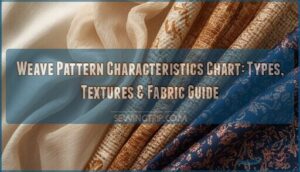
Run your fingers over two fabrics—one crisp and structured, another flowing like liquid—and you’ll feel how weave alone can change everything. The pattern beneath the surface decides more than texture; it defines durability, drape, and even how light dances across the cloth.
A weave pattern characteristics chart turns those tactile impressions into measurable traits—thread counts, densities, and interlacements that explain why one fabric breathes while another holds shape.
Whether you’re designing garments or selecting upholstery, recognizing what each weave type does helps you choose materials that behave exactly how you need them to.
Table Of Contents
Key Takeaways
- A weave pattern chart translates fabric texture and structure into measurable traits like thread count, density, and interlacement.
- Different weave types—plain, twill, satin, basket, and specialized patterns—directly shape drape, durability, and surface appearance.
- Understanding chart components and reading methods helps you match fabric performance to design, sewing, and manufacturing needs.
- Choosing the right weave balances end use, material properties, care, cost, and sustainability for long-lasting, purpose-driven textiles.
What is a Weave Pattern Chart?
A weave pattern chart is your map for understanding how fabric structure comes together. It shows you the relationships between threads, patterns, and the final texture you feel.
To see how classic patterns like twill or satin change a fabric’s texture, check out this guide on common weaving patterns and their effects.
Here’s what you need to know before putting one to use.
Purpose and Uses in Sewing
A weave pattern chart helps you plan smarter. It bridges Textile Design and real-world Sewing Techniques by aligning fabric structure, thread count, and fabric properties with Pattern Making choices. You’ll spot weaves suited for Garment Construction and Textile Manufacturing projects in seconds.
| Use | Focus Area | Result |
|---|---|---|
| Fabric Selection | Match weave to project | Better drape, fit, and finish |
| Garment Construction | Plan durability needs | Stronger seams, less fraying |
| Pattern Making | Predict fabric behavior | Accurate shaping and layout |
| Textile Design | Balance texture & strength | Cohesive design execution |
By exploring how influence drape, durability, and texture, you can interpret your chart regarding real-world fabric performance.
Key Components of The Chart
Getting value from a weaving pattern chart starts with knowing what you’re looking at. The layout groups each weave type with its structure, density, and performance scores. From weave names to fabric ratings, every column explains how fabric structure behaves under use. Chart Legends and Symbol Keys keep everything readable.
For deeper context beyond the chart, you can explore how weave type and durability interact alongside thread count, fabric weight, and fiber quality.
| Component | Purpose |
|---|---|
| Weave Name | Lists fabric type and pattern |
| Structural Fraction | Shows thread interlacing ratio |
| Yarn Density | Displays thread count and weave density |
| Fabric Ratings | Compares properties like drape and strength |
| Chart Legends & Symbol Keys | Explain grid symbols and weave structure visuals |
How to Read Weaving Charts
Reading weaving patterns feels technical at first, but once you know the flow, it’s logical. You start with the Threading Sequences, move through Treadling Patterns, and finish with Draft Analysis built on Weave Notation and Interlacement Theory. Each chart section maps these relationships clearly:
| Section | Function | Reading Direction |
|---|---|---|
| Threading | Warp order | Right to left |
| Tie-Up | Shaft connections | By column |
| Treadling | Weft order | Bottom to top |
Common Weave Pattern Types
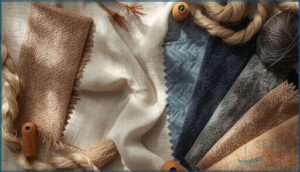
Every fabric starts with its weave, and each pattern has its own personality. Some are simple and sturdy, others sleek and expressive.
If you’re curious how to spot these differences in real fabrics, this guide on how to identify weave patterns walks through each style in detail.
Here are the most common weave types you’ll want to recognize and work with.
Plain Weave
Think of plain weave as the backbone of fabric structure—simple yet endlessly reliable. Its tight interlacing pattern creates strength and balance you can feel in every thread. You’ll notice:
- Even thread count.
- High weave density.
- Strong yarn interaction.
- Crisp, smooth texture.
- Classic durability defining true fabric strength.
Twill Weave
Twill weave steps up with its signature diagonal texture, giving twill fabric that distinctive ribbed look you recognize in denim.
Each weft yarn floats over one or more warp threads before diving under two, creating a weaving pattern that boosts flexibility and abrasion resistance over plain weave.
You’ll get good weave density at lower thread counts, ideal for twill applications like chinos and jackets where drape and durability matter.
Satin Weave
Satin weave glides in with its smooth, glossy allure, perfect for turning heads in evening wear. This weaving pattern features long yarn floats over four or more perpendicular threads, crafting a fabric structure where warp yarns shine on the face.
Smart yarn selection like silk boosts luster effects and surface finish. You’ll appreciate the high weave density in textile manufacturing, yielding fluid drape without bulk.
Basket and Oxford Weaves
Basket Weave and Oxford Weave both sit on the plain-weave family tree, but they redraw the grid. In a Basket Weave, grouped yarns and balanced Weft Patterns change the fabric structure, boosting Fabric Texture while slightly loosening weave density and Thread Count control.
Oxford Weave tightens that idea up: a 2×1 basket-style interlacing, where Yarn Interaction and moderate weave density give you breathable, durable shirting with a subtle, pebbled hand you can actually feel.
Specialized Patterns (e.g., Jacquard, Herringbone)
When you want your fabric to do more than “sit there,” specialized Weaving Patterns step in and show you what Textile Innovation really looks like. Jacquard Weave and Herringbone Weave both push Weave Complexity and Pattern Repeats into design tools you can actually control.
- Jacquard Design uses Fabric Weaving Techniques to lift individual warps, so you can weave images, damask-style motifs, and multi-color textures directly into the cloth.
- Herringbone Fabric flips the twill direction in clean chevrons, giving you a broken-twill structure with better drape, visual depth, and classic tailoring power.
- In practical Textile Design, you’ll reach for Jacquard when you want bold, all-over storytelling and Herringbone when you want subtle structure that still reads as intentional.
Weave Pattern Characteristics Explained
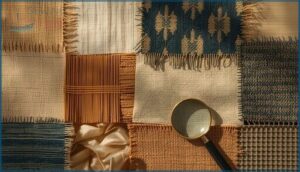
Every weave pattern tells a story through its texture, weight, and structure. The way threads cross and lock together shapes how the fabric feels and performs.
Every weave pattern reveals its story through the way threads intertwine to create texture, weight, and character
Here’s what defines those key characteristics and how they work together in any finished fabric.
Thread Count and Density
Think of thread count as the fabric’s heartbeat—it sets the rhythm for strength and feel. Higher counts mean tighter weaves, often increasing fabric density and durability.
But balance matters. Weave density, yarn quality, and thread strength together define fabric thickness and performance. Smart material selection depends on matching yarn types to the weaving pattern’s purpose.
Texture and Appearance
Ever run your hand across denim and feel that subtle diagonal rib? That’s weave structure shaping texture and appearance. Fabric Smoothness varies—plain weaves stay flat and matte, while satin floats yarns for a glossy sheen via enhanced light reflection.
Yarn Interaction crafts tactile feel, from twill’s napped density to basket’s pebbled touch.
Visual Depth emerges in herringbone zigzags, defining your fabric’s design and texture.
Strength and Durability
Texture shapes how fabric looks—but strength determines how long it lasts. Fabric tensile performance ties directly to weave density and interlacement effects. More binding points mean less thread breakage under stress.
- Plain weave — maximum interlacings, highest yarn stability
- Twill — diagonal ribs distribute stress evenly in woven fabrics
- Satin — long floats reduce durability markedly
- High thread count — boosts fabric properties across all weave types
Drape and Flexibility
Strength is one thing; how your fabric moves is another. Drape and flexibility come from a mix of bending rigidity, weave density, and yarn choices in woven fabrics. Satin and looser basket-style weaving pattern structures usually show better Fabric Flow, while plain weaves hang crisper due to tighter interlacings.
When you do your own Drape Analysis or Flexibility Testing in textile manufacturing or fabric design, you’re really reading how these fabric properties work together.
Weave Pattern Characteristics Comparison Chart
Here’s where you can see how different weave patterns stack up side by side. The comparison chart breaks down their core traits so you can spot key differences at a glance. Use it as your quick guide before moving on to the details that follow.
Chart Structure and Legend

A weaving pattern chart’s structure works like a map—each grid cell captures a key trait. Clear Chart Layout, smart Color Coding, and familiar Legend Symbols keep your Grid Analysis quick and reliable. Notation Systems, such as “2/2 twill,” outline how weaving techniques shape fabric properties in textile manufacturing.
| Symbol | Meaning | Example |
|---|---|---|
| ● | High level | Strength |
| ○ | Medium level | Drape |
| △ | Low level | Gloss |
| * | Special care | Satin weave |
Sample Chart for Popular Weaves
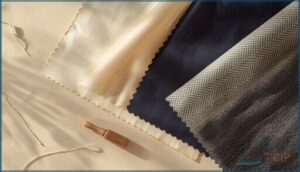
Now that you’ve got the legend down, here’s where Weave Pattern Analysis gets real. This sample chart puts Fabric Selection front and center by comparing key fabric properties side by side — Thread Count Comparison included.
| Weave Type | Key Trait |
|---|---|
| Plain | Crisp, flat, breathable |
| Twill weave | Diagonal, wrinkle-resistant |
| Satin weave | Smooth, lustrous drape |
| Oxford | Textured, casual-sturdy |
| Herringbone | V-pattern, refined feel |
Weave Density Effects and Textile Design Principles shape everything here.
How to Use The Chart for Fabric Selection
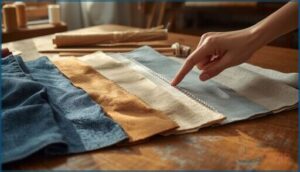
Think of the chart as your Fabric Selection shortcut: start with Weave Comparison, then scan drape, strength, and sheen for quick Chart Interpretation and Texture Analysis. Use it like this:
| Step | What you check |
|---|---|
| 1 | Match end use to weave (jeans → twill, linings → satin). |
| 2 | Compare fabric properties: durability, drape, wrinkle resistance. |
| 3 | Do Pattern Matching between your weaving pattern idea and fabric design or textile manufacturing needs. |
Factors Influencing Weave Pattern Choice
Choosing the right weave pattern isn’t just about looks—it’s about how the fabric will perform day to day. A few key factors can completely change how a fabric feels, behaves, and lasts.
Let’s look at what matters most when making that choice.
Fabric End Use and Application
What you’re making shapes what you should weave. Fabric selection starts with end use — full stop. A satin’s smooth drape belongs on a bridal gown, not a workbench.
Textile innovation in garment construction has given us twills for abrasion-heavy applications and plain weaves for breathable shirting. Industrial applications demand even more: geotextiles, conveyor belts, medical gowns — each with specific fabric properties and uses built in from the start.
Yarn and Material Considerations
Fiber selection is where fabric performance starts. Your yarn choice decides strength, drape, and feel. Finer yarn fineness allows higher thread count and smoother surfaces, while thicker yarns raise stiffness and weave density.
In textile design, understanding material properties and yarn types through material science ensures the right balance of durability, comfort, and visual texture.
Care, Maintenance, and Longevity
Durability starts with how you treat your fabric after weaving. Gentle cleaning preserves fiber structure, while air drying protects breathability. Proper fabric storage—cool, dry, and breathable—keeps fibers stable. Wear prevention through rotation and careful handling slows breakdown.
Small, consistent Fabric Care and Maintenance habits lead to Fiber Preservation and lasting fabric characteristics, extending longevity.
Cost and Sustainability Factors
Cost and sustainability sit right inside your weave choice, not off to the side as an afterthought. You’re balancing loom time, yarn price, and finishing against Eco Friendly Textiles, Sustainable Manufacturing, and overall Carbon Footprint.
Simpler, tighter weaves often mean better Energy Efficiency, less microfiber loss, and easier Waste Reduction, which improves long‑term durability, breathability, and Fabric Characteristics.
In a practical Textile Industry Overview sense, that’s Textile Innovation and Sustainability in action: choose structures that run efficiently, last longer in wear, and justify their impact over a long service life.
Frequently Asked Questions (FAQs)
What are the different types of weave patterns?
From crisp plain weave to smooth satin weave and strong twill weave, each fabric weave type defines its own texture, thread count, and structure.
Unique weaving techniques and pattern repeats shape every fabric’s strength and beauty.
Which weave pattern is best?
The best weaving pattern depends on what you need. For strong, long-lasting fabric, choose a twill weave. For luxury drape and shine, satin weave excels. Plain weave balances strength, weave density, and fabric production efficiency.
What are the three basic weaves?
Picture three foundation stones under every woven fabric you touch: plain weave, twill weave, and satin weave.
These Weave Types are the core Weaving Techniques shaping Fabric Texture, Thread Count, Yarn Selection, and overall weaving pattern in fabric production.
What are the characteristics of weaving?
Weaving is defined by how warp interlacing and weft patterns lock together through specific textile weaves and weaving techniques.
Weave density and thread count shape texture, fabric strength, drape, flexibility, and overall fabric weave types.
How do weave patterns affect fabric breathability?
Weave patterns control breathability by changing Airflow Pathways, Pore Size, Moisture Wicking, and Fabric Weight.
An open plain weave breathes best, twill weave sits in the middle, while tighter satin-style fabrics trap more heat.
What weaving errors can distort pattern characteristics?
Like a misplayed note in a familiar song, small weaving errors quickly throw off your fabric design. Threading mistakes, tension issues, pick errors, float problems, and color defects all distort motif clarity, line direction, and overall pattern rhythm in modern weaving patterns, weaving techniques, and textile manufacturing.
Catching these weaving errors early keeps your structure and surface reading the way you planned.
How does loom setup influence weave consistency?
Loom setup directly shapes weave consistency—tight Warp Tension, balanced sheds, precise Beat Up, and even Reed Denting keep weaving patterns uniform.
Proper Loom Ergonomics and tuned loom settings guarantee warp alignment and predictable weaving techniques every time.
Which weave patterns resist pilling and abrasion best?
Think of fabric durability like a marathon: tight, simple structures go the distance.
High‑density plain weave leads for Pilling Resistance and Abrasion Tests, thanks to short floats, strong Thread Strength, and good breathability, with durable twill weave and sturdy basket/Oxford weaving patterns close behind.
How can designers customize weave pattern repeats?
Designers customize pattern repeats through Repeat Size Scaling, Pattern Type Selection, and Origin Point Adjustment.
Manual Drafting and Draft Editing perfect weaving patterns, allowing precise alignment, balanced motifs, and smooth transitions when reading weaving patterns accurately.
Conclusion
What changes when you stop guessing and start reading fabric like a map? You gain language for drape, strength, and texture, so every project starts with intention, not hope.
A weave pattern characteristics chart becomes your reference point, turning vague preferences into clear choices. Use it to test ideas, compare options, and predict how cloth will behave under real pressure.
When you control the weave, your fabric stops surprising you—and starts obeying you every time.
- https://www.gistyarn.com/blogs/how-to-weave/how-to-read-a-weaving-draft
- https://backstrapweaving.wordpress.com/pattern-charts-double-weave-mug-rugs/pattern-charts-supplementary-weft-patterning/
- https://threadcollective.com.au/blogs/weaving-looms/weaving-draft-table-loom
- https://www.onlineclothingstudy.com/2016/04/fabric-structure-for-plain-weave-with.html
- https://www.permanentstyle.com/2017/01/the-guide-to-cloth-weaves-and-designs.html