This site is supported by our readers. We may earn a commission, at no cost to you, if you purchase through links.
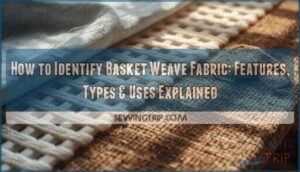
You can spot a basket weave fabric long before you touch it—the grid-like surface catches light in a way no smooth weave does. Each yarn crosses in groups, forming small raised squares that look like woven cane or checkerboard tiles. The pattern feels familiar, almost architectural, built on rhythm and repetition.
This structure gives the fabric its charm: strong yet flexible, breathable but substantial. Whether it’s the Oxford cotton of your favorite shirt or the sturdy canvas of a tote, the weave reveals its identity if you know where to look—and once you notice it, you’ll see it everywhere.
Table Of Contents
- Key Takeaways
- What is Basket Weave Fabric?
- Key Features of Basket Weave Fabric
- How Basket Weave Fabric is Made
- Visual Signs of Basket Weave Fabric
- Basket Weave Vs. Other Weave Patterns
- Types of Basket Weave Fabrics
- Practical Methods to Identify Basket Weave
- Common Uses for Basket Weave Fabric
- Properties and Performance of Basket Weave
- Caring for Basket Weave Fabrics
- Frequently Asked Questions (FAQs)
- Conclusion
Key Takeaways
- Basket weave fabric is made by grouping yarns in pairs or trios that interlace in both directions to form a visible checkerboard pattern.
- Its structure creates a strong, breathable, and textured surface that resists wrinkles while staying flexible.
- You can identify it by its raised intersections, matte grid that catches light unevenly, and soft but firm hand feel.
- Common uses include shirts, upholstery, and accessories, with cotton, linen, or blended fibers offering durability and easy care.
What is Basket Weave Fabric?
Basket weave fabric has a distinct structure that stands out once you know what to look for. It’s one of those patterns that blends function with character, shaped by both tradition and technique.
For a closer look at how basket weave compares to other classic designs, explore this guide on common weaving patterns and their textures.
Here’s what defines it, where it began, and how it stands apart from other weaves.
Definition of Basket Weave
Basketweave fabric is a plain weave variant built on a simple but sturdy basic structure. It’s formed by interlacing yarns in grouped sets—known as yarn grouping—where two or more threads cross together in both directions.
This fabric structure creates a bold checkerboard pattern that you can spot instantly, even without magnification.
Origins and History
What you see as a clean grid today began as simple crisscrossing plant fibers used by early humans over 10,000 years ago. That’s the root of all traditional weaving and later historical textiles.
Over ten millennia ago, simple plant-fiber crossings grew into the foundation of all woven textiles
For modern basketweave upholstery ordered online, shoppers should review the international shipping and duties before purchasing.
- Ancient Weaving Roots: Plaited baskets from Egypt and Mesopotamia.
- European Textile Evolution: Mills shaping new cottons like Oxford Cloth.
- Cultural Textile Designs: Strength and symmetry preserved through centuries.
How Basket Weave Differs From Other Weaves
Unlike the diagonal lines of twill or the slick shine of satin, this fabric stands out for its grouped yarns and squared grid. Its interlacing structure uses paired yarns instead of singles, creating a balanced checkerboard appearance.
The result is a stronger surface texture and smoother performance than most other fabric weave types and characteristics combined.
Key Features of Basket Weave Fabric
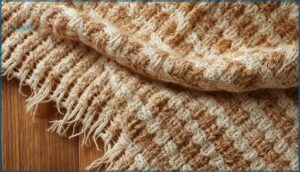
Basket weave fabric stands out for more than just its look. Its structure and feel reveal a lot about what makes it practical and long-lasting.
Here’s what defines its key features and sets it apart from other weaves.
Grid-Like Pattern and Texture
Think of Basketweave fabric as a built-in grid system your fingers can read as easily as your eyes. Its checkerboard appearance comes from interlacing threads that create a stable, textured surface with real depth.
- Notice a clear, repeating grid pattern across the fabric.
- See a checkerboard appearance made of small squares or rectangles.
- Feel raised intersections where Yarn Grouping creates thicker nodes.
- Watch Light Interaction highlight Texture Variations as you tilt the cloth.
- Observe a balanced, Symmetrical Design that signals strong Structural Stability.
Use of Multiple Yarns
Power lives in the pairing. Basket weave fabric joins warp and weft threads in groups—known as Grouping Ratios like 2×2 or 3×3—to build strength and texture.
This Mixed Thickness and Count Balance affects Visual Effects and Structural Benefits, blending form and function that define any true basket weave fabric guide. These grouped constructions also influence basket weave fabric properties such as breathability, weight, texture, and durability.
| Ratio | Warp Threads | Weft Threads |
|---|---|---|
| 1×1 | Single yarn | Single yarn |
| 2×2 | Two grouped | Two grouped |
| 3×3 | Three grouped | Three grouped |
| 2×1 | Two grouped | Single yarn |
| 3×2 | Three grouped | Two grouped |
Breathability and Durability
Breathability is baked into basketweave: its grouped yarns create tiny pores and Airflow Mechanisms that let heat and moisture escape, so basket weave fabrics feel breathable without going flimsy.
At the same time, the structure boosts Tear Resistance and withstands Abrasion Factors well, giving you real durability.
For extra protection tips and upkeep advice, check out this guide to choosing durable sewing baskets and fabric-safe materials.
Those same fabric properties support steady Thermal Regulation, so you stay cooler, drier, and more comfortable over long wear.
How Basket Weave Fabric is Made
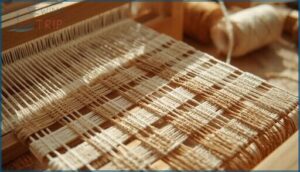
Basket weave fabric gets its structure from the way the threads cross and lock together. Making it isn’t complicated, but the method gives it that solid, textured look you can spot right away.
Here’s how the process usually comes together.
Interlacing Warp and Weft Threads
Ever noticed how a basketweave fabric holds its subtle grid even after years of wear? That’s the Over-Under Rhythm in action—steady, balanced, and intentional.
- Warp threads run lengthwise under tension.
- Weft threads cross firmly.
- Yarn interlacing forms grouped blocks.
- Each pass adds Interlacing Stability.
- The crossings create a richly textured surface.
Grouping Yarns in Weaving
You’re not working with single soldiers here; in basketweave, yarns move in packs. Warp and weft travel as grouped bundles, so Yarn Group Size (like 2×2 or 3×3) controls the checker scale, Group Movement controls how those bundles step over-under together, and that shift in fabric construction methods changes Fabric Texture, Structural Impact, and the Visual Bund you see.
| Aspect | What’s Happening | What You Notice |
|---|---|---|
| Yarn Group Size | 2×2, 3×3, or 4×4 yarns move as one unit | Squares look larger and more defined |
| Group Movement | Bundles of warp and weft alternate paths | True basketweave checker comes into view |
| Fabric Texture | Raised intersections from grouped yarns | Cloth feels softly bumpy, not flat |
| Structural Impact | More bend, slightly less rigid than plain | Fabric flexes and drapes with less crackle. |
Common Materials Used
Think of Basketweave fabric as a canvas where fiber choice sets the mood. You’ll most often see it in soft, breathable Cotton Fibers for Oxford cloth and hard‑wearing Panama cloth, but also in crisp Linen Yarns, performance‑driven Polyester Blends, warm Wool Fibers, and luxe Silk Threads across hopsack weave and Monks cloth styles.
- Cotton Fibers: everyday shirts and canvas with easy care.
- Linen Yarns: cool, structured summer pieces.
- Polyester Blends: tougher, faster‑drying basketweaves.
- Wool Fibers and Silk Threads: elevated suiting, ties, and refined jackets.
Visual Signs of Basket Weave Fabric
Spotting a basket weave fabric isn’t hard once you know what to look for. Its texture and pattern stand out in simple but telling ways. Here’s what usually gives it away.
Checkerboard Appearance
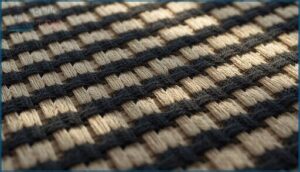
You’ll spot basketweave first by its checkerboard appearance: a clean grid pattern where blocks of Yarn line up in tidy squares.
Color Contrast makes that geometric pattern pop, especially in a 2×2 basketweave with balanced Scale Density.
That structure builds real Visual Depth and subtle Illusion Effects, like the surface is shifting as you move around it.
Raised Intersections
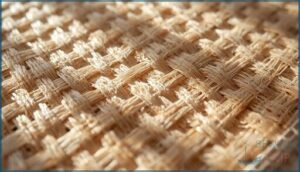
Beyond the checkerboard pattern, you’ll feel basketweave’s raised intersections—a subtle bumpy texture where grouped warp and weft threads crisscross. Those high points form a textured surface that gives:
- Gentle shadow play under angled light.
- Tiny air trapping for breathability.
- Lower wrinkle visibility.
- A small snag risk from the higher crossings.
Yarn Groupings Under Light
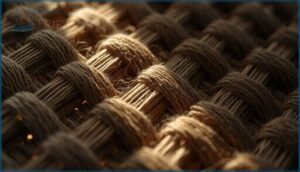
Those raised crossings don’t just feel different; they react to light in a very specific way. In a true basket weave pattern, bundled warp yarns and weft yarns act like tiny mirrors, creating Bundle Reflection on the textured surface as you tilt it.
You’ll see Light Gaps glowing between groups, Shadow Play sliding across the blocks, and Fiber Luster shifting with every change in angle—proof of that bundled thread interlacing.
Basket Weave Vs. Other Weave Patterns
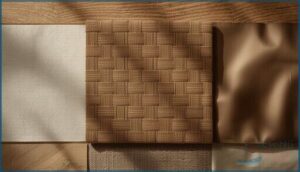
Basket weave stands out because it balances structure with texture in a way other weaves can’t quite copy. To spot its differences, it helps to see how it stacks up against the basics that shaped it.
Here’s how it compares to plain, twill, and satin weaves.
Comparison With Plain Weave
Between basket weave and plain weave, it’s all about Yarn Grouping and Texture Differences. Basket weave links pairs of warp threads for a chunkier grid, while plain weave interlaces one over one for tighter Stability Contrast and less Drape Variation. This textile weave comparison shows distinct fabric weave characteristics shaped by interlacing style.
| Feature | Basket Weave | Plain Weave |
|---|---|---|
| Yarn Grouping | Two or more per pass | Single yarn per pass |
| Texture | Textured, grid-like | Smooth, flat |
| Stability Contrast | Slightly looser | Highly stable |
| Drape Variation | Softer, fuller | Crisper, stiffer |
| Warp Threads | Move in pairs | Move individually |
Comparison With Twill Weave
You’ve seen how basketweave trades a tighter plain structure for a softer grid; now set it against twill weaves and you get Diagonal vs Grid in pure form. Twill’s diagonal ribs feel smoother and warmer, while basket’s open blocks breathe better, shift more, and snag a bit easier. When you’re identifying textile patterns, this is your core Hand Feel and Warmth Differences check for real-world Snag Resistance.
| basketweave | twill weaves |
|---|---|
| Grid texture | Diagonal ribs |
| Airy, drier Hand Feel | Smoother, denser touch |
| Breathable, less warm | Warmer, more insulating |
Comparison With Satin Weave
In contrast to satin’s slick, mirror-like surface texture, basket weave feels drier and more grippy, so your hand reads grid, not glass. Satin’s long float lengths create high shine and fluid drape qualities but trap heat, while basket’s looser fabric weave breathes better and shows its textile weave structures openly—perfect when you’re identifying textile patterns by eye and touch in real life.
| basket weave | satin |
|---|---|
| Matte, textured surface texture | High sheen, strong luster differences |
| Shorter float lengths, visible blocks | Long floats, hidden interlacings |
| Airy drape qualities, casual ease | Fluid drape, dressy, heat-holding |
Types of Basket Weave Fabrics
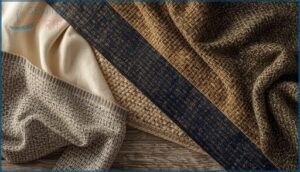
Basketweave fabric isn’t just one kind—it comes in several types that each bring their own feel and purpose. Some are light and crisp, others heavy and structured.
Here are a few of the most common kinds you’ll come across.
Oxford Cloth
Oxford cloth sits at the sweet spot of workhorse and wardrobe staple, one of the Classic Shirtings you can wear hard without babying. Its basket weave structure gives a dry, textured Fabric Hand, solid Durability Factors, and real Blend Benefits when cotton mixes with polyester. Keep your Care Rout simple: cold wash, low heat, hang or steam, and you’re set.
- You feel the quiet grit of a fabric that’s built for real life, not just the fitting room.
- You pull on an Oxford and know it can handle your pace without fraying at the edges.
- You get the confidence of structure without losing comfort against your skin.
- You enjoy low-drama laundry days instead of endless ironing sessions.
- You claim a timeless piece in the long line of types of basketweave fabrics and Basketweave fabric patterns and applications, grounded in honest fabric weave and function.
Panama Cloth
Panama cloth carries a relaxed elegance rooted in its 2×2 basket weave pattern, making it a standout in warm-weather suiting applications.
Its Panama composition—often wool or cotton—balances drape and durability. You’ll notice the soft texture and open structure that boost the breathability factor, proving why this basketweave fabric thrives in structured yet easy styles.
Other Common Basket Weaves
Beyond oxford cloth and the classic Panama weave, you’ll also run into Monks Cloth Weave, hopsack weave, and rugged canvas takes on basket weave.
Monks cloth sits loose and cushy, perfect for embroidery grids. Hopsack features give jackets airy structure. Canvas Dur basket weaves power work jackets, bags, and other hard-wearing types of basketweave fabrics.
Practical Methods to Identify Basket Weave
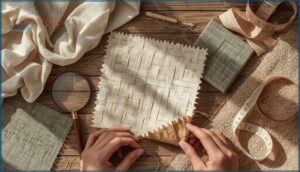
Telling a basket weave from other fabrics starts with paying attention to texture and structure. You don’t need special tools, just a sharp eye and a bit of tactility.
Here’s how to check for the key signs that set it apart.
Touch and Feel Test
Run your fingers across the fabric—feel that tactile grid? Basketweave’s surface texture is firm, with raised bumps that hint at its tight yarn grouping.
The weight perception feels dense but springy, giving it clear drape resistance. Press it lightly, and notice the steady airflow sensation—a mark of its breathable material properties and structured draping quality.
Visual Inspection Tips
Look closely at the cloth—basketweave reveals itself in plain sight. To spot it fast:
- Grid Patterns: Square blocks across the surface.
- Yarn Alignment: Paired lines in both warp and weft.
- Light Reflection: Matte weave glows softly, not shiny.
- Edge Inspection: Even squares visible right to the hem—proof of grouped threads and firm fabric texture.
Counting Yarn Groups
Now take it a step further than just looking. Grab a linen tester or pick glass and count the yarn groups — not individual yarns.
In basketweave fabric, warp yarns and weft yarns travel in bundled pairs or trios. Count equal warp/weft counts and you’ve found a balanced weave.
Consistent groupings repeating across the basket weave pattern confirm you’re reading the fabric correctly.
Common Uses for Basket Weave Fabric
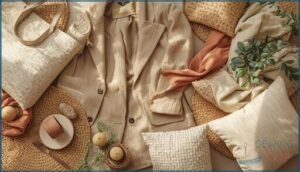
Basketweave fabric shows up almost everywhere once you start noticing it. Its strength and texture make it a natural fit for both style and function.
Here’s where you’ll usually find it put to work.
Fashion and Apparel Applications
Basketweave shows up in your wardrobe more than you think. You see it in Casual Shirts that breathe, hold their shape, and hide small wrinkles, and in Formal Attire where pinpoint Oxford gives you a crisp, textured surface without feeling stiff. It also drives tougher textile applications in Outerwear Jackets and subtle, structured Fashion Accessories, especially when you choose Sustainable fibers.
- Casual Shirts with Oxford and pinpoint Oxford weaves
- Formal Attire shirts that balance texture and polish
- Outerwear Jackets using basketweave for insulation and durability
- Fashion Accessories like ties, hats, and bags that add quiet structure to your clothing and garment construction
Home Decor and Upholstery
That same basketweave strength that shapes your jacket also anchors your living room. Its textured grid hides wear and small stains, a quiet win in busy homes.
In Fabric Selection and Upholstery Trends, designers favor this fabric weave for sofas, chairs, and headboards, layering texture into Textile Design and relaxed Room Styling with timeless Decor Materials.
Craft and DIY Projects
That same grid that grounds your sofa can spark your workspace too. The sturdy, forgiving structure of basketweave makes it perfect for hands-on Textile Crafts and DIY Decor. You’ll see it in:
- Fabric Baskets stitched from sturdy scraps
- Upcycled Gifts reworked from old Oxford cloth
- Handmade Accessories shaped by simple weaving techniques.
Properties and Performance of Basket Weave
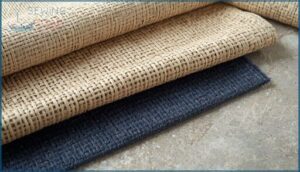
Basketweave fabric isn’t just known for its texture—it’s built to perform. How it holds up, moves, and looks over time all come down to the way it’s woven.
Here’s what you’ll notice when you look at its key qualities in action.
Strength and Resistance to Wrinkles
Ever notice how some shirts stay sharp after hours of wear? That’s the power of basketweave’s balanced stress distribution. The paired yarn groups spread tension evenly, delivering high tensile strength and natural wrinkle resistance.
Its dense texture enhances fabric durability and textile longevity, giving the material impressive strength and resilience without sacrificing everyday ease.
Drape and Comfort
Fluid motion defines how this fabric moves. Fine yarns and loose groupings give it a flexible drape without losing structure. You feel the balance — soft yet durable, breathable yet grounded.
The texture stays smooth from careful weaving, keeping Skin Comfort high. Weight Factors vary, but overall Fabric Flexibility enables easy wear in woven fabrics with long-lasting fabric durability.
Color and Design Versatility
From bold Color Trends to timeless neutrals, this textured basketweave transforms with light and material. Its geometric patterns thrive on creative Pattern Mixing and Design Inspiration drawn from Textile Art.
Through modern Dye Techniques, colors stay rich and balanced, maintaining a lustrous sheen across visual patterns that blend craft and innovation:
- Layered fibers
- Multi-tone grids
- Matte-gloss contrasts
- Subtle ombrés
- Reflective finishes
Caring for Basket Weave Fabrics
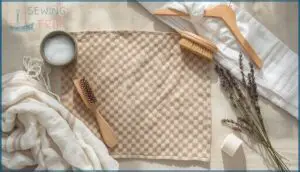
Keeping basket weave fabric in good shape comes down to how you wash, store, and care for it day to day. The weave’s texture and durability can last for years if you handle it right.
Here’s what to focus on when maintaining your basket weave pieces.
Washing and Drying Recommendations
Think of fabric care like keeping rhythm—it’s all about balance. Use cool Water Temperature between 20–30°C to prevent Fabric Shrinkage and preserve woven fabrics’ texture.
Gentle Laundry Cycles protect delicate textile construction. For Drying Methods, air dry or tumble low, then finish with soft Steam Ironing Tips to maintain clean drape and structure.
Storage and Maintenance Tips
Your fabric’s life depends on how you store it. Keep basket weaves breathing, not suffocating, and fold with purpose to protect their texture and durability.
- Follow gentle Fabric Folding lines, never sharp creases
- Maintain cool, dry Storage Conditions
- Use natural Pest Control methods like cedar
- Schedule regular Fabric Revitalization as part of smart Maintenance Schedules
Longevity and Wear Advice
Want your basket weaves to go the distance? Protect Fabric Durability at the source: choose high Thread Strength yarns, blends with good Wear Resistance, and constructions that test well in abrasion and Friction Testing.
High-twist yarns, tight groupings, and smart seams boost Yarn Longevity, keep the texture intact, and make that grid as tough and tear resistant as old woven baskets, without sacrificing breathability.
Frequently Asked Questions (FAQs)
How to identify weave type?
You start with Weave Pattern Analysis: look closely at how threads cross, then match what you see.
Use Thread Observation, Fabric Texture, and Yarn Counting to separate plain weave, twill, satin, basketweave, and other weave patterns for accurate Weave Type Classification.
What are the four types of basket weaving?
You’ve got four core Basket Crafting techniques: the Coiling Technique, Plaiting Methods, Twining Patterns, and Wicker Making. Together they shape most basket weave patterns, from classic wickerwork to tight, spiral coils that echo fabric weave patterns and even a 3×3 basketweave.
How to identify a woven fabric?
Like reading a map, you identify woven fabric by spotting straight warp and weft at right angles, checking Fabric Thread Count and fraying with Fabric Edge Examination.
Then, use Weave Pattern Analysis and Yarn Texture Inspection to see a firm, grid-like textile weave structure and other weave patterns, including basketweave, through its Interlacing Techniques and overall fabric weave feel.
How can basketweave fabric be tested for authenticity?
You test basketweave authenticity by doing layered Authenticity Checks: first, Fabric Inspection and Weave Analysis for a true checkerboard with no diagonal ribs, then Texture Testing and Yarn Verification to confirm grouped yarns and consistent fabric construction and fabric properties and applications across the whole textile weave and fabric weave sample.
What types of yarns enhance basketweave texture?
Smooth combed cotton, crisp linen, or springy wool yarns accentuate basketweave texture through fiber and twist control. Medium twist levels preserve grid clarity, while varied yarn thickness and subtle color effects emphasize the fabric’s woven texture.
Does basketweave fabric shrink after washing?
Basketweave fabric can shrink after washing, mainly due to natural Yarn Composition and loose weave structure.
Shrinkage Factors depend on Washing Techniques and Fiber type; proper Care Methods like cool water and air drying maintain Fabric Stability.
How does lighting affect viewing basketweave details?
Lighting changes everything. Low-angle Light Angle Effects reveal ridges through Shadow Analysis, while Diffuse Lighting softens texture.
Adjust Color Temperature or use Backlighting Techniques to expose the basketweave fabric’s openness and thread layout with clarity and depth.
Are there sustainable versions of basketweave fabrics?
Imagine you choose an Oxford shirt woven from Organic Cotton or a chunky Panama basketweave made with organic cotton and linen; both sit in the camp of Sustainable Textiles, alongside hemp blends, Recycled Fabrics, and recycled polyester upholstery. These materials push textile manufacturing toward Eco Friendly Materials and Green Manufacturing while still delivering the familiar fabric properties and uses you expect from this weave. So yes—several basketweave fabric types now lean hard into sustainability.
Conclusion
That grid you now recognize is worth its weight in gold when you handle fabric. You know how yarns group, where light catches, and what those raised crossings say about structure and strength.
You can identify basket weave fabric by sight, by touch, and by how it behaves when folded or worn.
Use these cues in stores, in your closet, and at the cutting table. Let the pattern train your eye and guide your choices.
- https://www.tellason.com/tellason-stock-slim-tapered-fit/
- https://kato-brand.com/a/search?q=double+gauze&country=us
- https://www.youtube.com/watch?v=Nq0coS4FE5A
- https://basketly.co/blogs/news/weaving-through-time-the-fascinating-evolution-of-basketry-across-cultures
- https://deconstructingtime.blogspot.com/2021/04/the-importance-of-basket-weaving.html