This site is supported by our readers. We may earn a commission, at no cost to you, if you purchase through links.
A seam ripper, some fabric scraps, and a free PDF pattern can turn an ordinary Tuesday afternoon into something a student carries to school for years. Sewing patterns for school projects hit differently than store‑bought supplies—there’s ownership in every stitch.
Teachers see it all the time: a kid who struggled with scissors in September confidently topstitching a drawstring backpack by spring.
The projects covered here range from simple pencil cases to reinforced tote bags, each one designed to teach a real skill while producing something genuinely useful.
Pick your starting point, and the rest falls into place.
Table Of Contents
Key Takeaways
- Matching your project to your skill level — from a simple pencil case to a full messenger bag — keeps frustration low and confidence high.
- Prepping your PDF pattern correctly (printing at 100%, taping pages cleanly, checking grainlines) saves you from costly mistakes before you cut a single piece of fabric.
- Reinforcing stress points like handle seams, zipper ends, and bottom corners is what turns a cute school bag into one that actually survives the school year.
- Hands-on sewing projects give students something no store-bought supplies can — real ownership, practical skills, and the confidence that comes from making something with their own hands.
Best School Project Patterns

Some sewing patterns just work better for school than others — and picking the right one makes all the difference. Whether you’re sewing for a class project or just stocking up on supplies, these designs are built for real school-day use.
If you’re unsure where to start, this guide to quilting fabrics for classroom use breaks down which materials hold up best through long school days.
Here are the best patterns to start with.
Drawstring Backpacks for Books and Gym Clothes
A good drawstring backpack pattern does more than hold books — it teaches you real skills. Look for these must-have features:
- Adjustable straps that fit both kids and adults comfortably
- Water resistance using lightweight polyester or ripstop nylon fabrics
- Reflective details on straps for safer low-light commutes
Capacity planning matters too. A free drawstring backpack pattern with 14–18" dimensions manages gym bag duty beautifully.
Pencil Cases and Zippered Pouches
Backpacks sorted? Now let’s talk about pencil cases.
A great zipper pouch tutorial starts with smart fabric choice — nylon or canvas holds up through daily drops and digging.
Pencil case patterns come in standard 8–9 inch sizes, but size customization is easy with PDF reprints.
Try a handsewn pencil case for school supply organization and check zipper types — coil zippers resist snags beautifully.
Care instructions are simple: cold wash, zip closed.
A drawstring design tutorial shows how to make a zipper‑free pencil case.
Reusable Sandwich Wraps and Snack Pouches
Pencil cases done — now your lunch deserves the same care.
Reusable sandwich wraps and reusable snack pouches are genuinely fun to sew and easy to customize.
- Use sustainable fabric like cotton canvas for durability
- Add beeswax coating for natural water resistance
- Explore closure options: snaps, Velcro, or drawstrings
- Pick size variations — 7×7 for sandwiches, 6×6 for snacks
- Follow cleaning guidelines: cold wash, air dry
Fabric Bookmarks and Small Classroom Gifts
Wraps packed — now think smaller and just as thoughtful. Fabric bookmarks make perfect handmade school gifts, and they’re among the quickest quick sewing projects you’ll find.
Try corner bookmarks or felt circle fabric bookmarks for easy wins. With budget-friendly supplies like prewashed scraps and ribbon, every student can personalize their piece. It’s a real Classroom Literacy Boost built on Student Collaboration and Eco-friendly Materials.
Messenger Bags and Larger School Totes
Ready for a bigger challenge? Messenger bags and larger school totes are where Durable Fabrics and Ergonomic Design really shine. A free pattern for messenger bags works great for older students needing serious Capacity Planning.
- Nylon or polyester builds that resist daily wear
- Security Features, like hidden pockets, protect valuables
- Adjustable straps for comfortable all-day carrying
- Customization Options include tote bag and iPad bag pattern styles
Choose The Right Skill Level
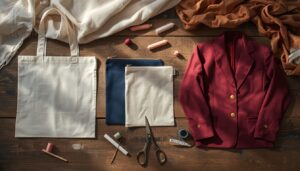
Not every sewing project fits every sewist, and that’s completely okay. The trick is picking something that matches your skill level — so you finish with confidence, not frustration.
If you’re tackling thicker or slippery fabrics, check out these tips for smooth, even seams before you start — they can save you a lot of ripping out.
Match your sewing project to your skill level, and you’ll finish with confidence instead of frustration
Here’s a look at patterns that range from beginner-friendly to more complex builds.
Beginner Patterns for Kids With Adult Help
Starting simple is the smartest move you can make. Beginner sewing projects work best when adults guide fabric choice, tool selection, and safety guidelines from the start.
Easy sewing patterns with large pieces and straight seams build real confidence fast. Cotton blends are your friend here — they’re washable and easy to handle.
Good project planning and stitching basics turn handmade school supply accessories into something kids truly own.
Intermediate Projects for Older Students
Once students hit middle school, they’re ready to level up.
Intermediate projects build on the basics with real skills like fabric choice, thread selection, and fit adjustments — all things that make handmade backpacks and custom lunch bags feel genuinely theirs.
These projects also open the door to collaborative learning and time management:
- Drawstring backpacks finishing at 14 by 16 inches
- Zippered pencil cases with 8-inch zippers
- Sustainable and reusable school crafts like sandwich wraps
- Tablet and laptop cases with clean topstitching
Advanced Bags With Pockets and Closures
Elevated patterns take everything up a notch. Think oilcloth messenger bags with hidden zipper tracks for a clean look, or a DIY laptop sleeve with padded compartments and water-resistant zippers that actually hold up.
You can add RFID blocking linings, two-way zippers for quick access, and adjustable sternum straps for real comfort.
A free backpack coin pouch pattern or zip pocket lunch money pouch makes great add-ons too.
Matching Pattern Difficulty to Class Time
Think of class time like a measuring tape — cut your pattern to fit it. Skill Time Alignment means choosing beginner sewing projects with straight seams for short periods, saving multi-step builds for longer blocks.
Use Modular Task Breakdown and Lesson Pacing Strategies to keep things moving. Always build in Time Buffer Planning for questions, adjustments, and cleanup. That’s Classroom Workflow Optimization in action.
Picking Projects by Age and Experience
Age-appropriate complexity starts with honest self-assessment.
Younger kids thrive with easy sewing projects for kids — large pieces, straight seams, beginner-friendly sewing tutorials right by their side.
Older students can handle progressive difficulty scaling with zippers and pockets. Experience-based grading means you’re not just picking a pattern — you’re picking the right challenge for the right hands.
Print and Prep PDF Patterns

Getting your PDF pattern ready is where the real work begins. A few simple steps before you touch any fabric can save you a lot of frustration later.
Here’s what you need to know to print, prep, and organize your pattern the right way.
Printing at 100% Scale on Letter or A4
Before you print anything, check your printer settings first — it saves so much frustration. Open the print dialog and set the scale to 100% or "Actual Size." Turn off any auto-scaling or fit-to-page options.
Paper size matching matters too, so confirm your tray holds Letter or A4 size. Run a test print ruler check to verify your PDF sewing pattern prints at the correct size.
Taping Pattern Pages Together Correctly
Once your pages are printed, it’s time to piece them together. Lay page one flat, then carefully overlay the next page so the pattern lines meet cleanly — this is where Edge Alignment Techniques really matter.
For Tape Material Selection, reach for low-tack painter’s tape; it manages preventing ghosting beautifully on your digital sewing PDFs. Press firmly for Secure Tape Application, maintaining Grainline Continuity across every joined edge.
Checking Grainlines, Notches, and Size Marks
Once your pages are taped, check three things before cutting anything.
First, Grainline Alignment — run your finger along the arrow and make sure it sits parallel to the fabric selvage. Fabric Nap Direction matters here too.
Next, Notch Matching symbols should be sharp and clear for Mark Transfer Accuracy.
Reprinting Digital Files for Extra Copies
One big win with free PDF sewing patterns is that you can reprint them anytime. Need copies for a whole class? Just go back to your saved file.
Keep a simple File Naming Conventions system — like "backpack-v2-final" — so Version Control Workflow stays stress‑free.
Always save your printable sewing patterns in Print-Ready Formats like PDF, with Color Profile Standardization set to sRGB for clean, consistent results.
Saving Patterns for Future School Projects
Good habits now save you hours later. Build a clear folder hierarchy — organized by year, project type, and skill level — so your free printable sewing patterns are always easy to find.
- Use metadata tagging with keywords like "beginner" or "lunchbox"
- Apply version control by numbering updated files
- Enable cloud backup monthly
- Archive damaged sheets as PDFs
- Keep a readme noting pattern scaling instructions and digital pattern printing and scaling notes
Cut, Sew, and Assemble
This is where your project really starts to take shape. Every stitch you make from here builds toward something you’ll actually carry, use, and be proud of.
Here’s what you need to work through, step by step.
Prewashing, Ironing, and Fabric Preparation

Before you cut a single piece, your fabric needs a little prep work first. Preshrink Methodology starts simple: run cotton or linen through warm water to prevent surprise shrinkage later.
Dye Bleed Prevention matters too — wash dark fabrics separately and check for color transfer. Iron everything smooth for clean cuts and apply Bias Stabilization Tips by realigning grainlines after drying.
Transferring Marks and Cutting Accurately

Once your fabric is prepped, it’s time to transfer marks and cut with confidence. A few good habits here make the whole project come together cleanly.
- Use Precision Chalk Usage to mark notches and symbols that wipe away easily
- Try Vinyl Ruler Alignment for straight, smudge-free transfer lines
- Apply Tracing Wheel Techniques for consistent perforations along curved seams
- Set Pattern Weight Stability so pieces don’t shift while you work
- Use Cutting Mat Gridlines to keep corners square and cuts true
Stitching Seams, Hems, and Topstitching
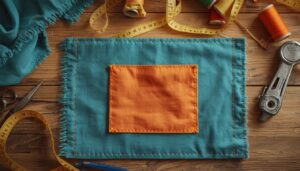
Stitching is where your project really comes to life. Seam allowance selection matters — most school bag patterns use ⅝ inch.
For edges that fray, overlock vs zigzag comes down to what your machine offers.
Blind hem tricks keep finishes neat, and contrast topstitching adds a fun, polished touch.
Walking foot usage helps layers feed smoothly.
| Technique | Best For | Tip |
|---|---|---|
| Zigzag stitch | Fraying edges | Use on woven fabrics |
| Blind hem | Clean hems | Catch just a few threads |
| Topstitching | Pockets, straps | Try contrast thread |
Adding Zippers, Velcro, or Drawstrings
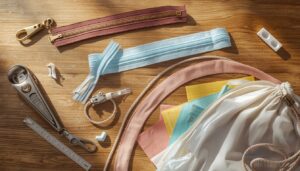
Closures can make or break a school bag — choose wisely. Zipper Types matter more than you’d think: metal zippers look sharp but add weight, while plastic coil zippers keep your drawstring pouch pattern or clear vinyl zipper pouch lightweight and colorful.
Here’s a simple guide:
- Zipper Selection — match coil type to project size
- Velcro Selection — use washable nylon with zigzag stitching
- Drawstring Materials — pick braided cord with a toggle stopper
Follow these Installation Tips, and always test on scrap fabric first.
Reinforcing Stress Points for Daily School Use
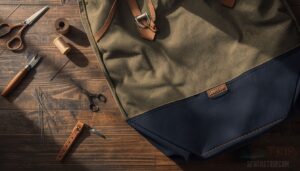
Your bag’s weakest spots aren’t random — they’re the handle seams, zipper ends, and bottom corners.
For handle reinforcement, use double bar tacking and a small backing patch underneath. Zipper bar reinforcement keeps pull stress from shredding the tape. Add corner gussets at the base, and bonded heavy-duty thread throughout.
These details make backpack patterns, lunch bag patterns, and reusable sandwich and snack bags last all year.
Finish and Present Your Project
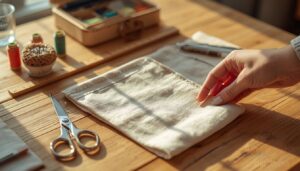
You’ve sewn the seams, pressed the edges, and your project is almost ready to show the world. Now it’s time to add those final touches that turn a good piece into something you’re really proud of.
Here’s what to focus on as you wrap things up and get ready to present.
Adding Names, Labels, or Decorative Patches
Your project tells its story the moment someone spots your name on it.
Patch Placement matters — center labels on front panels for visibility. For Label Font Choices, bold sans-serif reads best at small sizes. And always consider Color Contrast Guidelines so that text pops.
- Sew-on vs Iron-on: sew-on wins for Durable Attachment Methods on washable items.
- Keep custom text under 18 characters for clarity on customized school items.
- School-color patches turn handstitched pencil cases and customizable fabric bags for students into creative school backpack decorations — even customized school gifts for first day.
Choosing Sturdy, Washable Finishing Touches
Labels look great, but your finishes keep everything together. Start with Durable Thread Choices — polyester holds through dozens of washes on hand-stitched pencil cases and reusable snack pouches.
Hit every Reinforced Stitching Points with a backstitch. For oilcloth sewing or a wet bag clutch, Water‑Resistant Sprays add real protection.
Heat‑Set Vinyl labels and Seam Reinforcement Techniques keep your stable pencil pouch looking sharp all year.
Photographing Each Step for Class Reports
Your finishes are done — now capture the journey. Good photos turn your DIY school accessories into a real class report, and it’s easier than you think.
- Set up your Lighting Setup at a 45-degree angle for clear, shadow-free shots.
- Use Consistent Angles and Photo Labeling with step numbers so your sewing tutorials make sense at a glance.
- Keep File Organization tidy and always secure Student Consent before sharing.
Building a Project Portfolio With Notes
Photos captured — now pull everything together. A solid Note Structure ties your whole process into one place.
Log your measurements, note any durability testing results on stress points, and add Reflection Prompts about what you’d change next time.
Keep your files in a Digital Archive so sewing pattern reuse is easy later.
Your portfolio tells the full story.
Sharing The Final Item at School
When it’s your turn to present, share your fabric choices and explain how you built your item — that’s Presentation Etiquette in action. Your classmates will join a quick Peer Q&A, so be ready!
Teachers use a Feedback Rubric to note strengths and growth areas. Your item joins the Display Setup for visitors, and a Guardian Email goes home with photos.
Frequently Asked Questions (FAQs)
Can I sell finished school sewing projects?
Yes, you can! Just check legal approvals, pattern licensing, and safety standards first.
A simple pricing strategy and basic tax compliance keep things smooth.
Handmade school supplies ideas and custom school gifts make wonderful, sellable handmade school accessories.
Which fabrics work best for outdoor use?
For outdoor use, ripstop weave and DWR finishes are your best friends.
UV stabilized fibers resist sun damage, while membrane waterproofing keeps contents dry — smart fabric selection tips make eco-friendly sewing projects last.
How do I fix mistakes without starting over?
Mistakes happen — don’t panic. Use a seam ripper for Seam Repair, try Zipper Realignment before removing everything, and a quick Hem Correction or Pocket Reposition saves your work fast.
Fabric Puckering Fix? Loosen tension and restitch.
What sewing machines suit young beginners best?
Look for a machine with an Auto Threader, Speed Control, and Finger Guard. A Compact Design with LED Lighting keeps young beginners safe, confident, and ready for kid-friendly sewing projects.
How long do most school bag projects take?
Most school bag projects take two to five hours total. A drawstring backpack runs two to three hours, while messenger bags need three to five hours.
Small sewing projects under 30 minutes? Bookmarks and wraps fit that perfectly.
Conclusion
Studies show that students who complete hands-on making projects retain skills up to 40% longer than those who learn through reading alone. That’s the quiet power behind sewing patterns for school projects—every cut, seam, and finished edge becomes a memory that sticks.
The pencil case your student sews today might outlast three store-bought ones. More importantly, it builds something no shelf can hold: the confidence to make things with their own hands.