This site is supported by our readers. We may earn a commission, at no cost to you, if you purchase through links.
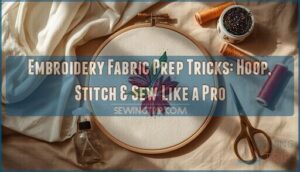
That beautiful design you’ve been eyeing? It can go sideways fast—puckered fabric, hoop marks that won’t budge, or thread that snaps mid-stitch. Nine times out of ten, the sneaky culprit isn’t your machine or your skill level. It’s what happened (or didn’t happen) before you even threaded the needle.
Fabric prep sounds unglamorous, but it’s where the magic quietly lives. Get it right, and your stitches land smooth, your colors pop, and your finished piece looks like you knew exactly what you were doing—because you did.
These embroidery fabric preparation sewing tricks will take you from frustrated to fully in control.
Table Of Contents
Key Takeaways
- Pre-washing your fabric before you even thread your needle is the single biggest move you can make — skip it, and you’re inviting shrinkage, puckering, and color bleeds to ruin your work.
- Matching your stabilizer to your fabric type (cut-away for knits, tear-away for wovens) is what keeps your stitches smooth and your design from turning into a crinkled mess.
- Proper hooping tension — that satisfying drum-tight sound — is your best defense against slippage, hoop marks, and designs that drift off-center mid-stitch.
- Always run a test stitch on scrap fabric before touching your real project; it’s the quickest way to catch tension issues, thread breaks, and density problems before they cost you.
Essential Fabric Preparation Steps for Embroidery
Good fabric prep is honestly the secret weapon most beginners overlook. Before you ever thread your needle, a few simple steps can mean the difference between a crisp, polished finish and a puckered mess.
These sewing accuracy skills and techniques are exactly what transform that careful prep work into seams you’ll actually be proud of.
Here’s what you need to do first.
Pre-washing and Drying Techniques
Pre-washing is your secret weapon for shrinkage control — skip it, and cotton can shrink up to 5%! For fabric relaxation, rinse cotton in cool water with a mild detergent, while silk prefers lukewarm water around 30–35°C. Vibrant reds and dark navies need solo prewash sessions for color preservation. Then air dry flat. Simple fabric prep, big payoff!
Understanding cotton care tips is essential for maintaining the quality of your fabrics.
Ironing for a Smooth Surface
Now that your fabric is prewashed and dry, it’s time for some fabric smoothing magic! Good ironing techniques set the stage for every perfect stitch. Here’s how to press like a pro:
- Place fabric face-down on a fluffy towel for cushioned pressing
- Use up-and-down motions — no scrubbing!
- Match heat settings to your most delicate thread
- Apply spray starch on the backside for fabric stabilization
- Press 10–15 seconds per section, then lift and move
For the best results, consider using proper embroidery care techniques to maintain your fabric.
That’s embroidery fabric preparation done right!
Aligning and Squaring Fabric Grain
Your ironing sets the stage — now let’s square things up! Grain distortion prevention starts with understanding Fabric Grain Basics: warp threads run up-down, weft runs side-to-side. For square cutting techniques, pull one thread along the selvage and cut along that gap.
Grain alignment tools like a T-square keep things perfectly true before Embroidery Hooping Techniques lock everything into place.
Preventing Fraying With Hemming or Pinking Shears
Squared grain? Now protect those edges — fraying is the sneaky culprit that ruins a good stitch-out before you’ve even started!
Your two best friends for Edge Finishing and Fraying Prevention:
- Hemming Techniques: Fold 2cm, press, stitch — done!
- Pinking Shears cut a zigzag that disrupts the weave
- Reduces fraying 50–70% on tightly woven cottons
- Single-fold Hemming keeps Fabric Care minimal for Embroidery Preparation
- Perfect for Aida and cotton-linen blends during Fabric Selection
Choosing and Using Stabilizers Effectively
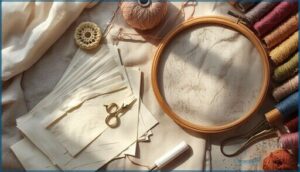
Stabilizers are the unsung heroes of embroidery — the secret layer that keeps everything from shifting, puckering, or turning into a hot mess. Picking the right one for your fabric can feel overwhelming at first, but once you know the basics, it’s a total game changer.
Stabilizers are embroidery’s unsung heroes — the hidden layer standing between a flawless finish and a puckered mess
Here’s what you need to know to match, use, and even save money on stabilizers like a pro.
Matching Stabilizer Types to Fabric
Think of your stabilizer as your fabric’s best teammate — and fabric stretch is the first thing to size up. Stretchy knits? Reach for cut-away stabilizers. Wovens like denim or canvas? Tear-away is your go-to.
Stabilizer weight matters too: heavier fabrics need heftier backing. Nail your fabric selection and stabilizer selection early, and your embroidery fabric preparation techniques will set every stitch up for success.
Tips for Tear-Away, Cut-Away, and Wash-Away Stabilizers
Each stabilizer type has its own personality — learn to work with it, not against it!
Once you understand each stabilizer’s quirks, you’ll be ready to tackle any project — even beginner-friendly sewing projects like pillowcases that let you practice without the pressure.
- TearAway: Best for woven fabrics; extend it 1–2 inches beyond your Embroidery Hoop, then tear away from the stitches outward
- CutAway: Trim to ¼ inch from stitch edges for lasting Tension Control on knits
- WashAway: Soak 5–10 minutes, then rinse under running water for clean results
Using Spray Starch and Fusible Interfacing
Crispness is your secret weapon! Spray starch application gives your fabric that satisfying stiffness — perfect for hooping without distortion. Layer it with fusible interfacing for serious embroidery stability.
| Method | Best For | Bonus Tip |
|---|---|---|
| Spray Starch | Cotton, linen | Press both sides |
| Fusible Interfacing | Lightweight apparel | Medium weight works best |
| Both Combined | Dense designs | Starch first, then fuse |
Saving Money With Stabilizer Scraps
Don’t toss those leftover scraps — they’re basically free money! Scrap reuse and stabilizer recycling are the embroidery hacks every budget-conscious stitcher needs.
Sew cut-away or tear-away pieces together with a zigzag stitch to create full-sized backing sheets. For small logos or monograms, patched stabilizer materials can cut your costs by nearly half. Fabric efficiency never looked so good!
Hooping and Fabric Tension Tricks
Getting your fabric hooped correctly can make or break your entire embroidery project. The right technique keeps everything taut, smooth, and right where you need it.
Here are the hooping tricks that’ll keep your work looking sharp from the first stitch to the last.
Proper Hooping Techniques for Different Fabrics
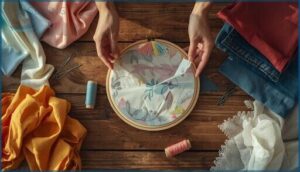
Every fabric plays by its own rules — and once you know them, hooping feels like second nature!
For knit fabric tips, use cut-away stabilizers and magnetic hoops to avoid stretching. Silk hooping tricks? Go gentle — never overtighten.
Denim embroidery needs sturdy hoops plus 90/14 needles. Fleece hooping methods call for mesh stabilizer underneath.
Cotton stabilization is easiest — just tap for that satisfying drum-tight sound!
Floating Embroidery Blanks Outside The Hoop
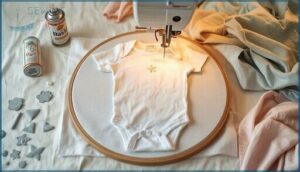
Think hoopless embroidery sounds wild? It’s actually genius! Floating blanks means you only hoop the stabilizer — your fabric sits right on top.
This embroidery float technique is perfect for baby onesies, thick sweatshirts, or tiny patches. For blank placement, center your item over the stabilizer and pin or spray-baste it down.
Your fabric preparation stays crease-free, and hoop burn becomes history!
Preventing Hoop Slippage and Maintaining Tension
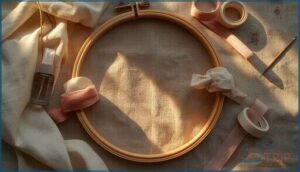
Slippage is the sneaky culprit behind puckered designs — but you’ve got options!
- Hoop Binding: Wrap your inner hoop with cotton strips for instant friction and tensioning grip.
- Silicone Grip strips: Glue them inside your embroidery hoops and frames every two inches.
- Adhesive Sprays: Lightly mist stabilizer at 25–30 cm for puck-free stabilization.
- Tape Tricks: Press washi tape firmly around the inner ring — no gaps!
- Starch Solutions: Spray evenly before hooping your stabilizer for drum-tight results.
Using Magnetic and Sock Hoops for Tricky Projects
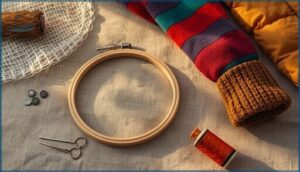
Once you’ve nailed tension, magnetic hoops take your game further — no screws, no hoop burn, no drama. They’re perfect for bulky jackets, knits, and delicate fabrics where traditional embroidery hoops and frames cause fabric distortion. Sock embroidery and tubular stitching? Sock hoops handle those too, sliding inside cuffs effortlessly.
| Project Type | Best Hoop | Key Benefit |
|---|---|---|
| Quilted Jackets | Magnetic Hoop | No crushing thick layers |
| Knit T-Shirts | Magnetic + Mesh Stabilizer | Prevents stretching distortion |
| Socks/Cuffs | Sock Hoop Insert | Centers designs precisely |
| Delicate Fabrics | Magnetic + Press Cloth | Smooth, mark-free stabilization |
| Heavy Denim | Magnetic Hoop | Holds multiple layers securely |
Follow magnetic hoop tips: always slide magnets together gently — snapping risks pinched fingers. Keep hoops away from machine panels for hoop safety. Solid fabric preparation and stabilization make every stitch land perfectly!
Thread and Stitch Management for Embroidery
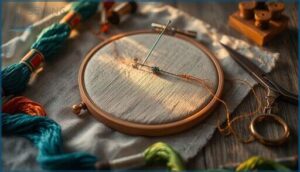
Even the prettiest hoop setup falls apart fast if your thread and stitches aren’t playing nice. Getting this part right is what separates a frustrating afternoon from a project you’re actually proud of.
Here’s what you need to know to keep things running smoothly.
Choosing The Right Thread and Needle
Picking the right thread and needle is honestly half the battle! Your choices here shape the whole outcome.
- Thread Material matters: polyester manages hot washes beautifully, rayon shines brighter
- Thread Weight 40 is your everyday workhorse for most designs
- Needle Selection: 75/11 covers 90% of projects
- Fabric Matching: knits need ballpoint needles, wovens need sharps
- Stitch Density improves with correct needle-thread pairing
Threading Machine Correctly for Even Tension
Got your thread and needle sorted? Now let’s make sure your machine is actually set up to use them well.
Thread Tension Control starts with your Upper Thread Path — follow every guide exactly. Always lift the presser foot first for Presser Foot Management; those tension discs stay open and grip properly.
| Threading Mistake | Quick Fix |
|---|---|
| Presser foot down while threading | Raise foot, rethread slowly |
| Thread skipping a guide | Follow printed machine diagram |
| Bobbin seated wrong | Re-seat, feel for resistance |
| Loops on fabric underside | Full rethread, top to bottom |
A gentle tug after threading confirms your thread is seated — you’ll feel steady resistance, not slack. Run a tension test on scrap stabilizer before your real project every single time!
Preventing Thread Breakage and Snarls
Thread breakage is every embroiderer’s sneaky nemesis — but totally beatable! Smart Thread Management starts with Needle Selection: swap needles every 7–8 hours, and upsize to a 90/14 for dense fills.
Your Breakage Prevention checklist:
- Slow to 500–600 stitches/min for dense designs
- Use 40-weight Embroidery Thread with matching 80/12 needles
- Store threads at 60–75°F for Snag Reduction
Thread Tension Tips sorted — you’ve got this!
Test Stitching for Optimal Results
Always run a test stitch before touching your final project — it’s your secret weapon! Use scrap fabric that matches your actual piece in weight and stretch for real Fabric Testing.
Check Stitch Density so fills look solid, not stiff. Inspect Tension Balance on the back, and watch for Registration Checks between colors.
Tweak your Stabilizer and settings, then stitch again. Design Refining takes minutes but saves everything!
Top Tools and Products for Fabric Preparation
The right tools can completely change your embroidery game — and yes, that’s a good thing. Having the best gear in your corner makes fabric prep faster, cleaner, and way less frustrating.
Here are six products worth keeping on your workstation.
1. Sock Embroidery Hooping Aid Set
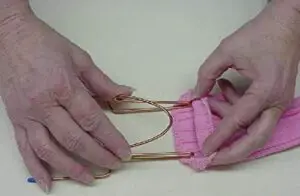
Socks are sneaky little projects — but this tool tames them fast! The Embroidex Sock Embroidery Hooping Aid Set comes with two inserts: one for adult socks, one for infant and toddler sizes.
You simply slide the sock over the prong, pull the edge over the lip, and you’ve got flat, taut fabric ready to stitch. It works with standard single-needle machines and delivers clean, professional results every time.
Small tool, big difference!
| Best For | Home embroiderers who want to add custom designs to socks — whether for kids or adults — without the frustrating hooping struggle. |
|---|---|
| Brand | Embroidex |
| Primary Use | Sock embroidery hooping |
| Material | ABS Plastic |
| Target User | Home embroiderers |
| Color | Pink |
| Machine Compatible | Single needle machines |
| Additional Features |
|
- Comes with two sizes so you’re covered for both adult and baby/toddler socks
- Works with standard single-needle embroidery machines — no special equipment needed
- Helps you get clean, professional-looking results without a lot of fuss
- Needle breaks can happen when your design includes color changes
- Might need some trial and error to get the setup right for your specific machine
- The price point may feel hard to justify if you only embroider socks occasionally
2. Dime Embroidery Hoop Guard
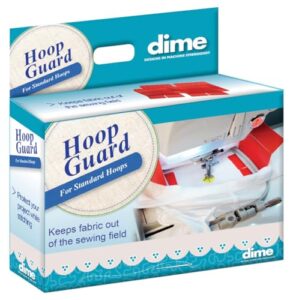
Bulky fabric drooping into your stitch field? That’s a project disaster waiting to happen. The Dime Embroidery Hoop Guard snaps right onto your Snap Hoop or Monster Snap Hoop and holds all that excess fabric up and out of the way — no tape, no pins, no fuss.
It’s made from lightweight stainless steel, so it’s sturdy without weighing your hoop down. Perfect for towels, blankets, bags, and baby onesies. One clip, and your embroidery field stays clean and clear.
| Best For | Embroiderers who regularly work with bulky or oversized items like towels, blankets, and bags on single needle machines with a Snap Hoop or Monster Snap Hoop. |
|---|---|
| Brand | dime DESIGNS IN MACHINE EMBROIDERY |
| Primary Use | Fabric control hooping |
| Material | Stainless Steel |
| Target User | Machine embroiderers |
| Color | Metal |
| Machine Compatible | Single needle machines |
| Additional Features |
|
- Snaps on fast and keeps excess fabric out of your stitch field — no tape or pins needed
- Lightweight stainless steel means it’s tough but won’t throw off your hoop
- Works on one or both sides, so you’ve got flexibility depending on the project
- Only works with Snap Hoop and Monster Snap Hoop on single needle machines — not a universal fit
- Each box comes with just one guard, so bigger projects may mean buying extras
- Not much use if you mostly stitch on flat, lightweight fabric that doesn’t droop
3. Jumbo Hoop Guard For Embroidery Machines
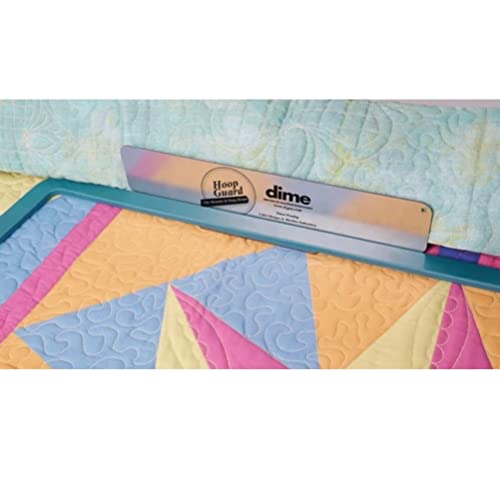
Working with quilts, large towels, or oversized blankets? The Jumbo Hoop Guard is your new best friend. It snaps directly onto any Monster Snap Hoop measuring 6" x 10" or larger, creating a sturdy stainless steel barrier that keeps all that extra fabric from creeping into your stitch field.
No more stopping mid-design to tuck things back! It installs without tools — just snap it on and go. Bulky projects suddenly feel so much more manageable.
| Best For | Embroiderers who regularly tackle big, bulky projects like quilts, pillowcases, bags, and oversized towels on single needle machines. |
|---|---|
| Brand | dime DESIGNS IN MACHINE EMBROIDERY |
| Primary Use | Fabric control hooping |
| Material | Stainless Steel |
| Target User | Machine embroiderers |
| Color | Metal |
| Machine Compatible | Single needle machines |
| Additional Features |
|
- Snaps on instantly — no tools, no fuss, just clip it and start stitching
- Lightweight stainless steel keeps fabric out of your embroidery field so you get cleaner results
- Works with any Monster or Snap Hoop 6" x 10" and up, so it fits most standard setups
- Only plays nice with single needle machines, so multi-needle folks are out of luck
- The thin metal construction might feel a little flimsy to some users
- At $24.99 for a single unit, it’s a bit of a splurge for what is essentially a fabric guard
4. Bo Nash Fabric Bonding Agent Kit
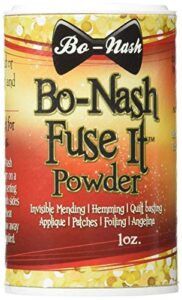
Think of the Bo-Nash Bonding Agent Kit as your secret weapon for fabric repairs and prep work. That tiny 1 oz bottle manages up to 75 fixes — from delicate silk to heavy denim — and the two non-stick fiberglass pressing sheets make the whole process clean and easy.
Just sprinkle the powder sparingly, blow away the excess, press with a dry iron, and you’re done. The bond survives machine washing, tumble drying, and even dry cleaning. Game changer!
| Best For | Anyone who regularly mends clothes — whether you’re fixing a torn silk blouse or hemming a pair of jeans — and wants a quick, no-sew solution that actually holds up. |
|---|---|
| Brand | Bo-Nash |
| Primary Use | Fabric repair bonding |
| Material | Fiberglass & Liquid |
| Target User | Sewists & crafters |
| Color | Clear |
| Machine Compatible | Any sewing setup |
| Additional Features |
|
- Works on a huge range of fabrics, from delicate cashmere and lace to heavy denim and canvas
- One small bottle goes a long way — up to 75 repairs — so it’s great value for the price
- Made in the USA and bond holds through machine washing and tumble drying
- Not ideal for large holes or tears — it works best on smaller repairs
- Can get messy with certain applications, like appliques, if you’re not careful
- May not be the right call for very expensive or investment-level pieces where a professional repair is worth it
5. Peggy’s Stitch Eraser Tool
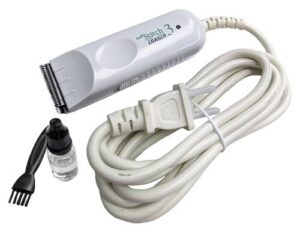
Made a mistake? No panic — Peggy’s Stitch Eraser has your back. This handheld electric tool works like a tiny razor, using a hardened steel reciprocating blade to shave through dense stitches without touching your base fabric.
Just glide it side-to-side over the unwanted design, flip the piece, and pull the loosened threads free. It manages logos, monograms, caps, and shirts with ease.
A small brush and oil keep the blade running smoothly session after session.
| Best For | Embroiderers, sewers, and hobbyists who regularly need to remove stitching from garments, hats, or other fabrics without damaging the material underneath. |
|---|---|
| Brand | Universal |
| Primary Use | Embroidery removal |
| Material | Plastic |
| Target User | Embroidery professionals |
| Color | White |
| Machine Compatible | Any embroidery machine |
| Additional Features |
|
- Cuts through dense stitches fast — way quicker than picking threads by hand
- Specially engineered blade gets right under stitches to grab and clip them cleanly
- Comes with a cleaning brush and oil to keep it running well over time
- Pricier than manual seam rippers or basic alternatives
- Some users have had issues with the blade head staying on or the motor giving out early
- Multilayered embroidery may need more than one pass, so patience is key
6. Hoop Mat For Machine Embroidery
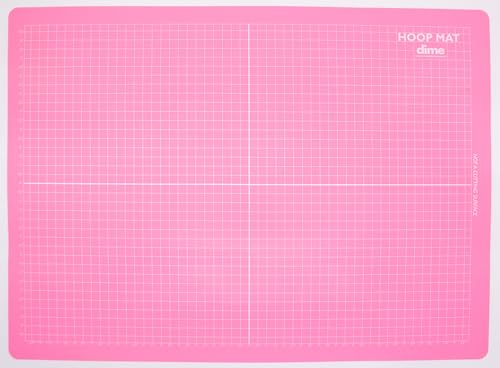
Once you’ve cleaned up your stitches, it’s time to set yourself up for success before the machine even starts. The dime Designs Hoop Mat is your secret weapon here. This 100% silicone mat grips your hoop and keeps it from skating across your table while you work.
The printed 24" x 17" grid makes centering a total breeze — no guessing, no fussing. It’s not a cutting or pressing surface, but for hooping? It’s a life-saver.
| Best For | Embroiderers who hoop solo and want a stable, no-slip surface that makes centering quick and hassle-free. |
|---|---|
| Brand | dime DESIGNS IN MACHINE EMBROIDERY |
| Primary Use | Hooping surface mat |
| Material | Silicone |
| Target User | Machine embroiderers |
| Color | Pink |
| Machine Compatible | Any hoop brand |
| Additional Features |
|
- The non-skid silicone keeps your hoop locked in place so you’re not chasing it around the table
- The printed grid takes the guesswork out of finding center — works with any hoop brand or size
- Lightweight and easy to store, so it doesn’t hog your workspace
- It’s one-size-only, which might not work for everyone’s setup or project scale
- It’s hooping only — don’t expect to press or cut on it
- The price might give budget-conscious sewists pause
Frequently Asked Questions (FAQs)
How do you test thread tension before starting?
Before the real magic begins, run a quick stitch test on scrap fabric first. Sew a small satin bar, flip it over, and check the back — balanced tension shows three tidy lanes.
Whats the best way to store embroidery stabilizers?
Store stabilizers in a cool, dry spot away from sunlight and heat.
Keep water-soluble types in sealed bags to block humidity.
Separate by type so you can grab exactly what you need fast!
Can you embroider on pre-quilted fabric successfully?
Yes, you absolutely can! Pre-quilted fabric takes embroidery beautifully when you use the right stabilizer, adjust your tension, and hoop carefully. A little prep goes a long way here.
How do you handle fabric puckering during stitching?
Puckering is basically your fabric throwing a tiny tantrum! Loosen upper thread tension slightly, slow your machine speed down, and re-hoop taut.
Steam iron stubborn bunches flat afterward — smooth sailing from there.
What are alternatives to commercial embroidery transfer paper?
Skip the transfer paper! Try a water-soluble marking pen traced over your pattern on a lightbox, dressmaker’s carbon paper, printable wash-away stabilizer, or simply sketch your design freehand directly onto fabric.
Can I embroider directly onto stretchy knit fabric?
Knit fabrics like T-shirts and sweatshirts can take embroidery beautifully — just pair them with a cut-away stabilizer and a ballpoint needle to keep everything smooth and pucker-free.
How do I fix puckering after stitching is done?
Steam press it face-down on a thick towel, let it cool flat, or lightly dampen the area and pin it square while it dries. Both tricks relax stubborn puckers fast!
What fabrics work best for beginner embroidery projects?
Think of fabric as your embroidery’s best friend — pick the right one and everything clicks! Quilting cotton and linen are perfect starting points because they’re stable, easy to handle, and won’t fight your needle.
How do stitch direction and density affect the final look?
Stitch direction controls how light hits the thread, making the same color look lighter or darker. Density affects texture and puckering. Together, they shape how polished your finished embroidery looks.
Conclusion
Like a painter who preps the canvas before the first brushstroke, your embroidery fabric preparation sewing tricks set the stage for everything beautiful that follows. Skip these steps, and you’re gambling with every stitch. But nail them, and your hoop becomes a place where ideas actually land the way you imagined.
The tools are in your hands, the fabric is ready, and now—so are you. Go make something worth showing off.