This site is supported by our readers. We may earn a commission, at no cost to you, if you purchase through links.
Recovering from shoulder surgery transforms everyday tasks into carefully calculated movements, and getting dressed ranks among the most frustrating challenges you’ll face. That favorite t-shirt you’ve worn a hundred times becomes an impossible obstacle when you can’t lift your arm overhead or rotate your shoulder without sharp pain.
Standard clothing simply wasn’t designed for bodies in recovery, forcing you to choose between struggling through painful dressing routines or wearing the same oversized hospital gown for weeks.
Modifying your t-shirts with strategic cuts and alternative closures gives you back control over this basic aspect of independence. The right modifications protect your healing shoulder while allowing you to dress yourself without assistance, maintaining dignity during a vulnerable time when every small victory matters.
Table Of Contents
- Key Takeaways
- Essential Features for Post-Surgery T-Shirts
- Step-by-Step Guide to Modifying T-Shirts
- Safe Dressing Techniques After Shoulder Surgery
- Adaptive Clothing Alternatives for Recovery
- Top 4 Products for Easier Shirt Modification
- Caring for Modified T-Shirts Post-Surgery
- Frequently Asked Questions (FAQs)
- Conclusion
Key Takeaways
- Strategic t-shirt modifications using Velcro closures, magnetic fasteners, and wide necklines restore dressing independence after shoulder surgery by eliminating overhead arm movements and protecting healing tissue from friction.
- Soft, stretchy fabrics like cotton-spandex blends with 2-5% elastane provide the flexibility your recovering shoulder needs while preventing irritation at surgical sites through flat-seam construction positioned away from incision areas.
- Always dress your non-injured arm first and use dressing aids like 25-inch reach sticks to maintain safe shoulder positioning below chest height throughout the entire recovery period.
- Ready-made adaptive clothing with front closures and pre-positioned snaps offers an alternative to DIY modifications, typically costing $15-70 depending on features like magnetic closures or specialty medical design elements.
Essential Features for Post-Surgery T-Shirts
The right t-shirt can make or break your recovery experience after shoulder surgery. When you’re dealing with limited mobility and sensitivity around the surgical site, certain design features become non-negotiable for comfort and safety.
After shoulder surgery, the right t-shirt design becomes non-negotiable for comfort and safe recovery
Let’s look at the key elements your post-surgery shirts need to support your healing journey.
Soft and Stretchy Fabric Choices
You need soft fabrics that move with you, not against you. Cotton-spandex blends deliver the stretch and recovery your shoulder demands during healing. Modal fabrics provide that gentle hand feel you’ll appreciate against sensitive skin.
If you’re planning to sew a pullover with these fabrics, a stretch needle will prevent skipped stitches and keep seams smooth through all that shoulder movement.
Jersey knits with 2–5% elastane give comfortable flexibility without restriction. Bamboo viscose blends offer moisture-wicking properties and adaptability.
These fabrics typically provide 5–10% stretch, and understanding how bamboo fabric stretches helps you choose materials that balance flexibility with breathability.
These recovery fabrics maintain their shape through repeated washing while supporting your movement.
Their elasticity makes them ideal if you’re looking for how to make pants waist smaller without sewing, as the fabric naturally conforms to adjustments.
Wide Necklines and Easy Access Designs
A wide neckline increases head clearance by 25–40% compared to standard crew necks, making dressing easier with one functional arm. Boat necks, scoop styles, or asymmetric designs reduce friction at your surgical site by up to 30%.
If you already own standard tees, you can widen the neckline yourself with simple cutting techniques to create boat or scoop styles at home.
These neckline modifications support comfort and mobility without straining your recovering shoulder, transforming standard recovery clothing into adaptive clothing solutions that work.
Adjustable Closures for Comfort
Velcro closures let you adjust tension single-handed through repeatable fasten-unfasten cycles, giving you control over comfort. Magnetic fasteners align hands-free and improve donning speed without precise finger dexterity.
Zipper panels with oversize pull tabs enable gradient opening, while elastic inserts near the neckline accommodate swelling.
These closure systems transform standard shirts into adaptive clothing that prioritizes your comfort throughout recovery.
Avoiding Seams Over The Shoulder
Smooth designs matter because standard shoulder seams create friction against your post-operative skin during movement. Garments that place seams away from the acromion deliver measurably higher comfort ratings in patient studies, making fabric selection a practical recovery strategy.
- Flat-knit construction eliminates pressure points during arm lifts and rehabilitation exercises
- Ribbed panels maintain structure without bulk over the deltoid region
- Strategic seam placement reduces nighttime irritation when you shift sleeping arrangements
Choose recovery wear that keeps seams clear of your surgical site for genuine chafe prevention.
Step-by-Step Guide to Modifying T-Shirts
Modifying your t-shirts before shoulder surgery gives you control over your recovery comfort and independence.
The process doesn’t require expert sewing skills, just a few basic tools and a clear understanding of what your recovering shoulder needs.
Follow these steps to transform standard shirts into garments that work with your body, not against it.
Gathering Tools and Materials

Before you make your first cut, you’ll want to line up the right tools so the modification process runs smoothly and safely. Your basic sewing kit should include sharp fabric scissors, a seam ripper, and measuring tools like a flexible tape measure. Fabric selection starts with soft cotton-spandex blends that provide stretch without irritation. Velcro attachments and magnetic closures transform standard shirts into adaptive clothing designed specifically for recovery clothing modifications and comfort wear.
| Tool Category | Essential Items | Purpose |
|---|---|---|
| Measuring Tools | Flexible tape measure, fabric chalk | Marking precise cutting lines for TShirt modifications |
| Cutting Supplies | Fabric scissors, rotary cutter | Creating clean edges for shoulder accessibility |
| Fastening Materials | Velcro strips, magnetic snaps | Installing closures for one-handed dressing |
| Sewing Kits | Needle, thread, pins | Securing modification tips into place |
| Craft Supplies | Seam ripper, fabric marker | Removing original seams without damaging fabric |
Cutting for Shoulder Accessibility
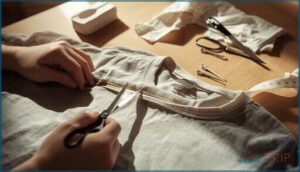
Strategic cuts along the shoulder area let you dress without lifting your arm beyond its natural range during shoulder surgery recovery. Position access openings on the front or side of your shirt to clear bandages and shoulder prosthesis hardware.
Measure from your shoulder height to existing sutures before cutting, then apply edge finishing techniques to prevent fabric fraying and skin irritation near active scar lines.
Adding Velcro or Magnetic Closures

You can transform a standard shirt into adaptive clothing with hook-and-loop closures or magnetic fasteners positioned along the front closure or sleeve seam.
Attach reusable Velcro strips—1 to 2 inches wide—with reinforced edge stitching to prevent snagging during washing.
These closure systems let you dress from your non-injured side without lifting your shoulder, giving you control over your recovery clothing modifications with easy openings you operate one-handed.
Finishing Edges for Comfort

Rough edges rubbing against healing tissue can derail your recovery comfort. Seam finishing and edge binding directly impact chafe reduction and irritation prevention. Apply these fabric selection techniques:
- Finish seams with bias or rolled edges to reduce shoulder area friction.
- Use flatlock or coverstitch methods to minimize bulk behind your shoulder.
- Apply narrow fabric binding around sleeve openings to prevent rough edges.
- Choose single-layer finishes over double-layer hems where contact occurs.
- Trim stray threads from stitched edges regularly.
Safe Dressing Techniques After Shoulder Surgery

Getting dressed after shoulder surgery doesn’t have to feel like maneuvering through a minefield. The key is protecting your healing shoulder while maintaining your independence during recovery.
These techniques will help you dress safely without compromising your mobility or risking re-injury.
Using The Non-Injured Arm First
Your non-injured arm becomes your strongest ally during shoulder surgery recovery. Always dress this arm first to protect your healing shoulder from unnecessary strain and preserve safe shoulder positioning throughout postoperative care.
This approach minimizes arm mobility demands on the operated side, aids injury prevention, and reduces pain during daily dressing tasks. Start slow, stay deliberate, and let your healthy arm guide the process for ideal comfort and recovery.
Utilizing Dressing Sticks and Aids
Dressing sticks extend your reach and enable independent clothing management without shoulder strain. These Recovery Tools and Assistive Devices include long-handled grips and button tools designed for one-handed use.
Consider adding Velcro closures to your adaptive clothing for simplified fastenings. Ergonomic grips reduce grip effort, which helps manage post-surgical weakness.
Practice using your dressing stick with a caregiver or mirror before attempting solo use to guarantee safety.
Tips for Minimal Shoulder Movement
Keep your operated arm relaxed and supported throughout dressing to maintain shoulder protection. Sit with feet flat for stability, letting gravity position your arm rather than actively lifting.
Always dress the surgical side first, then undress it last—this movement restriction prevents unintended shoulder activation. Pull fabric up to your elbow first, rest it against your torso, then complete the garment without reaching overhead.
It’s vital to prioritize comfortable clothing options during the recovery period.
Mirror-Assisted Dressing
Position a full-length mirror to show your operative shoulder’s profile during dressing—this visual feedback guides safer arm movement and prevents excessive elevation. Studies confirm mirrors reduce caregiver assistance by helping you rehearse donning sequences while seated.
Pair mirror practice with hand positioning cues to avoid torso twisting. Front closure adaptive clothing with Velcro attachments simplifies this technique, improving both comfort and mobility throughout recovery.
Adaptive Clothing Alternatives for Recovery

If modifying your own shirts feels overwhelming, adaptive clothing offers ready-made solutions designed specifically for post-surgery needs. These garments eliminate the guesswork and provide features that make dressing easier while protecting your healing shoulder.
Let’s look at the most practical options that can simplify your recovery wardrobe.
Front Closure Shirts and Adaptive Tops
Recovery becomes simpler when you choose front closure shirts and adaptive clothing designed for postoperative support. These garments eliminate overhead dressing and reduce strain on your healing shoulder. Adaptive designs with Velcro closures or side zippers provide the mobility and recovery comfort you need during rehabilitation.
- Front closure styles allow one-handed dressing without raising your operative arm
- Adaptive tops with flat seams prevent irritation over surgical incisions
- Velcro closures require minimal hand strength and adjust easily for swelling
- Lightweight knit fabrics offer stretch and breathability throughout recovery
- Pre-formed shoulder panels in comfortable clothing reduce pressure on healing tissue
Button-Up and Magnetic Closure Options
Magnetic closures and button adaptations simplify your dressing routine when modifying tshirts for recovery. Rare-earth magnets reduce dressing time by up to 50% compared to traditional buttons, and they won’t irritate your skin.
Larger, flat buttons paired with reinforced fabric behind the placket improve comfort when you’re working one-handed.
These closure designs maintain security through multiple wash cycles while offering the convenience of adaptive clothing customized to your needs.
Choosing Surgical Recovery Garments
You’ll want surgical apparel designed with garment design principles that prioritize recovery comfort and mobility during postoperative care. Look for adaptive clothing with side openings or full-front access so you can dress the affected arm without raising it overhead. Velcro attachments allow one-handed closure, and loose fits around the chest accommodate slings and dressings.
Proper fabric selection and strategic seam placement support your postoperative recovery while reducing strain on healing tissues. Patients can benefit from post surgery recovery clothing designed to ease the healing process.
Benefits of Cotton-Spandex and Modal Fabrics
Fabric softness matters when your skin is healing. Cotton-spandex blends give you breathable materials that move with your body, while elastic recovery keeps the fit consistent through repeated wear.
Modal offers excellent moisture management—it’s 50 percent more absorbent than cotton—and skin friendliness that won’t irritate incision sites.
These stretchy fabrics provide the comfort and mobility you need during shoulder surgery recovery.
Top 4 Products for Easier Shirt Modification
You don’t have to struggle through recovery with tools that make dressing harder instead of easier. The right products can transform a frustrating daily routine into something manageable, giving you back control when your shoulder needs time to heal.
Here are four essential items that simplify shirt modification and make getting dressed a safer, less painful process.
1. Juvo Dressing Aid Stick
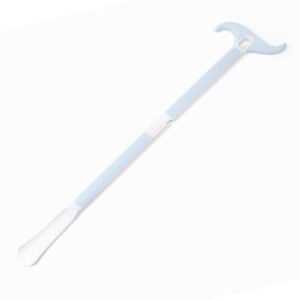
The Juvo Dressing Aid Stick is a 25-inch tool that transforms how you manage clothing during shoulder surgery recovery. This adaptive equipment combines a hooked dressing stick with a built-in shoehorn, letting you pull shirts over your recovering shoulder without raising your arm.
You’ll use the rubberized hook end to grip fabric and maneuver sleeves into position while keeping your surgical shoulder still. The foam-padded grip reduces hand fatigue, and smooth plastic ends won’t snag delicate post-surgery care garments.
This dressing aid tool provides the mobility assistance you need for safer, more independent recovery.
| Best For | Individuals recovering from shoulder, hip, or knee surgery who need to dress independently without bending or raising their arms above shoulder level. |
|---|---|
| Primary Use | Dressing assistance tool |
| Target Users | Limited mobility individuals |
| Length | 25 inches |
| Material | Durable plastic |
| Design Feature | Multi-ended tool |
| Ease of Use | Requires practice |
| Additional Features |
|
- 25-inch reach eliminates bending and overhead arm movement during dressing tasks
- Rubberized hook end grips fabric securely while smooth plastic prevents snagging
- Two-in-one design combines dressing stick and shoehorn for complete independence
- Joint above the shoehorn can be weak and prone to breaking with repeated use
- Requires practice and proper technique to use effectively without violating post-surgical precautions
- May not work well for all clothing types, particularly items requiring fine manipulation like bras
2. Shoulder Surgery Recovery Shirt
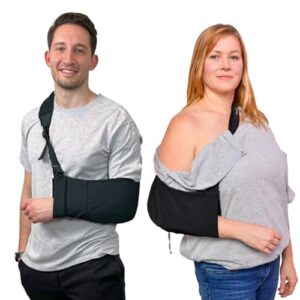
A specialized shoulder surgery recovery shirt eliminates overhead dressing by incorporating snap closures along both shoulder seams and inner sleeves. You’ll dress the surgical side first, then secure lightweight snaps without lifting your arm above chest height.
These surgical tops feature 100% cotton fabric for breathability and include attached back straps that let you pull the garment into position using your non-injured arm.
The adaptive wear design accommodates slings and immobilizers while providing full access for dressing changes, combining comfort designs with the mobility support your recovery demands.
| Best For | Anyone recovering from shoulder surgery who needs to dress independently without lifting their arm overhead or putting pressure on healing incisions. |
|---|---|
| Primary Use | Post-surgery recovery shirt |
| Target Users | Shoulder surgery patients |
| Length | Standard shirt length |
| Material | 100% Cotton |
| Design Feature | Shoulder snaps |
| Ease of Use | Minimal movement needed |
| Additional Features |
|
- Shoulder and sleeve snaps let you dress without raising your arm, keeping movement within safe post-surgery limits
- Pure cotton fabric breathes well and won’t irritate sensitive skin around surgical sites or dressings
- Back straps and adaptive design work around slings and immobilizers so you can manage on your own
- Sizing can run large, so you might need to order a size down for a better fit
- The cotton material can feel heavy and warm during summer recovery periods
- The functional design prioritizes easy access over style, so it looks more clinical than fashionable
3. RMS Button Hook Assist Device
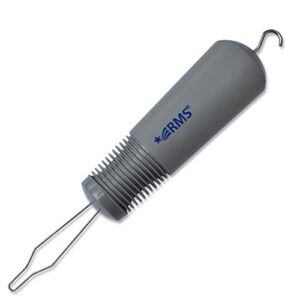
You’ll appreciate the RMS Button Hook Assist Device when managing front-closure shirts during shoulder surgery recovery. This adaptive device features a snag-free wire loop that secures buttons without requiring you to lift your recovering arm, while the ribbed handle ensures your grip stays comfortable even with limited dexterity.
At $7.99, it doubles as a zipper pull using its heavy-duty steel design. These assistive tools transform button aids into practical dressing solutions, giving you the independence and comfort your recovery equipment should provide throughout your healing process.
| Best For | People recovering from shoulder surgery or dealing with arthritis who need help with buttons and zippers but still have some hand mobility. |
|---|---|
| Primary Use | Buttoning and zipping aid |
| Target Users | Arthritis sufferers |
| Length | Compact handheld |
| Material | Steel and plastic |
| Design Feature | Wire loop hook |
| Ease of Use | Simple operation |
| Additional Features |
|
- The wire loop grabs buttons without snagging fabric, and the ribbed handle stays comfortable even when your hands aren’t at full strength
- Works as both a button hook and zipper pull for under $8, so you’re getting two tools in one
- Made from heavy-duty steel that won’t bend or break during daily use
- Takes a bit of practice to get the hang of using it smoothly
- You still need some hand control to operate it, so it won’t work if your dexterity is extremely limited
- Only handles buttons and zippers—won’t help with snaps, shoelaces, or other closures
4. Vive Dressing Stick for Elderly Assistance
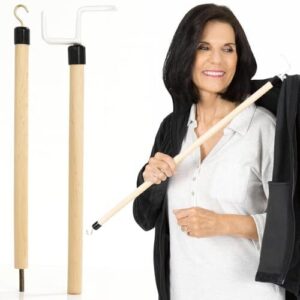
The Vive Dressing Stick extends your reach by 27 inches, allowing you to pull shirts around your back without lifting your recovering shoulder above safe ranges. This elderly assistance tool features a smooth vinyl-coated hook that won’t snag adaptive clothing, plus a detachable two-piece design for easy storage in your recovery kit.
You can use this disability aid to thread sleeves, adjust Velcro attachments, and manage garments while keeping your arm still—essential dressing aids that support your mobility limits throughout shoulder recovery.
| Best For | Seniors recovering from shoulder, hip, or knee surgery who need to dress independently without bending or reaching overhead. |
|---|---|
| Primary Use | Dressing assistance tool |
| Target Users | Limited mobility individuals |
| Length | 27 inches |
| Material | Birch wood |
| Design Feature | S-shaped hook |
| Ease of Use | Independent dressing aid |
| Additional Features |
|
- 27-inch reach lets you pull on shirts and pants without twisting or straining healing joints
- Smooth vinyl-coated hook won’t snag or tear delicate fabrics during daily dressing
- Two-piece design breaks down for compact storage in your travel bag or nightstand
- Two-piece connection can loosen over time and may need reinforcement for reliable daily use
- Unsealed birchwood surface may develop splinters without regular inspection or light sanding
- Some users find the basic construction feels less durable than expected for long-term recovery needs
Caring for Modified T-Shirts Post-Surgery

Your modified shirts need proper care to stay comfortable and functional throughout your recovery. The closures, fabrics, and seams you’ve worked with require gentle handling to prevent irritation and maintain their adaptability.
Follow these essential practices to keep your recovery wardrobe in good shape while protecting your healing shoulder.
Washing and Drying Best Practices
Proper Fabric Care Tips support comfort during your shoulder surgery recovery. Wash your modified shirts in cold water using a gentle cycle to preserve stretch and prevent shrinkage. Choose a mild, fragrance-free detergent for Laundry Safety, especially during the surgical recovery process.
Air dry or select low heat Drying Techniques to maintain fabric integrity. Gentle Washing protects seams and closures you’ve added. Cold Water Benefits include preventing color fading while protecting postoperative recovery tips-friendly modifications.
Inspecting for Wear and Tear
After following proper washing practices, regular inspections protect your investment in modified recovery t-shirts. Check your shirts after every five to ten wear cycles for signs of Material Degradation Assessment that could compromise comfort during shoulder surgery recovery.
Focus your Thread Wear Inspection on these critical areas:
- Examine shoulder seams for Fabric Fray Detection within 1 cm of edges and pilling from Seam Stress Testing
- Test Velcro or magnetic closures for hardware separation or reduced grip strength
- Monitor Color Fading Analysis as weakened dyes often signal fabric breakdown
Address issues promptly to maintain modifying t-shirts effectiveness.
Using Mild Detergents for Sensitive Skin
Your modified t-shirts protect recovering skin during shoulder surgery, but harsh detergents can trigger skin irritation and undermine comfort wear. Choose fragrance-free products labeled for sensitive skin to support gentle cleansing and detergent safety throughout recovery.
| Detergent Feature | Benefit for Recovery |
|---|---|
| Fragrance-free formula | Reduces contact dermatitis risk |
| Sensitive skin label | Minimizes harsh surfactants |
| High rinse performance | Lessens residual exposure on fabric |
Proper fabric care ensures your T-shirts maintain their comfort properties.
Storage Tips to Maintain Shirt Shape
After washing your modified t-shirts, proper fabric storage prevents shape loss and protects your investment. Lay shirts flat with acid-free tissue stuffed in sleeves and torso to preserve shoulder contour and support shape preservation.
Use breathable cotton garment care bags instead of plastic to control moisture during recovery. Keep storage solutions in cool, dry areas away from sunlight to maintain comfort and extend garment lifespan.
Frequently Asked Questions (FAQs)
What are the benefits of modifying a T-shirt for shoulder surgery?
Post-surgery T-shirts reduce lifting and twisting by 60%, providing easy dressing with Velcro attachments.
They improve comfort through smooth shoulders, protect your injury site, minimize pain, and support recovery with stretchy fabrics during shoulder surgery rehabilitation.
How should I prepare for one-handed dressing after surgery?
Choose front closure shirts with Velcro attachments or adaptive clothing designs that eliminate overhead arm movements.
Start dressing with your non-injured arm first, using dressing aids to maintain safe positioning throughout recovery.
How can I determine the appropriate size of a T-shirt for shoulder surgery?
Sizing charts become your roadmap to comfort when shoulder surgery limits movement.
Measure your chest at its widest point, then select one size up to accommodate post-surgical swelling and allow easy dressing with minimal strain.
Can I modify long-sleeve shirts for shoulder surgery?
Yes, you can modify long sleeve shirts for shoulder surgery. Remove sleeves or cut strategic openings to expose the surgical shoulder.
Choose soft, stretchy fabrics and finish edges carefully to minimize irritation during recovery.
How much does adaptive clothing typically cost?
Adaptive clothing prices vary widely depending on features and brands. Basic adaptive t-shirts generally cost $15 to $40, while specialty medical apparel with magnetic closures ranges from $30 to $70, with designer options exceeding $
When can I wear regular shirts again?
Just like shedding a cast feels liberating, you’ll shift to regular shirts around six to eight weeks postoperatively, once your surgeon confirms adequate shoulder mobility and healing progress during follow-up appointments.
Should I modify multiple shirts before surgery?
Preparing 3–5 modified shirts before shoulder surgery ensures post-op comfort and reduces daily dressing strain. This pre-surgery prep allows rotation during the recovery timeline while others are laundered, making fabric hacks part of essential arm support planning.
Are there waterproof options for showering post-surgery?
You can protect your incision with waterproof dressings or shower shields designed for postoperative care.
These bathing aids create a secure barrier, allowing you to shower safely while supporting wound protection during shoulder surgery recovery.
Conclusion
Your recovery doesn’t need to depend on someone else’s schedule or availability. Learning how to modify t-shirts for shoulder surgery puts independence back in your hands, transforming frustration into forward momentum.
These adaptations protect your healing while you dress yourself safely and comfortably. Each modification you make reinforces your capability during a time when control feels scarce.
Small adjustments to fabric create significant shifts in how you navigate recovery—one comfortable, dignified morning at a time.
- https://www.youtube.com/channel/UCLdk42lFK6A-7Ub7cLQH00g
- https://blog.wordvice.com/formatting-research-paper-headings-and-subheadings/
- https://x.com/godofprompt/status/1990526288063324577
- https://www.sciencedirect.com/science/article/pii/S0749208123000268
- https://github.com/vinhphunguyen/how-to-write-a-paper/blob/master/how-to-write-paper.out