This site is supported by our readers. We may earn a commission, at no cost to you, if you purchase through links.
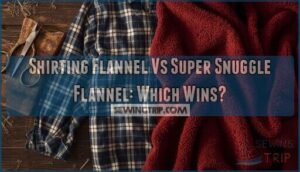
Grab two pieces of flannel off the shelf and they might feel almost identical—until you live with them for a season. Shirting flannel vs super snuggle flannel fabric is one of those comparisons that looks simple on the surface but quietly determines whether your finished project holds its shape or falls apart after a few washes.
One fabric is built for structure; the other is engineered almost entirely around softness. Picking the wrong one doesn’t ruin your project immediately—it just makes you regret it slowly. Knowing the real differences between these two saves you that frustration before you cut a single inch.
Table Of Contents
- Key Takeaways
- What is Shirting Flannel Fabric?
- What is Super Snuggle Flannel Fabric?
- Fiber Content and Manufacturing Differences
- Softness and Comfort Compared
- Durability and Longevity Factors
- Shrinkage and Care Requirements
- Best Uses for Shirting Flannel
- Ideal Projects for Super Snuggle Flannel
- Price, Availability, and Brand Quality
- Choosing The Right Flannel for Your Project
- Frequently Asked Questions (FAQs)
- Conclusion
Key Takeaways
- Shirting flannel holds its shape wash after wash, making it the smarter pick for shirts, pajamas, and anything that needs clean seams and lasting structure.
- Super snuggle flannel wins on softness but pills and frays faster, so it’s best saved for blankets, baby items, and loungewear where comfort matters more than durability.
- Your project type should drive your fabric choice — super snuggle flannel can’t replace shirting flannel in structured garments, and shirting flannel won’t feel as cozy in a throw blanket.
- Both flannels need cold-water washing and low heat drying to stay in good shape, but super snuggle flannel is especially unforgiving if you skip the prewash before cutting.
What is Shirting Flannel Fabric?
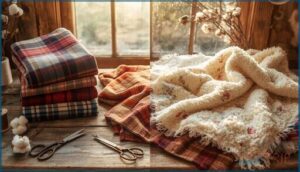
Shirting flannel has been around for a long time, and there’s a good reason it keeps showing up in closets and sewing rooms alike.
It wears especially well in projects like a cozy flannel rag quilt, where that natural fraying actually becomes part of the charm.
It’s not just one thing — the fabric has a few defining qualities that set it apart from other flannels.
Here’s what you should know before you decide if it’s right for your project.
Fiber Composition and Weave
Shirting flannel is usually woven from 100% cotton using a twill weave pattern, which gives it that subtle diagonal structure you might notice if you look closely.
The yarn thickness is finer and more tightly spun than most craft flannels, which keeps the fabric density higher and the thread count more consistent — meaning better shape retention and cleaner fiber content overall.
Typical Uses in Apparel and Sewing
That tight weave and consistent fiber content make shirting flannel a natural fit for structured apparel sewing. Button-down shirts, pajama sets, and light jacket linings are classic sewing projects where this flannel fabric really earns its place.
If your fabric selection leans toward pieces that need clean collars or pressed cuffs, shirting flannel manages those sewing techniques without fighting you.
Key Characteristics
Beyond its structure, shirting flannel has a few standout traits worth knowing. It’s single-brushed, so the face feels soft without feeling puffy. Fabric density stays in that 150–180 GSM sweet spot — light enough to wear daily, cozy enough to feel like flannel fabric should.
Among different flannel types, this one offers balanced softness levels and nap thickness without the pilling problems that haunt super snuggle flannel.
What is Super Snuggle Flannel Fabric?
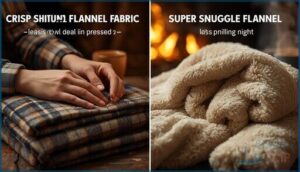
Super snuggle flannel is the fabric that wraps you like a hug on a cold night. It’s built differently from shirting flannel, and that difference shows up in how it feels, what it’s made of, and where it works best.
Super snuggle flannel is built for one purpose: to wrap you in warmth no other fabric quite matches
Here’s what you need to know about it.
Material and Construction
Super snuggle flannel is built around one goal: maximum softness. It’s made from 100% cotton with loosely spun yarns and a lower-density weave, which allows aggressive double-sided brushing techniques to create that deep, fuzzy nap you love.
The fabric properties lean heavily toward comfort over structure. That cozy, velvety feel comes from the textile construction itself — not just the fiber blends.
Common Applications
For cozy flannel sewing projects, super snuggle flannel is a go-to for fabric selection that prioritizes comfort. It shines in quilt making — especially rag quilts and baby blankets.
For textile crafts like garment construction, it’s perfect for loose pajama pants, bathrobes, and sleepwear. Sewists also love it for burp cloths and baby accessories where softness and absorbency really matter.
Distinctive Features
What really sets snuggle flannel apart is its deeply brushed nap — that thick, velvety surface you can’t miss the moment you touch it. Here’s what makes it distinctive:
- Heavy brushing creates a fuzzy, plush fabric texture
- Loose fiber blends boost softness but invite pilling
- Deep nap thickness adds perceived warmth
- Weave patterns stay mostly hidden beneath the surface nap
- Brushing effects can cause shrinkage if washed hot
Fiber Content and Manufacturing Differences
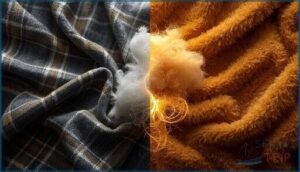
The differences between shirting flannel and super snuggle flannel start from the ground up — literally, with the fibers themselves.
How each fabric is made shapes everything from how it feels in your hands to how long it lasts. Here’s a closer look at what sets them apart.
Cotton Vs. Cotton-Polyester Blends
Shirting flannel is usually woven from cotton or a cotton-polyester blend, while super snuggle flannel sticks to 100% brushed cotton. That difference matters more than you’d think.
In textile science, polyester effects on fabric preferences are real — blends boost fiber durability and shrink resistance, but pure cotton breathes better against your skin. Your comfort needs should drive that choice.
Brushing Techniques and Nap
The way a flannel gets brushed changes everything about how it feels. Shirting flannel uses lighter fiber brushing on one side, keeping structure intact. Super snuggle flannel gets brushed aggressively on both sides for maximum softness levels and loft.
- Nap direction affects how colors appear
- Brushing intensity controls warmth and bulk
- Double-brushed fabric feels noticeably plusher
- Pilling resistance drops with heavier brushing
- Nap height impacts seam thickness when sewing
Weave Tightness and Yarn Spinning
Think of weave density like a fence — tighter posts mean fewer gaps. Shirting flannel’s higher thread count and ring-spun yarns create a firm, structured fabric with real fiber strength.
Super snuggle flannel uses open-end spinning methods and a looser weave, which lets the yarn breathe and puff up.
More yarn twist in shirting flannel means better durability; less twist in snuggle flannel means softer, fluffier fabric properties.
Softness and Comfort Compared
Regarding flannel, how it feels against your skin matters just as much as how it looks. Both shirting flannel and super snuggle flannel have real differences in texture, comfort, and warmth that can make or break your project.
Here’s how they actually compare.
Hand Feel and Texture
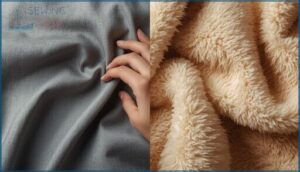
Run your hand across both fabrics and the difference is immediate. Shirting flannel offers a balanced texture — fabric softness with a slight weave you can still feel. Super snuggle flannel? Pure fuzziness levels that feel like sinking into a cloud. Here’s a quick texture comparison:
- Shirting flannel has light nap direction, lying flat
- Surface smoothness is higher on shirting flannel
- Snuggle flannel feels luxe flannel-level plush and grabby
- Absorbent, deeply brushed fibers define snuggle flannel’s feel
- Shirting flannel glides; snuggle flannel clings softly
Suitability for Sensitive Skin
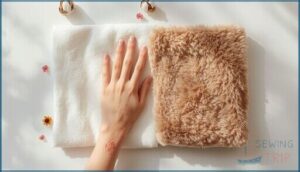
That plush feel matters even more if your skin is prone to react. For sensitive skin care, shirting flannel wins pretty clearly. Its tighter weaving and finer cotton yarns mean less friction and better breathability — both key for allergy prevention and avoiding skin irritation.
Super snuggle’s deep nap traps heat and sweat, which can trigger flare-ups. When fabric sensitivity is a concern, gentler textiles like absorbent cotton shirting are the safer pick.
Warmth and Insulation
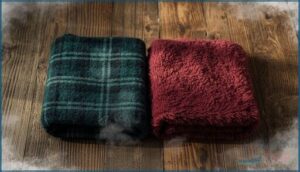
Warmth isn’t just about how soft something feels — it’s about how well it holds heat. Here’s how both fabrics stack up for cold weather insulation:
- Shirting flannel, especially 8–9 oz weights, offers stronger thermal retention against heat transfer outdoors.
- Super snuggle’s looser weave limits its insulation materials for outdoor use.
- Fabric thickness and fabric weight directly impact warmth.
- Double-brushed flannel fabric traps more air close to your body.
Durability and Longevity Factors
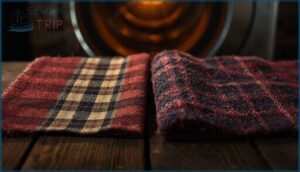
Softness is great, but it won’t matter much if your fabric falls apart after a few washes. Durability is where these two flannels start to really pull apart from each other.
Here’s what to look at when sizing up how well each one holds up.
Pilling and Fraying Resistance
Fabric durability tells you a lot about what a flannel can handle over time. Shirting flannel’s tighter weave holds fibers in place, so pilling and fraying stay minimal. Super Snuggle’s double-brushed nap means more loose fibers ready to pill, especially on high-friction spots.
| Factor | Shirting Flannel | Super Snuggle Flannel |
|---|---|---|
| Pilling | Low | Higher |
| Fraying | Slower | Faster |
| Fray Prevention | Tighter seams help | Serging needed |
| Wear Resistance | Strong | Moderate |
| Fiber Strength | Longer staple cotton | Loosely spun yarns |
Tear Strength
Pilling is one thing, but tear resistance is what really tests a fabric’s backbone. Shirting flannel holds up better here — tighter weave density and moderately twisted yarns mean more fibers share the load before anything gives. Super Snuggle’s aggressive brushing effects compromise yarn strength at the surface.
Three things that influence fabric durability under tearing:
- Higher weave density spreads tearing stress across more yarns
- Looser yarn twist reduces tear resistance by letting fibers slip
- Heavy napping removes protective surface fiber, weakening the outer layer
Wear Over Time
Over time, shirting flannel ages gracefully — it softens, holds its drape, and resists heavy fabric degradation.
Super snuggle flannel tells a different story. Pilling builds fast, texture change sets in after just a few washes, and color fastness often disappoints.
Shrinkage control is better in poly-blend snuggle fabrics, but pilling resistance and overall fabric durability still favor shirting flannel for the long haul.
Shrinkage and Care Requirements

Caring for flannel the wrong way can shrink it, dull its softness, or leave it looking worn after just a few washes. Both shirting and super snuggle flannel have different needs, and knowing those differences saves you a lot of frustration.
Here’s what you need to keep in mind regarding washing, drying, ironing, and shrink control.
Washing and Drying Recommendations
Both types of flannel are easy to care for — if you don’t rush the process. Cold Water Washing on a Gentle Cycle is your best friend here. Skip the fabric softener; it mats the nap and kills that plush feel you love.
- Wash in cold water to minimize fabric shrinkage.
- Use a gentle cycle to prevent fabric pilling.
- Avoid hot Drying Methods — low heat or air-dry only.
- Remove items slightly damp for better Shrinkage Control.
- Skip fabric softening products; white vinegar works better.
Ironing and Maintenance Tips
Iron settings matter more than you’d think. For shirting flannel, a medium-to-high heat around 300–400°F works well with steam. Super snuggle flannel — especially with polyester — needs a lower setting, around 230–300°F, to avoid melting fibers.
Always press from the wrong side using pressing techniques that lift and set the iron down. Steaming methods beat dry heat every time for wrinkle removal without flattening the nap.
Shrink Control Differences
Shrinkage is where these two fabrics really go their separate ways. Shirting flannel’s tighter weave density keeps yarn relaxation minimal — usually 4–10% with proper preshrinking methods. Super snuggle’s heavy brushing effects and loose weave mean more unpredictable fabric shrinkage. Here’s what to expect:
- Shirting flannel shrinks evenly, making pattern-cutting predictable
- Super snuggle can lose 3–4 inches per yard unwashed
- Hot dryers increase fraying and pilling risks on snuggle flannel
- Cold washing and low heat minimize shrinkage in both fabrics
Best Uses for Shirting Flannel
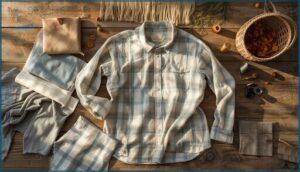
Shirting flannel isn’t a one-trick pony — it works across more projects than most people expect.
Its light, breathable structure makes it a natural fit for anything you want to wear or display without feeling weighed down.
Here’s where it really shines.
Shirts and Pajamas
Shirting flannel is the quiet workhorse of fabric choices for flannel shirts and sleepwear materials. It sits in that 120–150 GSM sweet spot — light enough for all-night sleep comfort, structured enough for seasonal fashion and winter wear.
| Feature | Shirting Flannel | Super Snuggle Flannel |
|---|---|---|
| Weight | 120–150 GSM | 150–170 GSM |
| Best For | Shirts, pajamas | Blankets, loungewear |
| Breathability | High | Moderate |
Clothing trends keep coming back to it for good reason.
Light Jackets and Accessories
Want outerwear that doesn’t feel like a sleeping bag? Shirting flannel is your answer for cold weather gear. Its tighter weave makes it ideal for flannel jacket styles that actually hold their shape — think structured shackets around 220 GSM. It also shines in accessories:
- Scarves that don’t bunch up
- Bow ties that hold a clean knot
- Lined beanies and headbands
- Neck warmers with a neat finish
- Slim belts backed with interfacing
Home Décor Projects
Beyond cold-weather accessories, shirting flannel fits right into your home decor fabrics lineup. Its tighter weave makes it a solid pick for table runners, chair covers, and flannel upholstery accents that actually stay flat.
You can also turn fabric scrap leftovers into coasters or bunting. For seasonal decor and cozy accents, it brings quiet warmth without the bulk of heavier home textiles.
Ideal Projects for Super Snuggle Flannel
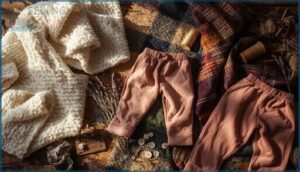
Super snuggle flannel has a way of finding its perfect match in certain projects. Its plush, velvety softness isn’t just nice to touch — it actually makes a real difference in how the finished piece feels and performs.
Here are the projects where this fabric truly earns its name.
Quilts and Blankets
Super Snuggle flannel fabric shines brightest in quilts and throw blankets. Its plush, fuzzy surface creates that “just wrapped in a hug” feeling people love on the couch.
Flannel thickness here leans lighter, so blanket weights stay drapey and soft.
For casual sewing projects with fun quilt patterns, fabric preparation is simple — just prewash and go.
Baby Clothing and Accessories
Baby clothing and accessories are where snuggle flannel really earns its spot. That double-brushed softness makes it perfect for nursery textiles — think infant hats, bibs, and burp cloths your baby won’t fuss about.
It’s gentle enough for sensitive skin, and the lightweight cotton flannel keeps little ones warm without overheating. For baby blankets and onesies, this fabric just makes sense.
Sleepwear and Loungewear
From nursery to nightstand, snuggle flannel follows you. Its plush, double-brushed surface hits different when you’re winding down — softer against bare skin than shirting flannel, and warm enough for cool-bedroom nights.
- Fabric softness makes it a top Loungewear Essential for relaxing evenings
- Winter Comfort improves with heavier weaves around 5–6 oz per square yard
- Nightwear Preferences lean toward 100% cotton snuggle flannel over synthetic fleece
Price, Availability, and Brand Quality
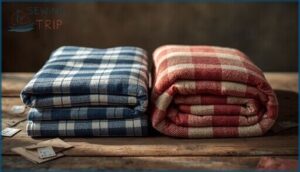
Once you’ve found the right flannel for your project, the next question is pretty simple: what’s it going to cost you, and where do you actually find it?
Quality varies a lot depending on who made it, so that’s worth paying attention to before you buy.
Here’s what you need to know about pricing, where to shop, and how to spot a brand that’s worth your money.
Typical Price Ranges
Ever notice how fabric costs swing with the seasons? Shirting flannel usually sits between $8–$13 per yard, but retail discounts can drop it to $3–$5 during sales. Snuggle flannel trends lower, often $6–$10, and sometimes hits $2.99 on sale.
Wholesale rates offer real budget options—think $3–$4 per yard—without sacrificing quality or fabric properties and care.
Where to Buy Each Fabric
For shirting flannel, big box chains like JOANN, Hobby Lobby, and Michaels are your easiest starting point. Independent shops and specialty retailers often carry better-labeled options with detailed fiber info.
Super Snuggle flannel is a JOANN house brand, so you won’t find it elsewhere.
Online marketplaces work too, but read listings carefully — quality varies more than you’d expect.
Assessing Manufacturer Quality
Transparency is your best friend here. A brand that openly shares its specs — GSM targets, fiber source, shrinkage limits — is one that takes textile quality assessment seriously. Here’s what to look for:
- Quality Standards — Look for ISO or AATCC test results on pilling and colorfastness.
- Raw Materials — Long-staple cotton resists pilling longer than budget grades.
- Weave Consistency — Even tension and straight patterns signal solid textile manufacturing quality.
- Finishing Processes — Sanforized flannel shrinks less after your first wash.
Choosing The Right Flannel for Your Project
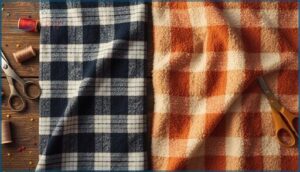
Picking the right flannel comes down to knowing what your project actually needs. The wrong choice won’t ruin your life, but it will make your sewing experience harder than it has to be.
Here’s what to think about before you cut a single piece of fabric.
Project Type and Fabric Selection
Your project type is the whole game regarding fabric selection. Get this right, and everything else falls into place.
| Project | Best Fabric Choice |
|---|---|
| Flannel button-down shirt | Shirting flannel |
| Winter throw blanket | Snuggle flannel |
| Baby burp cloths | Snuggle flannel |
| Casual work pajamas | Shirting flannel |
| Kid’s holiday quilt | Snuggle flannel |
Smart project planning means matching material selection to end use — structured craft projects need shirting flannel’s tight weave, while cozy home pieces thrive with snuggle flannel’s plush warmth.
Weighing Comfort Vs. Durability
Comfort and durability pull in opposite directions here. Super snuggle flannel wins every softness test right out of the package, but its wear resistance drops fast — pilling kicks in after just a few washes.
Shirting flannel scores better on durability factors and fabric longevity, holding shape through seasons of regular use.
Your comfort metrics matter, but so does how long you want the fabric to last.
Fabric Handling and Sewing Tips
Both flannels demand a little respect before you start cutting. Use a rotary cutter and pattern weights to keep layers from shifting — especially with heavier shirting flannel.
A walking foot manages fabric stabilization and prevents seam creep on both types.
Adjust thread tension slightly loose, finish raw edges for clean seam finishing, and always press by lifting, never sliding.
Frequently Asked Questions (FAQs)
What is snuggle flannel fabric?
Snuggle flannel is a soft, brushed flannel fabric made from 100% cotton. This cozy flannel material is napped on both sides, giving it that extra-plush, baby-soft feel perfect for blankets and sleepwear.
What is the best type of flannel?
There’s no single best flannel fabric — it depends on what you need. For warmth and softness levels, Super Snuggle wins.
For flannel shirt durability tests and flannel fabric comparison, shirting flannel quality holds up better.
What are the different types of flannel fabric?
Like branches of the same tree, flannel fabric types share softness but grow in different directions — cotton, wool, and synthetic blends each shaped by brushing techniques, yarn quality, and weave into distinct flannel fabric types.
Does snuggle flannel shrink?
Yes, snuggle flannel shrinks — especially 100% cotton versions. That first hot wash and dry cycle is where most of the flannel fabric shrinkage happens.
Prewash before cutting to keep your project true to size.
What is super snuggle flannel fabric?
Think of wrapping yourself in a warm cloud — that’s super snuggle flannel. It’s 100% brushed cotton flannel, mechanically softened for a fuzzy, plush feel perfect for blankets and sleepwear.
What is the best flannel made of?
The best flannel is made from 100 percent long-staple cotton. It offers natural fabric quality, strong fiber strength, and breathable comfort.
Weave density and yarn thickness matter too — tighter, moderately brushed cotton flannel lasts longest.
What’s the difference between fleece and flannel material?
Fleece is knit from polyester and stays warm even when wet. Flannel is woven from cotton or wool and breathes better. Both are soft, but they serve different comfort needs.
What flannel fabric is used in summer?
For summer, lightweight cotton flannel is your best bet. It’s breathable, soft, and won’t trap heat.
Look for single-brushed shirting flannel around 170–200 GSM — cool enough for warm weather, cozy enough for breezy evenings.
What are the benefits of using snuggle flannel over shirting flannel?
Super snuggle flannel wins on comfort. Its cozy texture, warmth factors, and softness comparison all favor relaxation benefits.
The snuggle advantage is real — fabric properties make it ideal for blankets, not flannel shirt projects.
How durable is snuggle flannel compared to other fabrics?
Snuggle flannel’s durability is decent but not outstanding. Its loose weave makes fabric fraying and pilling real concerns.
For better Flannel Longevity, wash gently and skip high heat — that’s the honest truth.
Conclusion
Like choosing between a sturdy work boot and a cozy slipper, the shirting flannel vs super snuggle flannel fabric debate always comes down to what your project actually needs.
Shirting flannel holds its shape and manages structure well. Super snuggle flannel wraps you in comfort but won’t fight hard against wear.
Neither one wins outright—the right choice does. Pick based on purpose, not just feel, and your finished project will thank you.