This site is supported by our readers. We may earn a commission, at no cost to you, if you purchase through links.
You run your hand across a piece of cotton and then across silk—both feel soft, but they’re worlds apart. That’s because softness isn’t one thing in sewing; it’s a combination of fiber type, weave structure, and finishing treatments that create drastically different textures for different purposes.
Natural fibers like cotton and linen bring breathability and comfort, while synthetics like modal and microfiber deliver slippery smoothness through engineered production. Understanding what makes each soft fabric type sewing option unique helps you match the right material to your project—whether you’re creating a baby blanket that needs to be gentle on skin or a flowing dress that drapes like liquid.
Table Of Contents
- Key Takeaways
- What Makes a Fabric Soft for Sewing
- Natural Soft Fabrics for Sewing
- Synthetic and Semi-Synthetic Soft Fabrics
- Popular Soft Fabric Types and Textures
- Choosing The Right Soft Fabric for Projects
- Sewing Techniques for Soft Fabrics
- Caring for Soft Fabrics After Sewing
- Common Challenges When Sewing Soft Fabrics
- Top 5 Soft Fabric Products for Sewing
- Creative Project Ideas With Soft Fabrics
- Frequently Asked Questions (FAQs)
- Conclusion
Key Takeaways
- Fabric softness factors come from three key factors: fiber diameter and composition (with finer fibers like silk at 10 microns feeling softer than cotton at 15-20 microns), weave or knit structure (knits are naturally softer than wovens), and finishing treatments like mechanical softening or enzymatic polishing that transform stiff cloth into touchable material.
- Natural fibers like organic cotton, linen, and merino wool offer breathability and improve with washing, while synthetic options like modal, microfiber polyester, and rayon provide engineered smoothness and durability—each serving different project needs from baby clothes to activewear.
- Sewing soft fabrics successfully requires matching needle size to fabric weight (60/8 for silk, 80/12 for jersey), using appropriate seam finishes (French seams for sheers, flat-felled for cotton shirts), and preventing common problems like slipping with tissue stabilizers and fraying with zigzag stitches or serging.
- Project success depends on choosing fabrics that match your end use—jersey knits and cotton blends work best for everyday garments, while velvet and silk suit formal wear, and fleece or flannel excel in cozy home goods like blankets and plush toys.
What Makes a Fabric Soft for Sewing
Softness in fabric softness isn’t just about how it feels when you touch it—it’s actually shaped by what the fabric is made from, how it’s constructed, and what treatments it goes through after production.
When you’re choosing fabric for sewing stuffed animals, understanding these underlying factors helps you pick materials that stay cuddly wash after wash.
Understanding these factors helps you pick the right material for any sewing project, whether you’re making baby clothes or cozy home décor. Let’s break down the three main elements that determine fabric softness.
Fiber Composition and Softness
The heart of any soft fabric lies in its fiber diameter and yarn composition. Finer fibers bend more easily, creating a gentle touch against your skin.
Here’s what influences softness:
- Natural fibers like cotton (15-20 microns) and silk (around 10 microns) offer built-in comfort, while material blending with modal or rayon adds silky drape.
- Fiber stiffness matters—flexible fibers with crimp feel plush and cozy.
- Synthetic microfibers can mimic natural softness through careful textile science and texture analysis. For a deeper look at the factors affecting fabric softness, explore how fiber content, weave, and finishing processes all contribute to a fabric’s feel.
Weave and Knit Structures
Beyond fiber choice, weave patterns and knit structures shape how soft a fabric feels in your hands. Knits use loop structures that let yarn move freely, making them naturally softer than wovens. Woven fabrics rely on interlacing methods—plain weaves feel crisp, twills offer moderate softness, and satins glide smoothly thanks to long surface floats.
Fabric density and yarn tension also affect the final hand feel you’ll work with.
| Structure Type | Softness Level | Best Sewing Techniques |
|---|---|---|
| Jersey Knit | High | Stretch needle, ballpoint |
| Plain Weave | Low to Medium | Universal needle, straight stitch |
| Twill Weave | Medium | Sharp needle, reinforced seams |
| Satin Weave | High | Fine needle, French seams |
| Rib Knit | Medium to High | Ballpoint needle, zigzag stitch |
When you’re selecting fabric types for your next project, remember that knitting creates stretch and drape, while weaving techniques deliver structure. That’s why jersey feels cozy for T-shirts, but poplin works better for crisp button-downs. For deeper insight into the characteristics of knit vs woven structure, explore textile comparisons during your fabric selection process.
Fabric Finishes and Treatments
Fabric mills apply finishes that transform stiff cloth into something soft enough for your next sewing project. Mechanical softening bends fibers to loosen weaves, while chemical treatments add smoothing agents that reduce friction.
Silicone finishes create that buttery drape you love in activewear, and enzymatic polishing removes surface fuzz on cotton and modal. Functional coatings can add water resistance without sacrificing flexibility—smart fabric selection means checking how treatments affect your fabric care routine and sewing techniques.
Natural Soft Fabrics for Sewing
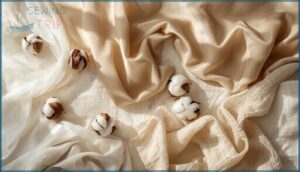
Natural fibers bring softness to your sewing projects while offering breathability and comfort that synthetic materials can’t quite match.
You’ll find these fabrics work beautifully for everything from baby clothes to summer dresses, each with its own texture and drape. Here’s what you need to know about the most popular natural soft fabrics and how they’ll perform in your hands.
Cotton and Organic Cotton
When you want softness you can feel good about, cotton and organic cotton deliver both comfort and conscience. Both are natural fibers spun from Gossypium plants, giving you breathable, hypoallergenic fabric that works beautifully for garments worn close to skin.
Here’s why organic cotton stands out:
- Grown without synthetic pesticides – gentler on your body and the planet
- Uses up to 91% less water under rain-fed conditions
- Maintains softness through repeated washing – your finished pieces stay cozy
You’ll find these sustainable textiles woven into lawn, voile, jersey knits, and flannel, each offering different drape for your sewing projects. Cotton benefits include natural moisture absorption and cool comfort in warm weather, while organic farming practices support healthier soil and reduce chemical runoff. Whether you’re crafting baby clothes or everyday apparel, this eco-friendly fabric guide shows cotton remains the go-to natural fiber for soft, reliable results.
Linen and Its Properties
Linen fiber feels crisp at first but transforms into buttery softness after a few washes—that’s the magic of flax. This natural breathability champion wicks moisture fast and stays cool against your skin, making it perfect for summer garments and home textiles.
| Property | Why It Matters for Sewing |
|---|---|
| Textile strength | Withstands 25% more stress than cotton—your projects last longer |
| Fabric durability | Survives 30,000+ abrasion cycles without pilling |
| Eco friendliness | Grows with minimal water and zero pesticides in many regions |
| Natural fibers structure | Long flax fibers (60-80 cm) create fewer weak points |
| Weaving texture | Visible slubs give a relaxed, rustic look to finished pieces |
You’ll notice linen creases easily because it doesn’t stretch, but that wrinkled charm is part of its appeal. Pre-wash your textile materials to minimize shrinkage (about 3-5%), then press while damp for best results. This fabric guide favorite works beautifully for dresses, tops, and home décor where airflow and durability matter most.
Silk and Its Luxurious Feel
You’ll recognize silk fiber instantly—it glides across your palm like liquid light, cool at first, then warming to your touch. This luxe fabric owes its soft textures to long protein filaments that reflect light like tiny prisms, creating that famous sheen.
In sewing, silk weaving (from 6-momme chiffon to 30-momme charmeuse) delivers unparalleled fabric drape for blouses, scarves, and evening wear where textile materials need to flow, not stiffen.
Wool and Its Softness Variations
Not all wool scratches—fiber diameter makes the difference. Merino wool averages around 21 microns, so it feels gentle against your skin in sweaters and base layers.
Lambswool from first shearings runs even finer, giving you that cozy bounce. Superwash treatments smooth surface scales for less itch, while wool blends with acrylic or polyester dial down prickle and boost easy-care softness for everyday sewing projects.
Hemp for Soft, Sustainable Sewing
Hemp fiber benefits start a bit stiff, but here’s the twist—repeated washing breaks it in beautifully. Think “cotton wears out, hemp wears in.”
Blending hemp with organic cotton or modal gives you soft hemp blends from day one, plus sustainability wins: minimal water, no pesticides, biodegradable fabric. For eco friendly sewing that rivals cotton and linen in comfort, hemp’s natural fabric evolution delivers lasting softness and sustainable fashion credibility.
Synthetic and Semi-Synthetic Soft Fabrics
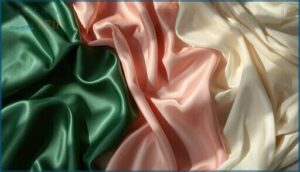
Synthetic and semi-synthetic fabrics offer softness without relying on natural fibers alone. They’re engineered to feel smooth, stretch comfortably, or drape beautifully against your skin.
Here’s what you need to know about the most common soft synthetic options for sewing projects.
Polyester Blends for Softness
Polyester blends combine strength with surprising comfort when you know what to look for. Cotton-polyester mixes deliver a soft fabric feel without sacrificing durability, making them ideal for sewing everyday garments that need both comfort and easy care.
Here’s what influences softness in polyester blends:
- Blend ratios with 60% cotton and 40% polyester fiber feel softer than standard 50-50 mixes
- Microfiber blends use ultra-fine filaments that create smooth, velvety surfaces
- Softening finishes like brushing raise tiny surface fibers for a cozy hand
- Fabric drape improves when narrow polyester filaments replace bulkier natural fibers
- Weaving techniques paired with calendaring transform basic polyester into luxurious-feeling material
These fabric names appear everywhere in sewing and fabric stores—look for terms like “brushed microfiber” or “CVC blend” on bolts to identify the softest options for your projects.
Rayon and Modal Characteristics
Rayon and modal fibers both come from wood pulp, but modal fibers offer outstanding softness and strength. You’ll find rayon challis delivers a silky fabric drape perfect for flowing blouses, while modal holds its shape better through repeated washing.
Both provide remarkable breathability and cool, smooth textures ideal for T-shirts and dresses. Modal’s buttery feel often surpasses standard rayon in sewing projects requiring durability.
Microfiber and Its Uses
Microfiber production creates ultra-fine synthetic fibers, usually polyester blended with polyamide, that feel incredibly smooth yet remain durable for sewing. You’ll recognize microfiber fabric in activewear and lightweight garments because its textile structure wicks moisture beautifully.
While these cleaning products and textiles excel in practical applications, microfiber does release tiny plastic fragments during washing, so consider the environmental impact when choosing fabrics for your projects.
Spandex and Stretch Comfort
When weaving spandex into your sewing projects, you reveal elastic fabrics that move with your body instead of against it.
Stretch recovery is what makes spandex blends essential for comfort wear and athleisure textiles—lycra and elastane snap back to shape after every stretch. You’ll notice this magic in activewear that hugs without binding, giving you freedom whether you’re running errands or hitting the gym.
Popular Soft Fabric Types and Textures
When you’re working on a sewing project, the texture of your fabric matters just as much as its softness. Some fabrics feel plush and cozy, while others have a smooth, brushed surface that’s gentle on the skin.
Here are four popular soft fabric types you’ll come across in sewing, each with its own unique feel and purpose.
Jersey Knit and T-shirt Fabrics
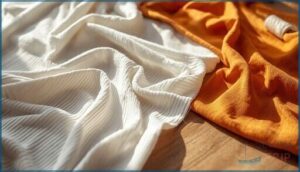
Jersey fabric dominates T-shirt patterns because its single-knit structure loops each stitch into the next, giving you natural stretch and soft drape.
Most jersey combines cotton with a touch of polyester or spandex for stretch recovery, so necklines won’t sag after a few wears. This fabric blending balances comfort with durability, making jersey your go-to for knit structures that move with your body instead of against it.
Fleece and Plush Options
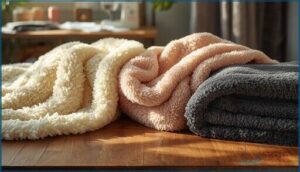
When you’re after cozy warmth without the weight, fleece and plush fabric options deliver. Most fleece types rely on polyester for that signature soft hand, and you’ll find them grouped by weight—100, 200, or 300—so you can match thickness to your project.
Minky fabric and sherpa fleece bring fluffy texture to blankets and hoodies, while microfiber uses keep pilling minimal. Just remember that synthetic insulation means less drape, so plan your patterns accordingly.
Velvet, Velour, and Chenille
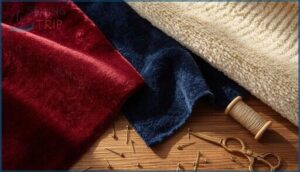
Pile differences set velvet, velour, and chenille apart for sewing. Velvet’s tightly woven short pile creates that sleek, luxurious drape you want for formal garments, while velour’s knit base adds stretch for casual plush fabric projects.
Chenille brings a cozy, textured surface perfect for home décor. Durability factors and sewing challenges vary—velvet slips easily, chenille shifts, so fabric selection and sewing techniques matter for everyday suit-ability.
Brushed Cotton and Flannel
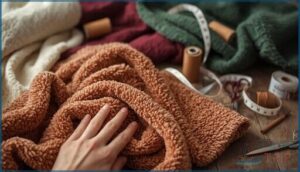
The Brushing Process transforms plain cotton into flannel’s signature warmth by mechanically raising surface fibers, creating a fuzzy nap that feels soft against your skin. This texture traps air for insulation without bulk, making both ideal for cozy sewing projects.
The choice of fabric depends on the desired level of warmth and the specific sewing project.
- Cotton flannel uses medium weight yarns in plain or twill weave for breathable softness
- Brushed cotton shirtings feel lighter than classic flannel, perfect under layers
- Pilling Prevention starts with cold water washing and gentle cycles
- Wool flannel offers greater warmth for well-made coats and trousers
- Fabric selection between brushed and unbrushed depends on your warmth needs and sewing techniques
Both fabrics suit pajamas, quilts, and casual shirts where comfort meets durability.
Choosing The Right Soft Fabric for Projects
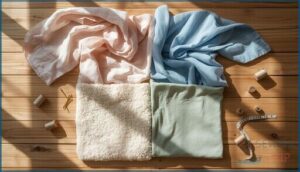
Picking the right soft fabric depends on what you’re actually making—a baby blanket needs different qualities than a summer dress or a cozy throw pillow.
You’ll want to match the fabric’s weight, drape, and stretch to how the finished piece will be used and washed.
Let’s break down the best soft fabric choices for four major project types.
Apparel and Garment Making
When you’re sewing garments, fabric selection shapes everything from comfort to how seams fall. Cotton modal blends give you drape and breathability for dresses, while velvet adds drama to jackets. Silk feels luxurious against skin, perfect for blouses.
Here’s how different soft fabrics work in garment construction:
| Fabric Type | Best Garment Use | Key Benefit |
|---|---|---|
| Cotton Jersey | T-shirts, leggings | Stretch and ease |
| Silk Charmeuse | Blouses, slip dresses | Elegant drape |
| Rayon Challis | Flowing skirts, tops | Soft movement |
Pattern grading and shaping techniques like darts help you achieve professional results with these materials.
Quilting and Embroidery Uses
Quilting and embroidery demand fabrics that won’t shift under your needle. Soft quilting cotton in the 150–190 gsm range keeps stitches even and embroidery crisp.
For batting types, polyester stays lightweight while cotton bamboo blends add drape. Stabilizer selection matters—fusible options like Soft n Sheer prevent puckering during embroidery practice.
Fabric selection and care protect your handwork through countless washes.
Home Décor and Upholstery
Home décor and upholstery fabrics need to balance softness with real-world toughness. You want velvet fabric that feels luxurious yet survives daily use, and fluffy fabric textures that don’t flatten after a few months.
- Fabric durability above 15,000 double rubs withstands kids and pets
- Upholstery cleaning codes (W, S, W/S, X) guide safe maintenance
- Fade resistance ratings protect sunny rooms from color loss
- Fire standards like NFPA 701 meet safety requirements
- Weaving structure affects both comfort and longevity
Match your sewing skills to upholstery weight for lasting home décor projects.
DIY Crafts and Plushies
Plushie fabric choices start with minky plush or faux fur for that irresistible cuddly texture. Safe stuffing like polyester fiberfill washes easily and keeps its bounce.
Seam strength matters—tight stitches prevent splits during play. Embroidered faces work best for baby toys since plastic eyes can detach.
Sherpa fleece adds fluffy fabric dimension to animal manes. Sewing with fluffy fabrics requires patience, but your handmade creation becomes a treasured companion.
Sewing Techniques for Soft Fabrics
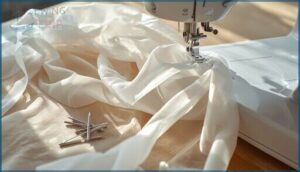
Soft fabrics need a little extra care when you’re sewing them, but the right sewing techniques make all the difference. From picking the correct needle size to choosing stitches that won’t stretch or pucker your work, each decision affects how your finished piece turns out.
Here’s what you need to know to handle soft materials with confidence.
Needle and Thread Selection
Choosing the right needle types and thread weights makes all the difference when sewing soft fabrics. Match your needle size to fabric weight—60/8 to 70/10 needles work beautifully with silk and delicate weaves, while 80/12 suits cotton jersey.
Polyester thread offers reliable stretch, but cotton thread pairs naturally with cotton fabrics for fiber compatibility. Use ballpoint needles for knits and microtex for precise point selection on woven materials.
Stitch Types and Seam Finishes
Once you’ve got your needles and thread sorted, it’s time to think about how you’ll join those soft pieces together. The right seam makes all the difference in comfort and durability.
Here are four seam finishes that work beautifully with soft fabrics:
- Plain Seam Basics – The go-to for cotton, polyester, and most wovens. Sew right sides together, then finish edges with a zig-zag or serger to stop fraying.
- French Seam Benefits – Perfect for silk and sheer materials. This double-stitched technique encloses raw edges completely, so nothing scratches your skin or unravels in the wash.
- Flat Felled Uses – Classic on soft cotton shirts. One seam allowance folds over the other and gets stitched down flat, hiding all raw edges for a clean, strong finish.
- Zigzag and Overlock Finishes – Great for stretchy or delicate fabric names like jersey and rayon. They flex with the material and keep edges neat without a serger.
Match your seam finish to your fabric weight and the look you want inside your garment.
Handling Delicate and Stretchy Materials
Delicate and stretchy fabrics need a gentle hand from start to finish. Fabric preparation matters—wash knits and silks first, then let stretchy cloth rest flat for 24 hours before cutting control begins.
Lower your machine settings, especially presser foot pressure, so fine fabrics don’t snag. Stabilizer use under lightweight materials reinforces seams without adding bulk.
When guiding fabric through, keep your hands flat and feed slowly rather than pulling.
Preventing Puckering and Stretching
Even careful handling won’t help if your machine settings cause problems. Tension control is your first defense—lighten both upper and bobbin threads so cotton or polyester seams lie flat. Presser foot adjustment matters too; reducing pressure stops stretchy spandex from warping.
For stitch optimization:
- Lengthen stitches on wovens
- Slow your sewing speed
- Use tissue paper under delicate fabrics
- Press seams with steam
- Test on scraps first
These steps deliver seam stability and proper fabric relaxation.
Caring for Soft Fabrics After Sewing
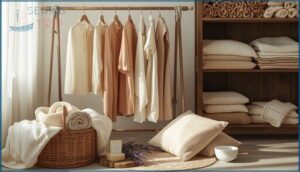
After you’ve finished sewing your soft fabric project, the real work begins—keeping it looking and feeling great.
The way you wash, store, and handle stains can make the difference between a garment that lasts for years and one that loses its softness after a few wears.
Here’s what you need to know to protect your handiwork.
Washing and Drying Best Practices
Washing your soft fabric creations with care means they’ll stay touchably plush wash after wash. Cold Water Washing protects delicate Cotton and woven pieces from shrinking, while a Gentle Cycle reduces friction that damages fibers.
Skip Fabric Softening on flannel—it reduces absorbency. For Drying Techniques and Shrinkage Prevention, air-dry flat or use low heat, pulling items out slightly damp to keep that Fluffy Fabric Care going strong.
Stain Removal Tips
Catching stains early is your best move for Protein Stain Removal and Oil Stain Treatment on your Cotton sewing projects. Quick Fabric Preconditioning with the right product keeps your Fluffy Fabric Care routine simple.
- Blot protein marks with cool water before washing
- Sprinkle cornstarch on oil spots to absorb grease
- Test Color Protection on hidden seams first
- Skip hot water to prevent setting stains permanently
Storing Soft Fabric Garments
After months of work, your soft cotton garments deserve smart Garment Preservation. Folding Techniques and Closet Organization protect what you’ve sewn, while proper Fabric Storage Tips prevent damage from Moisture Control issues in humid spaces.
| Storage Method | Best For |
|---|---|
| Padded hangers | Silk blouses, rayon dresses |
| Folded flat | Heavy knits, wool sweaters |
| Breathable bags | Delicate embellished pieces |
Keep things in cool, dry spots away from sunlight to maintain color and shape.
Common Challenges When Sewing Soft Fabrics
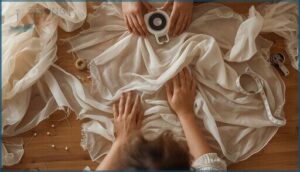
Soft fabrics can be tricky to work with, even if you’ve sewn plenty of other materials before. They slip around on your cutting table, fray at the edges, and sometimes stretch out of shape before you even finish a seam.
Here are the main challenges you’ll face and how to handle them without losing your mind.
Slipping and Shifting Issues
Smooth fabrics like silk or cotton slide against your machine bed, causing fabric slippage that throws off seam alignment. You can fix this by using sewing stabilizers like tissue interfacing underneath—it adds friction and helps feed control stay even.
Pair a fine needle with proper needle tension settings, and test your setup on scraps before tackling your main fabric. Names like charmeuse or sateen signal extra slipperiness, so prepare for weaving challenges ahead.
Fraying and Edge Finishing
Soft fabrics fray when loose threads escape the weave, especially on cotton materials. You can fight fraying with pinking shears for a zigzag edge, or try a zigzag stitch set wide and short to lock fibers down.
Serging wraps thread completely around raw edges for solid seam finishing. Polyester slips more than it breaks, so edge binding or liquid sealers add fray resistance and fabric stabilization fast.
Maintaining Fabric Shape
Shape slips away when soft fabric stretches during handling. Stay stitching inside seam allowances locks curves like necklines before they distort.
Interfacing use adds body to collars and waistbands so they hold structure. Pressing techniques with steam set darts and seams permanently.
Elastane blends need gentle tension control, while lighter fabric weight demands extra care in garment construction to prevent warping through fabric finishing steps.
Top 5 Soft Fabric Products for Sewing
You don’t have to search for soft fabrics on your own when quality options are already tested and ready to buy.
The five products below cover a range of fabric types, from natural fibers to specialty materials, so you can find what fits your next sewing project. Each one offers softness and workability that makes them worth considering for your fabric stash.
1. HOTGODEN Muslin Fabric Material
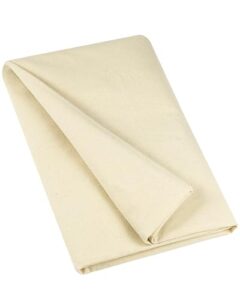
HOTGODEN’s 100% cotton muslin gives you a reliable base for pattern work and simple garments without breaking the bank. You’ll find it sold at 63 inches wide in its unbleached form, which offers plenty of width for cutting large pattern pieces.
The fabric has a smooth finish with a soft touch, though it carries a bit of stiffness that makes draping and fitting easier. Expect to see small cotton seed flecks in the natural version—that’s normal for unbleached muslin and won’t affect your sewing.
| Best For | Sewers and crafters who need affordable, versatile fabric for pattern testing, mockups, backdrops, or simple home décor projects like curtains and aprons. |
|---|---|
| Material Type | Cotton Muslin |
| Primary Use | Pattern Testing & Sewing |
| Form | Cut By Yard |
| Skill Level | All Levels |
| Origin | Not Specified |
| Weight | 1.04 pounds |
| Additional Features |
|
- 100% cotton muslin that’s machine washable and comes in a generous 63-inch width
- Natural unbleached finish with a smooth texture that’s easy to work with for draping and fitting
- Budget-friendly option for a wide range of projects including embroidery, quilting, and garment construction
- Thicker and stiffer than some users expected, which may not work well for projects needing soft, drapey fabric
- Visible cotton seed flecks in the natural fabric and prone to wrinkling
- Not ideal for quilting if you prefer thinner, more flexible materials
2. Ceiourich Pure Mulberry Silk Fabric
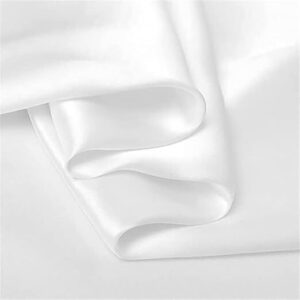
If you’re ready to move beyond cotton draping and into luxury fabric work, Ceiourich’s 100% mulberry silk satin gives you that liquid drape and reflective sheen designers love.
This fabric comes at 16 momme weight in 45-inch widths, making it ideal for bias-cut dresses, bridal wear, and fitted blouses. The satin weave creates a glossy front with a matte back—perfect when you want garments that catch light and move beautifully against skin.
| Best For | Sewers working on formal garments like wedding dresses, evening wear, or lined blouses where drape and sheen matter more than opacity. |
|---|---|
| Material Type | Mulberry Silk |
| Primary Use | Wedding Dressmaking |
| Form | Pre-cuts |
| Skill Level | Intermediate to Advanced |
| Origin | Not Specified |
| Weight | 2.89 ounces |
| Additional Features |
|
- Premium 16 momme silk gives you that professional drape and hand-feel without the luxury fabric price shock
- 45-inch width means less piecing on most dress patterns, and the pre-cut format works well for smaller projects or testing techniques
- Satin weave catches light beautifully on bias cuts while the matte back makes it easier to work with during construction
- Transparency is noticeable, so you’ll need to plan for lining or underlayers in your design
- Pre-cut format limits you if you’re working on larger projects that need continuous yardage
- Silk requires careful handling and pressing—one wrong iron setting and you’ve got permanent damage
3. Realeather Suede Leather Sheet
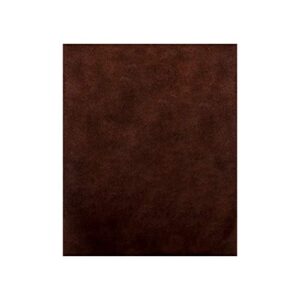
When your sewing calls for something with grip and texture, Realeather suede leather sheets deliver that soft velvety nap you need for cuffs, patches, and bag trim.
These 8.5 by 11-inch cowhide pieces come in colors like chocolate brown and handle beautifully at about 1.2 to 1.6 millimeters thick. You’ll find them easy to cut with scissors or rotary tools, and they sew cleanly on domestic machines with leather needles and polyester thread.
| Best For | Crafters and sewers who need textured leather for patches, bag trim, pouches, or slipper soles where a soft velvety finish matters. |
|---|---|
| Material Type | Suede Leather |
| Primary Use | Leathercraft Projects |
| Form | Pre-cut Sheet |
| Skill Level | All Levels |
| Origin | Made in USA |
| Weight | 7.8 ounces |
| Additional Features |
|
- Pre-dyed suede in multiple colors with a soft, workable texture that’s easy to cut with standard tools
- Lightweight at around 2mm thick, so it sews cleanly on home machines with the right needle and thread
- Made in the USA from durable cowhide that handles well for bags, clothing accents, and leathercraft projects
- Color can vary slightly between sheets due to the organic dyeing process
- Some customers report receiving pieces with cuts, slashes, or other defects
- Quality control issues may limit how much usable material you actually get
4. British 100% Wool Tweed Craft Squares

If you love materials with heritage and heft, British 100% wool tweed craft squares bring a time-honored British tradition right to your worktable.
Each pack offers a random mix of 9-inch squares in genuine tweed—think herringbones, checks, or understated plains, all from pure sheep’s wool. These smaller cuts are sturdy, naturally breathable, and just the thing for patchwork, accessories, or bold appliqué.
Expect some variation in thickness and stretch, but every piece feels substantial and holds stitches remarkably well.
| Best For | Crafters who want authentic British tweed for small projects like patchwork, appliqué, or handmade accessories and don’t mind working with a random fabric selection. |
|---|---|
| Material Type | Pure Wool Tweed |
| Primary Use | Small Craft Items |
| Form | Precut Pack |
| Skill Level | All Levels |
| Origin | Made in Great Britain |
| Weight | 6.4 ounces |
| Additional Features |
|
- Genuine 100% wool tweed from English and Scottish weavers with quality heritage craftsmanship
- Generous 9×9 inch squares work well for accessories, phone covers, purses, and other small creations
- Natural breathability and substantial feel that holds stitches beautifully
- Random selection means you can’t control which colors or patterns you receive
- Thickness and stretch vary between pieces, which can complicate some projects
- May include fabrics that don’t suit your specific style or color preferences
5. Claire Shaeffer Fabric Sewing Guide
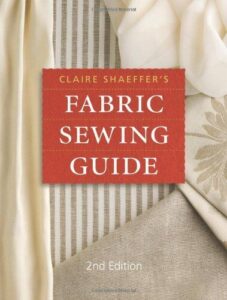
When you’re piecing together unfamiliar textiles or stretchy knits, Claire Shaeffer’s Fabric Sewing Guide works like a personal textile mentor at your elbow.
This 525-page reference covers virtually every garment fabric—cottons, silks, jerseys, fleece—with detailed charts matching needles to fabric weight and step-by-step illustrations for seams, hems, and edge finishes. Available in paperback or PDF, it’s the one-stop encyclopedia sewists reach for whenever a new bolt of soft fabric lands on their cutting table.
| Best For | Sewists of all skill levels who work with diverse fabrics and want a reliable reference for matching techniques, needles, and finishes to each material. |
|---|---|
| Material Type | Reference Book |
| Primary Use | Sewing Education |
| Form | Printed Book |
| Skill Level | All Levels |
| Origin | USA Published |
| Weight | 4 pounds |
| Additional Features |
|
- Covers an impressive range of fabrics from everyday cottons to specialty materials like knits and fleece, with detailed charts and illustrations for each
- Well-organized with color-coded sections and a comprehensive index that makes finding specific information quick and easy
- Serves as a long-term investment guide that helps you make better decisions about fabric selection and construction methods
- The physical book is heavy and bulky at 4 pounds, making it awkward to keep open at your sewing table
- The massive amount of information can feel overwhelming if you’re just looking for a quick answer
- Published in 2008, so some techniques and product recommendations may not reflect current sewing innovations
Creative Project Ideas With Soft Fabrics
Once you’ve worked with soft fabrics and understand their properties, you’ll want to put them to use in real projects.
Soft materials work beautifully for items that need to feel gentle against skin or create a cozy atmosphere in your home. Here are four creative ways to make the most of these comfortable fabrics in your sewing.
Soft Clothing for Babies and Kids
When you’re stitching garments for little ones, baby skin health and infant clothing comfort come first. Organic cotton and bamboo fabrics stay gentle against delicate skin while meeting children’s wear safety standards.
You’ll want to keep in mind:
- GOTS certified fabrics to avoid harsh soft fabric dyes
- Breathable cotton for everyday kids fashion trends
- Snug fitting pajamas that balance safety with softness
These fluffy fabric choices keep sewing projects both safe and cozy.
Cozy Blankets and Throws
A throw draped over your couch starts with fabric choices like Sherpa Fleece, Cotton, or Polyester for Cozy Textures and Fabric Durability.
Standard Throw Sizes around 50 by 60 inches work well for sewing lap blankets, while Winter Accessories need Fluffy Fabric that traps warmth.
Choose Blanket Materials that suit your weaving or simple hemming skills for lasting comfort.
Decorative Pillows and Home Accents
You can transform any room by sewing decorative pillows with soft Cotton, crisp Linen, or plush Velvet that showcase Fabric Textures your guests notice immediately.
Standard Pillow Sizes like 18 by 18 inches suit most sofas, while Accent Colors in your covers tie together Home Decor elements.
Pair quality Pillow Fillings such as down or polyester fiberfill with your chosen fabric for a polished, inviting finish.
Plush Toys and Stuffed Animals
Sewing your own plush toys lets you control Plush Toy Safety from fabric choice to final stitch, creating Stuffed Animal Design that holds up to years of hugs. Focus on these essentials:
- Soft Fabric Selection: Polyester plush resists matting and washes easily, while Faux Fur and Sherpa Fleece add texture.
- Construction basics: The Toy Manufacturing Process uses lockstitch seams and polyester fiberfill for consistent density.
- Finishing touches: Sewing with Fluffy Fabrics requires steaming to fluff crushed pile after stuffing.
- Plush Care Tips: Machine wash in cold water inside a pillowcase to protect seams and details.
Frequently Asked Questions (FAQs)
What are some soft fabrics?
Imagine wrapping yourself in a soft cloud—that’s the promise of soft fabrics. Cotton, silk, velvet, jersey, and linen lead the lineup.
These gentle fibers, plush materials, and smooth fabrics transform your projects into touchable comfort.
What is buttery soft fabric called?
Buttery soft fabric is the name for materials with exceptionally smooth, supple texture and fluid drape, like brushed polyester, modal, bamboo jersey, or high-quality cotton sateen that feels silky against your skin.
What is the smoothest softest fabric?
Like velvet on glass, silk reigns as the smoothest softest fabric.
Its triangular filaments create unparalleled fabric smoothness through silk production, surpassing cotton, linen, jersey, and soft fiber blends in natural fiber comparison and textile finishing.
Can you dye soft fabrics at home safely?
You can dye cotton, silk, and rayon safely at home with proper ventilation, rubber gloves, and dedicated dye pots.
Fabric preparation and dye fixatives improve colorfastness, while polyester needs special disperse dyes for even results.
Do soft fabrics shrink more than other types?
Soft fabrics don’t automatically shrink more, but fabric shrinkage depends on fiber type and construction.
Cotton and rayon shrink substantially, while polyester stays stable—consider these sewing considerations when selecting material for your projects.
Which soft fabrics work best for beginners?
Cotton poplin, quilting cotton, and medium-weight flannel work best for beginners.
These stable fabrics feed smoothly through machines, hold their shape, and don’t slip or stretch excessively while you’re learning basic sewing techniques.
How do you press soft fabrics without damage?
Too much heat can ruin delicate fibers in seconds.
Press soft fabrics safely by lowering your iron temperature to 230°F, using a pressing cloth for fabric protection, and choosing gentle steaming methods over direct contact.
Are there waterproof soft fabrics for outdoor projects?
Yes, you can find waterproof soft fabrics like polyurethane laminate, softshell technology, and laminated cotton that combine moisture management with breathable textiles.
These outdoor fabrics work beautifully for bags, cushions, and weather-resistant sewing projects.
Conclusion
Your fabric choices can make or break a project—literally. The right soft fabric types sewing selection transforms ordinary stitches into something you’ll want to touch again and again.
Whether you’re drawn to cotton’s comfort, silk’s drape, or fleece’s warmth, you now have the technical knowledge and practical techniques to handle each material with confidence. Pick your fabric, thread your needle, and create something that feels as good as it looks.
- https://www.organicfabriccompany.com/blogs/blog/a-beginner-s-guide-to-fabric-types-materials-choosing-the-best-for-your-sewing-projects
- https://www.thecreativecurator.com/types-of-fabrics-for-those-who-sew/
- https://dressfresh.com/blogs/the-fresh-guide/the-cotton-modal-care-guide
- https://www.blackbirdfabrics.com/en-us/blogs/resources/the-five-best-fabrics-for-beginners-start-learning-with-these-easy-to-sew-fabrics
- https://tegmade.com/resources/sewing-tips-for-delicate-fabrics/