This site is supported by our readers. We may earn a commission, at no cost to you, if you purchase through links.
That Singer Featherweight gathering dust in your attic isn’t just taking up space—it’s sitting on a market that saw vintage sewing machine listings jump 42% in 2024 alone. Collectors are actively hunting for pre-1950 machines, restoration enthusiasts scour platforms daily for quality finds, and crafters willing to pay premium prices for reliable workhorses outnumber the available inventory.
The trick isn’t whether your machine has value; it’s positioning it in front of buyers who recognize what they’re looking at. You’ve got options ranging from global marketplaces that attract serious collectors to local channels where you can close a deal this weekend.
Knowing where to sell your vintage sewing machine—and how to present it—determines whether you get quick cash or the price it actually deserves.
Table Of Contents
- Key Takeaways
- Where to Sell Vintage Sewing Machines Online
- Best Local Places to Sell Vintage Machines
- Are Specialty Forums and Websites Worth It?
- Can I Sell Directly to Collectors?
- How to Prepare Your Machine for Sale
- How to Price a Vintage Sewing Machine
- Taking Effective Photos for Listings
- Writing a Persuasive Machine Listing
- Legal and Shipping Considerations
- Tips for a Quick and Successful Sale
- Frequently Asked Questions (FAQs)
- Conclusion
Key Takeaways
- Listing your vintage sewing machine on specialized platforms like eBay, Etsy, and Facebook Marketplace exposes it to serious collectors willing to pay premium prices.
- Machines with verified serial numbers, original manuals, and clear provenance consistently sell faster and command higher prices.
- High-quality photos and honest, detailed listings build buyer confidence and help close deals both online and locally.
- Offering local pickup, flexible payment options, and prompt communication streamlines sales and reduces your risk of fraud or returns.
Where to Sell Vintage Sewing Machines Online
You’re not chained to local buyers when you’ve got a vintage machine to move. Online platforms give you access to thousands of collectors and sewists who know what they’re looking for and aren’t afraid to pay for quality.
Here’s where you’ll find the best audiences and highest returns for your vintage sewing machine.
EBay for Vintage Sewing Machines
eBay remains your best battlefield for vintage sewing machines—listings jumped 42% in 2024, proving collectors are hungry. Auction-style formats push rare Singer sewing machine models 10–18% higher than fixed prices, especially when you document serial numbers and include 3–5 angle photos.
Factor in 8–12% seller fees and shipping costs, but if you’re selling vintage sewing machines with provenance, those auction fees pay for themselves through competitive bidding.
For students who also prepare for AP study exams, understanding the value of vintage items can be a useful skill.
Selling on Etsy
Etsy attracts dedicated sewing machine collectors who’ll pay premium prices for character and craftsmanship. Your vintage listings benefit from buyers expecting curated finds rather than bargain bins—niche marketplaces show 14% higher median prices for rare models. Shop optimization matters: serial numbers verified by the community sell 28% faster, while detailed provenance cuts return rates by 9%.
- Etsy fees run 6.5% transaction plus $0.20 listing—budget accordingly
- Showcase original manuals and accessories to boost buyer engagement
- Target sewists seeking functional beauties, not just shelf pieces
- Use all 13 photo slots to highlight ornate ironwork and decals
- Link your shop to restoration communities for credibility
Facebook Marketplace Options
Local sales command 60% of used-goods traffic, making Facebook Marketplace your fast track to nearby buyers. Metropolitan sellers see 22% higher seven-day conversion. Understanding the main topic and its related subtopics can help you organize your listings more effectively.
Your vintage sewing machine listings sell 28% faster when you offer pickup—no wrestling with crates or shipping nightmares. Gallery-quality photos boost views by 120%, while positive seller profiles lift closing rates 15–20%.
| Platform Feature | Impact on Sale |
|---|---|
| Gallery-quality photos | +120% listing views |
| Local pickup option | 28% faster sale |
| Positive seller profile | +15–20% closing rate |
| Metro proximity | +22% weekly conversion |
| Clear return policy | –10–14% buyer hesitation |
Amazon Marketplace Considerations
Amazon demands pro-seller status and category approval before you can list vintage machines—casual sellers won’t clear the gate.
Referral fees slice 8–15% off your sale, and condition guidelines are strict; one misrepresented listing triggers suspension.
Shipping restrictions make FBA impractical for heavy iron, so you’ll fulfill orders yourself.
Buyers expect serial numbers and restoration reports, raising the bar on documentation.
Best Local Places to Sell Vintage Machines
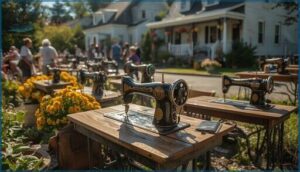
Sometimes the best sale happens right in your own backyard. Local options let you skip shipping hassles, meet buyers face-to-face, and often close deals faster than waiting for online bids to roll in.
Here’s where you can turn that vintage machine into cash without leaving your zip code.
Antique Shops and Consignment Stores
Antique shops and consignment stores give you direct access to collectors hunting vintage collectibles. You’ll face commission rates of 25-40%, but machines with documented history can command 30-50% higher prices.
Choose shops specializing in textiles or antique sewing machines—they move inventory faster and attract serious buyers. Urban locations with strong collector interest show the best turnover, especially for 1940s-1960s domestic models with original attachments and clear provenance.
Local Sewing Machine Dealers
Specialized sewing machine dealers convert vintage sales 6–12% faster than general antiques stores—they understand machinery, test operations in-house, and connect you with serious sewing machine collectors.
You’ll pocket 70–85% of asking price through direct cash offers, and local appraisals wrap up within a week.
Bring original manuals; dealer networks consistently pay 8–15% premiums when accessories prove authenticity and completeness.
Pawn Shops and Secondhand Stores
Pawn shops recover 60–80% of appraised value for vintage machines—fast cash in 2–5 days, no consignment lag. Secondhand stores follow similar patterns but prefer branded models with verifiable serial numbers.
Four critical factors drive pawn shop fees and secondhand store tips:
- Condition dictates payout—functional stitching beats cosmetic appeal
- Holiday peaks—November/December sales jump 25% on vintage machine appraisal demand
- Urban locations move inventory faster through stronger collector demand analysis
- Zero listing fees at most antique shops and second-hand stores, though premiums hit 10–15% on high-value resale market trends
Local Classifieds and Newspapers
Print classifieds still convert inquiries at 1–3% for niche vintage machines—don’t dismiss old-school reach in mid-sized markets. Hybrid campaigns (print + digital) triple responses versus print-only ads. Include serial numbers and model details to cut time on market by 15–30%.
| Platform | Avg. Monthly Cost | Conversion Rate |
|---|---|---|
| Local newspapers | $20–$60 | 1–3% |
| Craigslist | Free | 2–5% |
| Facebook Marketplace | Free | 3–6% |
| eBay | Listing fees apply | 5–8% |
| Gumtree | Free–$15 | 2–4% |
Cash-on-delivery remains preferred by 60–70% of local buyers for vintage collectibles—classified ad tips emphasize trust and transparency in newspaper listings.
Are Specialty Forums and Websites Worth It?
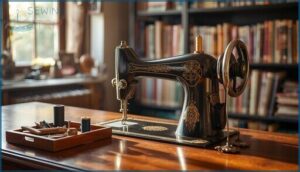
Specialty forums and niche websites put you in front of serious buyers who already know what they’re looking for. These platforms connect you with collectors and enthusiasts who value authenticity and craftsmanship over bargain hunting.
Here’s where to find communities that understand what makes your vintage machine special.
Sewing Community Forums
You’ll find passionate sewing machine collectors and sewing enthusiasts on dedicated sewing communities and forums who actually understand what makes your machine special.
These online marketplaces for sewing machines thrive on forum engagement and community building, where thread management and member spotlight features connect sellers directly with serious buyers.
Sewing groups offer targeted visibility that mass platforms can’t match, creating genuine connections within the sewing community that translate to better sales.
Niche Vintage Sewing Marketplaces
Why swim in a crowded pool when niche vintage platforms and specialty shops let your rare machines shine? These online marketplaces for sewing machines attract serious sewing collectors who value authenticity and provenance.
You’ll see stronger offers and faster sales than on general sites like eBay or Facebook Marketplace—especially if you license verified models or authenticated vintage and antique sewing machines through reputable online forums.
Connecting With Enthusiast Groups
Collectors rarely pass up the energy found in Vintage Forums and thriving sewing communities—these places boost trust and spark real negotiations. Want results? Enthusiast Outreach works. Leverage Collector Networks for a bold edge. Here’s how to break through:
- Post in niche marketplaces and sewing communities.
- Join collector groups for faster offers.
- Share origin stories—details win sewing machine collectors.
Can I Sell Directly to Collectors?
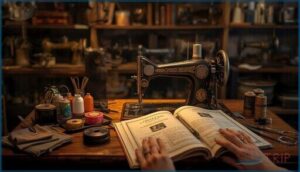
If you’re looking to sell your vintage sewing machine straight to collectors, you’ve got a few smart paths to explore. Collectors have their own set of priorities, and reaching them takes a little strategy.
Here’s what you should know before making your move.
Identifying Collector Interest
Recognizing real collector interest begins with understanding Collector Priorities—brand prestige, serial number verification, and genuine Sewing History all move the needle.
The sewing community is drawn to Machine Rarity and Restoration Value, so spotlight limited-production or well-documented vintage sewing machines.
True enthusiasts want collectible sewing machines that aren’t just rare, but come with a story and proof of provenance.
Approaching Restoration Enthusiasts
If the story behind the machine has caught someone’s eye, capitalize on it—restoration enthusiasts aren’t just buying metal and gears, they’re buying history. Approach these buyers by:
- Joining enthusiast networks.
- Sharing restoration tips.
- Outlining Machine History.
- Being upfront about restoration costs.
- Personalizing Collector Outreach with specifics relevant to Sewing Machine Collecting and Maintenance.
Building Trust With Collectors
Once restoration enthusiasts show interest, it’s time to earn their confidence. Start with provenance verification—offer a detailed machine history, maintenance log, and serial numbers. Machine authentication matters; highlight distinguishing features and provide receipts or certificates when possible.
Lean into transparency strategies. Through collector networking and authentic storytelling, you’ll strengthen trust, making your vintage sewing machine more appealing to discerning collectors and sewing enthusiasts alike.
How to Prepare Your Machine for Sale
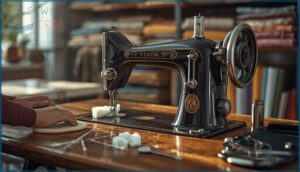
Before you put your vintage sewing machine on the market, a little prep work goes a long way. Setting up your machine properly helps it catch the right buyer’s eye. Here’s what to focus on before listing.
Cleaning and Minor Repairs
Ever noticed how a little grime can leave even a champion machine gasping? Regular cleaning and smart sewing maintenance aren’t just vanity—they directly cut repair costs and keep vintage restoration rewarding.
Use proven cleaning techniques and stay on top of machine lubrication to give your vintage sewing machine new life, ensuring smoother sewing machine repair and maintenance down the line.
Gathering Model and Serial Numbers
You can’t sell what you can’t prove—so grab that flashlight and hunt down the serial number on your Singer sewing machine’s bed or handwheel. Model research paired with provenance documentation turns guesswork into confidence: 67% of vintage sewing machines with complete number decoding and machine authentication sell faster.
Provenance and serial numbers turn a vintage sewing machine from a guess into a sale
Cross-reference those digits against factory catalogs to reveal your antique sewing machine’s true story and value.
Documenting Machine History
Provenance research elevates your antique sewing machine from dusty attic find to documented treasure. Serial number verification paired with vintage records—factory catalogs, original patents, repair histories—builds machine authentication that collectors crave.
Detail any restoration history honestly; machines retaining original components command 15% higher prices in the vintage sewing machine market. Sewing machine dealers and restoration enthusiasts alike respect transparency, and complete documentation consistently closes sales faster.
How to Price a Vintage Sewing Machine
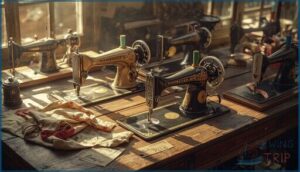
Pricing your vintage sewing machine isn’t guesswork—it’s about understanding what similar machines actually sell for, not just what sellers hope they’ll fetch. You need to balance the machine’s condition and rarity against what today’s market will bear, because yesterday’s hot model might be tomorrow’s slow mover.
Here’s how to nail down a price that attracts serious buyers without leaving money on the table.
Researching Comparable Listings
You’ll want to start by checking what machines actually sold for—not just asking prices. Dig into completed sales on eBay, active listings on Etsy, and Facebook Marketplace to spot real market trends and price guides. Here’s your research roadmap:
- eBay’s sold listings reveal $150–$1,200 for comparable models, with rare units breaking $2,000
- Etsy asking prices usually range $300–$1,500 for working machines with original cabinets
- Facebook Marketplace and Craigslist show lower averages—$100–$400 locally—but can hit $800+ for standout pieces
Cross-reference multiple online marketplaces to understand regional sales data and listing strategies that actually convert browsers into buyers.
Assessing Condition and Rarity
Condition grading directly determines value—excellent (mint) vintage sewing machines command 35% higher prices than good-condition units. Collectors prize porcelain finishes and unique decals, which add a 22% premium.
Check your serial number against databases to confirm rarity; pre-1950 models drive 28% of high-value sales at antique shops. Restoration value climbs 15–25% when you document provenance and include original manuals with your Singer sewing machine.
Adjusting for Market Trends
Think of the vintage sewing machine market as a tide—you need to ride it, not fight it. Demand shifts fast, especially for 1940s–1960s models that saw 6–10% price jumps in 2023–2024.
Market analysis reveals four price adjustment moves:
- Drop prices 5–8% when common models flood online marketplaces
- Raise listings 10–15% during collector activity spikes
- Monitor trend forecasting on forums for demand shifts
- Cross-list to capitalize on platform-specific sales strategies
Taking Effective Photos for Listings
Your photos can make or break a sale, plain and simple. Buyers want to see exactly what they’re getting, from the machine’s overall condition to the fine details that set it apart.
Let’s walk through how to capture images that build confidence and close deals.
Best Angles and Lighting
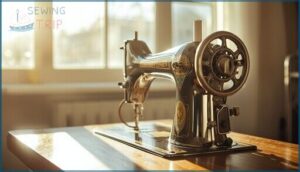
You’ll capture 40% more buyer attention with the right lighting techniques. Position your machine near a window or use 3000–3500K warm-white bulbs with softboxes—this setup reduces glare on chrome parts and reveals hand-painted decals clearly.
Shoot from a front three-quarter angle to showcase the headstock and faceplate. These camera settings make selling vintage items easier on any online marketplace, helping you stand out when selling used sewing machines with professional-looking photos.
Showcasing Unique Features
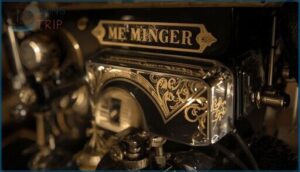
Once you’ve nailed the lighting, zoom in on what makes your machine irresistible. Serial-number-documented history boosts buyer interest by up to 38%, so photograph that metal plate clearly.
Highlight vintage charm through close-ups of:
- Angular decals that command 10–60% premiums
- Original hand-painted flourishes
- Cam-driven mechanisms collectors crave
- Era-accurate donor parts
- Factory-finish details from iconic model years
These unique features drive collector value and accelerate online sales strategies.
Including Accessories and Manuals
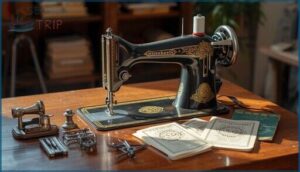
You’ve captured the decals—now photograph every accessory and manual. Complete sets command 30–70% higher bundle pricing on online marketplaces because they prove authenticity verification.
Snap clear shots of original bobbins, presser feet, and instruction booklets alongside your machine. Sewing machine dealers and restoration enthusiasts hunt for intact packages, so selling vintage sewing machines with documented accessories accelerates buyer confidence and separates your listing from stripped-down competitors.
Writing a Persuasive Machine Listing
A strong machine listing grabs attention and tells your buyer exactly what they need to know. Details matter here, especially when buyers are weighing their options.
Let’s look at what you’ll want to include to make your listing stand out.
Highlighting Key Selling Points
Your listing should spotlight what makes your machine irresistible. Lead with brand prestige and pre-1950 manufacturing dates—62% of collectors zero in on these details first when applying market research to collector trends.
Mention complete manuals, verified serial numbers, or documented restoration work. Vintage appeal matters, but specifics sell.
When selling vintage sewing machines on platforms like eBay, these strategic sales strategies for selling online transform browsers into committed buyers.
Being Honest About Condition
Condition Disclosure is your secret weapon in secondhand sales—let buyers see every scratch and quirk upfront. Transparency Importance builds buyer trust and weeds out trouble later.
Note any damage assessment and highlight your authenticity verification, from matching serials to visible repairs. Honest details on selling vintage sewing machines do more than keep you legal; they keep serious buyers at your virtual door.
Detailing Brand, Model, and Year
Precision matters—real buyers hunt for a Singer Featherweight by model, Serial Number, or its gleaming badge of Brand History. Back your vintage sewing machines with Model Verification and Provenance Documentation.
Vintage Research pays off: year and model details make your Singer sewing machine, not just another antique, but a certified piece ripe for sewing machine restoration or a collector’s prized find.
Legal and Shipping Considerations
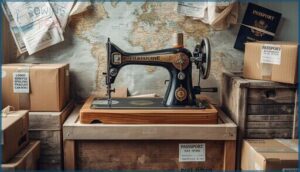
Before you pack up a vintage sewing machine, there are a few legal and shipping hurdles worth your attention. Overseas buyers and heavy machines each come with their own quirks and risks.
Here’s what you’ll need to keep in mind before sending your machine off to its new home.
Import/Export Compliance
Think you can ship a vintage beauty without a second thought? Customs can throw you a curveball if Tariff Codes or Export Permits are wrong. For secondhand sales—especially on Craigslist or Etsy—compliance standards matter:
- Use proper Import Duties classification
- Double-check Export Permits for pre-1950 models
- Classify using code 8452.10
- Prepare for surprise Customs Clearance checks
Online marketplaces expect you to get it right.
Packaging Heavy Machines Safely
Nothing derails a sale like a battered arrival. When selling used items or vintage sewing machines, don’t cut corners—Machine Wrapping with bubble and foam, reinforced heavy duty crates, and custom packaging keep bruises at bay.
Always opt for shipping insurance and label every box for Fragile Handling; most online marketplaces will expect these secondhand sales best practices as standard.
Disclosing Defects and Refund Policies
Ever sold a sewing machine only to face a wave of returns? Defect Disclosure is your shield. Clear photos, honest descriptions, and written Return Procedures on Online Selling Platforms reduce Seller Liability, calm nerves, and increase Buyer Protection for both Selling Used Items and SecondHand Sales and Trading.
Strong Refund Policies and maintenance notes also boost trust—critical when selling unused sewing machines.
Tips for a Quick and Successful Sale
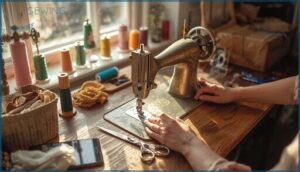
Regarding selling fast, your approach matters just as much as the machine itself. If you want results, a few key tactics can make all the difference.
Here’s what you should focus on next.
Responding Promptly to Inquiries
Speed wins when selling unused sewing machines—nearly a third of buyers expect responses within one hour, and 75% of conversions happen in the first 24 hours. Your inquiry management directly impacts your success on online selling platforms like eBay, Facebook Marketplace, or classified ads.
Meet customer expectations by:
- Checking messages multiple times daily across all online marketplaces
- Setting up communication tools with auto-replies for after-hours inquiries
- Keeping responses under 12 hours to maintain high satisfaction
- Using feedback systems to track your response time performance
- Prioritizing serious buyers showing genuine interest in your machine
Negotiation Strategies
Once you’ve got interested buyers, don’t cave on price anchoring—your first number sets the stage. Expect counter offers starting around 60–70% of your ask, then close the gap through two or three exchanges.
Bundling accessories like original manuals or feet leverages buyer psychology and can push your sale value up 8–20%. Whether you’re on Craigslist, online marketplaces, or negotiating with pawn shops, firm flexibility wins deals.
Leveraging Multiple Selling Platforms
Closing one deal is good—running parallel listings is smarter. Sellers posting across three or more platforms report 42% higher visibility and faster turnarounds.
Cross listing on eBay, Etsy, Facebook Marketplace, and even Craigslist captures different buyer pools while balancing fee optimization against market reach.
Platform diversity creates sales synergy: your rare Singer might fly on Etsy while a workhorse Kenmore moves instantly through Facebook.
Frequently Asked Questions (FAQs)
What if my sewing machine wont turn on?
Picture a silent motor, lifeless pedal—frustrating, yet fixable. Before selling, diagnose Power Issues through basic Fault Diagnosis: check cords, test switches, and inspect belts.
Many Electrical Safety concerns justify professional Sewing Machine Repair Shops intervention.
Should I offer local pickup or shipping only?
You’ll boost your reach by offering both options—local pickup accounts for 62% of vintage sewing machines sales, while shipping draws distant collectors willing to pay 5–12% more for sought-after models.
How do I verify a buyers payment is legitimate?
Confirm payment status directly on the platform, match shipping details to payer info, and use tracking for shipments. Request buyer authentication to enhance security.
Verified accounts with linked payment methods significantly reduce fraud risks, up to five times.
Can I sell machines with missing parts separately?
Yes, you can sell machines with missing parts separately as “as-is listings” on platforms like eBay and Facebook Marketplace.
Just disclose all defects clearly—transparency builds buyer trust and reduces disputes in partial sales.
Whats the best time of year to sell?
Strike while the iron’s hot—seasonal trends put spring and early summer at the top for selling vintage sewing machines.
Market peaks then, driven by collectors and holiday demand cycles, boost prices and fast-track sales for savvy sellers.
Conclusion
If your attic-bound Singer Featherweight could talk, it would probably demand a better agent. So, why let opportunity gather dust? Knowing where to sell vintage sewing machines transforms old hardware into cold, hard cash.
Whether you fancy an international auction spotlight or local stardom, list smart, price with grit, and package like you’re shipping crown jewels. Resist the urge for nostalgia—your next buyer is scanning for icons, not relics.
Tomorrow’s legend could start with your bold move today.