This site is supported by our readers. We may earn a commission, at no cost to you, if you purchase through links.
Your scissors are poised, your fabric is pressed, but staring at a blank pattern piece can feel like facing an empty canvas with no muse in sight. Sewing pattern design inspiration doesn’t arrive on command—it sneaks up on you in a gallery corridor, hides in the pleats of a 1940s dress at an estate sale, or flashes across your Instagram feed at 2 AM.
The best designers know that groundbreaking ideas rarely come from other sewing patterns. They come from architecture’s clean lines, runway silhouettes that challenge proportion, global textiles with stories woven into every thread, and the rebellious urge to break rules you didn’t even know existed.
Whether you’re sketching your first original design or reinventing a classic shape, inspiration lives everywhere once you train your eye to capture it.
Table Of Contents
Key Takeaways
- The strongest pattern inspiration comes from cross-pollinating unexpected sources—architecture, global textiles, runway silhouettes, and vintage construction techniques—rather than copying other sewing patterns.
- Digital platforms drive 72% of pattern discoveries through Instagram and Pinterest, while independent creators are reshaping the market with affordable downloads ($8–$14) and direct community connection.
- Sustainable and customizable patterns can cut fabric waste by up to 22% through zero-waste techniques and modular designs, reflecting the growing slow fashion movement.
- Size inclusivity has become non-negotiable, with 68% of brands now offering patterns to size 60 and 52% of sewists prioritizing extended sizing options when selecting patterns.
Sources of Sewing Pattern Design Inspiration
Inspiration for sewing patterns can come from almost anywhere if you know where to look. The best designers pull ideas from multiple sources, mixing the unexpected with the familiar to create something fresh.
Here’s where you’ll find the richest creative fuel for your next project.
Fashion Runways and Seasonal Trends
Runway analysis reveals that high-fashion silhouettes take about twelve months to hit mainstream retail, but you don’t have to wait. Watch London Fashion Week and major runway collections for style evolution cues—oversized fits jumped 15–25% recently, while seasonal colour trends shifted from bold hues to muted tones and back.
Fashion forecast reports and trend reporting give you the blueprint. Translate those looks into your own creations before they’re everywhere.
Nature, Art, and Architecture
Step away from the catwalk and look around you. Nature’s botanical prints, the hard edges of architectural details, even abstract artistic textures—these are your secret weapons for pattern design.
Sixty-two percent of contemporary patterns borrow from organic forms, merging eco-friendly thinking with creative expression. Geometric patterns inspired by Brutalism or hand-drawn motifs turn fabric arts into wearable rebellion.
Your sewing inspiration lives everywhere.
Historical and Vintage Styles
Turn your gaze backward—vintage sewing patterns from the 1940s and ’50s are staging a comeback, fueling retro fashion with authentic garment construction techniques. Think bias-cut gowns, structured princess seams, and era-inspired details like bound buttonholes.
Historical patterns offer more than nostalgia; they’re blueprints for mastering fabric arts and sewing techniques that modern designs often gloss over. Your next project deserves that antique textiles edge.
Cultural and Global Influences
Heritage patterns from around the globe are reshaping fashion trends—68% of designers now weave non-Western textile motifs into their collections. You’ll find ethnic embroidery and indigenous designs bringing fresh energy to traditional crafts. This cultural exchange isn’t just about aesthetics:
- UNESCO-recognized techniques influence 31% of mainstream European and North American pattern lines
- Traditional craft techniques surged 42% at global fashion weeks since 2018
- Regional embroidery styles distinguish 57% of independent pattern makers
- Diverse model casting correlates with culturally inspired silhouettes in 62% of brand lookbooks
It’s sustainable fashion practices meeting authentic global textiles.
Social Media and Online Communities
Your digital tribe is waiting. Instagram and Pinterest fuel 72% of pattern discoveries—scroll, save, repeat. Online forums spark pattern swaps that push beginners to experiment 44% more, while TikTok demos under 60 seconds rack up 4.5x higher completion rates. Sewing blogs and influencer marketing drive monthly purchases for 38% of newsletter subscribers, turning inspiration into action.
| Platform | Impact Metric | What It Means for You |
|---|---|---|
| Instagram/Pinterest | 72% discover patterns here | Your go-to visual inspiration vault |
| TikTok | 4.5x completion on short demos | Quick skills, fast wins |
| Facebook Groups | 25% higher pattern swaps | Trade, learn, connect with your crafting community |
| Sewing Blogs | 38% monthly purchases | Deep dives fuel committed making |
Digital workshops and community engagement transform solo projects into shared journeys. You’re not just sewing—you’re weaving into a global crafting community where social sharing amplifies every stitch.
Creative Pattern Ideas for Fashion
Fashion is where your creativity gets to run wild—and the right pattern can turn a simple idea into something you’ll actually want to wear. Whether you’re drawn to clean, timeless shapes or bold, functional details, there’s a world of possibilities waiting in your fabric stash.
Here are some fresh directions to spark your next project.
Modern Takes on Classic Silhouettes
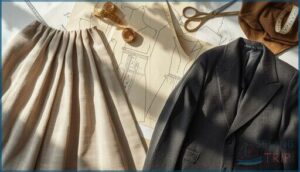
You can blend retro revival with modern aesthetics by drawing from mid-century waist-emphasized shapes—28% of designers integrated these into contemporary blocks last year. Classic cuts like A-line skirts now feature updated fabrics, driving a 12% surge in downloads.
Fashion evolution thrives when you layer menswear-inspired blazers over relaxed silhouettes, transforming traditional garment construction into fresh, wearable statements that honor pattern making’s roots while embracing today’s fashion trends.
Utility and Cargo-Inspired Designs

Cargo pockets and reinforced seams bring street-smart edge to your sewing patterns—62% of utility garments now pack multiple storage solutions for urban life.
You’ll find technical fabrics like ripstop nylon elevating garment construction, while modular designs let you swap out pouches or zip-off panels.
Functional details such as bartack stitching and heavy-duty hardware transform textile design into wearable rebellion, merging fashion design with real-world grit.
Tie-Neck Tops and Statement Details
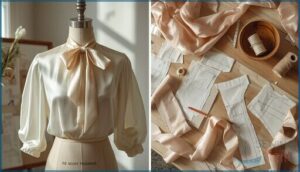
Tie-neck trends inject drama into your neckline designs—searches spiked 48% recently, and for good reason. You can create soft bows or asymmetric knots using lightweight fabrics like silk or rayon, mastering sewing techniques that demand bias-cut ties to minimize stretch.
Statement sleeves pair beautifully here, while varied tie lengths boost pattern appeal by 38%. Garment construction gets elevated when textile design meets deliberate detail.
Customizing Patterns for Personal Style
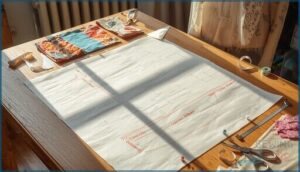
You’re not stuck with a pattern’s first draft—62% of sewists tweak at least one piece for better fit. Pattern alteration lets you adjust darts, swap necklines, or add pockets that match your vibe.
Try fit guides and sewing techniques like muslins to test changes before cutting your custom fabrics. It’s pure style expression, transforming standard sewing patterns into something unmistakably yours.
Sewing Pattern Inspiration for Home Décor

Your home is your canvas, and sewing patterns can help you transform every room into something that feels uniquely yours. From cozy textiles to functional storage pieces, the right projects bring warmth and personality to your space. Here’s where to focus your creative energy when you’re ready to refresh your home décor.
DIY Cushion Covers and Throws
Your living room can shift mood instantly with swappable cushion covers and throws—and you’re in complete control of fabric selection, color schemes, and texture mixing.
Experiment with cushion shapes from standard squares to unconventional bolsters, mastering sewing techniques that range from simple envelope backs to intricate piped edges.
These DIY home decor projects let you design fabric crafting pieces that echo your vision, making home decor and crafting deeply personal. Sewing patterns reveal infinite possibilities.
Quilting and Patchwork Projects
Quilting and Patchwork build on that same fabric crafting freedom, amplifying it through layered storytelling. Contemporary quilt blocks fuse traditional patchwork techniques with bold geometry—think Fat Quarter Fancy patterns or three-yard minimalist designs that slash your fabric selection stress. Your quilting tools and sewing machines release precision piecing, while sewing patterns guide you from simple squares to intricate star motifs, turning every quilt pattern into wearable rebellion for your walls.
- Master foundational piecing methods before tackling complex block arrangements
- Mix prints strategically—scales and textures create visual rhythm
- Invest in rotary cutters and mats for clean, accurate cuts
- Practice consistent seam allowances to guarantee blocks align perfectly
Decorative Accessories and Storage Solutions
Storage solutions let you channel that piecing energy into functional art. Fabric Bins and Storage Ottomans merge utility with visual punch—patchwork tote organizers and foldable shelves have surged 34% in digital pattern sales.
You’ll find sewing patterns for decorative boxes lined with botanical prints and sewing organizers built from scrap fabric, proving DIY home decor projects can tackle clutter while flexing your fabric arts swagger.
Seasonal and Party-Themed Creations
Party season shifts your pattern hunt toward metallics and moody jewel tones—that 72% red-emerald-gold colour palette in holiday sewing isn’t accidental. Wrap-dress templates and tie-neck details spike 34% in December, while festive embellishments like beadwork drive winter accessories forward.
Seasonal fabrics—velvet, foil prints, faux fur—let you ride fashion trend analysis without losing your edge. Sewing patterns and tutorials tagged “greeting-ready” make party decor both bold and doable.
Tips for Finding and Selecting Patterns

Finding the right pattern can feel like treasure hunting—you need to know where to look and what to grab. Whether you’re just starting out or ready to level up your skills, the pattern you choose sets the tone for your entire project.
Here’s how to find patterns that match your vision, your ability, and your sewing style.
Beginner-Friendly Project Suggestions
Starting with easy sewing projects builds your confidence fast. Try a Soup Bowl Cozy or Japanese-style square bag—they teach you fabric choice and basic construction without overwhelming you.
Wristlet key fobs make quick projects perfect for practicing seams and simple embroidery.
These beginner-friendly sewing patterns include clear tutorials and sewing tips that turn technique-building into something genuinely fun, not frustrating.
Choosing Patterns for Skill Level
Your sewing skill levels determine which pattern guides work best for you. Beginner projects focus on foundational sewing tips and techniques with straightforward fabric choices, while intermediate patterns demand more precision.
Higher-level beginner sewing patterns online introduce features like princess seams—perfect when you’re ready to level up. Check pattern selection details and sewing tutorials before committing; matching patterns to your abilities transforms frustration into creative flow.
Exploring Independent and Digital Pattern Creators
Independent creators are reshaping how you access sewing patterns online through digital platforms and vibrant creator communities. You’ll discover fresh perspectives beyond traditional big-box offerings, with 62% of designers now using digital pattern software to craft creative guides. Here’s what makes indie designers game-changing:
- Affordable digital patterns (usually $8–$14) with instant downloads
- Pattern licensing that respects your creative freedom
- Direct creator connection through online marketplaces and forums
Helen’s Closet Patterns exemplifies this movement—thoughtful pattern design and creation backed by outstanding instructions.
Evaluating Pattern Instructions and Reviews
Clarity separates frustration from flow—72% of sewers check written instructions first, so you’ll want guides that deliver. Look for numbered steps with diagrams; they cut errors by 31% and keep your momentum strong. Reviewers often rely on literature reviews to inform their purchasing decisions and assess pattern quality.
Review analysis reveals that 44% rank pattern clarity as their top priority when choosing projects.
| What to Look For | Why It Matters |
|---|---|
| Step-by-step diagrams | Visual cues reduce confusion during complex sewing techniques and tips |
| Seam allowance markers | 52% of reviewers cite this as essential for efficient sessions |
| User feedback & reviews | 54% consult 3–5 sources before buying sewing patterns online |
Trends Shaping Sewing Pattern Design
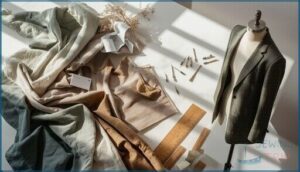
The sewing world is changing fast, and the patterns you’re working with are shifting right along with it. From eco-conscious designs to size-inclusive ranges, these trends aren’t just buzzwords—they’re reshaping how patterns get made and who gets to use them.
Here’s what’s moving the needle in pattern design right now.
Sustainable and Customizable Patterns
Think of sustainable fashion as your creative rebellion—patterns built for zero waste and custom fit let you craft exactly what you love without compromise. Modular design and eco-friendly approaches mean you’re cutting fabric consumption by up to 22% while digital printing creates opportunities for endless possibilities.
Sustainable patterns are creative rebellion—zero waste and custom fit let you cut fabric consumption by 22% without compromise
Customizable patterns embrace slow fashion principles, giving you the power to sew with intention, adapt for longevity, and master techniques that honor both craft and planet.
By applying similar dedication to learning, students can explore AP study resources to boost their academic skills.
Digital Innovations and AI-Assisted Design
Your design journey just got smarter—AI drafting tools can cut pattern digitization time by 40%, while neural networks generate variations with precision you’ll love.
Digital aesthetics meet practical pattern generation as these innovations learn your style, suggest fit adjustments, and minimize fabric waste.
But sewing tutorial creators and fashion-forward makers are raising vital AI ethics questions about data privacy and representation. Digital innovations demand your creative voice remains front and center.
Market Shifts and Consumer Preferences
Your pattern choices mirror a seismic shift—online sales now drive 60% of pattern revenue, with DIY households surging 8% globally since 2021. Consumer Behavior and Pattern Adoption reveal what you crave:
- Adjustable sizing prioritized by 72% of sewists
- Modular components worth premium pricing for 68%
- Social media tutorials sparking 44% of purchases
- Sustainable design interest up 18% recently
- Size-inclusive options expanding 24% across Market Trends
Fashion Industry News confirms: your voice reshapes Sewing Pattern Design forever.
Inclusivity and Diverse Sizing in Patterns
Beyond adjustable sizing, authentic Size Inclusion reshapes Sewing Pattern Design through Grading Methods that honor Body Diversity—68% of brands now publish ranges to size 60, while 63% add Fit Adjustments like full-bust modifications.
Your Sewing Patterns deserve Sizing Standards reflecting real bodies: 52% of sewists choose extended options first, proving Garment Sewing thrives when Sewing Techniques Guide and Sewing Pattern Guides embrace everyone’s silhouette.
Frequently Asked Questions (FAQs)
How do I develop my own original pattern designs?
Start sketching your vision on paper, then master pattern drafting or design software to perfect proportions.
Experiment with fabric selection and garment construction techniques—this hands-on creative expression transforms raw ideas into wearable fashion design reality.
What materials work best for testing new patterns?
Thread carefully when choosing test fabrics—woven cotton muslin and lightweight interlock knits deliver the most reliable baseline results for pattern prototyping.
Calico swatches and cheap generic bolts accelerate your sewing trials without breaking the bank.
Can I legally sell items from commercial patterns?
You’ll need to check each pattern’s terms of use—most require a commercial license before selling finished items.
Copyright protections cover the design, so always secure written permission or choose patterns with explicit commercial-use rights.
How do I grade patterns for different sizes?
You might think pattern grading is too technical—but it’s just systematic scaling.
Use digital grading software or ruler-based methods with consistent increments (usually 1–2% per size) across bust, waist, and hip lines to maintain proportional fit.
Where can I find pattern-making classes or workshops?
Check community colleges, adult education centers, and local fabric shops for hands-on sessions.
Online courses offer flexible learning with tutorials and downloadable templates.
University programs and sewing blogs connect you to workshops and crafting communities.
Conclusion
Studies show that 68% of sewists abandon projects when they lose creative momentum—yet inspiration isn’t a lightning bolt you wait for. It’s a muscle you build by looking sideways at the world around you.
The best sewing pattern design inspiration comes from cross-pollinating ideas: architecture meets vintage cuts, street style collides with quilting traditions. Your next pivotal design isn’t hiding—it’s waiting for you to connect dots no one else has noticed yet.