This site is supported by our readers. We may earn a commission, at no cost to you, if you purchase through links.
Most sewists own at least one pattern they love but won’t use because the silhouette doesn’t quite work, or the neckline feels dated, or the pockets are missing entirely. The pattern stays folded in a drawer while the idea stays stuck in your head.
That gap between what a pattern offers and what you actually want to make is exactly where sewing pattern style modification becomes your most useful skill. Once you understand how to slash, pivot, grade, and redraw, a single pattern stops being one garment and starts being a dozen. The techniques ahead will show you how to close that gap, piece by piece.
Table Of Contents
- Key Takeaways
- Choose Patterns for Style Modification
- Measure and Prepare Pattern Pieces
- Taking Accurate Bust, Waist, Hip, and Shoulder Measurements
- Comparing Body Measurements to Finished Garment Measurements
- Identifying Ease Before Making Style Changes
- Tracing The Original Pattern Before Altering
- Marking Grainlines, Notches, Darts, and Balance Lines
- Removing Seam Allowances Before Major Modifications
- Apply Core Modification Techniques
- Slash-and-spread Adjustments for Adding Width or Volume
- Slash-and-overlap Adjustments for Reducing Fullness
- Pivot-and-slide Changes for Length and Shaping
- Block Method for Moving Darts or Crotch Depth
- Seam Method for Localized Fit Corrections
- Grading Between Sizes for Custom Proportions
- Redrawing Smooth Seams With French Curves
- Customize Garment Style Details
- Changing Necklines Without Distorting Fit
- Adding Pockets to Skirts, Pants, and Dresses
- Altering Sleeve Length, Width, and Shape
- Adjusting Hems, Waistbands, and Garment Length
- Rotating Darts for New Shaping Lines
- Removing Pleats for a Cleaner Silhouette
- Combining Details From Multiple Sewing Patterns
- Updating Vintage Patterns for a Modern Fit
- Test and Refine Altered Patterns
- Making a Muslin Before Cutting Final Fabric
- Using Wider Seam Allowances for Fitting Changes
- Diagnosing Wrinkles, Pulls, and Folds
- Checking Grainline Alignment and Garment Drape
- Adjusting Connected Pieces Like Sleeves and Yokes
- Sequencing Fit Changes for Better Results
- Transferring Muslin Corrections Back to The Pattern
- Documenting Modifications for Future Sewing Projects
- Frequently Asked Questions (FAQs)
- Conclusion
Key Takeaways
- Tracing your pattern onto fresh paper before making any cuts protects your original and gives you a clean, reusable master to work from every time.
- The slash-and-spread and slash-and-overlap methods are your go-to tools for adding or removing volume without throwing off the rest of your pattern’s fit.
- Always sew a muslin first—it’s the step that catches fit problems before they reach the fabric you actually care about.
- Documenting every dart shift, seam change, and ease adjustment turns a one-time hack into a repeatable system you can build on for future projects.
Choose Patterns for Style Modification
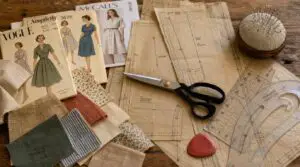
Not every pattern is built the same, and the one you start with can make or break your entire modification process.
Picking the right foundation matters more than most beginners realize, which is why starting with a structured guide like this beginner dress sewing pattern walkthrough can save you hours of frustrating trial and error.
Before you start cutting and tracing, it helps to know what to look for in a pattern that’s actually worth hacking.
Here’s what to think about when making your pick.
What Makes a Pattern Easy to Modify
Patterns printed on single sheets with consistent paper weights—uniform paper thickness—make tracing and layering clear revision layers, much easier. Look for pieces with logical piece naming, bold grainlines, and consistent scaling across sizes. These features support cleaner pattern alteration methods and keep your pattern making process efficient.
The right starting point practically hands you the custom tailoring results before you’ve even cut a line. Remember to use tracing paper for modifications to protect the original pattern.
Matching Pattern Silhouettes to Your Design Goal
Once you’ve identified a well-structured pattern, silhouette selection becomes your next design decision. Body shape mapping guides which silhouette actually fulfills your design goal alignment — an A-line naturally provides visual proportioning for pear shapes, while a fit-and-flare rewards hourglass proportions.
Smart fabric shape choices paired with targeted pattern alteration, fit adjustments, and design modification techniques guarantee your custom tailoring vision translates cleanly from paper to body.
Using Multisize Patterns for Flexible Adjustments
Multi-size patterns are your shortcut to custom-fit clothing without drafting from scratch.
Mixed-Size Drafting lets you cut one size at the bust and grade into another at the hip, with Seam Shift Smoothing keeping those blended lines clean.
Ease Mapping to confirm your measurements match finished garment dimensions, then transfer every notch carefully — Notch Alignment directly affects how adjustable pattern pieces come together during assembly.
Checking Pattern Difficulty Before Hacking
Once you’ve sized your pattern correctly, check how complex it actually is before making any cuts.
Rate these five difficulty factors:
- Instruction Density — more steps mean more disruption per edit
- Layer Complexity — multi-piece sleeves complicate pattern alteration quickly
- Dart Integration — integrated darts demand careful realignment
- Seam Line Count — more seams multiply grainline consistency risks
- Grainline Consistency — cross-grain pieces make beginner sewing patterns harder to hack cleanly
Choosing Compatible Patterns for Design Mixing
When combining patterns, compatibility isn’t just visual — it’s structural. Scale Compatibility means pairing a large print bodice with a smaller-scale skirt so neither overpowers the other. Color Cohesion ties both pieces together without forcing an exact match.
For Fabric Weight Sync, Seam Allowance Alignment, and Design Proportion Matching, choose patterns with overlapping fabric recommendations and similar ease levels so your pattern alteration and custom fit clothing goals stay achievable.
Measure and Prepare Pattern Pieces

Before any scissors touch paper, you need a solid foundation—and that starts with knowing your measurements and understanding your pattern. Getting this prep work right is what separates a garment that fits from one that frustrates.
Here’s what you need to work through before making a single cut.
Taking Accurate Bust, Waist, Hip, and Shoulder Measurements
Think of your measuring tape as the foundation of every pattern decision you’ll make. For accurate body measurements, measure your bust at the fullest point, keeping the tape horizontal and gap-free.
Your natural waist sits about 1.5–2 inches above your navel. Apply Tape Tension Control—snug, never compressing.
Use the Measurement Averaging Method: record each of your bust, waist and hips, shoulders and back twice, then average them.
Comparing Body Measurements to Finished Garment Measurements
Once you’ve recorded your averages, place them side by side with the finished garment measurements listed on the pattern envelope—this Body-Garment Gap is where your Fit Ratio Analysis begins.
That gap tells you exactly where ease needs adjusting—and how you handle those seams matters too, since strategic seam allowance placement keeps intersections smooth and prevents popping under stress.
The Size Differential between the two numbers tells you exactly how much room the pattern builds in.
Any Measurement Discrepancy beyond expected ease signals a necessary alteration, so accurate body measurements and measurement accuracy are non‑negotiable here.
Identifying Ease Before Making Style Changes
Ease is the breathing room built into every pattern—and Ease Mapping is how you take stock of it before touching your scissors.
Run a Body Proportion Check by comparing your measurements against the pattern’s finished dimensions, then verify Silhouette Compatibility for your design goal.
Factor in Movement Testing while seated and standing.
That body measurement analysis drives smart Ease Adjustment Planning, so your pattern modification starts on solid ground.
Tracing The Original Pattern Before Altering
Before you make a single cut, trace every pattern piece onto fresh tracing paper—this keeps your original intact as a permanent master copy. Secure pieces using pattern weights and apply solid Alignment Techniques so nothing shifts mid‑trace.
Your Labeling System should include piece name, size, and alteration intent. Use a tracing wheel, pencil, or fabric marker for clean Mark Transfer Methods, then photograph each sheet as a Digital Backup.
Marking Grainlines, Notches, Darts, and Balance Lines
Once your traced pieces are ready, every mark you transfer becomes a blueprint for fit. Use Precision Chalk Transfer or Carbon Paper Marking to move grainlines, notches, darts, and balance lines onto your working copy.
Dart Placement Accuracy and Balance Line Symmetry keep proportions consistent across pieces, while solid Notch Visibility Tips—single versus double notches—prevent misalignment. Understanding Pattern Layout and Markings here saves real headaches later.
Removing Seam Allowances Before Major Modifications
Before any major reshaping begins, strip the seam allowances from your traced copy—this is your Allowance Removal Planning step.
Clean Seam Edge Reset lets you work directly on the seamline, making Drafting New Seamlines and Edge Redrawing accurate.
Use a fine ruler for Pattern Edge Trim, then add allowances back after your adjustment of seams and seam line alignment are confirmed.
Apply Core Modification Techniques
This is where the real transformation happens—where your traced and measured pattern pieces finally start bending to your vision. Each technique you’ll learn here targets a specific kind of change, so you can pick exactly the right tool for the job.
Here’s what’s in your modification toolkit.
Slash-and-spread Adjustments for Adding Width or Volume
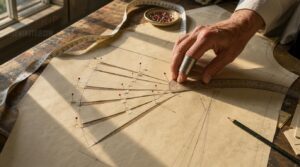
When you need to add bust fullness or hip clearance, the slash and spread method is your most reliable pattern alteration tool. Draw parallel slashes perpendicular to the expansion zone, stopping at seam allowances to create hinges.
Careful hinge placement keeps edges aligned as you spread.
After expansion, prioritize dart realignment and edge reinforcement, then re-trace for accurate spread measurement and corrected grainlines.
Slash-and-overlap Adjustments for Reducing Fullness
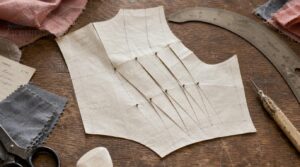
Where slash-and-spread adds, the slash and overlap method takes away. This pattern alteration technique slides cut sections together along a hinge point, removing targeted fullness without disturbing your seam lines.
Overlap Placement Strategies vary by zone — horizontal overlaps tame chest billow, vertical ones address yoke excess.
After closing, apply Edge Stitch Realignment and redraw curves for clean Drape Impact Analysis results.
Pivot-and-slide Changes for Length and Shaping
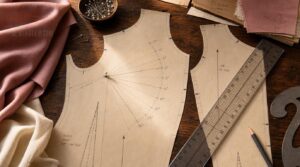
Once you’ve removed excess fullness, the pivot-and-slide method manages length and shaping with real precision.
Fix your Pivot Axis Alignment at the bust peak, then apply the Peak Rotation Technique to rotate pattern segments outward or inward.
Slide Segment Tracking ensures smooth Length Transfer along the grainline, while Proportional Width Balance keeps your darts and seam allowances symmetrical—lengthening and shortening pattern pieces without distorting your overall silhouette.
Block Method for Moving Darts or Crotch Depth

The block method gives you precise control when you need to raise or lower darts or adjust crotch depth without throwing off your entire pattern.
Solid Dart Block Planning covers four key moves:
- Slash from the dart tip to your reference point
- Pivot the segment, closing the original dart
- Apply Crotch Depth Pivot for backcrotch block adjustments
- Complete Balance Line Recalculation and Reference Mark Transfer for Pattern Symmetry Maintenance
Seam Method for Localized Fit Corrections

seam method for internal garment adjustments is your precision tool when only one area needs correcting.
Strategic Pivot Placement along the stitching line controls how fabric redistributes locally, preserving Seam Line Continuity without touching the rest of your pattern.
Curved Seam Pivoting requires multiple pivot points for smooth transitions, and Seam Allowance Redistribution keeps the balance consistent.
Fabric Compatibility applies to both wovens and knits—always confirm corrections through a fit test with muslin prototypes before cutting final fabric.
Grading Between Sizes for Custom Proportions

Grading between sizes lets you build Custom Fit Clothing Through Pattern Grading without starting from scratch. Using Grading Charts and Increment Rules, you shift each pattern piece outward or inward at bust, waist, and hip—preserving silhouette through Proportion Scaling.
Key Fit Metrics to track during Size Change:
- Bust, waist, and hip increments grade separately
- Dart placements adjust alongside seam lines
- Grainlines stay fixed throughout pattern resizing
Redrawing Smooth Seams With French Curves
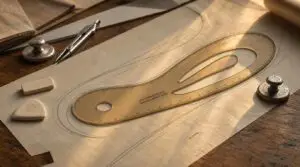
Once you’ve graded your pattern pieces, those newly connected points need clean transitions — and that’s exactly where a French curve earns its keep.
Align the tool along your adjusted seam lines, tracing light strokes to achieve Seam Curve Precision without harsh angles.
Curve Blending Basics apply here: shift the French Curve Setup slightly between segments for smooth flow.
Always verify Fabric Directionality Impact and confirm your work through Seam Line Testing on muslin before cutting final fabric.
Customize Garment Style Details
This is where the real fun starts—shaping a pattern into something that feels like yours. Beyond fit, it’s the style details that give a garment its personality, and you have more control over them than you might think.
Here’s what you can customize to make any pattern exactly the way you want.
Changing Necklines Without Distorting Fit
Changing necklines is one of those alterations that look simple but demands precision.
Before reshaping any neckline, trace your pattern piece and preserve every notch for Shoulder Seam Sync. Apply Stay Stitching along curved edges immediately.
Use slash-and-spread for widening, then complete Facing Realignment to match.
Grainline Preservation prevents bust distortion, while Bias Binding smooths the final curve.
Always confirm fit testing before cutting fashion fabric.
Adding Pockets to Skirts, Pants, and Dresses
Adding pockets is one of the most rewarding pattern modifications you can make. For skirts and dresses, Pocket Placement at hip level ensures comfortable hand access.
Side seam and inseam styles suit pants best.
Prioritize Pocket Fabrics that hold shape, stabilize openings with interfacing for Pocket Reinforcement, and topstitch edges for clean Pocket Finishing.
Good Pocket Construction transforms any garment from pretty to genuinely functional.
Altering Sleeve Length, Width, and Shape
Sleeves can shift a design completely.
For Cap Sleeve Adjustments, preserve armhole ease by tracing the original before trimming.
Bishop Sleeve Construction adds fullness from shoulder to wrist, while Dolman Sleeve Tapering reshapes side seams for smooth drape.
Flutter Sleeve Volume works through slash-and-spread.
Convertible Sleeve Systems use cuff extensions for altering sleeve lengths and styles.
Always restore seam allowances after pattern modification.
Adjusting Hems, Waistbands, and Garment Length
Once your sleeves are set, hemline and waistband adjustments can make or break the final silhouette.
When you lengthen and shorten pattern pieces, measure while wearing the garment.
Fabric stretch behavior affects how hems fall, so match your seam finish options accordingly.
Use edge stitching techniques to stabilize waistbands, and prototype with muslin first—fit diagnostics tools catch proportion problems before you cut final fabric.
Rotating Darts for New Shaping Lines
Dart relocation is where pattern modification gets genuinely creative.
Using the slash-and-spread method or pivot-and-slide method, you can shift bust darts from the side seam to the shoulder, neckline, or waist—without losing an ounce of fit.
Grainline preservation keeps drape accurate, while muslin validation confirms the new shaping reads cleanly on your body.
Fabric weight impact and visual line integration determine how dramatic that rotation can go.
Removing Pleats for a Cleaner Silhouette
Pleat removal is one of the cleanest wins in sewing pattern modification. Use Pleat Unpicking Techniques to open the stitched fold, then apply Pattern Rebalancing to redraw balance lines and maintain proportion. Adjust fullness with the slash-and-overlap method.
Key steps to get it right:
- Trace new seam lines before removing pleats
- Edge Finishing Methods to prevent puckering
- Fabric Drape Considerations for heavier woolens
- Steam Pressing Tips to set the flat silhouette
Combining Details From Multiple Sewing Patterns
Think of it as building a Style Fusion Blueprint — you’re not breaking rules, you’re rewriting them.
Hybrid Fit Planning starts by tracing each piece onto separate paper, then aligning notches and Cross Pattern Grain lines so fabric drapes correctly.
Seam Allowance Matching keeps junctions clean, while a Dart Relocation Strategy preserves shaping across combined pieces.
That’s how pattern hacking becomes intentional design.
Updating Vintage Patterns for a Modern Fit
Updating a vintage pattern starts with tracing every piece onto fresh paper before touching the original. From there, Pattern Digitization helps you preserve the silhouette while grading into a modern size.
Rebuild the bust and waist using slash-and-spread, then test Fabric Drape Testing with muslin. Vintage Closure Updates, Seamline Reinforcement, and adjusted Thread Tension complete the transformation.
Test and Refine Altered Patterns

Altering a pattern is only half the job—testing is where real fit happens. muslin lets you catch problems before they reach your good fabric, saving both time and money.
Altering a pattern is only half the job—muslin testing is where real fit happens
what to work through before you call your pattern done.
Making a Muslin Before Cutting Final Fabric
Before you cut into fabric you love, let a muslin trial garment take the risk. This Fabric Cost Testing step uses inexpensive material to run Fit Evaluation Sessions that catch problems early.
Transfer all markings — grainlines, darts, notches — for accurate Muslin Mark Transfer, then baste seams using Temporary Stitch Basting for easy ripping.
Your muslin fitting method for garment tailoring covers:
- Shoulder slope and sleeve cap ease checked while moving
- Bust, waist, and hip ease compared against your design goal
- Dart placements confirmed through hands-on Muslin Fit Assessment
Using Wider Seam Allowances for Fitting Changes
Adding an extra ¼ to ½ inch to critical seams is your Seam Buffer Strategy — it gives you room to adjust without recutting. During fit evaluation, this Incremental Trim Method lets you gradually narrow allowances after finalizing each change.
Wider seam allowances also support Pressing Ease Control and Symmetry Preservation across connected pieces, making pattern alteration and Fabric Bulk Management far more manageable throughout the process.
Diagnosing Wrinkles, Pulls, and Folds
Wrinkles, pulls, and folds are your pattern’s way of talking — you just need to learn the language. Use Fit Diagnostic Lighting to reveal subtle creases during Muslin Wrinkle Testing, then map each issue through Stress Zone Mapping:
- Horizontal wrinkles signal excess length
- Diagonal pulls indicate Grainline Misalignment Effects from width shortage
- Vertical folds reflect uneven Fabric Tension Indicators along side seams
Fabric behavior never lies.
Checking Grainline Alignment and Garment Drape
Once your muslin is on the dress form, run a Fabric Drape Assessment from shoulder to hem — grainlines should fall straight and true.
Check for Bias Grainline Influence if the fabric twists, and don’t overlook Print Grainline Sync on patterned cloth.
Stitch Tension Impact can subtly distort fabric behavior, so press each seam before your final Drape Consistency Test confirms the grainline arrow holds.
Adjusting Connected Pieces Like Sleeves and Yokes
Once grainlines check out, shift your focus to Sleeve Yoke Balance — because any sideseam additions or shoulder seam alignment changes ripple directly into connected pieces.
A Cap Curve Adjustment ensures Armhole Sleeve Sync stays accurate after pattern alteration.
Reinforce with Yoke Seam Reinforcement, then verify everything through fit testing with muslin prototypes, including sleeves and pants where seam allowances shift.
Sequencing Fit Changes for Better Results
Once your connected pieces align, work Global-to-Local — start with Dart Prioritization and Length-Width Sequencing before refining edges. This Fit Diagnostic Loop keeps changes logical: bust and length first, then waist, hips, and side seams.
Iterative Muslin Refinement and fit analysis at each stage prevent secondary problems.
Sequencing pattern adjustments for best fit mean your adjustment sequence stays clean, your fit refinement stays targeted.
Transferring Muslin Corrections Back to The Pattern
Once your sequence is locked in, move those muslin fixes onto paper. Use a Tracing Paper Overlay to compare your muslin against the original tissue — Pin Transfer Accuracy keeps dart placements and seam shifts exact.
Then do a Pattern Tissue Refresh, retracing onto clean paper with your Error Checklist ready. That’s how pattern alteration stays precise through every round of muslin fitting.
Documenting Modifications for Future Sewing Projects
Once your corrections are back on paper, lock them in for good.
Build a Modification Log with dated entries, a Pattern Card noting every dart shift and seam change, and a Fit Style Log capturing ease, drape, and fabric behavior.
Use a Transfer Checklist before each new version, and mark Revision Milestones so your pattern hacking stays organized and fully reproducible.
Frequently Asked Questions (FAQs)
What is sewing pattern modification?
Sewing pattern modification is the process of altering a commercial or self-drafted pattern to improve fit and style for your specific body and design goals, without starting from scratch.
What is pattern manipulation?
Pattern manipulation is the art of reshaping existing pattern pieces to serve your Design Intent—adjusting fit, volume, or silhouette through deliberate pattern alteration techniques without ever starting from scratch.
What are the two basic pattern manipulation techniques?
The two basic pattern manipulation techniques are slash-and-spread and pivot transfer.
Slash-and-spread addresses Volume Expansion and Pattern Width Increase, while pivot transfer controls Dart Relocation and Shape Pivoting through flat pattern alteration.
What is an adaptive sewing pattern?
adaptive sewing pattern is a garment blueprint built around inclusive design—featuring adjustable closures, expandable sections, and mobility-friendly features that let you customize pattern pieces for individual shapes without starting over each time.
How do different fabric types affect pattern modifications?
Fabric weight impact, stretch vs stability, and drape considerations all shape your modifications. Knits need negative ease; wovens demand darts.
Your fabric choice for pattern tweaks determines grainline tolerance and seam allowance tweaks.
Can you combine elements from multiple patterns?
Yes, you can.
Align grainlines, match scale, and transfer darts carefully. Seamline integration and fabric weight matching keep everything cohesive.
Always test with a muslin before committing to your final fabric.
How to adjust patterns for maternity wear?
Maternity sewing is one area where the "rules" actually work in your favor. Start with Empire waist or A-line skirt patterns, then use slash-and-spread across bust, waist, and hips.
What are fullness adjustments for gathered sleeves?
Fullness adjustments for gathered sleeves center on Cap Height Tuning, Crown Concentration, and Fabric Weight Influence.
Add 1–2 inches of cap height, anchor gathers cleanly, and always verify fit with a Muslin Fit Check.
How to modify patterns for stretch fabrics?
Modifying patterns for stretch fabrics means swapping rigid darts for negative ease panels, aligning pieces to four-way stretch placement, and using seam-friendly finishes so every seam moves freely with your body.
How do I stabilize stretch fabric before pattern cutting?
Before cutting, stabilize stretch fabric using fusible interfacing, knit stay tape, or a temporary starch spray.
Secure pieces on a weighted cutting mat, then cut a test swatch to confirm edge control.
Conclusion
The theory that patterns are fixed instructions worth following to the letter doesn’t hold up once you start working with them. Every seam line is a suggestion, every dart a starting point.
Sewing pattern style modification is what transforms a flat envelope into a living design practice—one that grows sharper every time you slash, pivot, and redraw.
Document your changes, trust your muslins, and that drawer full of untouched patterns becomes your most valuable design resource.
- https://www.sewing.org/html/dartsintro.html?utm_source=openai
- https://www.seamwork.com/magazine/2022/02/pattern-hack-turn-darts-into-princess-seams?utm_source=openai
- https://www.namedclothing.com/pages/pattern-alterations?utm_source=openai
- https://www.clothingpatterns101.com/making-sewing-patterns.html?utm_source=openai
- https://www.textileblog.com/altering-a-pattern-a-complete-guide-for-the-perfect-fit/?utm_source=openai