This site is supported by our readers. We may earn a commission, at no cost to you, if you purchase through links.

Arthritis doesn’t have to mean giving up the crafts you love—but those traditional fabric scissors that demand a death grip? They’re working against you. Every squeeze sends stress through already inflamed joints, turning a relaxing hobby into a test of endurance.
Rotary cutters for arthritis change that equation entirely. These tools glide through fabric with minimal pressure, thanks to sharp circular blades that roll rather than pinch. The best models feature cushioned grips that cradle your palm, safety mechanisms that protect your fingers, and lightweight designs that won’t exhaust your hand after twenty minutes of cutting.
Whether you’re piecing quilts or hemming curtains, the right rotary cutter transforms cutting from a painful chore into the smooth, satisfying step it should be.
Table Of Contents
- Key Takeaways
- Key Features of Rotary Cutters for Arthritis
- How Rotary Cutters Ease Arthritis Pain
- Factors to Consider When Choosing a Rotary Cutter
- Top 10 Rotary Cutters for Arthritis
- 1. Cricut Rotary Fabric Cutter
- 2. Fstcrt Cordless Electric Scissors Cutter
- 3. Vloxo Cordless Electric Scissors Cutter
- 4. WhisperDream Rotary Cutter Tool
- 5. Omnigrid Safety Rotary Cutter
- 6. Gold Cutter Kit Rotary Cutter Set
- 7. WA Portman Rotary Fabric Cutter
- 8. Cordless Electric Multi Cutter Scissors
- 9. Rotary Cutter With Safety Lock
- 10. The Quilted Bear Rotary Cutter
- Tips for Safe and Comfortable Fabric Cutting
- Frequently Asked Questions (FAQs)
- Conclusion
Key Takeaways
- Rotary cutters reduce arthritis pain by using circular blades that roll through fabric with minimal grip pressure, replacing traditional scissors that stress inflamed joints with every squeeze.
- Essential arthritis-friendly features include ergonomic handles (5.5 inches long, 28-36mm diameter), lightweight construction (under 250 grams), automatic safety guards, and tool-free blade replacement systems that spare your hands unnecessary strain.
- Sharp blades matter more than you might think—dull cutters force you to press harder, aggravating joints, so replace blades every six to twelve months and prioritize materials like tungsten carbide or high-carbon steel that hold their edge longer.
- Protect your joints beyond the tool itself by pairing your rotary cutter with self-healing mats and clear rulers, taking 10-15 second breaks every 20 minutes, and maintaining neutral wrist alignment with proper hand positioning throughout each cut.
Key Features of Rotary Cutters for Arthritis
When you’re living with arthritis, the right rotary cutter can mean the difference between giving up your favorite craft and enjoying it pain-free.
If you’re left-handed, check out these ergonomic rotary cutters designed for left-handed users that reduce strain and improve control.
The right rotary cutter can mean the difference between giving up your craft and enjoying it pain-free with arthritis
The features that matter most aren’t just nice-to-haves—they’re designed to protect your joints and keep you cutting comfortably. Let’s look at the specific features that make a rotary cutter truly arthritis-friendly.
Ergonomic Handles and Grip Design
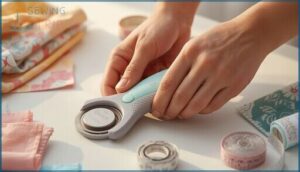
The right ergonomic grip transforms a rotary cutter from a source of pain into a partner for your creativity. When you’re choosing a tool, these handle features directly influence your comfort and control:
- Handle length around 5.5 inches facilitates your full grip and reduces squeeze effort
- Diameter between 28 and 36 millimeters fits most hands for confident control
- Contoured finger valleys distribute force evenly across your palm
- Textured, non-slip surfaces maintain grip even when fabric gets slick
- Angled orientation keeps your wrist aligned in a neutral, relaxed posture
Ergonomic design and comfort aren’t luxuries—they’re essential for protecting your joints while you create. For more insight into, consider how factors like diameter, grip material, and angle affect long-term comfort.
Lightweight Construction for Reduced Fatigue
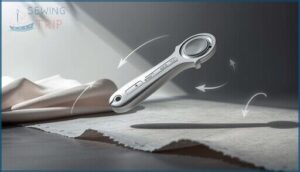
Weight matters more than you might think when arthritis limits your stamina. Lightweight construction using aluminum alloys and high-strength polymers can cut tool weight by 20 to 40 percent compared to steel alternatives. This material selection directly reduces muscular load during repeated cuts and extended sessions.
| Material Feature | Benefit for Arthritis |
|---|---|
| Hollow core aluminum blades | Similar strength, substantially less weight |
| Magnesium alloy housings | Efficient heat dissipation, reduced grip fatigue |
| Composite blade designs | Lower inertia, easier control |
| Balanced weight distribution | Minimized wrist deviation |
Ergonomic frames with contoured grips and balanced cutter designs keep your hand in a neutral posture, lowering forearm fatigue. When you’re choosing your rotary cutter, prioritize tools that distribute weight between the handle and head—this ergonomic design principle aids fatigue minimization and longer, more comfortable cutting sessions.
Safety Features and Blade Guards
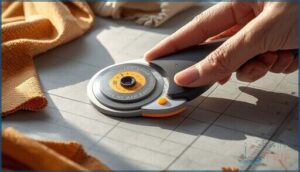
Beyond a light frame, you need sturdy safety features that protect your hands when arthritis slows your reflexes.
Blade guards automatically cover exposed edges the moment you finish a cut—most use spring-loaded mechanisms that snap back instantly when you release pressure.
Safety locks prevent accidental activation during storage, while interlock mechanisms verify guard position before the blade engages, giving you confidence and control throughout every project.
Easy Blade Replacement Systems
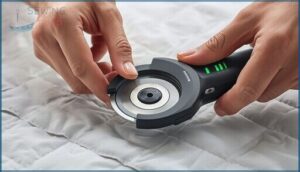
Once your blade dulls, you shouldn’t struggle with tiny screws or pliers. Quick release mechanisms let you swap blades in seconds—toolless replacement systems use magnetic carriers or detachable blade cartridge systems that click into place with one hand.
Look for models with visual indicators showing proper seating, plus secondary safety locks that prevent accidental release while you work.
Sharp, Durable Blades for Minimal Pressure
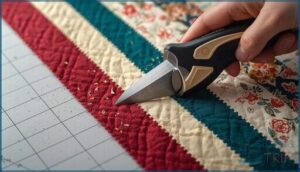
A sharp edge glides through fabric with almost no force, sparing your joints from stress.
High carbon steel or tungsten-coated blades maintain their edge longer, while proper blade geometry—like a fine primary bevel—reduces cutting resistance.
When your rotary cutter stays sharp, you’ll need less grip strength and fewer passes, keeping hand strain to a minimum and your projects moving forward.
How Rotary Cutters Ease Arthritis Pain

If you’ve been struggling with arthritis while quilting or sewing, you know how quickly your hands can give out.
The right rotary cutter won’t just make cutting easier—it can actually reduce the pain and strain that keeps you from doing what you love.
Here’s how these tools work to protect your joints and keep you creating comfortably.
Reduced Hand and Wrist Strain
When arthritis flares, every cut feels like a battle—but the right rotary cutter changes everything. Ergonomic grips with contoured holds distribute pressure across your palm instead of forcing your fingers to do all the work.
This ergonomic design cradles your wrist at a natural angle, reducing ulnar deviation and preventing the concentrated strain that triggers hand and joint pain relief needs. Lightweight construction under 250 grams means your forearm isn’t constantly fighting gravity, while textured surfaces maintain a secure ergonomic grip even when your hands tire.
It’s also important to recognize how frequent use of your hands can lead to repetitive strain injuries, so incorporating preventive measures is essential. Together, these features transform cutting technique from painful to manageable, offering real strain prevention through thoughtful hand therapy principles built right into the tool.
Improved Cutting Precision and Accuracy
When your grip weakens, precision cutting becomes your secret weapon. Rotary cutters with cutting edge technology deliver consistent results through features that support accuracy control:
- Precision blades maintain sharpness for clean, controlled cuts
- Rotary motion reduces hand tremor interference during cutting
- Ergonomic handle design stabilizes your wrist for steady tracking
- Ideal blade size minimizes the force needed for precision cutting
- Ergonomic design paired with proper fabric handling ensures repeatable accuracy
Straight lines become easy, not exhausting.
Enhanced Comfort for Extended Use
Long sewing sessions don’t have to mean more pain. Rotary Cutters for Arthritis Sufferers with Ergonomic Design provide genuine Hand Comfort through multiple Comfort Features.
Soft cushioning and Reduced Vibration minimize fatigue, while Temperature Control keeps your hands from stiffening. The Ergonomic Handle paired with Customizable Accessories lets you create a tailored setup.
These Ergonomic Cutting Tools transform marathon cutting sessions into manageable, enjoyable work.
Maintaining Crafting Independence
You shouldn’t have to give up the hobbies you love. Rotary Cutters for Arthritis Sufferers with Ergonomic Handle design and Safety Features offer genuine Crafting Freedom through Adaptive Tools that work:
- Complete projects solo without asking for help
- Continue quilting and sewing despite joint limitations
- Maintain creative expression and mental wellness
- Build confidence using Assistive Technology
- Experience Arthritis Relief and Comfort through Senior Crafting
Disability Support means staying independent.
Factors to Consider When Choosing a Rotary Cutter
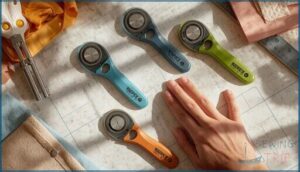
Finding the right rotary cutter isn’t just about grabbing the first one you see on the shelf. You need to think about how it fits your hand, what you’re cutting, and whether it’ll actually make your life easier instead of harder.
Let’s break down the key factors that’ll help you make a smart choice.
Handle Size, Shape, and Comfort
Your hand deserves better than a one-size-fits-all approach. Ergonomic grips with contoured designs and comfort grip features reduce strain by fitting the natural curve of your palm.
Look for grip materials like rubberized coatings or soft polyurethane that provide wrist support without slipping. An ergonomic tool design, like the ErgoCutter, places less demand on your joints and keeps you cutting longer.
Blade Size and Type for Fabric and Tasks
Blade size matters when you’re managing arthritis. Smaller blades, around 28 mm, give you tighter control on curves and delicate fabrics, while 45 mm and 60 mm sizes handle multiple layers and heavy fabric thickness faster.
Blade materials like carbide stay sharper longer, reducing the pressure your joints absorb. Edge geometry affects cutting speed—plain edges suit wovens, while serrated designs grip knits without slipping.
Manual Vs. Electric and Cordless Options
Manual rotary cutters with ergonomic grips let you control cutting speed and pressure without battling battery weight.
Electric and cordless options deliver powered assist that reduces hand strain—cordless models give you freedom to move, while corded designs keep power steady during longer sessions.
Your arthritis severity and project duration should guide your choice between tactile control and motor support.
Safety Locks and Mechanism Reliability
Whether you opt for manual control or powered ease, safety locks and mechanism reliability keep your fingers protected. A locking mechanism with secure engagement should click into place without guesswork—look for blade guards constructed from impact-resistant materials and spring-loaded guards that snap closed automatically.
Rotary cutter safety features worth checking include:
- Tamper resistance that prevents accidental disengagement during storage
- Blade guard systems with clear locked and unlocked indicators
- Mechanisms tested through thousands of open-close cycles
- Color-coded release buttons that confirm safe blade positioning
Brand Reputation and User Reviews
Real customer experiences matter more than marketing claims when you’re shopping for rotary cutters for arthritis sufferers. Check review analysis across platforms—brands like Olfa, Fiskars, and Martelli consistently earn 4.2-star ratings or higher.
User feedback from arthritis-friendly craft communities carries extra weight, building brand loyalty through genuine rotary cutter reviews that highlight grip comfort and blade longevity. Customer trust grows when response times stay under 48 hours.
Top 10 Rotary Cutters for Arthritis
You’ve got plenty of options in the area of rotary cutters that work with arthritis, not against it. Each one brings something different to the table—whether it’s electric power, ergonomic grips, or safety features that actually make sense.
Here are ten solid choices that can help you keep cutting without the pain.
1. Cricut Rotary Fabric Cutter
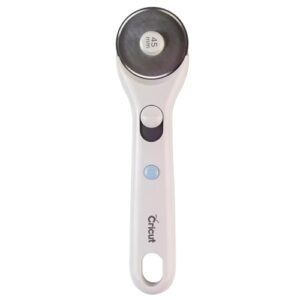
If you’re looking for smooth control without the wrist torque, the Cricut Rotary Fabric Cutter delivers. Its ambidextrous handle fits naturally in either hand, and the contoured grip reduces fatigue during long cutting sessions.
The 60 mm steel blade slices through multiple fabric layers cleanly, while the quick-release blade cover keeps your fingers safe between cuts. At just 3.32 ounces, it won’t weigh you down. The trigger-style grip minimizes strain, giving you steady precision without forcing your joints into awkward angles.
| Best For | Quilters, sewers, and crafters who need precise fabric cuts without hand fatigue, especially those working on multi-layer projects. |
|---|---|
| Blade Size | 45mm |
| Safety Feature | Sliding blade cover |
| Handle Design | Symmetrical |
| Material Compatibility | Fabric, foil |
| Power Source | Manual |
| Weight | 3.32 oz |
| Additional Features |
|
- Premium 45 mm steel blade cuts cleanly through fabric, foil, and multiple layers
- Ambidextrous design works comfortably for both right- and left-handed users
- Lightweight at 3.32 ounces with quick-release safety cover for easy handling
- Safety latch can be finicky and might release accidentally during use
- Takes practice to figure out the right cutting pressure for different fabrics
- Some left-handed users report it’s not as comfortable as advertised
2. Fstcrt Cordless Electric Scissors Cutter
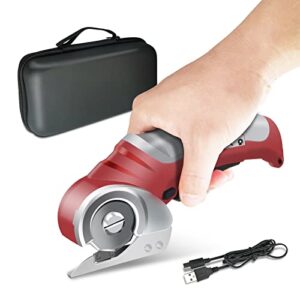
Cordless freedom meets arthritis-friendly design with the Fstcrt electric scissors cutter. Its contoured, soft-grip handle fits comfortably in your hand and reduces fatigue during extended fabric work. The rechargeable lithium-ion battery powers through hours of cutting without cord tangles or outlet hunts.
You’ll appreciate the trigger switch that prevents accidental starts and the blade guard that protects your fingers between projects. Quick-release blade changes happen without tools, and the stainless steel blades stay sharp with minimal pressure—sparing your joints unnecessary strain.
| Best For | People with arthritis, muscle weakness, or hand mobility issues who need a comfortable, low-effort cutting tool for fabric, cardboard, and crafting projects. |
|---|---|
| Blade Size | Variable |
| Safety Feature | Safety lock-out switch |
| Handle Design | Ergonomic |
| Material Compatibility | Cardboard, carpet, fabric |
| Power Source | Battery |
| Weight | Not specified |
| Additional Features |
|
- Ergonomic soft-grip handle reduces hand strain during extended use
- Rechargeable battery eliminates the hassle of cords and searching for outlets
- Safety features like trigger lock and blade guard prevent accidents
- Struggles with thick materials like heavy carpeting
- Blade sharpness decreases over time with regular use
- Replacement blades can be hard to find
3. Vloxo Cordless Electric Scissors Cutter
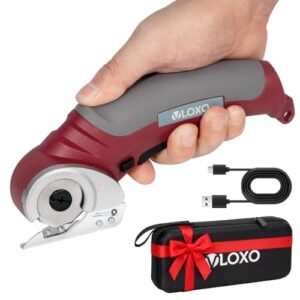
Powered by 240 RPM cutting speed, the Vloxo electric scissors slice through cardboard, leather, and thick fabric with minimal effort from your hands. The automatic sharpening system keeps octagonal blades ready for clean cuts, while the compact 8.6-inch design gives you precise control without wrist twisting.
You’ll find the safety lock switch prevents surprise starts, and the rechargeable 4.2V battery charges via USB for grab-and-go convenience. Its lightweight frame won’t tire your grip during DIY projects or craft sessions.
| Best For | Crafters, DIY enthusiasts, and anyone with arthritis or hand fatigue who needs to cut cardboard, leather, plastic, and carpet without the strain of manual scissors. |
|---|---|
| Blade Size | Variable |
| Safety Feature | Safety lock switch |
| Handle Design | Ergonomic |
| Material Compatibility | Cardboard, leather, carpet |
| Power Source | Rechargeable battery |
| Weight | 14.9 oz |
| Additional Features |
|
- 240 RPM motor and automatic sharpening system power through tough materials like cardboard and leather with minimal hand effort
- Rechargeable battery with USB Type-C charging makes it portable and convenient for projects anywhere
- Safety lock switch and lightweight 14.9-ounce design provide secure, comfortable handling during extended use
- Not suitable for fabric or detailed precision cutting tasks
- Battery life may not hold up well during heavy or prolonged use sessions
- No wall charger included, and the safety button placement can feel awkward for some users
4. WhisperDream Rotary Cutter Tool
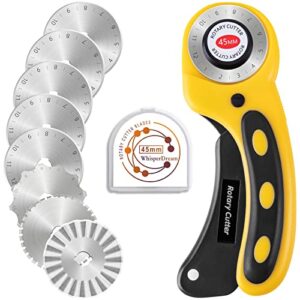
The WhisperDream features a 45mm blade with a snap-on system that won’t make you wrestle with tools during blade changes. You’ll appreciate the ergonomic handle’s textured grip and gentle taper—it fits various hand sizes while reducing stress during extended cutting sessions.
Its safety shield covers the blade when you’re not working, and the balanced weight distribution means you won’t need to press down hard for clean cuts through cotton blends or light denim. Eight replacement blades come included, saving you money upfront.
| Best For | Quilters and crafters who need a comfortable, safe rotary cutter for frequent use on fabric and paper projects. |
|---|---|
| Blade Size | 45mm |
| Safety Feature | Safety button lock |
| Handle Design | Anti-slip rubber |
| Material Compatibility | Fabric, leather, paper |
| Power Source | Manual |
| Weight | Not specified |
| Additional Features |
|
- Ergonomic handle with textured grip reduces hand fatigue during long cutting sessions
- Safety shield and locking button keep the blade covered when not in use
- Comes with 8 replacement blades, so you won’t need to buy more right away
- Some users reported dull blades or needing extra pressure to cut through materials
- Quality control issues like bent washers or missing parts in some units
- Build feels flimsy to some users compared to more heavy-duty options
5. Omnigrid Safety Rotary Cutter
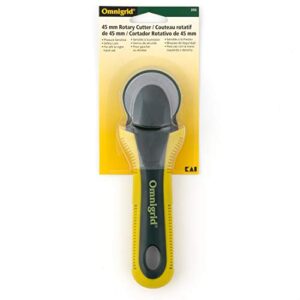
The Omnigrid Safety Rotary Cutter pairs a pressure-sensitive blade guard with a cushioned grip that reduces wrist strain during long sessions. You’ll find the blade exposes only when you press down to cut, then automatically retracts when you lift—no fumbling with manual locks.
Its ambidextrous design works for both hands without switching blades, and the lightweight construction (just 3.52 ounces) minimizes fatigue. The 45mm tungsten steel blade delivers clean cuts through multiple fabric layers while requiring minimal grip pressure.
| Best For | Quilters and crafters who want a safer rotary cutter for precise work on smaller fabric pieces, especially in households with children. |
|---|---|
| Blade Size | 45mm |
| Safety Feature | Pressure-sensitive mechanism |
| Handle Design | Soft cushioned |
| Material Compatibility | Fabric, multiple layers |
| Power Source | Manual |
| Weight | 3.52 oz |
| Additional Features |
|
- Automatic safety guard protects the blade when you lift the cutter, so you don’t need to manually lock it after each cut
- Comfortable cushioned handle reduces hand fatigue during extended cutting sessions
- Works equally well for right-handed and left-handed users without any adjustments
- Not built for heavy-duty projects or cutting through thick materials
- Smaller blade size limits you to cutting smaller shapes and areas
- Blade will eventually dull and need replacement with regular use
6. Gold Cutter Kit Rotary Cutter Set
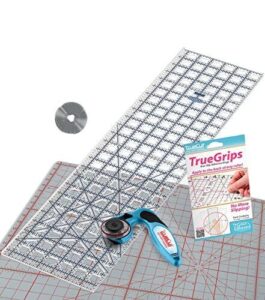
The Gold Cutter Kit bundles a 45mm rotary blade with replacement blades and a compact carrying case, so you won’t need to hunt for supplies mid-project.
Its ergonomic grip features a thumb rest that stabilizes your hand during cuts, reducing joint strain when you’re working through multiple fabric layers. The lightweight design minimizes fatigue across long quilting sessions.
You’ll appreciate the non-slip texture that holds firm even when your fingers are damp, plus the included safety guard protects the blade between uses.
| Best For | Quilters and fabric crafters who want an ergonomic rotary cutter with a track system for precision cuts and reduced hand fatigue during extended projects. |
|---|---|
| Blade Size | 45mm |
| Safety Feature | Safety lock |
| Handle Design | Ergonomic |
| Material Compatibility | Fabric, quilting materials |
| Power Source | Manual |
| Weight | Not specified |
| Additional Features |
|
- Ergonomic 45mm rotary cutter with thumb rest reduces wrist and shoulder strain during long cutting sessions
- Track and guide system ensures straight, accurate cuts every time
- Complete kit includes self-healing mat, rulers with TrueGrips, and replacement blades so you have everything in one package
- Limited to 45mm blade size, which may not handle very thick or large fabric layers
- Rotary blades and cutting mat will eventually need replacement despite self-healing feature
- Higher price point may not fit every quilter’s budget
7. WA Portman Rotary Fabric Cutter
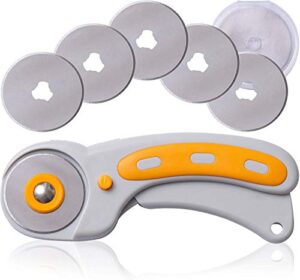
The WA Portman 45mm cutter balances affordability with features that protect arthritic hands. Its soft-grip handle follows the natural curve of your palm, reducing the tight squeeze that aggravates swollen joints. At just 3.84 ounces, it won’t tire your wrist during extended cutting sessions.
You’ll find the ambidextrous design particularly helpful if arthritis has shifted which hand you favor. The safety lock retracts the blade with minimal finger movement, and the five included replacement blades mean you can maintain sharpness without frequent shopping trips.
| Best For | Quilters and crafters with arthritis who need a lightweight, comfortable rotary cutter that works for both left- and right-handed use. |
|---|---|
| Blade Size | 45mm |
| Safety Feature | Safety lock |
| Handle Design | Comfort grip |
| Material Compatibility | Fabric, vinyl, paper |
| Power Source | Manual |
| Weight | 3.84 oz |
| Additional Features |
|
- Ergonomic soft-grip handle reduces strain on arthritic hands and wrists
- Comes with five replacement blades so you won’t need to reorder frequently
- Ambidextrous design adapts to whichever hand feels stronger on any given day
- Struggles with thick fabrics like denim
- Some users report quality control issues with individual units
- Blade sharpness decreases over time and requires replacement
8. Cordless Electric Multi Cutter Scissors
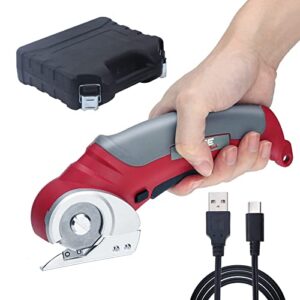
If manual cutting still demands too much from your joints, electric scissors like the AOBOPLE cordless model shift the work from your hands to a rechargeable 4V motor. You guide the cut while the self-sharpening blade does the hard part, which helps when arthritis has weakened your grip strength.
The ergonomic handle keeps your wrist in neutral alignment, and the ambidextrous design suits whichever hand feels stronger that day. Just know that thick materials may challenge the motor, so test it on your typical fabrics first.
| Best For | People with arthritis who need help cutting fabric, paper, or cardboard but find manual scissors too hard on their joints. |
|---|---|
| Blade Size | Variable |
| Safety Feature | Safety protection |
| Handle Design | Standard |
| Material Compatibility | Fabric, cardboard, plastic |
| Power Source | Rechargeable 4V |
| Weight | 1.92 units |
| Additional Features |
|
- Motor does the cutting work so you don’t have to squeeze hard, which takes pressure off weak or painful hands
- Self-sharpening blade means you won’t need to fuss with maintenance or blade replacements
- Rechargeable battery with a standard type-C cable makes it easy to power up without hunting for special chargers
- Some users found the blade wasn’t sharp enough or stopped cutting well after a few uses
- Struggles with thicker materials like dense cardboard or layered fabric, so it’s not great for heavy projects
- Quality can be hit-or-miss—a few people received units with defective parts or blades that wore out quickly
9. Rotary Cutter With Safety Lock
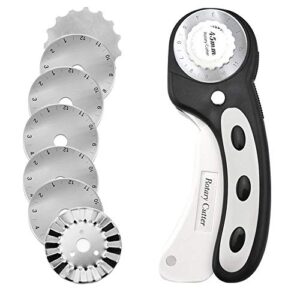
Safety matters when pain or stiffness slows your reflexes. The Headley Tools 45mm rotary cutter locks the blade in a recessed position until you’re ready to cut, so you won’t accidentally nick yourself while reaching into your sewing kit.
The ergonomic handle fits both right and left hands, and the stainless steel blade stays sharp through multiple projects. Some users report the lock mechanism can stick over time, but the included seven replacement blades—straight, skip, and wave—give you versatility for quilting and fabric work.
| Best For | Quilters and sewers with arthritis or hand pain who need a safe, comfortable rotary cutter that works for both right and left hands. |
|---|---|
| Blade Size | 45mm |
| Safety Feature | Safety lock |
| Handle Design | Ergonomic |
| Material Compatibility | Fabric, paper, leather |
| Power Source | Manual |
| Weight | Not specified |
| Additional Features |
|
- Safety lock keeps the blade tucked away when not in use, reducing the risk of accidental cuts
- Ergonomic handle design works comfortably for both right- and left-handed users
- Comes with 7 replacement blades in different styles (straight, skip, and wave) for various cutting needs
- Lock mechanism can stick or malfunction over time according to some users
- Bearings may wear out faster than expected, with some reports of failure after about a year
- May feel less sturdy compared to premium brands like Fiskars
10. The Quilted Bear Rotary Cutter
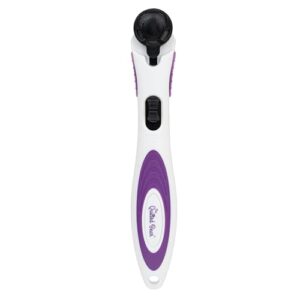
The Quilted Bear rotary cutter weighs just 1.41 ounces, so your hand won’t tire during long quilting sessions. Its 28mm blade slices through multiple fabric layers with less force than bulkier models, and the soft rubber grip stays secure even when your palms sweat.
The blade guard locks automatically when you release the handle, giving you one less thing to remember. Some users mention replacement blades can be tricky to locate, but the quick-change mechanism makes swapping them manageable when you do find compatible ones.
| Best For | Quilters and fabric crafters who need a lightweight, comfortable cutter for long projects and precise cuts through multiple layers. |
|---|---|
| Blade Size | 28mm |
| Safety Feature | Quick blade replacement |
| Handle Design | Soft grip |
| Material Compatibility | Fabric, quilting materials |
| Power Source | Manual |
| Weight | 1.41 oz |
| Additional Features |
|
- Ultra-lightweight at 1.41 ounces reduces hand fatigue during extended cutting sessions
- Automatic blade guard locks when you release the handle for safer operation
- Quick-change blade mechanism makes replacements fast and easy when needed
- Compatible replacement blades can be difficult to find
- Some users reported receiving dull blades that didn’t perform well after minimal use
- Not ideal for heavy-duty or large-scale cutting projects
Tips for Safe and Comfortable Fabric Cutting

You’ve got the right rotary cutter—now let’s make sure you’re using it in a way that protects your joints and keeps you cutting comfortably.
Small adjustments to your technique and workspace can make a real difference in managing arthritis pain during fabric projects.
Here are five practical strategies that put you in control of your comfort and safety.
Using Sharp Blades and Proper Maintenance
A dull blade forces you to press harder, putting unnecessary strain on inflamed joints. Sharp blade tips cut smoothly with minimal pressure, protecting your hands during each pass.
Replace blades every six to eight months for typical hobby use, and wipe the blade with a dry cloth after each session. Proper rotary cutter maintenance—including checking safety features and blade size compatibility—keeps your tool reliable and your hands comfortable.
Taking Regular Breaks to Reduce Strain
Even brief rest pauses can rewrite your relationship with fatigue management. Schedule micro breaks every 20 minutes—just 10 to 15 seconds—to release grip tension and reset your wrist posture, cutting strain prevention into every session with your ergonomic handle rotary cutter.
- Pause after each cutting row to shake out your hands and flex your fingers
- Set a timer to remind you when 20 minutes have passed during intense projects
- Alternate between cutting and measuring tasks to diversify the load on your joints
- Track your comfort level on a simple scale to adjust break timing as arthritis symptoms shift
Proper Hand Positioning and Cutting Technique
Your grip techniques matter more than you think. Rest your index finger along the handle’s top edge and keep your wrist neutral—aligned with your forearm—to sidestep strain with every stroke.
That ergonomic handle rotary cutter works best when you distribute pressure across your palm, not your fingertips. Curl your guiding hand’s fingers inward, leading with your knuckles to maintain blade control and hand alignment throughout each cut.
Accessorizing With Cutting Mats and Rulers
A self-healing cutting mat paired with a clear acrylic ruler transforms your rotary cutter into a precision system. Choose mats ranging from 12 by 18 to 24 by 36 inches with grid lines that guide your blade while protecting your work surface.
Quilting and sewing demand ruler accuracy—look for beveled edges and non-slip grips that stabilize fabric, reduce wrist strain, and keep your ergonomic handle rotary cutter gliding smoothly through every crafting session.
Hand Care Routines for Arthritis Management
Your hands deserve regular care routines that support joint mobility and reduce arthritis pain between cutting sessions. Warm therapy with 5 to 10 minutes of hand soaking at 90 to 110 degrees loosens stiff joints before you pick up your ergonomic handle rotary cutter.
- Apply hypoallergenic hand cream after washing to maintain skin care and grip comfort
- Perform gentle hand exercises like finger spreads for 2 sets of 10 reps
- Alternate heat and cold packs for 10 to 15 minutes for effective pain relief
Frequently Asked Questions (FAQs)
What are rotary cutters good for?
The sharper your tool, the less force you need—that’s the gift of rotary cutters for fabric cutting and quilting.
These sewing aids slice through layers of textile materials with precision, making crafting and weaving faster and cleaner.
What’s the difference between a bush hog and a rotary cutter?
Bush hogs and rotary cutters serve entirely different purposes.
Bush hogs are tractor attachments for clearing heavy brush using single blades, while rotary cutters are handheld fabric tools with ergonomic grips designed for precise cutting.
Can rotary cutters worsen arthritis over time?
Poor posture plus prolonged pressure perpetuates joint pain. When you skip breaks or grip dull blades, cumulative strain can worsen arthritis.
But using sharp cutters with proper technique actually reduces joint stress over time.
What blade materials work best for arthritis?
Stainless steel offers reliable sharpness with minimal upkeep, while tungsten carbide holds edges longer but needs careful handling.
Choose materials that balance edge retention with maintenance you can manage comfortably despite joint limitations.
How often should blades be replaced?
Replace rotary cutter blades every 6 to 12 months with heavy use, or sooner if you notice increased cutting effort, fabric snagging, or visible nicks—dull blade signs that compromise both cutting quality and safety features.
Are there specific fabric types easier to cut?
Cotton and linen friends are your best friends—they cut cleanly without fighting back.
Their stable weave means less hand pressure, which matters when arthritis already has you gripping tighter than you’d like.
Can rotary cutters help with other conditions?
Yes—ergonomic handle designs benefit carpal tunnel syndrome, tendonitis, and fibromyalgia by reducing repetitive strain and joint pain.
These cutters support chronic pain management for anyone managing hand or wrist discomfort during crafting tasks.
Conclusion
Ironically, the tools meant to help you create have been hurting you all along. But switching to rotary cutters for arthritis flips that script—you regain control without sacrificing comfort or safety.
Sharp blades, cushioned grips, and thoughtful design mean your hands do less work while achieving cleaner cuts. You’ve already adapted enough to arthritis. Your tools should finally adapt to you.
Choose wisely, cut confidently, and reclaim the craft time that belongs to you.