This site is supported by our readers. We may earn a commission, at no cost to you, if you purchase through links.
Pick the wrong fabric for a machine embroidery project, and you’ll know within the first few stitches—puckering, slipping, threads snapping like tiny protests. The fabric beneath your needle isn’t just a canvas; it’s an active partner in every design, either working with your machine or quietly fighting against it.
What fabrics work best for machine embroidery comes down to understanding a handful of properties that separate a crisp, professional result from a frustrating do‑over. Woven cotton earns its reputation as the benchmark for good reason, but denim, linen, felt, and fleece each bring something distinct to the table—along with their own quirks worth knowing before you hoop up.
Table Of Contents
- Key Takeaways
- Key Fabric Properties for Machine Embroidery
- Best Fabrics for Machine Embroidery
- Fabrics to Avoid or Use With Caution
- Stabilizer Selection for Different Fabrics
- Troubleshooting Common Embroidery Fabric Issues
- Top 5 Fabrics for Machine Embroidery Projects
- Frequently Asked Questions (FAQs)
- Conclusion
Key Takeaways
- The best all-purpose fabrics for machine embroidery are medium-weight, non-stretch, tightly woven materials—especially quilting cotton—because they hoop easily, hold dense stitches, and wash well.
- Linen and linen blends, midweight denim and canvas, felt, and polar fleece also embroider beautifully when you match them with the right stabilizer and needle for their weight and texture.
- Slippery, very stretchy, or very thin/loose fabrics like satin, silk, knits, Lycra/spandex, leather, chiffon, and burlap are risky because they tend to slip, distort, pucker, or tear under dense stitching.
- Strong results depend as much on support as on fabric choice, so you need to balance fabric weight with stabilizer type and weight, hooping method, needle size, and tension to prevent puckering, thread breaks, and fabric slippage.
Key Fabric Properties for Machine Embroidery
Choosing right fabric makes all the difference when you’re starting a machine embroidery project.
Pairing your fabric choice with the right embroidery machine needle helps prevent skipped stitches and keeps your designs looking crisp.
There are a few key traits you’ll want to pay attention to before you pick your material. Let’s walk through the most important fabric properties that shape your embroidery results.
Fabric Weight and Stability
When you’re choosing fabric for machine embroidery, fabric weight is your anchor—too light and you risk puckering, too heavy and you might struggle with stitch saturation limits. GSM thresholds guide your stabilizer matching and hoop tension. For smooth fabric drape control, always balance stabilizer weight with fabric stability.
Fabric weight anchors every embroidery decision—balance it with your stabilizer or risk puckering and failed stitches
- Lightweight fabrics need floating stabilizers
- Medium weight fabrics handle direct hooping
- Heavy fabrics require magnetic hoops
For lightweight fabrics, follow the recommended stitch density for lightweight fabrics.
Weave Type and Density
Beyond fabric weight, weave structure shapes how your stitches land and hold.
Plain weave benefits show up fast — that simple crisscross pattern gives you a stable, even surface where dense stitches anchor cleanly.
Twill flexibility makes denim and canvas forgiving under needle pressure.
Loose weave issues, though, are real: gaps shift during stitching, causing distortion.
Satin slip challenges mean it’s rarely worth the headache for beginners.
The higher twill fabric strength makes it more durable for heavy embroidery.
Thread Count and Durability
A fabric’s thread count shapes its embroidery destiny. The Ideal TPI Range—250 to 350—gives you stability and longevity through count. High Count Benefits mean needles glide smoothly, while Thread Count vs Abrasion proves denser fabrics outlast loose ones.
For embroidery, focus on:
- Smooth surface
- Count-driven puckering prevention
- Long-lasting durability
That’s smart fabric selection for machine embroidery.
Fiber Content and Shrinkage Resistance
If you’re aiming for smooth stitches, pay close attention to fiber content. Polyester‑Cotton Blends resist shrinking, keeping your embroidery crisp.
Mercerized Cotton Benefits mean fewer puckers after washing, while a Rayon‑Polyester Mix stays flatter than pure rayon.
Acrylic Fiber Stability shines for fleece projects.
Linen‑Cotton Hybrid fabrics combine texture and shrinkage control, making fabric selection for machine embroidery easier and more reliable.
Elasticity and Wrinkle Resistance
While you’re exploring fabric properties and characteristics, elasticity and wrinkle resistance can make or break your embroidery.
Stretchy fabrics demand stabilizer adhesion and cut‑away support to keep designs crisp.
For wrinkle‑prone cotton, pre‑taut techniques and magnetic hooping help maintain smooth surfaces.
Water‑soluble toppers are handy for fleece, ensuring stitches stay sharp.
Use this fabric selection guide to avoid headaches.
Colorfastness and Dye Stability
Colorfastness is your embroidery’s shield against fading, bleeding, and stains. Wash Fastness Grades, Light Fastness Scale, and Rubbing Fastness Tests reveal how textile materials for embroidery handle real‑life conditions.
For embroidery materials, aim for fabrics with grade 4+ wash fastness and strong fiber dye affinity. Perspiration resistance matters too—especially for wearable projects. Use this fabric selection guide to avoid heartbreak.
Best Fabrics for Machine Embroidery
Choosing the right fabric can make or break your embroidery project.
Some materials just handle stitches better, giving you crisp designs and fewer headaches.
Let’s look at the top fabrics that set you up for success.
Woven Cotton
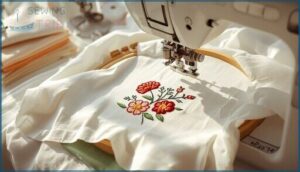
Ever wondered why woven cotton is the go-to for machine embroidery? You get crisp designs, easy hooping, and reliable stitch quality. Thanks to its smooth weave and affordable price, it’s perfect for mastering Thread Tension Tips and Hoop Placement Strategies. Remember these essentials:
- Pre‑wash benefits prevent shrinkage.
- Stabilizer compatibility accommodates dense stitches.
- Design density limits keep your work distortion‑free.
Linen and Linen Blends
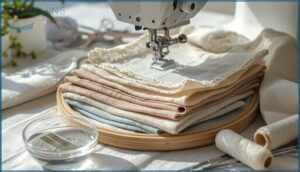
Think linen’s just for summer shirts? Think again—it’s a powerhouse for embroidery.
Thanks to its Weave Tightness and natural Fiber Blend Ratio, linen fabric holds crisp stitches and resists puckering. With smart Shrinkage Control (pre‑wash, always!), you’ll avoid surprises. For best results, pair with compatible Embroidery Stabilizers and Needles, and check Colorfastness in Linen before starting your project.
Denim and Canvas
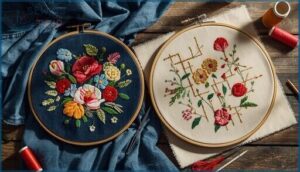
Ready for bold designs? Denim and canvas are your go-to for Heavyweight Stitch Support. Their dense weave means you can push Embroidery Techniques and Materials to the limit.
For best results, try:
- Canvas Hoop Techniques for precise alignment
- Denim Needle Choice (size 90) for thick seams
- Denim Edge Reinforcement to prevent fraying
These Fabric Properties guarantee lasting, vibrant projects.
Felt
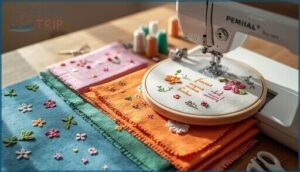
Looking for a fabric that won’t fray and keeps its shape? Felt is your answer. It’s a smart Fabric Choice for Embroidery, especially for beginners or small designs.
Felt Edge Fraying isn’t an issue, so you can skip tricky finishes. Pair it with a light stabilizer, use a sharp needle, and mind Felt Color Fastness for vibrant results.
Fleece
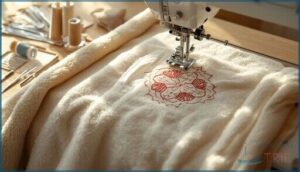
If felt’s no‑fray simplicity appeals to you, you’ll find fleece offers its own perks.
Fleece is a cozy Fabric Choice for Embroidery, perfect for blankets and jackets.
Pre‑wash Benefits help avoid shrinkage, while Fleece Tension Adjustments and Needle Size Selection keep stitches crisp.
Use water‑soluble toppers for Design Visibility Optimization, and match stabilizers for Stabilizer Compatibility and Embroidery Techniques.
Fabrics to Avoid or Use With Caution
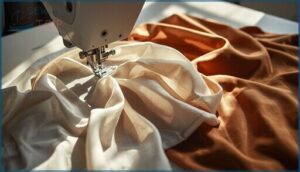
Not every fabric is a good match for machine embroidery, and some can make your project trickier than it needs to be.
Certain materials stretch, slip, or distort in ways that challenge even experienced stitchers.
Here are the fabrics you’ll want to handle with extra care—or possibly skip altogether.
Satin and Silk
Even though satin and silk look luxurious, their slippery surfaces and delicate fibers can make embroidery tricky.
For slip prevention, use a temporary adhesive stabilizer. Adjust your speed—slow and steady, keeps stitches neat. Choose a sharp 75/11 needle for satin, and opt for a cut-away stabilizer with silk. Watch for color bleeding, and always test your embroidery techniques and tips first.
- Use adhesive stabilizers for slip prevention
- Choose sharp needles for delicate weaving
- Adjust machine speed for smooth stitching
Stretch Knits and Sweater Materials
If satin keeps you on your toes, stretch knits and sweater materials bring their own set of challenges. Knit Tension Adjustments often fall short, causing designs to distort.
For smooth stitching techniques, stabilizer choice matters—heavy backing helps, but adds bulk. Heat setting knit and moisture management are tricky, so test fiber blend compatibility before committing. Smart fabric selection prevents frustration.
Lycra and Spandex Fabrics
Stretch knits aren’t the only tricky fabrics—Lycra and spandex take distortion to another level. Their wild elasticity means stitch density limits are real, and dense designs risk puckering or stiff spots.
For smoother results, stabilizer compatibility matters, and tension adjustment tips are your best friend. Needle selection guides help prevent snags, so always prioritize fabric properties for embroidery when choosing the right fabric.
Leather
A leather jacket might look tempting for embroidery, but leather’s thickness and grain finish demand respect. You’ll notice skipped stitches or torn holes if you rush edge stitching or ignore stabilizer choice.
Faux leather is a bit more forgiving, but always test your embroidery materials first. For machine embroidery, choosing the right fabric means weighing fabric compatibility and understanding key fabric properties for embroidery.
- Use sharp needles for clean holes
- Avoid dense designs to prevent puckering
- Test heat embossing on scraps before committing
Thin or Loose Weaves
When you pick very thin or loose weaves for embroidery, you fight constant Fabric Shift, puckering, and Edge Fraying.
Chiffon, muslin, and burlap move under Needle Penetration unless Hoop Tension, Fabric Weight, and Stabilizer Adhesion are perfectly balanced.
For safer Embroidery Machine Fabric Selection, save Silk or gauzy Linen for later, after mastering Stabilizer Choice for embroidery on future projects.
Stabilizer Selection for Different Fabrics
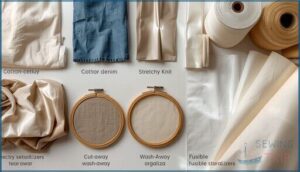
Stabilizer is the quiet partner that keeps your fabric steady, so choosing the right one for each material really matters.
Instead of guessing, you’ll look at a few simple checks that connect stabilizer strength, type, and handling to the fabric you’re using. In the next section, you’ll see these key points laid out clearly so you can pick with confidence.
Choosing Stabilizer Weight
Think of stabilizer weight as the backbone of your design. For lightweight fabric pairing, voile and sheers need just 1.5 to 2.0 oz to preserve drape. Medium cotton calls for 2.0 to 2.5 oz, while denim demands 2.5 to 3.0 oz for heavy stitch support.
Your layering strategy matters too — two lighter layers often beat one thick sheet on delicate cloth.
Tear-Away Vs. Wash-Away Stabilizers
Your removal technique shapes everything.
Tear Away Stabilizer works perfectly on stable woven fabrics — cotton, denim, linen — and suits low‑to‑medium Design Density Limits like monograms.
Wash Away Stabilizer shines on sheers and freestanding lace, leaving zero Residue Management headaches.
Consider:
- Tear‑away removes it dry, instantly
- Wash‑away dissolves in lukewarm water
- Cost Comparison favors tear‑away for everyday runs
- Wash‑away carries real Eco Impact benefits via biodegradable PVA
- Wet fabrics need extra care during rinsing
Balancing Fabric and Stabilizer Compatibility
Mastering Fabric Selection and Embroidery Stabilizers starts with Stabilizer weight matching to Fabric Types and Characteristics.
For instance, a smart Cutaway layering strategy on knits plus careful Hoop tension techniques keeps stitches smooth.
Thoughtful Fabric Preparation, including Fabric pre‑wash impact, and wise Adhesive vs. spray selection across different Stabilizer Types keeps designs sharp and washable for repeated wear and washing.
Stabilizer Size and Ease of Use
Cut your stabilizer 0.5 to 1 inch beyond the hoop on every side — that small margin prevents shifting and puckering.
Precut sheet benefits shine here: standard 8×8 sheets fit hoops up to 7×7 with zero measuring.
For dense designs, layering simplification techniques like stacking two 1.5 oz tear‑away stabilizer sheets beat hunting for heavy single rolls.
Smart stabilizer selection and use starts with sizing right.
Troubleshooting Common Embroidery Fabric Issues
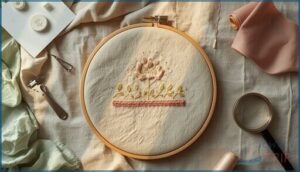
Even with the right fabric and stabilizer, embroidery can still go a bit off track.
The good news is that most issues show up in the same few ways, and each has clear fixes.
In this section, you’ll see the most common fabric problems and the key areas to check as you stitch.
Preventing Fabric Distortion and Puckering
Although puckering looks mysterious, it usually comes down to Fabric Preparation for Embroidery and control. Start with Pre‑wash Treatment and pressing, then match Fabric Weight to smart Stabilizer Selection and use.
Focus on Hooping Methods and precise Hoop Alignment, balanced Stabilizer Tension and Tension Settings, thoughtful Needle Size Selection, plus supportive Underlay Techniques that anchor fabric to the stabilizer.
Minimizing Thread Breakage
Once your fabric lies flat and stable, the next frustration is Thread Breakage. Think of it as your machine telling you something’s off with Needle Size Matching, Tension Settings for Embroidery, or Thread Path Cleanliness. Protect your design by checking:
- Tension Optimization and Speed Adjustment
- Stabilizer Selection and Use with Stabilizer Compatibility and Fabric Choice
- Fabric Preparation for Embroidery only
Tackling Fabric Slippage
Once the thread behaves, the next headache is fabric creeping in the hoop.
Use Hoop Binding Techniques and Slip‑Resistant Hoop Materials to boost grip during Fabric Hooping, especially on satin or fleece.
Combine Adhesive Stabilizer Use with a medium‑weight Tear‑Away Stabilizer like Stabil, plus Pre‑Wash Fabric Prep, to cut puckering and keep designs aligned using tension adjustment methods.
Optimizing Needle and Tension Settings
Once your fabric stops slipping, look at Needle Selection, because the wrong Needle Size ruins even perfect hooping. Match Needle Type to Fabric Choice: ballpoint for knits, sharp for tightly woven cotton, linen, denim.
Then balance Top Tension and Bobbin Tension so Thread Tension shows one‑third bobbin on the back, adjusting for Fabric Weight, Stabilizers, and Stitch Density of each fabric.
Top 5 Fabrics for Machine Embroidery Projects
Now that you know fabric behave well under the needle, it’s time to look at some specific options that check those boxes in real projects.
Below are five fabrics that consistently give clean results, whether you’re stitching simple text or dense designs.
Use this list as a practical starting point whenever you’re choosing a base for machine embroidery.
1. Yellow Canvas Duck Fabric 54 Inch
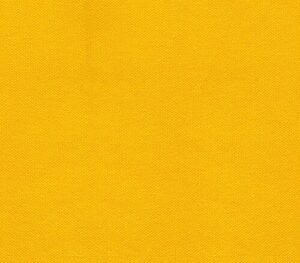
Think of yellow 10 oz duck canvas as your workhorse embroidery partner. You get a medium‑weight, 100% cotton fabric with a tight plain weave, so stitches sit flat instead of sinking or shifting.
The 54‑inch width gives you plenty of room to hoop tote bags, banners, or apron panels in one span.
Pair it with a medium tear‑away or cut‑away stabilizer and a 90/14 needle, and you can run dense logos and lettering without puckering even on heavy daily use.
| Best For | embroiderers, sewists, and DIY makers who want a tough, medium‑weight yellow canvas for bags, outdoor gear, and other heavy‑use projects. |
|---|---|
| Material | 100% cotton |
| Color | Yellow |
| Dimensions | 108″L x 54″W |
| Weight | 10 oz per yard |
| Form | Cut by the yard |
| Primary use | Outdoor, awnings, gear |
| Additional Features |
|
- 100% cotton 10 oz duck canvas is sturdy but still easy to handle, sew, and hoop for embroidery.
- 54" width and continuous yard cuts give you large, uninterrupted panels for totes, banners, aprons, and more.
- Tight plain weave helps stitches sit flat, and its water‑resistant nature makes it great for awnings, backpacks, and other outdoor items.
- Actual yellow shade may differ from what you see on your monitor.
- Fabric quality and feel can vary from one cut to another.
- Shipping may be slow, and you might need to handle returns if the fabric doesn’t meet your expectations.
2. Kaufman Essex Charcoal Linen Fabric
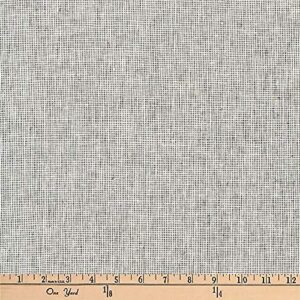
Charcoal depth meets everyday practicality in Kaufman Essex Linen, making it a standout base for machine embroidery. You get a 55 percent linen and 45 percent cotton blend at about 5.6 ounces per square yard, so it feels medium weight and reassuringly stable in the hoop. The plain weave and yarn‑dyed threads help hide needle holes while keeping lines crisp.
Pair it with a tear‑away or cut‑away stabilizer for tote bags, cushion covers, table runners, and modern monogrammed quilts, beautifully.
| Best For | Sewists, quilters, and home decor makers who want a versatile charcoal linen-blend fabric with a soft drape and a modern, subtly textured look for garments, embroidery, and decor. |
|---|---|
| Material | Linen blend |
| Color | Charcoal check |
| Dimensions | 44″ width by yard |
| Weight | 5.6 oz per yard |
| Form | Cut by the yard |
| Primary use | Garments and home decor |
| Additional Features |
|
- Lightweight 5.6 oz linen blend with a soft, full-bodied drape that works well for spring and summer garments, tunics, and skirts.
- Yarn-dyed charcoal and white threads create a subtle check pattern that adds visual interest while still reading as a neutral.
- Versatile enough for machine embroidery, curtains, cushion covers, table runners, and even light upholstery like chairs and ottomans.
- Not always true linen; some buyers have reported receiving fabric that feels more like polyester than a natural linen blend.
- Color can run darker than expected, so the charcoal may appear more deep gray in person than in photos.
- Light weight means it can be a bit see-through for some projects and may need lining or backing, plus it requires gentle care (machine wash cold, tumble dry low).
3. Indigo Blue 8oz Cotton Denim Fabric
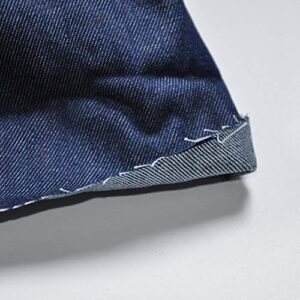
Few fabrics handle bold embroidery as confidently as indigo 8oz cotton denim, a midweight, non‑stretch twill around 8 ounces per square yard that stays steady in the hoop.
You get a soft, breathable 100 percent cotton surface that loves dense designs on jeans, jackets, skirts, and tote bags.
Pair it with a medium or heavy cutaway stabilizer for full‑coverage motifs, or double medium tear‑away for lighter outlines.
Prewash first, since indigo can bleed, fade, and shrink noticeably after drying cycles.
| Best For | Home sewists, crafters, and apparel makers who want a soft, breathable indigo denim that’s easy to sew and stable enough for bold embroidery, garments, and quilting projects. |
|---|---|
| Material | 100% cotton |
| Color | Indigo blue |
| Dimensions | 56″L x 36″W |
| Weight | 8 oz per yard |
| Form | Cut by the yard |
| Primary use | Jeans and apparel |
| Additional Features |
|
- Soft, breathable 100% cotton chambray denim that’s comfortable to wear and easy to work with for apparel and crafts.
- Midweight 8 oz fabric that’s stable in the hoop, making it great for bold embroidery, dense designs, and structured garments like jackets and skirts.
- Generous 56-inch width gives you more usable fabric per yard, ideal for dresses, shirts, and larger sewing projects.
- May feel thinner than some people expect from “denim,” so it’s not ideal if you want a very heavy, rugged jean fabric.
- Indigo dye tends to fade and bleed, especially with washing, so colors will soften over time and need careful laundering.
- Can shrink significantly after washing and drying and the exact weight can vary, so prewashing and test measuring are important before cutting.
4. Flicflac Soft Felt Fabric Sheets
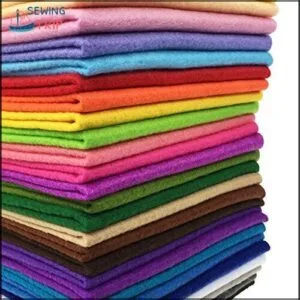
Looking for a low‑stress way to try machine embroidery? Flicflac Soft Felt Fabric Sheets are a 30% wool, 70% rayon non‑woven, about 1.4 mm thick, so they feel soft yet stay firm in the hoop.
Because the felt doesn’t fray, you can stitch patches, ornaments, and keychains, then trim right up to the satin stitches. Precut 12 x 8 inch sheets in 28 solid colors make it easy to test designs, thread combos, and stabilizers before moving onto pricier yardage.
| Best For | Beginners and casual crafters who want an easy, low‑stress way to test machine embroidery, appliqué, and small DIY projects without wasting expensive fabric. |
|---|---|
| Material | Wool-rayon felt |
| Color | Multicolored |
| Dimensions | 12″ x 8″ sheets |
| Weight | 7 oz pack |
| Form | Precut felt sheets |
| Primary use | DIY crafts and decor |
| Additional Features |
|
- Soft yet firm 1.4 mm felt that holds nicely in the hoop and doesn’t fray, so you can trim cleanly around patches and ornaments.
- Precut 12 x 8 inch sheets in 28 vibrant colors make it simple to test designs, thread combos, and stabilizers.
- Versatile material for sewing, cutting, decorating, and making things like keychains, coin bags, storage boxes, and home décor.
- Some sheets feel a bit stiff, which can make them harder to manipulate for detailed or drapey projects.
- A single layer can be slightly transparent, so you may need to double up for solid, opaque results.
- The 12 x 8 inch size may be smaller than some people expect, and clean cuts usually require sharp scissors or a special cutting tool.
5. Barcelonetta White Polar Fleece Fabric
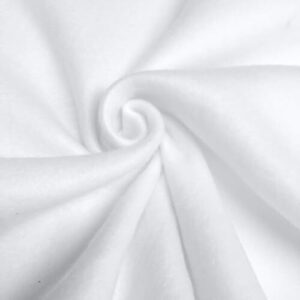
Ever wanted ultra-cozy embroidery blanks that still behave in the hoop?
Barcelonetta White Polar Fleece is a premium, anti-pill polyester fleece that’s soft, warm, and surprisingly stable when you pair it with a medium or heavy cut-away stabilizer.
Because it doesn’t fray and has opaque white color, your designs and bobbin threads stay crisp and hidden.
Use a water-soluble topping for small lettering, and you’ll get clean, readable stitches on blankets, hoodies, and pet beds for years of cozy use.
| Best For | Embroiderers, sewists, and crafters who want a soft, premium white polar fleece that’s warm, stable in the hoop with proper stabilizer, and easy to use for blankets, pet beds, and cozy home décor. |
|---|---|
| Material | Polar fleece |
| Color | White |
| Dimensions | 72″L x 60″W |
| Weight | Lightweight 1.61 |
| Form | Cut by the yard |
| Primary use | Blankets and cozy wear |
| Additional Features |
|
- Soft, plush, premium polar fleece that feels cozy and comfortable.
- Anti-pill and doesn’t fray, so projects hold up well and edges stay neat.
- Opaque white color helps hide bobbin threads and keeps embroidery designs looking clean.
- May feel too thin for heavy-duty jackets or structured clothing.
- Not ideal for projects that require a very thick, weighty fabric.
- Some customers report color accuracy concerns and feel the price is a bit high for the yardage.
Frequently Asked Questions (FAQs)
Which fabric is best for machine embroidery?
Medium‑weight woven cotton is usually your best starting fabric for machine embroidery, because its stable, non‑stretch weave hoops easily, holds dense stitches without warping, and still works well alongside linen, denim, canvas, felt, and fleece.
Is machine embroidery easier?
Yes, in cases machine embroidery is easier because the programmed stitches give you fast, accurate results, repeat designs perfectly, and rely more on learning hooping, stabilizers, and tension than mastering dozens of delicate hand stitches.
What makes a good embroidery fabric?
A good embroidery fabric is medium weight, nonstretch, and tightly woven, so stitches stay flat instead of puckering.
Think quilting cotton, linen, or light denim: smooth surface, density, and enough body to support dense designs.
Is cotton a good fabric for embroidery?
Soft yet strong, cotton is one of your best embroidery fabrics.
Quilting cotton 150–190 GSM stays stable in the hoop, grips stitches cleanly, and, when pre-washed for shrinkage, keeps designs really crisp through repeated laundering.
Which fabrics are best for beginners learning embroidery?
For beginners, choose stable fabrics: quilting cotton around 130–190 GSM, medium linen or linen‑cotton blends, light to medium 8‑ounce denim, plus forgiving felt and fleece that don’t fray much and handle simple designs beautifully.
What fabrics work best for heavy-use items?
Think of heavy‑use fabric like armor for your stitches: cotton denim, canvas, and cotton duck take rubs and washing.
While quality quilting cotton, linen blends, and fleece with cut‑away stabilizer keep designs stable and long‑lasting.
Which fabrics are safest for baby and children’s clothes?
For baby and children’s clothes, choose organic cotton, bamboo, or fine merino wool, all breathable, hypoallergenic, and durable.
Avoid polyester, nylon, and minky.
Look for GOTS or OEKO-TEX Standard 100 Class I labels for safety.
Are there budget-friendly fabrics that still embroider well?
Like finding a hidden gem, yes—medium-weight quilting cotton, cotton muslin with 2–5 ounce cutaway, 8-ounce denim, economy canvas, craft felt sheets, and poly‑cotton shirt or uniform blends all embroider reliably on a budget for you.
What fabrics give the most professional-looking embroidery finish?
Professional embroidery loves stable, smooth fabrics: medium‑weight woven cotton, tight‑weave linen, polyester twill around 250–350 TPI, and 8–12 ounce denim or canvas, which resist stretch, puckering, and shrinkage while keeping dense stitches crisp and durable.
Conclusion
Funny that the tiniest stitches behave best only after you’ve done the tiniest bit of homework on fabric.
Now you know what fabrics work best for machine embroidery; you’re not guessing, you’re choosing on purpose. Match weight, weave, and stabilizer to each project, and your designs will sit flat, shine clearly, and last.
From everyday cotton totes to bold denim jackets and cozy fleece gifts, your fabric choices turn simple files into heirloom-worthy work.
- https://impactdigitizing.com/blog/10-best-fabrics-for-machine-embroidery/
- https://www.hooptalent.com/nl/blogs/news/ultimate-guide-to-machine-embroidery-fabrics-types-selection-techniques
- https://blog.bernina.com/en/2023/01/which-stabilizer-for-which-material/
- https://embroiderylegacy.com/how-to-use-machine-embroidery-stabilizer/
- https://www.cre8iveskill.com/blog/top-ten-fabrics-for-machine-embroidery-designs