This site is supported by our readers. We may earn a commission, at no cost to you, if you purchase through links.
A quilting machine that skips stitches mid-project isn’t a machine problem—it’s usually a maintenance problem. Lint packs into the throat plate, oil dries out in the hook race, and needles stay in long past their useful life.
The machine doesn’t fail all at once; it quietly degrades stitch by stitch until the work shows it. Knowing how to maintain a quilting machine properly means catching those small issues before they ruin a finished quilt or force an expensive repair.
The steps aren’t complicated, but the order and the details matter more than most guides let on.
Table Of Contents
Key Takeaways
- Most quilting machine problems — skipped stitches, thread breaks, uneven tension — trace back to skipped maintenance, not a broken machine.
- Clean the bobbin area, feed dogs, and tension passages after every bobbin change; lint buildup is the fastest way to ruin a finished quilt.
- Use only one drop of manufacturer-approved oil per lubrication point, always run the machine on scrap fabric afterward, and never skip the test seam before starting a real project.
- Replace your needle more often than you think you need to — a dull or bent needle quietly wrecks stitch quality long before it snaps.
Clean Your Quilting Machine Regularly
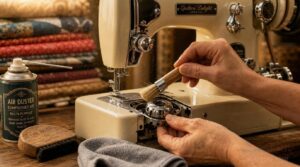
Lint and dust are the quiet enemies of any quilting machine — they build up fast and cause big problems if you ignore them.
Regular cleaning matters more than most quilters realize, especially when your machine is pushing through thick fabric layers that stress internal components and kick up even more debris.
A little cleaning goes a long way toward keeping your stitches smooth and your machine running like new.
Here’s exactly what to clean and when.
Power Off and Unplug Before Cleaning
Before you touch a single brush or cloth, cut the power completely. Electrical isolation isn’t optional — it’s your first safety step.
- Flip the power switch, then unplug from the wall
- Allow a few seconds for capacitor discharge before reaching inside
- Disconnect foot pedal and any adapters
- Use only dry tools near components
- Confirm workspace safety before starting your machine cleaning routine
Shock prevention starts here.
Remove Lint From The Throat Plate
With power cut, you’re ready for the throat plate. Lint buildup here is sneaky — it hides in pockets you can’t see until you lift the plate.
Follow the Plate Removal Procedure: unscrew, lift, then use Specialized Cleaning Tools like a stiff brush or cotton swab for Lint Pocket Extraction. Finish with a dry cloth. Stitch Test Verification confirms you’re clean.
For thorough internal lint removal, you can use a small paintbrush before the final wipe.
Brush Feed Dogs After Each Bobbin Change
Once the throat plate is back in place, your feed dogs need attention. These little teeth grip your fabric, and lint buildup between them causes skipped stitches fast.
- Use Proper Brush Angle to reach between each tooth
- Apply Gentle Bristle Pressure to avoid bending metal surfaces
- Follow a Directional Brushing Pattern — always consistent, never random
- Do a Post Brush Inspection to confirm the bobbin area is clear
Replace your brush when Bristle Wear Monitoring shows bent tips.
Clean The Bobbin Area and Hook
After bobbin case disassembly, use a lint brush hook to sweep fuzz from the race groove. Fine tweezers extraction works well for stubborn thread tangles.
A short compressed air burst clears tight corners, while an isopropyl swab clean lifts oily residue.
Keeping this bobbin area lint-free prevents bird’s nests before they start.
Clear Lint From Narrow Tension Passages
Lint buildup inside narrow tension passages is sneaky — it hides where you can’t easily see it and quietly wrecks your stitch quality. Use a slim crevice brush to reach between tension disks, then follow with a micro vacuum to pull loosened debris out cleanly. Employ a light brushing technique with gentle strokes, avoiding any force.
- Work from the outer edge inward
- Use a passage inspection light to spot hidden lint
- Alternate brushing with suction for best dust and lint removal
- Prevent lint buildup around feed dogs and bobbin area by cleaning every bobbin change
- Keep a lint removal checklist nearby for consistency
Consistent maintenance prevents lint accumulation and ensures optimal machine performance.
Wipe Exterior Surfaces Safely
The outside of your machine deserves the same care as its inner workings. Use a soft microfiber cloth—choice matters—dampened with mild cleaning solutions only. Never spray directly onto the machine.
| What to Use | What to Avoid |
|---|---|
| Microfiber cloth, damp | Abrasive scrubbers |
| pH-neutral soap solution | Ammonia-based cleaners |
Work in the shade, ensuring proper cleaning and timing for streak-free drying. Always wear gloves for protection to keep oils off surfaces.
For a full picture of keeping your machine in top shape, this sewing machine belt replacement and maintenance guide walks you through the key steps that prevent bigger issues down the road.
Deep Clean After Heavy Fabrics
Heavy fabrics like fleece and minky leave behind stubborn lint that a quick brush won’t catch. That’s when your deep cleaning routine earns its keep:
- Extend your Vertical Brush Reach into the feed dogs
- Use a Suction Vacuum around the Needle Plate
- Clear narrow tension passages with a thin tool
- Apply Mild Surface Cleaner on exterior areas
- Run Post-Clean Verification stitches on scrap fabric
Oil and Lubricate Correctly
Oiling your quilting machine is less complicated than it sounds — but doing it wrong can ruin a quilt fast. A few simple habits keep everything running smoothly without the mess.
Here’s exactly what to do, step by step.
Check The Machine Manual First
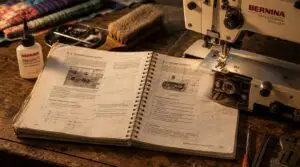
Before you grab that oil bottle, open your user manual. It’s the one source that tells you the exact startup sequence, machine lubrication schedule, and lockout tagout procedures specific to your model. It also outlines warranty coverage — skipping this step can void it.
Your manual’s routine maintenance schedule and tool settings take the guesswork out of where, when, and how much to oil. This ensures proper care without risking errors or warranty violations.
Use Manufacturer-approved Sewing Machine Oil
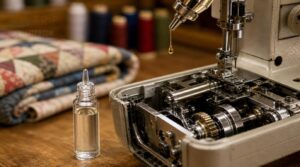
Not all oils are created equal — using the wrong one is a shortcut to gummed-up gears and voided warranties. Stick to manufacturer-approved sewing machine oil, usually a clear, low-odor light mineral or synthetic formula. Synthetic oils handle heat better and extend your machine lubrication schedule, while mineral options work reliably for standard use.
Wrong oil means gummed-up gears, voided warranties, and a ruined machine — always use manufacturer-approved sewing machine oil
Store bottles upright, away from solvents, to preserve oil quality between periodic oiling and cleaning sessions.
Apply One Drop Per Oiling Point
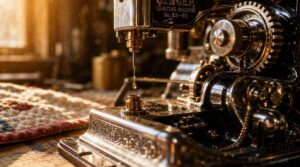
Think of it like seasoning food — one drop is all you need. Drop Size Consistency matters here: each oiling point takes roughly 0.05 ml. No more.
Use Precise Point Identification from your manual before oiling the machine. After applying, an Oil Settling Pause lets oil distribute naturally.
Log each session in an Oiling Logbook to maintain your lubrication schedule and prevent excess oil prevention issues later.
Oil The Bobbin Race When Required
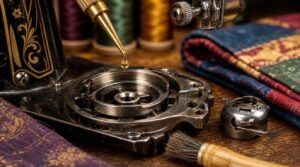
Once you’ve handled each oiling point, the bobbin race deserves its own attention. Begin by removing the bobbin case to access it—this is your Race Access Method. Locate the Oil Point Identification marker near the race’s edge.
Before applying one drop of Lubricant Compatible sewing machine oil, prioritize Residue Prevention by cleaning lint first. Ensure oil wick placements stay dry during this process.
Run The Machine After Oiling
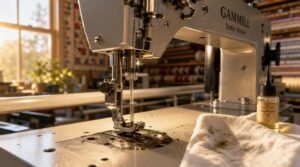
After you oil the machine, do not jump straight back into quilting. Run it at a light to moderate sewing speed for 20 to 60 seconds — this Warmup Run ensures lubricant distribution through every moving part before fabric touches it. Listen for a steady, quiet machine hum; any unusual noises during the first 30 seconds signal an immediate stop.
Safety precautions during the run:
- Keep hands clear of the needle zone.
- Watch the bobbin area for smoke or heat — signs of over-lubrication.
- Wipe any oil on hot surfaces after the run to prevent temperature safety hazards.
Log this activity in your Maintenance Log for consistent machine care.
Test on Scrap Fabric Afterward
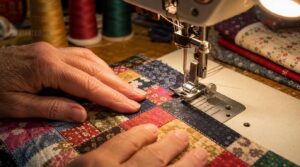
Once the warmup run is done, grab a scrap piece—same fabric, same thread. Sew a short test seam and check it closely. You’re looking for stitch uniformity, smooth feed dog performance, and zero thread breaks. This seam strength preview ensures your quilt won’t be at risk later.
| What to Check | What Good Looks Like | What to Fix |
|---|---|---|
| Stitch consistency | Even length, no skips | Adjust thread tension dial |
| Fabric handling | Smooth, no dragging | Check presser foot pressure |
| Thread break detection | No breaks or fraying | Re-thread; resize needle |
Avoid Over-oiling Quilt Fabric

Your scrap test passed — great. Now keep it that way by avoiding too much lubricant. Excess oil attracts lint, clogs feed dogs, and leaves greasy stains that washing won’t fix.
For Lint Build-up Control and Oil Stain Prevention, wipe any excess immediately. Check oil wick placement, avoid over-oiling the wicks, and maintain proper lubrication levels.
Always run fabric shine monitoring on a fresh scrap before working on your real quilt. This ensures your machine is ready and prevents costly mistakes.
Maintain Needles and Thread Tension
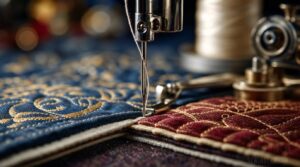
Needles and thread tension might seem like small details, but they make or break every stitch you lay down. A worn needle or unbalanced tension can turn a beautiful quilt into a frustrating mess fast.
Here’s what to stay on top of.
Choose Quilting Needles for Layered Fabric
The right needle tip geometry changes everything when stitching through multiple layers. Quilting needles have a slim, tapered point designed for needle deflection control, allowing them to pierce cleanly without pushing fabric threads aside.
Check needle plate compatibility before starting, as the wrong plate hole can cause snags. For quilting, begin with a 90/14 quilting needle for standard cotton-batting sandwiches.
Match Needle Size to Thread Weight
Think of needle size and thread weight as dance partners — they must match. A 40wt thread pairs well with an 80/12 needle, while heavier 90/14 needles handle thicker threads through dense fabric layers.
Use a needle size chart as your thread weight guide. This ensures compatibility between materials and tools, preventing common issues like skipped stitches or tension imbalances.
Always run a scrap test method before committing, as matching stitch types and selecting the proper needle for quilting safeguards against flaws in thread tension adjustment and stitch quality.
Replace Dull or Bent Needles Quickly
A dull needle doesn’t announce itself — it just quietly ruins your work. When you notice skipped stitches, fabric snags, or thread breaks, skip the troubleshooting and do a quick needle swap first. Regular visual needle checks catch burrs and bends before they cause damage.
Keep spare needle packs nearby and dispose of worn needles safely in a small container. Staying ahead of needle wear saves your quilt every time.
Insert Needles Fully and Securely
A needle that’s even slightly off can throw your whole stitch pattern into chaos. Follow this needle insertion procedure every time:
- Raise the needle bar to its highest position before inserting
- Slide the needle up until it stops — correct needle depth matters
- Confirm needle alignment by checking the flat side faces back
- Tighten the clamp firmly to secure needle seating and prevent needle slip
- Verify needle lock before stitching on scrap
Proper needle bar alignment keeps everything running smoothly.
Test Tension Before Each Project
Skipping a sample fabric test before a project is like driving blindfolded — you won’t know there’s a problem until it’s too late. Tension calibration on scrap fabric catches issues before they hit your quilt.
| Test Variable | What to Check | Why It Matters |
|---|---|---|
| Upper tension dial | Loop visibility on top layer | Reveals loose top thread |
| Bobbin tension | Thread pull-through resistance | Flags pre-project load check issues |
| Fabric-specific tension | Match to project weight | Ensures thread tension balancing |
| Sample fabric test | Stitch evenness on both sides | Confirms strain curve analysis |
| Thread tension adjustments for quilting | Consistency across seam length | Directly impacts stitch quality |
Run a quick seam. Flip it over. Both sides should look identical — that’s balanced tension doing its job.
Adjust Upper and Bobbin Tension Carefully
Tension is a two-way conversation between your upper thread and bobbin. When something’s off, adjust the upper tension dial first — small turns only. Then check the bobbin tension if needed.
Key practices include:
- Bobbin Tension Testing catches loose or tight pull before it ruins seams
- Upper Tension Calibration starts with your dial, not the bobbin case
- Fabric Weight Adjustments mean lighter fabrics need gentler tension throughout
- Thread Compatibility Checks prevent stitch imbalance from specialty or metallic threads
Small changes. Test every time.
Retest After Changing Fabric or Thread
Every fabric swap is a fresh variable. Sew a Scrap Seam Trial first — at least 50 inches — and watch for skipped stitches, puckering, or uneven Fabric Feed consistency.
Run a Thread Glide Assessment through the tension discs. Then do a Stitch Balance Check on both sides.
A Needle Heat Observation catches compatibility problems early, preventing thread breakage and fabric shifting.
Schedule Preventive Machine Maintenance
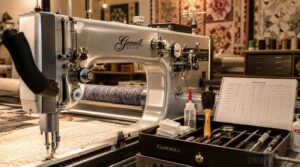
Cleaning and oiling keep your machine running day to day, but preventive maintenance is what keeps it running year after year. Think of it as the bigger-picture stuff — the checks and schedules that catch problems before they become expensive repairs.
Here’s what you need to stay on top of.
Follow The Manufacturer’s Service Schedule
Your manufacturer’s maintenance schedule is basically your machine’s personal roadmap — ignore it and you’re flying blind. Keep a Service Logbook to track Interval Tracking, Periodic Oiling and Cleaning, and your Parts Replacement Calendar.
Monthly maintenance tasks and Annual checkup appointments support Warranty Compliance. Staying alert to Manufacturer Alerts ensures preventive maintenance schedule recommendations for frequent quilters are never missed.
Inspect Belts, Cords, and Plugs
Once your service schedule is locked in, prioritize belt wear indicators like cracks, fraying at the seams, or uneven edges—these signal an overdue motor belt replacement. Simultaneously, inspect belt alignment and verify belt tension adjustment to ensure optimal performance.
For electrical safety, monitor cord damage signs and plug connection red flags. Watch for:
- Cracked or split cord coating — that’s a shock risk, full stop
- Hissing or sizzling near cords indicates internal damage
- Loose, wobbly plugs trigger dangerous arcing
- Warm metal parts demand immediate grounding checks
Check Wheel Alignment on Longarm Machines
Electrical checks keep your machine safe — but on a longarm, physical alignment is just as important. Misaligned wheels cause drift, uneven stitching, and rapid wear on rollers. Start with a coaxiality measurement to confirm wheel centers stay within 0.05 mm. Then run a track contact inspection, check bearing play, and verify encoder synchronization with a test pattern.
Keep a maintenance log after every machine alignment check.
Update Firmware on Computerized Models
Computerized models like those running the Quilt Path computer system need regular software and firmware updates — think of it as giving your machine a tune-up from the inside.
Always download your firmware from a secure source: the manufacturer’s official site only.
After installing, confirm version verification in your settings menu and then run post-update testing on scrap fabric to catch any tension or timing changes early.
Remove Accessories Before Maintenance
Before any maintenance begins, take a few minutes to clear everything off. Start with Power Cord Detachment and Foot Pedal Removal — both must go before you touch anything internal. Then remove the needle plate, bobbin case, and presser foot, storing each piece in a labeled container.
Detach your walking foot, guide rails, and thread stands. A clear machine means safer, more thorough servicing.
Book Annual Professional Servicing
Once a year, every quilting machine requires more than basic at-home maintenance. Book a certified technician—someone meeting your brand’s certification requirements—to handle full 12-month maintenance tasks: belts, firmware, calibration, and electrical safety checks.
Review service contract options, budget for service costs upfront, and confirm warranty compliance verification before scheduling. These steps ensure alignment with manufacturer standards and avoid unexpected expenses.
Preventive maintenance best practices minimize disruptions, reducing the risk of surprises mid-quilt and extending your machine’s lifespan.
Watch for Hidden Wear or Misalignment
Some damage hides in plain sight. Watch for uneven contact marks near the shuttle or needle plate — these signal hook or shaft misalignment. Inconsistent feed dog height points to feed mechanism problems, while thread breakage at the same spot suggests tension path wear.
Run a slow diagnostic stitch test on scrap fabric to catch machine timing issues, needle hook sync drift, and motor and belt wear early.
Top 3 Quilting Machine Maintenance Items
The right tools make every maintenance task faster and less frustrating. Having a few key items on hand means you’re never caught scrambling mid-project.
Here are three worth keeping close to your machine.
1. Quilt In a Day Sewing Machine Brush Set
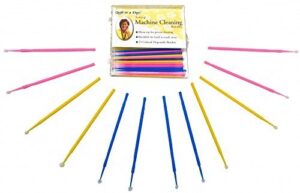
Think of these brushes as your machine’s first line of defense. The Quilt In a Day Sewing Machine Cleaning Brush Set provides 25 slim, micro-tipped brushes in yellow, pink, and blue, each designed to slip into tight spots your fingers can’t reach.
The tapered heads clear lint from feed dogs, the bobbin area, and around the hook without scratching anything. Each brush is crafted to ensure precision cleaning in delicate areas.
Color-code them by zone to avoid transferring debris between regions. This small tool delivers real results, maintaining your machine’s performance with ease.
| Best For | Quilters and home sewists who want a simple, affordable way to keep their machine running clean between tune-ups. |
|---|---|
| Primary Use | Lint removal |
| Machine Compatible | Yes |
| Reusable | Yes |
| Package Quantity | 25 brushes |
| Skill Level | Beginner-friendly |
| Maintenance Role | Cleaning |
| Additional Features |
|
- 25 slim brushes with tapered tips that actually fit into tight spots like feed dogs and the bobbin area
- Color variety makes it easy to keep brushes organized by zone so you’re not dragging lint from one area to another
- The reusable case keeps everything together, so you’re not hunting for a brush mid-project
- Pricier than basic cleaning sticks, which can feel steep given the materials involved
- The fine tips are a bit fragile — bend them too hard and they lose their shape fast
- These are lint brushes only — they won’t oil your machine or replace any real mechanical servicing
2. Yomile Cordless Air Duster Keyboard Cleaner
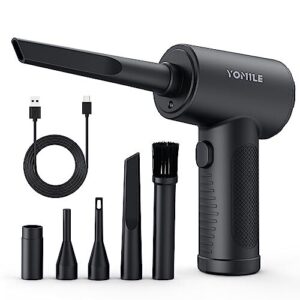
Compressed air cans run out quickly — often at inconvenient times. The Yomile Cordless Air Duster solves this frustration with its powerful, focused blasts, reaching tight spots like under the throat plate, around the hook, and inside the bobbin case — areas traditional brushes can’t access.
Its high-speed motor spins up to 150,000 RPM, delivering consistent force without the hassle of disposable cans. The 9,000 mAh battery ensures reliable runtime per charge, while USB-C charging enables fast, convenient recharging.
This all-in-one tool eliminates waste and refills, offering a sustainable, long-term solution for precision cleaning.
| Best For | Anyone who regularly cleans keyboards, laptops, or PC components and wants to ditch disposable canned air for good. |
|---|---|
| Primary Use | Dust blowing |
| Machine Compatible | Yes |
| Reusable | Yes |
| Package Quantity | 1 unit + accessories |
| Skill Level | Beginner-friendly |
| Maintenance Role | Cleaning |
| Additional Features |
|
- Cordless and rechargeable via USB-C — no more running out mid-clean or buying cans
- Swappable nozzles let you reach tight spots like vents, fins, and keyboard gaps
- Lightweight at just 1.1 lb, making it easy to carry for desk, car, or field use
- Battery drains in under an hour at high speed, so longer sessions may need breaks
- Plastic nozzle receptacles can crack with repeated accessory swaps
- Real-world airflow may feel weaker than the specs suggest, especially on larger surfaces
3. Schmetz Universal Sewing Machine Needle

Clean air gets lint out, but a fresh needle keeps your stitches clean. The Schmetz Universal Needle (80/12) is a smart addition to your maintenance routine.
Its slightly rounded tip glides through woven and knit fabrics without snagging or distorting layers. Made from chrome-plated steel with a smooth surface finish, it reduces heat buildup and manages everyday quilting cotton reliably.
The 100-needle bulk pack keeps you well-stocked, ensuring you’re never tempted to push a dull needle one project too far.
| Best For | Home sewers and quilters who go through needles regularly and want a reliable all-rounder that works on most fabrics. |
|---|---|
| Primary Use | Fabric stitching |
| Machine Compatible | Yes |
| Reusable | Yes |
| Package Quantity | 100 needles |
| Skill Level | Beginner-friendly |
| Maintenance Role | Performance upkeep |
| Additional Features |
|
- The slightly rounded tip is gentle on both woven and knit fabrics, so you get clean stitches without snags or pulls.
- 100 needles in one box means you’re always stocked up and never tempted to sew one more project on a worn-out needle.
- Works with standard home sewing machines, so no compatibility headaches.
- Only one size in the pack — if you work with very delicate or very heavy fabrics, you’ll need to buy additional sizes separately.
- The rounded tip isn’t ideal for tightly woven or specialty fabrics that really need a sharp, precise point.
- If you sew occasionally, 100 needles is a lot — you may end up with a lifetime supply sitting in a drawer.
Frequently Asked Questions (FAQs)
How to maintain a sewing machine that is not in use?
Before storing your machine, clean and oil all moving parts; then cover it with a breathable dust cover.
Store it somewhere cool and dry, and run it briefly every few months to prevent seizing.
How to avoid puckering when machine quilting?
Puckering creeps in like a wrinkled map — usually from unbalanced tension or shifting layers. Baste your sandwich flat, use a walking foot, and test tension on scrap fabric first.
What brand is the Quilters Choice sewing machine?
Quilters Choice is a standalone budget quilting machine brand, not a sub-brand of a larger company. Its machines are sold through third-party retailers and secondhand markets, offering accessible options for consumers. Models like the QC300E designed for hobbyist quilters exemplify its focus on affordability and practicality.
How often should I replace the bobbin case?
There’s no fixed schedule for replacing the bobbin case. Replace it when you see cracks, deep grooves, or three or more puncture marks.
Irregular tension that won’t adjust is another clear sign it needs replacement.
Can I use generic oil on my quilting machine?
No, don’t use generic oil. It’s too thick, gums up the hook, and can void your warranty.
Stick to manufacturer-approved sewing machine oil — it’s thin, clear, and won’t wreck your fabric.
What causes skipped stitches during dense quilting?
Skipped stitches in dense quilting usually come down to three things: a deflecting needle, unbalanced tension, or a threading issue. Thick layers fight back, and the machine feels it.
How do I store my machine during long breaks?
Store your machine in a clean, dry room with temperature between 50–80°F. Cover it with a breathable dust cover, add silica gel packets, and disconnect any batteries before walking away.
When should I upgrade to a longarm quilting machine?
Upgrade when you’re finishing three or more large quilts monthly and your current machine can’t keep pace. A longarm’s extended throat space and faster stitch rates make that volume manageable.
Conclusion
Most quilters assume skipped stitches mean a broken machine. That theory rarely holds up. Nine times out of ten, the culprit is neglect—a lint-packed bobbin area, a dry hook race, or a needle that should’ve been replaced three projects ago.
Knowing how to maintain a quilting machine properly keeps those small failures from becoming costly ones. Stay consistent with cleaning, oiling, and needle changes, and your machine will keep up with every quilt you throw at it.
- https://knowledgebase.gammill.com/knowledge/maintenance-schedule
- https://scissortailquilting.com/tutorials-instruction/clean-maintain-sewing-machine-maintenance/
- https://www.superiorthreads.com/education/troubleshooting-guide?srsltid=AfmBOorQWHowlu3ka8kXcUgzoDoRzEL9EVPcGQR1f11CJSCG61rxTEVf
- https://sewnhandmade.com/blogs/sewn-handmade/sewing-machine-maintenance?srsltid=AfmBOoowAU5XlCGlrogfjaOaR-wY3bZGqLbLOirNVtWOcdtzI_vN59yy
- https://handiquilter.com/how-to-maintain-your-longarm-machine/?srsltid=AfmBOopfE6tapD1J9AhKLfAtx0Iy9ExfZvTZ6kPqFinToEaBMtxC5Imc