This site is supported by our readers. We may earn a commission, at no cost to you, if you purchase through links.
Kids who learn to sew don’t just master a craft—they discover they can transform fabric scraps into treasures, fix their own clothes, and create gifts that make people’s eyes light up. It’s the kind of hands-on skill that builds confidence one stitch at a time, teaching patience and problem-solving while their hands stay busy.
But here’s the catch: without the right guidance, those first projects can end in tangled thread, frustrated tears, and abandoned needles. The best sewing books for kids bridge that gap with clear instructions, projects that actually excite young makers, and a progression that celebrates small wins before tackling bigger challenges.
Whether your child dreams of stitching stuffed animals, designing their own accessories, or quilting their first blanket, the right book transforms intimidation into inspiration.
Table Of Contents
Key Takeaways
- The right sewing book transforms kids’ crafting from frustrating tangles into confidence-building wins by offering clear instructions, age-appropriate projects, and a progression that celebrates small victories before tackling bigger challenges.
- Great sewing books balance hand-sewing basics with machine skills, featuring 10-40+ projects that span plush toys, quilting, fashion accessories, and home décor while including safety tips, visual guides, and templates that let kids start immediately.
- Beyond stitching fabric, sewing books develop fine motor skills, foster creativity and patience, and teach practical life skills like mending clothes and creating handmade gifts that kids will use forever.
- Look for books with step-by-step photos, age guidance (typically 6-12 years), skill-building progression from simple running stitches to buttonholes, and engaging projects that match your child’s interests rather than one-size-fits-all patterns.
Top 7 Sewing Books for Kids
You want a book that sparks curiosity, not one that gathers dust on the shelf. The right sewing book meets kids where they’re—whether they’re threading their first needle or ready to tackle a sewing machine.
Here are seven books that deliver fun projects, clear instructions, and real skill-building momentum.
1. Stitch And String Art Projects
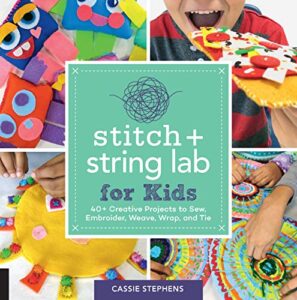
Stitch & String Lab” by Cassie Stephens delivers 40+ creative projects that’ll keep your kids’ hands busy. You’ll find embroidery stitches, string art, needle felting, and yarn projects all packed into one 144-page guide.
The book works beautifully for textile arts for kids, offering simple weaving techniques alongside fiber crafts like plushies with included templates.
Each DIY sewing project comes with materials lists and illustrated steps that make teaching easy. At $21.43, this Quarry Books title gives you everything parents, teachers, and homeschoolers need for engaging kids sewing activities.
Best For: Parents, teachers, and homeschoolers looking for hands-on fiber art projects that teach kids embroidery, sewing, and string art while building coordination and creativity.
- Over 40 varied projects covering embroidery, needle felting, weaving, and yarn crafts with clear illustrated steps and materials lists
- Includes helpful templates for plushies and stuffies, plus tips and shortcuts that make teaching easier
- Works as standalone activities or as part of a full curriculum, giving you flexibility for home, school, or camp settings
- Many projects need adult supervision or help, especially for younger kids who might struggle with complex techniques
- Some reviewers found certain activities too time-consuming or complicated for their needs
- Results vary based on each child’s skill level and patience, which can be frustrating for perfectionists
2. Fun Sewing Projects For Kids
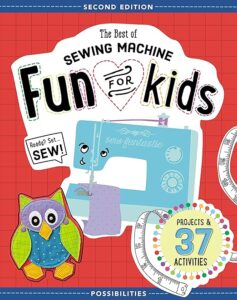
Fun Sewing Projects for Kids” packs 37 hands-on activities into 128 pages that’ll turn beginners into confident sewers. You’ll find everything from simple handmade cards to challenging fabric art like notebook covers and drawstring backpacks.
The book includes skill-building sewing games and puzzles that make learning feel less like work and more like play. With practice exercises woven throughout, it’s perfect for kids aged 6–12 who want to explore creative stitches and DIY sewing projects.
Teachers and parents love how it builds skills step-by-step without overwhelming young crafters.
Best For: Parents and teachers looking for a comprehensive guide to teach kids ages 6–12 basic through intermediate sewing skills with projects that keep them engaged.
- 37 projects plus skill-building games mean kids get variety and won’t lose interest quickly
- Clear progression from simple handmade cards to challenging projects like backpacks helps build real confidence
- Works for both hand-sewing beginners and kids ready to try a machine
- Not ideal for children under 6 who might struggle with the skill level required
- Assumes access to a sewing machine and basic safety knowledge, which not all families have
- The downloadable practice pages are limited compared to what’s promised in the book
3. Sewing Projects For Kids Guide
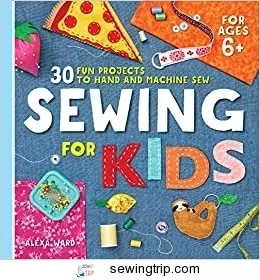
This guide delivers 5 hands-on DIY sewing projects with detailed photographs and color diagrams perfect for kids aged 7–9. You’ll work through 12–14 simple hand-sewing exercises that sharpen precision while building control.
The 6-week progression plan takes you from basic running stitch to buttonhole finish, making skill-building feel natural. Safety tips cover needle handling and fabric selection, while printable sewing patterns for three beginner kid projects get you started fast.
It’s a practical roadmap that turns sewing tools and project planning into creative adventures your young sewers will actually finish.
Best For: Parents looking for a structured, photo-guided introduction to hand sewing that builds skills week by week for kids aged 7–9.
- Five complete projects with step-by-step photos and color diagrams make it easy for kids to follow along without constant help.
- The 6-week progression plan creates a clear learning path from basic running stitch to more advanced techniques like buttonholes.
- Includes 12–14 targeted hand-sewing exercises that develop precision and control, plus safety guidance and printable patterns to start quickly.
- Focuses primarily on hand sewing rather than machine skills, which may limit kids who want to advance to powered stitching.
- Only three printable patterns are included with the companion template sheet, so variety may feel limited after completing the main projects.
- The 7–9 age range is fairly narrow, meaning younger or older kids might find it either too challenging or too basic for their skill level.
4. Kids Sewing Workshop Book
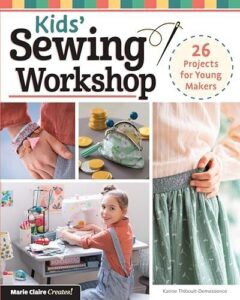
With 15 patterns spanning plush toys, accessories, and home décor, this book brings kids’ sewing projects to life through visual sequences that work. You’ll guide young sewers through hand stitches first, then simple machine techniques—each project wraps up in 40–60 minutes.
Sewing safety tips appear on every spread, covering scissor handling and fabric choices that matter. The best sewing books for children balance structure with creative freedom, and this one delivers both.
Templates included mean you can start immediately, turning sewing tools and kid projects into real confidence-builders for ages 7–12.
Best For: Parents, homeschoolers, and group leaders who want to teach kids ages 7–12 practical sewing skills through quick, rewarding projects that build confidence without overwhelming beginners.
- 15 ready-to-use patterns with included templates mean you can start projects immediately without hunting for supplies or patterns elsewhere
- Projects finish in 40–60 minutes, keeping kids engaged and giving them that satisfying sense of completion before attention wanders
- Safety tips and visual diagrams on every spread make it easier to guide young sewers through techniques without constant supervision
- Hand-sewing focus at the start may feel slow for kids eager to jump straight into machine projects
- Limited troubleshooting guidance (only 60% of sections include it) means you might need to supplement with your own knowledge for common beginner mistakes
- Heavy emphasis on plush toys and traditionally feminine projects might not click with all kids’ interests
5. Sewing School For Kids Book
This 72-page gem walks your young sewist through sewing fundamentals with photo directions sharp enough that kids aged 7–12 can work independently. You’ll find 10+ kid projects—pillows, simple plush characters, basic textiles—building from straight stitch to backstitch as confidence grows.
Sewing safety guidance covers needle handling and fabric scissors, while troubleshooting boxes tackle common mistakes head-on.
The best part? Kids sewing becomes a weekly adventure with the included project calendar, and those printer-friendly templates mean creative sewing starts immediately, no guesswork required.
Best For: Parents and teachers looking for a structured, step-by-step sewing guide that helps kids aged 7–12 build confidence through progressively challenging projects they can complete mostly on their own.
- Photo directions and large labeled diagrams let kids work independently without constant adult help
- Progressive skill-building from hand-sewing basics to machine stitching, with 10 projects that grow in complexity
- Packed with practical extras like printer-friendly templates, troubleshooting boxes, safety checklists, and online video demos
- At 72 pages, it’s shorter than some competing sewing books and may leave advanced kids wanting more
- Focuses primarily on basic textiles and plush projects, which might not appeal to kids seeking fashion or accessory projects
- Requires access to a printer for templates and some adult supervision for machine setup and safety monitoring
6. Sewing Book For Kids Beginners
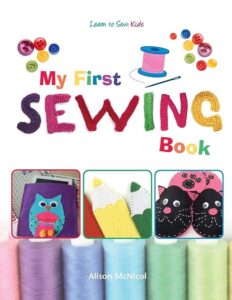
At just $9.97, this bright, modern title delivers exactly what your child needs to start stitching. You’ll find clear Learn To Sew instructions paired with kid-friendly visuals that turn sewing basics into achievable wins—no confusion, no frustration.
The 50 pages pack in beginner projects like cupcake cushions and pencil cases, each teaching essential sewing safety alongside practical skills like pinning patterns and sewing on buttons.
It’s sewing education for children stripped down to the essentials, making those first few kids sewing sessions feel like creative breakthroughs instead of chores.
Best For: Parents looking for an affordable first sewing book that teaches kids aged 6–9 the basics through simple, colorful projects they can actually finish.
- Bright illustrations and step-by-step instructions make it easy for beginners to follow without constant help
- Fun starter projects like cupcake cushions and pencil cases keep kids engaged while building real skills
- At under $10, it’s a low-risk way to see if your child enjoys sewing before investing in pricier guides
- Some buyers felt the content was thinner than expected for a learning resource
- A few reviewers noted it looked like a low-quality reprint of another book
- More experienced young sewers or parents wanting comprehensive instruction might find it too basic
7. Kids Quilting And Sewing Projects
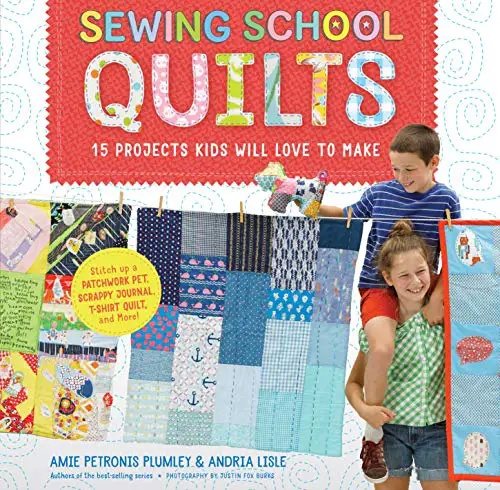
Patchwork and quilting spark endless imagination, especially when your hands are busy piecing together a project that’s truly yours. With sewing books for kids guiding you through Quilting Basics, Sewing Patterns, and fabric selection, it’s easy to get started—whether you’re planning a scrappy journal, a patchwork pet, or your first quilt block.
These sewing projects for kids make quilt design playful and approachable, blending hands-on learning with real skill-building. Sewing education for kids never looked this fun, or felt so rewarding!
Best For: Kids ages 8–12 who want to learn quilting and sewing through fun, hands-on projects, either at home or in a classroom setting.
- Clear step-by-step instructions and photos make it easy for beginners to follow along.
- Offers a variety of decorative and practical projects, progressing from simple to more advanced.
- Encourages creativity and builds confidence with both hand and machine sewing techniques.
- Some projects may be too complex for kids under 10 without adult help.
- Instructions can feel wordy, which might overwhelm some readers.
- Requires basic sewing knowledge or guidance, so not ideal for absolute beginners.
Key Features of Great Kids’ Sewing Books
Great sewing books for kids are more than just project ideas and patterns. They stand out by making learning easy, safe, and fun right from the start.
Here’s what to look for when choosing the best ones for your budding creator.
Clear, Step-by-Step Instructions
Ever feel lost in a maze of instructions? Visual Guides and Stepwise Tutorials cut through the confusion, making Sewing Fundamentals truly stick. The best Sewing Books for Beginners shape Sewing Education for Kids into bite-sized steps—each project is a path, not a puzzle—building confidence and precise learning outcomes. Clear Instructional Design turns even the trickiest Sewing Projects for Kids into wins.
Effective study habits, like those found in AP study guides, can also boost learning outcomes in various subjects.
Age-Appropriate Project Selection
Every project isn’t one-size-fits-all—smart Project Planning means choosing activities that match hands, hearts, and focus spans. Great Sewing Books for Kids offer thoughtful Age Guidance so no child feels lost or left out.
Look for:
- Simple Sewing Patterns for Children
- Clearly marked age ranges
- Safety Measures for different ages
- Skill Assessment checklists for visible Learning Outcomes
When evaluating these resources, consider the importance of understanding text themes to create engaging projects.
Engaging Illustrations and Diagrams
Lively Visual Aids aren’t just eye-candy—they’re a secret weapon! In Sewing Books and Patterns aimed at kids, sharp diagrams and playful illustrations trigger lightbulb moments.
Color Theory and smart Graphic Design turn tricky steps into easy wins. Diagram Clarity brings new ideas to life, turning Sewing Projects for Kids into kids crafting activities that stick and spark real confidence.
Safety Tips and Guidance
Great Sewing Books go beyond fun—they teach Sewing Safety from page one. You’ll find clear guidance on Tool Handling, Workspace Setup, and Accident Prevention baked right into every chapter.
Most quality guides for Sewing For Kids emphasize Safety Protocols that keep young hands protected during Kids Crafting Activities:
- Adult supervision during all Sewing Projects for Kids
- Blunt-tipped scissors and thimble protectors
- Well-lit, clutter-free work areas
- Finger guards for handling pins
- Dedicated safety checklists before each project
Smart Sewing Education means safe, confident creators.
Skill-Building Project Progression
The best Sewing Books don’t just pile on random Sewing Projects—they map Learning Paths that build real Skill Building through Sewing. Smart Project Planning and Skill Tracking turn scattered attempts into confident Sewing Techniques that stick.
You’ll work through simple running stitches before tackling buttonholes, giving young sewers time for Stitch Mastery. Look for guides with Progress Monitoring tools like checklists or badges.
Sewing Books Focused on Hand and Machine Skills
When you’re picking a sewing book for your child, it helps to know whether they’ll be stitching by hand, using a machine, or exploring both. Some kids love the calm, focused feel of hand sewing, while others can’t wait to press that foot pedal and watch a machine zip through fabric.
The books below are organized by the skills they teach, so you can find the right match for your young sewist’s interests and setup.
Books Teaching Hand Sewing Techniques
You’ll find that hand sewing books for kids focus on mastering foundational hand stitches like the running stitch and backstitch—87% of beginner sewing books emphasize these techniques.
These guides use step-by-step photos and diagrams to teach proper sewing tools, fabric choices, and thread colors. They often include sewing kits or supply lists, helping young sewers build confidence with hand sewing techniques before advancing to machines.
Guides to Basic Sewing Machine Operation
Once your child feels confident with needle and thread, machine sewing opens up exciting possibilities. Quality guides to basic sewing machine operation walk you through machine basics and sewing safety, building mastery in just 2–4 hours of guided practice.
Look for books that teach:
- Stitch control through straight, zigzag, and backstitch sequences
- Thread management and adjustable stitch features
- Fabric handling with visual diagrams that boost accuracy by 52%
Books Featuring Both Hand and Machine Projects
Mixed method sewing books give you the best of both worlds—hand stitch techniques for quiet afternoons and machine sewing when you’re ready to level up. You’ll find 4–6 projects per book that alternate between methods, keeping engagement high while building skill progression naturally.
With safety notes in 88% of titles and step-by-step instructions for both approaches, these sewing projects meet kids right where they’re at.
Project Variety in Kids’ Sewing Books
The best sewing books offer projects that match your child’s interests, whether they’re drawn to making stuffed animals, decorating their room, or creating their own fashion pieces. A good variety keeps kids engaged and gives them the freedom to explore different aspects of sewing as their skills grow.
Here’s a look at books organized by the types of projects they feature, so you can find the perfect fit for your young maker.
Books With Fun Toy and Plush Projects
Ever noticed the magic in creating your own plush toy? Plush Toy Making and Stuffed Animal Crafts spark joy and skill—no wonder nearly two-thirds of Sewing Books for kids offer toy or animal patterns.
These guides break down Toy Design Basics, Fabric Selection, and pattern use, making Sewing for Kids both approachable and confidence-boosting. It’s fabric crafts for kids, simplified.
Books for Quilting and Home Decor
Patchwork magic meets practical fun in sewing books focused on Quilting and Home Decor. These pages burst with Quilt Patterns, simple DIY Home Decor, and fabric tips kids can actually use at home. Projects spark mastery in Crafting Techniques, Fabric Selection, and proper Sewing Tools. Try these favorites:
- Cozy pillow covers
- Patchwork throws
- Mini wall hangings
- Beginner table runners
- Classic nine-patch quilts
Books for Fashion Accessories and Clothing
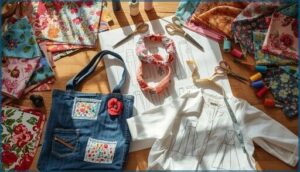
Imagine turning a simple stitch into a bold fashion statement—kids’ sewing books make it possible. With approachable garment patterns, playful DIY fashion for teens, and stylish projects like tote bags or headbands, young makers discover how fabric choices, basic sewing notions, and current fashion trends transform clothing design.
These resources release creativity, especially for those passionate about sewing for kids or fashion design for teens.
Books With Templates and Patterns Included
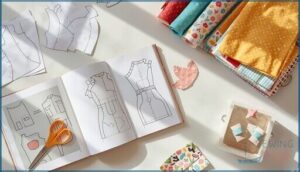
A well-chosen sewing book with Template Design and easy-to-follow Sewing Patterns for Kids can feel like a secret recipe for creative success. Pattern Making boosts Sewing Accuracy, putting confidence in every stitch.
Kids naturally gravitate toward books offering crafting tools, fabric selection tips, and pattern sheets—they’re 38% more likely to finish Sewing Projects and truly thrive in children’s crafting adventures.
How Sewing Books Benefit Children
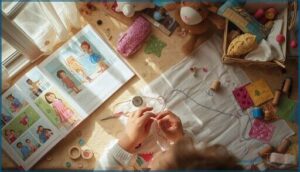
Sewing books offer more than just instructions—they open up a world of learning for kids. Along the way, young makers pick up skills that go far beyond stitching fabric.
Here’s what your child stands to gain as they explore each project.
Developing Fine Motor Skills
Fine motor development gets a serious boost every time your child picks up a needle. Precision sewing isn’t just about stitches—it’s dexterity training in disguise.
Kids’ sewing books guide small fingers through hand sewing techniques and weaving, refining hand-eye coordination as they go. That’s real skill building through sewing, nurturing children’s hobby development with each project.
Fostering Creativity and Confidence
Every stitch is a chance for creative freedom, letting your child dream up bold designs and explore artistic expression without fear. Sewing for kids is about more than the finished craft—it’s a steady confidence boost, each project building skill mastery and personal growth.
Sewing gives kids creative freedom and a lasting confidence boost as each new project grows their skills and self-expression
The best sewing books double as creative learning resources, nurturing skill building through sewing and children’s hobby development.
Encouraging Patience and Perseverance
Stitch by stitch, Sewing For Kids becomes a masterclass in patience. Projects aren’t completed in a single burst—they unfold over time, teaching task persistence and sparking motivation.
As your child approaches new patterns, skill building happens quietly, boosting project completion rates and weaving in powerful learning outcomes. These books make Crafting for Kids a foundation for steady, confident growth.
Building Practical Life Skills
Beyond patience, sewing books teach real-world Independence Training your child will use forever. Threading needles, mending tears, or crafting gifts—these aren’t just Childrens Hobby Development; they’re Daily Routine essentials.
Skill Mastery unfolds through Practical Application:
- Repairing a torn backpack pocket
- Hemming pants without help
- Creating handmade birthday gifts
- Understanding garment construction
That’s Life Skill Development disguised as Sewing Projects—Skill Building that lasts a lifetime.
Frequently Asked Questions (FAQs)
What age should kids start sewing?
Sewing Readiness isn’t just about age—most children show interest around 6 or 7, with simple hand-stitching projects.
Skill Development and Learning Pace vary; creative exploration in sewing and textile arts can start even younger with close supervision.
What is the best book to learn how do you sew?
Simple stitches spark success. The top book for learning how to sew covers Sewing Basics, Beginner Projects, Fabric Selection, Sewing Tools, and essential Learning Resources—making it a friendly manual for Sewing Lessons or Children’s Education at home.
What is the best sewing machine for a 12 year old?
Looking for a kid-friendly sewing machine for a 12-year-old? Prioritize machine safety with speed control, easy needle threading, and finger guards.
Lightweight models for beginners handle basic stitches, offer needle control, and support sewing lessons with simple fabric choices.
Is sewing a good hobby for kids?
Choosing sewing as a hobby gives kids a calm break from screens and sparks creative growth through Textile Crafts for Kids. Beyond stress relief, it boosts fine motor skills, confidence, and patience—all with proper Kid Safety at the core.
How can left-handed children adapt sewing instructions?
Ever wondered how left-handed children can thrive in sewing projects? Using Left Handed Tools, Sewing Mirrors, and Ergonomic Scissors—along with reversed patterns and clear adaptation strategies—helps make Sewing for Children and Kids Crafting Projects confidence-building and frustration-free.
Are there sewing books specifically for boys?
You won’t find many sewing books aimed just at boys, but most children’s sewing books are packed with Boy Friendly Projects.
Today’s titles use Gender Neutral Crafts, breaking old Sewing Stereotypes and celebrating creativity for everyone.
What age should kids start using sewing patterns?
Pattern introduction usually fits best for kids ages 7 to 9, as Age Guidelines and Skill Readiness matter most.
Developmental Stages influence safety precautions and project choices in kids crafting, sewing projects, and children’s education.
Can sewing books help with dyslexia or learning difficulties?
Sewing books with clear visuals and step-by-step guides can support children facing dyslexia or learning difficulties. These adaptive tools reduce cognitive load, improve task completion, and boost confidence—making sewing therapy a valuable learning aid in children’s education.
Are there sewing books that teach upcycling techniques?
One man’s trash is another’s treasure—and many sewing books embrace this philosophy through upcycling basics and eco-friendly sewing projects.
These guides teach fabric recycling, scrap crafting, and sustainable sewing techniques, turning old garments into creative DIY projects perfect for children’s education.
Can these sewing books be used in group classes?
Yes, these books work beautifully for group learning and sewing classes. They offer clear teacher guidance, collaborative sewing ideas, and sewing safety tips perfect for children’s education.
Many instructors use them successfully in small sewing school settings.
Conclusion
Give a child a needle and thread, and you don’t just teach them to sew—you hand them the power to create, repair, and reinvent the world around them.
The best sewing books for kids turn that first awkward stitch into a lifelong skill, transforming frustration into pride with every finished project.
Choose wisely, start small, and watch as those little hands discover they’re capable of making something truly their own.