This site is supported by our readers. We may earn a commission, at no cost to you, if you purchase through links.

Your kid swipes a paintbrush across the table, and suddenly your favorite shirt wears a bright streak of blue. Panic sets in fast. Here’s the good news: acrylic paint isn’t glue, but it acts like one once it dries.
Does acrylic paint wash off clothes? Yes, if you catch it early. Within 30 minutes, wet paint sits on the fabric surface, waiting to be lifted away. Wait too long, and the polymers bond tight to every fiber.
The clock matters more than the cleaner you grab, and knowing your timeline changes everything that comes next.
Table Of Contents
- Key Takeaways
- Does Acrylic Paint Wash Off Clothes?
- Act Fast on Fresh Paint
- Remove Partially Dried Acrylic Paint
- Get Dried Acrylic Paint Out
- Best Methods by Fabric Type
- Washing Machine Do’s and Don’ts
- Homemade Acrylic Paint Stain Removers
- Common Stain Removal Mistakes
- Top 5 Acrylic Paint Products
- Prevent Acrylic Paint Clothing Stains
- Frequently Asked Questions (FAQs)
- Conclusion
Key Takeaways
- Acrylic paint washes out easily when wet, but once it dries and forms a plastic‑like film, you’ll need rubbing alcohol to break it down before washing.
- Your 30‑minute window is everything — blot, don’t rub; rinse from the back of the fabric with cool water, and never let heat touch the stain until it’s fully gone.
- Rubbing alcohol is your best tool for dried paint, but use it sparingly and always test on a hidden seam first to avoid damaging the fabric.
- Prevent stains before they start by wearing old clothes or an apron, and use fabric paint with textile medium instead of regular acrylic for any project that involves clothing.
Does Acrylic Paint Wash Off Clothes?
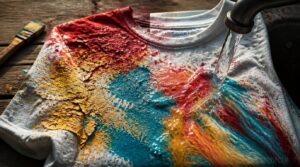
Whether acrylic paint washes off your clothes depends on one thing above all else: timing. The answer shifts completely once the paint dries, so it helps to understand what’s actually happening to your fabric. Here’s what you need to know before reaching for the sink or the laundry machine.
If jeans are your concern, this guide on removing acrylic paint from denim makes clear why catching it wet is the difference between a quick rinse and a ruined pair.
Wet Versus Dried Paint
Wet acrylic paint is surprisingly forgiving — rinse it fast and it lifts right out. That’s because the polymer matrix hasn’t solidified yet, so water can still carry pigment away before it grips the fabric fibers.
Once dry, the chemistry changes. The paint forms a water-resistant plastic film, and pigment penetration depth increases. At that point, water alone won’t cut it.
Why Acrylic Sets Fast
Speed is baked into acrylic’s chemistry.
As water evaporates, tiny polymer particles fuse together — a process called particle coalescence — forming a continuous plastic film.
Higher temperatures and low humidity push that process even faster.
The result: full surface drying in minutes, with complete cure following in hours. That’s a short window to act before the stain locks in.
Washable Versus Permanent Stains
Not every acrylic stain is a lost cause — but timing decides everything.
Wet paint stays washable for roughly 15–30 minutes. After that, polymer curing stages harden the film, and pigment adhesion depth increases fast.
Here’s what determines washability:
- How long the paint has been drying
- Whether the fabric is natural or synthetic
- How deeply the pigment has soaked in
Note that heat from dryers sets stains can lock the paint into fibers, making it harder to remove later.
When Detergent Works
Timing matters, but so does your choice of cleaner.
Detergent works by lowering surface tension, letting water push into fabric fibers and lift paint particles out. Surfactants form micelles around oily pigment, suspending it so it rinses away cleanly.
Enzyme-based detergents go further — they break down organic components in the paint. Builders in detergent also prevent loosened pigment from redepositing onto fibers mid-rinse.
Act Fast on Fresh Paint
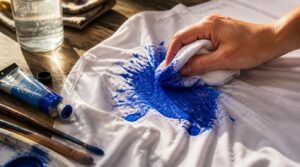
Fresh acrylic paint is still on your side — but only for a few minutes. Once the water in the paint starts to evaporate, it bonds to fabric fast and gets a lot harder to lift. Here’s what to do the moment you notice a spill.
Blot, Don’t Rub
Your instinct might be to scrub fast, but that’s exactly what spreads the problem. Blotting — not rubbing lifts acrylic paint off fabric without grinding pigment deeper into the weave.
Press a soft, lint-free cloth straight down and lift. Work from the outer edges inward to keep the stain contained. Swap to a clean section of cloth each time, or you’re just reapplying paint.
Rinse From Fabric Back
Flip the garment inside out and hold the stained area under the tap.
Water flowing through the back pushes pigment outward through the fabric, not deeper into the weave — that’s the whole point of backside flushing. It prevents paint from getting pushed further in.
After rinsing, blot the back with a clean cloth to lift any loosened pigment before moving on.
Use Cool Running Water
Keep the water cool, not cold — somewhere between 15 and 25 degrees Celsius is the sweet spot. Cold water below that range causes vasoconstriction and actually slows the rinsing process down.
Hold the fabric under a steady, continuous stream for at least 15 to 20 minutes. Constant flow pulls heat and loose pigment away far more effectively than quick bursts ever will.
Add Mild Dish Soap
A drop or two of mild dish soap does more than you’d expect. Surfactants break the bond between acrylic pigment and fibers, emulsifying paint oils so water can flush them out.
Work it in gently:
- Place 1–2 drops directly onto the wet stain
- Dab with a soft cloth using light, steady pressure
- Let it sit 30 seconds before rinsing
Launder After Pretreating
Once you’ve pretreated the stain, move it straight to the washing machine.
Use a cool or warm cycle — never hot, since heat can lock any remaining pigment into the fibers permanently.
Check the fabric care label first.
After the cycle, inspect the spot before tossing it in the dryer. Air dry only until you’re sure the stain is fully gone.
Remove Partially Dried Acrylic Paint
Partially dried paint is trickier than fresh, but you can still get it out if you move quickly and work smart. The paint hasn’t fully bonded yet, which means a few targeted steps can loosen it before it locks in for good. Here’s what to do.
Soften With Soapy Water
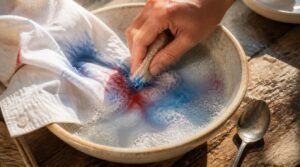
Soapy water is your first move on paint that’s still a little tacky. Dish soap lowers surface tension, letting the solution spread across fibers and surround pigment particles. Use about 1 teaspoon per cup of warm water, then apply it to the stain.
- Dampen the stained area first
- Apply the soap solution gently
- Let it sit for a few minutes
- Blot — don’t rub — to lift color
The soap emulsifies oily pigments, pulling them away from the fabric threads. Always rinse with cool water afterward to stop any remaining pigment from setting deeper.
Brush Gently
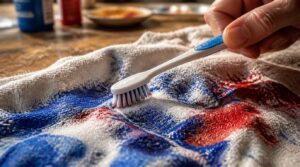
Once the soap solution has had a minute to work, reach for a soft-bristle toothbrush. Hold it lightly — your grip should feel relaxed, not tight.
Use short, controlled strokes across the stain, letting the bristle tips do the lifting. Press just enough to feel the bristles flex slightly. Too much pressure grinds pigment deeper into the weave instead of pulling it out.
Reapply Detergent
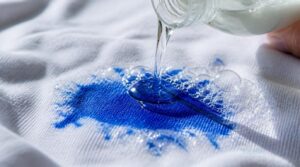
After the toothbrush loosens what it can, apply a fresh dose of liquid detergent directly to the stain. Liquid works better than powder here — it contacts the fibers immediately. Let it sit for five minutes; that dwell time lets enzymes break down pigment and emulsify it for easy removal.
Use cool water when rinsing to avoid locking anything in.
Rinse Before Washing
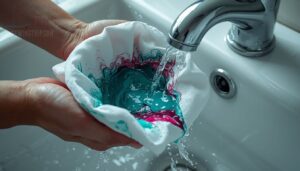
Once the detergent has done its job, hold the fabric under cool running water — not warm. Heat accelerates fiber saturation and drives pigment deeper into the weave. A thorough rinse dilutes what’s left and keeps the stain soluble longer.
This step also prevents loose pigment from redepositing elsewhere in the wash cycle.
Check Before Drying

Before you move the garment anywhere near a dryer, check the stain directly under good light.
- Look for any remaining pigment or glossy residue on the fabric fibers.
- Verify the fabric label allows air drying.
- If stain traces remain, air dry only — heat will bond washable paint permanently.
Heat set is a one-way door.
Once heat sets acrylic paint into fabric, no solvent on earth can fully undo it
Get Dried Acrylic Paint Out
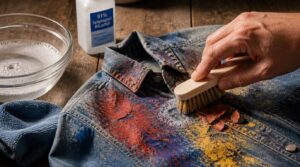
Dried acrylic paint is stubborn, but it’s not a lost cause. The key is working through a few specific steps in the right order so you don’t damage the fabric. Here’s what to do.
Scrape Excess Paint
Before reaching for any liquid, scrape off the excess first.
Grab a flexible plastic scraper or an old credit card and hold the fabric flat and taut.
Use short, controlled strokes toward the center of the stain — this lifts dried acrylic off the surface without pushing pigment deeper into fibers.
Collect the flakes, then rinse the area with cool water.
Apply Rubbing Alcohol
Pour 70% isopropyl alcohol onto a clean cloth — never directly onto the stain.
- Test a hidden seam first to check colorfastness
- Always work in a well-ventilated area to avoid fumes
- Keep alcohol away from bleach or other cleaners
- Apply small amounts to avoid weakening fibers
- Blot outer edges inward to contain the pigment
Let it soak for 10–20 minutes to loosen the dried acrylic before moving on.
Blot Loosened Pigment
After the alcohol soaks in, press a clean white cloth firmly onto the stain — don’t rub. Rubbing spreads pigment deeper into fibers.
| Material | Absorbency | Best Use |
|---|---|---|
| White cotton cloth | High | Most fabrics |
| Paper towel | Medium | Quick blotting |
| Microfiber cloth | High | Delicate fabrics |
Work from the outer edges inward. A cool water rinse after blotting stops loosened pigment from reabsorbing into the fabric.
Repeat as Needed
One pass rarely does the job with dried acrylic. If pigment remains after blotting, apply a fresh dose of rubbing alcohol, let it soak for 10–20 minutes, then blot again. This is iterative blotting — each cycle loosens another layer of hardened paint.
Don’t saturate the fabric repeatedly without letting it dry between treatments. Excessive solvent reapplication weakens fibers over time, especially on synthetics.
Wash in Cool Water
Cold water is your best ally here. Cool water slows pigment from setting deeper while helping detergent enzymes lift loosened acrylic out of fibers.
Three reasons to skip warm water:
- Heat locks remaining pigment into fabric
- Cool cycles prevent dye migration to other garments
- Cold agitation preserves fiber integrity after solvent treatment
Launder on a gentle cool cycle, then air dry.
Best Methods by Fabric Type
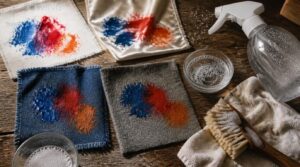
Not every fabric controls stain removal the same way, so what works on your old cotton tee might damage a delicate blouse. Knowing your fabric type before you start can save you from making a small stain into a bigger problem. Here’s what works best for each one.
Cotton Clothing
Cotton is one of the easier fabrics to treat because its natural fiber breathability means paint sits more on the surface than in synthetics. Work fast.
Rinse the stain from the back of the fabric with cool water, then apply detergent directly. For dried spots, isopropyl alcohol loosens the hardened acrylic before a cool machine wash finishes the job.
Polyester Garments
Polyester controls paint stains differently than cotton. Its moisture-wicking surface resists deep absorption, which actually works in your favor — fresh paint usually sits on top longer.
- Blot quickly before the acrylic grips synthetic fibers
- Use rubbing alcohol to break down dried spots
- Wash in cool water to protect colorfastness
- Skip the dryer until the stain is fully gone
Denim and Jeans
Denim is a dense cotton twill, and that tight weave means paint doesn’t always sink straight in — but it absorbs quickly once the acrylic starts to cure.
Scrape off any dried paint, then saturate the spot with rubbing alcohol. Blot, don’t rub. Wash in cool water and skip the dryer until you’re sure the stain is gone.
Delicate Fabrics
Silk, lace, and chiffon can’t handle the same rough treatment as denim. A few wrong moves and you’ll damage the fabric before the stain even lifts.
For these fabrics, follow this order:
- Blot wet paint immediately with a clean cloth
- Apply a 1:1 vinegar-water rinse gently
- Hand wash using a mild, pH-balanced detergent
Skip the machine entirely.
Test Hidden Seams
Before you try any removal method on a new fabric, test it first. Find a hidden seam or inner fold — somewhere the fabric doubles over inside the garment. Apply a small amount of your chosen cleaner there. Check for color fading or fiber damage before touching the stain.
| Test Step | What to Check |
|---|---|
| Apply cleaner to hidden seam | No color bleed |
| Let sit 2 minutes | No texture change |
| Gently flex fabric | No seam puckering |
| Wipe and inspect | No fiber damage |
Washing Machine Do’s and Don’ts

Getting your garment into the washing machine is only half the battle. How you use it makes all the difference between a clean shirt and a permanently stained one. Keep these do’s and don’ts in mind before you hit start.
Pretreat Before Washing
Skipping pretreatment is the fastest way to set a paint stain permanently.
- Mix rubbing alcohol and detergent in equal parts for a quick pretreatment solution
- Apply to the stain and let it soak 10–15 minutes
- Blot — never rub — to lift loosened pigment
- Use an enzyme-based detergent to dissolve the acrylic binder
- Rinse with cool water before machine washing the fabric
Use Cool Cycles
Once pretreatment is done, set your machine to a cool cycle — around 20–30°C. Hot water locks acrylic pigment deeper into fibers, so cooler temperatures protect both the fabric and your work. Cool cycles also help with color preservation and reduce shrinking.
Use a cold water detergent to get the most cleaning power at low temperatures.
Avoid Hot Water
Hot water is the enemy of paint stain removal. It triggers thermal stain setting — in effect locking acrylic pigment deeper into fabric fibers through rapid polymer solidification. The heat intensifies fiber bond intensity, making what might have been a manageable stain nearly permanent.
Stick to cold water at every stage. It keeps the stain workable.
Skip The Dryer
The dryer is your stain’s worst enemy here. Heat sets acrylic pigment permanently into fibers, making a treatable stain impossible to remove.
Air drying gives you three real wins:
- Keeps paint stains workable for retreating
- Extends fabric longevity by avoiding heat damage
- Reduces energy use and your carbon footprint
Hang clothes on a drying rack. You get fresher-smelling fabric and a second chance at full stain removal.
Inspect Before Drying
Before you declare the wash a success, check the fabric in good light.
Run a quick color transfer test — press a damp white cloth on the stain. If pigment lifts, retreat it.
| Check | What to Do | Next Step |
|---|---|---|
| Paint still visible | Reapply alcohol mix | Rewash on cool cycle |
| Color transfers easily | Pretreat again | Air dry only |
| Fabric feels stiff | Scrape, then solvent | Skip the dryer |
Drying a stained garment locks pigment in permanently.
Homemade Acrylic Paint Stain Removers
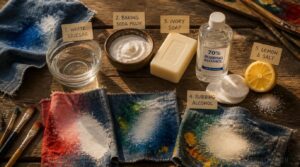
You don’t need a cabinet full of specialty products to tackle acrylic paint stains. Some of the most effective removers are things you probably already have at home. Here are five simple solutions worth trying before you reach for anything stronger.
Alcohol and Detergent Mix
Mix equal parts rubbing alcohol and dish soap, then dab it directly onto the dried paint.
The alcohol breaks down the hardened acrylic film while detergent enzymes lift pigment from the fibers.
Work in a ventilated area — this combo is flammable and can irritate skin with prolonged contact.
Blot, don’t scrub, and rinse with cool water before washing.
Baking Soda Paste
Rubbing alcohol combats the stubborn stuff, but baking soda paste is gentler on fibers. Combine two parts baking soda with one part dish soap until you get a thick, spreadable paste — not runny, not crumbly.
- Press it onto the stain and let it sit 10–15 minutes
- Scrub lightly with a soft toothbrush
- Rinse with cool water before washing
Its mild alkaline pH lifts pigment without damaging most cotton or polyester. Always test on a hidden seam first.
Dish Soap Solution
Dish soap works well on fresh or lightly set paint. Its surfactants — both anionic and nonionic — break down the oily binders in acrylic, letting water carry pigment away from fibers.
Apply a small drop directly to the stain. Blot from the outside in, rinse with cool water, then launder as usual. Always rinse thoroughly so leftover soap residue doesn’t attract more dirt later.
Vinegar for Delicate Fabrics
White vinegar cares for delicate fabrics gently when stronger solvents would cause damage. Mix it 1:1 with lukewarm water before applying — acetic acid at full strength can weaken sensitive fibers.
- Safe on most synthetics
- Avoid silk and wool
- Preserves fabric sheen
- Neutralizes light stains
- Always test a hidden seam first
Blot, don’t soak, then rinse with cool water.
Toothbrush Scrubbing
When vinegar isn’t enough, a soft-bristle toothbrush gives you controlled strokes right on the stain. Apply warm soapy water or rubbing alcohol, then work in small circular motions to lift pigment from fabric fibers. Keep the pressure light — too much force drives paint even deeper.
| Motion | Pressure | Best For |
|---|---|---|
| Circular | Light | Dry stains |
| Back-forth | Medium | Cotton |
| Short strokes | Gentle | Delicates |
Common Stain Removal Mistakes

Even the most well-meaning cleanup attempt can backfire if you’re not careful. A few common habits actually make acrylic paint stains harder to remove — or lock them in permanently. Watch out for these mistakes before you start.
Rubbing Wet Paint
Scrubbing wet acrylic is one of the worst moves you can make. Rubbing wet paint drives pigment deeper into the fabric fibers and spreads the stain wider with every stroke.
Always blot instead:
- Use a clean cloth or paper towel
- Press gently — don’t drag
- Work from the outside in
- Lift straight up, don’t smear
- Swap your blotting tool out often
Using Heat Too Soon
Heat is the enemy of a fresh paint stain. Tossing a stained garment in the dryer — or even rinsing with hot water — can lock pigment permanently into the fibers before you’ve had any real chance to fight it.
Keep everything cool until the stain is fully gone.
Skipping Spot Tests
Rushing straight to rubbing alcohol or a homemade paste without a quick spot test can leave you with a faded patch or a ruined fabric.
Every cloth reacts differently.
Test on a hidden seam first — inside the hem works well.
Thirty seconds of caution now saves you from replacing the whole garment later.
Overusing Harsh Solvents
A little rubbing alcohol goes a long way — but soaking the fabric repeatedly can cause skin dermatitis if it transfers to your hands, and the vapors trigger respiratory irritation in poorly ventilated rooms.
Acetone is even harsher, breaking down synthetic fibers and posing flammability hazards near heat sources.
Use solvents sparingly, work in fresh air, and switch to milder options once the stain starts lifting.
Drying Stained Clothes
Tossing clothes in the dryer before the stain is gone is one of the fastest ways to make a paint stain permanent. Heat locks acrylic pigment deep into fibers, and once that happens, even alcohol won’t fully lift it.
Always air dry and inspect the fabric first. If the stain remains, treat it again before any heat touches it.
Top 5 Acrylic Paint Products
Choosing the right acrylic paint can make a real difference in how your projects turn out — and how easy cleanup becomes. Some sets are better suited for fabric work, while others are built for canvas or mixed surfaces. Here are five worth keeping on your radar.
1. Cetaphil Deep Cleanse Bar
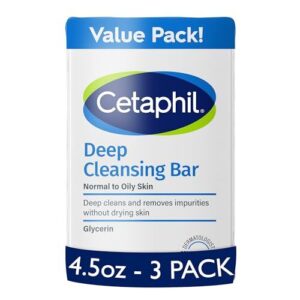
When paint gets on your hands during a project, gentle soap-free cleaning is the move. The Cetaphil Deep Cleansing Bar ($9.99 for a 3-pack) works well here. Its syndet-based formula cleans at a skin-friendly pH, lifting surface pigment without stripping your skin’s moisture barrier. That matters when you’re scrubbing paint off repeatedly.
It’s hypoallergenic and non-comedogenic, so sensitive skin tolerates it well. Use it with warm water to rinse fresh acrylic from hands before it sets.
| Best For | Anyone with sensitive, dry, or normal skin who wants a gentle, no-fuss daily cleanser for both face and body without the irritation of traditional soaps. |
|---|---|
| Formula Type | Soap-free bar |
| Water Soluble | Yes |
| Safety Rating | Hypoallergenic |
| Primary Use | Skin cleansing |
| Total Volume | 3 bars |
| Finish Result | Hydrated clean skin |
| Additional Features |
|
- Soap-free, hypoallergenic formula that cleans thoroughly without stripping moisture — great for sensitive or easily irritated skin
- Doubles as a face and body bar, so one product covers your whole routine
- Non-comedogenic, meaning it won’t clog pores or trigger breakouts
- No scent or additives, so if you enjoy a fragrant wash, this won’t scratch that itch
- Doesn’t moisturize on its own — you’ll still need a separate lotion after use
- Lathers less than traditional soap, which can feel unfamiliar if you’re used to a rich, foamy wash
2. Temporary Hair Color Wax Pack
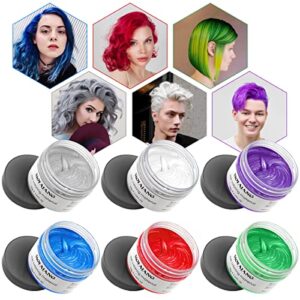
Hair dye and acrylic paint have more in common than you’d think — both can leave color where you don’t want it.
The Temporary Hair Color Wax Pack is a plant-based, waterproof formula designed for quick color changes at parties, cosplay, or Halloween. It applies easily with your fingers and rinses out with shampoo.
Because it sits on the hair surface rather than penetrating it, removal stays simple. Color transfer to fabric is possible, so protect your clothing during application.
| Best For | Anyone who loves experimenting with bold hair color for events like Halloween, cosplay, or parties without committing to permanent dye. |
|---|---|
| Formula Type | Plant extract gel |
| Water Soluble | Yes |
| Safety Rating | Natural extracts |
| Primary Use | Hair coloring |
| Total Volume | 4.23 oz |
| Finish Result | Temporary hair color |
| Additional Features |
|
- Made from 100% natural plant extracts, so it’s gentle on your scalp and hair
- Waterproof and non-staining formula makes it practical for all-day wear
- Super easy to apply with your fingers and rinses out cleanly with shampoo
- Temporary formula means you’ll need to reapply it every time you want the look
- May not show up well on dark hair without layering multiple coats
- Not a good fit for long-term color or professional styling needs
3. Arteza Acrylic Paint Set
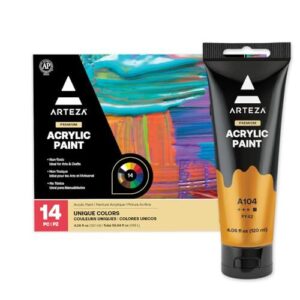
If you paint regularly, spills aren’t a matter of if — they’re when. The Arteza Acrylic Paint Set gives you 14 highly pigmented colors in generous 4.06-oz tubes, covering surfaces from canvas to wood to ceramic.
The water-based, ACMI-certified formula cleans up easily while wet — just soap and water. Once dry, though, it bonds like plastic, so act fast when accidents happen. It’s non-toxic and safe for supervised kids, making it a solid choice for home studios and classrooms.
| Best For | Artists of all skill levels — from beginners to hobbyists — who want a versatile, non-toxic acrylic set for use across a variety of surfaces in home studios or classrooms. |
|---|---|
| Formula Type | Acrylic pigment tubes |
| Water Soluble | Yes |
| Safety Rating | ACMI-certified non-toxic |
| Primary Use | Fine art painting |
| Total Volume | 56.84 fl oz |
| Finish Result | Semi-gloss paint finish |
| Additional Features |
|
- 14 richly pigmented colors in large 4.06-oz tubes offer great value and plenty of paint for extended projects
- Works on a wide range of surfaces including canvas, wood, paper, ceramic, and metal
- Non-toxic and ACMI-certified, making it safe for use around children under supervision
- Semi-gloss finish only — not suitable for projects requiring a matte look
- Needs significant thinning or additives to work well for pouring techniques
- Not rated for outdoor use without an additional protective sealant
4. Apple Barrel Acrylic Paint Set
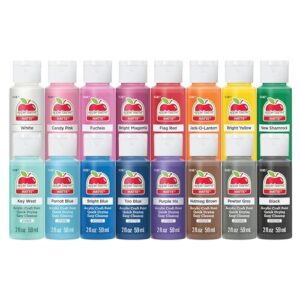
Apple Barrel keeps things simple and affordable. The set includes 12 bottles of 2 oz each, giving you 24 fluid ounces total across a range of bright, mixable colors.
It’s water-based and non-toxic, so wet paint rinses off skin and fabric with just soap and water. Once cured, though, the satin finish locks in — you’ll need rubbing alcohol to lift dried stains.
A solid pick for casual crafters working on wood, canvas, or terra cotta.
| Best For | Casual crafters and families who want an affordable, versatile paint set for a wide range of surfaces — from wood and terra cotta to cardboard and Styrofoam. |
|---|---|
| Formula Type | Liquid acrylic bottles |
| Water Soluble | Yes |
| Safety Rating | Non-toxic, US-made |
| Primary Use | Craft painting |
| Total Volume | 32 fl oz |
| Finish Result | Matte paint finish |
| Additional Features |
|
- 16 bright colors in a single set gives you plenty of variety for layering, mixing, and experimenting in one session
- Matte, quick-drying formula works across a huge range of surfaces and craft types, from holiday décor to mini figurines
- Easy to apply with a brush, sponge, stamp, or stencil — great for both kids and adults
- Some bottles may produce clumpy paint, requiring extra coats to get full, even coverage
- Fast drying time makes blending tricky if you don’t work quickly
- The plastic caps can be fiddly to open and reseal, which gets annoying mid-project
5. ArtSkills Acrylic Paint Set

If you want 30 colors in one box, ArtSkills delivers. The set comes with 30 tubes at 0.32 fl oz each, two brushes, and a palette — enough to start painting right away.
Like Apple Barrel, the paint is water-based, so wet paint rinses clean with soap and water. Dry it out, though, and you’re back to rubbing alcohol to break the bond.
Good value for beginners, students, or classroom projects on canvas, wood, or paper.
| Best For | Beginners, students, and classroom settings looking for a ready-to-use acrylic kit with a wide color range. |
|---|---|
| Formula Type | Acrylic pigment tubes |
| Water Soluble | Yes |
| Safety Rating | Non-toxic |
| Primary Use | Studio and fine art |
| Total Volume | 9.6 fl oz |
| Finish Result | Variable paint finish |
| Additional Features |
|
- 30 assorted colors cover everything from portraits to landscapes to abstract work
- Quick-drying formula lets you layer without long waits between coats
- Comes with two brushes and a palette, so you can start painting right out of the box
- Small 0.32 fl oz tubes run out fast on larger canvases
- Some caps can loosen over time and may need taping to prevent drying out
- Acrylic-only formula — not suited for mixing with oil or other paint types
Prevent Acrylic Paint Clothing Stains
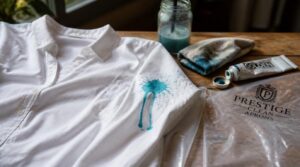
The best way to deal with acrylic paint stains is to stop them before they start. A few simple habits can keep your clothes clean no matter how messy your project gets. Here’s what actually works.
Wear Old Clothes
Old clothes are your first line of defense against acrylic paint stains. Before you pick up a brush, here’s why reaching for worn garments makes sense:
- They act as a sacrificial barrier, protecting nicer clothes underneath
- Prewashed fabrics resist paint penetration better
- Denim and thick cotton offer stronger stain resistance
Stained old clothes also stay out of landfills longer.
Use Aprons
An apron is the simplest shield you can grab before picking up a brush. Art and craft aprons with vinyl or resin finishes block paint before it touches your clothes. Waterproof PVC options handle liquid spills just as well. After painting, wipe the apron down with mild soap and water — most are machine washable, so cleanup stays quick and simple.
| Apron Type | Material | Best For |
|---|---|---|
| Art & Craft | Vinyl or resin | Paint and glue |
| Waterproof | PVC/polyurethane | Liquids and grease |
| Kitchen | Cotton mix | Cooking spills |
Cover Sewing Areas
If you sew your own clothes, the seam lines are where paint loves to hide.
Reinforcing seam patches made from matching scrap fabric stop pigment before it soaks through. Add bias tape protection along raw edges, plus a light interfacing stabilizer behind the stitching. A thin fabric sealant application seals threads further. Even a small pattern margin adjustment keeps brushes away from seams entirely.
Choose Fabric Paint
Skip regular craft acrylic for clothes. Fabric paint stays flexible and breathable once dry, so designs won’t crack or flake.
- Pick opaque for dark fabrics
- Choose transparent for light, textured fabrics
- Test compatibility on a scrap first
- Check labels for heat-setting steps
- Match wash-care to your fabric
Heat setting locks in color vibrancy and boosts washability.
Add Textile Medium
Want acrylic paint that actually survives the wash? Mix in textile medium. It changes plain acrylic into something closer to fabric ink, improving fabric flexibility and preventing paint cracking as clothes bend and stretch.
A common ratio is one part medium to two parts paint. This boosts adhesion, deepens color vibrancy, and keeps washability strong wash after wash—without stiff, flaky paint on fabric.
Frequently Asked Questions (FAQs)
How to remove acrylic paint from clothes?
Act fast. Blot wet paint with a clean cloth, then rinse from the fabric’s back with cool water. Add mild dish soap and launder promptly. For dried paint, use rubbing alcohol before washing.
Is acrylic paint washable?
Catch it early, and you’re in the clear. Acrylic paint is water-soluble when wet, so warm water and soap handle fresh spills. Once the polymer matrix solidifies, stain removal from clothes shifts to solvent-based removal techniques.
Does acrylic paint come out of fabric with washing?
Fresh acrylic paint rinses out easily with cool water and detergent if you treat it fast. Once it cures, the polymer film locks into fibers and resists washing.
Does acrylic paint wash off?
Yes, acrylic paint washes off — but only while it’s still wet. Once dry, it forms a plastic-like film that water alone can’t break down.
Does acrylic paint stay on fabric?
As the old saying goes, time waits for no one — and neither does acrylic paint. Once polymer film forms, it bonds deep into fibers, making permanent adhesion almost certain without fast action.
Can you remove acrylic paint from clothes?
Acrylic paint can come off clothes, but your window matters. Catch it wet and cool water takes care of it. Wait too long, and you’ll need alcohol or a solvent to break that hardened film.
Can you put acrylic paint on clothes?
You can put acrylic paint on clothes. Natural fibers like cotton hold it best. Adding textile medium improves flexibility and washability, while heat setting locks color in and helps prevent cracking over time.
Does acrylic paint wash out easily?
Sometimes it does, and sometimes it doesn’t — timing is everything. Wet paint rinses out easily, but once dry, polymer film formation locks pigment into fabric fibers, making full removal much harder.
Is acrylic paint permanent on clothes?
A stitch in time saves nine." Yes, acrylic paint can be permanent on clothes. Once the polymer film fully cures into fabric fibers, water alone won’t wash it off — but fast action keeps stains removable.
Will acrylic paint come out of clothes in the wash?
That depends on timing. Wet paint rinses out easily, but once it dries, the polymer film locks pigment into fibers. A washing machine alone usually can’t break that bond.
Conclusion
Acrylic paint on fabric isn’t a lost cause — it’s just a race against the clock. The moment color lands on cotton or denim, your window opens.
Act within 30 minutes, and cool water does most of the heavy lifting. So does acrylic paint wash off clothes? It does, when you move fast and skip the dryer. Catch it early, treat it right, and that stain never gets the chance to stay.
- https://www.thesketchingpad.com/blog/how-to-remove-acrylic-paint-from-clothes
- https://www.oxiclean.com/en/stain-solutions/how-to-get-paint-out-of-clothes
- https://www.dropps.com/blogs/stain-removal/how-to-get-acrylic-paint-out-of-clothes
- https://www.your-decorative-painting-resource.com/remove-paint-from-clothing.html
- https://cma-cleaning.com/how-to-get-acrylic-paint-out-of-clothes