This site is supported by our readers. We may earn a commission, at no cost to you, if you purchase through links.
Most beginner sewists don’t fail because they lack sewing skill—they fail because they picked the wrong fabric. A slippery satin that slides off the table, a stretchy knit that warps under the presser foot, an open weave that frays before you’ve even cut the first piece.
These aren’t beginner mistakes; they’re material mistakes. The fabric you choose determines how smoothly everything else goes. Stable, predictable materials let you focus on building technique instead of fighting your project.
Getting fabric choice for beginner projects right from the start changes everything—and it’s simpler than most people think.
Table Of Contents
- Key Takeaways
- Why Fabric Choice Matters for Beginners
- Key Qualities of Beginner-Friendly Fabrics
- Top Fabric Types for First Projects
- Fabrics Beginners Should Avoid
- Matching Fabric to Project Type
- Tips for Selecting Beginner Fabrics
- Preparing and Caring for Your Fabric
- Where to Buy Beginner-Friendly Fabrics
- Frequently Asked Questions (FAQs)
- Conclusion
Key Takeaways
- Choosing stable fabrics like quilting cotton lets you focus on learning technique instead of fighting your material.
- Fabrics like satin, silk, and stretchy knits aren’t just hard—they actively hide your mistakes and punish small errors, so save them for later.
- Pre-washing your fabric before cutting isn’t optional—natural fibers like cotton can shrink significantly and ruin a finished project.
- Matching your fabric to your project type (structured canvas for bags, cotton poplin for garments) sets you up to succeed before you sew a single stitch.
Why Fabric Choice Matters for Beginners
The fabric you pick can make or break your first sewing project. It affects how easy it’s to cut, sew, and finish your work cleanly.
For a smoother start, check out this guide on practice fabric choices for beginner sewists before you buy anything.
Here’s what every beginner should know about how fabric choice shapes your success.
How Fabric Affects Sewing Success
Your fabric selection can make or break your first sewing project. Fabric stability determines whether your seams stay straight or wander off course.
Unstable or slippery materials are among the most common beginner mistakes — they fight you at every step. Beginners should be aware of the difficulties that come with certain challenging fabric types.
Choosing the right fabric builds real sewing confidence, because good sewing techniques only work when your material cooperates.
Building Skills With The Right Materials
Think of fabric selection as your training ground. The right material teaches you sewing techniques without fighting back.
Quilting cotton, for example, feeds evenly through your machine, so you can focus on seam control instead of chasing a slippery edge. Smart fabric choice for beginner sewing projects builds real skill progression — each stitch teaches you something when beginner-friendly fabrics behave predictably.
For help choosing your first materials, explore easy fabrics for beginner sewists.
Common Beginner Mistakes With Fabric
Even the best fabric selection guide can’t help if you skip the basics. Many beginner sewers choose fabric by color alone and ignore fabric properties like stretch, weight, and drape. That’s a recipe for sewing errors.
Skipping pre-washing is another common beginner pitfall — cotton can shrink up to three inches per yard. Smart fabric management from the start prevents these mistakes before they happen.
Key Qualities of Beginner-Friendly Fabrics
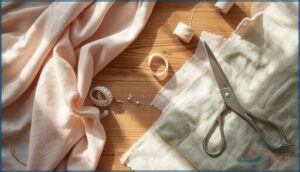
Not all fabrics are created equal, and that difference really shows up when you’re still learning the ropes. Some materials practically sew themselves, while others will have you fighting every stitch.
Here are the key qualities to look for before you buy a single yard.
Stability and Non-Stretch Properties
Stability is your secret weapon as a new sewist. Non-stretch, stable weave fabrics hold their shape while you cut, pin, and stitch — no chasing shifting layers. Grain control stays accurate because fiber strength and weave density resist warping. Forgiving fabrics like quilting cotton make seam-ripping painless too.
- Pattern pieces stay aligned during cutting
- Seams sew straighter with consistent grain control
- Weave density reduces fraying at raw edges
- Stable weave fabrics maintain shape after pressing
Medium Weight and Ease of Handling
Weight is the quiet helper you don’t notice until you pick up the wrong thing. Medium weight options — like cotton quilting fabric or medium weight cotton twill — sit right in that sweet spot for beginner sewing projects. They feed smoothly without bunching, and their fabric stability makes ease handling feel natural from day one.
| Fabric Choice | Why It Works |
|---|---|
| Cotton Quilting Fabric | Stays flat, feeds evenly |
| Medium Weight Cotton Twill | Holds shape, easy to press |
Texture and Predictable Behavior
Texture is your silent guide through every project. A smooth texture means fabric lies flat, pins grip firmly, and your chalk lines actually show up.
Knowing your fabric’s fray risk before you cut helps you pick the right approach—this breakdown of clean finish vs. french seam techniques makes that choice a lot easier.
Predictable weave and grain line visibility help you cut accurately without second-guessing every inch. That’s what makes beginner-friendly fabrics so valuable — their consistent fabric behavior takes one big variable off your plate, so you can focus on learning.
Top Fabric Types for First Projects
Not every fabric will cooperate with you when you’re just starting out, and that’s completely normal. Some materials are simply more forgiving than others, and knowing which ones to reach for first makes a real difference.
Here are five fabric types that beginners consistently find easy to work with and hard to go wrong on.
Quilting Cotton
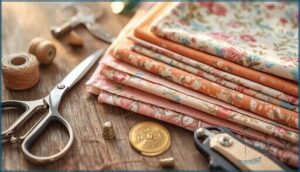
Quilting cotton is the go-to fabric choice for beginner sewing projects — and for good reason. This cotton quilting fabric has a tight cotton weave that lies flat and cuts cleanly, which makes sewing techniques like straight seams far less frustrating.
It weighs around 120 to 150 gsm, giving you just enough fabric stability to stay in control. Great quilting tips start here.
Cotton Poplin and Lawn
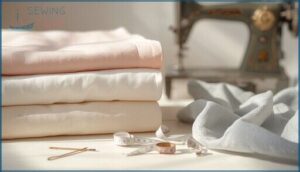
Once you’ve got quilting cotton down, cotton poplin and cotton lawn are your natural next step. Both share a tight cotton weave that keeps fabric drape smooth and controlled — great for beginner sewing projects like shirts and simple dresses.
Poplin uses that firm, polished surface beautifully, while lawn projects call for its lighter, crispier touch. Either fabric choice rewards sewing for beginners with clean, frustration-free results.
Linen and Linen Blends
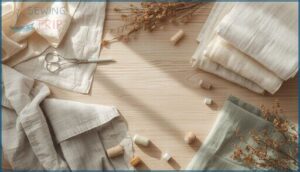
Linen is a smart fabric choice that surprises many beginners — it’s easier than it looks. The linen weaving process creates a naturally firm structure, so your pieces stay flat while you cut and sew.
Fabric blending linen with cotton reduces stubborn wrinkling, making textile care and sewing linen more manageable. For beginner sewing, linen blends offer excellent fabric selection — stable, breathable, and forgiving on straight seams.
Flannel and Broadcloth
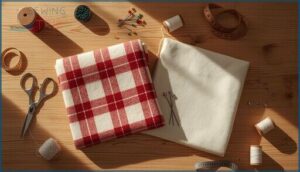
Flannel basics make it one of the coziest options in beginner sewing projects — that soft, brushed surface actually hides small stitching wobbles beautifully.
Broadcloth uses a smooth plain weave that’s perfect for shirts and simple dresses. Both fabrics reward good fabric preparation, like prewashing to prevent shrinkage.
As cotton blends, they’re forgiving, affordable, and genuinely confidence-building for anyone learning core sewing techniques.
Canvas and Lightweight Denim
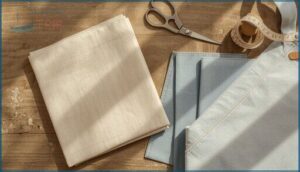
Ready to try something sturdier? Canvas and lightweight denim are excellent next steps for Sewing Projects for Beginners.
Great Canvas Projects to start with:
- Tote bags using Cotton Canvas — structured and beginner-friendly
- Aprons, where Fabric Weight really matters for durability
- Simple skirts using lightweight Denim (6–8 oz works perfectly)
These Cotton Blends reward basic Sewing Techniques. Your Fabric Selection Guide goal: Choosing the Right Fabric means matching structure to project. Denim Care is simple — prewash, and you’re set.
Fabrics Beginners Should Avoid

Not every fabric will be your friend when you’re just starting out. Some materials look beautiful in the store but turn into a frustrating fight at the sewing machine.
Here are the ones worth skipping until you’ve got more practice under your belt.
Slippery Fabrics Like Satin or Silk
Satin and silk might look dreamy, but fabric slippage makes them a nightmare for beginners. Sewing satin means fighting layers that slide out of alignment the moment you blink.
Silk challenges don’t stop there — smooth textures show every uneven stitch, and fraying edges demand fray prevention skills you haven’t built yet. Save these for later. Your fabric choice now should set you up to win.
Very Stretchy Materials
Silk and satin aren’t the only traps waiting for you — stretchy fabrics are another story entirely.
Jersey fabric guidance often gets skipped in beginner content, but it matters.
Elastic material handling and spandex sewing tricks require special tools most beginners don’t have yet:
- Wavy, stretched-out necklines that won’t lie flat
- Seams that pop the first time you pull on a garment
- Fabric that curls, clings, and fights the feed dogs
- Pattern pieces that grow and twist as you sew
Knit sewing basics — like ballpoint needles and stretch stitches — add a learning curve that’s steep when you’re just starting out. Jersey knit, ponte knit, and double knit all vary in fabric weight and behavior. Stick with beginner-friendly fabrics first. These stretchy fabric tips will make more sense once you have straight seams down.
Delicate or Expensive Fabrics
Stretchy fabrics trip you up with delicate behavior — delicate ones hit your wallet. Luxury materials like silk and lace leave no room for mistakes.
A miscut in costly textiles means starting over, often at full price. Fine fibers snag from seam ripping, leaving permanent damage.
Smart fabric selection means choosing forgiving fabrics while you’re still building confidence and control.
Loosely Woven or Sheer Fabrics
Transparency is a trap for beginners. Sheer fabrics like chiffon and georgette show every wobbly seam and stray thread — there’s nowhere to hide.
Loose weave fabric properties make delicate handling a must, since edges fray fast and pieces stretch off-grain when you move them. Stick with forgiving fabrics that have strong fabric stability and weight until your straight seams are truly reliable.
Matching Fabric to Project Type
Not every fabric works for every project, and that mismatch is often what trips beginners up.
The good news is that once you know what each project needs, choosing the right fabric gets a lot easier. Here’s a look at three common beginner projects and the fabrics that’ll help you get the best results.
Garment Sewing for Beginners
Your first garment teaches you more than you expect. For beginner sewing projects, fabric selection really shapes how smoothly that learning goes.
Cotton poplin is a solid starting point — it holds its shape, feeds evenly, and cooperates with basic sewing patterns. Garment fitting is easier when the fabric stays put. Stick to wovens, follow your pattern’s fabric guide, and you’ll sidestep most early headaches.
Home Décor and Accessories
Home decor sewing projects are where fabric selection really pays off. For DIY home decor like cushions and curtains, heavier cottons, linen blends, and canvas hold their shape and resist daily wear. These home textiles aren’t fussy — they’re forgiving.
Great starting points for home decor sewing:
- Canvas or duck cloth for structured accessory making like tote bags
- Linen blends for curtains and table décor patterns
- Heavier cotton for cushion covers and upholstery tips projects
Quilting and Craft Projects
Quilting and craft projects are some of the best beginner sewing projects to start with — and fabric selection makes all the difference.
For quilting tips that actually work, stick with quilting cotton. It’s the foundation of crafting and sewing for good reason: it feeds smoothly through sewing machines, stays flat, and cuts cleanly with quilter tools.
Cotton quilting fabric makes sewing techniques for beginners feel natural, not intimidating.
Tips for Selecting Beginner Fabrics
Knowing what to look for is only half the battle — knowing where to start is the other.
A few practical habits can save you from frustration before you even thread your needle.
Here are two simple steps that make fabric shopping a whole lot easier for beginners.
Asking for Advice at Fabric Stores
Walking into fabric stores can feel overwhelming, but the staff are genuinely there to help. Good staff communication starts with you — bring your pattern, know your project size, and mention you’re a beginner.
Here’s how to get the most from every visit:
- Ask open questions — “Which fabric choices here work best for beginner sewing projects?” invites better guidance than yes/no questions.
- Describe your struggles — mentioning past issues like slipping or stretching helps staff steer your textile selection toward stable, forgiving options.
- Request fabric sampling — many stores offer small snips so you can test before committing.
Smart fabric store etiquette makes choosing the right fabric easier and builds lasting relationships with people who genuinely want your beginner queries answered.
Starting With Small, Simple Projects
Think of your first sewing project like a test drive — you wouldn’t start on a highway. Small, simple projects let you build real skills without the pressure.
These easy sewing projects cover sewing basics without overwhelming you. Each one teaches beginner sewing essentials — cutting, pinning, seaming — through repetition. That’s how beginner tips actually stick.
| Project | Fabric Selection | Why It Works |
|---|---|---|
| Tote bag | Quilting cotton | Stable, easy straight seams |
| Pillow cover | Cotton poplin | Forgiving, beginner-friendly fabric |
| Fabric coaster | Canvas or cotton | Short seams, fast finish |
| Zip pouch | Broadcloth | Simple patterns, minimal pieces |
| Placemat | Linen blend | Flat, great for pressing practice |
Preparing and Caring for Your Fabric
Picking the right fabric is only half the job — how you treat it before and after sewing matters just as much.
A little prep work upfront can save you from frustrating surprises later, like a finished project that shrinks or puckers in the wash.
Here are the key steps to get your fabric ready and keep it in great shape.
Pre-Washing and Shrinkage Prevention
Prewashing is one of the smartest fabric preparation steps you can take before cutting a single piece. Cotton care starts here — skip it, and your finished project might shrink after the first wash.
Most natural fibers need this laundry basic to behave predictably. Match your pre wash tips to how you’ll care for the item later, and your fabric choices will hold their shape.
Cutting and Handling Techniques
Once your fabric is prewashed, how you cut it matters just as much. Good fabric preparation at this stage sets every seam allowance up for success.
- Use sharp dressmaking shears or a rotary cutter — dull blades drag and distort
- Align pattern pieces with the fabric grain before pinning
- Check your pattern layout before making a single cut
- Place pins inside the seam allowance to protect the outer surface
- Use tailor’s chalk or washable pens for clear fabric marking
These simple sewing techniques keep beginner-friendly fabrics behaving exactly as expected.
Ironing and Storage Tips
Once your pieces are cut, proper pressing makes a real difference. Use the right iron temperature — cotton tolerates around 200°C, while linen needs higher heat with steam. Press down, lift, and repeat — don’t drag the iron.
For storage methods, fold clean fabric into flat stacks away from sunlight. These simple fabric preparation habits protect your materials and keep future projects ready to go.
Where to Buy Beginner-Friendly Fabrics

Once you know what fabric to look for, the next step is figuring out where to actually find it.
Luckily, you have more options than you might think. Here are three solid places to start your search.
Local Fabric and Craft Stores
Your local fabric store is one of the best places to start. Staff assistance makes choosing the right fabric so much easier — ask questions freely. Many stores organize bolts by use, simplifying store navigation for beginner sewing.
Look for class schedules and community events, too. Handling cotton and other beginner-friendly fabrics in person before buying builds real confidence through fabric sampling.
Online Fabric Retailers
Online fabric stores open up a world of options right from your couch. Sites like Core Fabrics and Blackbird Fabrics offer curated collections built around beginner-friendly materials, with site filters that sort by weight and project type.
Many shops offer swatch programs so you can feel the fabric before committing. Compare shipping options and price per yard — choosing the right fabric gets easier when stores do the sorting for you.
Thrift Stores and Secondhand Options
Thrift stores are one of the best-kept secrets in beginner sewing. A flat sheet from the bedding section gives you 3 to 5 yards of cotton fabric for just 2 to 5 dollars — perfect for sewing projects without the stress of wasting money.
Thrift store bedsheets give beginners 3 to 5 yards of practice cotton for just a few dollars
Secondhand textiles and vintage fabrics make fabric sourcing affordable. Just wash everything first before you cut.
Frequently Asked Questions (FAQs)
How to choose fabric for a project?
Start with your project plan, not the fabric store. Think about weight, stretch, and texture first.
Those three factors decide whether your sewing goes smoothly or turns into a frustrating fight with your machine.
What’s a good beginner sewing project?
Simple Tote Bags, Envelope Pillows, Drawstring Bags, Quilted Coasters, and Elastic Pants are all great beginner sewing projects. They use beginner-friendly fabrics, straight seams, and basic sewing tips that build real skills fast.
What type of material is best to start with?
Quilting cotton is your best bet. It’s stable, affordable, and won’t fight you while you learn.
Most beginners find it the most forgiving fabric for mastering straight seams and clean cuts.
Is 90% cotton 10% elastane good?
It’s a great fabric blend for comfort and movement.
Cotton elastane offers stretch recovery and fabric durability, but for beginner projects, it requires special needles and techniques — making it trickier than pure cotton for sewing for beginners.
How much fabric should beginners buy per project?
For most beginner sewing projects, buying 1 to 2 yards is a safe starting point. Add about 10 percent extra as your Sewing Margins buffer — it covers cutting mistakes without wasting much fabric.
What sewing tools work best with beginner fabrics?
The right sewing tools make all the difference.
Pair your sewing machine with a universal needle (size 80/12), grab quality fabric scissors, keep a seam ripper handy, and use all-purpose polyester thread.
How do fabric patterns affect cutting and alignment?
Fabric patterns change how you cut and sew. Directional layout means all pieces face one way.
Print alignment and motif matching take extra time. Grainline management keeps everything straight and balanced.
Are fabric swatches worth buying before committing?
Yes — swatches save money, confirm true color, and let you test feel before committing. A few dollars upfront beats wasting thirty to sixty on yardage that’s wrong.
Conclusion
Think of your first project like your first recipe. You don’t start with a soufflé—you start with something that forgives small mistakes and still tastes good.
Smart fabric choice for beginner projects works exactly the same way. The right material won’t just make sewing easier; it’ll make you want to keep going.
Start with fabrics that cooperate, build skills that stick, and before long, you’ll be ready to tackle anything in the shop.
- https://friedlies.com/blogs/general/best-sewing-fabrics-for-beginners
- https://mrsquilty.com/blogs/news/best-beginner-friendly-fabric-types-quilting
- https://www.wickedfabrics.com.au/sewing-blog/a-beginners-overview-to-sewing-with-stretchy-fabrics/
- https://spandexpalace.com/blogs/everything-to-know-about-spandex-fabric/conquering-the-stretch-your-beginners-guide-to-sewing-knit-fabrics
- https://www.armandhammer.com/en/articles/fabric-guide-for-how-to-wash-different-fabrics