This site is supported by our readers. We may earn a commission, at no cost to you, if you purchase through links.
Grab a fat quarter and twenty minutes, and you’ll walk away with a bookmark, a scrunchie, or a coffee cozy that actually looks store-bought. That’s the magic of small-scale sewing: low fabric cost, fast finish, big payoff. No wonder Etsy’s handmade accessories category keeps climbing while big-box fashion stalls out.
Sewing ideas for accessories give you a playground where mistakes cost pennies, not yards of ruined fabric. You’ll build real skills, a backstitch here, a slip stitch there, while creating treasures you’ll actually use or gift.
Whether you’re threading your first needle or eyeing a beaded evening bag, there’s a project ahead sized to your ambition and your afternoon.
Table Of Contents
Key Takeaways
- Beginner sewing projects like bookmarks, coffee cozies, and scrunchies use cheap fabric scraps and quick techniques, making them ideal low-risk starting points for building real stitching skills.
- Mastering five core stitches, running, backstitch, blanket, slip, and catch, gives you the foundation to tackle nearly any accessory pattern with confidence.
- Matching fabric weight and type to your project, like canvas for totes or silk for scarves, directly determines how professional and durable your finished piece turns out.
- Handmade accessories can become a real income source, since small items like scrunchies can carry up to 90% profit margins and sell faster than full garments.
Easy Sewing Accessory Ideas for Beginners
You don’t need years of experience to start creating handmade treasures with your own two hands. These beginner projects build your confidence one stitch at a time, using simple shapes and forgiving fabrics. Here’s where your sewing journey starts.
Before diving in, it helps to gear up with the right basics, and this guide to sewing machine accessories for kids learning to sew makes picking the essentials simple.
Simple Bookmarks and Coffee Cozies
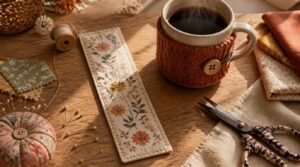
Grabbing a needle for the first time? Start with bookmarks and coffee cozies, they’re the friendliest beginner sewing projects out there.
A standard bookmark finishes at 2 by 8.5 inches, and you can customize bookmarks with embroidery before your final stitch. You can use fusible batting layers to add structure and thickness to your handmade creations.
Coffee cozies fit a 10-inch cup with fusible batting for real cozy insulation, plus Velcro or elastic-button cozy closures. Simple, sturdy, satisfying.
Quick Scrunchies and Hair Ties
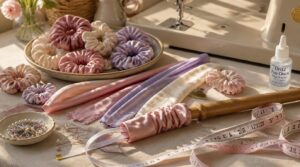
Once bookmarks feel easy, scrunchies are your next fun leap.
Cut fabric 2.5 to 4 inches wide and try the burrito sewing method for a clean tube. Choose silk for smooth, frizz-fighting texture.
Quick size guide:
- Mini: 25×2.5", 5" elastic
- Regular: 30×4", 8" elastic
- XL: 35×5", 15" elastic
- Kids: 14×3", 5" elastic
Keep elastic tension snug, not tight, and fray-check silky edges.
Beginner Tote Bags and Pouches
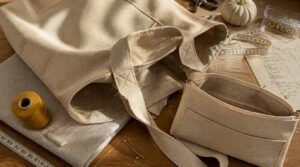
Ready for something with more structure? Tote bags are your next stop, and they teach real skills fast.
Pick 10 oz canvas for the body, it’s sturdy but still beginner-friendly. Balance it with 6 oz lining like Essex Linen. Standard pieces run 20"x15", straps 52"x3" for comfy shoulder drop. Box-stitch straps for durability, and place interior pockets 4" from the top. Simple pouches work the same tricks, smaller scale.
Basic Stitches You’ll Need
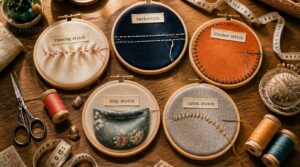
Every project above leans on five stitches, so let’s nail them down.
Running stitch spaces evenly, 1/8 to 1/4 inch, perfect for gathering ruffles. Backstitch locks seams tight—5-6 stitches per inch rivals machine work. Blanket stitch finishes raw felt edges beautifully. Slip stitches stay invisible closing pouch openings. Catch stitch adds flexibility to knits and curves. Master these five, and every pattern gets easier.
Free Downloadable Patterns
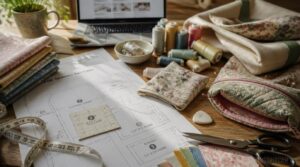
Here’s the good news: three sources deliver seriously solid free sewing patterns—Lia Griffith, Treasurie, and Hello Sewing. Files download as zipped PDFs with A4 and copy-shop versions.
Before printing, always check that 2-inch test square for scale verification.
- Full size ranges, not just one
- Same detailed instructions as paid patterns
- Video tutorials included
Most require newsletter signup, and access hits your inbox instantly.
Once you’re signed up, you’ll find plenty of creative denim patchwork clothing ideas waiting to turn your scrap pile into something wearable again.
Trendy Handmade Accessory Projects
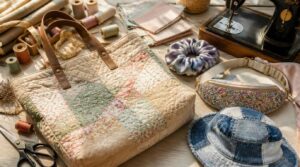
Once you’ve got the basics down, it’s time to level up your style game. You’ll start turning simple stitches into pieces that actually look like they came from a boutique. Here are four projects that mix trendy looks with skills you can build on.
Fabric Headbands and Hair Bows
Knits win for headbands, thanks to natural stretch that hugs any head shape comfortably. Flannel gives bows built-in stiffness without interfacing. Use silk? Grab fine 80/12 needles.
| Fabric | Best For | Why |
|---|---|---|
| Knit | Headbands | Stretch comfort |
| Flannel | Bows | Natural stiffness |
| Silk | Formal bows | Elegant drape |
Attach bows with a ring strip wrapping bow and headband together—instant handmade accessories.
DIY Scarves and Wraps
Wrapping yourself in a handmade scarf feels different than buying one off the rack.
A handmade scarf wraps you in something a store-bought one could never quite give
For summer, grab cotton lawn or rayon challis; winter calls for flannel or lightweight fleece.
Try an infinity scarf at 10×35 inches, or go standard at 20×80. Finish edges with hand-rolled hems or playful fringe for that boutique-worthy touch.
Sewing a Simple Fabric Wallet
Ready to turn scraps into treasure? A simple fabric wallet needs just 1 yard of cotton quilting fabric, plus interfacing for structure.
Design options:
- Trifold wallet with snap closure
- Slim card slots (up to 10!)
- Zipper pouch for coins
- Cash pocket lined with scraps
Pick velcro for kids, snaps for slim style—both beginner friendly and endlessly customizable.
Beginner-Friendly Skirt Patterns
Skirts are where garment construction stops feeling scary. Elastic waistband methods need zero zippers—just a folded casing, a straight stitch, and thread-through elastic.
Try no-pattern drafting: waist times three equals your fabric width, no printing required. Gathered and A-line silhouettes use two seams, tops.
Want pockets? In-seam pocket addition hides them in your side seams. Feeling bold? Attempt tiered skirt construction for instant volume.
Choosing Fabrics and Tools for Accessories
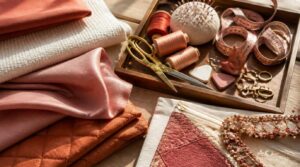
Every great accessory starts long before the first stitch, with the right fabric and tools in your hands. You’ll want to match materials to your project’s personality, whether that’s structured, stretchy, or downright silky. Let’s break down what belongs in your sewing kit and why.
Best Fabrics for Each Project
Fabric weight makes or breaks a project. Lightweight cotton lawn suits tote bags, while heavyweight denim (300+ gsm) is great for scrunchies that face daily wear.
- Cotton – bookmarks, cozies
- Rayon challis – hair accessories
- Linen – summer bags
- Satin – evening clutches
- Wool-blend – winter warmers
Match fabric to season, test durability by tugging seams, and raid thrift bins for cheap, quality scraps before splurging.
Must-Have Sewing Tools
Great fabric deserves great gear. A reliable sewing machine with an automatic needle threader (like the Brother CS7000X) saves frustration fast.
| Tool | Use | Cost |
|---|---|---|
| Fabric scissors | Precision cuts | ~$29 |
| Seam ripper | Fixing mistakes | Low |
| Rotary cutter | Multi-layer cutting | Varies |
| Presser feet | Specialty stitching | $75–$140 |
Keep blades sharp, hands steady, and your notions organized—your projects will thank you.
Getting The Right Seam Allowance
Nail your gear, and next comes the stitch that holds it all together: seam allowance. Get this wrong and your bag puckers or your wallet frays.
- Lightweight cotton: 1 cm
- Denim/canvas: 1.5–2 cm
- Knits: 1 cm, keeps stretch
Measure with a gauge, trim bulk after stitching, and adjust for fit—your seams will sit smooth every time.
Where to Find Sewing Tutorials
Once your seams sit smooth, it’s time to sharpen your skills. YouTube’s Whitney Sews and Crafty Gemini offer beginner-friendly tutorials, while Instagram reels from @Clara_Made_It show quick techniques.
Try online sewing schools like Sew It Academy for sewing machine basics, or browse pattern company videos from Tilly and the Buttons.
For advice, r/sewing’s forum threads are gold for troubleshooting.
Sustainable and Upcycled Accessory Ideas
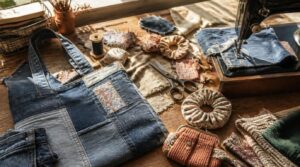
Ready to give your fabric scraps and old clothes a second life? Sewing sustainably means turning what you already own into something fresh and useful, no new material required. Here are a few upcycled projects worth trying.
Reusable Produce and Tote Bags
Ready to ditch plastic for good? Mesh vs muslin matters: mesh shows contents, muslin (13×12" to 16.75×12.5") prevents cross-contamination.
5 fabric picks:
- Cotton – biodegradable, breathable
- Jute/hemp – compostable, low-water
- Recycled PET – dyeable
- Non-woven polypropylene – durable
- Canvas – heavy-load totes
Foldable totes with carabiners solve bag storage solutions beautifully—clip them anywhere!
Zero-Waste Fabric Sponges
Swapping disposable sponges for fabric scraps is one of the smartest sustainable kitchen swaps you’ll ever make. Layer two cotton outers around mesh and absorbent batting for scrubby texture and serious soak-up power.
| Layer | Material | Purpose |
|---|---|---|
| Outer | Cotton | Softness |
| Middle | Tulle mesh | Scrubbing |
| Center | Batting | Absorbency |
| Bonus | Bamboo | Antibacterial |
| Finish | Compost | Zero-waste |
These naturally decompose within months—true zerowaste sewing magic!
Upcycling Old Denim Into Bags
Digging through your closet for jeans you’ve outgrown? Grab a denim needle before you start—it powers through thick seams without skipping stitches. Cut legs below the crotch for max fabric, keep original pockets for built-in storage, and roll strips into sturdy straps.
- Rescued jeans
- Zero landfill guilt
- One-of-a-kind bag
- Serious style cred
Repurposing Sweaters and Scraps
Grandma’s old cardigan doesn’t have to hit the donation pile. Cut larger sweaters into envelope-style pillow covers, letting the finished edge form a natural, unraveling-proof border. Save every leftover remnant for scrunchies, headbands, or heart-shaped handwarmers stuffed with poly pellets.
Turn scraps into decorative yarn balls or braid them into t-shirt yarn for rugs. Even tiny squares become ornaments or upcycled storage bins—nothing wasted, everything treasured.
Advanced Sewing Accessory Projects
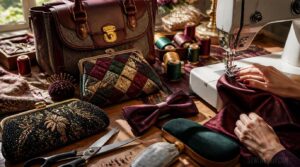
Ready to push past the basics? These projects ask for a little more patience, a little more precision, and a lot more payoff. Here’s where your skills really start to shine.
Beaded Evening Bag Techniques
Ready to turn a plain clutch into pure sparkle? Choose satin or velvet as your base, then try backstitch for crisp outlines or couching for heavier cords.
Mix seed beads with 7mm bugle beads in peacock-inspired swirls. Secure each bead with two or three stitches, add a magnetic clasp, and you’ve got a handcrafted showstopper worth treasuring.
Structured Zipper Pouches
Want a pouch that stands up on its own like a tiny suitcase? That’s the box bottom technique in action.
Fuse Pellon interfacing for structure, use zipper foot attachment for clean topstitching, and try quilted layers for texture.
- Pellon 526 for leather-like body
- Fusible fleece for quilted loft
- Box corners clipped at 45 degrees
You’ll love the professional finish!
Knotted Fabric Baby Hats
There’s something special about a hat that ties itself into place. These knotted baby hats use a 3/8-inch seam allowance around the whole piece, with fabric stretch running horizontally for the perfect fit.
Pick a 4-way stretch knit, size for growth (12 ½ to 15 ½ inches), and keep everything CPSC-safe. Add a name with custom vinyl designs—instant handcrafted gift!
Rice-Filled Hand Warmers
Once that hat’s tied on, cozy up the whole outfit with a warmer that fits right in your pocket.
Stick to 100% cotton fabric and thread—synthetics can melt or spark. Fill with rice (heat retention champ) or swap in flaxseeds for kids’ sizes.
- Heat in 15-20 second bursts
- Never leave unattended
- Cool 1-2 minutes before handling
Perfect beginner-friendly, handcrafted gift!
Monogramming and Embroidery Details
Once your hand warmers are stitched up, it’s time to add a personal touch that turns any accessory into a keepsake.
Thread selection matters most: stranded cotton floss for fine detail, perle cotton for bold outlines. Use cut-away stabilizers on bags, water-soluble toppers on plush fabrics. Follow monogram placement standards—centered, seam-free—and mark spots with water-soluble pens. These needlework techniques turn simple totes into genuine treasures.
Frequently Asked Questions (FAQs)
What are some easy sewing ideas for DIY home decor?
Give your space a handmade touch with envelope pillow covers, no-sew fabric wall hangings, Roman blinds, and upcycled denim baskets. These beginner friendly tutorials turn simple fabric into stunning, functional decor you’ll actually be proud of.
How many easy accessories to sew?
Like a treasure chest overflowing with tiny gems, you’ll find 20-30 easy accessories perfect for starting your sewing journey. From scrunchies to bookmarks, this beginner project volume builds real skill-building milestones without overwhelming your learning curve.
What are some easy sewing projects for beginners?
Bookmarks, coffee cozies, and chapstick keychain holders work wonders for building confidence.
Try quick gift bags, scrap coaster sets, fabric envelope pouches, or mini sunglasses cases too. These beginner-friendly tutorials use simple straight stitches, letting you create real treasures while mastering the basics.
Why are accessories fun to sew?
Small projects mean rapid project satisfaction—finish in minutes, not weekends.
You’ll test bold fabrics, try monogramming, or whip up custom gifts without big commitments.
It’s budget-friendly, low-risk creativity, and every finished piece delivers a genuine confidence boost.
How do I choose the right sewing accessories?
Match fabric to project purpose and your comfort level. Cotton suits beginners, silk flatters scarves, canvas sturdies bags.
Then pair the right needle type, thread strength, and presser foot so your machine works through each material smoothly, without puckering or skipped stitches.
What are some fun things to sew?
Your needle’s a magic wand, turning scraps into treasures. Try corner bookmarks, wavy potholders, or lavender sachets for gifts. Whip up fabric coasters, bag charms, or DIY zipper pouches — small accessories to sew that build real skills fast.
How long does it take to sew accessories?
Timing swings fast: a 5-minute scrunchie versus a detailed handbag eating 2-3 hours. Speed comes with practice, so start with quick, beginner-friendly tutorials before tackling complex handmade accessories that test your patience and skill.
Whats the average cost per accessory project?
Beginner accessories run $15-25 total, tote bags land around $30-60, and kits like a $95 zipper pouch beat buying notions separately. Fancier fabrics or beading push costs toward $75-150, so budget with your project’s complexity in mind.
Can I sell my handmade sewing accessories?
Your hobby pile could become someone’s treasure. Yes, you can sell handmade accessories on Etsy, craft fairs, or Shopify. Price 5-3 times material costs, factor labor hours, and scale production once demand for your handcrafted goods grows.
Which accessories are most profitable to make?
Scrunchies lead the pack with 90% profit margins, while digital patterns can bring in $500–$2,000 monthly with zero inventory. Upcycled denim tote bags fetch premium prices, and tech sleeves stay in steady demand year-round for growing, handmade income.
Conclusion
Handmade sellers report that small accessories sell three times faster than full garments, proof that tiny projects pack a mighty punch. That’s the heart of sewing ideas for accessories: low stakes, quick wins, endless room to grow.
You started with a bookmark, maybe, and now you’re eyeing beaded clutches and monogrammed pouches. Every stitch sharpens your skill and your confidence.
Keep your needle threaded, your scraps close, and your imagination wide open. Your next treasure is one seam away.
- https://www.seasonedhomemaker.com/how-to-sew-a-bookmark
- https://seekatesew.com/corner-bookmark-sewing-pattern-easy-fabric-scrap-sewing-project
- https://sewcanshe.com/2017-5-19-journaling-bookmark-and-pencil-holder-free-sewing-tutorial
- https://quilterscandy.com/fabric-book-marks/amp
- https://www.scatteredthoughtsofacraftymom.com/fabric-bookmark-tutorial