This site is supported by our readers. We may earn a commission, at no cost to you, if you purchase through links.
You’ve ripped through your fabric. Again. That sharp point jumped, snagged a warp thread, and now there’s a hole where your hem should be. The tool in your hand—whether seam ripper or scissors—becomes the villain in this moment, but the real problem isn’t the tool itself. It’s knowing which one to reach for when stitches need to come out.
Seam rippers excel at slicing through individual threads without pulling fabric, while scissors tackle bulk removal and thread nests that would bog down a ripper’s tiny blade. Each tool commands specific situations, and choosing wrong means wasted time, frayed nerves, or damaged projects.
Master the strengths and blind spots of both, and you’ll remove stitches with the precision of a surgeon and the speed of someone who refuses to redo work twice.
Table Of Contents
- Key Takeaways
- Seam Ripper Vs Scissors: Key Differences
- Advantages of Using a Seam Ripper
- Benefits of Scissors for Stitch Removal
- Risks and Challenges With Each Tool
- Best Practices for Removing Stitches
- Choosing The Right Tool for Your Project
- Top Seam Rippers and Scissors for Stitch Removal
- Caring for and Maintaining Your Tools
- Expert Tips for Seam Removal Success
- Frequently Asked Questions (FAQs)
- Conclusion
Key Takeaways
- Seam rippers excel at precise, single-thread removal with their protective ball tip that shields fabric, while scissors handle bulk thread clusters and dense stitching that would bog down a ripper’s small blade.
- Cut every third or fourth stitch instead of ripping entire seams—this prevents fabric tears and gives you controlled removal with either tool.
- Match your tool to the fabric’s personality: delicate materials like silk demand a seam ripper’s surgical precision, while heavy layers and serged seams need scissors’ shearing power.
- Keep both tools sharp and clean after every session because dull blades snag threads and damage fabric faster than any technique mistake you’ll make.
Seam Ripper Vs Scissors: Key Differences
You can’t master stitch removal until you understand what sets these tools apart. A seam ripper and scissors might both cut thread, but they work in completely different ways.
Professional tailors rely on high-quality seam rippers because precision matters when you’re working with expensive fabrics or intricate garments.
Let’s break down the design, purpose, and precision that make each tool unique.
Understanding what makes fabric scissors different from regular scissors helps explain why blade sharpness, edge angle, and handle design vary so dramatically across cutting tools.
Design and Functionality
When you compare a seam ripper to scissors for stitch removal, the design tells you everything. A seam ripper features a forked metal head with one sharp point and one protective ball tip to slide under stitches without snagging fabric. The hidden blade cuts thread precisely. Scissors use two straight blades that shear together.
A good thread set for beginners includes polyester spools in common colors that resist fading and work well with both tools.
| Feature | Seam Ripper | Scissors |
|---|---|---|
| Head Design | Forked with pointed and ball tips | Two straight closing blades |
| Blade Sharpness | Recessed inner curve blade | RazorEdge honed steel |
| Ergonomic Grips | Rubberized grip, 3⅝ inches | Rigid loops with Softgrip inserts |
| Safety Features | Protective cap and ball tip spacer | Locking mechanism on some models |
Thread cutters use spring-action grip styles for quick snips. Tool materials range from premium stainless steel to lightweight plastic combinations. Sewing tools like these transform stitch removal from guesswork into controlled precision. For more detail on the , check out this detailed comparison.
If you’re just getting started, this guide to sewing scissors for beginners walks you through the essential cutting tools every sewist needs.
Intended Uses in Sewing
A seam ripper cuts straight through machine-stitched seams, hems, buttonholes, and topstitching without harming your fabric. You’ll slice the bobbin side every few stitches for seam removal, then pull away loosened thread.
Scissors work best for trimming seam allowances, clipping thread nests, and removing dense embroidery after you’ve started unpicking stitches. Choose based on fabric safety and sewing efficiency.
For more details on their versatility in garment construction, you can read about seam ripper essential features.
| Task | Seam Ripper | Scissors |
|---|---|---|
| Machine seams | Primary tool | Secondary cleanup |
| Buttonholes | Cuts center open | Trims excess thread |
| Embroidery removal | Final thread pickup | Initial stitch cutting |
| Serger seams | Cuts needle threads | Pulls looper chains |
| Thread management | Controlled single cuts | Interval snipping |
Precision and Control
You’ll notice the biggest difference when unpicking stitches near delicate seams. Seam rippers let you hook a single bobbin thread at a time, giving you precise control over which stitch you cut. Scissors lack that rounded ball guard, so you must rely on hand steadiness and fabric safety instincts when removing stitches.
| Factor | Seam Ripper | Scissors |
|---|---|---|
| Thread Removal | Hooks individual loops | Snips at surface |
| Cutting Techniques | Slides under with ball guard | Blade placement on you |
| Precision Handling | Controlled depth with tip | Relies on hand angle |
| Stitch Removal and Correction | Undoes machine seams safely | Best for trimming excess |
| Tool Ergonomics | Grip near neck for control | Short blade motions work best |
Advantages of Using a Seam Ripper
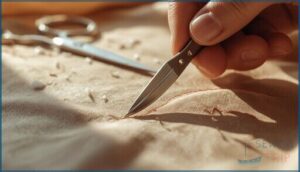
A seam ripper gives you serious control when you need to undo stitches without wrecking your fabric. It’s built specifically for this job, which means you’ll work faster and safer than you’d with scissors.
If you’re just starting out, a beginner-friendly seam ripper with the right features will make fixing mistakes feel way less stressful.
Let’s break down why this small tool beats the alternatives in three key areas.
Minimizing Fabric Damage
Think of your seam ripper as a fabric bodyguard—that little ball tip shields your cloth while the curved blade does its work. When you’re removing stitches, you’ll get gentle removal and stitch preservation because the tool slides between threads instead of stabbing through.
This damage control beats scissors every time for fabric protection, especially during stitch correction when fabric safety and fabric repair matter most.
Speed and Efficiency
Surprisingly, your seam ripper’s hooked blade cuts one or two stitches at a time, giving you controlled seam removal over long distances without constant repositioning. This workflow optimization beats fumbling with scissors because you’ll keep your tool next to the machine for instant fixes.
For serious time saving during thread removal, try cutting every fourth stitch and pulling—you’ll master this productivity hack fast while removing stitches with zero drama.
Handling Delicate Fabrics
Fabric protection matters most when you’re working with silk, chiffon, or lace. Your seam ripper’s ball tip glides against delicate fabric while the sharp point lifts individual stitches—scissors risk snagging fragile fibers.
For controlled thread management, cut every third stitch from the wrong side, then gently pull the thread away. This delicate cutting approach prevents punctures and keeps your sewing project intact through careful seam removal.
Benefits of Scissors for Stitch Removal
Scissors mightn’t be your first choice for stitch removal, but they’ve a place in your sewing toolkit. They shine in situations where a seam ripper just won’t cut it—literally.
Here’s when scissors actually become the smarter option for getting those stitches out.
Versatility in The Sewing Room
Scissors offer sewing efficiency that extends far beyond stitch removal. A well-placed pair of snips becomes your Swiss Army knife for workspace optimization and fabric variety tasks throughout the day.
- Cut pattern tissue and interfacing at your cutting table without switching tools
- Trim thread tails at the machine and move straight to hand finishing
- Snip ribbon, elastic, and twill tape for quick craft projects in your sewing space
- Handle everything from detail work to seam allowances with proper tool organization
Handling Bulk Threads and Seams
When dense stitch removal and heavy fabric handling put a seam ripper to the test, scissors dominate the thick seam techniques conversation.
Your thread cutter manages four-to-eight-layer jeans waistbands and denim inseams by clipping bulky thread clusters on the bobbin side, then pulling entire sections free.
Thread snippers excel at bulk thread management because you can alternate between removing stitches from top and bottom for speed and control.
Limitations With Precision
When you’re removing stitches with scissors, precision control takes a hit. Those wider blades block your view of tiny threads, making stitch removal feel like guesswork on fine work. The crossing point sits offset from where you aim, and micro stitches? Forget isolating just one.
Unlike a seam ripper, scissors lack that dedicated groove for thread removal, increasing fabric damage risk in sewing techniques requiring surgical accuracy.
Risks and Challenges With Each Tool
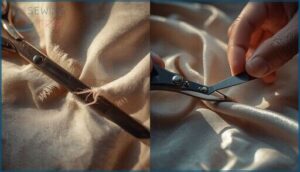
Every tool has its weak spots, and both seam rippers and scissors can cause problems if you’re not careful. From accidental fabric tears to frustrating struggles with tiny stitches, knowing what can go wrong helps you avoid costly mistakes.
Let’s break down the main risks you’ll face with each tool so you can work smarter and safer.
Potential for Fabric Tears
One slip and your project can go from nearly finished to completely ruined. Both seam rippers and scissors carry real cutting risks that demand your attention:
- Sharp points on seam rippers can snag woven fibers and create visible tears along the grain line
- Scissor tips easily slice fabric edges when you twist your hand near seam folds
- Dull blades require extra force, causing tools to jump and gouge your fabric unexpectedly
Tear prevention starts with keeping your blade sharp and your fabric supported flat.
Difficulty With Tight or Fine Stitches
Tight seams and fine threads expose where each tool truly struggles. Your seam ripper’s narrow point can skip past tiny stitches in delicate fabrics, forcing you to hunt each thread individually.
Scissors won’t fare better—their blades can’t wedge between dense stitching without crushing fibers or missing half the threads. Precision cutting becomes nearly impossible when stitches sit closer than your tool’s design allows, turning quick stitch removal into frustrating, time-draining sewing work.
Safety Considerations
Both tools carry real injury risk if your hand slips mid-cut. Keep fingers behind the seam ripper blade and cut away from your body to prevent puncture wounds. When removing stitches with scissors, proper fabric orientation on a flat surface stops sudden jabs through layers.
Eye safety matters too—flying thread ends can sting. Master tool handling before tackling mistakes, and accidents drop fast.
Best Practices for Removing Stitches
You’ve got the right tool in hand, but the real skill comes down to how you use it. Knowing the proper technique keeps your fabric safe and your sanity intact when mistakes happen.
Let’s break down the exact steps for both seam rippers and scissors so you can tackle any stitch removal with confidence.
Step-by-Step Seam Ripper Technique
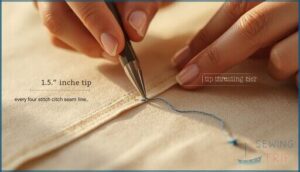
Grab your seam ripper like a pencil, fingers about 1 to 1.5 inches from the tip for steady control during stitch removal. Here’s how to master fabric safety and sewing efficiency:
- Position the seam flat under bright light with the pointed tip aimed slightly upward
- Slide the sharp point under one stitch, checking no fabric fibers are caught
- Cut every fourth stitch along the seam, then pull threads free
This sewing tip transforms thread removal into precise work.
Step-by-Step Scissors Technique
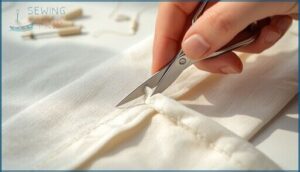
Scissors demand a lighter touch than seam rippers, but they give you full command when you hold them right. Position your fabric flat and pull the seam layers apart gently to expose each stitch. Slide just the tip of one blade under a thread loop, then snip every third or fourth stitch. Pull freed threads away from the fabric, checking both sides for stragglers.
| Scissor Technique | Why It Works |
|---|---|
| Snip every 3-4 stitches | Threads release in longer pieces |
| Work from bobbin side | Thread loops show up clearer |
| Keep cuts shallow | Protects hidden fabric folds |
Tips for Avoiding Common Mistakes
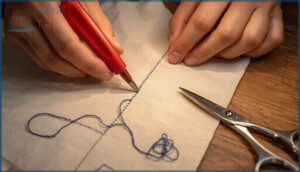
Small slips during stitch removal can wreck hours of careful sewing, but most disasters trace back to rushing or forcing the wrong blade. Fabric safety and error prevention start when you match your tool to the task and hold your seam steady.
- Work slowly and cut every third stitch to prevent sudden fabric tears
- Keep blades sharp through regular tool maintenance for clean thread removal
- Support seams flat on a table to stop accidental slips when removing stitches
- Use good lighting so you can see exactly where your seam ripper or scissors lands
- Clear loose threads as you go to maintain sewing efficiency and avoid hidden puckers
Choosing The Right Tool for Your Project
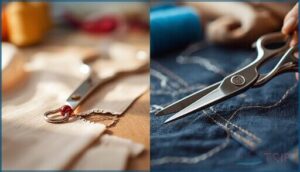
You’ve learned the techniques, but the real question is this: which tool do you grab when you’re staring down a seam that needs to come out? The answer isn’t one-size-fits-all.
Your fabric, your comfort level, and how often you’ll use the tool all play a role in making the right choice.
Project Type and Fabric Considerations
Your fabric type drives tool choice more than you might think. Cotton with stable weaves manages seam ripper work beautifully because the pointed tip slips under lockstitches without spreading layers.
Knits demand scissors for those triple stretch stitches—ripping motion ladders jersey fast.
Silk or velvet? A fine seam ripper protects the pile better than blades that pinch satin with every snip.
Frequency of Use and Comfort
If you’re ripping seams daily, ergonomic design becomes non-negotiable. Hand fatigue builds fast when you’re wrestling heavy threads hour after hour. A seam ripper with grip comfort and tool balance prevents that thumb-joint burn scissors deliver during marathon alterations.
User experience matters—curved grips reduce muscle strain, while weighted rippers cut multiple stitches without constant repositioning. Thread removal shouldn’t wreck your hands.
Experience Level and Skill
Your skill level dictates which tool you’ll command with confidence. Beginners master a seam ripper first—that safety ball forgives wobbly hands while you’re building precision techniques and stitch control.
As sewing mastery grows, you’ll switch between tools mid-project like a pro. Expert sewing means knowing when speed beats caution.
Start with the ripper, graduate to scissors, own both for true sewing tool guide freedom.
Top Seam Rippers and Scissors for Stitch Removal
You’ve learned the differences between seam rippers and scissors, so now it’s time to arm yourself with the right tools.
The market offers dozens of options, but only a handful deliver the precision and durability you need for clean stitch removal.
Here are seven top-rated tools that’ll give you complete control over your sewing projects.
1. Sewing Seam Ripper Tool Set
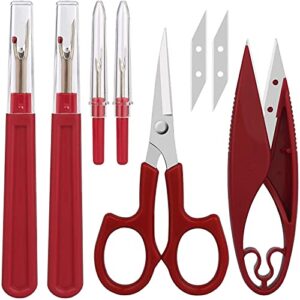
When you’re building out your sewing kit essentials, the CampTek set delivers serious value with four seam ripper types and a double-edged thread cutter. You’ll get two large rippers for thick seams and two small ones for delicate stitches, plus 5-inch scissors.
The ergonomic grips reduce hand strain during long sessions, and those stainless steel blades stay sharp enough to slice through stubborn weaving without tearing fabric. The clear cap extends the grip or protects the tip—blade maintenance simplified.
This tool set comparison proves adaptability beats single-purpose every time.
| Best For | Home sewers, quilters, and embroidery enthusiasts who need a complete stitch-removal kit with multiple ripper sizes for both delicate detail work and heavy seam corrections. |
|---|---|
| Primary Material | Stainless Steel |
| Primary Use | Sewing & Embroidery |
| Handle Type | Ergonomic |
| Safety Features | Plastic Cap |
| Weight | Not Specified |
| Blade Sharpness | Sharp & Durable |
| Additional Features |
|
- Four seam rippers in two sizes let you tackle everything from tight topstitching to thick side seams without switching tools constantly.
- Ergonomic handles with comfortable grips reduce hand fatigue during long seam-ripping sessions, especially helpful if you’re fixing multiple garments.
- Imported stainless steel blades stay sharp through repeated use and resist rust when stored with other metal notions.
- Small rippers may be hard to grip comfortably if you have arthritis or larger hands.
- Basic design lacks advanced features like cushioned grips or specialty blade angles found in premium single rippers.
- Limited to sewing tasks, so you won’t get multi-craft versatility if you also do leatherwork or heavy upholstery.
2. Singer Pro Series Thread Snips
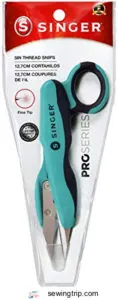
When thread trimming demands surgical precision, Singer’s Pro Series snips deliver control that transforms sewing accuracy from frustrating to seamless. The 5-inch stainless steel blades slice individual threads without threatening fabric safety—that spring-action handle keeps tool ergonomics dialed in during marathon quilting sessions.
You’ll appreciate the rubberized grip when removing stitches from tight curves where bulky sewing scissors can’t reach. These thread snippers tackle embroidery floss and ribbon ends with stitch precision that protects your work.
At under ten dollars, they’re the affordable upgrade your sewing tools collection needs.
| Best For | Sewers, quilters, and crafters who need precise control for trimming threads in tight spaces without risking damage to fabric. |
|---|---|
| Primary Material | Rubber |
| Primary Use | Thread Trimming |
| Handle Type | TPR Comfort Grip |
| Safety Features | No Lock/Sheath |
| Weight | 1.44 oz |
| Blade Sharpness | Fine-Tip Precision |
| Additional Features |
|
- Fine-tip stainless steel blades get into hard-to-reach spots and cut individual threads cleanly without catching nearby fabric
- Spring-action handle with rubberized grip reduces hand fatigue during long sewing sessions and works for both left and right-handed users
- Affordable price point under ten dollars makes them an accessible upgrade for anyone who sews, quilts, or does embroidery work
- Not sharp enough for thicker materials like heavy fabric, dense yarns, or multiple layers
- Missing a locking mechanism to keep the scissors closed when stored, which could be a safety concern
- No protective sheath or blade guard included, leaving the sharp tips exposed in your sewing kit
3. Dritz Deluxe Seam Ripper Tool

The Dritz Deluxe seam ripper (style 638) proves that smart seam ripper design beats brute force every time. Its molded blue handle gives you tool ergonomics that won’t quit during long unpicking sessions—arthritis won’t slow you down with this larger grip diameter.
The hardened steel blade delivers blade sharpness that powers through denim seams without bending, while that signature red safety ball provides fabric protection your grandmother would approve of.
Handle comfort meets lifetime durability when you’re correcting sewing mistakes or opening buttonholes. At pocket change pricing, this heavy-duty tool earns its workstation spot.
| Best For | Home sewists and quilters who need a comfortable, reliable tool for frequent seam removal, alterations, and fixing mistakes on medium to heavy fabrics. |
|---|---|
| Primary Material | Hardened Steel |
| Primary Use | Stitch Removal |
| Handle Type | Standard Grip |
| Safety Features | Safety Ball |
| Weight | 0.64 oz |
| Blade Sharpness | Sharp Point |
| Additional Features |
|
- Ergonomic large handle reduces hand fatigue and works well for users with arthritis or limited grip strength
- Hardened steel blade stays sharp through heavy use and cuts through thick threads and denim without bending
- Safety ball and protective cap prevent fabric damage and accidental cuts during use and storage
- Larger size may feel bulky for detailed work or small hands compared to slim seam rippers
- Not designed for industrial or extremely heavy-duty professional applications
- Must be purchased in multiples from some wholesale suppliers, which may not suit individual buyers
4. Beaditive Thread Snips Scissors
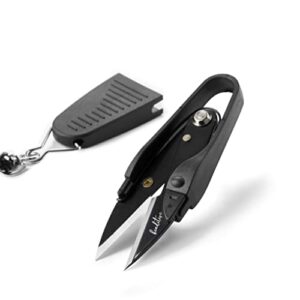
Compact spring-action scissors beat traditional seam rippers when you need speed with thread cutting precision. Beaditive’s high-carbon steel blades deliver blade sharpness that clips embroidery floss and serger tails without fraying—your thread ends stay clean. Pointed tips slip between stitches for removing stitches other sewing scissors can’t reach.
The open-loop handle ergonomics reduce squeeze fatigue during marathon unpicking sessions, while that auto-open spring keeps you moving fast.
At 1.76 ounces with a protective cap, this sewing tool travels anywhere your projects go. Basic scissor maintenance keeps these snips cutting crisp for years.
| Best For | Sewers, quilters, and embroidery enthusiasts who need a lightweight, portable tool for precise thread trimming and quick stitch removal at the machine or on the go. |
|---|---|
| Primary Material | High Carbon Steel |
| Primary Use | Crafting & Sewing |
| Handle Type | Ergonomic Spring Action |
| Safety Features | Protective Cap |
| Weight | 1.76 oz |
| Blade Sharpness | High-Carbon Sharp |
| Additional Features |
|
- High-carbon steel blades stay sharp through frequent use and make clean cuts on thread, yarn, and embroidery floss without fraying
- Spring-action handle reopens automatically after each cut, reducing hand fatigue during long sewing sessions
- Compact size with protective cap makes them easy to carry in project bags and safe to store with other tools
- High-carbon steel blades can rust if exposed to moisture and require occasional oiling for maintenance
- Not sharp enough for heavy fabric cutting—designed specifically for thread and light materials only
- Pointed tips need careful handling and the protective cap must be used to avoid accidental pokes during storage
5. Fiskars Micro Tip Fabric Scissors
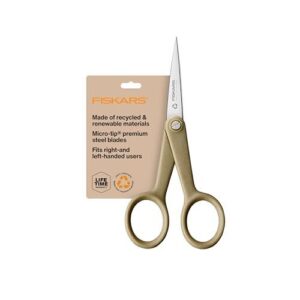
Fiskars brings serious precision with a five-inch micro tip design that slides under single stitches like a surgical tool. Those precision-ground stainless steel blades stay blade sharpness-ready longer than standard scissors, cutting clean to the very tip without tugging fabric.
The double-loop ergonomic grips give you control whether you’re right- or left-handed, while the compact size maneuvers tight spaces where bulky shears fail.
You’ll appreciate the non-stick coating when removing stitches from fusible-backed projects—no gummy residue slowing your fabric cutting. Basic scissor maintenance plus a lifetime warranty means these sewing tools earn their toolbox spot.
| Best For | Sewists, quilters, and crafters who need surgical precision for snipping single stitches, trimming thread tails, and cutting tight curves in delicate fabrics. |
|---|---|
| Primary Material | Stainless Steel |
| Primary Use | Precision Cutting |
| Handle Type | Double-Loop Contoured |
| Safety Features | None Specified |
| Weight | 0.634 oz |
| Blade Sharpness | Micro-Tip Precision |
| Additional Features |
|
- Precision-ground stainless steel blades cut cleanly to the very tip without snagging fabric, perfect for removing individual stitches and working in tight spaces
- Double-loop handle design works comfortably for both right- and left-handed users with excellent control during detailed work
- Non-stick coating prevents adhesive buildup from fusible web and stabilizers, plus a lifetime warranty backs the quality
- Five-inch size feels too compact for users who prefer longer blades for general fabric cutting tasks
- Higher price point compared to basic craft scissors on the market
- Blades dull quickly if accidentally used on paper or cardboard instead of fabric only
6. Clover Seam Ripper Tool
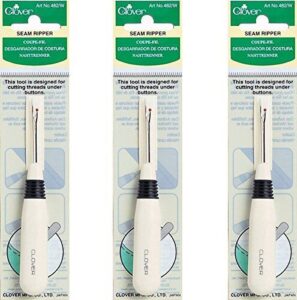
Japan-built Clover seam rippers deliver the tool maintenance edge you need when precision stitch removal becomes a daily routine. That razor-sharp steel blade hooks individual stitches without compromising fabric protection, while the fine angled tip opens buttonholes with surgical control—no shredded edges or second-guessing your sewing efficiency.
The rubberized grip reduces hand fatigue during marathon seam ripper sessions, and the secure blade-to-handle construction outlasts disposable alternatives by years. At under six dollars, you’re investing in sewing tools and accessories that actually earn their keep through consistent performance and durability.
| Best For | Sewists and quilters who need a reliable seam ripper for frequent use, buttonhole opening, and precision stitch removal without damaging fabric. |
|---|---|
| Primary Material | Metal |
| Primary Use | Seam Ripping |
| Handle Type | Comfortable Grip |
| Safety Features | Plastic Slip Cover |
| Weight | 1.76 oz |
| Blade Sharpness | Sharp Cutting Point |
| Additional Features |
|
- Razor-sharp steel blade stays sharp through years of regular use and slips easily under individual stitches for clean cuts
- Comfortable rubberized grip handle reduces hand fatigue during long seam-ripping sessions
- Sturdy Japan-built construction with secure blade attachment outlasts cheap disposable seam rippers
- Plastic slip cover for the blade tip can fall apart quickly with regular use
- Blade will eventually become dull over time, especially with heavy daily use
- Slightly higher price point than basic seam rippers, though most users find the quality worth the extra cost
7. Singer Comfort Grip Seam Ripper Tool
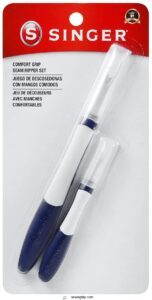
You’ll grab the Singer Comfort Grip seam ripper and immediately notice how that oversized rubber handle fights hand fatigue during extended stitch removal sessions. The molded grooves give you ergonomic design control when you’re pulling out stubborn seams, while the red safety ball on the blade protects fabric safety as you work.
This two-piece set delivers sharp seam ripper tips that slice through threads cleanly, plus protective caps for tool maintenance and safe storage in your sewing tools and accessories kit—all under ten dollars.
| Best For | Sewists who need a reliable everyday ripper with a comfortable grip for alterations, fixing mistakes, and removing stitches without damaging fabric. |
|---|---|
| Primary Material | Metal |
| Primary Use | Seam Ripping |
| Handle Type | Rubber Comfort Grip |
| Safety Features | Rubber Tip & Lid |
| Weight | Not Specified |
| Blade Sharpness | Sharp & Sturdy |
| Additional Features |
|
- Oversized rubber handle with molded grooves reduces hand strain during long unpicking sessions and offers better control than slim plastic rippers
- Sharp forked blade with red safety ball cuts threads cleanly while protecting fabric underneath from accidental punctures or tears
- Two-piece set gives you size options for different tasks, plus protective caps keep blades sharp and safe in storage for under ten dollars
- The protective cap doesn’t always fit securely on the handle end when you’re using the ripper, which some users find annoying
- The clear lid is small and easy to lose on a cluttered sewing table or in a notions drawer
- Not as heavy-duty as industrial seam rippers, so it’s better suited for home sewing projects than commercial garment work
Caring for and Maintaining Your Tools
Your seam ripper and scissors won’t last forever without proper care. Sharp blades and clean tools make stitch removal faster and safer for your fabric.
Here’s how to keep your tools in peak condition so they’re ready when mistakes happen.
Cleaning and Storage Tips
Tool sanitizing starts with a simple wipe after every session—lint and thread bits dull blades fast. Here’s your storage and cleaning playbook:
- Wipe seam ripper blades and scissor edges with a dry cloth after each use
- Store seam rippers capped or retracted to protect the sharp tip
- Use rubbing alcohol on a cotton pad for sticky residue removal
- Keep scissors closed and flat in divided organizers to prevent blade damage
- Add silica gel packets in humid climates for rust prevention
Blade Sharpening and Replacement
You’ll hit a point where wiping won’t restore your edge—that’s when blade maintenance matters. Seam rippers with dull tips snag instead of slice, so replacement beats sharpening techniques for these small tools.
Sewing scissors respond well to edge refining with a honing rod or sharpening stone at 15 to 25 degrees. Replacement costs stay low when you maintain tool durability through regular care.
Ensuring Tool Longevity
You extend tool life by pairing smart storage solutions with rust prevention habits. Keep your seam ripper capped in a dry organizer and wipe scissors after every session—lint and moisture are the real enemies.
Light oil at pivot points slows corrosion, while separate compartments prevent edge-to-edge contact.
Handle ergonomics matter less than consistent tool maintenance and blade sharpening routines that preserve your sewing scissors through hundreds of thread removal jobs.
Expert Tips for Seam Removal Success
You’ve got the tools and you know the basics. Now it’s time to level up your stitch removal game with techniques that separate beginners from pros.
These expert strategies will help you tackle tricky fabrics, impossible stitches, and those frustrating mistakes that make you want to throw your project across the room.
Working With Specialty Fabrics
Specialty fabrics demand respect and the right approach to fiber protection. Silk, leather, and coated textiles aren’t your everyday cotton—they’ll punish careless handling with snags, tears, or delamination. Master textile care by adapting your seam ripper or scissors technique to each material’s personality.
- Use micro-tip seam rippers for delicate cuts on silk and fine knits
- Test hidden areas first on coated or reflective fabrics
- Keep blades sharp when tackling leather or heavy synthetics
- Place protective lining under fabric to reduce abrasion during stitch removal
- Clean specialty threads and fibers immediately after seam work
Removing Stubborn or Tiny Stitches
Tight stitches lock themselves deep in the seam line, making thread removal feel like defusing a bomb. Your best move? Cut every third or fourth stitch with a seam ripper, then lift the bobbin thread from one end. Here’s how to conquer stubborn territory:
| Challenge | Tool Choice | Winning Technique |
|---|---|---|
| Tiny machine stitches under 2mm | Micro-tip seam ripper | Work from bobbin side, cutting individual threads |
| Overlocked seams with multiple threads | Sharp thread snips scissors | Cut each thread path separately along the seam |
| Dense embroidery clusters | Fine pointed tweezers + seam ripper | Clear small sections from back, use tweezers for remnants |
| Backstitched reinforcement spots | Precision scissors | Snip center threads first, trim sides after |
Break long seams into 2-4 inch sections for sewing precision. Support your hand on the table—shaky fingers slice fabric faster than dull blades. Pull fabric layers apart gently until gaps appear, then slide your blade parallel to the stitch line. When thread resists, stop pulling and cut the next stitch instead.
Magnifiers and bright task lighting reveal shadow channels in dark fabrics, giving you laser-focused micro-cutting accuracy. A lint roller afterward sweeps thread bits clean, leaving your seam line ready for reconstruction.
Fixing Mistakes Without Damaging Fabric
Once you’ve conquered removing stitches, the real test is leaving zero trace behind. Fabric protection starts before your seam ripper cuts the first thread—support the seam from both sides to prevent sudden tears during error correction. Your damage control toolkit needs three steps:
- Snip every third stitch instead of ripping through entire seams
- Use tweezers for thread removal rather than yanking with fingers
- Steam-press needle holes flat before sewing your seam repair
Work from the wrong side for safer stitch removal.
Frequently Asked Questions (FAQs)
Can I use a seam ripper to remove stitches?
You can absolutely use a seam ripper for removing stitches—that’s exactly what it’s designed for.
The pointed tip slides under threads while the protective ball safeguards your fabric from accidental tears during seam correction.
Can I use scissors instead of a seam ripper?
Like using a butter knife instead of a screwdriver, scissors can remove stitches in a pinch, but they lack the precision and fabric protection that make a seam ripper the safer, smarter choice for stitch removal.
Can you use a seam ripper on leather?
You can use a seam ripper on leather, but work slowly from the backside when possible. Cut every second stitch, then pull thread by hand—leather holes never heal, so slips leave permanent marks.
Whats the safest tool for removing serged seams?
Serged seams unravel like a tangled knot when you rush. Fine-point scissors offer the safest fabric safety for stitch correction, clipping threads at intervals without blade contact near delicate edges—your serger techniques mastered through controlled seam removal.
How do you remove stitches from vintage fabric?
Vintage fabric care demands patience and the right deconstruction methods. Apply steam first to relax fibers, then snip every third stitch on the bobbin side using precision scissors or a seam ripper for safe fabric preservation.
Should beginners start with a seam ripper or scissors?
Start with a seam ripper. You’ll gain control fast and protect your fabric from snags.
The forked tip targets threads precisely, building confidence while you master stitch removal techniques.
Scissors can wait until you’ve developed that steady hand.
Are electric seam rippers worth the investment?
Electric rippers boost sewing productivity for quilters and costumers who remove long seams daily, but hobby sewists often find the cost analysis doesn’t justify buying one when basic seam rippers handle occasional user experience needs.
Conclusion
Your stitches won’t always cooperate the first time—that’s the reality of sewing. The seam ripper vs scissors debate dissolves when you stop choosing sides and start reading the room.
Tight seams demand the ripper’s surgical edge. Thread tangles bow to scissors’ shearing force. Stock both, know their territories, and you’ll never second-guess mid-project.
The right tool isn’t about loyalty. It’s about getting the job done without leaving casualties behind.
- https://www.nationalsewingcircle.com/video/best-way-to-remove-sewing-stitches-017247
- https://quiltingwemple.com/seam-ripper/
- https://www.lindazs.com/videos/how-to-use-a-seam-ripper-quick-tip
- https://www.wawak.com/cutting-measuring/cutting/seam-rippers/wawak-seam-ripper-5/
- https://sewcutepatterns.com/blog/snip-rip-cut-a-battle-of-the-sewing-tools-seam-rippers-thread-cutters-thread-snippers-and-5-sewing-scissors