This site is supported by our readers. We may earn a commission, at no cost to you, if you purchase through links.
Last week, a six-year-old in my therapy session beamed with pride after stitching her first felt bookmark—using the wrong needle for an hour before we switched. That tiny frustration taught me something vital: the right sewing needle transforms a child’s crafting experience from struggle to success.
Blunt tips prevent pokes, proper sizes match little fingers, and quality materials build confidence with every stitch. The best options balance safety features with real functionality, because kids deserve tools that work as well as they protect.
Whether you’re a parent introducing hand sewing or a teacher planning classroom projects, choosing safe, age-appropriate needles sets the foundation for developing fine motor skills and sparking creativity.
Table Of Contents
- Key Takeaways
- Top 10 Sewing Needles for Kids
- 1. Clover Chenille Sewing Needles
- 2. Loran Needle Threader Tool
- 3. Korbond Berry Pins Set
- 4. Clover Wonder Clips Sewing Tool
- 5. Fairfield Poly Fil Fiber Fill
- 6. Fiskars Beginner Sewing Scissors
- 7. Aleene’s Tacky Adhesive Glue Set
- 8. Tidy Crafts Sewing Basket Organizer
- 9. Dritz Loran Needle Threader Tool
- 10. Clover Wonder Sewing Clips
- Choosing Safe Needles for Children
- Best Threads and Fabrics for Kids
- Essential Safety Tips for Kids Sewing
- Beginner Sewing Projects for Children
- Frequently Asked Questions (FAQs)
- Conclusion
Key Takeaways
- The right needle transforms a child’s sewing experience from frustrating struggle to confident success by matching blunt tips and proper sizes to little fingers while building fine motor skills through age-appropriate projects.
- Start beginners with blunt-tipped plastic needles on forgiving fabrics like felt, then graduate to sharp metal needles (sizes 7-9 for embroidery, 5-7 for medium-weight fabrics) only after children demonstrate consistent stitches and proper handling techniques.
- Safety requires constant adult supervision for kids under 12, dedicated clutter-free workspaces with proper lighting, secure needle storage in rigid containers, and allergen-free materials with OEKO-TEX certification to protect sensitive skin.
- Simple felt projects using polyester fiberfill and embroidery floss build confidence while research shows regular sewing practice strengthens hand muscles and sharpens hand-eye coordination, boosting finger dexterity in just eight weeks.
Top 10 Sewing Needles for Kids
Getting your child started with sewing means gathering the right tools, and the needle is just the beginning. You’ll also need scissors, pins, thread, and a few other essentials that make projects easier and safer for small hands.
Here are the top 10 must-have items that’ll set your young stitcher up for success.
1. Clover Chenille Sewing Needles
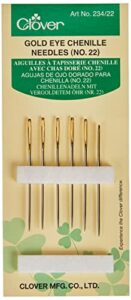
When your child’s ready to work with thicker threads like embroidery floss or perle cotton, Clover Chenille Needles are wonderful sewing tools to have in your kids sewing kit. These size 22 needles feature a gold eye that makes thread selection easier, and the sharp point glides smoothly through fabric choices like felt or cotton.
You’ll love that they’re made of alloy steel for durability. The pack includes six needles—perfect for your sewing supplies collection as your young stitcher explores different sewing techniques with chenille yarns.
| Best For | Sewers and embroiderers working with thicker threads like embroidery floss, perle cotton, or chenille yarns on mid-weight fabrics such as cotton, linen, or felt. |
|---|---|
| Material | Alloy Steel |
| Brand | Clover |
| Primary Use | Sewing/Embroidery |
| Skill Level | Beginner-Intermediate |
| Package Quantity | 6 needles |
| Color Options | White |
| Additional Features |
|
- Large gold eye makes threading easier, especially with multiple strands or thicker threads
- Sharp point glides smoothly through tightly woven fabrics without snagging
- Durable alloy steel construction means the needles hold up well over time
- Sharp point can accidentally prick fingers during use
- Not suitable for tapestry work that needs blunt-tipped needles
- May be too sharp or large for delicate, thin fabrics
2. Loran Needle Threader Tool
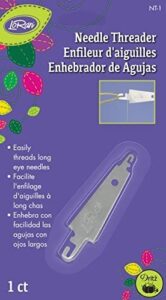
Threading needles can frustrate young learners, and that’s where the Loran Needle Threader Tool really shines as one of the most helpful sewing aids for kids. This stainless steel threader benefits both beginners and those with developing fine motor skills—you simply hang the needle on the tool and lay thread over the hook.
It works beautifully with embroidery, tapestry, and chenille needles, making hand sewing less of a struggle. While it’s designed for large-eye needles rather than regular sewing supplies, it’s perfect for building confidence in your young stitcher’s threading techniques. Pair it with beginner-friendly threads designed for young sewers to make every stitch smooth and frustration-free.
| Best For | Kids learning to sew and anyone with vision difficulties or limited hand dexterity who needs help threading large-eye needles for embroidery, cross-stitch, or tapestry projects. |
|---|---|
| Material | Stainless Steel |
| Brand | Loran |
| Primary Use | Threading Needles |
| Skill Level | All Levels |
| Package Quantity | 1 threader |
| Color Options | Silver |
| Additional Features |
|
- Simple hook design makes threading easy—just hang the needle and lay thread over the hook to pull through
- Works great with embroidery floss, yarn, and multiple strands, perfect for craft projects
- Sturdy stainless steel construction with two ends to fit different needle sizes
- Only works with large-eye needles, not standard sewing needles
- Thin metal edges can be sharp and the small size makes it easy to misplace
- Doesn’t stick well to magnets despite being metal, which limits storage options
3. Korbond Berry Pins Set
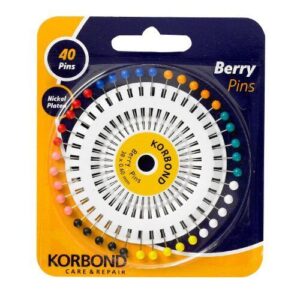
Once you’ve mastered needle threading, you’ll need pins to hold fabric layers together, and the Korbond Berry Pins Set offers a kid-friendly solution with 40 large-headed pins in eight bright colors. If you’re still getting comfortable with threading your hand needle, these bright pins make it easy to see what you’re doing while you practice.
The metal pins feature strong shafts that handle thick materials, while those colorful ball heads make pin safety easier—you can spot them quickly on fabric and during cleanup.
Color coding helps with sewing organization too, letting young stitchers mark different sections of their hand sewing projects. Just store these sewing supplies in a secure container between projects.
| Best For | Young sewers learning hand stitching who need visible, easy-to-handle pins that work with thicker fabrics and help keep projects organized. |
|---|---|
| Material | Metal |
| Brand | KORBOND |
| Primary Use | Pinning Fabric |
| Skill Level | All Levels |
| Package Quantity | 40 pins |
| Color Options | 8 colors |
| Additional Features |
|
- Large colorful heads make pins easy to spot on fabric and prevent them from getting lost during cleanup
- Strong metal shafts handle thick materials without bending, making them practical for beginner projects
- Eight colors let kids organize different sections of their sewing work and learn project management
- Some customers report receiving counterfeit products that don’t match official Korbond packaging
- Pin length may be shorter than expected, which could limit use with very thick fabric layers
- Risk of getting the wrong pin type delivered instead of the actual berry pins ordered
4. Clover Wonder Clips Sewing Tool
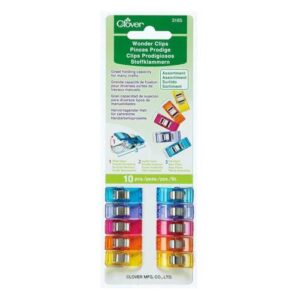
Pins can poke little fingers, but Clover Wonder Clips offer a safer way to hold fabric layers together. These plastic sewing tools snap onto fabric edges without leaving holes, making them perfect for kids’ sewing projects with felt, cotton, or even slippery materials. They’re especially useful for beginner-friendly sewing projects for kids that involve layering fabrics or working with thick seams.
The pack includes 10 colorful clips with handy 1/4 and 1/8 inch measurement markers, so young crafters can line up seams accurately. They’re wonderful for quilt bindings and stuffed toy seams, plus they won’t shift around like pins sometimes do.
Just remember, these clips work best on mid-scale projects rather than super-thick fabrics. They’re especially helpful for beginners learning seam removal techniques, since the spring action encourages controlled, careful stitching reversals.
| Best For | Parents teaching kids to sew, or beginners working with slippery fabrics who want a safer alternative to pins. |
|---|---|
| Material | Plastic |
| Brand | Clover |
| Primary Use | Holding Fabric |
| Skill Level | Beginner-Intermediate |
| Package Quantity | 10 clips |
| Color Options | Assorted |
| Additional Features |
|
- No sharp points means fewer finger pricks during learning projects
- Measurement markers help kids line up seams at 1/4 and 1/8 inch without guessing
- Strong grip on multiple fabric layers prevents shifting better than pins
- Only 10 clips in the pack might not be enough for larger quilting projects
- Some users report the clips are smaller than they expected from photos
- Not ideal for very thick or heavy materials like layered denim or canvas
5. Fairfield Poly Fil Fiber Fill
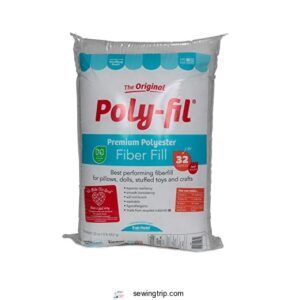
You’ll need something soft to bring those stuffed animals and pillows to life, and that’s where Fairfield Poly Fil Fiber Fill comes in. This polyester stuffing is hypoallergenic, machine-washable, and made from recycled materials—great for kids’ sewing kits and craft projects.
The 32-ounce bag works beautifully for hand-made dolls, toys, and small sewing accessories. It’s gentle on sensitive skin and perfect for teaching filling techniques as young crafters develop their sewing skills with sewing needles and sewing supplies.
| Best For | Beginners and kids who want a soft, safe stuffing material for craft projects like hand-made dolls, toys, and pillows. |
|---|---|
| Material | Polyester |
| Brand | Generic |
| Primary Use | Stuffing Projects |
| Skill Level | All Levels |
| Package Quantity | 32 oz |
| Color Options | White |
| Additional Features |
|
- Hypoallergenic and free of harsh chemicals, making it safe for sensitive skin and children’s projects
- Machine-washable and made from recycled materials, so it’s easy to care for and eco-conscious
- Versatile enough for multiple uses—stuffing toys, re-fluffing pillows, or creating craft decorations
- The 32-ounce size might not be enough for larger projects like big stuffed animals or multiple pillows
- Stuffing can shift around after washing, so you’ll need to fluff and redistribute it by hand
- Polyester may not appeal to everyone, especially those looking for natural fiber alternatives
6. Fiskars Beginner Sewing Scissors
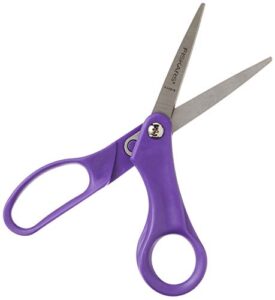
You don’t want frustration to dampen your child’s excitement, so grab the Fiskars Beginner Sewing Scissors. 7-inch stainless-steel blades stay sharp through felt, cotton, and even denim. The ergonomic design fits small hands beautifully, and the bent handle keeps fabric flat for precise cutting techniques.
Purple grips are fun, and the blade sharpness encourages confident cuts without fraying. This pair belongs in every kids sewing kit, teaching proper scissor safety while building the fine motor control that makes hand stitching a joy.
| Best For | Young sewists and beginners with small hands who need safe, comfortable scissors for basic fabric cutting projects. |
|---|---|
| Material | Stainless Steel |
| Brand | Generic |
| Primary Use | Cutting Fabric |
| Skill Level | Beginner-Youth |
| Package Quantity | 1 scissor |
| Color Options | Purple |
| Additional Features |
|
- Sharp stainless-steel blades cut cleanly through multiple fabric types without fraying
- Ergonomic design with bent handle keeps material flat for accurate cuts
- Compact 7-inch size gives kids better control and reduces hand fatigue
- Too small for average adult hands to use comfortably
- Some users reported durability issues with blades breaking over time
- Not strong enough for very thick or hard materials
7. Aleene’s Tacky Adhesive Glue Set
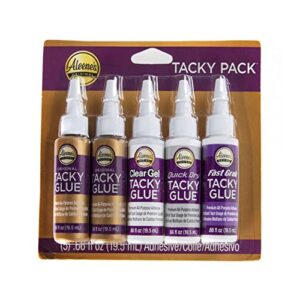
Glue safety matters when your child explores fabric bonding beyond stitching. Aleene’s Tacky Adhesive Glue Set includes five 0.66-ounce bottles of kid-friendly glues, perfect for craft projects like attaching ribbons, felt decorations, and embellishments to sewing supplies. The clear, non-toxic formula dries permanently, and the compact bottles fit nicely in any kids’ sewing kit.
You’ll love how these adhesive types help beginners position pieces before stitching, making sewing education hands-on and forgiving. Supervise closely, work on a protected surface, and teach proper cleanup—crafting for kids should build confidence, not stress.
| Best For | Parents looking for a safe, beginner-friendly glue set that helps kids position fabric pieces and embellishments before sewing. |
|---|---|
| Material | Acrylic |
| Brand | Aleene’s |
| Primary Use | Adhesive Crafts |
| Skill Level | All Levels |
| Package Quantity | 5 bottles |
| Color Options | Clear |
| Additional Features |
|
- Non-toxic formula with five different adhesive types lets kids experiment safely with various craft materials
- Compact 0.66-ounce bottles are easy for small hands to control and fit perfectly in kids’ sewing kits
- Clear-drying permanent bond works well for attaching ribbons, felt, and decorations to fabric projects
- Small bottle size isn’t practical for larger projects or frequent crafting sessions
- Bottles become difficult to squeeze when glue runs low, which can frustrate younger children
- May not be cost-effective compared to buying full-size bottles if your child crafts regularly
8. Tidy Crafts Sewing Basket Organizer
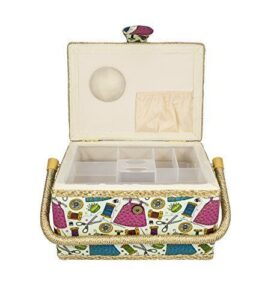
A sturdy sewing basket organizer transforms scattered sewing supplies into a system your child can manage independently. The Tidy Crafts Sewing Basket Organizer (11.5″L x 7.25″W x 4.75″H) features a soft polyester exterior with a wood bottom, a removable plastic tray, and includes mini sewing accessories—perfect for portable cases that support crafting for kids.
You’ll appreciate how basket organizers with dedicated compartments teach sorting skills while keeping sewing needles, threads, and tools accessible. This sewing kit doubles as sewing education, building organizational habits alongside fine motor development.
| Best For | Beginning sewers ages 6–8 and kids learning to organize their first sewing supplies with adult supervision. |
|---|---|
| Material | Wood/Polyester |
| Brand | Tidy Crafts |
| Primary Use | Storage/Organization |
| Skill Level | Beginner-Intermediate |
| Package Quantity | 1 basket |
| Color Options | Patterned |
| Additional Features |
|
- Removable plastic tray and elastic loops keep needles, threads, and tools separated so kids can find what they need without digging through everything
- Lightweight polyester exterior with a wood base makes it sturdy enough for daily use but easy for children to carry from room to room
- Includes mini sewing accessories right out of the box, so beginners can start simple projects immediately without hunting down extra supplies
- Medium size (11.5″L x 7.25″W x 4.75″H) won’t hold extensive supplies if your child’s collection grows beyond basics
- Small-scale tray and pin cushion may feel cramped once kids move past beginner projects
- Handmade construction with polyester fabric requires careful handling—overstuffing or rough use could wear down the material faster than hard plastic alternatives
9. Dritz Loran Needle Threader Tool
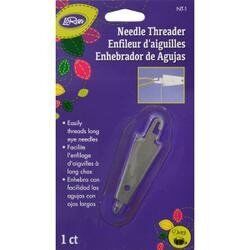
Threading needles can feel like a high-stakes game of Operation for young learners, but the Dritz Loran Needle Threader Tool changes that. This compact sewing aid guides thread through small needle eyes without the finger dexterity most kids haven’t mastered yet.
You’ll love how it ensures needle safety by reducing the time children handle sharp tools during threading techniques.
For teaching sewing to children, it’s a smart addition to your sewing supplies for kids—one that builds confidence in hand sewing techniques while keeping thread management frustration-free.
| Best For | Parents teaching kids basic sewing skills who want to eliminate the frustration of threading needles with small eyes. |
|---|---|
| Material | Metal |
| Brand | Generic |
| Primary Use | Threading Needles |
| Skill Level | All Levels |
| Package Quantity | 6 threaders |
| Color Options | Silver |
| Additional Features |
|
- Reduces time kids spend handling sharp needles during the threading process
- Works with multiple thread sizes, making it versatile for different craft projects
- Durable one-piece metal design that won’t break like traditional wire threaders
- Doesn’t work well with very small needles, limiting its use for delicate projects
- No longer includes the magnetic feature that some users found convenient
- Quality can vary between batches, with some units arriving bent or flimsy
10. Clover Wonder Sewing Clips
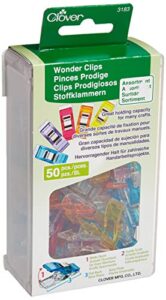
Pins might as well be tiny landmines when you’re teaching sewing to children, which is why Clover Wonder Sewing Clips earn their spot in your sewing supplies for kids. These colorful fabric clips hold layers securely without puncture risk, making them ideal beginner tools for hand sewing techniques.
You’ll appreciate the clip safety they offer—no more hunting for dropped sewing needles or worrying about pokes. They’re perfect sewing accessories for felt projects and lightweight fabrics, giving young learners confidence as they explore sewing aids that actually work with their developing fine motor skills.
| Best For | Parents and teachers introducing sewing to children who want a safer alternative to traditional pins for fabric projects. |
|---|---|
| Material | Metal/Plastic |
| Brand | Clover |
| Primary Use | Holding Fabric |
| Skill Level | All Levels |
| Package Quantity | 50 clips |
| Color Options | Colors Vary |
| Additional Features |
|
- Eliminates the risk of finger pricks and lost needles, making sewing much safer for young beginners
- Holds multiple layers of fabric securely without leaving holes or damaging delicate materials
- Easy for small hands to use and remove with one hand, building confidence in kids learning to sew
- Can be pricey compared to traditional pins, especially if you need multiple packs for larger projects
- May not grip very thin or delicate fabrics as effectively as you’d hope
- Limited to 50 clips per pack, so you might need to buy several sets for big quilting or crafting sessions
Choosing Safe Needles for Children
Picking the right needle for your child isn’t just about what works—it’s about what keeps little fingers safe while they’re learning. You’ll want to match the needle type to your child’s skill level and age, because what’s perfect for a confident seven-year-old might be too sophisticated for a beginner.
Let’s walk through the key factors that’ll help you choose needles that protect your child while building their confidence at the same time.
Plastic Vs Metal Needles
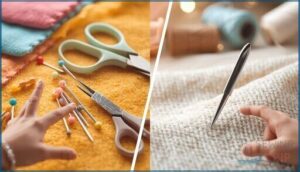
When you’re deciding between plastic and metal sewing needles for your child, think about where they’re in their learning journey. Plastic needles offer excellent fabric safety for beginners because they’re blunt-tipped, making hand sewing less risky during those early kids crafting activities.
Metal needles bring better needle durability and thread compatibility, especially with woven materials, though they need simple needle maintenance to stay rust-free. Understanding the importance of methodological rigor can help in evaluating the quality of sewing tools and materials.
Blunt-Tipped Needles for Beginners
Blunt needle safety starts when your beginner picks up their first plastic needle. These kid-friendly materials lower puncture risk while teaching proper needle handling on felt sewing needles and practice cloth.
I love pairing beginner sewing tips with textured grips and color coding—sewing education for kids works best when fabric choices and sewing tools and materials build confidence before introducing sharper sewing techniques.
Sharp Needles for Confident Stitchers
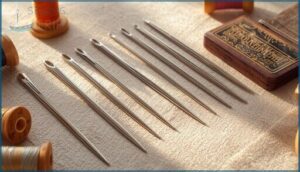
Once your child masters blunt tips, you can graduate to fine-point steel needles with sharp ends for precise hand sewing and embroidery. Ergonomic design and color coding help young sewists identify thread control needs quickly.
I recommend sizes 3 to 9 for needlework—proper storage tips keep sharp sewing tools and materials safe between projects while building confidence in skilled sewing techniques.
Needle Size Guide for Kids
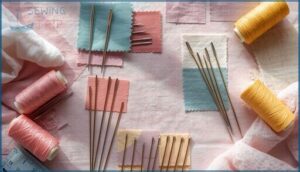
Now that your young stitcher feels comfortable with sharps, you’ll need to match needle size to fabric types and thread choices. Here’s your guide to needle safety and hand sewing success:
- Size 7–9 embroidery needles work beautifully with lightweight fabrics and cotton embroidery floss for kid projects
- Size 5–7 mid-range needles handle medium-weight materials in fabric crafting for kids
- Large-eye tapestry needles simplify threading for beginners learning sewing techniques
- Blunt chenille needles suit felt and fleece perfectly in needlework and sewing tools practice
Age-Appropriate Needle Selection
Your child’s readiness for sharper needles depends on fine motor skill progression and hand-eye coordination, not just age. Start preschoolers with blunt plastic needles for fabric crafting for kids, then shift to tapestry needles around age six.
By eight or nine, most children handle sharp chenille needles confidently in DIY sewing projects, mastering sewing techniques through supervised practice with proper needle safety awareness.
Best Threads and Fabrics for Kids
Once you’ve picked the right needle, the next step is pairing it with thread and fabric your child can actually work with. The wrong materials can turn a fun project into a frustrating mess, but the right ones make learning to sew feel like magic.
Let’s look at which threads and fabrics will set your young stitcher up for success.
Chenille Needle Sizes and Thread Types
You’ll want larger chenille sizes—like 1 or 2 for DIY sewing with kids, since those thick needles ease threading and work beautifully with embroidery floss or bulky yarn. Smaller numbers mean better yarn compatibility and simpler stitch techniques for children’s crafting projects.
Cotton embroidery needles offer durability, while polyester thread materials hold up through washing. Smart needle selection transforms sewing tools from frustrating to fun, especially when you’re teaching sewing and embroidery basics.
Working With Felt for Easy Projects
Felt crafting opens a world of sewing basics for young hands because these nonwoven fibers don’t fray, making edges naturally neat and safe. Beginners love how forgiving felt sewing becomes when you skip finishing stitches and focus on building confidence through children’s crafting projects.
- Cut simple shapes with scissors – felt holds edges beautifully without unraveling
- Start with running stitch or backstitch – easy stitches that teach hand sewing fundamentals
- Choose bright colors – explore color mixing while developing fine motor skills
- Try adhesive-backed sheets – reduce needle time for brand-new crafters
- Enjoy minimal fraying – safer fabric selection that stays neat through repeated handling
Cotton Fabrics for Hand Sewing
Once your child masters felt, cotton becomes the natural next step in their fabric crafting journey. You’ll want 100% plain weave quilting cotton—it’s forgiving, stable, and perfect for hand sewing with basic sewing techniques. Prewash first to prevent shrinkage, then let those little hands practice their stitches.
Choose fabrics that won’t overwhelm young fingers still building coordination. Your scissors will glide smoothly through quality cotton, and the right thread creates neat, visible stitches that build confidence.
| Cotton Weave Type | Fabric Weight | Best For |
|---|---|---|
| Plain weave quilting | 40–60 thread count | Small projects, samplers |
| Cotton muslin | Lightweight | Practice stitches, learning |
| Prewashed cotton | Medium | Reducing distortion, stability |
| Tight weave cotton | Medium-heavy | Durable sewing kits items |
Embroidery Floss and Perle Cotton
Embroidery floss opens up a world of colorful hand sewing possibilities for children’s crafting projects. This six-strand cotton thread separates easily, letting you adjust thickness for different crafting supplies and tools projects.
- Floss Varieties: DMC and Anchor offer hundreds of shades for perfect color matching across projects
- Thread Types: Choose divisible embroidery floss or smooth perle cotton depending on your child’s skill level
- Cotton Choices: Mercerized cotton adds sheen and colorfastness to finished work
- Fiber Options: Six-strand skeins provide flexibility for various weaving and stitching techniques
Quality Thread Brands for Children
Your thread choice matters just as much as the needle when kids learn to sew. Gutermann Sew All polyester thread offers wonderful fabric compatibility and vibrant thread color options that children love.
For hand stitching felt projects, DMC embroidery floss provides safe dye practices and kid-friendly materials.
Coats & Clark threads work beautifully across cotton fabrics, while Mettler’s low-lint finish prevents frustrating tangles during those first stitching adventures.
Essential Safety Tips for Kids Sewing
Teaching kids to sew is wonderful for their development, but safety has to come first. You want your child to build confidence and skills without any accidents or frustration along the way.
Here’s what you need to know to create a secure, supportive sewing environment that sets them up for success.
Adult Supervision Guidelines
You’ll want constant adult presence during all sewing activities for children under 12—that’s non-negotiable. Set up a dedicated, hazard-free workspace with age-appropriate Sewing Tools and Accessories, and keep your line of sight clear.
These Safety Protocols aren’t just Supervision Tips; they’re essential Hazard Prevention for Childrens Crafting Projects. Brief, repeated reminders about proper tool handling make Supervised Learning stick.
Starting With Blunt Needles
A blunt-tipped plastic or metal needle is your best friend when introducing kids to Children’s Crafting Projects. These Child-Friendly Tools reduce puncture risk while building Sewing Confidence—especially for Felt Sewing and Beginner Stitching on non-fraying fabrics.
The larger eye accommodates thicker embroidery floss, and the lightweight design makes Needle Handling easy.
Pre-thread a short Felt Sewing Needle to eliminate early frustration and let young hands focus on Crafting and Needlework fundamentals.
Proper Needle Handling Techniques
Once your child gets comfortable with blunt needles, you’ll want to lock in good habits. Store each needle in a secure container to prevent spills and pricks, and keep your workspace organized—scissors, glue, and felt in one spot. This helps with Thread Management and reduces lost needles.
Here’s how to protect those little fingers:
- Use a thimble or finger guard for Finger Protection when pushing through fabric
- Thread needles before handing them over to minimize repeated handling
- Dispose of damaged needles in a rigid sharps container for Sharp Disposal
A well-lit, clutter-free space makes sewing safer and more fun.
Choosing Allergen-Free Materials
Beyond sharp edges, you’ll want to watch for skin reactions. Look for hypoallergenic fabrics with OEKO-TEX certification and allergen-free threads—nickel-free needles matter too. Safe dyes and eco-friendly notions like certified felt keep crafting supplies gentle on sensitive skin.
Material testing ensures sewing kits, yarn, and ribbon won’t trigger allergies. Check labels before you buy, and keep a record of what works for your child.
Creating a Safe Sewing Space
Set aside a low-traffic corner where your child can spread out safely—think good lighting, clutter-free surfaces, and ergonomic seating that accommodates growing bodies. Workspace setup makes all the difference in accident prevention:
- Store crafting supplies in labeled, closed containers
- Establish safety rules: no running, tools returned immediately after use
- Keep stitching tools within easy reach but secure
- Use floor mats to protect surfaces and simplify cleanup
Adult supervision keeps crafting tools safe.
Beginner Sewing Projects for Children
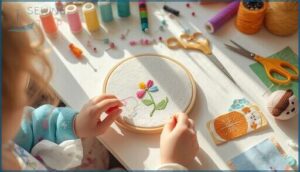
Now that your child has the right needles and knows how to stay safe, it’s time to put those skills to work with real projects.
Starting with simple, hands-on activities builds confidence and keeps frustration at bay while little fingers learn to control thread and fabric.
Let’s look at beginner-friendly projects that teach essential techniques, encourage creativity, and grow alongside your child’s developing abilities.
Simple Felt Crafts
Felt crafting tips start with something magical: felt doesn’t fray, so you don’t need perfect cuts or hemming.
Your little ones can create flowers, animals, or mini ornaments using 1.0 to 2.0 millimeter thick felt—perfect for kid-friendly projects. Pre-cut shapes or beginner sewing kits simplify children’s crafts beautifully.
Crafting with felt builds confidence through hands-on felt decoration ideas, transforming simple shapes into treasured keepsakes.
Basic Hand Stitching Techniques
You’ll love teaching the running stitch first—it’s wonderfully forgiving and builds stitch length control naturally. Show your child how tension management keeps fabric flat without puckering, using practice scraps of felt with a sharp needle, scissors, and maybe a dab of glue for securing thread ends.
Corner stitching comes next, teaching them to pivot smoothly. A thimble protects little fingers beautifully during sewing practice.
Making Stuffed Toys With Fiberfill
Once your child masters basic stitches, stuffed toys become their next adventure in crafting. Polyester fiberfill works beautifully—it’s washable, hypoallergenic, and wonderfully forgiving when you’re learning stuffing methods.
Here’s what makes toy safety shine:
- Fluff fiberfill before use to prevent lumps and boost loft
- Work in small portions for even distribution throughout the toy
- Use backstitch stitching techniques to secure seams against pulling
- Avoid over-stuffing to reduce stress on fabric and needle holes
Choose felt for your first projects since it won’t fray during weaving or sewing.
Adding Decorations and Embellishments
Decorations transform simple stitching into something your child will treasure. Embroidery supplies like floss create beautiful borders with running stitches, while appliqué techniques let you layer felt shapes using fabric painting for color.
Ribbon embellishments and bead work add personality—just use blunt needles from your sewing kits with child-safe organizers. Sequin art requires supervision, though iron-on motifs from stitching tools minimize needlework risks.
Building Fine Motor Skills Through Sewing
Every stitch your child makes strengthens tiny hand muscles and sharpens hand-eye coordination. Research shows that regular practice with sewing kits boosts finger dexterity in 6-to-12-year-olds over just 8 weeks.
Research shows regular sewing practice strengthens children’s hand muscles and coordination, boosting finger dexterity in just eight weeks
Felt sewing and other children’s crafts build bilateral coordination as both hands work together with stitching tools, delivering measurable motor skill enhancement.
These childhood sewing benefits support fine motor development through consistent, focused practice with age-appropriate crafting tools.
Frequently Asked Questions (FAQs)
How do you store needles safely between projects?
Right after you finish stitching, slip those needles into secure storage. A magnetic holder or needle case with locked compartments keeps sharp scissors, glue, and other stitching tools safely tucked away from curious hands.
When should kids upgrade from plastic needles?
Most kids are ready for Metal Shift after 3–6 months of safe Plastic Sewing Needles use.
Watch for Skill Assessment indicators: consistent stitches, confident threading, and proper Needle Safety habits before introducing Large Eye Sewing Needles in metal.
Can kids use sewing machines instead of needles?
Yes, older children can use machines with adult supervision and kid-friendly models featuring low speeds and safety features. However, hand sewing with large eye sewing needles or a felt sewing kit builds foundational skills first.
What if a needle breaks during sewing?
When a needle breaks, stop immediately and unplug your machine. Use tweezers to carefully extract visible fragments from the fabric, then inspect the needle plate area. Replace with a fresh needle before continuing your project.
How often should you replace sewing needles?
Just like telegraph operators once swapped their stylus tips regularly, you should replace hand sewing needles after every 2–3 uses with dense fabrics or when dullness causes skipped stitches—essential for sewing safety and preventing fabric damage.
Conclusion
Think of that first wobbly stitch as planting a seed—one that grows into patience, precision, and pride. The right sewing needles for kids don’t just protect small fingers; they release confidence with every completed project.
Start with blunt tips, match needle size to age and skill, and watch as threading challenges transform into independent mastery. You’re not simply teaching a craft—you’re building problem-solving skills that thread through every area of childhood development.
- https://www.facebook.com/groups/1534102836917296/
- https://childhood101.com/our-toddler-friendly-sewing-basket/
- https://sewingschool.blogspot.com/
- https://facebook.com/sharer/sharer.php?u=https%3A%2F%2Fachildsdream.com%2Fgold-eye-felt-sewing-needles%2F
- mailto:?subject=Gold%20Eye%20Felt%20Sewing%20Needles%20-%20A%20Child's%20Dream&body=https%3A%2F%2Fachildsdream.com%2Fgold-eye-felt-sewing-needles%2F