This site is supported by our readers. We may earn a commission, at no cost to you, if you purchase through links.
Look, nobody starts their sewing journey thinking about safety—until you’ve jabbed yourself with a pin for the fifteenth time or nearly sewn through your finger because you’re squinting at your machine in terrible lighting. The thing is, most sewing accidents aren’t dramatic disasters—they’re small, annoying injuries that pile up and make you wonder why your hobby suddenly feels like an obstacle course.
But here’s the reality check: proper sewing safety tips aren’t buzzkill rules your grandma made up. They’re actually game-changers that let you sew faster, mess up less, and—shockingly—avoid turning your creative space into a hazard zone.
Once you nail down a few smart habits around your workspace, tools, and how you treat your body during those marathon project sessions, everything gets easier.
Table Of Contents
- Key Takeaways
- Essential Sewing Safety Practices
- Safe Handling of Sewing Tools and Machines
- Organizing a Safe Sewing Room
- Health and Wellness Tips for Sewists
- Top 10 Products for Sewing Safety
- 1. Bright Sewing Task Lamp Light
- 2. Micomlan Led Desk Lamp
- 3. Adjustable Led Desk Lamp With Clamp
- 4. Rowenta Steam Iron For Clothes
- 5. Oliso Smart Iron With Auto Lift
- 6. Panasonic Cordless Steam Iron
- 7. Arcimatto Magnetic Pin Holder
- 8. Silicone Bobbin Holder Organizer
- 9. Gridr Bladeless Tower Fan
- 10. Whatook Portable Rechargeable Desk Fan
- Frequently Asked Questions (FAQs)
- Conclusion
Key Takeaways
- Most sewing accidents aren’t dramatic disasters but small, repetitive injuries that pile up from bad habits like poor lighting, cluttered workspaces, and skipping breaks—so nailing a few smart safety practices actually makes you sew faster and mess up less.
- Proper workspace setup matters more than you think: invest in task lighting (at least 500 lux), keep sharp tools covered and stored in designated spots, maintain clear walkways, and use ergonomic furniture to prevent the neck pain and eye strain that sneak up during long projects.
- Your body will revolt if you ignore it—set timers for 60-minute breaks, stay hydrated, stretch between seams, and never sew when you’re exhausted because fatigue kills your judgment and sends your error rate through the roof.
- The right safety gear isn’t paranoia, it’s efficiency: unplugging your machine before maintenance prevents electric shock, using thimbles protects your fingers during hand sewing, and keeping a first aid kit within arm’s reach means you’re ready when accidents happen fast.
Essential Sewing Safety Practices
Look, sewing safety isn’t exactly the most thrilling topic on the planet—until you accidentally stab yourself with a pin for the third time this week and suddenly you’re ALL about those safety rules.
The truth is, a few simple habits can save you from turning your creative hobby into a trip to urgent care (been there, it’s embarrassing).
A few simple safety habits can save you from turning your creative hobby into an urgent care visit
Let’s cover the absolute must-do basics that’ll keep you stitching safely without killing the vibe.
Maintain Proper Lighting to Avoid Mistakes
Your eyes are literally BEGGING you to upgrade that lighting situation. Aim for at least 500 lux on your sewing surface—because task lighting isn’t just fancy talk, it’s the difference between a gorgeous topstitch and a wonky disaster.
LED benefits include glare reduction and color accuracy (no more thread mismatches!), plus daylight-balanced bulbs make fabric colors pop like they’re supposed to.
Proper lighting = fewer mistakes, period.
Keep Your Workspace Free of Clutter and Tripping Hazards
Look, you don’t want your sewing station to turn into an obstacle course. Route cords away from walkways with clips—seriously, trip hazards aren’t cute.
Store fabric and tools in labeled containers (clutter control = sanity), and keep your workspace optimization game strong by clearing a 1-2 meter radius around your ergonomic setup.
A quick daily tidy-up? Total life-saver for sewing room organization.
Take Regular Breaks to Prevent Fatigue
Your brain gets fuzzy after an hour hunched over that machine—trust me, it WILL betray you. Set a timer for 60-minute intervals and actually get up (yes, really).
Do some quick stretching exercises, blink at something that isn’t fabric, and chug water like your life depends on it.
Break time management isn’t optional—it’s literally workplace accident prevention disguised as self-care.
Keep a First Aid Kit Accessible
Accidents happen FAST—you nick a finger and suddenly you’re bleeding on your vintage fabric (the horror). Keep a first aid kit within arm’s reach of your workspace, stocked with bandages, antiseptic wipes, and gauze.
Check it monthly because expired supplies are useless. This isn’t paranoia—it’s straight-up accident prevention that takes two minutes to set up.
Store Pins, Needles, and Scissors Safely
Loose pins turn your floor into a booby trap—and stepping on one barefoot? CATASTROPHIC. Here’s your survival guide for pin storage, needle safety, and scissor handling:
- Toss pins in a magnetic holder (keeps them off the floor and away from electronics)
- Store needles in labeled cases with points covered
- Keep scissors in sheaths when not using them
- Designate ONE sharp object prevention zone at arm’s reach
Tool organization = fewer ER visits.
Safe Handling of Sewing Tools and Machines
Look, your sewing tools are basically sharp little danger noodles waiting to ruin your day if you don’t respect them. And your machine? It’s got needles flying at ridiculous speeds AND electricity running through it—what could POSSIBLY go wrong?
Here’s how to handle all your equipment without ending up in the ER or frying your favorite project (and maybe yourself).
Always Unplug The Sewing Machine Before Maintenance
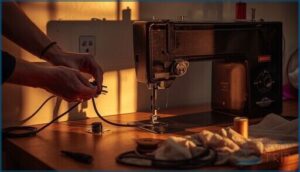
Seriously, don’t skip this step—Electric Shock Prevention isn’t a suggestion, it’s survival. Yanking that power cord from the wall eliminates your risk of becoming a human lightbulb while you’re fiddling with needles or cleaning bobbin areas.
Machine Safety Checks mean NOTHING if you’re still plugged in. Manufacturers literally scream about Unplugging Procedures in every manual because Electrical Safety trumps convenience every single time.
Your Machine Maintenance Tips start with isolation, period.
Use Scissors and Rotary Cutters With Care
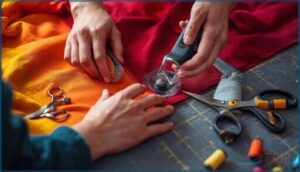
Sharp blades demand respect—one slip and you’re bleeding through the good fabric. Cutting Tool Safety starts with focus, and Scissors Safety plus Rotary Cutter Usage mean no shortcuts:
- Close rotary cutters immediately after each slice to prevent accidental contact
- Cut away from your body to keep fingers out of the blade path
- Replace dull blades promptly for clean cuts and reduced hand strain
Protective Gear like finger guards, proper Ergonomic Handling, and consistent Blade Maintenance are your Accident Prevention dream team.
Crafting Safety Tips this basic save ER visits—trust me, your fingers will thank you.
Store Sharp Tools With Covers or in Holders
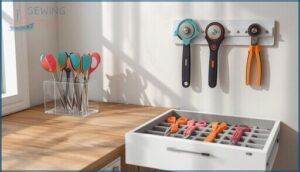
You don’t want to fish around in a drawer and grab a blade—ouch. Tool Storage Safety means covering those rotary cutters and scissors with blade guards ASAP. Magnetic Holder Risks? Real if blades are exposed. Use Secure Storage Methods like sheaths or designated holders for Sharp Edge Protection.
Scissors Safety and Crafting Safety Tips start with smart storage—because fumbling for tools shouldn’t draw blood.
Use a Thimble to Protect Your Fingers
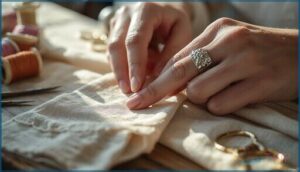
Your fingertip isn’t a pincushion—stop treating it like one. A proper thimble shields you from needle stabs during hand sewing, and picking the right fit matters big time:
- Thimble Sizing: Snug > wobbly disaster
- Thimble Materials: Metal lasts; leather flexes
- Finger Protection: Ridges = grip, no slip
- Needle Safety: Position on your pushing finger
- Hand Sewing: Replace worn thimbles ASAP
Sewing Safety Tips start with protecting those digits.
Tie Back Long Hair and Avoid Loose Clothing

Long hair + spinning sewing machine = a horror story you DON’T need. Hair Restraint Methods like scrunchies, caps, or tight braids keep loose strands away from needles and gears—Entanglement Prevention 101.
Loose Clothing Risks are just as gnarly; snug sleeves beat dangly disasters every time. Protective Attire isn’t boring—it’s your ticket to keeping ALL your body parts intact while you sew.
Organizing a Safe Sewing Room

Look, your sewing room can either be a creative paradise or a straight-up hazard zone—and honestly, the difference comes down to how you set things up.
A messy workspace isn’t just annoying; it’s basically asking for accidents, injuries, and that fun moment when you trip over fabric at 2am.
Let’s talk about the must-do moves that’ll keep your sewing space safe, organized, and actually functional.
Arrange Tools and Materials for Easy Access
You know what’s wild? Spending 30 seconds hunting for scissors when you could be SEWING. Tool organization is literally your ticket to workspace efficiency and peak sewing safety.
✓ Slap everything within arm’s reach – saves 2–3 seconds per grab (that adds up, trust me)
✓ Label those containers – transparent fronts = no digging disasters
✓ Create a separate cutting station – keeps lint chaos contained
✓ Mount a magnetic strip – pins and scissors RIGHT there when you need them
✓ Declutter your current project tools – accessible layout = ergonomic design WIN
Store Fabrics to Prevent Tripping and Fire Risks
Okay, so fabric storage tips aren’t just about looking cute—they’re straight-up sewing safety 101. Keep your stash off the floor (tripping hazard reduction = you NOT faceplanting) and away from irons or heaters (fire risk prevention is REAL).
Use shelves, clear bins, and proper fabric organization methods. Safe shelving practices mean you won’t accidentally start a bonfire OR break your ankle. Win-win for fabric handling and storage!
Ensure Good Ventilation in Your Sewing Area
You’ve got your fabric sorted—now let’s talk air quality, because breathing safety isn’t optional. Open a window, run a fan, or grab a portable air purifier to keep dust control and fume removal on point.
Your sewing room setup needs solid ventilation systems (at least six air changes per hour!) to avoid inhaling fabric dust or iron steam. Sewing safety tip: fresh air = happy lungs.
Use Ergonomic Chairs and Adjustable Tables
Fresh air is great, but if you’re sitting like a shrimp at your machine, your back is gonna RIOT. Grab an ergonomic chair with lumbar support and adjustable heights that let your elbows hit 90 degrees—your spine will literally thank you. Pair it with an adjustable table for perfect needle alignment.
Proper posture support transforms your sewing room setup from torture chamber to comfort zone.
Sewing safety tips that actually matter! To verify the accuracy of our sewing safety tips, we rely on scientific study summaries to inform our recommendations.
Clean and Maintain Your Sewing Space Regularly
Your sewing room might look fine until you realize dust bunnies are throwing a rave under your machine. Weekly wipe-downs slash fabric lint buildup, monthly vacuuming combats allergen exposure, and quarterly storage checks prevent mold disasters.
Dust reduction improves machine maintenance and fabric storage longevity. Clutter control isn’t just craft room organization—it’s workshop safety that keeps your creative space from becoming a hazard zone.
Health and Wellness Tips for Sewists

You’re probably so focused on nailing that French seam that you forget your body is screaming at you to move. But here’s the thing—your health matters just as much as that perfect topstitch, and ignoring it is basically asking for a one-way ticket to Ouchville.
Let’s talk about keeping yourself in good shape so you can actually enjoy your sewing projects without turning into a hunched-over, dehydrated mess.
Stretch and Change Positions Frequently
Your body wasn’t designed to hunch over a machine for hours—and trust me, it’ll remind you. Repetitive strain injuries sneak up fast when you’re in the zone. Here’s how to keep yourself moving:
- Set a timer for every 20-30 minutes to stand up or shift postures (muscle relief starts NOW)
- Roll your shoulders back and stretch your neck—targeting those problem areas prevents stiffness
- Flex your wrists and fingers between seams to fight repetitive strain
- Switch tasks regularly—alternate between sewing, cutting, and pressing to distribute the load
- Keep that first aid kit nearby as part of your sewing safety precautions, just in case
Ergonomic posture isn’t optional; it’s literally injury prevention in action.
Stay Hydrated and Eat Healthy Snacks
Honestly? Your brain NEEDS fuel to catch mistakes before they happen. Water keeps focus sharp—aim for that pale straw urine color—while balanced snacks (fruit + nuts, yogurt + berries) prevent blood sugar crashes mid-seam.
Keep a refillable bottle within arm’s reach and munch every few hours. These sewing safety precautions aren’t boring nutrition advice—they’re energy boosters that protect you from exhaustion-driven accidents.
Practice Good Posture While Sewing
Slouching over your machine turns creativity into chronic pain—FAST. Keep your spine aligned with feet flat, elbows bent 90-120 degrees, and your sewing area at eye level. This ergonomic setup protects your back while you work, blending posture alignment with smart sewing safety tips.
Micro-breaks every 20-30 minutes plus quick sewing stretches = back support that actually works. Your body will thank you.
Manage Stress and Avoid Sewing When Overly Tired
When you’re running on fumes, your error rate SKYROCKETS—and suddenly that needle goes straight through your finger instead of the fabric. Fatigue prevention isn’t optional; it’s literally your safety net.
- Stop sewing immediately if you’re yawning every 30 seconds or losing track mid-seam
- Schedule mental wellness breaks to reset your stress management game before you make expensive mistakes
- Prioritize sleep hygiene because nothing ruins a project faster than exhausted judgment calls
Self care = crafting safety. Period.
Use Proper Lifting Techniques for Heavy Machines
Your sewing machine weighs WAY more than you think, and yanking it off the shelf wrong = instant back disaster. Heavy load handling 101: bend those knees, NOT your spine, and keep that beast close to your body.
Better yet? Grab a cart or buddy for machine lifting because injury prevention beats heroics every single time. Back safety isn’t negotiable in any workplace safety scenario, trust me.
Top 10 Products for Sewing Safety
Look, you can follow every safety rule in the book, but if your tools are garbage, you’re STILL gonna end up squinting in the dark or burning your hand on a sketchy iron. The right gear isn’t just nice to have—it’s literally the difference between smooth sailing and a trip to urgent care.
Here are ten products that’ll keep your sewing space safe without turning you into a paranoid mess.
1. Bright Sewing Task Lamp Light
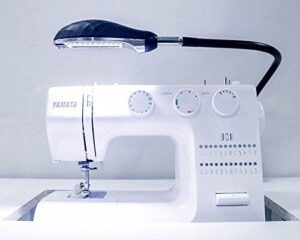
Your eyes deserve better than squinting under dim bulbs while you’re trying to nail that perfect seam. This gooseneck sewing lamp brings 50 LEDs worth of radiant, color-accurate lighting straight to your workspace—no more mystery about whether that thread is navy or black.
With 60,000 hours of use ahead and adjustable brightness settings, you’ll protect your vision while nailing every detail. Plus, that flexible arm means you can angle proper lighting exactly where you need it most. Your future self will thank you.
| Best For | Sewers, quilters, and crafters who need precise, adjustable lighting to reduce eye strain during detailed work like threading needles or matching fabric colors. |
|---|---|
| Power Source | Electric (AC) |
| Weight | 2.92 pounds |
| Color | Black |
| Adjustability | 30-inch gooseneck |
| Special Technology | 50-LED lights |
| Primary Use | Sewing lighting |
| Additional Features |
|
- 50 LED lights with accurate color rendering help you distinguish thread shades and fabric details without guesswork
- Ultra-long 30-inch flexible gooseneck lets you position light exactly where shadows fall on your project
- Two brightness settings and 60,000-hour lifespan mean you can customize lighting and avoid replacement hassles for years
- Some users report the brightness falls short of expectations for larger workspaces
- Heavier than expected at nearly 3 pounds, which may affect stability on lighter sewing tables
- Occasional quality control issues including delayed power-on response and previously used units arriving without proper packaging
2. Micomlan Led Desk Lamp
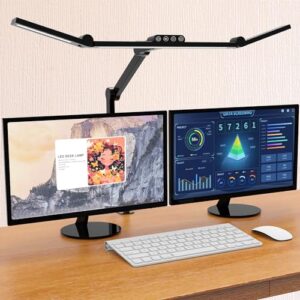
If one lamp didn’t cure your lighting woes—SHOCKER—the Micomlan desk lamp kicks things up with SEVEN rotatable joints. Yeah, SEVEN. That’s basically lamp yoga for your sewing table.
The 45° angled LEDs slash screen glare, while the CRI>90 eye protection tech keeps your peepers happy during marathon stitching sessions.
Smart sensor? Check. Memory function? YEP. It remembers your last brightness setting so you’re not fumbling with buttons when you’re in the zone.
Proper lighting meets desk ergonomics in one seriously adjustable package.
| Best For | Sewers and crafters who need ultra-flexible lighting that can twist into every angle and remember their favorite settings without constant fiddling. |
|---|---|
| Power Source | Electric (AC) |
| Weight | 2.5 pounds |
| Color | Various colors |
| Adjustability | 7 rotatable joints |
| Special Technology | CRI>90 eye protection |
| Primary Use | Desk lighting |
| Additional Features |
|
- Seven rotatable joints let you aim light exactly where you need it, whether you’re threading a needle or inspecting seam work up close.
- CRI>90 rating shows true fabric colors without the weird color cast cheaper lamps give you, so thread matching actually works.
- Smart sensor and memory function mean it adjusts brightness automatically and picks up right where you left off—no button hunting mid-project.
- Button labels on the lamp itself are confusing according to users, though the remote control makes more sense.
- Vertical pivot has limited range, so you might not get the exact overhead angle you want for flat work.
- Price runs higher than basic desk lamps, which stings if you just need straightforward task lighting.
3. Adjustable Led Desk Lamp With Clamp
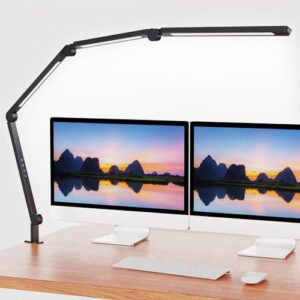
Alright, if you’re over desk lamps taking up precious fabric space, the AILBTON clamp lamp is YOUR HERO. This thing grabs onto desks up to 2 inches thick and STAYS PUT—no wobbling mid-seam.
Four brightness levels plus color temperature control mean you’re not squinting OR cooking your eyeballs. The aluminum swing arm adjusts exactly where you need it, giving you that chef’s-kiss lighting angle without hogging your cutting zone.
LED efficiency meets clamp design genius, and honestly? Your neck will thank you.
| Best For | Anyone who needs flexible, space-saving lighting for detailed work like sewing, crafting, or reading—especially if your desk is already packed. |
|---|---|
| Power Source | Electric (AC) |
| Weight | 1.6 ounces |
| Color | 6000 Kelvin |
| Adjustability | Swing arm |
| Special Technology | 4-level brightness |
| Primary Use | Task lighting |
| Additional Features |
|
- Clamp design frees up desk space and stays secure on surfaces up to 2 inches thick
- Four brightness levels and color temperature options let you customize lighting for different tasks
- Energy-efficient LED with a long lifespan means fewer replacements and lower power bills
- Build quality is hit-or-miss—some users find it solid, others say it feels flimsy
- Brightness may fall short for tasks requiring super intense illumination
- Quality control issues mean you might receive a damaged unit
4. Rowenta Steam Iron For Clothes
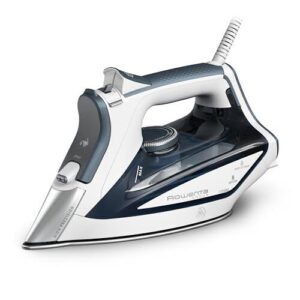
Your iron can be your best friend OR a burn-waiting-to-happen. The Rowenta steam iron for clothes brings 1725 watts and up to 135g/min steam boost for fabric protection—meaning fewer passes, less hand fatigue, way safer ironing techniques overall.
Four hundred microsteam holes plus an auto shut-off? CHEF’S KISS for sewing safety tips. The precision tip nails those tricky seams without scorching anything, and the anti-drip system keeps water spots off your masterpiece. Just remember proper iron maintenance (self-cleaning isn’t automatic), and you’re golden.
| Best For | Home sewers and quilters who need powerful steam to tackle thick fabrics and tricky seams without constant re-ironing. |
|---|---|
| Power Source | Electric (1725W) |
| Weight | 3.22 pounds |
| Color | Blue |
| Adjustability | Adjustable steam |
| Special Technology | 400 microsteam holes |
| Primary Use | Ironing fabrics |
| Additional Features |
|
- Seriously strong steam output (135g/min burst) cuts through wrinkles fast so you spend less time ironing
- 400 microsteam holes and precision tip make detail work way easier without scorching delicate areas
- Auto shut-off and anti-drip system give you peace of mind during long sewing sessions
- Water tank drains pretty quickly if you’re using heavy steam, so expect refill breaks
- At 3.22 pounds it’s heavier than some irons, which can wear on your wrist during marathon ironing days
- Self-cleaning requires manual steps instead of being automatic, so maintenance takes a bit more effort
5. Oliso Smart Iron With Auto Lift

Picture your iron floating up like MAGIC every time you step away—that’s the Oliso Smart Iron with Auto Lift, and it’s basically burn prevention tips on steroids. This smart iron technology uses 1800 watts plus an auto-lift system that LITERALLY raises the soleplate off your fabric to slash heat exposure reduction time.
No more panic-grabbing a scorched quilt block because you got distracted! The auto lift benefits? Fewer wrist cramps, zero scorch marks, and iron safety features that actually work while you’re mid-project chaos mode.
| Best For | Sewers, quilters, and crafters who want to prevent fabric scorching and reduce wrist strain during long ironing sessions. |
|---|---|
| Power Source | Electric (1800W) |
| Weight | Not specified |
| Color | Butterscotch |
| Adjustability | Auto-Lift system |
| Special Technology | Diamond Ceramic-Flow |
| Primary Use | Sewing/quilting ironing |
| Additional Features |
|
- Auto-lift system raises the iron automatically when you step away, preventing burns and scorch marks on fabric
- 1800-watt power with Diamond Ceramic-Flow soleplate heats up fast and glides smoothly over all fabric types
- 12-foot swivel cord and precision tip give you flexibility to iron detailed areas without constantly repositioning
- High wattage might trip breakers or require a dedicated outlet in older homes
- The iron’s weight and auto-lift feature take some getting used to, especially if you’re switching from a standard iron
- Pricier than basic irons, and you can’t turn off the auto-lift if you prefer manual control
6. Panasonic Cordless Steam Iron
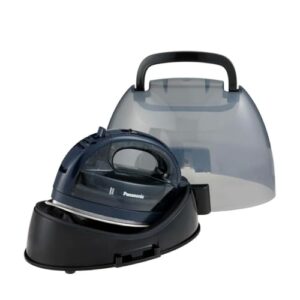
Imagine ironing your quilt blocks WITHOUT tripping over that stupid cord every five seconds—that’s the Panasonic Cordless Steam Iron, and it’s a GAME CHANGER for portable ironing safety. This 1500-watt beast heats up in under 2 minutes, giving you total cordless iron safety freedom around your sewing room.
The 360° freestyle soleplate glides like butter for fabric protection, plus vertical steam zaps wrinkles on curtains.
Just remember these steam iron tips: use distilled water for iron maintenance and recharge frequently because IT WILL DIE mid-seam when you least expect it.
| Best For | Quilters, sewers, and anyone who irons frequently and wants freedom from cords without sacrificing power or steam performance. |
|---|---|
| Power Source | Electric (1500W) |
| Weight | 4.18 pounds |
| Color | Black/Dark Blue |
| Adjustability | 360° soleplate |
| Special Technology | Cordless design |
| Primary Use | Cordless ironing |
| Additional Features |
|
- Heats up in under 2 minutes with 1500W power and a 360° freestyle soleplate that glides smoothly in any direction
- Vertical steam feature makes it easy to remove wrinkles from curtains and hanging garments without taking them down
- Lightweight and portable with a heat-resistant carrying case, perfect for small spaces or taking your ironing on the go
- Needs frequent trips back to the charging dock to maintain heat, which can interrupt your workflow during longer ironing sessions
- Some users report the iron doesn’t stay hot enough or requires forceful reconnection to the base to reheat properly
- More expensive than traditional corded irons and requires regular maintenance to prevent mineral buildup
7. Arcimatto Magnetic Pin Holder
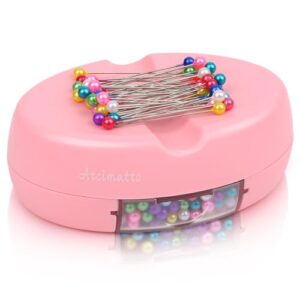
You’re gonna drop pins on the floor like CONFETTI until you grab the Arcimatto Magnetic Pin Holder—seriously, magnetic pin safety is NO JOKE when you’re crawling around at midnight looking for that one rogue pin your foot will definitely find first.
This $7.99 lifesaver offers pin holder benefits with a strong magnetic field that snags fallen pins instantly, plus pin storage solutions with a cute drawer for extras.
Just keep it away from your phone and credit cards (magnetic field precautions, people!) for proper sewing tool organization and sewing safety bliss.
| Best For | Sewers and crafters who are tired of chasing runaway pins across the floor and want a magnetic solution that keeps everything in one spot. |
|---|---|
| Power Source | N/A |
| Weight | 6.7 ounces |
| Color | Not specified |
| Adjustability | N/A |
| Special Technology | Magnetic pin holder |
| Primary Use | Pin storage |
| Additional Features |
|
- Strong magnet grabs dropped pins instantly so you’re not playing hide-and-seek with sharp objects on your hands and knees
- Comes with 100 colorful ball-head pins and a handy drawer for storing extras or other small metal bits like bobby pins
- Compact at 4 x 3 x 1.5 inches and lightweight enough to move around your workspace without taking up much room
- The included pins might be too flimsy for actual sewing projects, so you may need to buy better ones separately
- Plastic construction may not hold up well if you’re a heavy-duty user who sews constantly
- Need to keep it away from phones, credit cards, and electronics to avoid magnetic interference or damage
8. Silicone Bobbin Holder Organizer
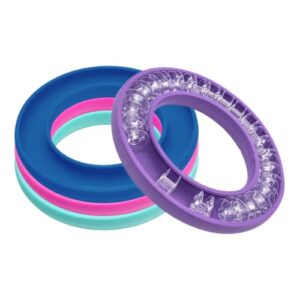
Bobbins rolling OFF the table and into the sewing room abyss? The Silicone Bobbin Holder Organizer ($9.99 for 4!) gives you thread management that actually WORKS—no more tangled disasters or mystery bobbins hiding under your chair.
This heat-resistant silicone gem keeps your sewing accessories organized for serious workspace optimization, fitting standard metal or plastic bobbins while preventing finger pricks from loose ones scattered everywhere.
Solid bobbin storage = better sewing ergonomics = you’re not constantly bending down hunting for runaways = WINNING at sewing safety!
| Best For | Sewers who are tired of chasing runaway bobbins across the floor and want a simple way to keep their workspace tidy without spending a fortune. |
|---|---|
| Power Source | N/A |
| Weight | Not specified |
| Color | Purple |
| Adjustability | N/A |
| Special Technology | Silicone material |
| Primary Use | Bobbin organization |
| Additional Features |
|
- Keeps bobbins organized and prevents thread from unraveling or tangling while you work
- Made from heat-resistant, flexible silicone that’s easy to clean and lasts through repeated use
- Affordable 4-pack means you can organize different thread colors or types separately
- May not fit oversized or unusually small bobbins, so check your bobbin size first
- The soft silicone can feel too flexible for some users who prefer a firmer holder
- Limited to 4 bobbins per holder, so frequent projects with lots of thread changes might need multiple sets
9. Gridr Bladeless Tower Fan

Your sewing machine heating up the room while you’re trying to focus? The GRIDR Bladeless Tower Fan ($89.99) keeps air circulation STRONG without the terrifying finger-guillotine vibes of traditional fans—no more worrying about electric shock from sketchy blade setups near your workspace.
This 80° oscillating powerhouse offers 3 speeds plus AI mode for energy efficiency that won’t murder your electric bill, with whisper-quiet operation (26 dB Sleep mode!) that won’t drown out your machine’s warning sounds. Bladeless design = fan safety that actually protects you = smart sewing machine safety without the anxiety!
| Best For | People who want safer air circulation around their sewing workspace without exposed blades, plus quiet operation that won’t interfere with hearing machine sounds. |
|---|---|
| Power Source | Electric (AC) |
| Weight | Not specified |
| Color | Black |
| Adjustability | 80° oscillation |
| Special Technology | Bladeless design |
| Primary Use | Room cooling |
| Additional Features |
|
- Bladeless design eliminates the risk of finger injuries while cleaning or adjusting the fan near your workspace
- Multiple modes including AI and Sleep settings keep things quiet (26 dB) so you can hear your sewing machine properly
- 80° oscillation spreads air around the room efficiently without taking up much space on your table
- Not completely silent on higher speeds, so “whisper-quiet” might be overselling it a bit
- Some quality control issues reported with units arriving used or defective
- Higher price point than traditional fans, though you’re paying for the safety features
10. Whatook Portable Rechargeable Desk Fan

Need airflow that won’t destroy your thread tension or blow pins EVERYWHERE? The Whatook Portable Rechargeable Desk Fan ($25.99) delivers 100 speed settings with whisper-quiet operation—battery maintenance is SIMPLE with the 2000mAh lithium pack and LED power display that prevents surprise shutdowns mid-seam.
Adjustable 180° tilt gives you serious desk fan ergonomics and airflow control without cord chaos tripping you up. Portable cooling that respects your workspace = actual sewing machine safety instead of hoping your ventilation doesn’t fail! ✓
| Best For | Sewers and crafters who need adjustable, quiet airflow at their workspace without cords cluttering up the table or blowing lightweight materials around. |
|---|---|
| Power Source | Rechargeable Battery |
| Weight | 1 pound |
| Color | Black and Purple |
| Adjustability | 180° angle |
| Special Technology | 100 wind speeds |
| Primary Use | Personal cooling |
| Additional Features |
|
- 100 speed settings and 180-degree tilt let you fine-tune airflow direction and intensity so you’re not launching pins or disturbing delicate fabric
- Rechargeable 2000mAh battery with LED display means up to 10 hours of cordless operation and no surprise shutdowns when you’re mid-project
- Quiet operation keeps your sewing space peaceful without the distraction of a loud motor competing with your machine
- Some users report it’s noisier than expected, so “whisper-quiet” might be overstated depending on your speed setting
- 10-hour battery life sounds good but drains faster on higher speeds, meaning frequent recharging if you run it at max
- Compact size and airflow work great for personal spaces but won’t cut it for cooling larger rooms or high-traffic areas
Frequently Asked Questions (FAQs)
What should I wear while using a serger?
Opt for snug long sleeves in flame-resistant cotton or wool—never synthetics that melt. Tie back hair, ditch jewelry, wear closed non-slip shoes, and rock safety glasses. Your serger safety game just leveled up.
How do I safely dispose of broken needles?
You might think tossing broken needles in the trash is fine—but YIKES, that’s dangerous.
Grab a rigid sharps container (seriously, get one), drop that needle in, and keep everyone safe from puncture wounds.
Can I sew while wearing contact lenses safely?
Yes, but wash your hands before handling lenses, work in well-ventilated spaces, and keep rewetting drops nearby.
If irritation or blurred vision occurs, remove lenses immediately and switch to glasses for eye protection.
What fire safety equipment should be near irons?
Keep a Class ABC fire extinguisher within ten meters of your iron. Mount a smoke detector in your sewing area, and grab a fire blanket for fast fabric fire suppression.
Your first aid kit should include burn treatment supplies.
How often should sewing machines be professionally serviced?
Most manufacturers recommend professional servicing every 12 months for household machines. Heavy users? Bump that up to every 3–6 months. Regular checkups slash maintenance costs and extend your sewing machine lifespan dramatically.
Conclusion
The wildest part? Ignoring sewing safety tips doesn’t save you time—it costs you more of it. Every preventable accident, every squinting session that wrecks your neck, every frantic search for a lost needle—it all adds up to less sewing, more stress.
But when you actually respect your space, your tools, and your body, you stop fighting your craft and start enjoying it. That’s not being careful—that’s being smart enough to keep going.
- https://www.pinterest.com/ageberry/
- https://onlinepubs.trb.org/onlinepubs/nchrp/cd-22/manual/v1appendixb.pdf
- https://academichelpexpress.blog/2024/08/please-use-the-bulleted-points-and-the-rubric-below-to-guide-your-work-your-pa/
- https://x.com/godofprompt/status/1990526288063324577
- https://www.sciencedirect.com/science/article/pii/S0749208123000268