This site is supported by our readers. We may earn a commission, at no cost to you, if you purchase through links.
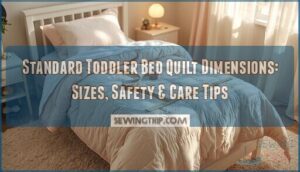
Most parents don’t realize that a quilt hanging too low can become a tripping hazard during those midnight bathroom runs, while one that’s too short leaves little legs exposed on chilly mornings. The standard dimensions of a toddler bed quilt, usually 46 by 60 inches, aren’t random numbers pulled from thin air—they’re carefully calculated to provide a 4 to 6-inch overhang on each side of a 28 by 52-inch mattress, creating that sweet spot between coverage and safety.
Getting these measurements right means your toddler stays cozy without excess fabric bunching up or dragging on the floor, and it ensures the quilt drapes beautifully while accommodating their constant nighttime movement. Understanding how mattress dimensions, overhang preferences, and safety guidelines work together helps you choose or create bedding that grows with your child through this transitional sleep stage.
Table Of Contents
- Key Takeaways
- Standard Toddler Bed Quilt Dimensions
- Toddler Bed Vs. Crib Quilt Sizes
- Factors Influencing Quilt Size Choice
- How to Measure for a Toddler Quilt
- Customizing Quilt Dimensions for Your Toddler
- Safety Guidelines for Toddler Bed Quilts
- Top 7 Recommended Products for Toddler Quilts
- Tips for Maintaining and Caring for Toddler Quilts
- Frequently Asked Questions (FAQs)
- Conclusion
Key Takeaways
- Standard toddler bed quilts measure 46 by 60 inches or 45 by 60 inches, designed to provide a 4- to 6-inch overhang on each side of a 28 by 52-inch mattress for proper coverage without dragging on the floor.
- Toddler quilts differ from crib quilts in thickness and fit requirements—toddlers need medium-loft batting for warmth with 5 to 8 inches of relaxed drape, while crib bedding prioritizes thin materials and snug fitting to prevent suffocation hazards.
- The American Academy of Pediatrics recommends waiting until after a child’s first birthday to introduce quilts, then choosing breathable cotton fabrics under 1 inch thick with lightweight batting to minimize suffocation risks during sleep.
- Pre-washing fabric before construction prevents 3 to 5 percent shrinkage, and maintaining quilt softness requires cold-water washing with mild detergent, low-heat drying, and avoiding fabric softeners or bleach throughout the quilt’s lifetime.
Standard Toddler Bed Quilt Dimensions
When you’re shopping for a toddler bed quilt, you’ll notice that most manufacturers stick to a few standard dimensions that work well with typical toddler mattresses. These measurements account for the mattress size plus a bit of overhang on the sides and bottom, so the quilt drapes nicely without dragging on the floor.
Let’s look at the most common quilt dimensions you’ll find and what makes each one a practical choice for your little one’s bed.
Typical Measurements (46 X 60, 45 X 60)

When you’re picking out a toddler bed quilt, you’ll find that most manufacturers stick to two main quilt size standards: 46 inches by 60 inches or 45 inches by 60 inches. These quilt measurements work beautifully with standard toddler mattress dimensions of 28 by 52 inches, giving you a comfortable 4 to 6-inch overhang on each side that covers the mattress edges without dragging on the floor.
Ensuring the accuracy of such measurements is essential, much like addressing methodological flaws in scientific research.
Alternative Sizes (42 X 54)

Some retailers and pattern designers offer compact quilts in a 42 by 54 inch dimension, which provides a snug fit for small beds and tighter transitions from crib to toddler bed.
This toddler quilt size usually delivers:
- About 7 inches less width than standard 46 x 60 options
- Reduced fabric weight on your child’s legs during sleep
- Easier handling for younger toddlers learning bedtime routines
- Less bulk in smaller bedrooms or shared spaces
These quilt measurements work well for toddler safety when you’re managing compact bedding options. Parents can find more information on child development and safety using language tools.
Mattress Fit and Quilt Overhang

Your toddler quilt should extend 6–12 inches beyond the mattress edge on each side, creating a balanced drape without bunching on the floor. For a 28 x 52 inch mattress, aim for 42–54 inch widths to guarantee proper mattress fit and bedding safety.
| Quilt Width | Overhang Per Side |
|---|---|
| 42 inches | 7 inches |
| 46 inches | 9 inches |
| 50 inches | 11 inches |
| 54 inches | 13 inches |
This quilt overhang promotes sleep quality while allowing easy bed access.
Toddler Bed Vs. Crib Quilt Sizes
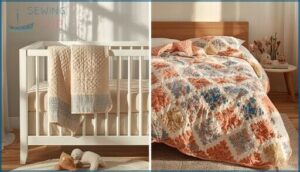
You might assume that toddler bed quilts and crib quilts are the same size, since many toddler beds use crib-sized mattresses, but the bedding requirements actually differ in important ways. Understanding these differences helps you choose the right quilt for your child’s current sleep setup, whether they’re still in a crib or have transitioned to a toddler bed.
Before making your purchase, check out this complete quilt size guide to ensure you’re getting dimensions that work safely for your child’s age and bed type.
Let’s compare the mattress dimensions, quilt sizes, and bedding needs for each type of bed.
If you’re planning a quilting project for a child’s bed, consider starting with beginner-friendly sewing books designed for kids to make the process educational and fun.
Mattress Size Comparison
Understanding mattress dimensions is key to selecting the right quilt size for your child’s bed. A toddler bed typically uses a 28 by 52-inch mattress, similar to a crib, while a twin mattress measures 38 by 75 inches. These dimensions directly impact quilt sizes, fabric choices, and the necessary quilt thickness for optimal sleep safety and coverage.
| Bed Type | Mattress Size (inches) |
|---|---|
| Crib/Toddler | 28 × 52 |
| Twin | 38 × 75 |
| Full/Double | 54 × 75 |
| Toddler Quilt | 46 × 60 (typical) |
Knowing your bed frame dimensions ensures that toddler bed quilts fit comfortably, providing enough overhang to keep your little one warm without excess fabric dragging on the floor.
If you’re planning to quilt one yourself, a quilting sewing machine with free-motion capability makes it easier to add custom patterns that fit your toddler’s bed perfectly.
Crib Quilt Dimensions
Crib quilts typically measure 36 by 52 inches or 40 by 60 inches, matching a standard crib mattress with 7–9 inches of overhang on each side. These dimensions ensure the quilt drapes evenly without catching on crib rails, keeping your baby cozy and secure.
Before cutting your fabric, check out this guide on how to sew pot holders to practice your quilting stitches and get comfortable with layering techniques.
| Quilt Type | Common Dimensions (inches) |
|---|---|
| Standard Crib | 36 × 52 or 36 × 45 |
| Oversized Crib | 40 × 60 |
| Mini Crib | 30 × 38 |
Proper quilt size supports safety standards while allowing room for quilting techniques and fabric choices.
Following quilt batting tips and tricks helps you choose materials that meet safety guidelines without compromising your creative design.
Differences in Bedding Requirements
As your child transitions from crib to toddler bed, bedding needs shift in meaningful ways. Toddler quilts require thicker batting for warmth since they’re no longer swaddled, while mattress fit becomes less restrictive—you’ll want 5–8 inches of overhang instead of the snug crib fit. Safety standards also relax, allowing breathable quilt materials that support sleep quality improvement and child comfort.
| Feature | Crib Bedding | Toddler Bedding |
|---|---|---|
| Quilt Thickness | Thin, minimal loft | Medium loft, warmer |
| Mattress Fit | Snug, no gaps | Relaxed, 5–8″ drape |
| Safety Focus | Suffocation prevention | Comfort, temperature |
Factors Influencing Quilt Size Choice

Choosing the right quilt size for your toddler isn’t just about measuring the mattress and calling it done. You’ll want to think about where your child is in their growth journey, how you like to make the bed, and what keeps them safe and comfortable through the night.
These three factors work together to help you find a quilt that fits your toddler’s needs now and down the road.
Toddler Age and Growth
Your little one grows like a weed—about 2.5 inches and 5 pounds each year from ages one to three. These rapid developmental stages directly affect which toddler quilt you’ll choose for their toddler bed.
As your child moves through different growth patterns and child development milestones, you’ll want toddler bedding that accommodates their changing size while supporting healthy sleep habits and child safety throughout toddler development.
Bedding Style Preferences
Your style choices—from design themes like whimsical characters to color schemes featuring soft pastels or bold primaries—shape both quilt size and bedding comfort.
Fabric textures, whether breathable cotton percale or plush blends, affect how your toddler quilt drapes over the mattress, while quilt patterns and nursery decor influence your final quilt selection, ensuring toddler bedding that looks great and fits perfectly.
Safety and Sleep Quality
When you choose the right quilt size, you’re doing more than matching measurements—you’re creating a sleep environment that keeps your little one safe and rested through the night.
Choosing the right quilt size creates a sleep environment that keeps your little one safe and well-rested through the night
Consider these safety considerations and sleep quality factors:
- Breathable fabrics regulate body temperature without overheating risks
- Firm, flat sleep surfaces minimize rolling hazards during rest
- Limited light exposure before bedtime maintains stable circadian rhythms
- Consistent bedtime routines improve sleep duration and quality
- Loose bedding removal reduces suffocation risks in toddler bedding setups
Child bedding safety directly influences how well your toddler sleeps.
How to Measure for a Toddler Quilt

Getting the right quilt size starts with accurate measurements, which means you’ll need to grab a tape measure and spend a few minutes at your toddler’s bed.
You can’t rely on standard dimensions alone, since mattresses can vary slightly between brands, and your personal preferences for drape and coverage matter just as much.
Let’s walk through the three key measurements that will help you choose or create a quilt that fits perfectly.
Measuring The Mattress
Before you even think about fabric thickness or quilt overhang, you need accurate mattress measurements. Pull out your measuring tape and record the length, width, and mattress depth of your toddler bed—most standard frames hold a 52 by 28-inch mattress, but variations exist.
These numbers are your foundation for determining the right toddler quilt size, ensuring a proper mattress fit that works with your bed frame and keeps your little one cozy.
Calculating Desired Overhang
Once you’ve measured the mattress, decide how much quilt overhang you want draping over the edges. A balanced 6-inch drop on each side usually works well for standard toddler quilts, giving you proper mattress fit without creating bedding safety hazards. Adjust your quilt size based on the room layout and your child’s movement patterns during sleep.
- Target 5 to 8 inches beyond mattress edges for balanced drape and coverage
- Use 4-inch overhang if the quilt is only for cover, not a full bedspread
- Reduce per-side drop by 1 inch when working with thicker batting to avoid bulk
- Confirm symmetry by checking that opposite sides match within half an inch
Adjusting for Quilt Thickness
Quilt thickness impacts your final measurements, so factor in the batting materials and quilting density before cutting fabric. Thicker quilts drape differently than flat cloth, adding roughly 0.5 to 1.5 inches of height depending on fabric choice and edge finishing.
Test your layered quilt on the mattress to confirm the overhang still looks balanced, then adjust toddler quilt dimensions if needed for proper coverage and safe quilt maintenance.
Customizing Quilt Dimensions for Your Toddler
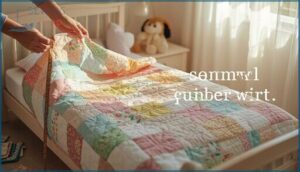
You don’t have to stick with standard quilt dimensions if they don’t quite work for your toddler’s bed or your vision. Customizing a quilt lets you create something that fits perfectly, grows with your child, and reflects their personality.
Here’s how to tailor quilt dimensions, plan for the future, and choose patterns and fabrics that make bedtime feel special.
Personalizing Quilt Size
Your toddler’s mattress dimensions form the foundation for custom sizing, but your child’s bedding style matters just as much. If you prefer a snug fit, add 6–12 inches to the total width for a gentle tuck-under on both sides.
For a looser drape, consider fabric selection carefully—heavier materials reduce usable overhang. A quilt size chart helps visualize these adjustments before you cut your first piece.
Accommodating Room for Growth
Growth projections matter more than you might think. Adding 8–10 inches to your mattress fit now means your toddler bed quilt will still work next year, without constant size adjustments.
Consider quilt layering with lighter fabrics for year-round bedding solutions—heavier batting limits flexibility as your child grows.
A thoughtful quilt size guide accounts for at least 12–18 months of use, balancing today’s snug coverage with tomorrow’s needs.
Selecting Quilt Patterns and Fabrics
Pattern designs with large-scale prints and simple geometry work best for toddler quilts—your child can process them easily without feeling overwhelmed.
Choose fabric with OEKO-TEX STANDARD 100 certification to avoid harmful chemicals, and stick with organic cotton for breathability.
Color schemes matter less than texture options and material safety, so prioritize stable woven cottons over fleece in your quilt size guide decisions.
Safety Guidelines for Toddler Bed Quilts
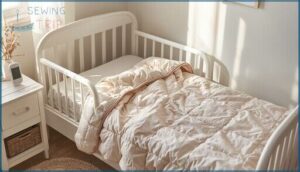
Choosing the right quilt size matters, but safety comes first when you’re setting up your toddler’s bed.
You need to know which materials work best, how thick the quilt should be, and what the experts recommend for different ages.
Let’s walk through the key safety guidelines that’ll help you pick a quilt that keeps your little one cozy and protected.
American Academy of Pediatrics Recommendations
When your little one transitions to a toddler bed, you’ll want to follow AAP safe sleep guidelines that have helped reduce infant mortality and continue supporting pediatric sleep safety. The American Academy of Pediatrics recommends keeping soft bedding out of sleep spaces for infants under 12 months to support SIDS prevention, but recognizes that healthy toddlers over one year can safely enjoy sleep essentials like quilts.
- Bare is best for babies: Infants need only a firm mattress with a fitted sheet, avoiding quilts entirely to reduce soft bedding risks
- The 12-month marker: After your child’s first birthday, you can introduce a lightweight toddler quilt when they move to a toddler bed
- Wearable warmth wins early: Sleep sacks keep younger babies cozy without the suffocation hazards that loose blankets pose
- Room sharing, not bed sharing: Keep your infant’s crib in your room for at least six months while maintaining their separate, safe sleep surface
Safe Quilt Materials and Thickness
Breathable fabrics like cotton and cotton percale make the safest choices for toddler bedding, offering natural moisture absorption without trapping heat. You’ll want lightweight fillings—thin cotton or low-loft polyester batting—that provide gentle thermal insulation while keeping quilt thickness minimal.
Skip plush minky, high-pile fleece, and thick comforters; these soft materials create compressible surfaces that pose comfort factors you don’t want near your child’s face during sleep.
Avoiding Suffocation Hazards
Keep your toddler’s sleep space clear of thick, loose quilts that can migrate over the face during active sleep. Bedding risks rise when soft materials obstruct airways, accounting for roughly a third of infant suffocation cases and remaining relevant as toddlers gain mobility.
Three core suffocation prevention rules:
- Choose lightweight, firmly woven quilt materials under 1 inch thick
- Verify the quilt fits snugly without excessive overhang or bunching
- Remove pillows, stuffed toys, and extra blankets from the sleep surface
Top 7 Recommended Products for Toddler Quilts
When you’re ready to start your toddler quilt project, having the right materials and inspiration makes all the difference.
The products below include quality batting options that provide warmth without excess weight, along with quilting books that offer design ideas and historical context.
These seven recommendations will help you create a safe, beautiful quilt your toddler will love for years to come.
1. Warm Natural Cotton Quilt Batting

When you’re choosing cotton batting for your toddler quilt, Warm and Natural offers a reliable option that balances soft insulation with breathable materials. This needle-punched cotton batting measures 90 inches by 40 yards, giving you plenty of yardage to cut multiple quilt sizes for different projects.
The blend of 87.5 percent cotton with natural fibers provides quilt thickness that’s warm without feeling heavy. You can quilt up to 8 to 10 inches apart, and it withstands machine washing beautifully with minimal shrinkage—perfect for quilt care when little ones inevitably create messes.
| Best For | Quilters making toddler or baby bedding who want natural cotton that’s breathable, easy to care for, and stays stable through frequent washing. |
|---|---|
| Primary Material | Cotton Batting |
| Intended Use | Quilt Making |
| Skill Level | Beginner to Advanced |
| Product Type | Batting Material |
| Color | Ivory |
| Brand | The Warm Company |
| Additional Features |
|
- You can space your quilting stitches up to 8–10 inches apart without the batting shifting or bunching, which saves time on large projects.
- Machine washable with only about 3–5 percent shrinkage, so toddler quilts hold up well through repeated laundering.
- The 90″ x 40 yard roll gives you enough yardage to cut multiple baby or toddler quilts from one purchase.
- Some quilters find it thinner than expected, which might not provide enough loft if you prefer a puffier quilt.
- The natural cotton retains tiny plant particles that create a speckled look—not ideal if you want a pristine white appearance.
- It can slip during sewing if you don’t pin it carefully, and the price point is higher than some synthetic batting options.
2. Warm And Natural Cotton Batting
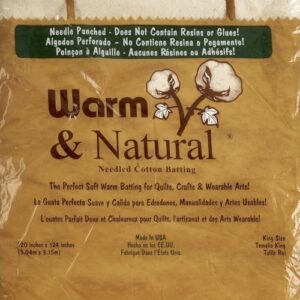
For crib-sized toddler quilts measuring 45 inches by 60 inches, Warm And Natural Cotton Batting provides the exact dimensions you need right out of the package. This batting material contains 87.5 percent cotton with natural fibers needle-punched through a thin stabilizing scrim, ensuring reliable quilt insulation without added resins or glues.
The cotton quality meets strict specifications for length and cleanliness, and you can space your quilting up to 10 inches apart. Machine washable with about 3 to 5 percent shrinkage, it simplifies quilt care while keeping your toddler quilt soft and breathable through countless washes.
| Best For | Quilters making crib-sized or toddler quilts who want natural cotton batting that’s ready to use without prewashing and holds up through machine washing. |
|---|---|
| Primary Material | Cotton Batting |
| Intended Use | Quilt Making |
| Skill Level | Beginner to Advanced |
| Product Type | Batting Material |
| Color | Ivory |
| Brand | The Warm Company |
| Additional Features |
|
- Pre-cut to standard crib quilt dimensions (45″ x 60″) so there’s no measuring or trimming needed
- Made from unbleached American cotton with no chemical binders, making it safer for baby items
- Allows quilting lines up to 10 inches apart and stays stable through repeated washing without bearding or bunching
- Shrinks 3-5% after the first wash, so you need to plan for that in your quilt measurements
- More expensive than synthetic batting options, which is typical for natural fiber products
- Some quilters find it thinner than expected compared to loftier batting types
3. American Quilt History Book

While practical batting keeps your toddler’s quilt cozy, understanding quilt heritage deepens your connection to this American tradition.
Roderick Kiracofe’s American Quilt History book traces fabric arts from 1750 to 1950, featuring 250 full-color quilts that showcase textile history and American culture. You’ll find tips on dating antique quilts and preserving them for future generations, connecting you to the quilting community’s rich past.
At $61.97, this hardcover reference strengthens your appreciation for American quilting traditions while helping you understand quilt preservation techniques that honor American heritage.
| Best For | Quilters, historians, and fabric art enthusiasts who want to understand the evolution of American quilting and learn how to date and preserve antique quilts. |
|---|---|
| Primary Material | Paper |
| Intended Use | Quilting Reference |
| Skill Level | All Levels |
| Product Type | Reference Book |
| Color | Full Color |
| Brand | Roderick Kiracofe |
| Additional Features |
|
- Features 250 full-color quilts with beautiful photography, including many rare pieces never published before
- Connects quilt designs to their social, economic, and political context across 200 years of American history
- Includes practical guidance on dating, investigating, and conserving antique quilts
- The $61.97 price point is steep compared to typical quilting books
- Doesn’t include pattern lists or step-by-step instructions, so it’s not useful for making quilts
- Experienced quilters and historians may find the content familiar rather than groundbreaking
4. Liberated Medallion Quilts Book
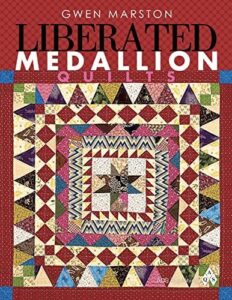
If you’re drawn to creating unique toddler quilts, Gwen Marston’s Liberated Medallion Quilts offers seven creative quilting exercises in improvisational techniques that break free from rigid quilt patterns.
This 111-page guide explores medallion quilt history while teaching liberated quilting methods, where you’ll design as you go rather than following precise measurements. You’ll discover quilt design principles through antique examples, learning to build from a central motif outward with asymmetrical borders.
At around $15-20 used, it’s perfect for experienced quilters ready to explore creative approaches to toddler quilt making beyond standard quilt size charts.
| Best For | Experienced quilters who want to break away from traditional patterns and explore improvisational techniques for creating one-of-a-kind medallion quilts. |
|---|---|
| Primary Material | Paper |
| Intended Use | Quilting Reference |
| Skill Level | Intermediate to Advanced |
| Product Type | Instructional Book |
| Color | Color Photos |
| Brand | Amer Quilters Society |
| Additional Features |
|
- Teaches you to design freely as you go, moving away from rigid measurements and templates toward a more creative, intuitive approach
- Packed with 151 illustrations and examples from antique quilts that show improvisation has deep historical roots in quiltmaking
- Offers seven hands-on exercises that guide you through increasingly complex medallion constructions, making the improvisational process accessible
- Contains no ready-to-use patterns, which may frustrate quilters who prefer step-by-step instructions
- The improvisational focus can feel overwhelming or too open-ended for beginners who need more structure
- Specifically centered on medallion quilts, so it won’t help much if you’re interested in other quilt styles
5. Modern Medallion Quilt Workbook

For those comfortable with structured patterns, The Modern Medallion Workbook presents 11 medallion quilt projects with detailed measurements and modern designs that adapt beautifully to toddler quilt sizes.
This 143-page workbook guides you through piecing, appliqué, and border construction with precise instructions, allowing you to customize dimensions by adding or removing borders around a central motif.
At $36, it’s ideal for confident beginners exploring quilting techniques and quilt design inspiration, with projects adjustable from wall hangings to functional bed quilts through the workbook’s flexible medallion approach.
| Best For | Confident beginner to intermediate quilters who want to explore modern medallion construction with detailed instructions and the flexibility to customize quilt sizes. |
|---|---|
| Primary Material | Paper |
| Intended Use | Quilting Reference |
| Skill Level | Intermediate to Advanced |
| Product Type | Project Book |
| Color | Color Photos |
| Brand | Stash Books |
| Additional Features |
|
- Includes 11 complete projects with precise measurements and step-by-step guidance for piecing, appliqué, and border techniques that build real skills
- Medallion format lets you easily adjust final dimensions by adding or removing borders, so you can scale projects from small wall hangings to full bed quilts
- Features designs from 11 different quilting bloggers, giving you a range of modern styles and complexity levels to choose from as you progress
- Complex techniques like inset curves and paper piecing may feel overwhelming if you’re brand new to quilting
- Some reviewers note the guidance for designing your own custom medallions is limited compared to the project-specific instructions
- At $36, it’s a higher price point for a single workbook, especially if you’re only interested in a few of the 11 projects
6. Vintage Quilts Book By Nancy Mahoney

Nancy Mahoney’s Quilt Revival offers eight cheerful vintage quilt patterns from the 1930s, updated with modern construction methods that simplify Depression Era Quilts for today’s quilters. This $7.24 book combines Quilt History Books context with Nancy Mahoney Designs step-by-step instructions, making it approachable for confident beginners exploring Vintage Quilt Patterns and Quilt Making Techniques.
While the patterns aren’t specifically sized for Toddler Quilt dimensions, you can adapt the block-based layouts to fit a Quilt Size Chart for smaller beds, using the book’s patchwork and appliqué designs with appropriate Quilt Care for soft, durable results in Quilt Revival Projects.
| Best For | Quilters who love vintage 1930s patterns and want cheerful, scrappy designs with modern construction methods—adaptable for various sizes including toddler quilts. |
|---|---|
| Primary Material | Paper |
| Intended Use | Quilting Reference |
| Skill Level | Beginner Friendly |
| Product Type | Pattern Book |
| Color | Color Illustrations |
| Brand | Nancy Mahoney |
| Additional Features |
|
- Eight authentic Depression-era patterns updated with beginner-friendly, step-by-step instructions
- Combines patchwork and appliqué techniques with historical context and fun 1930s facts
- Block-based layouts can be easily resized for baby quilts, lap quilts, or full-size bed quilts
- Some appliqué experience helpful since many patterns mix piecing with appliqué work
- Currently out of print, so availability limited to resale platforms at varying prices
- Curved piecing converted to starch appliqué may not suit quilters who prefer traditional piecing methods
7. Gees Bend Quilts Book
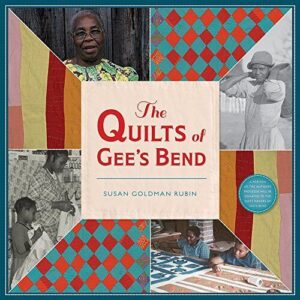
Stitching Freedom celebrates the African American Quilts of Gee’s Bend, Alabama, offering young readers ages 8 to 12 a vibrant introduction to Textile Heritage and Improvisational Quilting that shaped Gees Bend Style.
This $18.10 book weaves Quilt History with bold Quilt Patterns and Designs, exploring how communal creativity produced distinctive work that challenged conventional Quilt Making Techniques.
While it doesn’t provide a Quilt Size Chart for toddler beds, it inspires an appreciation for design freedom and cultural legacy that can inform your own quilting projects with color, asymmetry, and meaningful storytelling.
| Best For | Young readers aged 8–12, educators teaching art history or cultural heritage, and anyone interested in learning about the bold improvisational style and community legacy of Gee’s Bend quilters. |
|---|---|
| Primary Material | Paper |
| Intended Use | Quilting Reference |
| Skill Level | Ages 8-12 |
| Product Type | Educational Book |
| Color | Color Photos |
| Brand | Gee’s Bend Archive |
| Additional Features |
|
- Combines visual storytelling with historical context, making African American textile traditions accessible and engaging for children
- Includes practical elements like quilt-making instructions, maps, and an index that support both learning and hands-on creativity
- Celebrates the voices and artistry of the women quilters themselves, offering an authentic perspective on their cultural contributions
- Aimed at a younger audience, so adults seeking in-depth technical analysis or comprehensive quilting guides may find it too introductory
- Focuses more on history and cultural significance than detailed step-by-step quilting instruction
- At $18.10, it may be pricier than some families expect for a children’s nonfiction book
Tips for Maintaining and Caring for Toddler Quilts

A toddler quilt becomes a treasured piece of your child’s bedtime routine, which means you’ll want it to stay soft, cozy, and intact through countless washes and snuggles.
Taking care of it properly doesn’t require any special skills, but a few smart practices can make all the difference in how long it lasts.
Here’s what you need to know about washing, preventing shrinkage, and keeping that quilt as comfortable as the day you brought it home.
Washing and Drying Recommendations
Keep your toddler bed quilt soft and safe by using cold or warm water with a gentle cycle and mild detergent designed for baby items. Tumble dry on low heat or lay flat to air dry, avoiding chlorine bleach and fabric softeners entirely. Wash quilts separately from heavy items like jeans to minimize wear, and inspect for loose threads before each laundry session.
| Quilt Care Step | Best Practice |
|---|---|
| Washing | Cold or warm gentle cycle with mild detergent |
| Drying | Low heat tumble dry or air dry flat |
| Products to Avoid | Chlorine bleach and fabric softeners |
| Load Separation | Wash quilts separately from heavy items |
| Pre-Wash Check | Inspect and repair loose threads before washing |
Preventing Fabric Shrinkage
Pre-washing your fabric before you sew prevents unexpected size changes during later laundering—shrinkage can reach 3–5% on average. Choose preshrunk cotton or cotton blends, wash in cold water, and air dry or tumble on low heat to protect dimensions. Proper fabric care ensures your toddler bed quilt maintains its fit wash after wash.
- Pre-wash all fabrics before constructing your quilt to reduce later shrinkage.
- Select high-quality, preshrunk cotton or cotton blends for stable dimensions.
- Wash quilt tops and backing separately in cold water to minimize differential shrinkage.
- Avoid high-heat drying—air dry or tumble dry on low for best results.
- Add a fabric care label recommending gentle cycle and cool water for long-term quilt maintenance.
Preserving Quilt Softness and Durability
Your quilt’s longevity depends on thoughtful quilt material selection and consistent fabric care tips. Use natural cotton batting, wash in cold water with mild detergent, and tumble dry on low to preserve softness and durability.
Store quilts in a cool, dry place, rotate usage regularly, and avoid overloading the washer—these gentle washing methods protect fibers from breakage.
Following proper quilt care and maintenance keeps your toddler’s bedding cozy for years.
Frequently Asked Questions (FAQs)
What batting weight works best for toddler quilts?
When your little one’s first quilt becomes a nightly companion, batting materials matter. Low loft options around 3-4 oz per square yard offer breathable batting that’s lightweight yet warm—ideal for toddler bed quilts requiring easier handling and safe insulation levels.
Can toddler quilts be used as playmats?
You can use toddler quilts as playmats if they’ve non-slip backing and child-safe fabrics, but dedicated play mats offer better durability, floor hazards protection, and easier cleaning for active toddlers.
How do quilt dimensions vary internationally?
Regional variations shape quilt dimensions worldwide. UK cot bed quilts measure 120 cm x 150 cm, while Japanese baby futon quilts run about 105 cm x 130 cm, reflecting different bed sizes and cultural influences on global sizing trends.
Whats the ideal thread count for toddler quilts?
For your toddler bed, aim for 200–400 thread count in breathable cotton—soft enough for skin sensitivity yet durable through frequent quilt washing.
While maintaining fabric softness and breathability matters for comfortable sleep.
Should seasonal quilts have different dimensions?
Here’s the thing: seasonal quilt sizing doesn’t need to change dimensions. Instead, adjust fabric thickness, quilt layering, and batting weight for temperature control while maintaining standard toddler bed sizes around 46 by 60 inches for year-round comfort.
Conclusion
Picture your toddler’s bedroom five years from now—that same quilt might become a cherished fort-building material or naptime companion. Mastering the standard dimensions of a toddler bed quilt today means investing in bedding that balances immediate safety with long-term practicality.
You’ve learned the measurements, safety guidelines, and care techniques that transform a simple fabric rectangle into reliable nighttime comfort. Now you can confidently choose or create bedding that protects your child through countless peaceful sleep cycles.