This site is supported by our readers. We may earn a commission, at no cost to you, if you purchase through links.
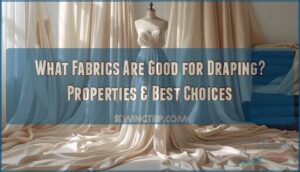
You know that easy cascade of fabric down a dress form, where the material seems to move like water? That’s drape at work—and not all fabrics have it. The difference between a garment that clings elegantly and one that sticks out awkwardly comes down to how the fibers bend, slide, and respond to gravity.
Some fabrics, like silk charmeuse, naturally surrender to their own weight and create those soft folds designers dream about. Others, like canvas or stiff cotton, refuse to cooperate no matter how much you coax them.
Understanding what makes a fabric flow—or stand firm—changes everything about how you choose materials for your projects, whether you’re sketching evening wear or draping a simple blouse.
Table Of Contents
Key Takeaways
- Fabrics like silk charmeuse, chiffon, rayon, TENCEL, and lightweight jersey knits offer the best flowing drape for garments that need movement and softness.
- The way a fabric hangs depends on key factors like bending stiffness, weave structure, fiber content, and weight, not just thickness or heaviness.
- Structured fabrics like cotton voile, linen, muslin, organza, and taffeta strike a balance between holding shape and still draping well for fitted or sculptural designs.
- Picking the right draping fabric comes down to your desired look, comfort, long-term durability, and how much you want to spend.
What Fabrics Are Good for Draping?
When you’re choosing fabric for draping, you want to know what makes one fabric flow like water and another stand stiff as cardboard. The secret lies in a few key qualities that determine how fabric behaves when it hangs.
The way fabric drapes—flowing like water or standing stiff—comes down to a handful of crucial qualities that shape how it hangs
Let’s break down what separates fabrics that drape beautifully from those that don’t, and why it matters for your project.
Key Qualities of Drapable Fabrics
Fluidity defines how fabric drape transforms raw material into movement. When you’re choosing lightweight fabric, you’re really hunting for softness that flows without fighting you. Fabric properties like handle—how it feels when you scrunch it—tell you everything about conformity and flexibility.
Great drapable fabrics share these qualities:
- Low bending stiffness – they bend easily without creasing
- Smooth surface texture – fibers slide rather than catch
- Minimal thickness – lighter materials follow gravity naturally
- Flexible weave structure – yarns move freely within the cloth
The Kawabata Evaluation System can quantify these qualities through objective measurement.
High Drape Vs. Low Drape Fabrics
Understanding fabric drape comes down to two camps. High drape fabrics—silk, chiffon, rayon—cling softly and form tiny folds. They’re fluid because of low fabric stiffness and loose weave density.
Low drape fabrics like denim or canvas stand away from your body, holding garment structure through rigidity. The drape coefficient quantifies this: above 60% means flow, below 40% means stiffness.
These fabric properties determine whether you’re creating movement or architecture. Considering this is essential for achieving the desired garment fit and style.
How Fabric Drape Impacts Project Outcomes
Your fabric selection shapes your final garment in measurable ways. Draping fabric determines silhouette definition—high drape creates body-skimming lines while low drape builds structural integrity.
Three core impacts guide sewing projects:
- Aesthetic appeal: fluid fabrics form elegant folds versus stiff fabrics holding sculptural shapes
- Comfort levels: breathable drape moves naturally against skin
- Cost implications: specialty fabrics affect budget while impacting wearability
Best Fabrics for Fluid Draping
When you need fabric that moves like water, certain materials stand out for their natural flow and graceful hang. These fabrics have that coveted quality where they skim the body, create beautiful folds, and catch light in all the right ways.
Let’s look at the top choices that give you that effortlessly elegant drape.
Chiffon and Georgette

When you need pure elegance with movement, chiffon and georgette deliver effortlessly. Chiffon’s plain weave and high-twist yarns create that floaty, romantic drape—perfect for overlays and evening gowns at 17-50 g/m².
Georgette brings more body with its S-twist and Z-twist construction, giving you a structured drape that holds shape better in blouses and sarees.
Both flowy fabrics shine in different ways depending on your design goals.
Silk (Charmeuse, Crepe De Chine)
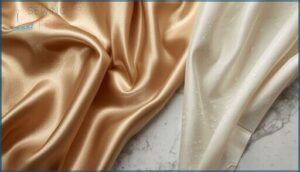
When you want luxury that moves like liquid, silk charmeuse and crepe de chine deliver unparalleled fluid drape. Charmeuse’s glossy surface glides beautifully in bias-cut gowns, while crepe de chine’s pebbly texture offers structured flow with better wrinkle resistance.
Both fabrics breathe naturally and wick moisture—charmeuse absorbing up to 30% its weight—but charmeuse needs gentler care than the more durable crepe.
Rayon and TENCEL
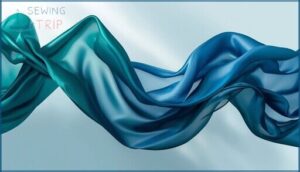
If you crave a “liquid” look, rayon fabric and TENCEL are your go-tos for draping fabric. Their rayon drape is famously fluid, with TENCEL comfort adding a soft, cool touch.
Just keep in mind: laundering effects can alter fit, and mechanical properties mean softer blends might sacrifice durability.
Market applications? Think flowy dresses, blouses, and luxe loungewear.
Lightweight Jersey Knits
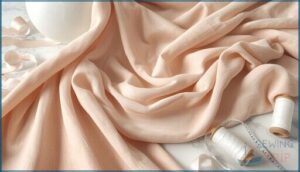
Although you might picture knits as casual, lightweight jersey knits are real all-stars regarding fabric drape. Thanks to their soft knit construction and high drape coefficient, these knit fabrics hug curves and move beautifully.
With great thermal comfort and beginner-friendly sewing techniques, jersey offers endless garment applications—from airy T-shirts to elegant, body-skimming dresses.
Fabrics for Structured and Moderate Draping
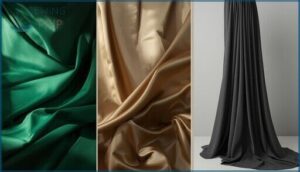
Not every project needs fabric that flows like water. Sometimes you want a material that holds its shape while still draping nicely—think fitted dresses, structured blouses, or event backdrops with elegant folds.
Let’s look at fabrics that strike that perfect balance between stiffness and softness.
Cotton Voile and Lawn
Cotton voile and cotton lawn strike a sweet spot between fluid movement and just enough structure. You’ll love how these lightweight fabrics hold their shape while still offering that breezy drape quality you need.
Here’s what makes them stand out:
- Voile drape quality – Weighs just 70 GSM with excellent air permeability for comfort aspects
- Lawn structure – Features 150-200 thread count and crisp fabric weave that holds pleats beautifully
- Market growth – Cotton fabrics like voile are booming, projected to reach 23.3 billion by 2033
Their fabric weight keeps garments breathable while the draping fabric maintains shape.
Linen and Linen Blends
Linen walks the line between structure and movement, making it your go-to for moderate drape projects. Medium-weight linen (150-300 gsm) shows a linen drape coefficient of 86.93%, giving you that cascading effect without losing shape.
The fabric weight and drape balance shifts with linen weave density—higher weft counts boost drapability.
Choosing fabric drape gets easier with linen blend properties: a 70/30 linen-silk mix improves hand feel while linen strength data proves it’s 30% tougher than cotton.
Medium-Weight Muslin and Poplin
Medium-weight muslin (100-150 muslin GSM) and poplin weave fabrics give you that prototype-friendly sweet spot. You’ll find muslin fabric mimics most cotton fabric drape at about a quarter of the cost, making cost analysis easy on your budget.
Poplin’s tight weave delivers crispness with natural hang, while muslin’s open construction offers 25% more breathability—comfort factors that matter in draping fabric applications.
Organza and Taffeta
When you need stiffness with elegance, organza and taffeta deliver structured drape comparison. Organza’s sheer transparency holds volume beautifully for overlays and wedding veils, while taffeta’s crisp weave maintains shape in formal gowns. Both offer aesthetic appeal in garment applications requiring definition rather than flow.
Market trends show these draping fabric choices dominating bridal wear.
Remember: organza tears easily, so handle with care considerations—taffeta’s denser weave proves more forgiving.
Factors Affecting Fabric Drape

Understanding what makes fabric drape well isn’t as simple as picking the flowy stuff off the shelf. Several factors work together to determine how a fabric hangs and moves, from the actual fibers used to how they’re woven together.
Let’s break down the key elements that shape a fabric’s draping behavior.
Fiber Content and Blends
When you’re choosing fabric, the fiber content shapes everything about how it hangs. Natural fibers like silk drape with coefficients below 40%, while cotton sits above 50%.
Synthetic blends can improve drape—polyester-rayon mixes recover 92-97% of their stretch. Blend ratios matter too: adding 60% rayon drops shrinkage to 3-5%.
These fabric properties directly influence your final drape quality and fabric selection decisions.
Weave and Knit Construction
The way yarns connect matters just as much as what they’re made from. Weave interlacing creates different bending lengths—satin weaves show enhanced drape over plain weaves, while twill structures offer better drapability than tightly interlaced plains.
Knit fabric options excel even more:
- Half cardigan knits achieve drape coefficients around 39.57%
- 4×1 rib structures reach 43.00%
- Knit extensibility reduces flexural rigidity by up to 74%
Tightness factor and fabric properties work together—looser constructions mean softer falls.
Fabric Weight Vs. Drape
Here’s where weight and drapability start their dance. A heavier draping fabric, like denim, usually stiffens up, shaping bolder silhouettes, while lights like chiffon swing free.
But the drape coefficient keeps designers honest—some heavyweight exceptions, such as wool crepe, can move beautifully. It’s never just about ounces per yard; fabric weight and drape set the mood together.
Surface Finish and Treatments
A draping fabric’s personality can shift dramatically with the right finish. Here are four ways treatments change fabric properties and drape:
- Mercerization Effects boost color but stiffen cotton.
- Calendering Processes make fabrics sleeker, sometimes stiffer.
- Softening Finishes improve comfort and drape quality.
- Plasma Treatments or Mechanical Finishes tweak both softness and structure, dialing fabric characteristics up or down.
Choosing The Right Draping Fabric for Your Project
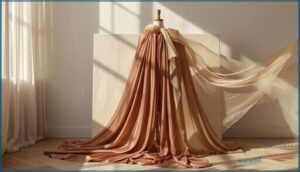
Before you settle on a fabric, it helps to think about what you want your finished piece to do and feel like. Each project has its own needs, from how it looks to how it moves and wears.
Here’s what to think about as you pick the perfect draping material for your next creation.
Garment Style and Intended Use
Think every garment’s a blank canvas? Think again—drape and silhouette are your blueprint. The style you choose shapes the fabric’s functionality and the true result. For dresses or coats, the right types of fabric drape affect everything from seasonal considerations to aesthetic performance and user satisfaction.
Here’s how fabric, style, and outcome fit together:
| Garment | Fabric Drape Type | Intended Silhouette/Aesthetic |
|---|---|---|
| Summer Dress | High (fluid) | Flowing, Skimming, Soft |
| Blazer/Jacket | Low (structured) | Sharp, Defined, Sculpted |
| Day Trousers/Blouse | Moderate adaptable | Semi-fitted, Balanced, Everyday |
Comfort, Breathability, and Thermal Aspects
When you’re choosing fabric for draping, think beyond looks—comfort matters, too. Thermal resistance, moisture wicking, and air permeability shape how a garment feels.
Cotton fabric offers breathability, but fabrics like TENCEL regulate the skin microclimate better in heat.
Types of fabric drape influence climate comfort and fabric properties and drape, so match your choosing fabric for draping to the weather and activity ahead.
Maintenance and Durability Considerations
Durability and maintenance of fabrics affect how long your draping project lasts. Cotton-polyester blends show 10% less wear than pure cotton after 50 washes, while silk shrinks 2-5% initially without pre-treatment. Fabric quality matters when choosing fabric for draping:
- Linen at 170-190 g/m² resists 6,000-8,000 abrasion cycles
- Georgette outlasts chiffon due to twisted construction
- Organza demands hand-washing to preserve fiber integrity
- Jersey knits need cold water to prevent stretching
Shrinkage rates and cleaning durability shape longevity factors you can’t ignore.
Budget and Aesthetic Preferences
Your wallet and eye each vote on what you sew. Cotton and polyester at 5-20 USD per yard deliver flowy fabric for everyday draping, while silk climbs to 100+ USD. Sixty-four percent of buyers still lean toward natural fiber aesthetics despite cost, shaping wardrobe strategy around long-term value and sustainable choices.
| Fiber Type | Price Range (USD/yard) |
|---|---|
| Cotton/Polyester | 5–20 |
| Rayon/TENCEL | 7–30 |
| Linen | 6–23 |
| Silk Charmeuse | 15–100+ |
| Basic Synthetics | 2–5 |
Draping fabric for dresses balances fabric properties and drape with what you’re willing to spend.
Frequently Asked Questions (FAQs)
What is the best fabric for draping?
The absolute best draping fabric is silk charmeuse—its fiber flexibility and lightweight fabric properties create an unbeatable drape coefficient.
But your project requirements matter just as much as fabric weight.
What material is used for draping?
Common draping materials include chiffon, silk charmeuse, rayon, and jersey for fluid movement.
For structure, designers turn to cotton voile, linen blends, and organza.
Material selection depends on your draping techniques and desired silhouette.
Do heavier fabrics drape better?
Extra pounds don’t guarantee graceful folds. Heavyweight fabric may hang limply if it’s too rigid.
Fluid drape depends more on bending softness than weight alone—lighter, supple weaves often beat stiff, heavier ones for silhouette and movement.
What fabric holds its shape best?
Polyester content, elastane blends, and chemical finishes like durable press deliver top shape retention. Tighter fabric structure and heavyweight upholstery fabrics resist wrinkling.
Cotton–polyester–spandex blends with wrinkle-resistant treatments offer excellent crease recovery and minimal bagging.
How much fabric is needed for basic draping?
For standard 84-inch drapery panels, you’ll need about 6 to 75 yards of fabric.
This yardage calculation accounts for fullness factors, pattern repeats, and hems—essential when choosing flowy draping fabric for dresses or projects.
Can draping fabric be reused for different designs?
Yes, draping fabric can be reused across different designs. Muslin reusability shines when seams are carefully unpicked, maintaining seam integrity for multiple sewing projects.
Upcycled fabrics offer design flexibility while promoting waste reduction—even flowy, lightweight fabric weight materials work beautifully with proper weaving and draping techniques.
Does fabric grain direction affect the final drape?
Ever wonder why bias-cut silk skirts cling so gracefully? Grain direction dramatically changes drape. Lengthwise stability holds structure, crosswise flexibility adds give, and bias fluidity creates body-hugging flow—off-grain cuts cause unpredictable drape and twisting.
Which interfacings maintain drape while adding structure?
Lightweight woven fusibles preserve drape while adding structure—they increase thickness only 10–25% in fine fabrics.
Sew-in options maintain natural movement through localized stitching.
Knit interfacings stretch with jersey, preventing stiffness in draped garments.
Can you dye fabric after draping it?
You can dye draped fabric, though it carries risks like seam puckering and shrinkage. Cotton and silk handle post-draping dyeing best, while techniques like spray dyeing help preserve your carefully crafted drape and shape.
How does grain direction affect draping results?
Imagine your fabric’s movement as a dance—change the grain, and suddenly the rhythm shifts.
Warp grain brings crisp structure, weft ease offers comfort and stretch, bias fluidity creates swish, and off-grain distortion can skew drape metrics entirely.
Conclusion
Sometimes the lightest fabric makes the deepest impression—funny how drape works that way. Exploring what fabrics are good for draping means you’re not just choosing a material; you’re inviting movement and mood into your creation.
Think of fabric as the language your garment speaks, and drape as its accent. Trust the subtle signals: soft silks, lively jerseys, crisp voiles. Your project deserves a fabric that doesn’t just follow your lead, but dances its own way too.
- https://apairandasparediy.com/2017/08/choose-right-fabrics/
- https://eprints.whiterose.ac.uk/id/eprint/93388/7/CassidyFabric%20Objective%20Measurement%20and%20Drape.pdf
- https://textiles.ncsu.edu/tpacc/comfort-performance/kawabata-evaluation-system/
- https://www.matsc.ktu.lt/index.php/MatSc/article/download/26098/13286
- https://pomp.store/blogs/journal/the-ultimate-guide-to-understanding-gsm-in-fabric