This site is supported by our readers. We may earn a commission, at no cost to you, if you purchase through links.
A bad zipper can sideline a good garment faster than a torn seam.
One day your jacket closes fine, the next the slider wobbles, the teeth split open, or the pull jams halfway and won’t budge.
That kind of failure looks small, but it throws off fit, function, and wearability in one move.
The good news is that zipper replacement on garments follows a clear process when you know what to inspect first.
Once you can spot worn parts, measure the zipper correctly, and sew the new one in cleanly, you can bring a coat, skirt, or pair of pants back into service.
Table Of Contents
Key Takeaways
- Start by checking the slider, teeth, tape, and stops so you can tell whether small repair will work or a full zipper replacement is the better fix.
- A good replacement depends on matching old zipper’s stop-to-stop length, size, type, slider style, weight, and color to the garment.
- Clean results come from solid prep: gather the right tools, control fraying, remove the old zipper carefully, and mark the new zipper’s placement before sewing.
- For a durable repair, baste first, sew evenly with a zipper foot or by hand as needed, reinforce the top and bottom ends, and maintain the zipper with light cleaning and proper lubrication.
When a Zipper Needs Replacement

Before you remove anything, it helps to know whether the zipper needs a small fix or a full replacement. A quick check can save time, protect the fabric, and help you choose the right parts.
If you’re unsure, this step-by-step guide to putting a zipper back on can help you judge the damage first.
Here are the signs to look for before you decide what to replace.
Signs of a Worn Slider
Although the zipper still moves, Slider wobble, Teeth misalignment, a Gap when closed, Snagging on fabric, and Uneven zipping point to wear. These are Common zipper failure patterns.
Start with Zipper slider troubleshooting and careful zipper slider adjustment. If the slider functions poorly and separation returns, it’s time to replace a zipper slider before the garment fails under daily strain.
Broken or Missing Zipper Teeth
Once slider wear shows up, inspect the zipper teeth. Missing, bent, or rough teeth mean zipper repair rarely lasts.
Fabric Catch, Tooth Corrosion, Overextension Damage, and Material Wear create gaps, crooked closure, and jams.
Misalignment Repair may help briefly, but these are Common zipper failure patterns.
Use Zipper repair techniques only if damage is isolated; otherwise plan zipper replacement.
Torn Zipper Tape or Loose Stops
If teeth still look sound, inspect the zipper tape and zipper stops:
- Tape Fray Assessment finds edge tears.
- Stop Slip Diagnosis checks loose zipper stops.
- Stop Looseness Causes include wear, heat, bending.
- Tape Repair Materials support Tape Reinforcement Methods.
- Use repairing zipper stops in a zipper replacement step-by-step guide; severe damage means a full zipper replacement process for lasting reliable function.
Stuck Zipper Versus Failed Zipper
Loose stops can mimic bigger trouble. Use Jam Diagnosis first: a stuck zipper resists, but closes once Fabric Interference clears. Slider Damage, Stop Misalignment, or Teeth Bending point to zipper failure causes.
| Issue | Sign | Check |
| stuck zipper | moves stiffly | Zipper troubleshooting |
| failed zipper | opens apart | Common zipper problems and fixes, step-by-step guide to zipper replacement |
That split protects fabric early.
When Repair is Enough
When the zipper still tracks, repair is often the smart move.
Use zipper troubleshooting first: Minor Tooth Gaps may close with Slider Realignment, and a Frayed Tape Patch can save sound tape. Pull Tab Repair and Stop Reinforcement also help.
Good zipper repair tools keep zipper repair simple in any zipper repair guide, while zipper repair cost stays low too.
When Full Replacement is Necessary
Although quick fixes work sometimes, Full zipper replacement on garments is necessary when Rusted Metal Teeth, Water Damage, Heavy Load Stress, Material Fatigue, or Design Incompatibility keep the garment from closing reliably.
Diagnosing common zipper problems tells you when repair is wasting time.
Follow this Zipper replacement stepbystep guide, Zipper replacement workflow, and Zipper replacement guide for a lasting result.
Choose The Right Replacement Zipper
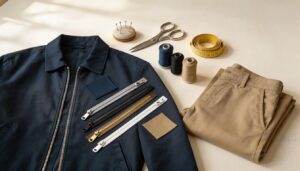
Before you sew anything, make sure the new zipper matches the garment you’re fixing. A good match saves time, helps the zipper sit right, and keeps the repair looking clean.
Use the points below to choose the right zipper before you start stitching.
Measuring Zipper Length Correctly
Precision matters: measure your old zipper with a Closed Zipper Measurement from bottom stop to top stop.
Use Measuring tape and Flexible Tape Use for Tape Curve Alignment on curved seams.
This Stop-to-Stop Measurement gives Accurate Length Recording for Measuring zipper length for replacement.
Check your zipper sizing guide in any Zipper replacement step-by-step guide before ordering a replacement today.
Matching Zipper Width and Size
Start with Width measurement methods: compare tape and teeth, then use a standard width chart.
Check the Slider size number on back and confirm it with a slider size chart.
A tape thickness guide and width-tooth ratio help with Measuring zipper length for replacement, choosing the right replacement zipper, zipper sizing guide, and selecting a matching zipper size and style.
Coil, Metal, Molded, and Invisible Types
Think of this Zipper Material Comparison as choosing tools: Coil zippers give Coil Flexibility for bags and light garments.
metal zippers bring Metal Durability for denim and leather.
molded tooth zippers offer Molded Weather Resistance on outerwear.
Invisible Seam Aesthetics suit dresses, but invisible zipper installation needs careful stitching close to the concealed track in step-by-step guide to zipper replacement.
Separating Versus Non-separating Zippers
Need a jacket to open fully? Choose a separating zipper for Full front opening, Bottom stop release, and Edge-to-edge design. A nonseparating zipper stays joined at the base, which suits pants, skirts, and pockets.
Garment style suitability drives zipper replacement decisions.
In this Stepbystep guide to zipper replacement, compare zipper types by use, not looks alone; Two-way functionality is optional.
Matching Slider Style and Function
Once the zipper style is set, match the slider to the teeth. Check Slider Material Compatibility, the slider size number, and Directional Pull Orientation.
Choose Locking vs Non-locking by use: locking sliders for garments, nonlocking sliders for bags, doublepull sliders for two-sided access.
A Low Profile Design reduces snags. Decorative Finish Matching helps when you replace a zipper slider cleanly.
Choosing The Right Color and Weight
After matching the slider, finish with Color Coordination and Weight Matching. Use Matching thread color to garment for a clean repair. Follow Weight Guidelines and pick Seasonal Color that blends, not fights.
Coil zippers suit light fabrics, while a heavyduty zipper or metal zipper replacement fits denim and coats. For Fabric Compatibility, a plastic zipper replacement works on sporty shells.
Gather Tools and Prepare Garment
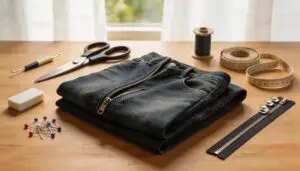
Before you remove a single stitch, get your tools in reach and take a close look at the garment. A few minutes of setup will make the replacement cleaner, stronger, and easier to sew.
Here’s what to have ready and what to check before the new zipper goes in.
Seam Ripper, Pins, and Measuring Tape
A clean setup saves fabric and time when you start.
- Use a seam ripper with Ripper Safety and regular Ripper Blade Maintenance.
- Choose sharp pins for firm Pin Selection and Pin Cushion Storage.
- Check measuring tape for clear Tape Calibration and exact seam allowance marks.
- Keep zipper foot and zipper pull stop nearby, not in use before opening the seam.
Needle, Thread, and Zipper Foot
After measuring, set up for zipper replacement with the right thread, hand sewing needle, and zipper foot. Needle Size Selection, Thread Weight Matching, Thread Tension Adjustment, and Needle Positioning keep sewing machine zipper installation neat.
| Fabric | Needle | Foot |
|---|---|---|
| Light | 11/75 | zipper foot |
| Denim | 16/100 | Zipper Foot Types |
Pliers, Scissors, and Replacement Stops
Good tools save fabric and hardware. Pliers Grip Techniques with needle-nose pliers and zipper stop pliers so you can hold tabs, seat a metal stop, or secure a plastic stop without crushing tape.
Keep scissors sharp; Scissors Blade Maintenance provides Precision Cutting Tips.
Stop Crimping Methods and a Tool Safety Checklist before trimming or crimping near your fingers.
Picking Thread for Fabric Strength
A strong zipper starts with the right thread. Choose for fabric durability, not guesswork.
- Fiber Matching reduces snagging
- Thread Weight suits fabric bulk
- Ply Count boosts Tensile Strength
- heavy-duty thread improves Seam Reinforcement
- Use polyester thread for denim, finer thread for light cloth
Add seam reinforcement when reinforcing zipper ends, because nylon stretches less under repeated load and strain.
Checking Fabric Edges and Seam Allowances
Square the edges first. Check seam allowance for even width and flat raw edges before sewing. Use Seam Allowance Marking and Fabric Edge Stabilization for accuracy.
Edge Bulk Minimization matters. Keep both sides centered; even edges stop binding fast.
| Check | Standard |
|---|---|
| Edge Seam Overlocking | fabric edge finishing |
| Zipper Edge Clearance | 1/4 inch |
| Seam Reinforcement | Preventing fabric fraying when replacing zippers |
Preventing Fraying Before Installation
Fraying starts before the first stitch. To control raw edges and protect the seam allowance, focus on preventing fabric fraying when replacing zippers:
- Use Waxed Tape Edges and Clear Sealant Coating.
- Add Bias Binding Application for fabric edge finishing.
- Make a basting stitch, Stitch Length Adjustment, and Topstitch Edge Reinforcement before sewing.
That prep keeps zipper seams clean, flat, durable.
Remove The Old Zipper Cleanly
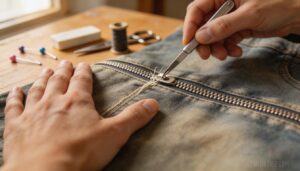
A clean removal makes the new zipper easier to fit and helps protect the garment. The next steps walk you through taking the old zipper out without throwing off the shape of the area.
Go in order, take your time, and use the original stitching as your guide.
Inspecting The Original Stitch Placement
Before you touch the seam ripper, read the zipper like a map first.
Note the Stitch line offset, Stitch line spacing, and stitch alignment along each straight stitch. Check Thread density, Topstitch uniformity, and any Staggered stitch pattern that hints at past repair.
Record how close seams sit to raw edges. That snapshot guides stitch removal without guesswork.
Using a Seam Ripper Safely
Using a seam ripper for zipper removal starts with control:
- Set a Stable work surface.
- Keep Finger protection first; lower the seam ripper blade for Blade angle control.
- Add Fabric protection and watch Thread tension management.
- When Removing an old zipper with a seam ripper, remember How to use a seam ripper safely that means slow strokes on corners and curves.
Removing Stitches Without Damaging Fabric
Once your blade angle is steady, handle seam removal in one inch sections. Keep a clear Lighting Setup and use Magnified Inspection to spot each stitch before Precision Cutting with the seam ripper.
Practice Thread Isolation at the seam allowance, then apply Gentle Tension only to the thread. That protects raw edges, helps fabric preservation, and improves fabric fraying prevention.
Clearing Old Threads and Lint
After seam removal, clear every loose thread before it sneaks back into the teeth. Use a Lint Brush first, then a Lint Vacuum along raw edges.
Follow with a Toothbrush Scrub, Compressed Air, or an Alcohol Wipe near the slider. Your seam ripper can lift trapped fibers gently.
This step helps fabric fraying prevention and better fabric care for zippers.
Preserving Lining and Fly Construction
Once lint is gone, protect the structure before zipper replacement. Preserve the fly shield, fly top, and fly overlap with:
- Lining Overlap for snag-free coverage
- Fly Center Alignment with Interfacing Support
- Edge Finish Detailing and Lining Tension Management while sewing a new zipper into garments
Keep lining flat, slightly over the tape, so the closure stays smooth and wears evenly.
Marking Placement for The New Zipper
Keep the lining flat, then mark zipper alignment with Tailors Chalk.
Measure the broken zipper. Slip the new zipper into place, pin it securely, and check grid symmetry. Add invisible zipper marks where needed and confirm pocket clearance. Use a tracing wheel transfer to outline the zipper path.
Finish with basting stitches to align both halves evenly before permanent sewing.
Sew The New Zipper In
Now it’s time to set the new zipper in place and make it part of the garment again. This stage is all about clean placement, even stitching, and a finish that looks right from both sides.
The steps below walk you through the setup and sewing order so the zipper goes in straight and stays secure.
Pinning Zipper Tape in Position
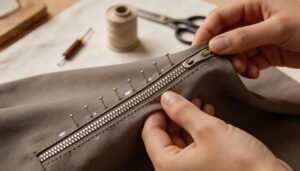
- Check Tape Alignment first.
- Use Temporary Adhesive on slick fabric.
- Set Pin Spacing at 1-inch with pins parallel to teeth.
- Hold Edge Centering and Tension Control as you pin it into place.
- Add Basting stitches for zipper alignment before zipper foot and straight stitch to prevent shifting cleanly.
Aligning Both Sides Evenly

Balancing both sides makes the zipper close cleanly. Check Edge Alignment so the teeth meet at the same height, then pin it into place with even Tape Tension.
Watch Stitch Symmetry, test Slider Balance, and confirm Stop Placement. Before Basting stitches for zipper alignment, do troubleshooting of zipper misalignment with the zipper foot set for a straight stitch on both sides.
Basting Before Permanent Stitching
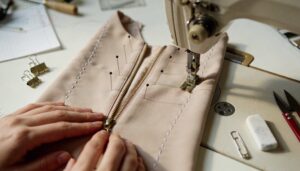
Before you commit, use basting stitches for zipper alignment to lock in Basting Alignment and check Basting Catch Prevention. Set Basting Stitch Length long enough to remove easily, especially when Basting Stretchy Fabric.
Test zipper, handle Basting Removal after Sewing a new zipper starts. Note zipper foot, Sewing machine adjustments for zipper work, and Hand sewing techniques for zipper installation.
Sewing With a Zipper Foot

Precision matters: Using a zipper foot on a sewing machine gives zipper replacement clean lines during garment alteration.
Follow these sewing techniques: 1. Foot Positioning Tips. 2. Adjustable Foot Width. 3. Stitch Length Settings. 4. Needle Angle Adjustment.
Run the zipper foot parallel to teeth, test scraps first, and finish with a simple Foot Maintenance Routine for smooth stitching, always.
Hand Sewing Versus Machine Sewing

Hand sewing versus machine sewing for zippers is a choice between Stitch Precision and Speed vs. Accuracy. Hand stitching suits fabric and seams.
Using a zipper foot on a sewing machine improves Machine Consistency and Thread Tension on denim, with less Hand Fatigue. Keep Essential sewing tools for zipper repair and use Sewing techniques for zipper installation that match fabric.
Reinforcing Top and Bottom Ends
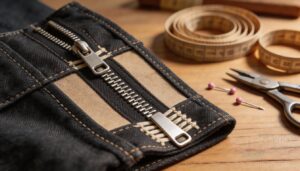
Think of the ends as anchor points. Use Bar tacks with high Stitch density at the top stop and bottom stop. Add Fabric backing or Interfacing reinforcement behind stress points.
Set Heavy duty stops and a secure zipper pull stop. Finish seam repair by finishing raw edges after zipper replacement cleanly, so the tape stays flat, strong, and won’t fray.
Replace Sliders, Pulls, and Stops

Not every zipper problem means starting from scratch. Sometimes the fix is as simple as swapping out one small part — a pull, a slider, or a stop.
Here’s how to handle each one.
Replacing Only The Zipper Pull
Sometimes the simplest fix wins — and zipper pull replacement proves that every time. If your slider still moves smoothly, you don’t need a full swap.
Check your Pull Compatibility Guide for Pull Size Codes, then match Pull Material Types: metal lasts longer, plastic runs lighter. Use standard Pull Attachment Methods — threading through the hole or a split ring.
Paperclip zipper hack works as a zipper pull alternative in a pinch, and Pull Customization Options let you personalize the finish.
Swapping Out a Worn Slider
If the pull still works, swap only the zipper slider. Use Slider Orientation Check, Tape Edge Trimming, and Slider Insertion Technique for smooth meshing. Confirm Pull Tab Alignment and Stop Placement Verification.
Sure thing!
Here are the top five keywords you’ll want: replace a zipper slider on a jacket, tightening a worn slider, DIY zipper repair step-by-step, zipper replacement guide.
Installing New Top Stops
After you fit the new slider, install each top stop at the original edge. Use Stop Placement Accuracy first, then Stop Crimping Technique with pliers.
Choose metal stops or plastic stops through Stop Material Selection, and check Stop Height Adjustment so the slider seats cleanly. Finish with Stop Color Matching for zipper hardware replacement, not the full zipper replacement process.
Shortening a Zipper Correctly
After stops are set, start shortening a zipper and installing pull stops with care. Check zipper cutter usage, balance tooth count, and run a safety pin test first. Avoid fabric bulk near the seam.
For DIY clothing repair, use a sewing machine if needed, add a zipper pull stop, and use thread lock ends during zipper replacement for overall durability.
Rebuilding The Zipper End Securely
Rebuilding the end locks the whole zipper together.
- Trim tape flat with Fabric Edge Trimming.
- Leave 5 to 7 mm Free Tail Length, then add a zipper pull stop, top stop, metal stops, or plastic stops.
- Use Backstitch End Securing or Bar Tack Reinforcement.
- Finish by repairing zipper stops and doing Slider Seating Verification before testing.
Preventing The Pull Tab From Falling Off
Although small, the hardware matters: Preventing zipper pull tab from falling off starts with Pull Tab Geometry, Retention Clip Design, and a sound Slider-Tab Interlock. Check Barbed Pull Retention, add a zipper pull stop, and do a Material Compatibility Check.
If you must replace a zipper pull, use zipper pull alternatives only as temporary backups until the correct part arrives.
Costs, DIY, and Care Tips
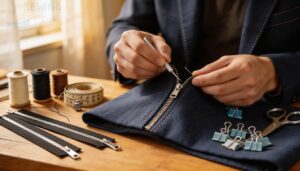
Before you start cutting stitches, it helps to know what the job may cost, when you can handle it yourself, and when it’s smarter to hand it off. A zipper repair can be simple and low-cost, or it can turn into a bigger fix when the fabric, fit, or hardware gets tricky.
Know the cost, judge your skill, and decide early — zipper repair is simple until it isn’t
The points below will help you judge the work, protect the garment, and choose the right next step.
Can You Replace a Zipper Yourself
Can you replace a broken zipper yourself? Yes, if your Skill Assessment is honest, your DIY Confidence is solid, and your Time Commitment is realistic.
Use Safety Gear, basic zipper repair tools, and a sewing machine if you have one.
Tool Alternatives work too.
A simple DIY zipper repair follows a step-by-step guide to zipper replacement on most home garments.
When to Hire a Tailor
Some zipper jobs need a pro. Choose Tailoring services when Fabric delicacy, Complex construction, Waterproof sealing, Designer hardware, or Heirloom preservation are on the line.
In Tailor versus DIY zipper replacement, a professional zipper replacement protects fit and finish. Keep cost considerations for zipper repairs separate from DIY garment repair and maintenance; skill matters more here overall.
Typical Zipper Replacement Cost
Sticker shock? Most jobs run USD 20 to USD 75, shaped by Labor vs parts, Material impact, and Service fees.
Regional price variation and Seasonal demand can raise quotes, especially for lined or heavy garments.
The Cost of professional zipper repair matters, but smart Cost considerations for zipper repairs support cost-effective wardrobe upkeep, cost-effective garment repair, and cost-effective clothing repair.
Many providers offer up to 50% lower prices for quick repairs.
Cost to Replace a Pants Zipper
Think small job, real variables: the cost of professional zipper repair to replace a zipper on pants usually lands at USD 15 to USD 40.
- Regional price variation and seasonal demand spikes
- Labor hour rate, tailor fee range, material surcharge
- DIY garment repair with step-by-step zipper repair instructions lowers cost considerations for zipper repairs on simple pants with standard hardware.
For reference, the zipper replacement cost range is generally $2 to $6 per zipper.
Maintenance to Extend Zipper Life
After paying for a pants repair, protect that work with steady zipper maintenance. Check tape edges for fraying, add Tape Reinforcement early, and use Proper Storage by hanging or storing garments unzipped.
Graphite Lubrication, Silicone Spray Application, or zipper wax can support zipper lubrication, Rust Prevention, preventing zipper damage, and maintaining zipper longevity for years of use.
Lubrication and Cleaning Best Practices
Good care keeps that repair working. Start zipper cleaning with a Lint Brush, then wipe teeth dry.
Use proper zipper lubrication methods: Graphite Lubricant for quick drag, Silicone Spray or a Wax Stick for smoother travel. Apply zipper wax or another zipper lubricant lightly, then test.
Drying after rain matters too, because maintaining zipper longevity depends on clean, dry hardware.
Mistakes That Shorten Zipper Lifespan
Clean hardware helps, but bad habits undo smart zipper care fast. For maintaining zipper longevity and zipper malfunction troubleshooting, avoid:
- Rough handling
- Improper lubrication, not proper zipper lubrication methods
- Wrong zipper type or misaligned installation
- Low-quality tape, which speeds zipper component wear
These bend teeth, strain sliders, and tear tape long before a sound zipper should fail in service.
Frequently Asked Questions (FAQs)
How much does it cost to have a zipper replaced?
A basic jacket can surprise you: many shops charge 25 to 40 USD, while most zipper jobs run 20 to 50 USD.
Labor rates, material markup, hidden fees, regional price variance shape quick quotes often.
Can you replace a zipper yourself?
Yes, if your skill assessment is honest.
Follow safety precautions, use tool alternatives when needed, allow a clear time estimate, rely on learning resources and DIY zipper repair step-by-step guides, then try replacing broken zippers.
How much does it cost to put a zipper in a pair of pants?
Expect USD 10–40 for replacing a zipper in pants. Regional Price Variation, Material Cost Premium, Shop Hourly Rates, and Online In-Store Pricing shape Tailoring services for zipper issues.
Zipper repair kits offer cost-effective clothing repair.
Can a seamstress add a new zipper?
Even if the seam looks tricky, seamstress expertise oversees hidden zipper addition through client consultation and sewing the new zipper using a sewing machine with tailoring techniques that protect durability and preserve your garment’s fit.
Should garments be washed before zipper replacement?
Usually, wash smart first for Prewash Benefits like Stain Prevention, but watch Fabric Shrinkage Risks and Detergent Residue Effects.
Follow garment care instructions, use Drying Precautions, store properly, and support garment maintenance with sustainability angle.
Can a zipper be reused from another garment?
Funny how an old zipper can outrun waste: reuse works if Zipper Condition Checklist, Identifying zipper types, Garment Style Matching, and Fabric Compatibility line up, lowering Environmental Impact while delivering real Upcycling Benefits for you.
What needle works best for delicate fabrics?
Use a 70/80 Microtex needle on silk, satin, and chiffon. For knits, a Ballpoint Needle Choice works.
Fine Needle Benefits include a smaller Needle Eye Size, fabric handling, and Stitch Length Settings near 5 mm.
How do bulky seams affect zipper installation?
Bulky seams distort zipper installation by altering Bulk Edge Profile and stressing Topstitching Tension.
Tape Stabilization, Understitching Benefits, Needle Size Adjustment, seam handling, tailoring techniques, a seam ripper, and trimmed raw edges keep alignment clean.
Can waterproof garments keep their original resistance?
Yes, if Hydrostatic Rating remains stable, Membrane Aging is limited, and Seam Tape Integrity is maintained.
Reproofing Treatments, Water Ingress Testing, and outerwear care help preserve resistance, though heavy wear may require full zipper replacement.
Conclusion
Imagine breathing new life into your favorite jacket or skirt with a simple zipper swap. With these steps, you’re now equipped to tackle zipper replacement on garments like a pro.
Measure twice, sew once, and match your zipper perfectly. Say goodbye to wardrobe woes and hello to a perfectly functioning zipper.
Mastering this skill saves you money and reduces waste. Your garments—and the planet—will thank you for giving them a second chance at a great fit.