This site is supported by our readers. We may earn a commission, at no cost to you, if you purchase through links.
The fabric you choose makes or breaks your sewing project—it’s that simple. A stunning dress pattern sewn in stiff upholstery cotton won’t drape like the flowing design you imagined, and that cozy winter coat needs more than pretty printed quilting cotton to actually keep you warm.
Fabric isn’t just material you cut and stitch; it’s the foundation that determines how your garment looks, feels, and performs. Understanding the difference between breathable linen and luxurious silk, or knowing when to reach for stretchy jersey instead of crisp twill, gives you the freedom to bring your creative vision to life.
Whether you’re crafting summer sundresses or well-cut winter blazers, matching the right fabric to your project transforms good intentions into garments you’ll actually want to wear.
Table Of Contents
Key Takeaways
- Fabric choice determines how your garment looks, feels, and performs—matching the right material type (breathable linen vs. stretchy jersey) to your project transforms good intentions into wearable pieces you’ll actually love.
- Understanding key fabric properties like weight, drape, stretch recovery, and breathability helps you make smarter decisions—lightweight jersey flows differently than structured twill, and knowing this difference means your creative vision comes to life correctly.
- Match your fabric to both garment style and season: structured blazers need medium-weight suiting fabrics like wool twill, while summer dresses call for lightweight materials under 200 gsm that wick moisture fast.
- Most sewers spend hours perfecting stitches but barely five minutes choosing material—treating fabric selection as a creative decision where you touch samples and test drapes stops sewing from feeling like guesswork and starts feeling like freedom.
Essential Fabric Types for Sewing Clothes
Your fabric choice sets the foundation for everything you’ll create. Each material brings its own personality to the table—some breathe easy in the heat, others wrap you in warmth when temperatures drop.
Understanding how to pick fabric for shirts helps you balance style with practicality, ensuring your garment looks great and feels right year-round.
Let’s break down the essential fabrics every sewist should know.
Cotton – Versatile and Breathable
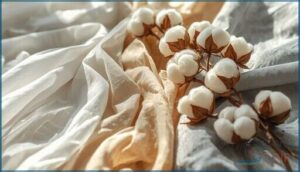
Cotton fibers give you total creative freedom for sewing projects. This breathable fabric selection shines in apparel fabric selection because it manages moisture like a pro. Cotton blends bring even more versatility to your garment construction.
- Natural textures feel soft against your skin and work for everything from tees to quilts
- Weaving options range from light voiles to tough denims
- Machine-washable durability means you won’t baby your finished pieces
Linen – Lightweight for Summer
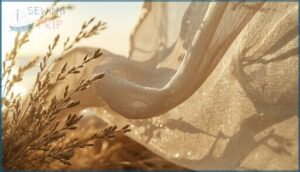
Your summer wardrobe needs a fabric that breathes without fuss. Linen delivers that laid-back vibe with a nubby texture that softens beautifully over time. This natural fiber wicks moisture fast and stays cool against your skin—perfect when heat tries to slow you down.
Lightweight linen weave transforms into breezy shirts, flowy dresses, and relaxed trousers that own the season.
| Feature | Benefit | Best Use |
|---|---|---|
| High porosity | Outstanding airflow keeps you cool | Summer shirts and dresses |
| Quick-drying | Moisture evaporates rapidly | Humid climate garments |
| Natural texture | Develops soft patina with wear | Casual, relaxed silhouettes |
| Lightweight options | 2.5-4.5 oz per square yard | Hot weather apparel |
Wool – Warmth for Winter Garments
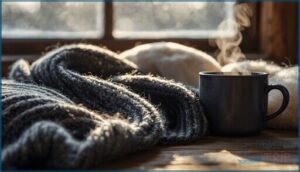
When temperatures drop, nothing matches wool’s natural magic. Merino benefits include soft-against-skin comfort, while thicker coating fabric and suiting fabric lock in warmth even when damp.
Wool insulation works by trapping air between fibers—perfect for sweaters and winter jackets. Flannel fabric adds cozy texture.
Wool blends boost durability, though pilling can happen. A fabric shaver keeps surfaces smooth so your garments stay sharp season after season.
Silk – Luxury for Formal Attire
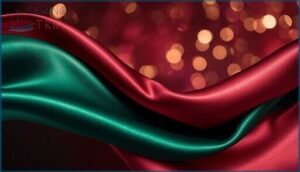
Silk brings unparalleled elegance to gowns and cocktail dresses. Its fluid drape skims your body with grace, while the natural silk sheen catches light beautifully.
You’ll love how charmeuse and satin silk variants deliver glossy drama. Dye vibrancy runs deep, offering rich color that lasts. This fashion fabric feels cool in summer heat, making it the supreme apparel fabric for special occasions.
Rayon – Stylish and Drapey
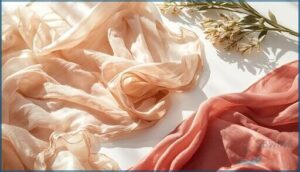
Rayon fibers bring dreamy drape to your creative vision. This regenerated cellulose feels light and moves with you, perfect for summer garments that flow.
You’ll find rayon fabric by the yard offers breathable comfort without sacrificing style. The fashion fabric glides beautifully in blouses and skirts, making sewing and garment construction a breeze.
It’s an affordable clothing fabric that delivers high-end results.
Polyester – Durable and Easy Care
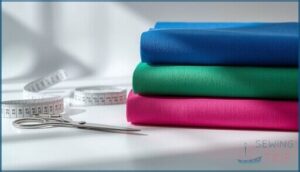
Polyester blends give you the freedom to sew boldly without worrying about wrinkles or fading. This synthetic material is your go-to apparel fabric when you want results that last.
Here’s why microfiber benefits make polyester fabric by the yard perfect for sewing and garment construction:
- Resists stretching and shrinking through countless washes
- Holds vibrant colors under sunlight exposure
- Dries quickly with minimal ironing needed
- Combines with poly spandex for durable finishes
- Machine-washable at safe temperatures for easy care tips
Stretch fabric options in polyester transform your creative vision into wearable art.
When switching between materials, understanding correct needle settings for fabric helps prevent skipped stitches and ensures professional results with stretch polyester.
Spandex – Stretch for Comfort
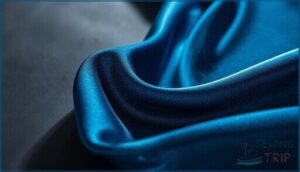
Spandex unlocks freedom of movement in every garment you create. Its elastic properties deliver up to 500 percent stretch recovery, returning to shape in seconds.
Poly spandex microfiber blends give you breathable fabrics that move with your body—perfect for stretch fabric sewing projects. Add 2 to 20 percent spandex for comfort fit in leggings, activewear, and fabric crafting projects that demand flexibility.
Blended Fabrics – Combining Benefits
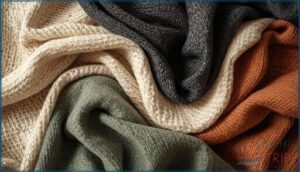
Blended fabrics reveal fiber synergy that transforms your sewing projects. You gain enhanced performance when poly spandex meets cotton—durability soars while care simplification makes laundry easy.
Textile materials and properties combine for cost efficiency without sacrifice. Fashion fabric selection expands as wool-polyester resists wrinkles and cotton-linen breathes freely.
These apparel fabric types merge natural softness with synthetic strength, giving you the blend advantages that enhance every garment.
Key Fabric Properties to Consider
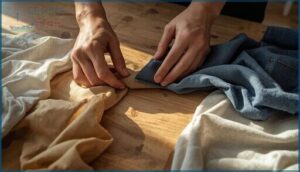
Picking the right fabric isn’t just about color or pattern. You need to understand how the material actually behaves—how it feels, moves, and holds up over time.
These six properties will help you make smarter choices for every project you tackle.
Texture – Surface Feel and Appearance
Surface feel can make or break your sewing project. Smooth cotton feels crisp against skin, while brushed textures add warmth. Boucle weaves create chunky loops you’ll want to touch.
Wool fabric offers soft density, linen delivers a dry hand, and rayon drapes with silky smoothness. Check weave patterns closely—twills show diagonal lines, while jersey knits feel stretchy. Your textile materials shape how garments move and wear.
Weight – Thickness and Suitability
Fabric density determines whether you’re building a summer tank or a winter coat. Thickness measurement runs from sheer 40 g/m² voiles to sturdy 180 g/m² outerwear, guiding your garment structure choices.
- Lightweight jersey knit works for flowing tees and scarves
- Midweight poly spandex double knit suits structured shirts and light jackets
- Heavy twill woven fabric creates durable blazers and trousers
- Wool fabric adds insulation through dense fiber packing
- Weight scales affect fabric durability and seam strength
Drape – How Fabric Hangs and Moves
Weight tells you how thick a fabric is, but drape shows you how it falls and flows on your body. You’ll see fabric flow in real-time when you hold jersey knit versus twill woven—one pours like water, the other holds structure.
| Fabric Type | Drape Behavior |
|---|---|
| Poly Spandex Knit | Soft, flowing movement with gentle folds |
| Silk Satin | Smooth, liquid hang with high gloss |
| Wool Twill | Structured fall with crisp edges |
| Cotton Jersey | Casual drape with natural body curves |
Bias cuts bend around contours while straight grain hangs evenly. Your fashion fabrics determine whether garments cascade or stand firm.
Stretch and Recovery – Flexibility in Wear
You need stretch fabrics that bounce back after you move. Elastane content above 15 percent gives you instant snap back performance—poly spandex double knit returns to shape in under a second.
Jersey knit recovers faster than twill woven, with recovery speed affecting comfort during yoga or running. Fashion fabrics with good fabric elasticity keep your garments fitting right, even after repeated wear.
Breathability and Moisture Control
Your clothes breathe when moisture wicking fabrics pull sweat to the surface where air permeability does its job. Cotton and linen offer natural fabric ventilation, while poly spandex jersey knit boosts evaporation by 20 to 40 percent over plain weaves.
Thermal regulation keeps you cool when fabrics let air flow through—rayon and mesh inserts turn hot garments into breathable materials that actually work.
Durability and Longevity
Breathable fabrics matter, but fabric strength keeps your garments lasting through seasons. Wear resistance comes from tight weaves and strong fibers—wool coating and poly spandex jerseys bounce back after each wash.
Check these durability markers:
- Color fastness prevents fading in cotton and denim fabric
- Abrasion testing reveals how suiting fabric withstands daily friction
- Fiber longevity shows which apparel fabric withstands years of wear
- Proper care extends any textile’s life
Choosing The Right Fabric for Your Project
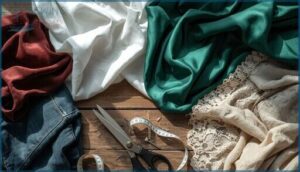
Choosing fabric isn’t about following rules—it’s about trusting your creative instincts and knowing what works for your vision.
The right match between fabric and project comes down to understanding a few key factors that’ll set you up for success. Let’s break down what you need to examine so you can make confident choices every time.
Matching Fabric to Garment Style
Your garment silhouettes demand specific fabric selection. Structured blazers and custom-made pants thrive in medium-weight suiting fabric like wool twill, while bodycon tops need stretch jersey’s cling. Flowy maxi dresses call for lightweight apparel fabric such as rayon or cotton voile.
Match textile analysis to your vision—stiff denim builds sharp jackets, fluid satin drapes into elegant bias cuts.
| Garment Type | Best Clothing Fabric | Why It Works |
|---|---|---|
| Structured Blazers | Wool Twill Suiting Fabric | Holds crisp structure without sagging |
| Draped Dresses | Satin or Rayon Crepe | Flows beautifully with movement |
| Fitted Tops | Stretch Jersey Knit | Hugs body while staying comfortable |
Seasonal Fabric Selection
Summer demands lightweight apparel under 200 gsm—think breathable materials like linen or cotton that wick moisture fast.
Winter calls for thermal insulation from medium to heavy wool and cozy knits over 320 gsm.
Smart fabric layering lets you adapt to climate shifts, while seasonal color choices help regulate warmth. When fabric shopping online, match your fabric by the yard to the forecast, not just the pattern.
Fabric Care and Maintenance
You can’t sew bold statement pieces without mastering fabric care first. Check care symbols before your first wash—cold water preserves color, and air drying keeps shape intact.
Blot stains fast with gentle cleaners, then test on hidden seams. For fabric storage, use breathable bags in cool spots. Smart laundry tips and ironing techniques protect your investment, letting you focus on fabric crafting adventures.
Price Ranges and Budgeting
Your fabric costs can make or break your sewing rebellion. Cotton runs $5 to $15 per yard at most fabric stores, while silk jumps to $20–$60.
Budget planning starts with comparing prices across fabric depot options and apparel fabric online shopping sites. Cost estimation? Add 10–20% extra for mistakes.
Hunt fabric wholesale for savings, track your spending, and you’ll keep creating without the guilt.
Ethical and Sustainable Options
You can transform your apparel industry impact by choosing eco friendly fabrics with verified certifications like Fair Trade or GOTS. Look for sustainable materials—organic cotton, recycled polyester, peace silk—sourced through ethical sourcing with transparent supply chains.
Support green manufacturing and circular economy practices where fabric wholesale suppliers offer take-back programs. Your clothing fabric choices in sewing and embroidery projects shape fashion design’s future. Ethical decisions should consider as they relate to fair labor and environmental responsibility.
Popular Patterns and Textures in Apparel Fabrics
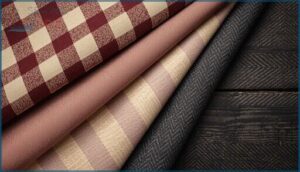
Pattern and texture transform fabric from plain material into something with serious character. Whether you’re drawn to bold checks, soft brushed finishes, or classic twill weaves, your choice sets the entire mood of your garment.
Let’s break down the popular options that can take your sewing projects from basic to unforgettable.
Check, Plaid, and Houndstooth Patterns
You’ve got three bold allies when you want visual punch in your garments: check, plaid, and houndstooth patterns. Each brings its own personality from Scottish pattern origins into modern fashion fabric for sewing and embroidery.
- Checks offer simple grids perfect for casual shirts and clothing fabric
- Plaid variations range from subtle office wear to statement pieces in different fabric scales
- Houndstooth styles deliver refined sophistication across textile applications
These woven patterns transform ordinary garment construction techniques into standout designs. Understanding the unique characteristics of can help in selecting the right option for your next sewing project.
Brushed and Boucle Textures
When you want cozy warmth with serious visual appeal, brushed finishes and boucle yarns deliver that tactile magic. Brushed surfaces trap air for insulation, while irregular fabric looping creates those signature bumps.
Perfect for jackets and statement coats, these texture weaves turn simple clothing fabrics into standout fashion fabric you’ll find through apparel fabric online shopping.
| Texture Type | Best For | Key Benefit |
|---|---|---|
| Brushed Boucle | Outerwear, jackets | Soft warmth with visual depth |
| Wool Boucle | Structured coats | Natural insulation and drape |
| Poly Boucle | Everyday wear | Easy care, holds texture |
| Brushed Knits | Casual garments | Comfort against skin |
Twill, Jersey, and Knit Weaves
Understanding weave patterns changes everything when you’re choosing clothing fabrics for garment manufacturing.
Twill woven construction creates those signature diagonal lines that give you durability with a soft drape.
Jersey knits offer stretch and comfort through their single-loop structure, while double knit versions provide extra stability.
Each weave pattern affects fabric elasticity differently, so you’ll want to match these knit textures to your project’s movement needs.
Solid Colors Vs. Printed Designs
Solid colors reveal your fabric’s texture—twill lines, satin sheen, jersey drape—while prints can mask or follow those surfaces depending on dye methods.
Solids give you style versatility for mixing pieces, but prints bring instant visual interest and pattern visibility.
For clothing design inspiration, choose based on color saturation needs: dark solids hide wear, while fashion fabric prints need gentler care to keep motifs sharp.
Top Fabrics and Materials for Sewing Clothes
Ready to break free from generic fabric aisles and find materials that actually perform? The best sewing fabrics aren’t hiding in specialty stores—you can grab them online and start creating clothes that fit your vision.
Here are four standout options that’ll give you the freedom to sew with confidence.
1. HOTGODEN Muslin Fabric Material
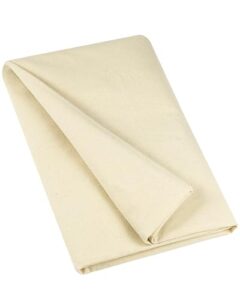
HOTGODEN muslin is your secret weapon for pattern testing before you commit to expensive final fabrics. This 100% cotton workhorse comes 63 inches wide, giving you plenty of room to lay out patterns without piecing.
You can choose bleached or unbleached versions depending on your project needs. The smooth finish holds markings beautifully, making alterations a breeze.
Machine washable and affordable, it’s perfect for testing fit on dresses and tops. Think of it as your creative safety net—experiment freely, adjust confidently, then move forward with your vision intact.
| Best For | Sewers and designers who need an affordable, wide-width fabric for testing patterns and visualizing fit adjustments before cutting into expensive materials. |
|---|---|
| Material | Cotton (Muslin) |
| Primary Use | Pattern testing & sewing |
| Form | Cut by the yard |
| Origin | Not specified |
| Texture | Smooth & soft |
| Color Options | Natural (unbleached) |
| Additional Features |
|
- Wide 63-inch width gives you plenty of room for pattern layouts without needing to piece sections together
- Machine washable and durable 100% cotton that holds up through multiple fittings and alterations
- Smooth finish makes it easy to mark and trace adjustments directly on the fabric
- Thicker and stiffer than some expect, which might not drape like your final fabric choice
- Visible cotton seed flecks in the natural version can be distracting if you prefer a cleaner look
- Wrinkles easily and needs ironing to get it flat enough for accurate pattern work
2. Ceiourich Pure Mulberry Silk Fabric
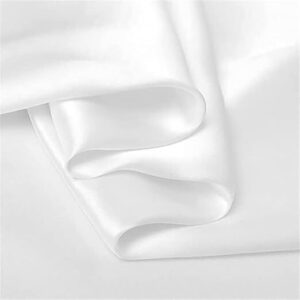
Ceiourich Pure Mulberry Silk Fabric brings luxury into your hands at 16 momme weight and 44-inch width. This 100% mulberry silk glides like water, making it perfect for wedding gowns, elegant blouses, and scarves that demand sophistication.
The natural hypoallergenic fibers resist static while the satin finish catches light beautifully. Hand wash in cool water and air dry away from sunlight to preserve that signature sheen. Yes, it’s slightly see-through like all silk, but that delicate drape transforms special occasion pieces into showstoppers.
| Best For | Sewers and designers creating luxurious wedding dresses, elegant blouses, or special occasion pieces where drape and sheen matter most. |
|---|---|
| Material | Silk |
| Primary Use | Wedding dressmaking & DIY |
| Form | Pre-cuts |
| Origin | Not specified |
| Texture | Soft satin finish |
| Color Options | Multiple colors available |
| Additional Features |
|
- Premium 16 momme mulberry silk offers that signature soft-to-the-hand feel and beautiful light reflection
- 45-inch width gives you plenty of fabric to work with for larger projects without excessive piecing
- Natural hypoallergenic properties make it gentle on sensitive skin while resisting static cling
- Slight transparency means you’ll likely need lining for most garments
- Pre-cut format limits flexibility if your project needs continuous yardage
- Requires careful hand washing and air drying to maintain that satin finish long-term
3. Realeather Suede Leather Sheet
Realeather Suede Leather Sheet delivers that velvety, chocolate brown finish you need for standout patches and bag accents. At 11 by 8.5 inches and roughly 2mm thick, this genuine cowhide suede works beautifully under your sewing machine with the right needle setup.
Perfect for adding durable style to jacket elbows, moccasin uppers, or small pouches. Clean it gently with a soft brush and keep it away from direct sunlight. Some color variation happens naturally with real leather—that’s part of its authentic character.
| Best For | Crafters and sewers looking to add soft, durable leather accents to clothing, bags, or small DIY projects like patches and pouches. |
|---|---|
| Material | Leather (Suede) |
| Primary Use | Crafting & leatherwork |
| Form | Pre-cut pieces |
| Origin | Made in USA |
| Texture | Velvety & soft |
| Color Options | Chocolate Brown |
| Additional Features |
|
- Velvety suede texture that’s easy to work with on standard sewing machines
- Pre-dyed in rich chocolate brown with a genuine cowhide feel
- Versatile 11×8.5-inch size works for trim, patches, and small leathercraft pieces
- Natural color variation means each sheet looks slightly different
- Some customers report receiving sheets with cuts or defects
- Quality control issues can affect whether the piece is usable for your project
4. British 100% Wool Tweed Craft Squares

These British wool tweed squares bring you ten random 9-by-9-inch pieces of authentic English and Scottish craftsmanship. You’ll get a mix of checks, herringbones, plaids, and plains—all 100 percent pure wool tweed weighing about 350 to 400 grams per meter.
They’re perfect for smaller projects like purse panels, phone covers, or appliqué details on jackets. Hand wash cold if needed, but dry cleaning preserves that tight, furry texture best. Expect natural color variations—that’s what makes British tweed genuinely unique.
| Best For | Crafters and sewers who want authentic British tweed for small projects like accessories, appliqué work, or mixed-media pieces and don’t mind working with a surprise selection. |
|---|---|
| Material | Wool (Tweed) |
| Primary Use | Crafting & accessories |
| Form | Pre-cut squares |
| Origin | Made in Great Britain |
| Texture | Textured tweed |
| Color Options | Multi (random selection) |
| Additional Features |
|
- Genuine 100% wool tweed from respected English and Scottish mills
- Ten different 9×9-inch pieces give you variety for sampling textures and patterns
- Perfect size for smaller makes like phone cases, coin purses, or decorative accents
- Completely random selection means you can’t choose specific colors or patterns
- Fabric weight and stretch can vary between pieces, making some trickier to work with
- Photos don’t represent what you’ll actually receive in your pack
Frequently Asked Questions (FAQs)
What fabric do you use to sew clothes?
You’d think choosing fabric is simple—until you’re staring at hundreds of bolts. Cotton, linen, wool, silk, rayon, polyester, spandex, and blends each bring unique properties to your garments.
What are the 12 types of fabric?
There are countless fabric types, but twelve key ones include cotton, linen, wool, silk, rayon, polyester, spandex, nylon, acrylic, acetate, bamboo, and modal—each offering unique textures and properties for different projects.
Where can I buy a dress fabric?
You can shop for dress fabrics online at specialty retailers, browse local fabric boutiques for hands-on texture checks, or visit textile markets and trade shows to connect directly with mills and designers.
How to choose fabric for sewing clothes?
You want fabric that matches your garment’s style and season. Pick stable weaves for structured pieces, fluid drapes for flowing designs, and always consider weight, stretch, and care requirements.
Where can I buy fabric?
Finding fabric feels like a treasure hunt. You can explore local fabric stores for hands-on browsing, hit big craft chains for budget finds, or shop online marketplaces for endless variety delivered fast.
What is the best fabric to sew with?
You can’t pick just one “best” fabric—it depends on your project. Cotton works great for beginners, while silk challenges you with elegant drape and wool offers cozy structure.
Where can I buy fabric by the yard?
Your best bet? Joann and Hobby Lobby offer yardage in-store with weekly coupons, while Mood Fabrics and Spoonflower give you online access to designer prints and custom options.
Is cotton a good fabric to sew with?
Cotton stands out as one of the easiest fabrics you can work with. It withstands machine washing well, breathes beautifully, and becomes softer with every wear—perfect for beginner and skilled sewists alike.
Where can I get fabric for sewing clothes?
You can find fabric at local shops, online retailers, textile districts, or thrift stores.
Many towns offer curated selections, while online stores provide thousands of options with samples available for testing.
What kind of fabric is used for clothes?
You’ll encounter natural fibers like cotton, linen, wool, and silk, plus synthetics like polyester, rayon, and spandex. Blended fabrics combine the best of both worlds for everyday wear.
Conclusion
Here’s the thing: most sewers spend hours perfecting their stitches but barely five minutes choosing their material. That’s backwards. Your skill with a needle means nothing if you’re wrestling with the wrong fabric for sewing clothes.
Start treating fabric selection like the creative decision it’s—touch samples, test drapes, trust your instincts. The moment you match material to vision, sewing stops feeling like guesswork and starts feeling like freedom.
- https://www.google.com/search?q=weaving+fabric&sca_esv=3a3d99a76b27b006&sca_upv=1&udm=2&sxsrf=ACQVn0-fDXK-Ydwq4N8rgF2w9bmc7JrH4w%3A1713408248893&ei=-IggZsCQNqeJ4-EP3oeNuAI&oq=weaving+fabric&gs_lp=EhNtb2JpbGUtZ3dzLXdpei1zZXJwIg53ZWF2aW5nIGZhYnJpYzIKEAAYgAQYQxiKBTIFEAAYgAQyBRAAGIAEMgUQABiABDIFEAAYgARImB9QAFgAcAB4AJABAJgBqwGgAasBqgEDMC4xuAEDyAEAmAIBoAKyAZgDAIgGAZIHAzAuMaAH2AI&sclient=mobile-gws-wiz-serp
- https://www.moodfabrics.com/ramillies-cosmic-sky-calendered-organic-cotton-chambray-323193