This site is supported by our readers. We may earn a commission, at no cost to you, if you purchase through links.
Crack open almost any sewing pattern book and you’ll find it’s less a collection of instructions and more a map of possibilities. From a simple drawstring bag that takes an afternoon to a custom coat requiring weeks of careful fitting, these books carry an enormous range.
Beginners land on pillow covers and scrunchies. Intermediate sewists discover zippered bags and structured dresses. Seasoned makers tackle couture-style tailoring with precision fit adjustments.
Knowing what types of projects are in sewing pattern books helps you choose the right one for where you are now—and where you want to go next.
Table Of Contents
- Key Takeaways
- How Sewing Pattern Books Organize Projects
- What Sewing Projects Do Pattern Books Include?
- Beginner-friendly Accessories and Quick Makes
- Clothing Patterns Like Tops, Dresses, Skirts, and Pants
- Home Decor Projects Such as Pillows, Curtains, and Table Linens
- Bag and Storage Patterns From Pouches to Totes
- Quilting and Patchwork Projects
- Specialty Patterns for Tailored Garments and Detailed Sewing
- Beginner Gifts and Quick Sewing Projects
- Clothing Patterns for Everyday Sewing
- Home Decor Sewing Pattern Projects
- Bag, Quilt, and Specialty Patterns
- Frequently Asked Questions (FAQs)
- Conclusion
Key Takeaways
- Sewing pattern books are organized by skill level, project category, fabric type, and season, so you can always find something that fits where you are right now.
- You’ll find everything from quick beginner projects like scrunchies and drawstring bags to advanced couture-style jackets—one book can take you pretty far.
- Home decor and accessory patterns (think cushion covers, tote bags, and table runners) are just as common as clothing patterns, giving you lots of ways to build real skills fast.
- Specialty sections covering quilting, structured bags, and tailored garments mean pattern books aren’t just for clothes—they’re a full toolkit for wherever your sewing curiosity leads.
How Sewing Pattern Books Organize Projects
Sewing pattern books aren’t just random collections of projects thrown together — they’re actually pretty thoughtfully organized. Once you understand how they’re structured, finding the right project for your skill level or style becomes a lot easier.
The best ones work almost like a curriculum — something you’ll notice right away browsing sewing books designed to grow with young learners, where each project quietly builds on the last.
Here’s how most pattern books break things down.
Skill-level Sections for Beginners, Intermediate, and Advanced Sewists
Most pattern books map out a clear skill progression roadmap — so you always know where you stand. Beginner sewing guides and tutorials focus on beginner seam basics and simple hems.
Level-specific fabric guidance helps you choose the right material as you grow. Intermediate closure techniques like zippers come next, then higher-level fit adjustments for precise tailoring.
Every level builds naturally on the last. A thorough skill level assessment can help you select appropriate patterns.
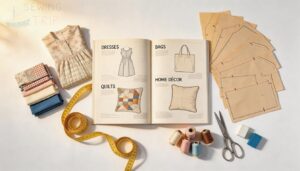
Project Categories Such as Garments, Bags, Quilts, and Home Decor
Once you’ve found your skill level, the fun really begins — choosing what to make. Most pattern books split projects into clear categories: garments, bags, quilts, and home decor.
- Garment construction covers tops, dresses, and pants.
- Tote bag and pillowcase patterns for quick wins.
- Beginner quilting project recommendations with block layouts.
- Simple pillow cover and Kids Room Textiles ideas.
- Seasonal Tableware, Pet Accessories, Travel Gear, and Eco-friendly Upcycling projects.
Size-based Patterns for Adults, Children, and Babies
Size-based patterns take the guesswork out of fitting. Multi-Size Envelopes let you cut between sizes using Measurement Grading Rules, so your Derby Tote or dress pattern libraries work for real bodies.
Kids Library Bag patterns use Growth Line Charts and Adjustable Waistlines for children, while baby projects like a Baby Burp Cloth follow weight-based sizing.
Cross-Regional Sizing references keep everything consistent.
Fabric-specific Projects for Cotton, Linen, Denim, and Specialty Fabrics
Fabric-specific sections do a lot of the decision-making for you.
Cotton pillow covers and 100% cotton and cotton blends suit beginners learning fabric selection basics.
Linen table runners highlight natural drape.
Denim rivet bags use heavy hardware and reinforced seams.
Velvet cushion inserts require hidden zippers and lined interiors.
Waxed canvas jackets call for heavy thread.
Each fabric type gets matched with projects.
Seasonal and Themed Project Collections
Seasonal and themed collections keep your projects feeling intentional.
Books group DIY sewing projects by spring, summer, fall, and winter — each with palette-driven motifs, holiday color schemes, and themed finishing details like antique buttons or lattice stitching.
Transitional fabric choices bridge seasons naturally.
Seasonal layering ideas help you adapt pieces as temperatures shift, making every piece feel timely and purposeful.
What Sewing Projects Do Pattern Books Include?
Pattern books pack in a surprising range of projects—way more than most people expect when they first flip through one. Whether you’re just picking up a needle and thread or you’ve been sewing for years, there’s genuinely something in there for you.
From first-time stitchers to seasoned sewists, pattern books hold far more than anyone expects
Here’s a look at the main types of projects you’ll usually find.
Beginner-friendly Accessories and Quick Makes
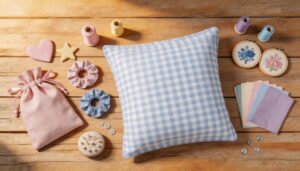
Pattern books are packed with simple and enjoyable sewing projects that you can finish in under an hour. Think drawstring bags with ribbon ties, felt ornaments, pillowcases, and hair accessories with elastic cuffs or snap closures.
Quick embroidery accents make these DIY gift projects for beginner sewists feel polished.
Many publishers even offer free downloadable sewing patterns — so you can start today.
Clothing Patterns Like Tops, Dresses, Skirts, and Pants
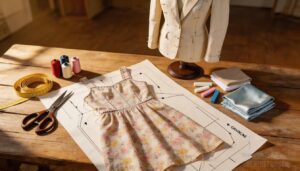
Clothing patterns cover the full range — tops, dresses, skirts, and pants. Each pattern guides you through dart placement, fabric grainline alignment, and seam allowance precision.
Pattern grading scales pieces across sizes, while fit adjustments let you customize for your body.
Dressmaking and garment construction instructions walk you through pattern layout clearly. Fashion design and pattern making have never felt so approachable.
Home Decor Projects Such as Pillows, Curtains, and Table Linens
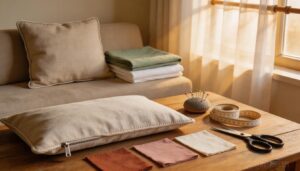
Home decor projects are where your sewing really starts transforming a space. Pattern books walk you through pillowcase construction, simple pillow and bag projects, and layered window treatments with hidden zipper details and mix-and-match textiles.
Try fabric swatch planning before cutting curtains or table linens. Sustainable home textiles and home sewing on a budget go hand in hand here.
Bag and Storage Patterns From Pouches to Totes
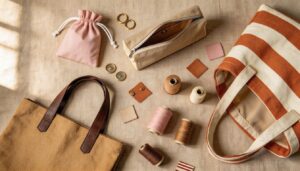
Bags are where function meets creativity — and pattern books cover the full range.
- Start with a simple drawstring bag or simple zipper pouch using lightweight cotton.
- Graduate to a fat quarter zip pouch using smart interfacing choices for structure.
- Try a derby tote or oversized beach bag with reinforced grips.
- Explore hardware options like magnetic closures and D-rings.
- Add detachable liners using recycled fabrics for a sustainable finish.
Quilting and Patchwork Projects
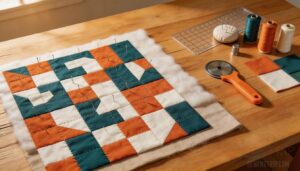
Quilting opens up a whole new world of sewing. Pattern books walk you through Quilt Top Layout, color gradient design, and beginner quilting project recommendations — starting with classic Nine Patch blocks.
You’ll find batting selection guides, seam allowance tips, and stitch density control techniques built right in. Fabric cutting tips and pattern reading skills are covered too, making your first patchwork throw genuinely achievable.
Specialty Patterns for Tailored Garments and Detailed Sewing
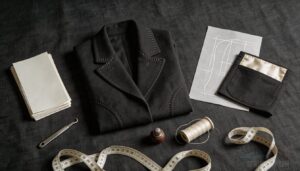
Once you move past patchwork, pattern books take things up a notch with custom-fitted garments and couture-level construction. Think fitted jackets with pad stitching, precision seam allowances, and dart manipulation that actually shape fabric to your body.
- interfacing techniques for structure without bulk
- couture pockets like welt and jet styles
- custom fitting through professional patterns and garment tailoring
Beginner Gifts and Quick Sewing Projects
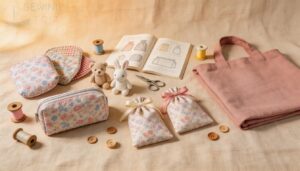
best sewing gifts don’t require days at your machine — just a free afternoon and a little fabric. Pattern books are packed with small, satisfying projects that are perfect for beginners and experienced sewists alike.
quick makes you’ll find ready to stitch and wrap.
Pillowcases and Simple Pillow Covers
Sewing a pillowcase is one of the best beginner-friendly sewing project ideas to start with. You’ll work with standard sizes — 18×18 or 20×26 inches — and practice seam allowance basics from day one.
Fabric choice matters: cotton and linen are forgiving and easy to handle. Pick your closure types — zipper or envelope flap — then follow care instructions to keep your DIY pillow projects looking sharp.
Drawstring Bags and Fabric Gift Bags
From pillowcases, it’s a short hop to drawstring bags — your next go-to for DIY gift projects for beginner sewists. A simple library tote tutorial or small gift bag takes about an hour.
Choose eco-friendly materials like cotton or linen, explore custom print linings, and try adjustable drawstring techniques for a polished finish. Reusable packaging ideas like these beat disposable wrap every time.
Chapstick Holders and Small Fabric Organizers
After drawstring bags, chapstick holders are the next logical step — tiny, practical, and genuinely fun to make. This DIY gift project for beginner sewists fits in your palm but packs real craft value. Fabric interfacing tips help the body hold its shape, while zipper velcro closures keep contents secure.
- Use cotton or canvas — solid fabric selection for beginners
- Add keyring attachment ideas using a simple sewn tab
- Try mini organizer layouts with inner dividers for multiple balms
- Personalize with embroidered personalization or iron‑on patches
Headbands, Scrunchies, and Hair Accessories
Hair accessories are where fabric choice really shines. A braided padded headband uses jersey knit or cotton for stretch and comfort, while knotted hair ties rely on an elastic core to keep things snug without damage.
These beginner-friendly sewing project ideas finish fast and make great gifts.
Adjustable closures add versatility, and free sewing patterns with sewing tutorials and video resources make hair protection stylish through every styling trend.
Easy Kitchen Linens Like Napkins and Pot Holders
Kitchen linens are your fastest path to a finished gift. Napkins teach you mitered corners and quick hem methods in under an hour. Pot holders introduce layered insulation and topstitching techniques that build real skill.
Sewing with cotton fabrics keeps things beginner-friendly. Color coordinated sets look thoughtful and intentional. These free sewing patterns are essential sewing tips for novices made practical.
Scrap-fabric Projects for Fast Results
Scraps are gold — don’t toss them. Crafting with scrap fabric turns leftovers into quick sewing projects under an hour, from Mini Fabric Coasters to Scrap Tiebacks. Here’s what you can make fast:
- Mini Fabric Coasters — 4×4‑inch layered squares
- Quick Fabric Keychains — knotted loops from narrow strips
- Scrap Patchwork Baskets — structured with interfacing
- Fast Stitch Banners — triangles on twine
- Scrap Tiebacks — folded and stitched fabric loops
Clothing Patterns for Everyday Sewing
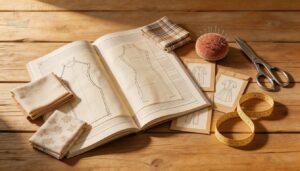
Clothing patterns make up the heart of most sewing pattern books, and for good reason — they’re what you’ll reach for again and again. Whether you’re building a wardrobe from scratch or filling in a few key pieces, there’s a pattern for exactly what you need.
Here’s a look at the everyday clothing projects you’ll usually find.
Tops, Blouses, and Tunics
Tops, blouses, and tunics are where pattern making really comes alive.
You’ll find Neckline Variations like boat, scoop, and jewel necks, plus Sleeve Styles from puff to bishop.
Fabric Drape Choices range from chiffon to crisp cotton.
Hemline Options and Embellishment Techniques like pintucks shape your look, while bodice darts and garment construction details guarantee a flattering, confident fit.
Dresses for Casual and Formal Wear
Dresses open up a whole world in dressmaking.
Casual styles use cotton jersey or linen with relaxed silhouettes like A-line or wrap. Formal garments call for satin or velvet, fitted bodices, and defined waists.
Your Fabric Choices and Silhouette Types shape everything.
Neckline Variations, Hemline Options, and Embellishment Details in pattern making let you build garments that truly fit your occasion.
Skirts in Straight, Gathered, and Tiered Styles
Skirts give you serious range. A straight cut in wool crepe keeps things sharp and structured — Waistband Construction and Hem Finishing Techniques matter here.
Gathered styles call for Fabric Choice Impact: cotton gathers crisply, rayon flows. Tiered skirts layer fullness beautifully.
Pattern Drafting Tips in garment construction and tailoring techniques help you nail Fit Proportion Strategies across every silhouette.
Pants, Shorts, and Simple Elastic-waist Bottoms
Pants and shorts open up your wardrobe fast.
Most pattern making and drafting manuals walk you through Elastic Casing Techniques first — a simple channel, flat elastic, done.
Adjustable Waist Variants, like drawstrings, add flexibility.
Fabric Weight Choices matter: cotton poplin for structure, jersey for ease.
Use Fit Testing Methods early and Seam Allowance Strategies keep your apparel construction clean and consistent.
Pajamas, Robes, and Loungewear
From elastic waistbands, it’s a short hop to pajamas and robes — your most personal DIY clothing wins. Pattern making and drafting manuals make these beginner-friendly sewing project ideas surprisingly simple.
Focus on fabric comfort first: cotton flannel for seasonal warmth, jersey for stretch. Closure styles range from buttons to zip fronts.
Fit adjustments stay minimal. Care tips: machine wash, air dry.
Jackets, Coats, and Other Advanced Garments
From cozy robes, it’s a leap into structured outerwear — the deep end of garment sewing. Modern pattern books cover:
- waterproof membrane shells with storm flap zippers and taped seams
- articulated sleeves and gusset construction for real range of motion
- adjustable hem cuffs paired with professional pattern cutting techniques
garment fitting, fabric selection, and pattern drafting all come together here.
Home Decor Sewing Pattern Projects
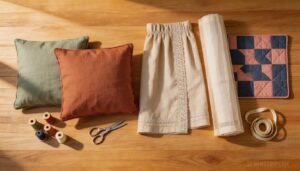
Your home deserves the creative energy you pour into everything else you make. Sewing pattern books are packed with projects that can transform any room without breaking the bank.
Here’s what you’ll usually find waiting for you.
Cushion Covers and Decorative Pillows
Cushion covers are one of the most satisfying home sewing wins. Simple pillow and bag projects like these teach you real skills fast.
Your pillowcase can go plain or get elevated with piped edges, applique motifs, button tufting, or quilted channels.
Tuck in a memory foam insert, and you’ve got something that lasts. Beginner-friendly sewing project ideas don’t get more rewarding than this.
Curtains, Valances, and Window Treatments
Window treatments let you reshape a room fast.
Your sewing reference guide should cover rod hardware options, Installation Measurements like mounting height, four to six inches above the frame, and fullness ratios.
Fabric Choices range from blackout lining to sheer voile for Light Management.
Rod pocket and grommet styles are current Style Trends worth mastering — both use straightforward sewing techniques with minimal pattern adjustment.
Table Runners, Placemats, and Napkins
Setting a beautiful table starts with your own hands.
Table runners, placemats, and napkins are genuinely smart beginner‑friendly sewing project ideas — quick sewing projects that deliver real results fast.
- Fabric Yardage Planning: runners run 60–72 inches; placemats yield 12–14‑inch squares
- Interfacing Choices: stiffen placemats cleanly
- Seam Allowance Tips: miter corners for sharp edges
- Color Palette Pairings & Texture Accents: mix cotton and linen for coordinated, washable sets
Throw Blankets and Soft Furnishings
Throw blankets are a weekend win — soft furnishings that transform any room fast. Your Fabric Selection sets the whole mood: wool blends drape beautifully, while linen keeps summer throws light. These are genuinely quick sewing projects.
| Strategy | Detail |
|---|---|
| Layering Strategies | Layer contrast textures like sherpa over cotton |
| Care Instructions | Machine wash cotton; hand wash wool blends |
Texture Pairings and Design Motifs pull everything together.
Basket Liners, Storage Bins, and Organizers
Fabric storage doesn’t have to be boring. Basket liners and sewn organizers are smart, budget-friendly sewing projects that double as decor.
- Material Selection: cotton for washability, linen for moisture resistance, vinyl for spill-prone spots
- Liner Maintenance: removable designs make cleaning easy
- Space Optimization: bins from 4×6 to 18×24 inches fit any shelf
- Labeling Strategies: color-coded stitching identifies contents instantly
Coordinated Room Decor Sewing Sets
Want your room to look like a designer pulled it together?
Coordinated sets — pillows, curtains, and a table runner — use Fabric Palette Matching and Seam Allowance Consistency across 4 to 6 pieces.
Unified Stitch Detailing and Coordinated Trim Choices tie everything together.
These beginner-friendly sewing project ideas deliver serious Room Flow Design in just 4 to 12 hours.
Bag, Quilt, and Specialty Patterns
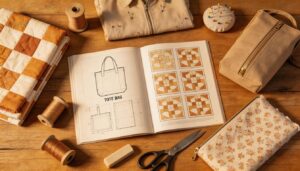
Pattern books don’t stop at clothing and home decor — they go deep into bags, quilts, and specialty techniques too. Whether you’re chasing your first zip-up pouch or a custom jacket, there’s more range here than most beginners expect.
Here’s what you’ll usually find in this section.
Tote Bags, Purses, and Coin Pouches
Bags are where technique meets everyday life. Pattern books cover everything from making tote bags with flat bottom panels and gusset construction to structured purses with smart pocket placement strategies.
Here’s what you’ll find:
- Reinforced straps for heavy loads
- Magnetic and zip closures
- RFID blocking linings for security
- Beginner-friendly patterns with free PDF sewing patterns included
Budget-friendly sewing never looked this functional.
Wallets, Key Fobs, and Matching Accessories
Small accessories make a big impact. Wallet patterns use slim bifold silhouettes with card slots sized for standard credit cards, plus RFID blocking layers for real protection.
Key fobs feature reinforced strap attachments with lobster clasps in coordinating hardware finishes — brass or matte black.
Leather matching ties everything together, with identical topstitching and miniature stitching details unifying your handmade set beautifully.
Quilt Blocks, Patchwork Throws, and Baby Quilts
Quilting opens up a whole new world of sewing project ideas. Pattern books offer Block Size Options — usually 6, 8, or 12 inches — so you can plan with confidence.
Scrappy Mix Designs use charm packs for speed.
Baby quilts, around 36 by 52 inches, reward beginner quilting project recommendations with Baby Blanket Reversibility, Soft Binding Techniques, and breathable Fabric Weight Choices throughout.
Techniques Like Piecing, Binding, and Finishing
Once your quilt blocks come together, the real craft kicks in. Chain piecing keeps your rhythm steady — you’re sewing continuously without snipping thread between pieces. A consistent ¼-inch seam allowance control keeps everything square.
- Blind stitching hides your binding seam cleanly
- Mitered corners fold into neat, flat diagonals
- Edge finishing prevents fraying through repeated washing
- Hand stitching the binding adds a personal, polished touch
- Press seams open to reduce bulk at intersections
Structured Projects With Zippers, Snaps, and Interfacing
Once binding is done, structured builds push your skills further.
Interfacing weight selection shapes how stiff your bag or pouch feels — light for coin purses, heavy for totes.
Zipper reinforcement techniques keep seams from gaping.
Snap placement strategies make sure every closure lines up cleanly.
Edge stabilizer use prevents distortion, while hidden snap fasteners give a polished, professional finish you’ll actually be proud of.
Specialty Sewing Patterns for Tailored and Couture-style Projects
custom-fitted and couture-style patterns bring you into serious craft territory. Think Vivienne Westwood-level construction — block drafting, understitch techniques, and interlining choices that shape how a jacket actually holds.
- Hand-seamed hems for clean, professional edges
- Contrast piping on welt pockets as optional details
- Butterick Publishing Company patterns with fashion illustration diagrams
- Clothing design principles drawn from historical dressmaking reference books
Frequently Asked Questions (FAQs)
What are the big 4 sewing patterns?
The Big 4 are Simplicity, McCall’s, Vogue, and Butterick. Each brand offers paper and digital PDFs, beginner-friendly patterns, and dressmaking designs spanning tops, sleeve patterns, and more.
What is the best pattern making book?
There’s no single "best" — it depends on your goals.
Look for strong author reputation, clear illustration quality, pattern grading guides, and community feedback.
Many top picks are available as free sewing books in PDF or online sewing book downloads.
What is the golden rule sewing pattern system?
The Golden Rule system uses a two-measure method — bust and hip — with a scale multiplier on grid drafting paper. Standardized blocks and custom fit curves make it surprisingly beginner-friendly.
Can pattern books help with costume sewing projects?
Yes, pattern books absolutely help with costume sewing.
They include capes, tunics, fitted bodices, and accessory patterns perfect for Layered Costume Construction, Historical Fabric Choices, and beginner-friendly patterns adaptable for any age or theatrical role.
Do sewing books include patterns for pet accessories?
Your furry companions aren’t forgotten.
Sewing books do include pet collar patterns, dog leash designs, cat bandana styles, pet bed templates, and pet toy patterns — practical, beginner-friendly patterns, perfect as gift sewing ideas.
Are there patterns for baby clothing and nursery items?
Pattern books often include dedicated baby sections covering clothing like booties, rompers, and hats, plus nursery essentials such as crib skirts, nursery bumper pads, swaddle blankets, and burp cloths — perfect beginner sewing project ideas.
Conclusion
A puzzle with many pieces, sewing pattern books offer a little something for everyone. Whether you’re a beginner or seasoned pro, you’ll find projects that match your skills and interests.
From simple accessories to complex garments, the types of projects in sewing pattern books cater to diverse tastes. With a vast array of patterns, you can explore various techniques and styles. Discover what types of projects are in sewing pattern books and tap into your creativity today.
- https://pdf.infobooks.org/ING/336%20Cutting%20and%20Sewing/10.-Sewing-for-beginners-Author-UNH-Extension.pdf
- https://www.vintagesewingschool.com/
- https://www.facebook.com/EvelynWoodVintage
- https://www.youtube.com/channel/UCs5ac28qTOHHDOlwbyRg-CQ
- https://ohsolovelyvintage.blogspot.com/2012/02/diy-ipad-case.html