This site is supported by our readers. We may earn a commission, at no cost to you, if you purchase through links.
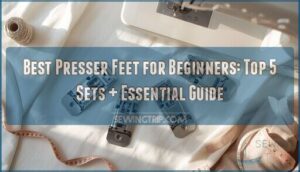
Your first sewing project probably came with a rude awakening: that little metal foot attached to your machine isn’t designed to manage everything you want to create. Most machines ship with a basic universal foot that manages straight seams beautifully but leaves you struggling the moment you attempt a zipper, buttonhole, or blind hem.
The good news is that swapping presser feet takes about five seconds once you know what you’re doing, and the right collection of specialty feet transforms frustrating techniques into satisfying, professional-looking results.
Whether you’re tackling your first garment or branching beyond basic repairs, understanding which presser feet belong in your beginner toolkit—and how to choose quality options that fit your specific machine—saves you from countless hours of wrestling with the wrong tool for the job.
Table Of Contents
Key Takeaways
- Your machine’s basic universal foot handles straight seams well, but mastering zippers, buttonholes, and professional hems requires swapping to specialty presser feet that transform frustrating techniques into manageable five-second switches.
- The five essential beginner feet—universal, zigzag, zipper, buttonhole, and blind hem—cover most starter projects, and choosing quality sets with snap-on compatibility for low-shank machines (Brother, Singer, Janome) saves you from wrestling with the wrong tools.
- Before buying any presser foot set, verify your machine’s shank type (low-shank, high-shank, or slant) through your manual or manufacturer website, since compatibility depends on attachment systems rather than brand names.
- Proper presser foot technique means powering down before switching feet, matching the right foot to your fabric weight and stitch type, adjusting foot pressure for thick or lightweight materials, and cleaning feet after each project to prevent lint buildup that sabotages performance.
Essential Presser Feet Every Beginner Needs
When you’re starting out with sewing, you don’t need every presser foot under the sun, but having a handful of essential ones will open up a world of possibilities and make your projects far less frustrating. The right feet transform tricky tasks like installing zippers or creating professional hems into manageable, even enjoyable, steps in your sewing journey.
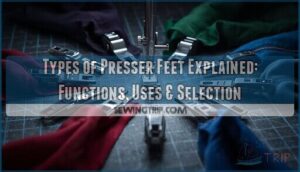
A good presser foot guide breaks down what each foot does and when you’ll actually reach for it.
The right presser feet transform frustrating sewing tasks into manageable, even enjoyable steps in your creative journey
Let’s look at the five presser feet that’ll give you the most bang for your buck and set you up for success across a wide range of beginner-friendly projects.
If you’re wondering which presser foot works best for each technique, this guide breaks down exactly when and how to use them.
Universal Presser Foot and Its Uses
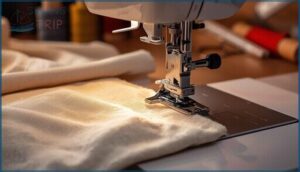
The universal presser foot is your sewing machine’s workhorse, handling everything from straight seams to zigzag stitches without switching attachments. Its open-toe design gives you excellent stitch visibility while maintaining consistent fabric feeding across cotton, linen, and medium-weight materials.
For machines like the Brother XL-3750, this foot comes standard and handles most beginner to intermediate projects right out of the box.
You’ll find it works with most low-shank sewing machine compatibility systems, and proper presser foot adjustment ensures even seam allowances every time.
If you’re unsure about your machine’s setup, check out this guide on identifying sewing machine feet types to confirm before you buy.
Zigzag Stitch Foot for Versatile Stitches
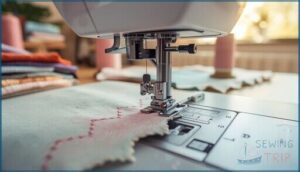
The zigzag stitch foot expands your creative toolkit beyond basic straight seams, offering fabric edge guidance that lets you explore decorative stitching with confidence. You’ll master zigzag patterns through stitch width control, achieving sewing precision whether you’re adding decorative touches to hems or practicing appliqué work.
This sewing machine accessory helps you:
- Create serger-like edge finishes on lightweight fabrics
- Practice consistent stitch alignment along curves
- Develop foot control accuracy for even spacing
Just verify your machine’s shank compatibility before purchasing.
Zipper Foot for Easy Zipper Installation
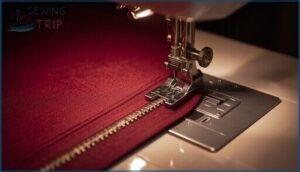
Once you’ve practiced your basic stitches, you’ll want a zipper foot for precision sewing along those metal or plastic teeth. This narrow presser foot guides you right up against zipper coils, letting you master concealed stitches and invisible zippers with fabric guidance that keeps everything aligned.
It’s your secret weapon for professional-looking closures, transforming intimidating zipper installation into a manageable sewing technique you’ll use constantly.
Once you’ve mastered it, you can explore specialized presser feet for different zipper styles to make the process even smoother.
Buttonhole Foot for Simple Buttonholes
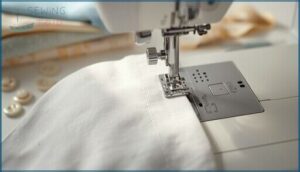
After zippers, you’ll reach for your buttonhole foot whenever shirts, jackets, or cushion covers need closures. This excellent attachment creates evenly sized buttonholes from 1/2 to 3/4 inch by guiding fabric through a fixed slot while you control stitch width and length.
Set your sewing machine to centered needle position, align fabric edges with the foot’s guidelines, and you’ll master buttonhole tips that deliver professional sewing accuracy every time.
Blind Hem Foot for Professional Hems
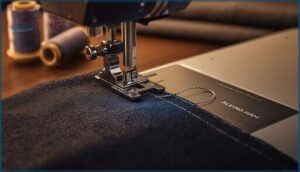
Once you’ve conquered buttonholes, the blind hem foot becomes your secret weapon for invisible hems on pants, skirts, and curtains.
This clever sewing machine accessory guides your fabric folding and hem allowance with precision, using a specialized hem stitching technique that catches just a thread or two on the right side.
Master this edge stitching method, and your seam finishing will rival any tailor’s work.
Key Features to Look for in Beginner Presser Feet
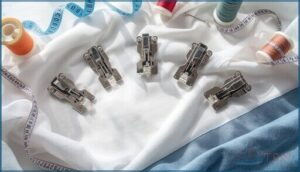
Not all presser feet are created equal, and when you’re just starting out, choosing the right ones can feel like traversing a maze without a map.
The good news is that focusing on a few key features will help you build a solid collection that grows with your skills, rather than collecting dust in a drawer.
Let’s break down what separates the presser feet that’ll become your go-to tools from the ones that’ll just frustrate you.
Compatibility With Popular Sewing Machines
Before you invest in any presser feet, you’ll want to confirm they’re compatible with your sewing machine’s shank system. Most universal feet fit standard low-shank machines with 2.0 to 2.5 mm shanks, which covers the majority of domestic sewing machine models.
Check your machine’s manual for attachment types, and look for foot adapters if you’re working with an older or specialty model.
Ease of Attachment and Adjustment
When you’re switching between projects, quick-release or snap-on designs save you time and frustration compared to older screw-tightened systems. Look for presser feet with standardized shank sizes—low shank or high shank—that match your sewing machine’s attachment point.
Proper foot alignment with your feed dogs ensures smooth fabric feeding, and some beginner-friendly sewing machine accessories include colored indicators or textured surfaces to help you secure the foot correctly every time.
Material and Build Quality
High-quality presser feet outlast cheaper options because manufacturers rely on precision engineering and tested alloys that resist warping, corrosion, and wear through hundreds of sewing hours. When you’re comparing sewing machine accessories or building your sewing machine presser feet guide, here’s what solid construction delivers:
- Stainless steel or chrome plating prevents rust and maintains consistent presser force over time
- Nickel coating and polished surface finish reduce fabric friction and prevent pilling on delicate materials
- Reinforced shank connections eliminate wobble and maintain accurate needle alignment across projects
- Durability testing standards confirm that reputable sewing machine feet withstand repeated attachment cycles without loosening
Versatility for Different Sewing Projects
A flexible presser feet set transforms your sewing machine into a multi-project powerhouse, handling everything from garment construction to home décor without investing in specialized equipment. The universal foot facilitates straight and decorative stitching on woven and knit fabrics, while the zigzag foot accommodates variable stitch widths for appliqué and stretch materials—essential sewing techniques for beginners mastering fabric selection and project planning.
The zipper foot’s adjustable width allows precise alignment along zippers on garments, bags, and home décor items, reducing fabric distortion and frustration. You’ll find that interchangeable feet sets expand machine compatibility and project planning by including specialized feet for rolled hems, ruffles, and narrow hems—enabling multiple sewing techniques with one sewing machine setup.
| Presser Foot | Best For |
|---|---|
| Universal Foot | Seams, topstitching, general sewing for beginners |
| Zigzag Foot | Appliqué, satin stitches, stitch variety on knits |
| Zipper Foot | Garments, bags, precise alignment on home décor |
| Blind Hem Foot | Professional hems on garments and textiles |
| Quilting Foot | Free-motion quilting, decorative stitching |
Top 5 Presser Feet Sets for Beginners
Now that you know what to look for in a beginner-friendly presser foot, it’s time to explore some of the best sets available that’ll give you everything you need to tackle your first projects with confidence.
The following five presser foot sets have been chosen for their compatibility with popular machines, ease of use, and versatility across different sewing techniques, making them excellent starting points for newcomers who want quality without breaking the bank.
Each set offers unique advantages that cater to different budgets and project needs, so you can find the perfect match for your sewing journey.
1. Aiskaer Sewing Machine Presser Feet Set
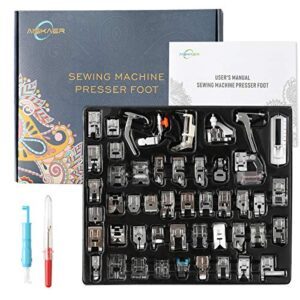
When you’re just starting out, a 48-piece set like the Aiskaer collection can feel like a superb shortcut to mastering different sewing techniques for beginners.
This kit covers a wide range of presser foot types—from universal feet for basic sewing to specialty options for buttonholes, zippers, and decorative stitching—all designed with sewing machine compatibility across popular brands like Brother, Singer, and Janome.
The snap-on foot attachment methods make swapping feet straightforward, and the durable presser foot materials guarantee repeated use on beginner sewing projects without constant replacements.
| Best For | Hobbyists and beginners who want to explore different sewing techniques without buying individual feet, especially if you have a low-shank domestic machine from brands like Brother, Singer, or Janome. |
|---|---|
| Material | Metal |
| Color | Silver |
| Machine Compatibility | Multiple brands (not industrial/mini) |
| Skill Level | Beginners and professionals |
| Installation Type | Standard |
| Durability | Metal construction |
| Additional Features |
|
- You get 48 different feet covering everything from basic straight stitching to specialty tasks like buttonholes, zippers, and decorative work—great value compared to buying each foot separately.
- The snap-on attachment system makes switching between feet quick and easy, even if you’re new to sewing.
- Durable metal construction with smooth edges means the feet hold up through repeated projects without snagging fabric.
- Instructions can be vague or confusing, so you might need to look up tutorials online to figure out what each foot actually does.
- The storage box doesn’t always keep feet secure, and some users report accidental spills that scatter all the pieces.
- Quality varies across the set—some feet may not fit perfectly or feel as sturdy as others, and you probably won’t use all 48 depending on your projects.
2. Sewing Machine Presser Foot
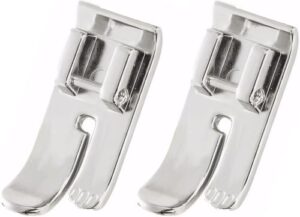
For those focused on precision quilting or patchwork, a dedicated 1/4″ seam presser foot like the MVVM model makes all the difference in your stitch quality factors. This alloy steel sewing machine foot offers accurate seam alignment that keeps fabric flat during stitching, and its snap-on design simplifies foot attachment methods on low shank machines.
You’ll appreciate how this presser foot type enhances sewing machine compatibility with popular brands while requiring minimal presser foot maintenance, making it a practical choice for beginners tackling measured seams.
| Best For | Quilters and sewers who need consistent 1/4″ seams for patchwork and precision projects on low shank snap-on machines. |
|---|---|
| Material | Alloy Steel |
| Color | Silver |
| Machine Compatibility | Low shank snap-on |
| Skill Level | Beginners |
| Installation Type | Snap-on |
| Durability | High-quality steel |
| Additional Features |
|
- High-quality steel construction keeps fabric flat and prevents bunching during stitching
- Snap-on design makes switching feet quick and hassle-free, even for beginners
- Works with a wide range of low shank machines, so you’re not locked into one brand
- Only works with low shank snap-on machines, so check your machine type first
- Limited to 1/4″ seams, which won’t help if you need different seam allowances
- Performance can vary depending on your specific machine model
3. Sewing Machine Presser Feet Kit Accessories
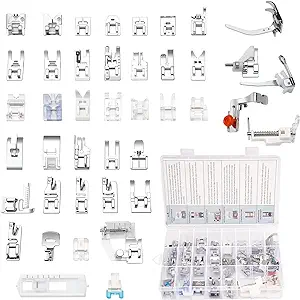
When you’re ready to expand beyond individual specialty feet, an extensive presser feet kit like the 42-piece set offers exceptional value for mastering multiple sewing techniques. These kits bundle universal, zipper, buttonhole, blind hem, and walking presser feet into organized foot storage with labeled compartments, so you won’t waste time hunting through drawers.
You’ll also find handy accessory tools like cleaning brushes and machine adapters that simplify foot swaps and routine maintenance. Look for sets with transparent cases that let you spot the right sewing aids instantly, keeping your workspace efficient as your skills grow.
| Best For | Sewers who want to expand their capabilities with a comprehensive collection of specialty feet for projects ranging from basic zippers and buttonholes to quilting and embroidery, all organized in one convenient storage case. |
|---|---|
| Material | Metal and Plastic |
| Color | As pictured |
| Machine Compatibility | Low shank (Brother, Singer, etc.) |
| Skill Level | Beginners and experienced |
| Installation Type | Standard |
| Durability | Metal and plastic |
| Additional Features |
|
- Comes with 42 different presser feet covering a wide range of sewing tasks, plus a transparent storage case with labeled compartments to keep everything organized and easy to find
- High-quality metal and plastic construction ensures durability, with most feet designed to handle typical sewing pressure without bending or wearing down quickly
- Compatible with popular low-shank machine brands like Brother, Baby Lock, Singer, and Kenmore, making it a versatile addition to most home sewing setups
- Not compatible with vintage, mini, industrial, or high-handle sewing machines, so you’ll need to verify your machine type before purchasing
- With 42 pieces in the set, many sewers may never use all the specialty feet, which could make the kit feel overwhelming or excessive for simpler projects
- Quality and durability can vary across individual feet with heavy use, and some users report compatibility issues with certain machine models even within supported brands
4. Zig Zag Sewing Machine Presser Foot
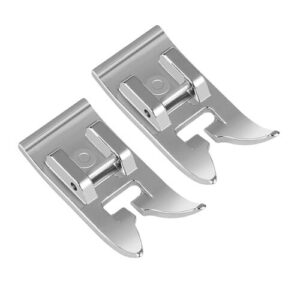
For tackling Zig Zag Stitches and sewing elastic, the zigzag foot’s wide needle slot lets you adjust Stitch Width up to 7mm, making it an excellent partner for stretch fabrics and decorative edges.
This alloy steel foot, weighing just 0.58oz and measuring 1.3″L x 0.63″W, clicks effortlessly onto low-shank snap-on Sewing Machines, giving you instant Fabric Guidance as the feed dogs follow that zigzag pattern.
You’ll master appliqué and seam finishing with reliable Presser Feet built for durability, and this one truly delivers the flexibility your growing Sewing Techniques and Tips library needs.
| Best For | Sewers who work with stretch fabrics, decorative stitching, and elastic insertion on low-shank snap-on machines. |
|---|---|
| Material | Alloy Steel |
| Color | Silver |
| Machine Compatibility | Low shank snap-on |
| Skill Level | Everyday sewing |
| Installation Type | Quick-clicking snap-on |
| Durability | High-quality steel |
| Additional Features |
|
- Wide 7mm needle slot handles zigzag and decorative stitches without fabric bunching or thread jams
- Quick-click installation takes seconds and works across multiple low-shank machine brands
- Durable alloy steel construction at only 0.58oz won’t weigh down your fabric or skip stitches
- Only fits low-shank snap-on machines, so you’ll need to verify compatibility before buying
- 7mm width cap might feel limiting if you’re used to wider decorative stitches on high-end models
- No bonus accessories like edge guides or seam allowance markers that some specialty feet include
5. Madam Sew Rolled Hem Presser Foot Set

When you’re ready to polish off lightweight blouses and scarves with narrow, professional hems, the Madam Sew Rolled Hem Presser Foot Set delivers three metal feet in 1/2″, 3/4″, and 1″ widths for low-shank sewing machines, so you can skip pre-folding and ironing while mastering essential Hemming Techniques.
Fabric Selection matters here—lightweight to medium materials roll beautifully through that built-in guide, and Sewing Machine Compatibility across Singer, Brother, and Janome models makes this set an excellent fit for expanding your Presser Feet collection and unlocking Rolled Hem Benefits on every project.
| Best For | Home sewers who want to add clean, narrow hems to lightweight scarves, blouses, and skirts without the hassle of pre-folding or ironing. |
|---|---|
| Material | Metal |
| Color | Metal |
| Machine Compatibility | Low shank domestic |
| Skill Level | Beginners and experienced |
| Installation Type | Standard |
| Durability | Metal construction |
| Additional Features |
|
- Includes three different widths (1/2″, 3/4″, 1″) so you can pick the right hem size for each project
- Durable metal construction holds up better than plastic alternatives over time
- Works with most low-shank machines from popular brands like Singer, Brother, and Janome
- Struggles with thicker fabrics like denim—you’ll want a different foot for heavier materials
- Takes some practice to get consistent results, especially if you’re new to rolled hems
- Doesn’t include instructions or a storage case, so you’re on your own for learning and organization
Tips for Using Presser Feet as a Beginner
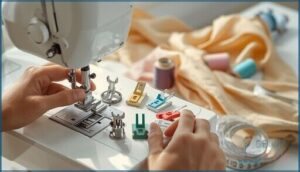
Once you’ve got your presser feet in hand, knowing how to use them properly makes all the difference between frustration and smooth sailing. The right techniques will help you avoid common mistakes, protect your equipment, and get professional results even on your first few projects.
Here’s what you need to master as you’re getting started with different presser feet.
Installing and Changing Presser Feet Safely
Safety precautions start the moment you reach for a new presser foot—always power down and unplug your sewing machine to prevent accident prevention nightmares.
Raise the needle completely, lift the presser foot lever to release the current foot, then carefully align your new sewing machine feet with the holder, listening for that reassuring click that confirms proper presser foot alignment and secure machine maintenance.
Matching The Right Foot to The Fabric and Stitch
Fabric selection drives which presser feet you’ll reach for first—lightweight chiffon demands that rolled hem foot to prevent puckering, while your buttonhole foot manages medium-weight cotton with perfect stitch length consistency, and the zipper foot navigates leather’s thickness when you adjust foot pressure and thread tension correctly on your sewing machine, ensuring clean seam finishing every time you sew.
Troubleshooting Common Presser Foot Issues
When you notice stitch skipping or fabric bunching on your sewing machine, check needle alignment first. Misaligned presser feet cause 60% of beginner frustrations with sewing machine accessories.
Adjust foot pressure if fabric slips through unevenly, then examine thread tension settings before blaming your sewing machine feet. Improper threading creates those frustrating thread nests underneath your project every time.
Cleaning and Maintaining Your Presser Feet
Your presser feet deserve the same attention as your sewing machine—without regular care, lint buildup and corrosion will sabotage even the best sewing accessories. Wipe each foot with a damp cloth after every project, then store them in labeled compartments to prevent scratches and rust.
Follow simple maintenance schedules: quarterly deep-cleaning when switching fabrics, plus foot inspection for nicks that damage material, ensuring your sewing tools and notions stay reliable.
Frequently Asked Questions (FAQs)
Can I use presser feet from different brands?
Mixing and matching isn’t always smooth sailing—brand compatibility depends on shank types like low-shank or slant-blade, not the brand name itself.
Third-party feet often work across machines, though adapters may be needed for secure attachment.
How do I know my machines shank type?
Check your sewing machine’s manual or manufacturer website for shank specifications—low shank, high shank, or slant shank—by searching your exact model number, ensuring presser feet compatibility and proper foot system verification before purchasing attachments.
What presser foot works best for thick seams?
A walking foot is your go-to for thick seams, feeding all layers evenly to prevent shifting and skipped stitches, while a nonstick foot works beautifully on bulky fabrics like denim or vinyl.
Do I need special feet for stretch fabrics?
Like taming a slippery fish, sewing knits demands the right tools. A walking foot ensures smooth fabric feed and tension control on your sewing machine, while an elastic foot or ballpoint presser feet prevent snags when weaving through stretch fabric.
When should I adjust presser foot pressure?
You should adjust presser foot pressure when fabric slips beneath the foot, when thick seams stall feeding, or when puckering appears—higher pressure stabilizes lightweight materials, while lower settings help bulky layers glide smoothly through the sewing machine.
Understanding the importance of pressure adjustment techniques can help beginners master their sewing skills.
Conclusion
Practice perfects your presser foot technique, but starting with the best presser feet for beginners accelerates your progress dramatically. You’ve now got a roadmap to choosing feet that match your machine, your budget, and your project ambitions.
Start with a quality universal set, add specialty feet as your skills expand, and trust that each swap brings you closer to results that look like they came from a professional studio, not a cramped corner craft room.
- https://www.bernina.com/en-US/Accessories-US/Presser-Feet/Quilting/BERNINA-Stitch-Regulator-BSR
- https://www.youtube.com/watch?v=6fQsa_4kq4s
- https://www.bloglovin.com/blogs/sew-essential-blog-14567169
- https://www.instagram.com/sewessentialuk/
- https://www.thesewingdirectory.co.uk/presser-foot-pressure-adjustment/