This site is supported by our readers. We may earn a commission, at no cost to you, if you purchase through links.
You pull your knit top off the machine and find tiny holes marching along every seam. The fabric didn’t rip. Your needle did that.
A regular sewing needle punches straight through knit fibers instead of sliding between them. That small mismatch causes skipped stitches, snags, and seams that pucker no matter how careful you are.
Knowing what needle to use for knits fixes this before you thread the machine. Grab a ballpoint or stretch needle, match it to your fabric weight, and your next project comes out clean.
Table Of Contents
Key Takeaways
- Use a ballpoint or stretch needle for knits, since their rounded tips slide between fibers instead of piercing them, preventing holes, snags, and puckered seams.
- Match needle size to fabric weight: 70/10 for lightweight jersey, 80/12 for medium knits like t-shirts, and 90/14 for heavier fabrics like ponte roma or scuba knits.
- Avoid universal needles on knits, since their sharp points cut fibers and cause skipped stitches, uneven tension, and weakened seams.
- Always test your needle and thread tension on a fabric scrap first, checking stitch stretch and tightness before sewing your actual project.
Use Ballpoint or Stretch Needles
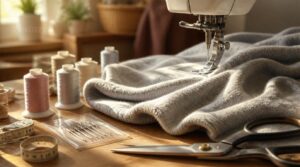
Knit fabric needs a needle built for stretch, not a standard sharp point. The right choice keeps your seams smooth and your stitches strong. Here’s what you need to know before you pick one.
Pair that ballpoint or stretch needle with the best thread for stretchy fabrics to help your seams flex without snapping or puckering.
Best Overall Knit Needle
Grab a ballpoint needle first. Its rounded tip pushes fibers aside instead of piercing them, so you get less snagging and cleaner stitches on most jersey fabrics.
- Rounded tip displaces fibers instead of cutting them
- Reduces holes and stitch distortion
- Nickel or gold plating cuts friction and thread snapping
While sewing requires specific tips, choosing the best knitting needles is also essential for different yarn types.
This isn’t for knitting needles or yarn tension—it’s about matching sewing needle design to fabric structure for control.
Ballpoint Vs Stretch Needles
Both needles use fiber displacement, but tip geometry sets them apart. Ballpoint tips are rounder, sliding between fibers to prevent snagging on light to medium knits.
Stretch needles go further. A deeper scarf and rounder point improve stitch loop formation, which stops skipped stitches on highly elastic fabrics like Lycra. Ballpoint works for everyday knits; stretch needles manage tougher elasticity.
When Jersey Needles Work
Jersey needles are ballpoint needles built for one job: medium-weight knits like t-shirt fleece and cotton jersey. The rounded tip uses fiber displacement, pushing threads aside instead of slicing them, so runs and holes stay away.
They work best when:
- Fabric is lightweight to medium jersey
- You need smooth stitch gliding without snags
- Stitch tension stays consistent across the seam
Match needle size to fabric weight for best results.
Avoid Universal Needles
That "universal" label sounds convenient, but on knits it usually backfires. Skipped stitches show up fast, along with snags and small holes where the point cuts instead of glides. Tension turns uneven, seams lose strength, and thread can snap under stretch.
Save universal needles for wovens. For knits, stick with ballpoint or stretch every time.
Match Needle to Knit Fabric
Not every knit fabric acts the same way under your needle. Some stretch more, some weigh more, and some fight back with every stitch. Let’s break down five common knit types and the needle that works best for each one.
Lightweight Jersey Knits
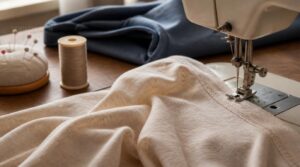
Think of lightweight jersey as a t-shirt’s best friend: soft, breathable, and light on your hands. It runs 120 to 180 GSM, thin enough to breathe but sturdy enough to hold shape.
Use a ballpoint needle, size 70/10 or 80/12. This matches its fine yarns and loose stitch density, protecting the knit loops without snagging or leaving holes.
Cotton Interlock Fabric
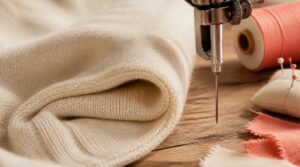
That double knit construction gives interlock its plush, cozy feel, with two jersey layers locked together for extra thickness.
Because that dense structure can be tough on your machine, choosing quality thread sets for repairing and mending knits helps prevent the skipped stitches that come from a dull needle or mismatched size.
This means more fabric for your needle to pass through, so reach for a ballpoint needle, size 80/12 to 90/14. Its rounded tip glides between the tighter loops, keeping breathable cotton layers snag-free and stitches even.
Rib Knit Fabric
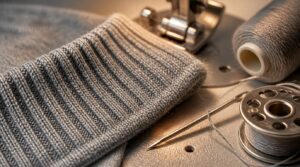
Grab those cuffs and neckbands on any t-shirt and you’ll feel it: crosswise stretch built right into the ribs. Rib knit alternates knit and purl stitches, so fiber blends recover fast after stretching.
Use a ballpoint needle, size 75/11 to 80/12. It slides through loops without snagging ribbed texture.
- Set stitch length to 2.5mm
- Loosen tension control
- Test stitch definition first
- Match needle diameter to yarn weight
- Check thermal insulation stays intact
Spandex and Lycra Blends
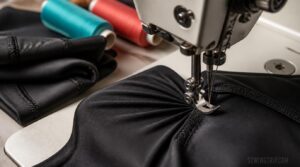
Leggings snap back for a reason: Lycra’s elasticity recovery power hits 90 percent or higher after a good stretch.
Use a stretch needle, size 75/11. Its deeper scarf controls elastane without skipping.
Keep tension control loose and stitch length at 2.5mm. This protects fiber mix durability and keeps fabric shape retention strong through every wash and activewear session.
Sweater Knit Fabric
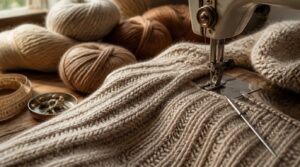
Sweater knits bring more heft to the table, so match the tool to the job.
Go with a 90/14 ballpoint needle and a size 5-9 knitting weight in mind. These fabrics run thick and textured, sometimes brushed for warmth.
Loosen tension slightly for stitch definition, and increase stitch length to handle loft without puckering the seam.
Choose The Right Needle Size
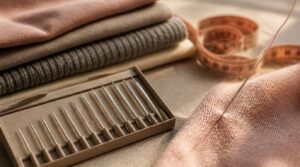
Picking the right needle style matters, but size seals the deal. Too thin and your needle bends or skips. Here’s how to match size to fabric weight, every time.
70/10 for Lightweight Knits
Think of a 70/10 needle as your go-to for delicate fabrics like silk jersey or lightweight rib knits. Its fine needle tip geometry displaces fibers instead of piercing them, preventing runs.
- Best for lightweight jersey
- Preserves fabric integrity
- Reduces skipped stitches
- Pairs with fine thread
- Maintains stitch size
Match it with lightweight thread for clean, snag-free seams every time.
80/12 for Medium Knits
Once you move up to t-shirts and light sweatshirts, the 70/10 won’t hold up. That’s where the 80/12 needle earns its keep, matching medium knit fabric weight (6-8 oz per yard) for real stitch tension control.
| Fabric Type | Needle Size |
|---|---|
| Silk jersey | 70/10 |
| T-shirt knits | 80/12 |
| Sweatshirt fleece | 80/12 |
Its medium ball point separates loops cleanly, avoiding fiber damage while keeping seams stable.
90/14 for Heavier Knits
Ponte roma, scuba knits, and double knits call for the 90/14 needle. Its thicker shaft controls layered fabric penetration without deflection.
Use it for:
- Ponte roma
- Scuba knits
- Double knit outerwear
- Rib knit panels
The larger eye allows for dense stitch formation on multi-layer knits, keeping seams durable and stitches even.
European and American Sizing
Needle sizes use two systems side by side. The metric number (70, 80, 90) shows needle diameter in hundredths of a millimeter. The US number is a separate scale entirely.
| Metric | US | Fabric |
|---|---|---|
| 70 | 10 | Lightweight |
| 80 | 12 | Medium |
| 90 | 14 | Heavy |
Always check both numbers on the needle gauge before buying. Charts vary by brand, so don’t guess.
Pick Needles for Knit Hems
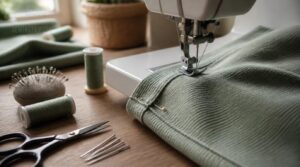
Hems make or break a knit garment. The right needle keeps your stitching flat, stretchy, and strong. Here’s what to reach for when you finish that hem.
Twin Needle Hems
Twin needle hems give knit garments a professional double topstitch in one pass, with a zigzag underlay linking the lines.
Use a stretch twin needle with rounded tips and matching top threads. Set stitch length around 2.5 to 3.5 mm and balance tension on both spools.
Stabilize the hem with Wonder Tape to prevent tunneling, and use a walking foot for even feed.
Coverstitch-style Finish
Two parallel lines on top and zigzag loops underneath give knits a durable, professional edge. This finish locks the fabric together, cutting curl and fraying while staying flexible with stretch.
- Clean double-stitch border on top
- Secure zigzag underlay below
- Slightly raised, ribbed look
- Trims close without unraveling
Balance tension between needle and bobbin threads for a smooth, puckered-free edge stability.
Stretchy Hem Stitching
Grab a stretch needle when hemming spandex or Lycra blends. Its rounded-yet-fine tip preserves elasticity while stitching, keeping fabric loops intact and seams strong.
Set your machine to a zigzag stitch and balance tension carefully. This combo helps with hemming stretch recovery, so hems bounce back after every wear instead of stretching out permanently.
Prevent Skipped Stitches
Skipped stitches at a hem usually mean your needle is dull, dirty, or wrong for the job.
Fix it fast:
- Replace needles every 8 hours or per project
- Clear machine lint from the bobbin area
- Rethread carefully to avoid tension errors
- Clean the bobbin case thoroughly
- Add a stabilizer for stitch control
This keeps stitch size even and friction low.
Prevent Common Knit Sewing Problems
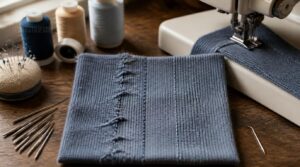
Knit fabric can fight back if you use the wrong needle. Small mistakes turn into holes, puckers, or broken needles fast. Here’s what causes these problems and how you fix each one.
Holes in Knit Fabric
A tiny hole can ruin hours of work. Most holes come from worn needles or a knot sitting wrong in the stitch. Dry, weak yarn cracks under tension too.
| Cause | Fix |
|---|---|
| Worn needle | Replace often |
| Yarn knot | Trim and rejoin |
| High tension | Loosen setting |
Check your gauge and swatch first.
Skipped Stitches
That thread loop that just won’t catch? It’s usually needle tip geometry fighting your fabric. A sharp point pierces fibers instead of displacing them, causing skips.
Switch to a ballpoint or stretch needle so the tip parts the knit cleanly. Check thread tension balance and clear any bobbin lint buildup too. Fresh needles keep stitch formation consistency steady throughout your seam.
Wavy Seams
A rippled seam ruins an otherwise clean knit garment. It happens when fabric gets pulled or pushed unevenly while stitching.
Keep thread tension balanced between upper and bobbin, with bobbin slightly lighter. Guide fabric with your hands instead of pulling it, and use a walking foot for even feeding. A narrow zigzag or stretch stitch also helps the seam move with the fabric.
Puckered Fabric
Small ridges or folds along a seam mean you’ve got puckered fabric, and it shows up worst on lightweight knits. High stitch density and tight top tension squeeze fibers together, so loosen up and match needle size to fabric weight.
Pre-wash your fabric first. Shrinkage during laundering often reveals puckers that weren’t visible on the machine, especially when thread stability doesn’t match the knit.
Broken Needle Causes
A snapped needle usually points to one clear cause. Dull needle edges build up after a few hours on dense knits and force the needle through fabric instead of past it.
Improper needle positioning, thread tension issues, and material fatigue from bent shafts all add stress. Check for machine maintenance errors too, like a loose clamp or debris jamming the hook path.
Test Before Sewing Knits
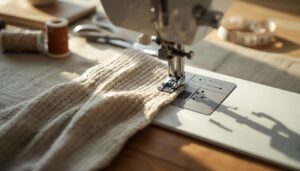
Never sew straight into your project without a quick check first. A scrap of fabric tells you the truth before your good knit does. Here’s how to test your setup in four simple steps.
Sew a Fabric Scrap
Grab a scrap before you touch your real project. This isn’t optional. It’s the fastest way to catch problems before they ruin good fabric.
Test a fabric scrap first—it’s the fastest way to catch problems before they ruin your project
- Match scrap weight to your main fabric
- Test your chosen needle size
- Check thread tension on scraps first
- Sort scraps by fiber content beforehand
Testing on scraps saves you real yardage and stops mistakes before they start.
Check Stitch Stretch
Once your scrap is sewn, stretch it hard in both directions. This tells you if your stitch will hold.
Look for a true stretch stitch like zigzag or lightning bolt, not a straight line. Zigzag gives lateral give. Lightning bolt packs more elasticity into seams. For hems, check twin needle rows for flex, and use decorative stretch stitches near cuffs for extra reinforcement.
Adjust Thread Tension
Look at your test stitches. Loops on the underside mean upper tension is too tight — turn the dial counterclockwise a notch. Gaps or thread showing on top means it’s too loose — tighten clockwise slightly.
Check bobbin balance too. Re-thread, reassemble the bobbin case, and stitch another scrap. Adjust in small increments until stitches sit even on both sides.
Change Needle if Needed
Hold your test scrap up to bright light and check the needle shaft for burrs or bending. If fabric tugs, stitches skip, or thread keeps breaking, that needle’s done. Swap it out before sewing your real project.
A fresh needle, matched to your fabric weight, keeps tension even and stitches clean from the very first seam.
Frequently Asked Questions (FAQs)
What kind of needle is best for sewing knits?
Ballpoint needles win for most knits. Their rounded tip geometry slides between fibers instead of piercing them, preventing fabric damage. For stretch fabrics with Lycra, switch to stretch needles. Both protect seam integrity and stitch density better than universal needles ever will.
What knitting needles are best for carpal tunnel?
Comfort matters more than speed here. Pick ballpoint or stretch needles with a longer length for neutral wrist posture, plus lightweight needle materials like plastic or resin, and add ergonomic grip accessories to reduce hand fatigue during long sessions.
What is a 90-14 needle used for?
A 90/14 needle works well with medium-heavy knits, denim, and canvas with ease. It makes strong denim penetration, heavy fabric stitching, and embroidery thread compatibility easy while keeping machine tension balance steady, especially useful when stabilizer usage matters for fused or quilted projects.
Can I sew knits with a regular sewing machine?
Yes, your regular machine works with knits fine. Use a zigzag or stretch stitch instead of straight stitching, add a walking foot to stop fabric shifting, and pick a stretch or ballpoint needle for smooth results.
How often should sewing machine needles be replaced?
A blade dulls the way a pencil tip flattens with use. Replace it after eight hours of sewing or eight projects, whichever comes first, to avoid skipped stitches, thread breaks, and machine damage.
Does thread type matter when sewing knit fabrics?
Thread matters just as much as the needle. Polyester and woolly nylon give seams the stretch and recovery knits need. Cotton thread resists stretching and can snap. The right thread reduces friction, prevents skipped stitches, and keeps seams smooth.
What needle works best for knit fabric hems?
A flat, straight-shaft needle punches holes. A twin needle or ballpoint version glides between loops instead, keeping hems flexible and hole-free while giving knits the stretch they need to move with your body.
Should bobbin thread differ from top thread for knits?
A finer bobbin thread, size 60 to 90, cuts seam bulk and stops puckering. Your top thread stays visible for stitch definition, while the bobbin gives underside stability. Test tension balance on a scrap before committing to your project.
Conclusion
Universal needles promise to do everything, and like most things that promise everything, they deliver almost nothing to your knits. Holes, skips, puckered seams—that’s the punishment for guessing.
Knowing what needle to use for knits ends the guessing game for good. Match your ballpoint or stretch needle to the fabric, test on a scrap, and trust the process. Your machine isn’t fighting you anymore. It’s finally working with you, stitch by stitch, seam by seam.