This site is supported by our readers. We may earn a commission, at no cost to you, if you purchase through links.
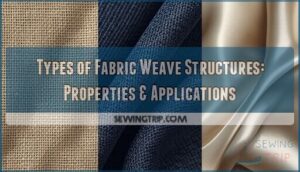
The shirt on your back and the sheets on your bed share something most people never think about—the way their threads cross. That crossing pattern, called a weave structure, decides whether a fabric lasts a decade or falls apart in a year, whether it breathes in summer heat or traps warmth on cold nights.
A plain weave holds tight and wears tough. A satin weave slips smooth against skin. Change the structure, and you change everything the fabric does.
Understanding the types of fabric weave structures gives you a sharper eye for quality, smarter sourcing decisions, and the technical foundation to match the right fabric to the right end use.
Table Of Contents
Key Takeaways
- The way threads cross — plain, twill, or satin — determines everything from how long your fabric lasts to how it feels against your skin.
- Long floats in satin weaves create that silky, light-catching surface, while short floats in plain weaves lock threads tight for durability and breathability.
- Specialized structures like pile, jacquard, and leno go beyond the basics to solve specific problems, whether that’s adding texture, intricate patterns, or open-weave strength.
- Over 70% of fabric failures come from mismatched weave choices — not poor fiber quality — so knowing your weaves is the most practical sourcing skill you can build.
What Are Fabric Weave Structures?
Every piece of fabric you’ve ever touched was shaped by one thing — how its threads were woven together. That interlacement pattern, called a weave structure, controls everything from how strong the fabric feels to how it drapes on your body.
Once you know what to look for, identifying common weave patterns becomes second nature — like reading a quiet language stitched into every cloth.
Here’s what you need to know about the basics.
Definition of Fabric Weave Structure
Think of a fabric weave structure as the blueprint behind every piece of woven textile. It defines how warp and weft yarns interlace — crossing over and under each other at set intervals to create a stable surface.
These yarn interlacement patterns form the foundation of fabric construction, and every weave structure, basic or complex, follows this same core principle of textile design.
Importance in Textile Manufacturing
That blueprint doesn’t just shape how fabric looks — it drives every decision in textile manufacturing. Your weave choice directly affects production planning, cost optimization, and quality control.
A plain weave keeps loom efficiency high and reduces breakages. A jacquard slows output but adds value. Getting this right is what separates smooth woven fabric production from costly, inefficient manufacturing.
Selecting the right weave structure is essential, as it impacts factors like.
Warp and Weft Interlacement Patterns
Every weave structure comes down to one thing: how your warp yarns and weft yarns cross each other. That crossing point — the interlacement — controls everything from fabric stability to surface feel.
Float length determines how smooth or textured the result gets. Short floats mean a firmer grip; long floats give you that silky glide. Weave density and yarn tension fine-tune the rest.
Basic Types of Fabric Weaves
Every fabric you’ve ever touched starts with one of three basic weave structures. These foundational patterns shape how a fabric looks, feels, and holds up over time.
Here’s what you need to know about each one.
Plain Weave
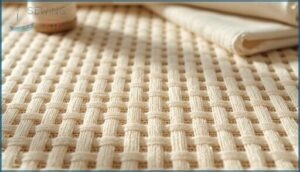
Plain weave is the foundation of woven fabric — the simplest interlacement pattern you’ll encounter. Each warp thread passes alternately over and under each weft thread, creating tight, balanced interlacement patterns that optimize weave stability.
This high thread count and even yarn tension give plain weave fabrics excellent durability and shape retention. Poplin, muslin, and percale are classic examples you’ll recognize immediately.
Twill Weave
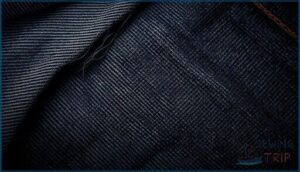
Twill weave takes woven fabric a step further by passing the weft yarn over two or more warp threads before going under — shifting with each row to build those signature diagonal patterns.
Your weave ratio and yarn density control how steep or subtle those lines appear.
The result? Twill fabric with natural flexibility, excellent fabric drape, and real durability — denim being the most familiar example.
Satin Weave
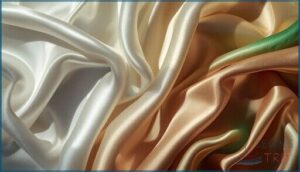
Satin weave flips the script on structure — warp yarns float over four or more threads before tucking under just one, creating that mirror-like shine you can’t get from plain weave or twill weave. This fabric weave keeps interlacements minimal, so satin materials catch light like nothing else.
Here’s what makes satin textiles stand out:
- Smooth, continuous surface that feels seamless against skin
- Luxury fabrics status backed by real structural engineering
- Weave patterns that amplify light reflection for natural brilliance
- Warp yarns precisely tensioned to prevent puckering
Specialized and Advanced Weave Structures
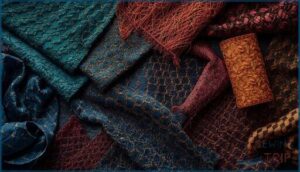
Once you move past the basics, fabric weaves get a lot more interesting. There’s a whole range of specialized structures that go beyond plain, twill, and satin — each built to solve a specific problem or create a distinct look.
Here are the key weave types worth knowing.
Basket and Rib Weave
Basket and rib weaves are two of the most practical fabric weave structures you’ll work with. Basket patterns group two or more yarns together — think a 2×2 or 3×3 arrangement — creating open, breathable fabric texture with a relaxed hand feel.
Rib formation works differently: adjusting weave density through warp rib or weft rib configurations adds firmness and dimension. Smart yarn selection defines everything here.
Leno and Mock Leno Weave
Leno weave is where open weaves get serious. By twisting paired warp yarns around each weft, leno fabric locks threads firmly in place — giving you textile strength without bulk. That’s why it’s used in medical gauze and industrial mesh.
Mock leno weave mimics this open structure through clever weave patterns alone, skipping the twist. Easier to produce, but less stable.
Pile Weave (Velvet, Terry, Velveteen)
Pile weave is where fabric grows a third dimension. You’re not just interlacing warp and weft — you’re adding a third yarn set that loops or stands upright on the surface.
Cut pile gives you velvet’s rich sheen and velveteen textures. Leave those loops intact, and you get terry towelling’s absorbency.
Plush materials take this further with longer, denser pile for upholstery and comfort applications.
Dobby and Jacquard Weave
Think of Dobby and Jacquard as two different levels of weaving ambition. Dobby Mechanism controls up to 32 shafts to produce clean, geometric Fabric Weave Structures. Jacquard Technology takes it further — individually commanding thousands of warp ends for tapestry-level detail.
Key differences in these Weaving Techniques:
- Dobby Weave suits stripes, checks, and simple motifs
- Jacquard Weave manages damasks, brocades, and pictorial designs
- Weave Complexity scales with shaft count and digital control
- Fabric Density is higher in Jacquard, adding weight and richness
- Textile Innovation now links both systems to CAD software
Both Textile Weave Types shape apparel and interiors differently.
Crepe, Honeycomb, and Waffle Weaves
Beyond intricate Jacquard patterns, some Fabric Weave Structures focus purely on texture and function. Crepe Weave creates a crinkled, matte surface with excellent Drape — perfect for dresses and blouses. Honeycomb Weave delivers impressive Absorbency, making it ideal for towels. Waffle Weave traps air for natural Insulation in robes and blankets.
Each Weave Structure offers genuine Textured Surface Uniqueness we can see and feel.
Properties Influenced by Weave Type
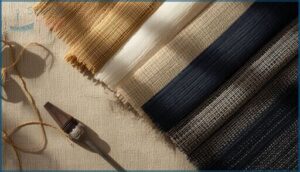
The way a fabric is woven doesn’t just affect how it looks — it shapes how it performs in real life. Everything from how long it lasts to how it feels against your skin comes down to weave structure.
Here’s a closer look at the key properties your weave choice directly controls.
Strength and Durability
Durability in woven fabric doesn’t happen by accident — it’s built into every interlacement decision you make. Yarn tensile strength, interlacement density, and fiber durability all work together to define how long a fabric lasts under real stress. Here’s what shapes material strength most:
- Yarn tensile strength determines how much load your fabric manages before breaking
- Interlacement density limits yarn movement and resists distortion under pressure
- Twill weaves outperform plain weaves in fabric abrasion and surface wear resistance
- Synthetic fibers like polyester and nylon push fiber durability markedly higher than natural options
- Fabric weave structures with balanced tension maintain their fabric properties far longer under repeated use
Texture and Surface Appearance
Strength shapes how long your fabric lasts — but weave structure shapes how it looks and feels. Surface Smoothness varies widely: satin’s long floats enhance Light Reflection, while plain weaves scatter light for a matte finish. Twill’s diagonal Texture Patterns add Visual Depth.
Tactile Sensation follows suit — fabric surface characteristics shift dramatically based on how tightly yarns interlace across the surface texture.
Flexibility, Drape, and Comfort
How a fabric feels against your skin starts with how its yarns move. Yarn Mobility — shaped by Yarn Interlacing patterns — directly controls Fabric Drape and Skin Comfort.
Satin’s long floats allow fluid movement; twill’s diagonal construction offers balanced Elastic Recovery.
Your choice of Fabric Weave and Fabric Construction Techniques ultimately defines how Material Properties translate into real wearing comfort.
Breathability and Moisture Control
Think of your skin as a climate system — it needs air in and moisture out. In woven fabric, yarn interlacing density controls Air Permeability directly.
Plain weaves breathe better than dense satins because their open structure lets Water Vapor escape easily. Looser fabric density also accelerates Moisture Wicking through capillary action.
Fabric Finishes like DWR coatings and absorbency treatments further fine-tune these fabric properties for Thermal Regulation.
Applications of Different Weave Structures
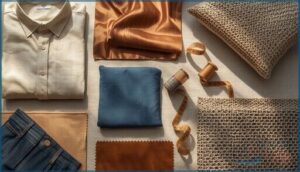
Every weave structure has a job to do — and where a fabric ends up depends almost entirely on how it’s made. From your favorite shirt to the seat cushion you’re sitting on right now, weave choice drives those decisions more than most people realize.
Here’s a look at where different weave structures actually show up in the real world.
Apparel and Fashion Fabrics
Every garment you wear tells a story through its weave. In apparel production, fabric weave choices directly shape how a garment looks, moves, and lasts. Textile innovation keeps pushing what’s possible — from sustainable materials to performance blends.
Here’s how key weaves show up in fashion:
- Twill weave gives denim its diagonal texture and durability.
- Satin weave delivers the glossy finish seen in luxury eveningwear.
- Plain woven fabric forms the backbone of everyday shirts and linings.
- Jacquard weave creates intricate patterns for high-end garment construction.
- Crepe weave suits fluid silhouettes that follow current fashion trends.
Smart fabric sourcing starts with knowing your weave.
Home Furnishings and Upholstery
Your sofa works harder than you think. In home furnishings, the right upholstery fabric weave determines fabric durability, stain resistance, and comfort textures all at once. Twill weave manages heavy traffic well, while satin weave adds elegance to accent pieces.
Woven fabric with tight constructions meets fire safety standards and keeps upholstery materials looking great longer — practical beauty in every thread. For lasting furniture, it’s helpful to understand the importance of.
Technical and Functional Textiles
Technical textiles push weave structure far beyond fashion. In textile engineering, fabric manufacturing processes produce smart fabrics that monitor your heart rate mid-run, protective textiles that stop ballistic impact, and medical textiles like vascular grafts woven from PET.
Technical textiles engineer smart fabrics that monitor heartbeats, stop bullets, and repair human blood vessels
Geotextiles stabilize roadbeds, while sports textiles wick sweat and block UV rays. Material science makes every thread count.
Decorative and Ornamental Uses
Decorative weaves are where textile design principles meet artistry. Jacquard and damask patterns dress up upholstery and table linens, while brocade’s metallic threads turn fabric embellishments into conversation pieces. Tapestry weaving captures pictorial scenes in wool and silk—basically painting with thread.
Whether you’re studying ornamental textile designs or sourcing luxury fabrics, understanding decorative weaves helps you match the right structure to any aesthetic goal.
Frequently Asked Questions (FAQs)
What are the different weave structures?
Think of weave patterns as the DNA of fabric. Plain Weave, Twill Weave, and Satin Weave are the three foundational yarn interlacement structures — each shaping textile strength, fabric elasticity, and surface feel differently.
What are the types of fabric weaves?
Fabric weave patterns fall into three core categories: plain weave, twill weave, and satin weave.
Each weave structure shapes yarn interlacement differently, directly influencing fabric density, texture, and performance in textile science.
What are the 4 methods of fabric construction?
You’ll find four main methods of fabric construction: woven fabrics, knitted textiles, nonwoven materials, braided constructions, and felted fabrics — each using a distinct process to create unique structure, strength, and texture.
What are the different types of woven fabric construction?
Woven textiles take shape through yarn interlacement across three core weave structures — plain, twill, and satin — each driving distinct fabric density, textile strength, and elasticity in the weaving process.
How do weave structures affect fabric care requirements?
Your weave structure quietly dictates every care decision. Twill manages machine washing well, while satin snags easily.
For shrinkage control, wrinkle prevention, stain resistance, and fabric durability, matching yarn interlacing patterns to proper fabric care routines is non-negotiable.
What tools are used to identify weave structures?
You can identify weave structures using a pick glass, optical microscopes, illuminated boxes, fabric software, or AI classifiers — each revealing yarn interlacing patterns with varying detail and precision.
How does yarn type interact with weave structure?
Yarn type shapes every aspect of fabric performance. Your choice of fiber, twist, and surface texture directly influences how warp yarns and weft yarns lock together, affecting weave geometry, yarn interlacing patterns, and overall fabric performance.
Are certain weaves more sustainable or eco-friendly?
Yes — some weaves genuinely outperform others on sustainability. Twill, for instance, sheds the fewest microplastic emissions during washing, making it a smarter choice when eco-friendly materials and environmental impact matter most in sustainable textiles.
Conclusion
Over 70% of fabric performance failures trace back to weave structure mismatches—not fiber quality. That single statistic reframes how you approach every sourcing decision.
The types of fabric weave structures aren’t just a technical classification; they’re the blueprint behind how a fabric moves, lasts, and feels. Once you can read that blueprint, you stop guessing and start choosing with precision.
The right weave, matched to the right application, is where good textile decisions begin.
- https://fashion2apparel.com/principles-of-fashion-design-every-designer-should-know/
- https://www.textileblog.com/features-derivatives-of-twill-weave/
- https://textilelearner.net/sateen-weave-features-classification-uses/
- https://www.texber.com/en/woven-fabric-structure-industrial-applications/
- https://www.fabricsight.com/blogs/posts/understanding-fabric-weaves-plain-dobby-twill-jacquard-crepe-more