This site is supported by our readers. We may earn a commission, at no cost to you, if you purchase through links.
The fabric on your back right now tells a story written in thread—one. Two weaves dominate the textile world: plain weave and twill. Denim, tweed, and chino all owe their character to one of these two foundational structures.
Yet choosing between them without understanding the plain weave vs twill difference is like selecting a tool by its handle alone. Structure determines everything—how a fabric breathes, breaks down, drapes across a shoulder, and survives a decade of hard use.
Knowing which weave fits your purpose turns guesswork into craft.
Table Of Contents
Key Takeaways
- Twill weave’s diagonal structure distributes tension more evenly than plain weave’s rigid grid, making it the smarter choice for anything that needs to survive heavy friction, stress, or daily wear.
- Plain weave is faster and cheaper to produce, which is why it dominates mass manufacturing and cost-sensitive categories like printed shirts and crisp linens.
- The drape difference is real and practical — twill moves with your body, making it ideal for trousers and blazers, while plain weave holds its shape better in structured, fitted garments.
- Neither weave is universally superior; your project’s demands — structure vs. flow, durability vs. economy — should always drive the choice.
Plain Weave Vs Twill Weave: Key Differences
Before choosing between these two weaves, it helps to understand what actually sets them apart at a structural level. The differences aren’t just technical — they show up in how the fabric looks, feels, and performs in real use.
Those structural differences trace back to foundational principles covered in this guide to types of fabric weave structures, which explains exactly how each pattern shapes a fabric’s behavior.
Here’s what you need to know across three key areas.
Weave Structure and Pattern
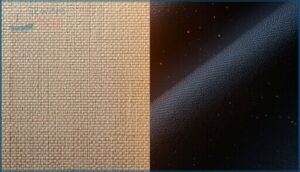
At the heart of every fabric lies a decision that shapes everything else: how the threads cross. In plain weave, each weft thread alternates over and under every warp thread — clean, predictable, locked tight. Twill weave shifts that rhythm, letting weft threads skip over multiple warps before stepping down, creating that signature diagonal in the pattern formation.
| Feature | Plain Weave | Twill Weave |
|---|---|---|
| Weave Pattern | Crisscross grid | Diagonal lines |
| Fabric Construction | 1×1 interlacing | 2×1 or 3×1 float |
| Thread Count Impact | Higher density possible | Moderate density |
| Weaving Techniques | Simple, fast | Complex, slower |
| Textile Design Flexibility | Minimal | High |
Visual Appearance and Texture
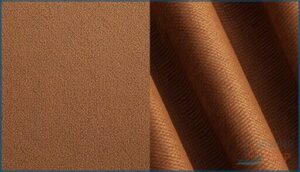
Once the structure is set, the fabric starts telling its story through what you can see and feel on the surface. Plain weave delivers flat, uniform textile surfaces — clean and grid-like. Twill weave effects create visible diagonal lines with noticeable texture and softer drape.
| Feature | Plain Weave | Twill Weave |
|---|---|---|
| Surface Finish | Smooth, matte | Subtly ridged |
| Thread Visibility | Even, symmetrical | Diagonal float visible |
Common Fabric Examples
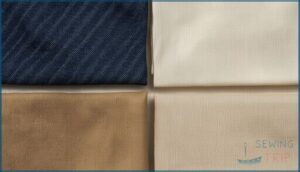
Those surface qualities you just explored don’t exist in a vacuum — they show up every day in the fabrics you already know by name. Your clothing choices and material selection both hinge on understanding these weave patterns.
| Fabric | Weave Type |
|---|---|
| Denim | Twill Weave |
| Cotton Poplin | Plain Weave |
| Chino | Twill Weave |
| Muslin | Plain Weave |
Recognizing these fabric types sharpens your textile uses instincts immediately.
Once you understand the basics, diving deeper into fabric fiber types for sewing makes every project decision feel a lot more confident.
Strength and Durability Comparison
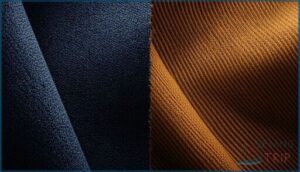
Regarding fabric, strength isn’t just about how thick the threads are — it’s about how they work together under pressure.
Twill and plain weave take very different approaches to holding up over time, and those differences matter more than most people realize.
Here’s how they compare across the factors that actually count.
Thread Interlacing and Tension Distribution
The way threads lock together under tension isn’t just a technical footnote—it’s the hidden architecture that determines whether your fabric holds up or falls apart.
In plain weave, every thread interlacing point creates maximum weave density, spreading thread tension evenly across a tight grid. Twill weave shifts that load diagonally, improving fiber alignment and overall fabric stability.
| Property | Plain Weave | Twill Weave |
|---|---|---|
| Interlacing Patterns | Every thread crosses | Diagonal float sequence |
| Thread Tension | Evenly distributed | Diagonally dispersed |
| Fabric Stability | Rigid, structured | Flexible, resilient |
Resistance to Wear and Tear
Durability isn’t luck—it’s weave geometry. Twill’s diagonal float sequence gives yarns room to absorb friction, delivering abrasion resistance that plain weave simply can’t match. Lab tests confirm twill denim survives 20,000+ Martindale rub cycles; plain cotton fails before 15,000.
Twill’s diagonal geometry outlasts plain weave by thousands of friction cycles — durability is architecture, not accident
| Property | Plain Weave | Twill Weave |
|---|---|---|
| Abrasion Resistance | Wears faster | Exceeds 20,000 cycles |
| Fraying Prevention | Moderate | Excellent |
| Wrinkle Resistance | Lower | Higher |
Suitability for High-stress Applications
When your fabric faces real punishment—heavy loads, constant friction, relentless movement—twill weave is the one you want in your corner. Its diagonal structure distributes tensile strength across longer yarn runs, which is exactly why it dominates heavy-duty workwear and upholstery. Performance tests and wear analysis consistently confirm what textile engineers already know: twill holds up where plain weave taps out.
| Fabric Property | Plain Weave | Twill Weave |
|---|---|---|
| Tear Resistance | Moderate | High |
| Wrinkle Resistance | Low | Excellent |
| Stress Resistance | Limited | Excellent |
Flexibility and Drape Characteristics
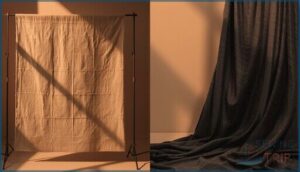
How a fabric moves — and how it doesn’t — tells you a lot about where it belongs. Twill and plain weave behave very differently once they’re off the loom and on a body or frame.
Here’s what you need to know about how each one manages flexibility and drape.
Fabric Pliability and Softness
Pliability is where twill quietly outperforms plain weave in ways you’ll feel before you ever see them. Twill’s diagonal structure allows internal fiber mobility that plain weave simply can’t match — its rigid crisscross locks threads in place, limiting structural bending and tactile softness comparison.
- Twill Weave: enhanced drapability and texture flexibility
- Plain Weave: firmer hand, minimal give
- Internal Fiber Mobility: higher in twill, lower in plain
- Tactile Softness: twill wins consistently
Drape Qualities for Garments
Drape isn’t just aesthetics — it’s the invisible architecture that determines whether a garment moves with your body or fights against it.
Twill weave facilitates fluid fabric movement and elegant garment silhouettes because its diagonal structure lets threads shift naturally under tension.
Plain weave, by contrast, delivers structured clothing form — reliable and composed, but don’t expect it to flow.
Best Uses Based on Drape
Once you understand how a fabric moves, you can stop guessing and start choosing with intention. Twill weave’s natural drapability makes it the go-to for fluid garment silhouettes — think trousers, blazers, anything where textile movement matters.
Plain weave’s fold resistance and structured fabric flow suit fitted shirts and crisp linens. Match your drape styles to the garment’s purpose, and the right choice becomes obvious.
Production Process and Cost Factors
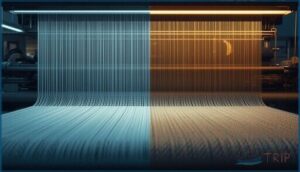
How a fabric gets made shapes everything from its price tag to how it holds up on a production floor. Twill and plain weave follow very different paths from loom to finished cloth, and those differences add up fast when you’re working at scale.
Here’s what you need to know about weaving complexity, cost, and what each choice means for large-scale manufacturing.
Weaving Complexity and Speed
Behind every yard of twill lies a weaving process that demands markedly more time and mechanical precision than its plain weave counterpart. Each weft thread must pass over multiple warp threads to create that signature diagonal — slowing the fabric production process considerably.
Plain weave, by contrast, is weaving at its most efficient: one over, one under, repeat. When manufacturing time matters, plain weave wins on speed, hands down.
Cost Implications of Each Weave
Speed isn’t the only place twill pays a premium. Raw material costs run higher too — twill often needs finer, higher-twist yarns and heavier fabric weights, which directly inflate production overheads. Plain weave keeps textile manufacturing lean.
Here’s where the cost gap actually shows up:
- Raw Material Costs — Twill consumes more fiber per meter
- Labor Expenses — Complex shedding means more inspection time
- Finishing Costs — Denser twills absorb more chemicals during processing
- Market Pricing — Plain weave suits cost-sensitive categories; twill commands premiums in denim and workwear
If you’re interested in technical comparisons, you can learn more about the difference between the two weaves.
Impact on Large-scale Manufacturing
Those cost differences don’t just affect your budget line — they ripple through every stage of large-scale manufacturing, from loom setup and machine downtime to quality control and output volume.
Plain weave dominates mass production lines because its straightforward weaving techniques keep factory efficiency high and supply chain demands predictable.
Twill’s complex material properties slow industrial output, raising manufacturing costs that clothing manufacturing operations feel deeply across every SKU.
Best Applications for Each Weave
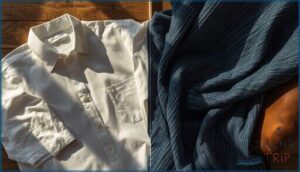
Knowing how each weave behaves is only half the equation — the real skill is matching that behavior to the right job. Whether you’re working on a garment, furnishing a room, or sourcing fabric for a specific project, the choice between plain and twill weave makes a bigger difference than most people expect. Here’s where each one actually earns its place.
Apparel and Fashion Uses
Your choice of weave shapes everything in apparel. Plain weave’s crisp structure makes it a go-to for shirts, summer clothing, and printed garments — a clean canvas for bold fashion design.
Twill weave, meanwhile, dominates garment construction where durability counts: denim, uniforms, custom blazers.
As textile innovation expands both categories, your style preferences and clothing comfort needs should always drive the decision.
Home Textiles and Upholstery
Beyond the wardrobe, the same weave logic shapes what you bring into your living room — from the upholstery on your sofa to the curtains framing your windows. Your fabric selection here carries real consequences for both durability and style in home decor.
- Sofas & armchairs — Twill weave upholstery resists daily friction better, making it the smarter furniture design choice.
- Curtains & drapes — Plain weave textiles offer clean lines and easy textile care.
- Throw pillows — Twill’s diagonal texture adds depth aligned with current upholstery trends.
- Table linens — Plain weave fabric stays crisp and structured wash after wash.
- Rugs & runners — Twill weaving withstands foot traffic without breaking down quickly.
Choosing The Right Weave for Your Project
Every project tells you what it needs — you just have to know how to listen. Smart project planning means letting fabric properties guide your material choice — not the other way around.
Your fabric selection starts with honest weave analysis: does your project demand structure or flow? Plain weave suits crisp, fitted work; twill weave wins where durability and drape matter.
Frequently Asked Questions (FAQs)
Which is stronger, plain weave or twill weave?
Twill weave wins on strength. Its diagonal structure distributes tension more evenly, improving fabric tensile performance under stress testing.
Higher weave density means twill outlasts plain weave where durability and material selection truly matter.
What is the difference between weave and twill?
Plain weave interlaces threads in a simple over-under grid, while twill shifts that sequence diagonally. The result? Two distinct fabric structures with different densities, yarn properties, and material selection outcomes.
What are the disadvantages of plain weave fabric?
Plain weave has real drawbacks: limited stretch, poor drape, weak seams, and fraying issues under stress.
Its low durability and rigid fabric properties make it a poor fit for high-movement or heavy-wear applications.
How do plain and twill weaves affect dyeing results?
Your weave structure directly shapes dyeing results. The open interlacing of plain weave allows even color absorption, while twill’s diagonal float facilitates deeper dye penetration, producing richer, more saturated tones with enhanced textile finishing.
Which weave works best for outdoor fabric use?
If you’re outfitting gear to survive a hurricane, plain weave’s tight structure gives you the UV Protection and Fabric Breathability you need, while Twill Weave delivers enhanced Outdoor Durability and Weatherproofing for demanding Outdoor Gear.
Can twill and plain weaves be blended together?
Yes, hybrid weave techniques can blend both structures into a single fabric. These blended fabrics combine plain weave stability with twill weave flexibility, creating interwoven textures and mixed patterns that serve composite materials applications beautifully.
How does thread count impact each weave type?
Thread count shapes how both weaves perform. Higher thread density tightens plain weave’s grid, reducing fabric breathability but boosting stability.
In twill weave, increased thread count enhances drape and stitch complexity without sacrificing yarn quality.
Which weave is better for sensitive or allergy-prone skin?
For sensitive skin, plain weave wins — its tight, breathable structure minimizes textile allergens and skin irritation.
If allergy testing matters to you, this fabric’s hypoallergenic quality in plain weave beats twill’s coarser texture every time.
Conclusion
Like choosing between a scalpel and a chisel, understanding the plain weave vs twill difference comes down to matching the tool to the task.
Plain weave delivers structure, breathability, and cost efficiency where precision matters. Twill brings durability, drape, and diagonal character where performance takes priority.
Neither weave wins outright—the right one depends entirely on what you’re building and how long it needs to last. Choose with intention, not assumption.
- https://austinpublishinggroup.com/textile-engineering/fulltext/arte-v2-id1018.php
- https://www.marketresearchintellect.com/blog/twill-fabric-market-weaves-growth-essential-in-modern-manufacturing/
- https://reports.valuates.com/market-reports/QYRE-Auto-21F10712/global-twill-fabric
- https://www.nitprocomposites.com/blog/carbon-fiber-weaves-and-their-impact-on-performance
- https://www.jiexiangtextile.com/news/cotton-twill-fabric-cost-per-meter-for-various-qualities-and-designs.html