This site is supported by our readers. We may earn a commission, at no cost to you, if you purchase through links.
Store-bought gear fits most people adequately—and almost nobody perfectly.
A pack that rides too high, a stuff sack that’s two inches too wide for your bear canister, and a vest with pockets in all the wrong places.
Outdoor athletes have been solving this problem with needle and thread for decades, long before “maker culture” gave it a name.
Sewing patterns for outdoor gear put you in control of fit, fabric weight, and function in ways no catalog ever could.
Whether you’re cutting ripstop for your first drawstring daypack or bonding seams on a custom bikepacking bag, the right patterns and materials make the difference between gear that holds up and gear that lets you down at mile forty.
Table Of Contents
Key Takeaways
- Choosing the right fabric denier and coating — like 210D for daypacks or PU‑coated 70D nylon hitting 5,000 mm waterproofing — directly determines how long your gear holds up in real conditions.
- Starting with beginner projects like a drawstring daypack or dopp kit builds the foundational skills you’ll need before tackling technical gear like saddlebags or ultralight vests.
- Bonded seams and seam tape aren’t optional finishing touches — they’re what separates gear that survives mile forty from gear that fails there.
- Custom‑sewn outdoor gear isn’t just about fit; it puts every decision — pocket placement, fabric weight, hardware choice — in your hands instead of a stranger’s best guess.
Essential Tools and Materials for Outdoor Gear Sewing
Before you cut a single piece of fabric, you need the right tools and materials in your corner. Outdoor gear demands more than a basic sewing kit — it takes technical fabrics, sturdy hardware, and patterns built for real conditions.
A solid starting point is knowing what fabrics and notions actually work for outdoor sewing projects before you commit to a pattern.
Here’s what you actually need to get started.
Must-Have Sewing Tools for Outdoor Projects
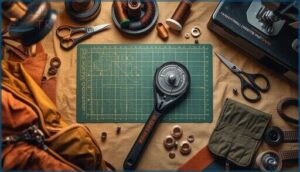
The right sewing tools make or break your outdoor gear making results. Don’t fight your materials — equip yourself properly from the start.
- A walking foot feeds ripstop nylon evenly without shifting
- A grommet press sets hardware cleanly on pack flaps
- A rotary cutter slices straight edges fast on a self‑healing mat
- Precision scissors and thread snips handle detail work cleanly
For lasting seams, consider using UV‑resistant V‑69 thread.
Choosing Technical Fabrics for Durability
Fabric choice shapes how long your gear lasts in the field.
Ripstop grid strength comes from thicker threads woven every 5 to 8 mm — stopping tears before they spread.
Denier rating impact is real: 210D supports daypacks, while 420D works better for bases.
For UV resistance, polyester holds 90% strength after 1,000 hours of sun exposure.
Your coating and waterproofing options matter too — PU coatings hit 5,000 mm hydrostatic head on 70D nylon.
For heavy‑duty use, consider high‑denier Cordura fabric.
Selecting Hardware for Outdoor Gear
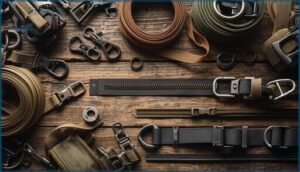
Once you’ve picked your fabric, hardware is what holds everything together.
For DIY gear, zipper types matter. Nylon coil supports curves well, while separating zippers work better on vests.
Buckle options like side-release give you real control over fit. Ladder-lock also provides control.
Webbing strength and cord lock choices affect how your load is carried.
Plastic stays light. Metal supports more weight.
Sourcing Patterns and Supplies Online

Good gear starts with good sourcing. Here’s where to find what you need:
- Digital Pattern Marketplaces, like Etsy and Stitchback Gear offer DIY outdoor gear downloads instantly.
- Free Pattern Downloads from Shelby Outdoor include hats, tights, and base shirts.
- Supplier Comparison Guides help you weigh options across Quest Outfitters and Seattle Fabrics.
- Bulk Fabric Discounts at Fabric Wholesale Direct stretch your sewing budget further.
Beginner-Friendly Outdoor Gear Sewing Patterns
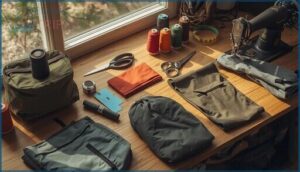
Starting simple is the smartest move you can make. These beginner patterns build real skills without overwhelming you on your first project. Here are four great places to start.
DIY Drawstring Daypack Pattern
The drawstring daypack is one of the best DIY outdoor gear starting points. Cut your main body to 15 by 34 inches, then fold the top edge to build a clean casing construction.
Position your pocket placement 7 inches below the casing.
Finish seams with a serger or zigzag.
Adjust cord length between 55 and 65 inches for the right weight distribution and fit.
Simple Travel Dopp Kit Tutorial
Travel Dopp Kit is one of the most satisfying DIY outdoor projects you can tackle. Cut your outer and lining panels to 16‑by‑10 inches, then follow the Box Corner Technique to add real depth.
Zipper Placement along the long edge keeps everything accessible. Handle Attachment loops through the zipper ends.
These sewing patterns make outdoor gear crafting genuinely approachable.
Easy Sleeping Bag Pillow Sewing Guide
Building a sleeping bag pillow is one of the most rewarding DIY outdoor projects for weight-conscious hikers.
Your fabric cutting layout starts with two 14-by-18-inch ripstop nylon pieces and one flannel piece.
French seam details lock in raw edges so nothing frays on trail. Boxed corner loft adds real depth.
Drawcord channel tips help you thread paracord cleanly. Weight optimization lands at 1.8 ounces — practically nothing.
Basic Dog Collar and Bowl Patterns
Your dog deserves gear as trail-ready as yours. The Basic Dog Collar pattern includes a Collar Sizing Guide covering XXS through XL — a 4-by-18-inch cut fits most medium necks. Assembly Steps are straightforward: fold, press, topstitch, attach hardware.
For Bowl Waterproofing, beeswax treatment on a 12.5-inch cotton square keeps water in. These DIY Sewing projects are some of the best beginner Outdoor Gear Sewing Patterns available.
Advanced Patterns for Custom Outdoor Equipment
Once you’ve got the basics down, it’s time to build gear that actually fits how you move and what you carry.
These sophisticated patterns push your skills further — think structured bags, technical outerwear, and ride-ready accessories.
Here’s what you can tackle next.
Packlite Vest and Belt for Ultralight Adventures
The Packlite Vest and Belt patterns are built for one thing: keeping you moving light and fast on the trail. Smart Sizing Strategies and body-mapped Panel Construction mean the fit actually works. These DIY Sewing Projects cover the full system:
- Six vest sizes with Adjustable Straps for bounce-free fit
- Storage Zoning across front pockets for gels, flasks, and keys
- Belt sizing from 28–40 inches with Weight Distribution in mind
- Stretch fabrics and Ultralight Equipment design throughout
Porter Duffle and Day Pack Sewing Patterns
The Porter Duffle packs serious Capacity Optimization into two sizes — 35L for carry-on travel and 45L for longer hauls. Convertible Straps let you switch from duffle to backpack in seconds.
Smart Zipper Placement gives you full top access, fast. These DIY Sewing Projects use Pattern Scaling so both sizes share the same cut logic. Lining Choices like 200D pack cloth finish the Custom Gear cleanly.
Cascade Bicycle Saddlebags Tutorial
Once your duffle is done, wheels call next. The Cascade Bicycle Saddlebags pattern is a solid MYOG Tutorials project for cyclists who want real Rack Compatibility and smart Load Distribution.
Each bag measures 12×10×6 inches — 720 cubic inches total. Key features:
- Waterproofing Techniques using PU-coated nylon
- Reflective Trim Options for night riding
- Quick-Release Mechanisms via side-release buckles
- Technical Fabrics like 1000-denier Cordura at contact points
Alpha Raglan Hoodie and Skyline Sun Hoodie
From saddlebags to wearables — your skill set is ready for apparel now.
The Alpha Raglan Hoodie and Skyline Sun Hoodie are two standout Sewing Patterns for Technical Apparel and Sustainable Outdoor Gear.
| Feature | Details |
|---|---|
| Hood Variants | Balaclava or open-neck style |
| Sleeve Design | Raglan cut, full range of motion |
| Fit Grading | XXS–XL, 10 sizes |
| UV Protection | Skyline built for sun-exposed days |
Both patterns handle Fabric Handling challenges for Outdoor Apparel confidently.
Tips for Sewing Technical Fabrics and Bonded Seams
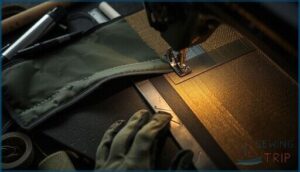
Technical fabrics behave differently than regular cloth — they don’t forgive mistakes the same way.
Knowing a few key techniques will save you hours of frustration and help your gear actually hold up in the field. Here’s what you need to know before you start cutting and stitching.
Working With Ripstop, Nylon, and Polartec
Each fabric calls for a different approach.
For ripstop, needle selection matters — use a 70/10 sharp to pierce cleanly without snagging the weave. Thread compatibility is just as critical; stick with polyester or bonded nylon.
Polartec needs longer stitch lengths to prevent puckering.
clips and a walking foot for fabric holding, and follow grid lines for clean cutting techniques.
Mastering Bonded Seams at Home
Seam tape selection makes or breaks your outdoor gear. Once your seams are sewn, follow these steps:
- Trim half the seam allowance to cut bulk
- Center tape sticky-side down over the stitch line
- Press with iron temperature settings at 140°C using parchment paper
- Roll firmly for bubble‑free application
Test curved seam techniques on a tailor’s ham. Flex sealed areas 50 times — that’s your durability testing.
Handling Corners, Curves, and Stretchy Knits
Corners and curves can make or break a build. For sharp bases, Boxed Corner Construction means cutting small squares from panel corners, aligning seams, and sewing straight across. The Pivot Corner Technique keeps your needle down at turns — lift, rotate, continue. Clipping Curved Seams every quarter‑inch prevents puckering.
Sharp corners demand a needle that never lifts; precise pivots and quarter-inch clips separate clean builds from collapsing ones
For stabilizing stretch‑yknits like Polartec, Stretch Stitch Selection matters: a 2.5‑width zigzag moves with the fabric instead of fighting it.
Ensuring Weather Resistance and Durability
Weather resistance starts with the right seam sealing strategy. Use silicone‑based sealers on silnylon and urethane sealants on PU‑coated technical fabrics — they’re not interchangeable. For long‑term durability in your custom gear design, focus on three things:
- DWR maintenance: Restore repellency with wash‑in treatments when water stops beading
- UV‑resistant threads: Use bonded polyester to prevent sun degradation at reinforced stress points
- Protective coating care: Skip harsh detergents to preserve PU layers
Top Products for Sewing Outdoor Gear
The right products make a real difference when you’re building your own outdoor gear. Whether you’re just starting out or leveling up your skills, having good references and quality patterns saves time and frustration.
Here are some top picks to help you get the job done.
1. Outdoor Sewing Guide for Seamsters
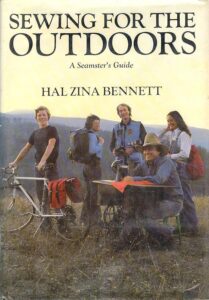
The Outdoor Sewing Guide for Seamsters is a compact, no-nonsense reference published by Clarkson N. Potter. It covers outdoor clothing and gear like jackets, packs, and hats with a focus on durability and weather resistance. It is built for sewists who already know basic machine operation but want targeted advice for technical fabrics.
The guide walks you through tools, seam types, and fabric selection in plain language. At 157 pages, it is dense with practical instruction — not fluff.
| Best For | Beginner to intermediate sewists who want to make rugged outdoor gear like motorcycle luggage, packs, and jackets using straightforward, practical techniques. |
|---|---|
| Skill Level | Beginner to Experienced |
| Language | English |
| Country of Origin | USA |
| Format | Print Book |
| Instructions Included | Yes |
| Project Types | Outdoor Gear |
| Additional Features |
|
- Covers the full process from fabric selection to seam types in plain, easy-to-follow language
- Great for new sewers working with vintage machines — no fancy equipment required
- At 157 pages, it stays focused and practical without a lot of filler
- Published in 1980, so some materials and techniques may be hard to find or outdated
- High price tag of $84.95 is tough to justify, especially for a beginner
- Some buyers have reported receiving the wrong book, so double-check your order.
2. Vogue Women’s Shirt and Pants Pattern
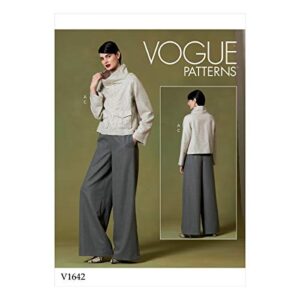
The Vogue V1642Y pattern gives you two shirts and a pair of pants in one envelope — solid value if you’re building a lightweight travel wardrobe from scratch.
The shirts feature a zippered collar and pleated underlay, which works surprisingly well for layering over base tops on cooler days. Pants use an elasticized back waist and side seam pockets for easy movement.
Sizes run 4–14, and the instructions are beginner-friendly.
Swap in quick-dry fabrics and you’ve got a functional outdoor outfit.
| Best For | Beginner sewers who want to build a simple, versatile wardrobe with relaxed-fit tops and easy-wear pants. |
|---|---|
| Skill Level | Beginner Friendly |
| Language | English |
| Country of Origin | USA |
| Format | Physical Pattern |
| Instructions Included | Yes |
| Project Types | Shirts and Pants |
| Additional Features |
|
- Two shirts and a pair of pants in one package — great value for one purchase
- Beginner-friendly instructions make it approachable if you’re just starting out
- Elasticized waist and side pockets on the pants keep things practical and comfortable
- Sizes only go up to 14, so it won’t work for everyone
- You’ll need to source your own fabric and supplies separately
- The designs are pretty relaxed and simple, so experienced sewers may find them too basic
3. Tailoring Book Measuring Cutting Fitting Altering Finishing
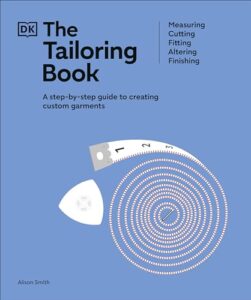
Think of this book as the tailoring mentor you never had. The Tailoring Book by Alison Smith MBE packs 304 pages of practical knowledge into one reference you’ll reach for again and again.
It covers 80+ techniques — measuring, cutting, fitting, altering, and finishing — plus 10 full garment projects with downloadable patterns. Whether you’re adjusting a jacket for better mobility or building trousers from scratch, this guide works for all skill levels. It’s thorough without being overwhelming.
| Best For | Anyone who wants to learn tailoring from the ground up or sharpen existing skills — especially those who love making or altering business-style clothing that actually fits. |
|---|---|
| Skill Level | All Skill Levels |
| Language | English |
| Country of Origin | USA |
| Format | Print Book |
| Instructions Included | Yes |
| Project Types | Shirts, Jackets, Coats, Trousers |
| Additional Features |
|
- Covers everything from basic cuts to couture techniques, so you won’t outgrow it as you improve
- Downloadable patterns make the 10 garment projects easy to follow without guesswork
- Works for both womenswear and menswear, making it a rare all-in-one reference
- All text and photos — if you learn better from video or hands-on instruction, it might feel limiting
- At over 3 pounds and 304 pages, it’s a deep dive, which can feel like a lot for casual hobbyists
- The facts suggest some users may find certain sections incomplete or harder to follow without additional context
Frequently Asked Questions (FAQs)
How do I waterproof seams on finished gear?
Seams are your gear’s weak spots. Use heat-activated tape or liquid sealant inside seams.
Clean with isopropyl alcohol first. Iron tape at low heat for six seconds per section.
Let sealant cure 8–12 hours.
What stitches work best for load-bearing straps?
For load-bearing straps, use a box X stitch or diamond stitch. Both spread stress evenly and hold thousands of pounds. Aim for 8–12 stitches per inch with bonded nylon thread.
Can I modify patterns for kids sizing?
Yes, you can. Kids’ proportions differ from adults, so don’t just scale down.
Focus on chest and height measurements first. Use the slash-and-spread method to adjust torso length without distorting the armscye.
How do I repair worn outdoor gear at home?
Most repairs start with Tenacious Tape. Cut patches slightly larger than the tear, round the corners, and press firmly.
For straps, backstitch with heavy thread. Clean surfaces first with isopropyl alcohol.
Conclusion
Store-bought gear fits a body type. Your gear fits your body.
That’s the real difference sewing patterns for outdoor gear makes—not just in millimeters, but in miles.
You chose the fabric. You set the pocket placement. You bonded the seams.
When something fails at mile forty, it won’t be because a stranger guessed your proportions.
Every stitch you put in is a decision you made.
That’s not just a kit. That’s craft.
- https://www.stitchbackgear.com/patterns/stitchback-cnyn3
- https://www.threadsmagazine.com/2023/11/14/pattern-roundup-sewing-patterns-for-outdoor-gear
- https://www.seamwork.com/sewing-tutorials/how-to-sew-a-rain-jacket
- https://siemachtsewingblog.com/2021/04/sewing-outdoor-clothing/
- https://www.myogtutorials.com/myog-fabrics/