This site is supported by our readers. We may earn a commission, at no cost to you, if you purchase through links.
Fabric stores charge anywhere from $15 to $40 for a single commercial apron pattern—which feels a little ridiculous when you can find free apron sewing patterns printable from your home computer in under five minutes.
Sewists figured this out years ago, and now there’s a massive collection of community-shared designs floating around online, covering everything from a quick half apron cut from fat quarters to a fully adjustable cross-back chef’s apron built to last.
Whether you’re protecting your clothes from pasta splatter or outfitting a tiny kitchen helper, the right pattern is already out there waiting.
This guide rounds up the best styles, fabrics, and free printable resources so you can skip the searching and get straight to cutting.
Table Of Contents
Key Takeaways
- You can skip the $15–$40 price tag on commercial apron patterns — hundreds of free printable styles (bib, half, smock, pinafore) are just a download away.
- Fabric choice makes or breaks your apron, so go with cotton or canvas for everyday use, denim for durability, or fat quarters if you want budget-friendly and beginner-friendly in one.
- A little prep goes a long way — always prewash your fabric, read the full tutorial before cutting, and double-check your seam allowances so nothing surprises you mid-sew.
- Aprons aren’t just for the kitchen — the right style works for gardening, crafting, grilling, and even kids’ projects, so it’s worth picking a pattern that fits how you’ll actually use it.
Free Apron Patterns
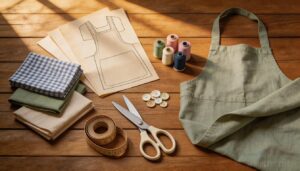
Finding the right apron pattern really comes down to knowing your options. There are a few main styles, and each one works better for different projects and people.
If you’re just starting out, a simple beginner-friendly apron sewing pattern that uses just one yard of fabric is a great place to begin.
Here’s a look at the patterns worth knowing about.
Bib Apron Patterns
A good bib apron pattern is basically your best kitchen companion. It covers you from chest to mid‑thigh, and a free bib apron pattern makes starting even easier. Most free apron patterns come as a printable apron pattern PDF sized for kids to adults.
Here’s what to look for:
- Fabric grain runs parallel to the longest edge for stability
- Pocket height sits about 4 inches below the top edge
- Tie lengths range from 40–60 inches for a flexible fit
- Bias binding finishes raw edges cleanly
- Adjustable back ties tailor the fit without fuss
Grab a free printable apron pattern PDF and get cutting. For a beginner-friendly option, see the free baby apron pattern tutorial.
Half Apron Patterns
Half apron patterns are a natural next step after mastering the bib style. These start at your waist and stop around mid-thigh — great skirt length options for moving freely while you cook or craft. Most free printable apron pattern PDFs print on standard letter paper, so just tape, cut, and sew.
Skirt length, pocket placement ideas, and curved hem styling all vary by pattern, so pick what fits your vibe.
- Simple gathered waist apron with wraparound ties for waist tie adjustability
- Retro half apron style with decorative trims and divided pockets
- One-yard utility version — perfect quick sew projects for DIY apron projects for beginners
Pinafore Apron Patterns
Ready to skip the neck strain? Cross-back pinafore apron patterns solve that quickly. No ties, no fuss — just slip on and go. Most free printable apron pattern PDFs use about 2 yards and include an adjustable strap slider for a custom fit.
| Feature | Beginner Pick | Expert Pick |
|---|---|---|
| Silhouette | A-Line Skirt Silhouette | Fitted bodice with pleats |
| Bib | Interfacing Bib Reinforcement | Shaped with darts |
| Hem | Simple straight hem | Heirloom Hem Finish |
| Color | Retro Color Scheme | Contrasting topstitching |
Browse any free apron sewing pattern collection and you’ll find free printable apron patterns for beginners with sizing charts included.
Smock Apron Patterns
Smock apron patterns take messy projects seriously.
Think painting, pottery, or any craft where you basically become the canvas.
Free printable apron patterns in this style feature a pleated bib design, wide shoulder straps, and ventilation side slits for easy movement.
Most pattern PDF downloads cover toddler through adult sizing.
Add adjustable back ties for a custom fit, and reinforced pocket stitching keeps your tools secure all day.
DIY apron projects don’t get more practical than this.
Apron Sewing Basics
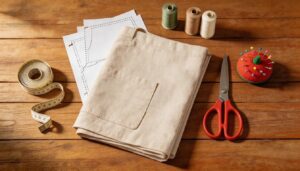
Before diving into your first DIY apron project, a few basics will save you a lot of frustration.
Free apron patterns are straightforward — but only if you prep right. Grab your machine, sharp scissors, measuring tape, and good-quality thread before you even open that printable apron pattern PDF.
Here’s what to do first:
- Read the whole sewing tutorial before cutting anything — pocket and tie steps make more sense in context.
- Plan your pattern layout carefully on the fabric to avoid wasting material and keep grain lines straight.
- Know your seam allowance tips — most apron sewing basics call for ¼ to ⅝ inch, so check your pattern section by section.
Edge finishing techniques like bias binding or a rolled hem keep things neat. Fit adjustments and thread selection matter too, but prep is where it all starts.
Choosing Apron Fabric
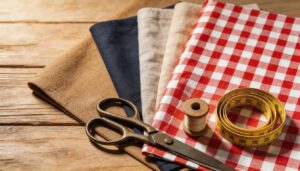
The fabric you pick makes or breaks your apron — it affects how long it lasts, how it feels, and how easy it is to sew. Not every material works the same way, so it helps to know what you’re working with before you cut a single piece.
Here are the best options to keep in mind.
Cotton Fabric
Cotton is honestly one of the best fabrics for your first DIY apron. It’s easy to cut, sews smoothly, and manages dye absorption like a champ — so your colors stay bright wash after wash.
Go for 8–12 oz weight for real durability. Always cotton shrinks up to 10%, and nobody wants a surprise.
Longer fiber length impact means softer, stronger fabric. Mercerization benefits include extra luster and richer color.
Organic cotton choice is worth it if sustainability matters to you. Free apron patterns and every pattern PDF download will recommend it first.
Canvas Fabric
Canvas fabric is the workhorse of DIY apron projects — tough, reliable, and genuinely satisfying to sew. Duck cloth hits 10–12 oz/yd², making it one of the best canvas weight options for free apron patterns that actually hold up. Before cutting, canvas pre‑treatment matters: prewash to prevent shrinkage and iron flat. Here’s why it works so well for apron sewing basics:
- Tight plain weave resists tearing and abrasion
- Canvas stitching methods stay clean — straight seams hold beautifully
- Canvas care tips are simple: gentle wash, air dry, done
Canvas dyeing techniques using fiber‑reactive dyes give bold, lasting color too.
Denim Fabric
Denim is low-key one of the best fabrics you can grab for DIY apron projects. Its twill-based denim weave structure gives you that built-in durability — diagonal ribbing that resists tearing better than a plain weave.
Stick to 8–9.5 oz denim fabric for aprons; heavy enough to last, light enough to actually wear.
Always do denim colorfastness testing before sewing — run a wet scrap against white cloth.
Darker blends win every time.
Tons of free apron patterns and free printable apron sewing patterns collections, even include an upcycled denim apron tutorial.
Perfect starting point.
Fat Quarters
Fat quarters are a beginner’s best friend. Each piece measures 18" x 22" — wide enough for smart layout planning without the bulk of full yardage.
They’re genuinely budget-friendly fabric, perfect for color palette testing before committing to a whole bolt. Mix a few prints for patchwork efficiency, or use small print utilization tricks to cut pockets and ties with zero waste.
Many free printable apron sewing pattern collections include a reversible fat quarter apron with pom pom trim — great for DIY apron projects for beginners and experienced sewers alike.
Apron Pattern Types
Apron patterns come in way more styles than you’d expect. Whether you’re drawn to something sleek and simple or fun and a little unexpected, there’s a design that fits your vibe.
Here are four pattern types worth knowing about.
Modern Apron Patterns
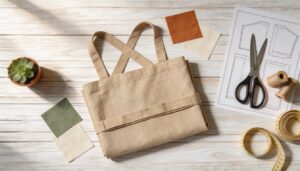
Modern apron patterns have come a long way from grandma’s kitchen. Today’s free apron patterns lean into minimalist silhouettes, neutral color palettes, and smart details that actually work for you. Think cross‑back closures instead of neck ties, asymmetrical hems for a fresh profile, and tool loops for your spatula or scissors.
Here’s what makes modern apron patterns stand out:
- Patchwork motifs turn scrap fabric into something stylish.
- PDF pattern downloads print at home in minutes.
- Reversible construction gives you two DIY apron projects in one.
Vintage Apron Patterns
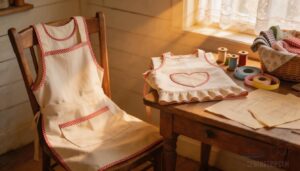
If modern apron patterns feel a little too sleek, vintage apron patterns bring real warmth back to your sewing table. Think full bib silhouettes from the 1940s, gathered half‑apron skirts, and Era‑Specific Silhouettes that tell a story. Historical Pocket Styles — heart‑shaped or wide squares — were both pretty and practical.
- Mid‑Century Fabrics like cotton calico and gingham are easy to find today
- Bias Binding Techniques give necklines a clean, authentic finish
- Free downloadable PDF patterns include Pattern Preservation Tips so reprints stay sharp
Holiday Apron Patterns
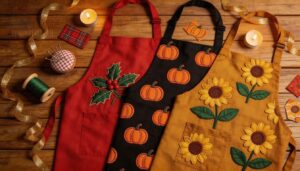
Holiday apron patterns are where sewing gets genuinely fun. Swap in Christmas reds and greens, Halloween’s black-and-orange combo, or Thanksgiving’s warm harvest tones — and a basic bib pattern becomes a gift people actually use.
Free downloadable PDF patterns often include Metallic Thread Accents, Holiday Embroidery Designs, and Glitter & Slogan Details for New Year styles. Festive Color Palettes and Seasonal Motif Ideas make these free apron patterns worth printing every single season.
Novelty Apron Patterns
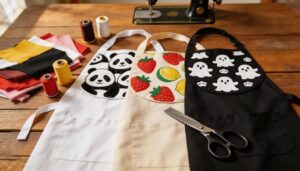
Novelty apron patterns are basically where personality meets practicality.
You can find free apron patterns featuring Animal Motifs like cats and pandas, Food Themes with fruits or treats, and Pun Graphics printed right across the chest.
Pop Culture Prints — think cartoon characters or meme references — make great DIY apron projects for gifting.
Seasonal Designs add a fun twist too, with pumpkins or hearts swapped in by the holiday.
These printable apron patterns let you sew something that actually starts conversations.
Printable Apron Patterns
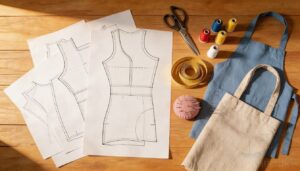
Printable apron patterns make it easy to get started without overthinking the prep work. You just download, print, and cut — no hunting for hard-to-find supplies.
Here are a few fan favorites worth printing out today.
One Hour Free Apron Pattern
Got an afternoon and some leftover fabric? This one hour free apron pattern is your new best friend. It’s one of those free apron patterns that actually delivers — no fuss, no wasted weekend.
Here’s what makes it a standout quick sewing project:
- Rapid Fabric Cutting with just one or two pattern pieces
- Minimalist Stitching using basic straight seams only
- Simple Hem Finish that skips complicated edge work
- Test Square Scaling ensures your PDF prints at 100% correctly
- Time-saving Techniques like pre-folded ties and optional pockets
You’ll use 1 to 1.5 yards of cotton, and it fits most adults. Perfect for DIY apron projects for beginners — or batch-gifting before the holidays hit.
Easy Square Aprons Tutorial
Starting with squares is genuinely genius. This easy square aprons tutorial uses a Square Piece Layout, so there’s almost no math — just cut, sew, and go.
You can even skip the machine entirely with a No‑Sew Technique using fusible bonding.
Budget‑Friendly Materials like fat quarters or scraps keep costs under ten dollars.
Quick Pocket Assembly and a Simple Hem Finish wrap it up fast.
Grab these free apron patterns and tutorials as a sewing patterns PDF and start today.
Holy Cow Apron Pattern
The holy cow apron pattern is honestly one of the most fun free apron patterns out there. Cow Print Fabric gives it a Fun Kitchen Theme that makes people smile the moment they see it. And yes, it’s completely free.
Here’s what makes it worth your afternoon:
- Beginner Friendly Assembly with straight seams and clear steps
- Step by step photos guide you through the whole build
- Pocket Size Options let you customize for spoons or spatulas
- Fits chest sizes 34 to 44 inches with adjustable straps
- Reversible Design Idea adds a bonus look inside
Download the sewing patterns PDF and start exploring.
Adjustable Kitchen Apron Pattern
If neck strain after long cooking sessions sounds familiar, this adjustable kitchen apron pattern is worth bookmarking. It’s one of the best free apron patterns for beginners.
You get neck strap comfort with a sliding adjuster, waist belt fit using wrap-around ties, and cross-back stability to ease shoulder tension.
Pocket reinforcement keeps your tools secure, and seam allowance guidance is printed right on the PDF.
About 1.5 yards gets you started.
Apron Sewing Tips
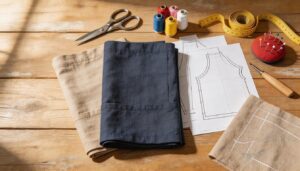
Before you cut a single piece of fabric, a few good habits can save you a lot of headaches. Getting your setup right from the start makes everything else go smoothly.
Here’s what to do before you sew your first seam.
Gathering Materials
Before you cut a single inch, get your supplies in order. Think of it as your pre-flight checklist.
- Pattern Checklist – Print and label every piece before anything else.
- Fabric Yardage Estimation – Budget about 1.5 yards of cotton or canvas per adult apron.
- Notion Inventory – Thread, pins, bias tape, and interfacing all need a spot.
- Tool Preparation – Rotary cutter, mat, scissors, and chalk ready to go.
Washing and Ironing Fabric
Skip this step and your apron might shrink right off the hanger. Fabric prewashing is non‑negotiable — cotton can lose up to 10% after washing. Use a warm wash temperature with an enzyme‑free detergent to protect color and fiber.
Toss in a color catcher for multi‑fabric projects. Then press while slightly damp using the damp ironing technique.
Line drying benefits your fabric too, keeping colors bright longer.
| Fabric Care Step | Why It Matters |
|---|---|
| Fabric prewashing | Prevents post‑sew shrinkage |
| Colorfastness testing | Stops dye from bleeding |
| Color catcher use | Protects mixed fabrics |
| Damp ironing technique | Smooths wrinkles easily |
| Line drying benefits | Preserves color and shape |
Using Rotary Cutter and Mat
Your rotary cutter and mat are the power duo of clean apron cuts.
Start with a cutting mat at least 18 by 24 inches — bigger is better for long strap pieces.
Ruler alignment keeps your edges straight and your seam allowances consistent.
For layer cutting, stack up to four fabric layers at once to save time.
Blade safety matters too: always cut away from your body, retract immediately after each pass, and schedule blade replacement the moment cuts feel ragged.
Securing Fabric Pieces
Good cuts mean nothing if your layers shift mid-stitch. That’s where Pin Placement saves you — space pins every inch along straight seams, closer on curves. For thicker canvas, Clip Pin Usage beats traditional pins without leaving marks.
Try Basting Techniques before your final seam, especially with multiple layers. Fusible Web bonds edges instantly for trickier pieces.
Always check Edge Alignment with chalk before you commit.
Pattern weights and pins keep your fabric cutting layout locked in, so your seam allowance stays exactly where it belongs.
Apron Construction Details
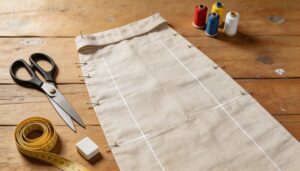
Once you’ve got your fabric cut and prepped, real fun begins.
Construction is where your apron starts to actually look like an apron — and choices you make here shape how it fits, functions, and holds up over time.
what to think through before you start sewing.
Strap Options
Straps can make or break an apron — seriously. Getting them right means you’ll actually want to wear it. Here’s what to know about your main options:
- Neck Tie Styles – Adjustable neck ties work for most body types, but fixed ties need precise measuring upfront.
- Back Strap Configurations – Cross-back straps spread weight across both shoulders, making all-day wear much more comfortable.
- Strap Width Variations – Wider straps (around 2 inches) reduce neck strain with heavier fabrics.
- Adjustable vs Fixed – D-rings and sliders make adjustable strap designs for comfort, a smart choice for gifting.
Material and hardware choices matter too — metal D-rings outlast plastic every time.
Pocket Addition
Once your straps feel right, pockets are what turn a basic apron into something you actually rely on.
Patch pocket placement is simple — about 4 inches down from the top edge, 7 inches from each side. Your hands find them without looking. Want more carry room? A kangaroo pocket design spans the lower front with two entry points, perfect for towels or bigger tools.
For apron pocket design, fabric choice matters. Denim or canvas hold up to daily abuse. Add a bias binding finish around the edges for a clean, professional look. Use interfacing pocket stability behind each opening so it doesn’t stretch out over time.
Zippered pocket reinforcement is worth adding for small valuables. Most free apron patterns already include pocket pieces — just print, assemble the PDF, and topstitch. Done.
Apron Sizes
Pockets sorted? Now make sure the apron actually fits you.
A good pattern size chart takes the guesswork out. Here’s what to look for:
- Bib Width Range — adult bibs run 9–11 inches wide; plus size apron pattern bibs stretch to 12 inches or more.
- Half Length Options — half aprons generally measure 14–22 inches long depending on style.
- Adjustable Tie Length — standard ties land around 40–50 inches; plus size fit needs up to 60 inches per side.
- Junior Size Guide — junior bibs narrow to 7–9 inches with proportionally shorter lengths.
- Kid-friendly apron patterns — ages 2–7 average 17 inches long; tweens reach closer to 22 inches.
Check measurements and ease before cutting. One wrong number, and a beautiful apron won’t sit right.
Apron Uses
Making one great apron means you can use it everywhere — not just in the kitchen.
Here’s where your handmade apron earns its keep:
- Kitchen Spill Protection — Bib aprons shield your chest and torso from hot oil, sauces, and flour. Solid kitchen wear for any cook.
- Crafting Paint Guard — Smock and pinafore styles block paint and glue during art sessions or craft show accessories displays.
- Outdoor Gardening Shield — Pocketed half aprons keep tools close while garden wear keeps soil off your clothes.
- Medical Hygiene Barrier — Disposable or wipe-clean aprons create clean zones during procedures or messy kids sewing projects.
Pick the right style, and your apron works as hard as you do.
DIY Apron Projects
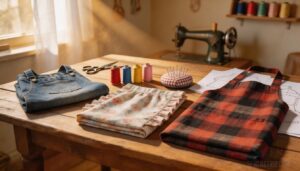
DIY apron projects are where things really get fun.
You can turn old jeans, a worn-out shirt, or even a pillowcase into something you’ll actually use every day.
Here are a few project ideas worth trying.
Upcycled Apron Tutorial
Got old jeans collecting dust? Turn them into something you’ll actually use. Salvaged denim panels make a tough, zero-waste apron body — no new fabric needed. Bias tape ties repurpose small scraps into sturdy straps. Try patchwork color blocking with shirt pieces for a fun, eclectic look.
| Salvaged Material | Best Use |
|---|---|
| Denim jeans | Apron body panels |
| Button-up shirts | Front pockets, straps |
| Tablecloths | Wide bib coverage |
| Towels | Absorbent kitchen panels |
| Linen scraps | Contrast trim, ties |
Reversible stitching and eco-friendly finishing make these upcycled apron tutorials worth bookmarking alongside your favorite free apron patterns.
Hostess Apron Pattern
The Hostess Apron Pattern nails that mid-century silhouette — think crisp bib construction, bias binding edge finishing, and interfacing reinforcement for a structured look that holds up through a dinner party. Free apron patterns like this one are print at home easily.
makes it work:
- adjustable neck and waist ties fit most adults
- decorative piping trim adds vintage charm
- roomy center pocket holds towels or utensils
- reversible hostess apron option doubles your styling choices
- bias binding edge keeps everything neat and durable
Gardening Apron Pattern
Your garden deserves better than a pocket stuffed with dirt and a ruined shirt. A gardening apron pattern solves that fast.
Free apron patterns for outdoor work use water-resistant fabric like waxed canvas or ripstop, so mud and dew stay on the outside. Cross-back straps keep the weight off your neck.
Most DIY apron projects for beginners print straight from PDF.
- Tool pocket layout holds trowels, pruners, and gloves in separate slots.
- Reinforced corners handle constant bending and heavy tools.
- Eco-friendly materials like cotton canvas wash clean easily.
Barbecue Apron Pattern
Fire up the grill — your men’s apron should be just as ready. A men’s apron for BBQ and kitchen use needs serious fabric: heat-resistant canvas or denim holds up to grease and sparks. Adjustable waist ties (about 36 inches each) wrap and tie easily.
| Feature | Detail |
|---|---|
| Tool pocket layout | Holds tongs, thermometers |
| Towel loop feature | Quick-grab access |
| Adjustable men’s apron pattern | Fits XS–XXL |
| Grill-ready stitching | Bar-tack reinforced corners |
Free apron patterns make this a fun DIY apron project for beginners.
Apron Patterns for Kids

Kids deserve aprons that actually fit them — and are fun to wear. Whether your little one loves cooking, painting, or just making a mess, there’s a free printable pattern made just for them.
Here are some of the best kids’ apron patterns to try.
Reversible Kids Apron Pattern
A reversible kids apron pattern is basically two aprons hiding inside one seam. Flip it when the front gets splattered — clean side, fresh start. That’s the magic of a dual fabric choice.
A reversible kids apron is two aprons in one — flip it when the mess wins
These free apron patterns are fat quarter friendly, so you’re not buying yards of fabric. A bold print on one side, a solid coordinating color on the other — bright color contrast kids actually love. Adjustable neck straps mean the apron grows with them, no re-cutting needed.
Construction is simple. Sew both apron bodies right sides together, clip curves, turn, and topstitch. Hidden pocket seams keep everything looking clean on both sides.
Print the pattern at home, grab two fat quarters, and you’re ready to sew.
Little Chef’s Apron Pattern
Now that the reversible kids apron pattern is done, the little chef’s apron pattern is your next win. This one’s made for tiny kitchen helpers — ages 3 to 8 — and it sews up fast.
Here’s what makes it work:
- An adjustable neck strap fits neck openings from 6 to 10 inches, so it grows with them.
- Bias binding comfort along strap edges keeps things soft against little skin.
- A 7‑inch‑wide front pocket with pocket reinforcement holds utensils without sagging.
- Colorway choices range from bold primary prints to fun food‑themed fabrics.
- An optional chef hat accessory completes the full little chef look.
Free apron patterns like this are true DIY apron projects for kids — straight seams, quick finish, big smiles.
Fat Quarter Apron Pattern
Two fat quarters. One adorable apron. That’s the magic of a zero waste layout — the pocket literally comes from the armhole cutout, so nothing hits the trash.
Here’s a quick breakdown of what each fat quarter does:
| Fat Quarter | Piece | Details |
|---|---|---|
| First | Apron body | 18 × 22 in., cut to shape |
| Second | Waistband strip | Long narrow cut, add interfacing techniques for stiffness |
| Scraps | Straps + pocket | 1–2 in. wide strips, bar tack reinforcement at corners |
| Contrast print | Apron back | Makes a reversible fat quarter apron with pom pom trim |
| Any leftover | Hem finishing options | Bias binding or simple fold-and-topstitch |
Contrast stitching along pocket edges for strength and style. Free apron patterns like this are genuinely some of the best DIY apron projects for beginners and experienced sewers alike — pattern printing at home takes minutes, and sewing takes under an hour.
Child’s Apron Pattern
Kids need their own apron, not a shrunken adult version. A good children’s apron pattern covers ages 2 to 12 using simple size grading — just add or trim an inch or two in skirt width.
Look for adjustable neck straps, safety stitching at stress points, and eco-friendly fabric like quilting cotton. Little chefs’ apron pattern ideas with ruffles make free apron patterns genuinely fun to sew.
Advanced Apron Sewing
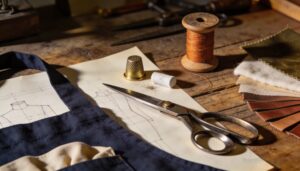
You’ve got the basics down — now it’s time to push your skills further. Elevated apron sewing opens up a whole new level of creativity, from custom fits to unexpected materials.
what’s waiting for you next.
Sewing Adjustable Chef’s Apron
adjustable chef’s apron might just be the most practical DIY apron project you’ll ever tackle. The sliding knot mechanism runs through a fabric casing at each armhole, letting you raise or lower the bib two to six inches — no buckles needed.
Prefer cross-back weight distribution? Swap the neck strap entirely, and your shoulders carry the load instead.
Use pre-shrunk fabric prep to avoid post-wash surprises.
Add double-stitch pocket reinforcement at the corners, then finish with custom length hemming.
Free apron patterns and adjustable kitchen apron patterns make this beginner-friendly too.
Making Oilcloth Apron
Oilcloth is a real asset for messy projects. Start with free apron patterns, then adapt them for this coated fabric handling — use clips instead of pins to avoid holes.
Set your stitch length to 3–4 mm for clean seams, and finish edges with bias tape edges to keep everything neat. Add a waterproof pocket for tools.
Spot cleaning keeps it fresh. Simple, practical, done.
Sewing Women’s Apron
Sewing a women’s apron is where fit adjustments really matter. Start with free apron patterns sized to your measurements, using seasonal fabrics like lightweight cotton in summer or cozy denim in fall. About 1.5 yards gets you covered.
- Try cross-back straps for comfort
- Place pockets at hip level
- Use eco-friendly materials when possible
- Add embellishment ideas like simple embroidery
Creating Custom Apron Patterns
Want an apron that fits like it was made for you? It was. Digital drafting tools now let you plug in your measurements and generate a pattern that actually matches your body. That’s pattern customization techniques working in your favor.
Follow fit measurement charts, test with muslin first, and tweak seam allowance variations before cutting your real fabric — that’s your fabric waste reduction strategy right there.
- Use digital patternmaking software to automate pattern scaling
- Reference custom apron design for accurate custom apron design
- Test pattern adjustments on cheap fabric before committing
Frequently Asked Questions (FAQs)
Are there any free apron patterns for sewing?
Yes — there are hundreds of free apron sewing patterns out there.
Sites like Craft Passion offer 41+ designs alone.
Bib, half, pinafore, smock — every style has a free printable PDF waiting for you.
How to cut out the pattern pieces for an apron?
Think of cutting like laying a map before a road trip. Align each piece to the grainline, pin every 6–8 inches, and cut slowly with sharp tools.
Add ½-inch seam allowances if not marked.
How do I sew apron patterns?
Start with the straps and ties — fold them right-side out after stitching. Use double-fold hemming for clean edges. Follow your pattern’s seam allowances, and add pockets as you go.
How long does it take to sew an apron?
Most beginners finish a simple apron in one to two hours.
Got pockets, gathers, or a smock style? Budget three to five hours.
Either way, it’s one of the quickest first sewing projects you’ll tackle.
How can I personalize apron designs easily?
Your apron is a blank canvas.
Add a monogram embroidery on the chest, try contrast topstitching along seams, or use iron-on vinyl for quick graphics.
Fabric patchwork and a color block layout make it completely yours.
What tools do I need for embroidery on aprons?
Got a 6–8 inch hoop, tearaway stabilizer, crewel needles (sizes 5–10), and embroidery floss? You’re ready. Add a water-soluble marking pen, sharp scissors, and optionally a sewing machine for faster results.
Can I sew aprons without a sewing machine?
Yes, you absolutely can. Hand stitching works great for DIY apron projects.
Use backstitch for strong seams and running stitch for hems.
Fabric tape alternatives and glue bonding techniques handle edges without any machine at all.
Are there eco-friendly materials for apron sewing?
Absolutely — your sewing basket can go green.
Organic cotton, hemp linen, and recycled denim are smart picks. Low‑impact dyes, fair‑trade certification, and upcycled apron materials make zero waste sewing and eco‑friendly fabrics genuinely achievable.
How do I resize patterns for plus sizes?
Most patterns skip plus sizes — but fixing that isn’t complicated.
Add width at the side seams using horizontal grading, extend your ties, and always test with a muslin mockup before cutting your real fabric.
Where can I find plus-size apron patterns?
Etsy Plus-Size listings and Craft Passion Inclusive collections both carry patterns sized up to 5XL.
Hello Sewing Plus and Threads Monthly Size options include adjustable ties and height tweaks for a comfortable, custom fit.
Conclusion
You’re now just minutes away from creating a stunning apron that’ll make cooking, gardening, or crafting a breeze! With these free apron sewing patterns printable, the possibilities are endless.
Say goodbye to boring outfits and hello to a world of creativity. Find free apron sewing patterns printable that match your style and skill level.
Get sewing, and enjoy the freedom to create something impressive. Your perfect apron is just a stitch away, and it’s going to be fabulous!
- https://suzyquilts.com/free-modern-patchwork-apron-tutorial/
- https://www.sewcanshe.com/blog/2016/6/29/1-yard-magic-apron-from-lecien-fabrics-free-pattern
- https://seekatesew.com/ruffled-apron-pattern-sew-a-long-details-pattern-and-graphics/
- https://www.purlsoho.com/create/2011/08/11/mollys-sketchbook-adjustable-apron/
- https://www.deliacreates.com/pumps-and-pearls-apron/