This site is supported by our readers. We may earn a commission, at no cost to you, if you purchase through links.
Walk into any fabric store—or scroll through an online shop—and the price tags tell wildly different stories. A yard of basic cotton might run you $4. That same yard in European linen? Closer to $35. And if you’re eyeing anything with "Mulberry silk" on the label, expect to spend anywhere from $20 to over $100.
Fabric prices span a staggering range in 2026, from $1-per-yard polyester greige to rare vicuña fiber pushing past $1,800 a yard. That spread isn’t random—it reflects real differences in fiber origin, production complexity, and market forces that shift prices by 10–40% depending on the season.
Knowing how much fabric costs before you buy saves you from both overspending and cutting corners on quality. The tiers, materials, and sourcing strategies ahead give you the full picture.
Table Of Contents
Key Takeaways
- Fabric prices span from $1 to over $1,800 per yard in 2026, driven by fiber type, weave complexity, and market volatility that can shift costs 10–40% seasonally.
- Natural fibers like silk, cashmere, and linen cost 20–60% more than synthetics, but their durability often makes them the smarter long-term investment.
- Buying deadstock, shopping end-of-season clearances, and sourcing wholesale can cut your per-yard costs by 20–60% without sacrificing quality.
- Calculating exact yardage before you buy—and adding a 10–15% buffer for seams and hems—prevents costly overbuying and keeps your project budget on track.
Fabric Costs $1–$200 Per Yard
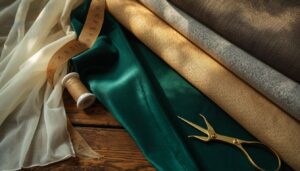
Fabric prices swing wildly depending on what you’re shopping for. A budget poly mix and a bolt of decorator silk can sit $190 apart on the same price tag. Here’s how that range breaks down, from pocket-friendly basics to splurge-worthy luxury picks.
That gap gets even wider when you compare fabrics by weave and finish—sateen vs. satin fabric differences explain why two "shiny" textiles can differ by hundreds of dollars.
Average 2026 Fabric Prices
Six dollars to two hundred—that’s the spread you’re working with this year. Market volatility keeps swings between 10-40% on mainstream fabrics:
- Everyday cotton/poly: $5-25/yard
- Linen blends: $6-23/yard
- Silk: $15-120/yard
- Specialty prints: $20+/yard
Inflation and shifting material costs drive regional differences, so prices aren’t set in stone—shop smart. Plus, rising synthetic fiber prices are contributing to the overall increase in production costs.
Budget Fabric Price Ranges
Budget doesn’t mean boring. Broadcloth and muslin run $2-6 a yard, polyester mixes sit at $2-6, and basic linen starts near $6. These are your essential sewing basics—the workhorses behind everyday projects.
Watch for clearance items and wholesale prices, too. Distributors often resell cotton at $5.50/yard after buying it cheaper in bulk, so smart value fabric sourcing pays off when comparing affordable mix options across stores.
Mid-range Sewing Fabrics
Step up to $6-$20 a yard and you’re in mid-range territory, where fabric earns its keep. Cotton blends and midweight wovens run $8-$14, lightweight rayons hit $10-$18, and ponte knits land $12-$22.
What you gain:
- Better durability for repeat wear
- Smoother drape and finish quality
- Sustainable, certified options
- Versatility across garment projects
Luxury Fabric Costs
Above $20 a yard, you’re paying for rare fiber value. Mulberry silk runs $20-$120, cashmere hits $30-$500, and vicuña can top $1,800 in exclusive runs.
These exotic material premiums reflect limited supply and hand-finished luxury work — embroidery, custom dyeing, designer branding. Sourcing stays volatile, so smart buyers buy swatches first before committing real fabric yardage.
Fabric Prices by Material Type
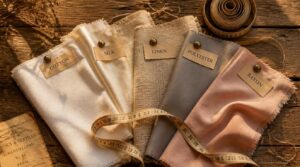
Every fiber comes with its own price tag, and knowing why helps you shop smarter. Cotton, polyester, linen, rayon, and silk each play by different rules regarding cost. Here’s what you can expect to pay for each one.
Cotton Fabric Costs
Cotton fabric is one of the most flexible options you’ll find, with prices running $2.00 to $35 per yard depending on type and finish. Standard broadcloth sits at the low end, while quilting cotton and premium varieties like Pima or Egyptian cotton climb higher.
If you’re weighing durability against cost, this cotton-polyester blend fabric guide breaks down why blends often beat pure cotton for everyday budgets.
Mercerization and organic certification push costs up further, sometimes adding several dollars per yard.
Polyester Fabric Costs
Polyester runs cheap to start, often $1 to $6 per yard for greige fabric, but specialty blends with elastane climb to $20. Wholesale buyers pay $1.50 to $3.50 for standard weights, and 2026 averages sit near $2.50 to $4.50.
Recycled yarn costs less than virgin filament, while finishes and dyeing add up to $0.80 per yard—so check construction before you buy!
Linen Fabric Costs
Why does linen carry such a wide price tag? Fiber origin and weave complexity tell the story.
- European Linen Premium: $25–45/yard, Belgian or Irish
- Organic Linen Standards: $28–55/yard
- Linen Mix Value: $12–25/yard with cotton or viscose
- Linen Finish Upcharges: jacquard weaves run $40–90/yard
Fabric weight and wholesale prices shift by the yard too—buying sustainable textiles in bulk often trims costs a lot.
Rayon Fabric Costs
Rayon swings wildly in price—from $3 mass-market basics to $20 bamboo luxury blends.
| Rayon Type | Price/Yard | Best Use |
|---|---|---|
| Wholesale bulk | $2.50–$4 | Apparel production |
| Mid-tier prints | $6–$9 | Everyday sewing |
| Bamboo Rayon Value | $12–$20 | Loungewear |
Regional pricing shifts matter too: Asian markets run cheapest, while Sustainable Rayon Certifications push costs to $8–$12.
Silk Fabric Costs
Silk earns its luxury reputation honestly—few fibers feel this good against skin. Prices swing from $20 to $400 by the yard depending on Momme Weight Pricing and fiber purity.
- Habotai: $5–$15
- Charmeuse: $20–$60
- Dupioni: $30–$100
- Mulberry Silk Premium: $25–$70
Silk taffetas and mixes offer Silk Mix Value for budget sewers, while Artisan Handloom Costs and Silk Finishing Additions push wholesale prices skyward.
Why Fabric Prices Vary
You’ve seen the price ranges, but what’s actually behind those numbers? Several factors push fabric costs up or down, and understanding them puts you in control of every purchase. Here’s what really drives the price tag on that bolt.
Fiber Content and Quality
What you’re really paying for is what’s inside the fiber, not just the label. Fiber purity standards separate pure cellulose from blends with lignin or waxes, affecting tensile strength and feel.
Moisture content shapes shelf life and handling, while elasticity recovery testing shows how well natural fibers bounce back. Quality fabric starts at the fiber level, always.
Fabric Weight and Weave
Weave tightness drives price almost as much as fiber type does. Warp weft density determines how much yarn packs into each square inch, and tighter constructions like twill or satin weigh more, even using identical fiber content.
That extra mass shows up in GSM measurement, where heavier fabrics command higher per-yard prices than airy, loosely woven cousins.
Prints, Dyes, and Finishes
Beyond weight and weave, the print job itself changes the price tag. Screen printing uses thick pigment paste, while digital printing offers sharper patterns at higher cost. Dyes matter too:
- Reactive dyes — excellent wash fastness
- Disperse dyes — built for polyester
- Sulfur dyes — deep color, slower fade resistance
Finishes like water-repellent or UV-protective coatings add functional value, and price, accordingly.
Designer and Specialty Brands
A name on the selvage edge can double the price overnight. Signature design codes, signature prints, exclusive colorways, all carry brand storytelling that buyers pay for.
| Factor | Price Impact |
|---|---|
| Designer label | +50-100% |
| Artisan collaborations | High premium |
| Limited edition drops | Scarcity pricing |
| Wholesale sourcing | Lower cost |
| Discount/clearance bins | Best savings |
Shop wholesale or clearance racks to dodge that designer markup on apparel fabrics!
Sustainable and Deadstock Sourcing
Deadstock fabrics — surplus mill materials headed for the bin — often sell at a 20–60% discount off retail. That’s real savings without sacrificing quality. Recycled fibers cut water usage by up to 90%. Certifications like GOTS or OEKO-TEX confirm what you’re actually buying. Three things worth knowing:
Deadstock fabrics save 20–60% off retail—real quality, without the waste
- Deadstock yardage is limited
- Recycled blends cost less long-term
- Local suppliers shorten lead times
Yardage, Bolts, and Bundles
How you buy fabric matters just as much as what you buy. The same material can cost very differently depending on whether you’re pulling a few yards off a bolt or buying a bundled pack of pre-cut squares. Here’s a breakdown of the most common ways fabric is sold and what each one means for your budget.
Price Per Yard
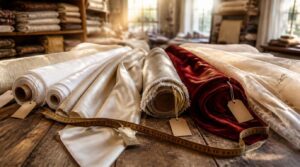
When you buy fabric by the yard, the price stays consistent across a bolt but shifts with every material change. Cotton might run $2–$12 per yard, while silk climbs to $150. That range exists even within the same store.
Knowing your fabric type before you shop keeps your budgeting fabric expenses grounded in reality, not guesswork.
Buying Full Bolts
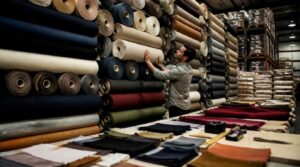
Fifty yards or more, and the math changes fast. Buying by the roll instead of by the cut slashes your per-yard cost, since wholesale textiles drop sharply once you hit bulk thresholds.
You won’t be checking thread pitch or head styles here—that’s hardware talk—but procurement logistics still apply: lead times, minimums, and storage all factor into whether bulk really saves you money.
Quilt Fabric Bundles
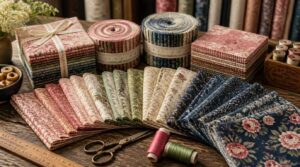
Twelve to twenty pieces, one matching palette—that’s the appeal of a fat quarter bundle. Precut bundle varieties like jelly rolls and layer cakes simplify project planning, while:
- Coordinating color stories save design time
- Bundle material mixes (cotton, linen, rayon) add texture options
- Designer collection value beats buying single yardage
Fat quarter bundles run $20–$60. Smart quilting supplies shopping, plain and simple.
Wholesale Fabric Minimums
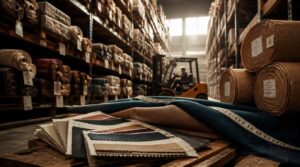
Ready to buy in bulk? Most wholesale suppliers set minimums between 20 and 50 yards, though boutique sellers offer deadstock fabric for as little as 1 yard. Some require dollar thresholds ($200–$1,000) instead of yardage.
Custom dyed orders demand higher MOQs than stock fabric. Many online fabric stores allow MOQ negotiation or tiered pricing, helping you land wholesale prices without overcommitting on bulk textiles.
Bulk Savings Considerations
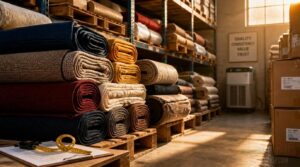
Bulk doesn’t always mean better. Wholesale prices and bulk textiles can shave 5–25% off per-yard costs, but only if usage forecasting is accurate and storage stays dry and mildew-free.
Watch supplier payment terms (net 30 is common), run quality consistency checks before committing, and remember bulk return policies are often tight. Discount fabric and fabric bundles work best when sales align with real project needs.
How to Save on Fabric
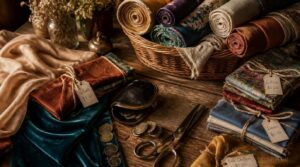
Fabric doesn’t have to drain your budget if you know where to look. A few smart habits can stretch your dollars without forcing you to compromise on what you actually want to make. Here are the best ways to save on fabric in 2026.
Shop Sales and Clearance
Timing your purchases around end-of-season clearance events can cut costs dramatically. Luxury silk chiffon drops from $50 to $20 per yard, and polyester georgette falls from $20 to just $6.40. That’s real money saved.
Check online clearance sections often — stock levels tend to be higher there. Just review return policies first, since many clearance fabrics are final sale.
Compare Online Fabric Stores
Clearing sales are just the start. The real advantage comes from knowing which online fabric stores offer the best value for your specific needs.
Mood Fabrics, JoAnn, Spoonflower, and The Fabric Store Online each serve different shoppers. Compare shipping speeds, return windows, and product details before you buy. Custom print options and international delivery rates vary widely — so a quick comparison can save you more than any coupon.
Buy Only Needed Yardage
Knowing which store wins on price only helps if you don’t overbuy. Calculate your yardage from the pattern before you click "add to cart." Factor in your fabric’s width — 60-inch fabric needs less yardage than 44-inch.
Add a 5–10% buffer for mistakes. A yardage calculator does the math fast and keeps your spending honest.
Choose Affordable Alternatives
Once you’ve nailed your yardage, the fabric you choose matters just as much as how much you buy.
Polyester blends can mimic cotton’s drape at 40–60% of the cost. Recycled polyester cuts that further. Broadcloth and chambray deliver great results at a fraction of designer prices. Vintage and thrifted textiles are worth checking too — often 50–80% cheaper than new.
Check Quality Before Buying
Saving money means nothing if the fabric falls apart after one wash. Before you commit, run through these four quick checks:
- Inspect visual texture and dye lot consistency — no streaks, pulls, or shading shifts.
- Verify fiber content matches the label exactly.
- Test weight and drape against your project needs.
- Examine seam construction quality on finished edges.
Trust what your hands tell you.
Frequently Asked Questions (FAQs)
How can I find the best deals on fabric?
Hunting for the best fabric deals is like fishing — knowing when and where to cast matters. Shop clearance events, compare online fabric stores, request swatches, buy only what you need, and consider fabric bundles for built-in savings.
What is the difference between retail and wholesale fabric prices?
Wholesale runs 20-60% cheaper per yard, but minimum order requirements (50-1,000 meters) apply. Retail covers overhead costs; no minimums are needed.
Sourcing direct from mills and bulk pricing tiers boost margins—great for textile businesses, but less practical for one quilt project.
What are the most common widths of fabric used in sewing projects?
Picture bolts unrolling across a cutting table — that’s where width matters most. Quilting cottons run 44–45 inches, garments and chiffons favor 60 inches, while drapery and upholstery often need 90–108 inches for fewer seams.
How much extra fabric should I buy for seams and hems?
Budget 10–15% extra yardage beyond pattern requirements. Seam allowances run 1–5 cm for wovens, hems need double that depth folded. Curved edges and bulky fabrics demand a bit more buffer for clean garment construction.
Does fabric price vary by season or holiday?
Fabric pricing flows like the tides, rising and falling with demand. Seasonal demand spikes push wool up in winter and linen in summer, while harvest timing impact softens cotton in fall. Watch for holiday markdown cycles to score real savings!
How much do fabric remnants typically cost?
Remnants usually run $1 to $20 per yard, depending on material and condition. Cotton averages $2–$8, silk reaches $ Salvage shops and end-of-bolt discounts often drop bundles to $1–$4 per yard—great savings if you inspect quality first!
Are there cheaper alternatives to luxury fabrics?
Silk drapes like water; polyester drapes like silk for a tenth the price. Polyester luxury mimics and rayon silk substitutes deliver similar hand and shine.
Add linen mix benefits or bamboo’s soft drape, and discount fabric racks suddenly look luxurious.
Whats the cost difference between natural and synthetic?
Natural fibers cost 20–60% more than synthetics upfront. Cotton runs $2–$30 per yard while polyester stays at $1–$ That said, natural fabrics often outlast synthetics, making them a smarter long-term investment.
How do I confirm fabric cut accuracy before ordering?
Get it right before you cut — or you’ll be cutting your losses. Order a test swatch, wash it, and measure at three points. Confirm selvage alignment and grain line within 1/8 inch before bulk ordering.
What does fiber content tell me about drape and stretch?
Fiber content shapes how fabric moves and clings. Soft, lightweight fibers drape fluidly, while stiffer ones hold structure. Spandex blends recover quickly after stretch. Natural fibers like cotton may sag without elastane support.
Conclusion
Fabric pricing is a map, not a maze—once you understand the terrain, every yard makes sense. Knowing how much is fabric across material types, weight, and sourcing puts the power directly in your hands.
Don’t let sticker shock push you toward poor quality, or unfamiliarity push you toward overspending. Compare, plan, and buy smart. The right fabric at the right price isn’t luck. It’s what happens when preparation meets opportunity.