This site is supported by our readers. We may earn a commission, at no cost to you, if you purchase through links.
Your wool pressing mat probably looks like mine did last month—coated in a fuzzy layer of thread bits, mysterious dark spots, and that sticky residue from who knows what project. I kept telling myself I’d deal with it later. Then my iron started leaving weird marks on a brand new quilt top. That got my attention fast!
A dirty mat doesn’t just look bad. It actually wrecks your pressing results and can transfer gunk straight onto your fabric. The good news is that learning how to clean a wool pressing mat takes about 15 minutes and uses tools you already own. Once you know the right method, you’ll protect your investment and get back to those crisp, professional-looking seams.
Table Of Contents
- Key Takeaways
- Why Regularly Clean Your Wool Pressing Mat
- Essential Tools for Cleaning Wool Pressing Mats
- Step-by-Step Cleaning Guide for Wool Pressing Mats
- How to Remove Stains and Scorch Marks
- Common Mistakes to Avoid When Cleaning
- Top Tools and Products for Wool Mat Cleaning
- Extra Tips for Maintaining Wool Pressing Mats
- Frequently Asked Questions (FAQs)
- Conclusion
Key Takeaways
- A dirty wool pressing mat transfers lint, threads, and sticky residue directly onto your fabric and iron, causing marks and ruining your pressing results—regular cleaning every few sessions (or weekly for heavy users) prevents this damage.
- You can clean most buildup with tools you already own: lint rollers and scrapers remove surface debris, hand washing with mild soap tackles deeper grime, and baking soda paste lifts stubborn stains without harsh chemicals.
- Never machine wash your mat, apply excessive heat or steam, or spray starch directly on it—these mistakes cause permanent warping, fiber damage, and sticky buildup that ruins the mat’s performance.
- Always air dry your mat completely flat for at least 24 hours in a well-ventilated space and store it flat in a breathable cover to prevent mildew, warping, and fiber distortion.
Why Regularly Clean Your Wool Pressing Mat
Your wool pressing mat works hard every time you iron, but without regular cleaning, it becomes a magnet for lint, threads, and residue that can transfer right back onto your fabric. I’ve learned the hard way that a dirty mat doesn’t just look bad—it actually creates more problems than it solves.
If you’re working with delicate wool fabric, keeping your mat clean is even more critical—check out the best sewing machines for wool to pair with proper pressing tools for flawless results.
A dirty wool pressing mat becomes a magnet for lint and residue that transfers right back onto your fabric
Let’s look at three key reasons why keeping your mat clean isn’t optional if you want professional results.
Preventing Fabric Damage and Iron Gunk
Think of your pressing mat as a protective barrier between your iron and precious fabric. When threads and residue pile up, they transfer straight to your iron’s soleplate—creating that sticky gunk nobody wants.
If residue does make its way onto fabric, knowing how to get iron marks out of clothes can save your favorite garments from permanent damage.
Regular cleaning stops fiber snagging before you press, protects delicate textiles from pilling, and keeps your iron gliding smoothly. Clean wool equals happy fabric and trouble-free ironing every single time.
If you’re also looking to prep your wool before sewing or ironing, check out this guide on preshrinking wool fabric at home to prevent surprises later.
Extending The Lifespan of Your Mat
Beyond protecting your projects, consistent wool pressing mat maintenance directly impacts mat durability. Regular cleaning removes embedded particles that abrade fibers during heat management, preventing thinning and deformation.
Understanding how self-healing mats work helps you apply similar care principles to wool pressing mats for maximum longevity.
A simple mat inspection catches loose threads early, while sticking to cleaning schedules stops buildup before it degrades the surface.
Gentle fabric care and cleaning routines keep your wool pressing mat working beautifully for years—saving you money and hassle.
Ensuring Optimal Ironing Results
A clean mat doesn’t just last longer—it actually irons better, giving you crisper seams and smoother results every time you press. Gunk buildup blocks heat transfer during steam ironing, leaving your fabric preparation uneven.
Clean wool surfaces improve steam management and heat control, so your pressing methods deliver professional-looking seams.
When you maintain proper fabric care through regular cleaning, your ironing techniques become more effective—and your projects look polished.
Essential Tools for Cleaning Wool Pressing Mats
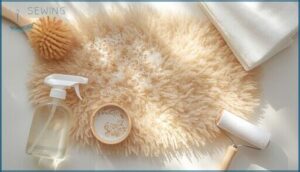
You don’t need fancy equipment to keep your wool pressing mat in great shape. Most of the tools you’ll use are things you already have at home or can grab for just a few bucks.
Let’s look at the three main types of tools that’ll make cleaning your mat quick and easy.
For best results, pair these tools with a high-quality fabric cutting mat that resists stains and stays clean longer.
Manual Cleaning Tools (Scrapers, Lint Rollers)
You’ll want two simple tools in your cleaning arsenal: a scraper and a lint roller. Cat hair scrapers work beautifully for lifting surface debris from your wool pressing mat, while lint rollers capture those stubborn fibers that cling on.
I recommend using gentle scraping techniques at shallow angles for fiber protection—too much pressure damages the wool. This manual tool selection gives you real cleaning efficiency without expensive gadgets!
Electric Tools (Hair Clippers, Vacuums)
For thicker buildup, electric clippers become your secret weapon! Men’s electric hair clippers on low settings gently shave off snagged threads without harming your wool pressing mat.
Pair them with a vacuum cleaner featuring suction control—adjustable settings prevent mat deformation while corded models deliver consistent power. Use a brush attachment to extract fibers efficiently.
Just remember: hair clipper safety means light pressure and patience during wool pressing mat care and maintenance.
Specialized Wool Mat Cleaning Tools
You’ll find specialized wool mat cleaning tools designed exactly for fiber removal that make maintenance so much easier. Here are my top recommendations for wool pressing mats:
- Gypsy Quilter Wool Mat Cleaner – lifts fibers effortlessly during cleaning and maintenance
- Pet hair removal tools – extract embedded threads after ironing
- Bissell Featherweight Stick Vacuum – lightweight suction for loose debris
- Arm Hammer Baking Soda – gentle mat sanitizing and stain treatment
- Shark Navigator Lift Away – reaches edges and crevices perfectly
These cleaning product reviews show dedicated mat cleaning solutions outperform improvised methods for wool product maintenance!
Step-by-Step Cleaning Guide for Wool Pressing Mats
Now that you’ve got your tools ready, let’s walk through the actual cleaning process. I’ll break this down into four simple steps that you can follow every time your mat needs attention.
Each step builds on the last one, so you’ll end up with a mat that looks and works like new.
Removing Loose Threads and Debris
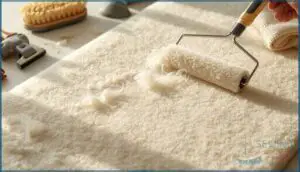
Before you tackle deeper cleaning, you’ll need to handle surface debris. Fabric care and cleaning starts with thread removal—those pesky fibers shed from your projects. Grab a lint roller and work it across your wool pressing mat in overlapping passes. For stubborn spots, try a soft-bristled brush to sweep away embedded threads without damaging the fibers.
Here’s your debris management toolkit:
| Tool | Best For |
|---|---|
| Lint Roller | Surface fibers and loose threads |
| Soft Brush | Embedded debris in wool pile |
| Vacuum (low setting) | Weekly fiber shedding removal |
| Handheld Magnifier | Inspecting hidden thread buildup |
| Microfiber Cloth | Final surface wipe-down |
Check your mat after each pass—you’ll see the difference! Regular textile maintenance like this prevents fiber buildup and keeps your wool mat cleaning tools working efficiently. For light use, do this every few ironing sessions. Heavy quilters should tackle mat maintenance weekly to stay ahead of the game.
Scraping Off Residue and Gunk
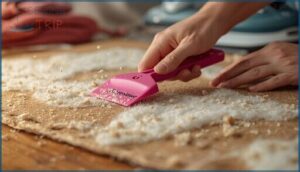
Once lint and threads are gone, you’re staring at the real troublemakers—sticky residue and baked-on gunk that cling to your mat like barnacles on a ship. Regular mat cleaning tools are essential for removing these stubborn residues.
Here’s your gunk removal game plan:
- Use cat hair scrapers for gentle mat scraping on delicate wool fibers
- Try electric hair clippers for thick buildup that threatens fabric protection
- Work in one direction to preserve wool maintenance and cleaning integrity
- Apply light pressure during residue cleaning to avoid damaging your investment
This fabric maintenance step prevents iron gunk from transferring back onto your beautiful quilts!
Hand Washing With Mild Soap
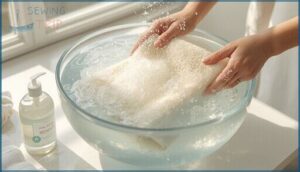
After you’ve scraped away the surface gunk, it’s time to give your wool pressing mat a proper bath—think of it as spa day for your hardworking sewing companion!
Here’s your hand wash game plan for effective wool maintenance and cleaning:
| Step | Action |
|---|---|
| Mat Preparation | Fill basin with lukewarm water |
| Soap Selection | Add gentle detergent or wool-safe fabric cleaning solution |
| Gentle Cleaning | Submerge mat and softly squeeze—never wring or twist! |
| Water Temperature | Rinse with cool water until soap-free |
This laundry and fabric care approach protects your wool pressing mat’s fibers while lifting embedded dirt.
Drying and Storing The Mat Properly
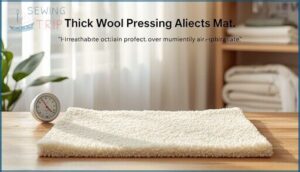
Your wool pressing mat needs patience now—rushing the drying process invites mildew and warping! Lay it flat on a clean surface in a well-ventilated room, keeping it away from direct sunlight and heat sources.
Air drying takes at least 24 hours, but humidity control matters—aim for 40-50% to prevent fiber distortion.
Once completely dry, store it flat in a breathable cotton cover, never plastic!
How to Remove Stains and Scorch Marks
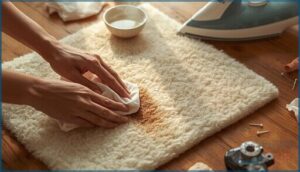
Sometimes accidents happen and your wool pressing mat ends up with stains or scorch marks. Don’t panic—most of these blemishes can be handled with a few simple techniques.
Let’s walk through the best ways to treat minor stains, deal with scorch marks, and keep your mat looking fresh going forward.
Treating Minor Stains With Baking Soda
Baking soda is my go-to hero for lifting those stubborn little stains that cling to your wool pressing mat like they’ve signed a lease. Here’s how I tackle minor spot cleaning with this natural cleaning method:
- Sprinkle baking soda directly on the stain
- Add a few drops of water to form a paste
- Gently rub with your fingertips in circles
- Let it sit for 15 minutes
- Wipe away with a damp cloth
This baking soda remedy works wonders for gentle mat care without harsh chemicals!
Addressing Scorch Marks Safely
Sometimes your iron gets a little too overzealous and leaves a scorch mark behind. Don’t panic! For scorch removal and mat protection, start with a soft scraper or dull spoon to lift loose residue without damaging the fibers.
Mix a baking soda paste for heat damage spots, test it in a corner first, and never apply more steam or direct heat—you’ll protect your wool pressing mat from further harm.
Preventing Future Stains
Once you’ve tackled existing damage, shift your focus to stain prevention and fiber protection. Apply a textile barrier spray after deep cleans—it cuts liquid absorption by up to 40%.
Keep your workspace lint-free, pre-wash fabrics to reduce dye transfer, and use a pressing cloth on tricky materials.
Regular mat maintenance with quick wipes between projects stops stains before they settle in.
Common Mistakes to Avoid When Cleaning
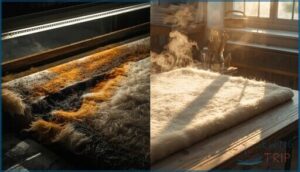
Even the best intentions can backfire when you’re cleaning your wool pressing mat. A few common mistakes can damage the fibers, shorten your mat’s life, or leave you with more problems than you started with.
Let’s look at what to avoid so your mat stays in great shape for years.
Using Harsh Chemicals or Excess Water
You might think a heavy-duty cleaner will cut through that stubborn gunk faster, but wool pressing mats are like delicate sweaters—they can’t handle the same treatment as your kitchen counter.
Harsh chemicals cause fiber breakdown and mat ruin you can’t undo. Excess water creates water spotting and warping.
Stick with mild soap and a damp cloth for fabric care that actually works without the cleaning risks.
Applying Excessive Heat or Steam
Cranking up the heat feels like progress, but it’s actually fast-tracking your mat toward permanent damage. High iron temperature causes heat damage that melts wool fibers.
Steam ironing safety matters too—excessive steam creates moisture buildup that warps your mat.
For fabric safety and mat protection, keep your iron on medium heat. Steam prevention starts with skipping the steam button entirely during wool pressing mat cleaning.
Spraying Starch Directly on The Mat
Starch seems harmless enough until it seeps into those wool fibers and turns your pressing mat into a sticky, stiff mess.
Starch damage ruins mat protection and creates fabric adhesion problems you don’t want. For ironing safety, spray your fabric instead—never the wool pressing mat directly.
This simple switch prevents stain removal headaches and keeps your cleaning products working where they should.
Top Tools and Products for Wool Mat Cleaning
You don’t need fancy equipment to keep your wool pressing mat in great shape. I’ve found that the right tools make cleaning faster and way more effective than struggling with whatever you have lying around.
Here are five products that actually work for getting your mat clean and keeping it that way.
1. Gypsy Quilter Wool Mat Cleaner
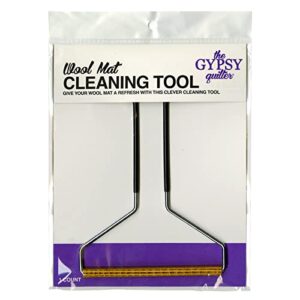
If you’re looking for cleaning solutions designed specifically for wool maintenance, the Gypsy Quilter Wool Mat Cleaner is a solid choice. This mat refresher targets lint, fibers, and light soil without harsh chemicals that could damage your wool pressing mat.
Apply a small amount with a soft cloth, work it in gently, and let it air dry completely before your next ironing session. It’s marketed as a wool protector and routine maintenance product rather than a heavy-duty cleaner.
You’ll find it bundled with other quilting tools and accessories through select retailers.
| Best For | Quilters and crafters who need a gentle, wool-safe solution to refresh pressing mats and remove everyday lint and fibers without damaging the material. |
|---|---|
| Primary Use | Debris removal from surfaces |
| Power Source | Manual |
| Price Range | Budget |
| Surface Compatibility | Wool mats, furniture, carpet |
| Maintenance Required | Low |
| Portability | Highly portable |
| Additional Features |
|
- Formulated specifically for wool pressing mats, so you don’t have to guess whether it’s safe for your quilting tools
- Works well for routine maintenance to keep mats fresh between deeper cleans
- Small amount goes a long way, making it economical for regular use
- Requires air drying time before you can use your mat again, which interrupts workflow
- Not a heavy-duty cleaner, so it won’t tackle stubborn stains or deep-set grime
- Only available through select retailers, limiting where you can purchase it
2. Pet Hair And Fur Removal Tool
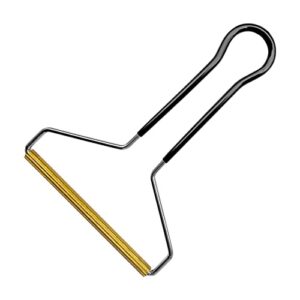
A cat hair scraper isn’t just for furniture—it’s surprisingly effective on wool pressing mats too. These pet hair removal tools use a sharp metal edge to lift embedded fibers, lint, and stubborn residue that regular lint rollers miss.
The AKOSN scraper works well for fabric protection and wool maintenance because you don’t need batteries or replacements. Just run it across your mat in short strokes, and you’ll see threads and fuzz gather quickly.
It’s hands-down one of the most practical grooming tools for mat maintenance when light buildup becomes visible.
| Best For | People who need to remove embedded pet hair, lint, and fabric fuzz from wool pressing mats without constantly buying replacement sheets or dealing with batteries. |
|---|---|
| Primary Use | Pet hair removal |
| Power Source | Manual |
| Price Range | Budget |
| Surface Compatibility | Furniture, carpets, upholstery |
| Maintenance Required | Low |
| Portability | Highly portable |
| Additional Features |
|
- Works on embedded hair and fibers that sticky rollers can’t reach, using a metal edge to lift stubborn buildup from textured surfaces
- No ongoing costs since it’s reusable and doesn’t need batteries, adhesive refills, or power—just scrape and empty
- Durable metal construction holds up to repeated use on tougher materials like wool mats without wearing down quickly
- Can damage delicate fabrics like velvet or microfiber if you’re not careful, so you need to test a small spot first
- Takes more effort than a lint roller since you’re manually scraping the surface, which can get tiring on larger mats
- Not ideal for knitted or fragile materials since the sharp edge might snag or pull threads
3. Bissell Featherweight Stick Vacuum
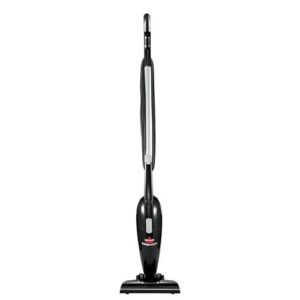
When you need something beyond manual cleaning methods, the Bissell Featherweight Stick Vacuum delivers reliable suction power for your wool pressing mat. Its cordless design lets you glide across the surface without wrestling with cords, and the compact cleaning heads reach every corner.
Battery life runs about 20 minutes—plenty for quick fabric care and pressing maintenance. At $39.99, this vacuum cleaner manages lint and loose threads efficiently.
Just remember it’s built for surface cleaning, not deep carpet work, so it’s perfect for regular laundry tips and routine mat upkeep.
| Best For | Quilters and sewers who want a quick, lightweight tool to remove lint and threads from wool pressing mats between projects. |
|---|---|
| Primary Use | Vacuum cleaning |
| Power Source | Corded Electric |
| Price Range | Budget |
| Surface Compatibility | Carpet and hard floors |
| Maintenance Required | Moderate |
| Portability | Portable |
| Additional Features |
|
- Cordless design makes it easy to maneuver around your sewing space without dealing with tangled cords
- Lightweight at 4.5 pounds, so you won’t tire out during quick cleanups
- Budget-friendly at $39.99 for reliable suction power on fabric surfaces
- Battery only lasts 15-25 minutes, so you’ll need to recharge frequently if cleaning multiple mats
- Not designed for deep cleaning—works best for surface lint and threads only
- Some users report durability issues and a burnt plastic smell during extended use
4. Arm Hammer Baking Soda
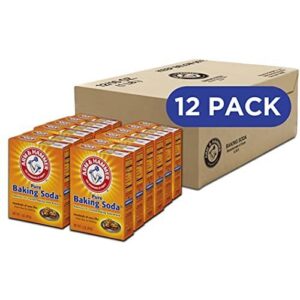
Baking soda isn’t just for your kitchen—it’s a gentle powerhouse that lifts stains and refreshes your wool pressing mat without harsh chemicals. Mix it with warm water to create a paste for stubborn spots, or sprinkle it directly on your mat as a natural odor eliminator between deep cleans.
Arm & Hammer’s 16-ounce powder works wonders for textile cleaning and fabric care and pressing—plus it’s adaptable enough for laundry tips and deodorizing tips throughout your sewing space. It’s one of those household hacks that actually delivers.
| Best For | Quilters and sewers who want a budget-friendly, chemical-free way to clean and deodorize their wool pressing mats and sewing spaces. |
|---|---|
| Primary Use | Multi-purpose cleaning |
| Power Source | N/A |
| Price Range | Budget |
| Surface Compatibility | Various household surfaces |
| Maintenance Required | Low |
| Portability | Highly portable |
| Additional Features |
|
- Works as a gentle stain remover and natural odor eliminator without damaging delicate wool fibers
- Incredibly versatile—use it for pressing mats, laundry boosts, carpet refreshing, and general craft room cleaning
- Affordable bulk option with 12 boxes giving you plenty of supply for regular maintenance
- Packaging can arrive damaged during shipping, causing spills and waste
- Requires mixing or careful application—not as grab-and-go as spray cleaners
- Won’t tackle heavy grease or set-in stains as effectively as specialized cleaning products
5. Shark Navigator Lift Away Vacuum Cleaner
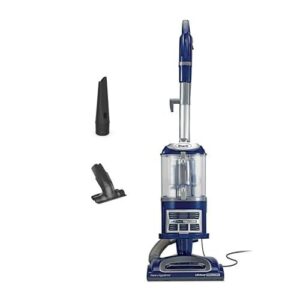
When loose threads and fuzz pile up faster than baking soda can handle, the Shark Navigator Lift-Away gives you serious suction power to keep your mat spotless between deep cleans. Its HEPA vacuum filters trap allergens, while the corded design means you won’t lose steam mid-job.
The brushroll shutoff protects your wool pressing mat from damage, and the detachable canister makes quick work of pet hair clinging to fabric.
At $189.99, it’s a solid investment for anyone serious about keeping their laundry supplies and wool products in top shape.
| Best For | Anyone dealing with pet hair, allergens, and debris on yoga mats, carpets, and upholstery who needs a versatile vacuum that won’t quit mid-clean. |
|---|---|
| Primary Use | Vacuum cleaning |
| Power Source | Corded Electric |
| Price Range | Premium |
| Surface Compatibility | Carpet and hard floors |
| Maintenance Required | Moderate |
| Portability | Lift-Away portable |
| Additional Features |
|
- Powerful suction tackles pet hair and allergens with HEPA filtration to keep the air cleaner
- Lift-Away design lets you detach the canister for stairs, furniture, and tight spots
- Brushroll shutoff protects delicate surfaces like wool mats from damage
- Short hose makes detached mode awkward to use for some tasks
- Non-standard hose size limits your attachment options
- Requires regular filter maintenance to keep performance up
Extra Tips for Maintaining Wool Pressing Mats
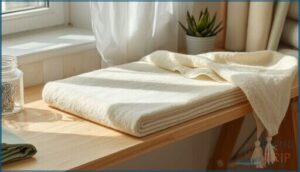
Cleaning your mat is just one piece of the puzzle. You also need to know how often to do it and the best ways to store and use your mat between sessions.
Let’s cover a few extra tips that’ll keep your wool pressing mat in top shape for years to come.
Frequency of Cleaning and Maintenance
I check my wool pressing mat every few sewing sessions, and you should too—it’s the easiest way to catch problems before they turn into headaches. Light users can get away with monthly cleaning schedules, but if you’re ironing and pressing daily, plan on maintenance tips like vacuuming weekly.
Track your usage and inspect the mat for buildup—catching it early saves your iron’s soleplate and keeps fabric and textile care on point.
Best Practices for Storage and Use
Store your mat flat in a cool, dry spot away from direct sunlight, and it’ll stay in great shape between projects. I always place mine on my ironing board setup with heat protection methods underneath—never directly on furniture! Rotate your mat occasionally to even out wear, and keep your cleaning schedules visible so you don’t forget.
These mat storage tips make quilting and sewing way more enjoyable.
Special Considerations for Alpaca/Wool Mats
Alpaca/Wool Pressing Mats need gentler handling than standard wool versions. The alpaca fiber care requires skipping harsh scrubbers that damage delicate fibers and strip natural lanolin preservation. These alpaca and wool products from Prairie Spirit Alpacas blend alpaca fleece with wool fiber for excellent heat retention!
Here’s what makes alpaca-wool pressing mat maintenance different:
- Use cool water instead of warm to protect the crimp structure
- Pat dry rather than wringing to prevent matting
- Avoid aggressive brushing that damages alpaca fleece scales
- Rinse thoroughly to remove mineral deposits from hard water
- Air dry flat to maintain shape and fiber protection
Frequently Asked Questions (FAQs)
Can I machine wash my wool pressing mat?
Machine washing your wool pressing mat isn’t recommended—it risks warping fibers and damaging seams. Hand wash methods with gentle cleaning protect your investment better.
Always check mat care tips first for fiber protection and textile care guidance.
How do I restore flattened wool fibers?
Your mat’s gone flat as a pancake? Steam gently with a handheld steamer, then brush those tired fibers in one direction using a soft nylon brush for instant Fiber Revival and Mat Rejuvenation magic!
What causes my mat to smell bad?
Your wool pressing mat smells bad because moisture buildup from ironing traps bacteria in the fibers, causing bacterial growth and odor sources. Poor mat hygiene lets organic debris decay, creating musty scents when heated.
Are there alternatives to wool pressing mats?
If wool pressing mats don’t suit your needs, don’t put all your eggs in one basket.
You can try silicone mats, felt alternatives, heat-resistant sheets, or portable ironing solutions in synthetic blends.
Can I use vinegar to clean residue?
You can use vinegar, but dilute it heavily and rinse thoroughly afterward.
Mild soap and warm water work better for most residue without risking damage to natural fibers or backing materials.
Conclusion
A grimy wool pressing mat is basically a magnet for project disasters. But now you’ve got the complete roadmap on how to clean a wool pressing mat—from that first lint roller swipe to the final air-dry.
Your mat will thank you with years of perfect pressing, and your fabric will stay spotless. Fifteen minutes of maintenance beats replacing a $50 mat any day.
Now get back to making those seams razor-sharp!
- https://suzyquilts.com/an-honest-review-of-wool-pressing-mats/
- https://www.architecturaldigest.com/story/how-to-clean-an-iron
- https://www.prairiespiritalpaca.ca/
- https://scrapfabriclove.com/how-to-clean-a-wool-pressing-mat-two-easy-ways/
- https://the-weekendquilter.com/blogs/blog/how-to-clean-care-wool-pressing-mats