
This site is supported by our readers. We may earn a commission, at no cost to you, if you purchase through links.
Blood stains on linen follow one hard rule: cold water first, always. The moment heat touches a blood stain, the proteins in it bond permanently to the fabric fibers—and no amount of scrubbing will fully reverse that. It’s the single mistake that turns a fixable problem into a permanent one.
Fresh blood on linen is surprisingly manageable when you move quickly and use the right approach, while even dried stains respond well to enzyme-based treatments and a little patience.
The methods here work through the stain’s biology, not brute force.
Table Of Contents
Key Takeaways
- Cold water is non-negotiable from start to finish — heat permanently bonds blood proteins to linen fibers, turning a fixable stain into a lasting one.
- Fresh stains respond quickly to simple household treatments like salt water, mild detergent, or baby powder, but dried stains need a patient cold soak before any pretreatment will work.
- Enzyme-based cleaners are your strongest tool because they break down blood at the protein level, not just on the surface — look for "protease" on the label and follow soak times exactly.
- Don’t reach for the dryer until you’ve confirmed the stain is completely gone in daylight, since heat will permanently set any trace that’s left behind.
Start With Cold Water
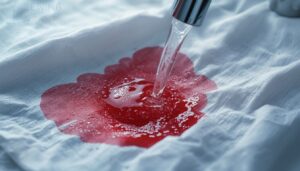
Cold water is your first and best defense against a blood stain on linen. The moment you act, you give yourself a real shot at getting the fabric back to normal.
Cold water works especially well here because it suits delicate fabrics—the same reason linen, cotton, and silk care tips always put it at the top of the list.
Here’s exactly what to do in those critical first minutes.
Rinse Fresh Blood Under Cold Running Water for 5–10 Minutes
The moment you spot fresh blood on linen, head straight to the sink. Hold the fabric under a gentle stream of cold water and let it run for 5–10 minutes.
Keep continuous temperature monitoring in mind — cool only, never warm. Watch for stain lightening observation as the color fades.
This simple cold water rinsing method for blood stains protects fabric integrity throughout.
Using hot water denatures proteins will lock the stain into fibers.
Blot From The Outside in With a Clean White Cloth
Once the rinse is done, grab a clean white cloth — never colored fabric, which can transfer dye. Your Absorbent Material Choice matters here: plain cotton or microfiber works best.
Use Edge-to-Center Blotting — work from the stain’s outer edge inward:
- Press gently and lift; don’t rub
- Cloth Rotation Strategy: flip to a clean section each time
- Stain Transfer Monitoring — color on the cloth means it’s working
Lift Off Any Clotted Blood With a Spoon or Dull Knife
Once you’ve blotted away the surface moisture, tackle any clotted material sitting on top. The Edge Scraping Method works best here — use Spoon Angle Control by holding a spoon nearly flat against the fabric and sliding gently underneath the clot.
This Dull Knife Lift approach keeps your Fiber Safe Removal intact.
If fibers start pulling, stop immediately and soak instead.
Avoid Hot Water, Which Sets Blood Into Linen
Hot water is the enemy here. The moment heat touches blood, Protein Denaturation kicks in — proteins coagulate and bond permanently to linen fibers. Think of it like cooking an egg: once set, there’s no going back.
Heat sets blood into linen permanently, just like cooking an egg — there is no going back
Temperature Control matters from start to finish.
- Always use cold water only
- Avoid warm rinses between treatment steps
- Skip hot-water soaking, even briefly
- Check your tap before rinsing
- Cold water preserves Fiber Integrity throughout blood stain removal from linen fabric
Gather Basic Supplies
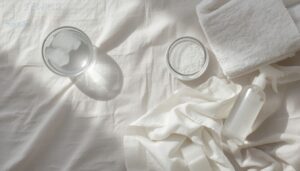
Before you treat the stain, it helps to have the right tools within arm’s reach. Nothing here is fancy — most of it is probably already in your home.
Here’s what you’ll want to gather before you start.
Clean White Cloths or Paper Towels
Reach for a clean white cloth first — it wins the absorbency comparison hands down. White cotton holds more liquid without dripping and lets you blot the stain without guessing what dye might transfer.
Paper towels work in a pinch but shred when wet and create more waste. Either way, use them to gently lift the blood, never scrub.
Cold Water and a Clean Basin
Your basin matters more than you might think. Choose one large enough for Basin Size Selection that lets your linen fabric spread flat without bunching.
Fill it with cold water only — Temperature Consistency Checks keep blood proteins from bonding to fibers.
Practice Water Clarity Monitoring by replacing murky water immediately.
Follow basic Hygiene Protocols, and add a Spill Containment Measures tray underneath to protect your workspace during blood stain removal from linen fabric.
Mild Liquid Laundry Detergent
Not all detergents are created equal — and for blood stain removal from linen fabric, that difference really matters. Choose a mild detergent with Fragrance-Free Formulas, gentle Surfactant Types, and pH Buffering to protect delicate fibers in cold water.
Enzyme Compatibility ensures it works alongside enzyme-based stain removers during pretreatment methods for blood stains.
Eco-Friendly Packaging is a bonus worth checking for too.
Soft Toothbrush or Stain Brush
A soft toothbrush is one of the most underrated tools in your stain‑fighting kit. For blood stain removal from linen fabric, Bristle Softness matters — stiff bristles tear fibers, while soft ones work the treatment gently. Keep these in mind:
- Head Shape: A narrow profile reaches tight weave patterns without dragging
- Material Safety: BPA‑free nylon bristles won’t degrade or shed during stain blotting technique
- Maintenance Routine: Replace it every three months, just like your regular toothbrush
Apply your chosen pretreatment, then use light circular strokes — that’s the stain removal technique that lifts without damage.
Disposable Gloves for Handling Stained Fabric
Don’t overlook glove protection — your hands deserve the same care as your linen.
Nitrile is your best Glove Material Choice here, offering solid Chemical Resistance Levels against detergents and peroxides.
Prioritize Fit and Comfort so you can work precisely. Always use gloves and work in a well-ventilated area.
Follow basic Hygiene Protocols by switching gloves between treatments. Check local Disposal and Recycling options when you’re done.
Treat Fresh Blood Stains
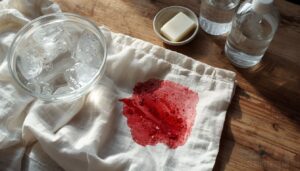
Once you’ve rinsed the stain with cold water, it’s time to treat what’s left.
You’ve got a few simple options that work well on fresh blood, and most use things you already have at home. Here’s what to try.
Apply a Salt-and-cold-water Solution
Salt is one of the simplest pretreatment methods for blood stain removal from linen fabric — and it works quickly. For the right solution concentration, dissolve 1 to 2 teaspoons of salt in one cup of cold water. This mixing ratio keeps proteins suspended without damaging fibers.
- Application technique: Blot gently inward using a clean white cloth
- Fabric compatibility: Safe for most linen weaves
- Soak duration: Press and hold for 30–60 seconds per pass
- Refresh often: Replace saturated solution to maintain effectiveness
Dab on a Small Amount of Liquid Detergent
Once the salt solution has done its work, reach for a mild detergent. Apply a small drop of liquid dish soap directly onto the stain, then blot the stain gently — never scrub.
Give it one to two minutes of detergent contact time to break down proteins.
Wear gloves for protection, and check stain visibility in daylight before rinsing with cold water.
Use Talc or Baby Powder to Absorb Moisture
Baby powder works quietly but effectively here. Sprinkle a light, even layer directly over the fresh blood stain — this is your Powder Application step. Let it sit for about 10 minutes, giving those absorbent powders time to pull moisture out of the linen fibers.
For Powder Selection, choose fragrance-free talc or cornstarch-based baby powder to protect colorfast fabric.
- Absorbs moisture before it deepens into the weave
- Limits how far fresh blood stains can spread
- Readies the fabric for detergent treatment
- Facilitates blood stain removal from linen fabric without harsh chemicals
Follow Safety Measures by working in a ventilated space. Then, Residue Brushing with a soft cloth removes leftover powder, delivering real Moisture Absorption Benefits before your next rinse.
Rinse Again and Check The Stain in Daylight
Once the powder is brushed away, rinse the linen from the back — the Backside Rinse Technique pushes particles out rather than deeper into the weave. Run cold water through for five minutes, then take it to a window. Daylight Inspection reveals shadows that indoor lighting hides. Check from multiple angles.
| Step | Method | Goal |
|---|---|---|
| Backside Rinse | Cold water rinse from reverse side | Flush stain outward |
| Daylight Inspection | Natural light check, multiple angles | Confirm full removal |
| Stain Documentation | Note shadow, faint mark, or clear | Guide next treatment |
Contamination Control matters here — use a fresh white cloth, not the one you’ve been blotting with. If a faint shadow remains, apply Detergent Proximity: a small amount of mild detergent directly on the spot, then rinse again. Always test it on a small inconspicuous area first for colorfast testing before repeating.
Lift Dried Blood Stains
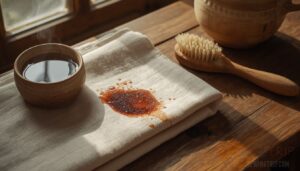
Dried blood is trickier than fresh, but it’s not a lost cause. The key is patience — you need to rehydrate the stain before you can lift it.
Here’s how to work through it step by step.
Soak Linen in Cold Water Before Pretreating
Dried blood is stubborn because protein coagulation has already bonded it to the fibers — so a cold water soak is your reset button before any pretreatment methods for blood stains begin.
- Temperature Control: Keep water at room temperature — never warm.
- Fiber Saturation: Submerge fully for complete penetration.
- Soak Duration: Wait 30–60 minutes for deeper stains.
- Gentle Agitation: Move the linen slowly every 10 minutes.
After soaking, do a quick daylight inspection before moving forward.
Try a Mild Vinegar-and-water Soak
Once cold water has loosened things up, white vinegar can take your pretreatment soaking techniques a step further. Mix one part white vinegar to two parts cold water — your go-to vinegar dilution ratio for blood stain removal from linen fabric.
Before submerging, run a fabric colorfastness test on a hidden seam. Soak 15–30 minutes, using a gentle agitation technique every few minutes.
Gently Brush Loosened Residue With a Soft Toothbrush
Once your soak has done its job, a gentle brushing technique helps lift what’s left behind. Use a clean soft toothbrush — pressure management matters here, so keep your grip light. Brush the stain outward from the center in small strokes.
This residue capture method dislodges particles without damaging linen fibers. Rinse the brush between passes to avoid redepositing material.
Repeat Soaking if The Stain Remains Visible
If the stain is still visible after brushing, don’t give up — repeat the steps with a fresh soaking solution. This Solution Refresh matters for blood stain removal from linen fabric because reusing old water reintroduces proteins.
Practice Temperature Consistency by keeping everything cold, and follow Timing Intervals of 15 minutes for Stain Monitoring.
Prioritize Fiber Care by stopping after two rounds if linen shows any weakness.
Natural Pretreatments That Help

Sometimes the best stain fighters are already in your kitchen. A few natural ingredients can break down blood proteins without the harshness of commercial chemicals — especially useful if you prefer a gentler approach on your linen.
Here’s what actually works.
Use a Meat Tenderizer Paste on Stubborn Spots
Meat tenderizer isn’t just for toughening up a steak — its enzyme action on proteins makes it surprisingly effective on older or more stubborn blood stains in linen fabric. Mix unseasoned tenderizer with cold water into a DIY paste ratio of roughly one tablespoon to a few drops, then apply it to the spot.
Mind your application timing: let it sit 15–30 minutes, not longer.
Always check fabric compatibility and wear gloves as a basic safety precaution before rinsing clean.
Try Lemon Juice and Salt on White Linen
Lemon juice and table salt work surprisingly well as a natural stain remover for blood stain removal from linen fabric — but only on white linen. Citric Acid Bleaching breaks down proteins while Salt Abrasive Action loosens residue from fibers.
Always do a Spot Test Procedure first, then apply the mixture and let Sunlight Activation do its work. Rinse Residue Thoroughly after to protect fibers.
Use Baking Soda Paste as a Mild Option
Baking soda paste is one of the gentlest DIY home stain removal options you’ll find.
For Paste Preparation Tips, mix baking soda with just enough cold water to form a spreadable consistency.
Apply it to the blood stain on your linen fabric, then follow Application Timing of 5–10 minutes. Rinse thoroughly for complete Residue Removal.
Always check Fabric Compatibility first — this mild natural stain remover suits white linen best.
Reserve Sunlight Only for Color-safe White Linen
Sunlight works beautifully as a natural bleacher, but only on white linen or colorfast fabrics — never colored pieces. Think of it as a free sun bleaching effect built into your drying routine.
Use Short Exposure Sessions in the morning, since Morning Sun Bleaching is gentler on fibers. Rotate Fabric Position for even coverage, and run a quick Sunlight Safety Test first for UV Fiber Protection.
Use Enzyme Cleaners

Enzyme cleaners are one of the most effective tools you can reach for when blood has worked its way into linen fibers. They target proteins directly, which makes them especially well-suited for this type of stain.
Here’s how to use them the right way.
Choose Protein-based Stain Removers for Blood
When blood sets into linen fibers, a regular detergent often won’t cut it — you need an enzyme-based stain remover built specifically for protein stain removal. Look for enzymatic cleaning for protein-based stains, targeting protease activity levels on the label.
Check four things before buying:
- Protease is listed as active
- pH optimization suits delicate fabrics
- Enzyme shelf life hasn’t expired
- Fabric compatibility testing confirms linen-safe use
Follow Soak-time Directions on The Label
Once you’ve picked the right enzyme cleaner, let the label temperature and exact soak duration do the heavy lifting. Don’t guess — fabric soaking time varies by product.
Some call for cold water soaking technique with periodic stirring guidelines; others include additive restrictions.
Shorten the presoaking step, and you risk an incomplete result. Follow fiber timing precisely for effective blood stain removal from linen fabric.
Pretest on an Inside Seam First
Before applying enzyme cleaner to the main stain, run a quick patch test on fabric inside a seam. Press a damp cloth against the hidden area for 5–10 seconds and watch for dye bleed — that’s your seam colorfastness test.
Add a fiber shedding check and magnifier inspection for loose threads.
Wear gloves throughout.
A clean pass means you’re ready to treat.
Rinse Thoroughly Before Laundering The Linen
Don’t skip this step — a thorough rinse is what separates a clean result from a stubborn leftover stain. After enzyme treatment, flush the linen using cold water rinsing method for blood stains, paying attention to flow rate and dilution ratio as you go.
- Use steady cold water with good water quality
- Rinse repetition matters — two or three passes minimum
- Check dilution ratio by watching water run clear
- Perform a visual inspection under daylight after each rinse
- Never rush into the washer with enzyme residue still present
Use Hydrogen Peroxide Safely
Hydrogen peroxide can lift blood stains fast, but it’s not something you want to use carelessly on linen. A few simple rules make the difference between a clean result and a ruined fabric.
Here’s what to keep in mind before you open that bottle.
Best for White or Very Light Linen
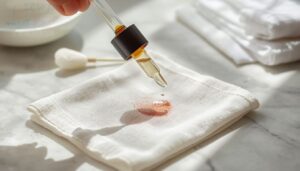
Hydrogen peroxide works best as a bleach alternative on white or very light linen — it’s simply too strong for colored fabric. On darker pieces, it can strip dye just as easily as it lifts a blood stain removal from linen fabric.
Always run a quick colorfastness testing on a hidden seam first, especially with white and vintage linen items where UV light whitening effects may already be present.
Dilute Before Applying to The Stain
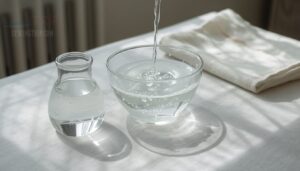
Before you pour anything on the fabric, dilute your hydrogen peroxide using the proper ratio: one part peroxide to one part cold water in a clean mixing vessel.
This simple pH adjustment keeps the solution gentle enough for linen fibers.
Unlike enzyme-based stain removers or mild detergent pretreatment methods for blood stains, peroxide acts fast — so precision with dilution timing genuinely matters here.
Limit Contact Time to Avoid Fabric Damage
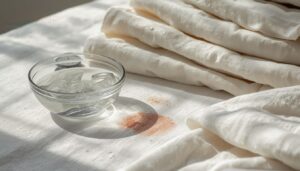
Time is the hidden enemy here — even diluted peroxide can weaken linen if you walk away and forget it. Keep Limited Peroxide Dwell to five minutes maximum. Unlike Rapid Enzyme Application or Brief Detergent Contact, peroxide works aggressively, so cold water benefits you most when you rinse fast.
Watch for these warning signs to protect fabric durability:
- Fabric feels stiff or rough to the touch
- Color looks uneven or slightly washed out
- Fibers appear thinner along the treated area
- The linen develops a faint chemical smell
Always Spot-test Colorfastness First
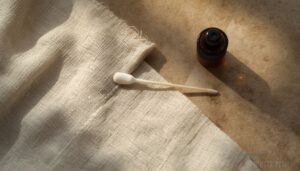
Before you apply peroxide to linen, do a Hidden Spot Test — pick a hidden seam or inside hem as your Small Area Sample.
Cotton Swab Application keeps it precise: dab a little, wait five minutes, then take it outside for a Daylight Color Check.
If the color holds, you’re clear. Record Test Outcome so you don’t repeat guesswork later.
Top 5 Stain Removers
Sometimes the right product makes all the difference between a stain that fades and one that won’t budge.
These five removers have proven track records on blood stains in linen, and each one brings something a little different to the job. Here’s what’s worth keeping on your shelf.
1. Seventh Generation Concentrated Free Clear Laundry Detergent
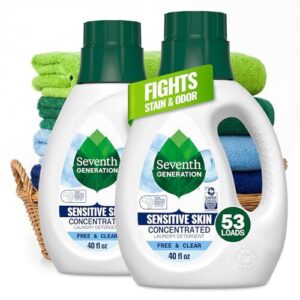
Seventh Generation Concentrated Free Clear Laundry Detergent is a strong pick when you’re dealing with blood on linen. Its triple-enzyme formula — including protease — breaks down protein-based stains at the molecular level, which is exactly what blood requires.
It’s fragrance-free, dye-free, and EPA Safer Choice Certified, so it won’t irritate sensitive skin or damage delicate linen fibers.
One 40 oz bottle covers around 53 loads, making it cost-effective over time.
Use it cold — always cold — for best results.
| Best For | Anyone with sensitive skin who wants a plant-based, fragrance-free detergent that actually tackles tough stains without the harsh chemicals. |
|---|---|
| Blood Removal | Yes |
| Form Factor | Liquid |
| Package Size | 2 x 40 fl oz |
| Application Method | Wash cycle |
| Fabric Safety | Broad fabric safe |
| Stain Specificity | Multi-stain |
| Additional Features |
|
- Triple-enzyme formula breaks down protein stains like blood, grass, and food — works at the molecular level
- Fragrance-free and dye-free, so it’s genuinely gentle on sensitive or reactive skin
- Ultra-concentrated formula means one bottle covers ~53 loads, cutting down on packaging waste
- No lingering scent after drying, which some people find underwhelming
- Smaller 40 oz size can cost more per ounce than bulk alternatives
- May struggle with heavily soiled loads that need a heavier-duty detergent
2. Protein Spotter Alkaline Stain Remover
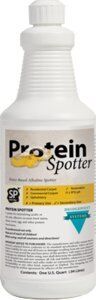
When you need something purpose-built for protein stains, Protein Spotter Alkaline Stain Remover earns its place in your cleaning kit. Its pH of 10.5 breaks apart blood proteins directly, so you’re not just masking the stain — you’re dismantling it.
Spray it straight onto the spot, wait 2–3 minutes, then blot with a clean cloth.
No dilution needed.
Just spot-test first on colored linen, since its high alkalinity can affect delicate or acid-sensitive fibers.
| Best For | Anyone dealing with tough protein-based stains — think pet accidents, blood, food spills — in homes, schools, or healthcare settings. |
|---|---|
| Blood Removal | Yes |
| Form Factor | Liquid |
| Package Size | 1 quart |
| Application Method | Direct spot treatment |
| Fabric Safety | Spot test recommended |
| Stain Specificity | Protein-based stains |
| Additional Features |
|
- Ready to use straight from the bottle — no mixing, no measuring, just spray and go.
- That pH 10.5 formula actually breaks down protein bonds instead of just lifting the surface mess.
- Works on carpets, upholstery, and fabrics, and plays nice with carpet-cleaning machines too.
- High alkalinity can be rough on delicate or acid-sensitive fibers, so a patch test is a must.
- Won’t do much for oil-based or dye-based stains — it’s built for protein, not everything.
- Not safe for certain surfaces like unfinished leather, sealed stone, or some synthetic materials.
3. Carbona Stain Devils Spot Remover
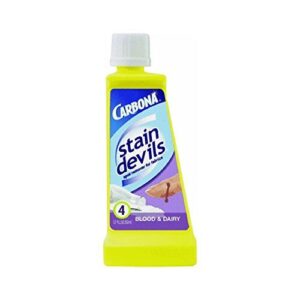
For a more targeted option, Carbona Stain Devils Spot Remover is formulated specifically for blood and dairy stains — not a general-purpose cleaner trying to do everything at once. Each 1.7 oz bottle is concentrated, so a little goes a long way.
Apply it directly to the stain before washing, blot gently with a clean cloth, then rinse with cold water.
It works best on fresh stains, so don’t wait too long before treating.
| Best For | Anyone dealing with blood or dairy stains who wants a targeted formula instead of a generic all-purpose cleaner. |
|---|---|
| Blood Removal | Yes |
| Form Factor | Liquid |
| Package Size | 6 x 1.7 oz |
| Application Method | Pre-treatment spot |
| Fabric Safety | Washable fabrics |
| Stain Specificity | Blood and dairy only |
| Additional Features |
|
- Concentrated formula means each small bottle punches above its weight
- Comes in a six-pack, so you’re stocked up for repeat spills
- Works fast on fresh stains when applied right before washing
- Not great on old, set-in stains — timing really does matter
- Hard to find in stores and costs more than generic alternatives
- Only works on blood and dairy, so it won’t help with much else
4. Carbona Oxy Powered Laundry Soaker
When the stain runs deeper than a spot treatment can reach, the Carbona Oxy Powered Laundry Soaker is worth having on hand.
Dissolve one sachet in a gallon of warm water, submerge your linen, and let it soak for one to two hours — or overnight for stubborn dried blood.
The chlorine-free, oxy-powered formula works without scrubbing, which matters when you’re dealing with delicate linen weaves.
Always spot-test first, since color transfer can occasionally occur on sensitive fabrics.
| Best For | Anyone dealing with tough, set-in stains on whites or colorfast fabrics who wants a hands-off soak instead of scrubbing. |
|---|---|
| Blood Removal | Yes |
| Form Factor | Powder Sachet |
| Package Size | 2 x 5.3 oz |
| Application Method | Soak or wash cycle |
| Fabric Safety | Colorfast fabrics |
| Stain Specificity | Multi-stain |
| Additional Features |
|
- Tackles seriously stubborn stains — grass, blood, oil, even spray paint — without any scrubbing
- Chlorine-free formula is safe for colored fabrics and baby clothes
- Flexible use: works as a pre-soak or goes straight into the washing machine
- Needs warm or hot water and soaking time — not a quick fix
- Results on heavily discolored whites can be hit or miss
- Occasional color transfer reported on sensitive fabrics, so spot-testing is a must
5. Tide Ultra Oxi Boost Detergent
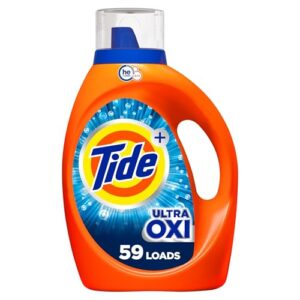
For everyday laundry that doubles as a first line of defense, Tide Ultra Oxi Boost earns its place. Its built-in enzyme blend breaks down protein‑based stains like blood directly in the wash, and it works in cold water — exactly what linen needs.
Apply it straight to the spot before loading the machine, then run a gentle cycle.
At around $13 for 59 loads, it’s a practical everyday choice that manages more than you’d expect.
| Best For | Anyone who wants one detergent that handles everyday loads, tough stains, and workout gear without needing extra products. |
|---|---|
| Blood Removal | Yes |
| Form Factor | Liquid |
| Package Size | 84 fl oz |
| Application Method | Wash cycle |
| Fabric Safety | HE and top-load safe |
| Stain Specificity | Multi-stain |
| Additional Features |
|
- Built-in pre-treaters mean you can spot-treat and wash in one step — no separate stain remover needed
- Works in cold water, so you save on energy without sacrificing clean results
- 59 loads for $13 is solid value, especially with the oxi boost already baked in
- The fragrance is noticeable — not great if you’re sensitive to scents or prefer fragrance-free
- Can over-sud in small or low-efficiency loads if you’re not careful with the dose
- Too harsh for delicates; the oxygen formula isn’t gentle enough for fabrics that need a milder wash
Wash and Dry Linen

Once your linen has been pretreated, the final wash is what seals the deal. Getting this step right means the difference between a stain that’s truly gone and one that quietly sets for good.
Here’s what to keep in mind when you put your linen through the wash and dry cycle.
Machine-wash on a Gentle or Normal Cycle
Once the stain is gone, your linen is ready for the washing machine. Choose a gentle or normal cycle depending on how delicate the fabric is.
Here’s what to get right:
- Set spin speed to 600–800 rpm for fine linen
- Use proper detergent dosage — don’t overload
- Keep cycle duration short on delicate settings
- Skip fabric softener if using an enzyme‑based stain remover
Run a post wash inspection before drying.
Use Cold or Warm Water Only
Water temperature isn’t just a detail — it’s the difference between clean linen and a permanent reminder.
Cold water keeps blood proteins soluble, making removal far easier. Warm water works once the stain has been fully pretreated, but never hot. Hot water locks proteins into the fibers through stain setting, undoing all your hard work.
test your tap before washing.
Avoid Chlorine Bleach on Colored Linen
Chlorine bleach might seem like the obvious heavy hitter, but on colored linen, it’s a fast track to faded, uneven patches. It breaks down dye compatibility at the fiber level, weakening linen’s natural strength over time.
Instead, reach for color-safe alternatives like oxygen bleach or a diluted hydrogen peroxide as a stain remover. Always do spot testing first to protect both color and fiber integrity.
Air-dry Completely Before Using Heat
Heat is the enemy of any stain that hasn’t fully cleared. Before you iron or toss linen in the dryer, air dry it completely — residual moisture steams under heat and locks color changes in permanently.
- Use fan drying and smart drying rack placement in a well-ventilated area to speed evaporation.
- Moisture detection is simple: press the back of your hand against the fabric — cool means damp.
- Avoid dryer heat and keep garment out of dryer until ambient humidity levels won’t interfere with fabric fiber protection.
Call a Professional Cleaner

Sometimes, no amount of soaking, scrubbing, or enzyme cleaner can fully undo what’s set deep into the fibers — and that’s okay. A professional cleaner has tools and techniques that go beyond anything you’d find under your kitchen sink.
Here’s when it makes sense to hand the linen over to someone who does this for a living.
Get Help for Antique or Delicate Linen
Antique linen isn’t forgiving — one wrong move can unravel decades of history. If you’re caring for white and vintage linen items, seek professional help from someone with verified conservator credentials.
A qualified specialist will perform a fiber stability assessment, recommend non-invasive treatment options, and provide professional cost estimates upfront. They’ll also guide you on archival storage solutions to guarantee long-term fabric durability preservation.
Seek Professional Care for Deep-set Stains
Deep-set blood stains aren’t just surface problems — stain penetration into linen fibers changes everything.
Professional stain mapping identifies exactly how far the stain has traveled, guiding specialists toward specialized solvents and enhanced mechanical agitation that home tools can’t match.
They’ll also perform fabric integrity testing and colorfastness evaluation before touching a thread, so your linen comes back clean without losing its structure or color.
Use a Pro When DIY Methods Fail
Sometimes you’ve done everything right — two rounds of Specialized Enzyme Treatment, careful rinsing, cold-water soaks — and that stain just won’t quit. That’s your signal to call a pro.
Signs it’s time for professional help:
- Stain persists pink or rust-toned after washing
- Linen feels stiff or damaged at the stain site
- Dye fading appears around the treated area
- Home Ultrasonic Cleaning devices aren’t cutting it
- DIY attempts have already stressed the fabric
Professionals bring Colorfastness Testing, Fabric Integrity Assessment, and Professional Warranty Assurance — things no home kit offers.
Consult a Specialist for Silk-blended Linen
Silk-blended linen is a different beast altogether. The silk fibers are sensitive to pH imbalance, dye shift, and aggressive agitation — things a standard approach won’t account for.
A specialist brings Fiber Integrity Assessment, Colorfastness Testing, and pH-Neutral Cleaners matched to your exact blend. With Professional Stain Diagnostics and a Custom Care Schedule, you’re not guessing anymore.
That’s proper special care for delicate fabrics.
Frequently Asked Questions (FAQs)
How do I remove body oil from linen sheets?
Body oil responds well to cornstarch powder or the Powder Absorption Technique — sprinkle, wait ten minutes, then brush off. Follow with a Dish Soap Spot treatment, rinse cold, and air-dry.
Can I use fabric softener when washing linen sheets?
Fabric softener feels tempting, but skip it with linen sheets.
It causes residue build-up, dulls fiber softness, triggers color fading, and disrupts detergent interaction — leaving fabric heavy. Wash linen gently with plain detergent instead.
How do I treat specific stains on linen sheets?
Each stain type calls for a different approach.
Match your method to the stain — cold water and enzyme-based stain remover tackle blood, while pretreating the blood stain early makes the biggest difference.
What is the best way to care for linen sheets?
An ounce of prevention goes a long way.
Care for linen fabric with cold water and mild detergent, follow proper laundry practices for linen, and use smart storage solutions to keep delicate linen fibers looking their best.
Can blood stains be removed from colored linen?
Yes, blood stains can be removed from colored linen.
Use cold water and mild detergent for fabric stains, enzyme-based stain remover for protein enzyme action, and color-safe bleach alternative to avoid color fading.
How do I store linen to prevent future staining?
Store linen in a Cool Dry Closet using Airflow Shelving, practice Humidity Control, and follow Clean Before Storing and Seasonal Rotation habits.
A stain repellent spray or fabric protector adds lasting defense.
Can ammonia help remove set-in blood stains?
Ammonia can help, but use it carefully. Mix equal parts ammonia and cold water, spot-test first, and limit contact to 15 minutes. Never combine it with bleach — that’s a dangerous mistake.
What removes blood from linen without any water?
Dry Ice Scrubbing, Carbon Dioxide Spray, Vacuum Extraction, Silica Gel Packets, and Superabsorbent Polymer all work on dry blood stains without water.
So do absorbent powders for stains like baby powder, corn starch, and baking soda paste.
Conclusion
Blood stains are stubborn opponents, but they’re not unbeatable. Now that you know how to remove blood from linen using cold water, enzyme cleaners, and the right pretreatments, you hold every card in this fight.
Move fast on fresh stains, stay patient with dried ones, and never let heat near the fabric before the stain is fully gone.
Follow these steps in order, and your linen comes out clean every time.