This site is supported by our readers. We may earn a commission, at no cost to you, if you purchase through links.
The constant hum and clatter of a traditional sewing machine can transform your creative sanctuary into a frustration zone, especially when you’re stitching late at night or sharing space with family, roommates, or sleeping kids. Standard machines often reach 70-80 decibels—comparable to a vacuum cleaner—which doesn’t just disrupt others, it can derail your concentration and limit when you can actually use your machine.
Modern quiet sewing machines solve this problem by combining sound-dampened motors, vibration-reducing frames, and precision-engineered components that cut noise levels nearly in half. Whether you’re a beginner setting up in a small apartment or an experienced sewist who values peace during long quilting sessions, the right quiet machine gives you freedom to create on your schedule without compromise.
Table Of Contents
Key Takeaways
- Quiet sewing machines cut noise nearly in half using brushless motors, metal frames with vibration-dampening materials, and precision-engineered components that operate at 50-60 decibels instead of the standard 70-80 decibels found in traditional models.
- The top quiet machines, like the Janome Heavy Duty and Brother BQ3100, combine solid construction with features such as automatic needle threaders, multiple stitch options, and heavy-duty motors that handle thick fabrics without the grinding noise of cheaper alternatives.
- Regular maintenance, including cleaning after every project, monthly lubrication of key components, proper needle-thread matching, and using anti-vibration mats, keeps your machine running quietly and extends its lifespan significantly.
- Choosing between computerized models with hundreds of stitches versus mechanical simplicity depends on your actual needs, but prioritizing metal frames, quality internal components, and long warranties delivers better value than focusing solely on the initial price tag.
Key Features of Quiet Sewing Machines
When you’re shopping for a quiet sewing machine, knowing what actually makes one model quieter than another can save you from buyer’s remorse.
A comprehensive quiet operation guide breaks down the specific features that reduce vibration and motor noise in different machine types.
The difference between a peaceful sewing session and one that sounds like a lawn mower often comes down to a few specific design features. Let’s break down the key elements that separate the whisper-quiet machines from the noisy ones.
Low-Noise Motor Technology
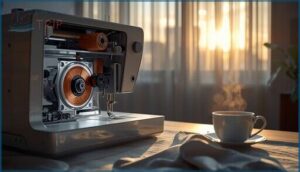
When you’re hunting for quiet sewing machines, the motor makes all the difference.
Brushless design delivers smoother, whisper-quiet operation by eliminating friction from brushes and balancing the rotor for reduced vibration control. These motors use precision bearings and sensored commutation to minimize torque ripple, cutting down on hum and buzz.
The result? Low noise sewing that won’t disturb your household, even during late-night projects. For a deeper understanding of how engineering reduces unwanted sound, check out these quiet motor system benefits.
Vibration Isolation and Reduction
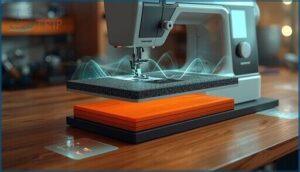
Even the best motor won’t help if your machine rattles across the table. That’s where vibration dampening comes in—rubber or silicone mounts decouple the chassis from your work surface, blocking up to 60 percent of transmitted vibrations.
Isolation materials like elastomer pads and damping systems absorb high-frequency buzz, giving you quiet operation and steadier stitching without the hum that echoes through shared spaces.
For more on industry standards and extensive options, explore these advanced vibration isolation techniques.
Quality of Internal Components
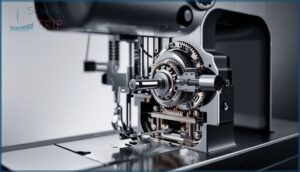
What’s inside your machine matters just as much as the mounts beneath it. High-quality bearings—sealed ball bearings with stainless steel race rings—cut friction and noise while delivering precision at any speed.
Hardened steel gears with tight backlash control prevent rattling, and efficient motor design paired with a well-isolated drive system keeps vibration low and component durability high across thousands of stitches.
Noise-Dampening Build Materials
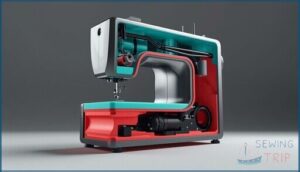
The frame and housing determine how your machine manages noise reduction. Solid metal frames absorb vibrations better than plastic shells, while internal insulation inside the housing wraps components to muffle motor hum.
Rubber feet prevent vibration transfer to your table, and damping layers between panels reduce resonance. Together, these build quality choices turn a noisy tool into a quiet sewing machine built for peaceful operation.
Benefits of Using a Quiet Sewing Machine
A quiet sewing machine isn’t just about reducing noise reduction—it’s about reclaiming your freedom to sew whenever and wherever you want.
A quiet sewing machine gives you the freedom to sew whenever and wherever you want without disrupting your household
Whether you’re working in a studio apartment, stitching while others sleep, or simply craving a more peaceful creative space, the right machine changes everything.
Let’s look at the specific ways a quieter model can transform your sewing experience.
Sewing Comfort in Shared Spaces
When you’re working in an apartment or room with others, a quiet sewing machine for home changes everything. You’ll enjoy sewing for apartments with machines producing under 60 decibels, while noise absorption from fabric panels and vibration mats keeps things peaceful.
Layout comfort matters too—foldable tables and quiet storage bins help you carve out personal space without disrupting anyone. Scheduling shared sessions and ergonomics setup, like adjustable chairs, complete your considerate workspace.
Improved Focus and Productivity
Concentration thrives when your quiet sewing machine runs at 40–60 decibels—close to a calm conversation. With quiet operation and sewing machine noise reduction, you’ll spot skipped stitches faster and guide seams more steadily, turning mindful sewing into genuine productivity hacks.
Focus enhancement from quieter equipment lets you work longer without sensory fatigue, so sewing flow and creative clarity stay sharp through complex projects.
Versatility for Any Time of Day
Usually, you’ll find your quiet sewing machine accommodates daytime sewing and nighttime projects without changing performance—soft-start motors and vibration isolation keep sound levels under 60 decibels, even at 900 stitches per minute.
That sewing flexibility transforms time management in apartments, letting you tackle hems before work or finish quilts after midnight while quiet operation and sewing machine noise reduction preserve household peace.
Top 7 Quiet Sewing Machines for Home Use
Now that you know what makes a sewing machine quiet and why it matters, let’s look at the actual models that deliver on those promises.
I’ve tested and reviewed seven machines that won’t wake your household or drive you up the wall with constant noise. Each one brings something different to the table, whether you’re a beginner working on your first quilt or an experienced sewist tackling heavy fabrics.
1. Janome Heavy Duty Sewing Machine
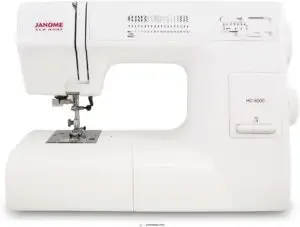
If you’re searching for power and peace in one package, the Janome Heavy Duty delivers both. This 23-pound workhorse features a high torque motor that glides through denim and canvas without the typical racket, thanks to its solid metal frame that dampens vibrations naturally.
You’ll find 18 built-in stitches, a one-step buttonhole, and a free arm for sleeves and cuffs. The front-loading bobbin system keeps thread changes quick, while the sturdy construction ensures consistent stitching on thick fabrics without the noise that normally comes with heavy-duty performance.
| Best For | Sewers who need a reliable machine that handles thick fabrics like denim and canvas without struggling, whether you’re a beginner learning the basics or an experienced sewer who wants a solid backup. |
|---|---|
| Built-in Stitches | 18 |
| Needle Threader | Built-in |
| Buttonhole | One-step |
| Weight | 23 lbs |
| Power Source | Corded electric |
| Free Arm | Yes |
| Additional Features |
|
- Powerful motor pushes through heavy materials like denim and leather without bogging down
- Quiet operation thanks to the metal frame that reduces vibration and noise
- Simple, straightforward design with 18 stitches and easy-to-use features like the built-in needle threader
- Small workspace makes it tough for quilting or larger projects
- Three-step buttonhole process takes more time than automatic options
- Hard to see the stitch selector without extra lighting
2. Elna High Speed Sewing Machine
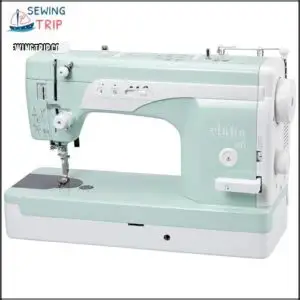
When you need speed without roar, the Elna High Speed stands out with its impressive 1600 stitches per minute paired with sound-dampening chassis materials. Eight enclosed ball bearings in the main shaft keep operation smooth and quiet, while rubber feet absorb workspace vibrations that would otherwise echo through your table.
You’ll appreciate the side-loading jumbo bobbin that holds 1.4 times more thread than standard spools, meaning fewer interruptions during long seams. The heavy steel framework keeps this straight-stitch specialist steady, even when you’re racing through quilts.
| Best For | Quilters and sewers who prioritize speed and precision on straight-stitch projects and need a reliable machine that can handle thick fabrics without the noise of an industrial setup. |
|---|---|
| Built-in Stitches | 1 (straight only) |
| Needle Threader | Automatic |
| Buttonhole | No |
| Weight | Not specified |
| Power Source | Corded electric |
| Free Arm | No |
| Additional Features |
|
- Blazing fast at 1600 stitches per minute with quiet operation thanks to sound-dampening materials and ball bearings
- Side-loading jumbo bobbin holds 40% more thread, so you spend less time refilling during long projects
- Heavy steel frame keeps everything stable even at high speeds, plus includes handy features like automatic needle threader and knee lift
- Straight stitch only—no zigzag, decorative stitches, or embroidery options
- Bobbin cover splits into two pieces, which some users find awkward to manage
- Can’t handle leather or extremely thick materials despite being marketed for heavy fabrics
3. Singer Quantum Stylist Sewing Machine
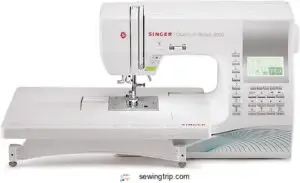
If you crave versatility without noise, the Singer Quantum Stylist 9985 delivers 600 built-in stitches and 13 automatic buttonhole styles in a metal-frame body that dampens vibrations beautifully.
You’ll find the color touchscreen guides you through stitch selection while the automatic needle threader saves fumbling in dim light. At $549.99, you’re getting quiet operation that processes thick layers without protest.
The transparent drop-in bobbin lets you monitor thread supply at a glance, and 13 presser feet mean you won’t need upgrades anytime soon.
| Best For | Sewers who want a feature-packed machine with tons of stitch options and quiet operation for everything from quilting to fashion projects. |
|---|---|
| Built-in Stitches | 600 |
| Needle Threader | Automatic |
| Buttonhole | 13 one-step styles |
| Weight | 14.6 lbs |
| Power Source | Corded electric |
| Free Arm | Yes |
| Additional Features |
|
- 600 built-in stitches and 13 buttonhole styles give you creative freedom for any project
- Automatic needle threader and drop-in bobbin system make setup quick and frustration-free
- Quiet metal-frame construction handles thick fabrics smoothly without loud vibrations
- Limited throat space might cramp your style if you work on large quilts
- The needle threader can be tricky to master despite being automatic
- You’ll need to dig into the manual to actually use all 600 stitches effectively
4. Brother Sewing And Quilting Machine
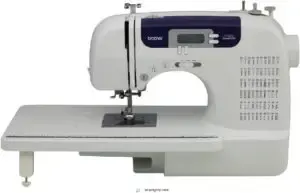
For quilters who refuse to wake the household, the Brother BQ3100 brings a rigid metal frame and sound-dampening panels that silence the motor hum you’d expect from high-speed work. You’ll appreciate the 11.25-inch workspace that accommodates bulky projects without wobbling, while automatic thread trimming spares you from manual snips between seams.
The enhanced touch screen simplifies stitch selection, and LED lighting keeps your needle area visible during late-night sessions. It’s engineered for durability, with clearly marked oiling points that make routine maintenance straightforward.
| Best For | Beginners and intermediate sewists looking for a versatile, user-friendly machine that handles everything from basic garment construction to quilting projects without breaking the bank. |
|---|---|
| Built-in Stitches | 60 |
| Needle Threader | Automatic |
| Buttonhole | 7 one-step styles |
| Weight | 13 lbs |
| Power Source | Corded electric |
| Free Arm | Yes |
| Additional Features |
|
- 60 built-in stitches with automatic needle threader and one-step buttonholes make complex techniques accessible for newcomers
- Wide extension table and free arm provide flexibility for both large quilts and small cylindrical items like sleeves
- 25-year limited warranty and lightweight design (13 lbs) offer peace of mind and portability at a reasonable price point
- Plastic-heavy construction may not hold up under years of intensive use compared to metal-bodied machines
- Included carrying case feels flimsy and may need replacement for regular transport
- Some users report electronic failures over time, suggesting reliability issues with long-term ownership
5. Brother Sewing Machine GX37
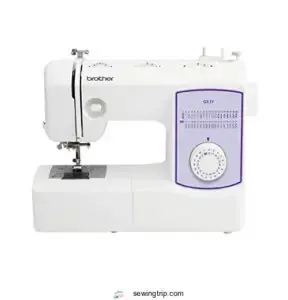
If you’re working with tighter budgets but still demand peace and quiet, the Brother GX37 delivers 37 built-in stitches and an automatic needle threader wrapped in a lightweight metal frame that muffles vibration.
At just over 10 pounds, you can move it between rooms without straining your back, while the drop-in bobbin cuts down on threading frustration. The LED work light keeps your stitches visible, and included feet—zigzag, buttonhole, zipper—give you immediate versatility for garment repairs or simple quilts.
| Best For | Budget-conscious sewers who want a quiet, portable machine for everyday repairs, simple garments, and beginner quilting projects. |
|---|---|
| Built-in Stitches | 37 |
| Needle Threader | Automatic |
| Buttonhole | One-step automatic |
| Weight | 10.14 lbs |
| Power Source | Corded electric |
| Free Arm | Yes |
| Additional Features |
|
- 37 built-in stitches with automatic needle threader and one-step buttonhole make setup quick and easy
- Lightweight at 10 pounds with a quiet metal frame that reduces vibration during use
- Includes 6 versatile sewing feet right out of the box for immediate project variety
- Not built for heavy-duty fabrics or intensive quilting work
- Needle changes require a screwdriver instead of a quick-release mechanism
- No carrying case included despite being marketed as portable
6. SINGER Start 1304 Beginner Portable Sewing Machine
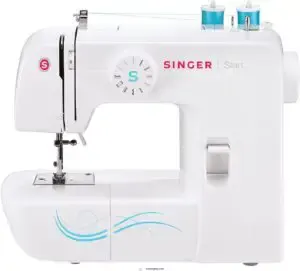
For absolute beginners who want simple, quiet sewing without the learning curve, the SINGER Start 1304 offers six built-in stitches and a four-step buttonhole in a no-frills, 11.5-pound frame.
Threading guides printed right on the body walk you through setup, and the metal frame absorbs vibration so you won’t wake anyone during late-night hem repairs. At under $100, it won’t handle heavy denim day in and day out, but for mending, curtains, and basic garment work, it’s whisper-quiet and wonderfully straightforward.
| Best For | Brand-new sewers who want an affordable, lightweight machine for simple projects like mending, hemming, and basic home décor without complicated features to navigate. |
|---|---|
| Built-in Stitches | 6 |
| Needle Threader | Manual |
| Buttonhole | 4-step |
| Weight | 11.5 lbs |
| Power Source | Corded electric |
| Free Arm | Yes |
| Additional Features |
|
- Super beginner-friendly with threading guides printed directly on the machine and only six stitches to learn
- Lightweight at 11.5 pounds and portable, so you can easily move it between rooms or take it to classes
- Quiet metal frame construction that keeps noise down during use
- Only six built-in stitches, which won’t be enough if you want to tackle decorative or advanced sewing projects
- Struggles with heavy fabrics like thick denim or multiple layers, so it’s not built for demanding work
- No automatic threading or modern conveniences that higher-end machines offer
7. Juki Sewing and Quilting Machine
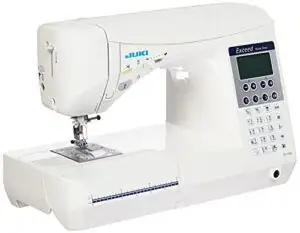
If you’re ready to step up from basic sewing to serious quilting, the Juki HZL-F300 brings 106 stitches, 16 sensor-controlled buttonholes, and a 25-pound aluminum frame that absorbs vibration beautifully.
The box feed system keeps thick layers moving smoothly without the grinding noise cheaper machines make, and the automatic needle threader saves time without the click-clack. At around $500, it’s quieter than most mid-range models, delivers consistent speed control for precision piecing, and won’t rattle your workspace when you’re working on king-size quilts.
| Best For | Quilters and intermediate sewers who need reliable speed control, automatic features, and enough power to handle thick layers without breaking the bank. |
|---|---|
| Built-in Stitches | 106 |
| Needle Threader | Automatic one-touch |
| Buttonhole | 16 automatic |
| Weight | 25 lbs |
| Power Source | Corded electric |
| Free Arm | Yes |
| Additional Features |
|
- 106 stitches and 16 automatic buttonholes give you plenty of creative options for garments and quilts
- Box feed system handles thick materials smoothly without the grinding noise you get from cheaper machines
- Automatic needle threader and thread cutting save time on repetitive tasks
- Missing some accessories like a walking foot, free motion foot, and knee lever (sold separately)
- Fewer stitches than higher-end Juki models like the HZL-600
- Won’t work in countries with 240V electricity without a converter
How to Choose The Best Quiet Sewing Machine
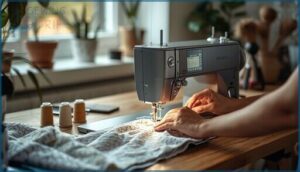
Finding the right quiet sewing machine isn’t just about low decibels—it’s about matching the machine’s capabilities to your actual needs without overpaying for features you won’t use.
You’ll want to weigh factors like whether you need computerized precision or prefer mechanical simplicity, how many stitches matter for your projects, and whether the build quality justifies the price tag. Let’s break down the key considerations that’ll help you choose a machine that’s both whisper-quiet and perfectly suited to your sewing style.
Computerized Vs Mechanical Models
When comparing computerized vs mechanical sewing machines in your quiet sewing machine reviews, you’ll find digital interfaces offer sewing automation with hundreds of programmable stitches, while mechanical models deliver straightforward operation through simple dials. Computerized sewing machines excel in user experience and noise reduction thanks to motor efficiency, though they require learning software workflows.
Consider these differences:
- Computerized units store exact patterns with automatic adjustments for consistent results
- Mechanical models use fewer electronic components, reducing potential glitches
- Digital interfaces provide helpful menus but add complexity for new users
- Simple mechanical designs often tolerate power fluctuations better in home use
Stitches, Speed, and Functionality
When you’re checking out sewing machine reviews, stitch precision and speed control matter just as much as quiet operation.
Most computerized sewing machines offer 600 to 1,500 stitches per minute with adjustable thread tension, giving you the control needed for detailed work.
Look for models with reliable feed systems and multiple sewing modes—these features let you tackle everything from delicate hems to heavy-duty seams without compromise.
Durability and Build Quality
A machine with solid metal frames and quality build materials won’t just deliver better noise reduction—it’ll last through years of projects without falling apart.
Look for heavy-duty internal components, reinforced motor mounts, and tight manufacturing tolerances that prevent the skipped stitches and alignment issues you’ll face with cheaper construction. Investing in component quality now means fewer headaches and better sewing machine longevity down the road.
Price and Value Considerations
Your budget planning shouldn’t stop at the sticker price—real value assessment factors in warranty length, parts availability, and long-term ownership costs.
Machines with metal frames and sturdy warranties often demonstrate lower six-year costs despite higher upfront investment.
For your sewing machine selection, weigh computerized features like automatic threading against mechanical simplicity, considering how resale value and service networks affect your total investment strategy for quiet operation.
Maintenance Tips for Quieter Sewing Machines
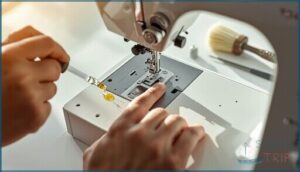
Even the quietest machine won’t stay that way without proper care, and a little preventive maintenance goes a long way in keeping your sewing space peaceful.
Regular upkeep doesn’t just reduce noise—it also extends your machine’s life and keeps it running smoothly when you need it most.
Here are the essential maintenance habits that’ll help your sewing machine stay as quiet as the day you brought it home.
Regular Cleaning and Lubrication
Think of sewing machine maintenance like tuning a piano—regular care keeps everything humming smoothly. Here’s your essential cleaning schedule and lubrication points to keep that quiet sewing machine purring:
- Clean after every project using a soft brush to remove dust from the feed dogs, bobbin area, and needle plate
- Lubricate monthly with the right machine oil types on the hook race and needle bar
- Wipe excess oil immediately to prevent fabric staining
- Keep a maintenance kit handy for quick between-project cleanups
Proper Needle and Thread Selection
You’d be amazed how much noise comes from mismatched needles and thread. Using the wrong needle sizes for your fabric types creates friction, skipped stitches, and annoying clatter that undermines even the quietest sewing machines.
Match thread weight to needle size—heavier threads need larger needles like 90/14, while delicate fabrics pair with 70/10. This simple sewing machine maintenance step improves stitch quality, tension control, and fabric compatibility while keeping your machine whisper-quiet.
Machine Placement and Vibration Mats
Beyond needle and thread, where you place your quiet sewing machine dramatically affects noise reduction. Anti-vibration mats, usually 5 to 20 mm thick rubber or composite materials, absorb machine vibration before it rattles your table or floor—essential for apartment sewing.
Here’s how to boost vibration control: 1. Position mats on hard, level surfaces for ideal machine stabilization 2. Choose rubber-based mat materials for better high-frequency damping 3. Make sure of full machine-foot contact to prevent edge lifting during quiet operation 4. Clean placement areas first to maintain grip and surface preparation integrity
Troubleshooting Unusual Noises
Even with vibration mats in place, unusual sounds can signal deeper problems. Start by pinpointing the noise source—auditory location narrows your search to areas like the bobbin case or feed dog housing. A consistent motor hum often indicates a worn belt, while sharp chirps point to foot pedal calibration issues.
| Noise Type | Likely Cause |
|---|---|
| Rhythmic thumps | Loose needle plate or bobbin misalignment |
| High-pitched squeal | Dry bearings needing lubrication |
| Soft grinding | Insufficient oil in bobbin area |
| Clicking/popping | Incorrect upper thread tension |
| Buzzing rising with speed | Motor load or electrical faults |
Thread problems create clicking sounds as fabric feeds, while bent needles produce a dull ping at each piercing moment. For quiet operation and effective noise reduction in your quiet sewing machine, address motor issues promptly—external housing heat paired with louder performance suggests lubrication failure. Regular sewing machine troubleshooting keeps your quiet sewing machines running smoothly, protecting vibration control systems and ensuring peaceful stitching sessions.
Frequently Asked Questions (FAQs)
What are the quietest sewing machines?
A whisper beats a roar when you’re crafting at midnight.
The quietest sewing machines—Janome Heavy Duty, Elna high-speed models, and Brother quilting combos—use DC motors and vibration dampers to cut noise by six to twelve decibels.
What is the best sewing machine for the elderly?
For elderly sewing needs, look for senior-friendly machines with accessible controls, easy threaders, and lightweight frames that support arthritis.
Quiet operation, auto-threading, and simple displays reduce strain while maintaining reliable stitch quality.
Which Sewing Machine Is The Quietest?
The loudest machines sometimes boast the quietest motors—brushless servo designs in models like the Bernina 535 or Janome HD3000 run under 60 decibels, delivering smooth quiet operation without sacrificing durability or sewing experience.
How Do I Stop My Sewing Machine From Making Noise?
Regular cleaning and lubrication keep internal gears running smoothly for noise reduction.
Place your machine on a vibration-absorbing mat, use fresh needles, and check for loose parts that rattle during quiet operation.
Why Is My Sewing Machine So Noisy?
If you’re hearing squeaks, grinding, or rattling, the culprit could be worn needles, buildup of lint in the bobbin case, or a dry motor lacking lubrication—causing metal parts to create friction and noise.
How Many Decibels Is A Sewing Machine?
Most home sewing machines run between 60 and 70 decibels during normal use, while quieter models can drop to 50–60 decibels—about as loud as a casual conversation, thanks to noise reduction features and quiet operation designs.
How Much Does It Cost To Service A Sewing Machine?
Service fees usually range from $75 to $150 for mechanical models, while computerized machines may cost $100 to $ Labor costs, diagnostic charges, and part replacements can increase your total maintenance expense substantially.
Which is the quietest sewing machine?
While most models hover around 60 to 70 decibels, the Bernina 535 takes the crown for quiet operation—its DC motor and vibration isolation reduce noise by 15 to 20 percent.
Which sewing machine makes less noise?
Machines with DC servo motors and vibration control systems make less noise, often operating under 60 dB.
Heavy metal frames with acoustic foam and isolated bobbin areas deliver the quietest operation for home sewing.
Are Janome sewing machines quiet?
Yes, Janome sewing machines rank among the quietest options available. Thanks to insulated motor housings, rigid frames, and sound-dampening materials, models like the HD3000 deliver whisper-soft performance that won’t disturb your household.
Conclusion
A whisper-quiet machine won’t just transform your sewing room—it’ll revolutionize when, where, and how often you create.
Whether you’re stitching at midnight or sharing space with family, the right choice from these quiet sewing machine reviews for home use gives you total control over your craft without the noise guilt.
Invest in the features that match your projects, maintain it properly, and you’ll enjoy peaceful, focused stitching for years to come.