This site is supported by our readers. We may earn a commission, at no cost to you, if you purchase through links.
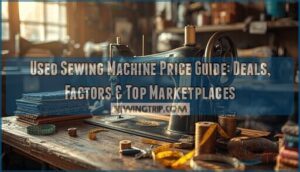
You can snag a reliable entry-level mechanical machine for around $100, but don’t expect every used sewing machine price to land in that sweet spot. Computerized mid-range models often run $150 to $400, while industrial workhorses command anywhere from $1,000 to $7,500.
The gap between these numbers isn’t random—condition, brand reputation, included accessories, and whether it’s been refurbished all shift the price tag.
Smart buyers who know what drives value can walk away with a machine that stitches beautifully without draining their wallet, while others overpay for cosmetic appeal or skip red flags that cost them down the road.
Table Of Contents
Key Takeaways
- Used sewing machine prices range from $60–$200 for entry-level mechanical models to $1,000–$7,500 for industrial machines, with computerized mid-range units typically falling between $150–$400.
- Refurbished machines offer 40–60% savings compared to new units while providing certified inspections, warranty coverage, and documented maintenance history that non-refurbished used machines lack.
- Condition and functional status matter more than cosmetic appearance—timing faults, motor issues, and feed dog problems account for 66% of machine failures, making performance verification critical before purchase.
- Strategic timing around holiday sales and clearance events can yield 12–25% discounts, while complete accessory bundles and original manuals boost resale value by 10–25%.
Used Sewing Machine Price Ranges
You won’t find a single flat rate when you’re shopping for a used sewing machine. Prices swing based on whether you’re eyeing a basic mechanical model, a feature-packed computerized setup, or an industrial workhorse.
Here’s what you can expect to pay across different machine types and conditions.
Entry-Level Mechanical Machines
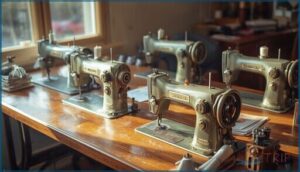
You’ll find used sewing machine sales of entry-level mechanical machines priced between $60 and $200, with basic models averaging around $100. Machines with solid stitch quality and intact mechanical parts—like tension systems and presser feet—command 20–40% premiums when from trusted brands. Bundles including bobbins and manuals boost prices 10–25%.
Regular machine maintenance history can offset depreciation, keeping your investment safer and more valuable long-term.
To resolve any web server issues that may affect online marketplaces, it’s necessary to contact the website owner or support team.
Mid-Range Computerized Models
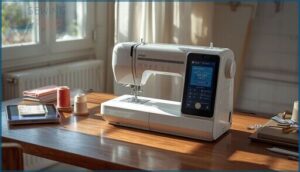
Stepping up from basic models, mid-range computerized used sewing machines usually land between $150 and $400 on any Online Marketplace. You get sophisticated Computerized Features—think automatic threading, stitch memory, and variable Sewing Speed.
Refurbished Sewing Machines with warranty fetch a premium, thanks to a thorough Refurbishment Process, reliable Machine Durability, and consistently high Stitch Quality that hobbyists and upgraders crave.
When evaluating these machines, consider the importance of systematic review articles to inform your purchasing decision.
Industrial and Heavy-Duty Machines
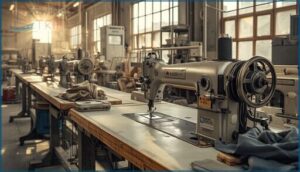
If you’re after muscle, used Industrial and Heavy-Duty Machines are your best bet. With sturdy Metal Construction and Industrial Motors, these workhorses handle thick fabrics and long hours.
Expect prices from $1,000 to $7,500, depending on Sewing Automation, Machine Calibration, and Heavy Duty Frames.
Reliable Textile Equipment like this keeps pace with demanding projects, especially when every stitch counts.
Bundle Deals and Accessory Pricing
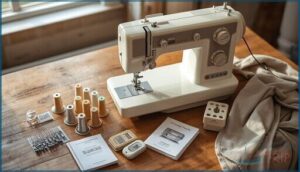
Beyond standalone Used Sewing Machines, you’ll spot Refurbished Bundles that sweeten the deal. These packages pair a Sewing Machine with Sewing Accessories like presser feet, bobbins, and manuals—offering Bundle Savings of 5–15% versus buying separately. Variable Pricing across marketplaces creates Price Dispersion, so compare carefully. Refurbished Sewing Machines with upgraded Sewing Supplies can push Accessory Costs up 8–18%, but the convenience often pays off.
- Presser feet sets (3–7 pieces)
- Bobbins (10–20 count)
- Needle packs and manuals
- Protective or dust covers
Depreciation Trends by Age and Model
Time works against older Used Sewing Machines—expect 40% drops for 10+-year units and 30% for 5–9 year mechanicals. Entry Preowned Machines lose 25–35% in the first three years, while industrial models resist Age Factors with 15–25% depreciation over five to seven.
Certified Refurbished machines, at 50–70% of original price, sidestep Model Obsolescence, though Market Fluctuations and Refurbishment Impact keep Price Volatility real across all Sewing Machine types.
Factors Affecting Used Sewing Machine Prices
You won’t find a standard sticker price when you’re shopping for a used sewing machine—the cost swings wildly based on a handful of key factors. Understanding what drives these price differences puts you in control and helps you spot genuine deals versus overpriced duds.
Let’s break down the five main elements that determine what you’ll actually pay.
Brand and Model Reputation
You’ll find brand loyalty drives prices in powerful ways. Singer and Brother machines earn 78% and 72% satisfaction ratings, keeping resale value strong.
Industrial brands like Bernina and BabyLock command premiums—buyers trust their sewing quality.
Customer reviews show refurbished sewing machines from reputed makers fetch 10–15% more than lesser-known models, even when condition’s identical. Model reliability beats cosmetics every time.
Condition and Functional Status
Condition separates a bargain from a breakdown. Functional testing reveals that 74% of used sewing machines earn a Good or Very Good rating after machine inspection, while 60% show cosmetic wear that won’t derail your projects.
- Timing faults cause 28% of failures—bobbin misalignment means skipped stitches.
- Motor issues hit 21%, slowing sewing speed and signaling needed sewing machine repair.
- Feed dog problems plague 17%, creating uneven fabric movement.
- Refurbished machines offer certified fault diagnosis and refurbishment standards, protecting your investment.
Cosmetic grading matters less than performance—prioritize sewing machine maintenance and repair history over surface scratches.
Age and Year of Manufacture
Older machines lose 15–25% of their value each year in the first five years, then slow to 5–10% annually. Age verification through manufacture date or serial checks lifts prices 12–18%—documentation matters.
Pre-2000 vintage models trade 20–40% lower than post-2000 units, though refurbished machines and well-maintained vintage models defy typical depreciation when sewing machine history and refurbishment process prove solid performance.
Included Accessories and Manuals
Complete accessory sets—presser feet, bobbins, extension tables—boost your resale value by 10–25%, with specialty feet adding $15–40 each. Original manuals lift asking prices another 10–20%, while documented sewing machine maintenance records command premiums of 10–25%.
Bundle deals on refurbished sewing machines often include warranty support and sewing accessories and parts, making refurbished extras a smart play when evaluating parts and accessories or sewing equipment purchases.
Refurbished Vs. Non-Refurbished Units
Refurbished quality means certified inspection gets 95% of units to factory-spec performance, while non-refurbished used sewing machines arrive as-is. Your refurb cost runs 20–40% below new, and you’ll lock in:
- 12-month warranty options covering motors and electronics
- Documented sewing machine maintenance reducing first-year service calls 30–50%
- Refurbished sewing machine benefits like updated safety electronics cutting electrical faults 40%
Non-refurbished used sewing equipment skips those guarantees entirely.
Comparing Top Online Sellers and Marketplaces

Not all online marketplaces treat you the same when you’re hunting for a used sewing machine. You’ll find differences in seller accountability, payment flexibility, and buyer protections that directly affect your wallet and peace of mind.
Here’s what separates the reliable platforms from the risky ones.
Seller Ratings and Feedback
You’ll find that seller ratings average 4.5 to 4.9 across major platforms—your key to purchase confidence. Buyer reviews reveal positive feedback analysis in 85% of cases, praising machine performance.
Top-tier sellers maintain sub-5% return rates and transparent customer support. Rating systems show that verified feedback and complete listings cut disputes by up to 35%, giving you real seller trust before committing.
Buy It Now Vs. Best Offer Options
After weighing seller ratings, your next move is picking between Buy It Now and Best Offer. Here’s what you need to know:
- Buy It Now prices run 12–25% higher.
- Best Offer nets 8–12% savings after negotiation.
- Auctions close 10–20% below BIN.
- Rare models favor BIN.
- Bundle deals and free delivery sweeten the pot.
Shipping, Returns, and Money-Back Guarantees
Once you’ve locked in a deal, don’t overlook the fine print on Shipping Costs, Return Policies, and Money Back protections. Free delivery can tip the scales, but insurance options and a clear refund process matter just as much. Look for sellers offering Warranty and ongoing Customer Support Services—these can be the safety net you need if things unravel.
| Feature | What to Expect |
|---|---|
| Shipping Costs | $15–$40 standard, $60+ heavy |
| Return Policies | 14–30 days, 5–15% restock |
| Money Back | 30–70 days, proof needed |
| Insurance Options | 1–3% of item price |
Pricing Trends on Major E-Commerce Platforms
After sorting through shipping fees and return policies, you’ll notice Ecommerce Platforms use Price Algorithms that react to Market Fluctuations and Buyer Behavior. For example, Discount Sewing Machines and “Best Offer” listings spike around holidays, while Ecommerce Fees shape final prices.
Sellers tweak Sales Strategies daily, so the price for Sewing Machines for Sale can swing more than you’d expect in Used Sewing.
Benefits of Buying Refurbished Sewing Machines
Refurbished machines give you a smarter path to quality without the new-machine price tag. You’re not gambling on unknown history—these units pass professional inspections and come with real protections.
Here’s what separates a certified refurbished machine from a risky used buy.
Certified Inspection and Quality Assurance
You’re buying trust when you choose a certified refurbished machine. The inspection standards matter—92% of refurbished units pass rigorous functional testing, while certified technicians check quality sewing performance across 5–7 documented points.
- Motor, needle bar alignment, and threading accuracy get verified
- 63% undergo at least 1,000 stitch cycles during quality control
- Detailed documentation traces refurbishment techniques and inspection outcomes
That’s real accountability.
Warranty Coverage and Ongoing Support
Peace of mind starts with the warranty. Most refurbished machines carry 30–90 day coverage, though some extend to 6 months. You’ll find certified technicians backing quality sewing performance and technical assistance during that window.
| Warranty Terms | Support Options |
|---|---|
| 30–90 day standard coverage | Complimentary troubleshooting |
| Major components protected | Remote diagnostics available |
| Extended plans: 5–15% of price | Online manuals and firmware |
| Coverage limits exclude consumables | Community forums for help |
Refund policies vary, but many sellers offer 30–45 day returns with inspection.
Included Accessories and User Manuals
You get more than just a machine. Around 62% of refurbished units include power cords, foot pedals, and sometimes a manual—often in PDF format. Many packages feature accessory kits with presser feet, bobbins, and threading guides. You’ll also find digital support through QR codes, downloadable user guides, and even product warranty information covering embroidery equipment or weaving attachments.
- 44% of manuals come bundled with bobbins, needles, and lint brushes
- 34% offer digitized PDF manuals for easy reference
- 21% include specialty presser feet beyond standard sets
- 15% provide instruction videos or direct links to sewing lessons and support
Value Compared to Non-Refurbished Machines
Think of a refurbished SINGER sewing machine as your shortcut to Refurbished Savings and Certified Quality. You’ll pay 40–60% less than new, pocket a warranty, and boost your resale value down the road.
With Refurbished Sewing Machine Sales rising, these units outshine Used Tailoring Machines on Price Comparison and Warranty Benefits—making trade-ins and upgrades less of a gamble, more of a win.
Tips for Getting The Best Used Sewing Machine Deal
Getting the best deal on a used sewing machine takes a bit of strategy and know-how. There are a few key things you’ll want to keep in mind before you buy.
Here’s what to focus on as you start your search.
Timing Your Purchase for Discounts
Ever noticed how Holiday Discounts and Clearance Events slash prices like a hot knife through butter? Seasonal Sales and post-holiday Price Drops often mean 12–25% off, with Discount Trends peaking in February–March.
Shop smart—Holiday Sales, Free Lessons, or even Sewing Machine Trade Ins can stack up real Cost Savings. Timing isn’t luck; it’s a strategy.
Evaluating Listings and Negotiating Price
Spotting a real deal takes more than a quick scroll. Use sharp Listing Analysis—compare similar models, check for complete bundles, and factor in Warranties. Don’t shy away from the Best Offer feature or even propose Sewing Machine Trade Ins for extra Cost Savings. Here’s how to take control:
- Price Research
- Condition checks
- Negotiation Tips
- Leverage Market Trends
Understanding Warranty and Return Policies
Before you hit “buy,” lock down those Warranty Terms and Return Policies. 74% of listings spell out coverage, but 22% stick you with restocking fees.
Refurbished machines usually pack 90-day Buyer Protection, while non-refurbished units often cap at 30 days or none.
Check if the seller offers free returns and a money-back guarantee. Don’t gamble on a lemon—Purchase Assurance protects your wallet.
Assessing Long-Term Value and Support
Beyond warranty windows, you need to size up Machine Durability and Support Services. Industrial models with documented Refurbishment Process histories hold value longest. Check if the seller offers Ongoing Support—Sewing Lessons or tech help add real worth. Factor in Maintenance Costs and Product Warranty scope:
- Servo-motor units require less frequent service
- Refurbished machine packages often include free tune-ups
- Brand-certified techs cost 20–40% less than third-party repairs
- Quality Sewing depends on stitch calibration support
- Warranty Options covering parts preserve resale value
Frequently Asked Questions (FAQs)
How do I verify a used machine’s authenticity?
Start with a Serial Number Check—trace it in the manufacturer’s database. Request machine inspection details, refurbishment process records, and warranty validation. Authenticity verification matters, especially with embroidery machines, serging machines, or any refurbished machine from used crafting supplies.
What are common scams in used sewing machines?
Roughly 7–12% of listings involve Counterfeit Machines or Fake Listings, with Payment Risks like wire transfers and forged receipts.
Condition Fraud, Warranty Scams, and missing accessories plague SecondHand Shopping, especially on platforms selling Embroidery Machines or Used Crafting Supplies.
Can I upgrade older machines with modern features?
You can retrofit older machines with servo motors and electronic timing if chassis design allows. Expect compatibility issues in 15–30% of cases.
Upgrade costs add 20–40% to current value, but BERNINA and BabyLock models often handle retrofits better than budget brands.
How do I safely clean a used sewing machine?
You’ll laugh—people fork over cash for a “deal” on a dusty machine, then wreck it with window cleaner.
Unplug first, brush lint from bobbin areas, use sewing machine oil sparingly on metal pivots, and replace needles after cleaning for machine maintenance success.
Where can I find parts for discontinued models?
You can find parts for discontinued models through OEM parts suppliers, vintage specialists like Sew Steady, or cross-brand compatible options for BERNINA, BabyLock, and embroidery machine refurbished units.
Conclusion
Master the market, and you’ll measure value like a pro. Every used sewing machine price reflects its story—wear patterns, brand loyalty, refurbishment history.
You’ve seen the ranges, learned the red flags, and discovered where smart buyers hunt. Now you control the narrative.
Walk into negotiations armed with data, not hope. Demand proof of function, not promises. The right machine waits for someone who won’t settle for cosmetic shine over stitch integrity. That someone is you.