This site is supported by our readers. We may earn a commission, at no cost to you, if you purchase through links.
Walk into the right sewing shop and you’ll find bolts of fabric stacked floor to ceiling, thread in every color imaginable, and someone behind the counter who can tell you exactly which needle works best for stretch denim. These shops aren’t just supply stops—they’re where beginners get their first real guidance and where seasoned sewists find the specific trim that makes a project click.
Sewing shops range from small home studios to full-service storefronts stocking machines, notions, and classes under one roof. Knowing what they offer helps you get exactly what your next project needs.
Table Of Contents
Key Takeaways
- Sewing shops aren’t just supply stops — they’re full creative ecosystems offering fabric, tools, classes, repairs, and a community that actually helps you grow.
- The type of shop matters: retail-only stores sell supplies, while service-focused shops build loyalty through repairs, alterations, and hands-on classes with margins that keep them thriving.
- Online shops give you endless options and convenience, but local stores win on touch, true color, and human connection — your project should decide which one you need.
- Finding the right shop takes more than a quick search — check staff knowledge, product quality, store policies, and community events like Shop Hops to land somewhere worth your loyalty.
What Are Sewing Shops?
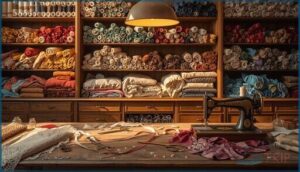
Sewing shops are more than just a place to grab a spool of thread — they’re where creativity gets its raw material. They’ve evolved from old-school haberdasheries into modern hubs that sell supplies, offer services, and bring sewists together.
A tidy stash starts with the right supplies, and knowing how to organize thread in your sewing room makes every project feel less like a hunt and more like a flow.
Here’s what you need to know about what they’re, where they came from, and why they matter.
Definition and Core Purpose
A sewing shop is your one-stop source for every project — fabric, sewing notions, machines, and real advice under one roof. It’s not just retail. It’s a foundation.
- Sewing Supplies — thread, zippers, buttons, elastic
- Fabric — cottons, linens, blends by the meter
- Core Services — repairs, alterations, machine support
- Sewing Community — classes, guilds, local maker networks
Brief History and Evolution
Craft didn’t start at checkout. Medieval Tailors built the first real sewing trade — street-front workshops, custom cuts, handmade everything. Then the Industrial Revolution hit. Sewing Machines changed garment construction overnight. Department Stores absorbed textile arts into workrooms. Online Retailers finished the shift digital. The evolution of sewing was heavily influenced by the need for fashion social status.
| Era | Key Development | Impact on Sewing |
|---|---|---|
| Medieval Period | Medieval Tailors establish trade | Sewing History begins formally |
| Industrial Revolution | Sewing Machines spread | Mass Garment Construction |
| 19th Century | Department Stores open workrooms | Retail meets Sewing Supplies |
| Early 20th Century | Ready-made clothing rises | Home sewing declines |
| Digital Age | Online Retailers launch | Sewing goes global |
Role in The Sewing Community
Beyond selling supplies, your local shop is the heartbeat of the Sewing Community. Think Sewing Workshops where beginners leave with finished tote bags, Social Sewing nights where projects come alive in good company, and Charity Events stitching quilts for shelters.
Whether you’re picking up a needle for the first time or returning after years away, understanding how challenging sewing really is for beginners helps set realistic expectations before your first workshop.
Skill Sharing flows naturally here — between Sewing Enthusiasts, guilds, and Community Outreach programs connecting the wider Crafting Community through Sewing and Crafting Resources and Community and Events for Crafters.
Many find their creative voice through sewing class guidance that fosters a sense of community and shared learning experience.
Types of Sewing Shops
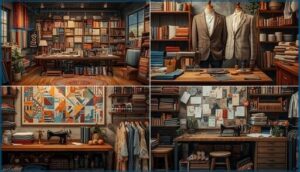
Not all sewing shops are built the same, and that’s actually a good thing. Depending on what you need, the right shop for you might look completely different from what you’d expect.
Here’s a breakdown of the main types you’ll come across.
Retail-Only Vs. Service-Focused Shops
Not all sewing stores are built the same. Retail-only fabric stores and haberdashery shops focus on sewing supplies — thread, notions, machines — with staff expertise limited to sales.
Service-focused sewing stores go further, generating strong revenue streams through repairs and classes, with labor margins above 70%. Their service models build real customer loyalty, turning one-time buyers into regulars who keep coming back.
Home-Based, Market Stall, and Storefront Locations
Location planning shapes everything. Your home studio keeps overhead low and suits custom, appointment-based work — ideal if you’re building something personal.
Market stalls thrive on impulse buys, so stock smart after doing market research on seasonal demand. Storefront design draws walk-in traffic, but rent hits hard.
Whether you’re browsing local fabric stores or scoping sewing stores near you, space optimization always matters.
Online Vs. Brick-and-Mortar Sewing Shops
Two worlds, one choice. Online sewing supplies give you 24/7 access, thousands of SKUs, and prices that brick-and-mortar fabric stores can’t always match.
Once you’ve stocked up, put those supplies to good use with these simple sewing crafts for adults that turn a new hobby into something tangible fast.
But local fabric stores offer something no screen can replicate — you touch the drape, check the color in real light, and tap into sewing communities built on real relationships.
Local fabric stores offer what no screen can replicate: texture, true color, and community built on real relationships
Use an online directory to scout options, read online reviews, and let your project decide. Sometimes store loyalty is earned stitch by stitch.
Products and Supplies Offered
Walk into any sewing shop and you’ll quickly realize there’s a lot more on offer than just thread and fabric. From beginner basics to specialty tools, what’s on the shelves tells you exactly what kind of maker that shop is built for.
Here’s a look at the main product categories you can expect to find.
Fabrics, Notions, and Trims
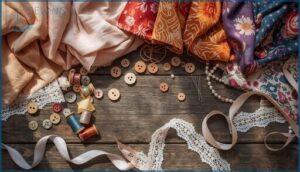
Good sewing shops stock everything you actually need. Fabrics range from breathable cotton to fluid rayon — lightweight textiles for summer, medium-weight quilting materials for patchwork.
Notion organization matters too: thread, zippers, buttons, and elastic keep your projects moving.
Don’t overlook trim applications — lace, rickrack, and piping turn basic into bold. Smart fabric selection and quality sewing supplies make all the difference.
Sewing Machines and Accessories
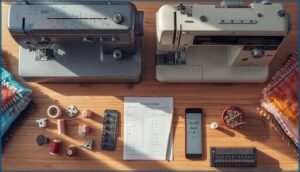
Mechanical sewing machines keep things simple — manual dials, 10 to 30 stitches, built to last. Computerized models push further with 500+ stitches, auto buttonholes, and programmable sequences. Both types of sewing machines sit side by side in most shops so you can compare before committing.
Don’t forget sewing tools like presser feet, needle selection guides, and thread types — smart sewing equipment choices start here.
Quilting, Embroidery, and Crafting Materials
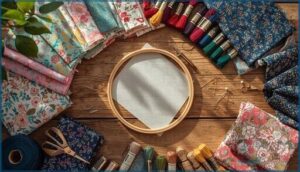
Quilting fabrics, embroidery threads, and crafting tools — this is where the real fun begins. Pick up quilting cotton precuts like fat quarters, already grouped in coordinating prints so your patchwork comes together fast. Grab stranded embroidery threads in six separable strands for bold or delicate work.
Toss in stabilizers, fusible interfacing, and polyester fiberfill. These sewing notions and crafting supplies turn raw fabric into something worth keeping.
Services Provided by Sewing Shops
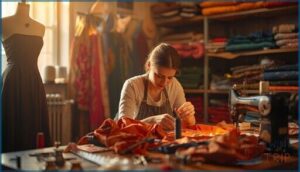
Sewing shops aren’t just about selling fabric and tools — many of them do a whole lot more. Whether you need a quick fix or want to build a skill from scratch, there’s likely a service that fits what you’re looking for.
Here’s what most sewing shops offer beyond the shelves.
Repairs and Alterations
Your clothes don’t have to retire just because they’ve seen better days. Sewing shops handle everything from hem repair and zipper fix to full garment resizing and seam restoration.
Need fabric mending on a worn jacket? Done. Tailoring, alterations, even sewing machine repair and service — it’s all on the table. Skilled hands bring garments back, stitch by stitch.
Sewing Classes and Workshops
Sewing classes and sewing workshops go beyond fixing what’s broken — they hand you the skills to build from scratch. Most shops offer structured sewing instruction across clear levels, from beginner machine basics to expert sewing techniques.
Class formats vary: group sessions, private lessons, even online. Project learning keeps it real — you leave with something you actually made.
Custom Orders and Special Projects
Beyond classes, sewing shops take on full custom designs — your vision, built from scratch. Bring a sketch or reference photo, and they’ll handle pattern making, fabric sourcing, and garment making end to end.
Rush orders cost extra, but they’re doable. Expect a deposit upfront, a written quote, and a clear timeline before any sewing starts.
How to Find and Choose a Sewing Shop

Finding the right sewing shop doesn’t have to feel like searching for a needle in a haystack. The good news is there are a few reliable ways to track one down and figure out if it’s actually worth your time.
Here’s what to look for.
Using Online Directories and Reviews
Start with Google Maps or Yelp to find sewing stores near you — both platforms pull directory listings with online ratings, photos, and real customer feedback. Use review filters to sort by distance or rating, and cross-check address and hours for shop verification.
Sites like Fabric Store Directory narrow down sewing and fabric stores by specialty, making your search sharper and faster.
Attending Local Events and Shop Hops
Online directories get you started, but local quilting events and Shop Hops take your search further. These crafting events put you inside sewing stores near you — passport in hand, stamps piling up.
Quilt Tours and sewing workshops happen across entire regions, connecting you to shops you’d never find otherwise. Community building is built right into the event planning. Show up and explore.
Tips for Selecting The Right Shop for Your Needs
The right shop doesn’t just sell supplies — it nurtures your whole creative journey. Here’s what to check before committing:
- Shop Location — Pick sewing stores with hours and parking that fit your routine.
- Staff Knowledge — Great fabric stores have staff who actually sew.
- Product Quality — Look for labeled fiber content and consistent dye lots.
- Store Policies — Check return rules and whether sewing classes are bundled with machine purchases.
A strong sewing community starts with one good shop.
Frequently Asked Questions (FAQs)
What is a sewing shop?
A sewing shop is your go-to spot for fabric, tools, and supplies — a place where creativity gets its fuel, community finds its people, and every project starts to take shape.
Can sewing help with stress relief?
Yes. Mindful stitching, calming routines, and emotional expression through sewing projects are real stress reduction tools. Relaxation techniques like rhythmic crafting lower cortisol.
Sewing classes and the sewing community add connection that helps too.
Is Michaels a sewing store?
Michaels isn’t a traditional sewing store, but it’s getting closer. It now stocks fabric, notions, and machines — plus carries Joann’s legacy brands — making it a legit craft store option for everyday sewing supplies.
How do sewing shops handle custom orders?
Custom orders start with a consultation — you share your vision, they handle the rest. Shops take custom measurements, guide fabric selection, build patterns, and follow a clear production timeline from deposit to delivery.
What warranties do sewing machines typically include?
Most sewing machine warranties cover the machine head for 5–25 years, electronics for 2–5 years, and labor for 1 year. After that, labor costs are yours.
Always complete warranty registration and note parts exclusions like needles and bobbins.
Do sewing shops offer fabric cutting services?
Most fabric stores do cut fabric to your requested length. Many charge small cutting fees for custom orders, and precut fabrics like fat quarters are ready to go — no sewing services needed.
Can beginners rent sewing machines before buying?
Renting a sewing machine before buying is a smart move. Sewing stores and studios offer Rental Options starting at $15 daily, giving you Machine Testing freedom and real Cost Savings without committing upfront.
How often do sewing shops restock inventory?
Most sewing shops restock basics like thread and notions weekly. Seasonal fabrics arrive a few times yearly. Reorder points trigger automatic top-ups. Chain sewing stores restock more often than independents.
How much do sewing shop services typically cost?
Prices vary by job. Basic alterations like hemming pants run $10–$ Dress work costs more. Machine repairs average $75–$ Service rates depend on complexity, fabric, and your location.
What qualifications should a sewing shop owner have?
No law demands a certificate, but real success needs technical skills, machine expertise, design knowledge, business management, and customer service.
Additionally, sewing instruction and classes experience are essential to lead your community confidently.
Conclusion
Stitched stories, skilled hands, and stocked shelves—that’s what sewing shops are at their core. They’re not just places to buy thread; they’re where your ideas get real.
Whether you need a machine tune-up, a class that builds your confidence, or that one perfect zipper, the right shop delivers.
Find yours, walk in ready, and don’t underestimate what a knowledgeable community can do for your craft. Your next project starts there.
- https://www.instagram.com/raystitch/
- https://www.naics.com/naics-code-description/?v=2022&code=459130
- https://millmuseum.org/history-2/din-of-machines/sewing-revolution/
- https://www.historyextra.com/period/victorian/stitching-the-fashions-of-the-19th-century/
- https://americanhistory.si.edu/explore/exhibitions/sweatshops/online/history/1820-1880