This site is supported by our readers. We may earn a commission, at no cost to you, if you purchase through links.

Felt has a quiet trick up its sleeve. Press two pieces together and they hold—no glue, no thread, nothing but the fabric itself doing the work. That’s the fiber entanglement at play, thousands of tiny loops grabbing onto each other like velcro’s softer cousin.
It’s why felt boards work, why kindergarten classrooms still use them decades after flashier alternatives arrived. But does felt stick to felt well enough for your project? That depends on the felt type, the surface condition, and what you need the bond to do. Wool grips differently than acrylic, and a temporary hold needs a different approach than a permanent one.
Table Of Contents
- Key Takeaways
- Does Felt Stick to Felt Naturally?
- Factors Affecting Felt-to-Felt Adhesion
- Temporary Adhesion Methods for Felt
- Permanent Ways to Stick Felt to Felt
- Best Glues for Sticking Felt to Felt
- Top 5 Products for Sticking Felt
- Tips for Stronger Felt-to-Felt Bonds
- Common Mistakes When Sticking Felt
- Felt Boards and Craft Applications
- Felt Adhesion to Other Fabrics and Surfaces
- Frequently Asked Questions (FAQs)
- Conclusion
Key Takeaways
- Wool felt grips naturally through fiber entanglement, while acrylic felt’s smoother surface resists sticking, so your material choice shapes every bonding decision you make.
- For temporary holds like felt boards, friction alone does the job — but wearables and decor need real adhesive like fabric glue, hot glue, or tacky glue to stay put.
- Surface prep isn’t optional: lightly roughing up the felt and keeping it clean gives any adhesive a fighting chance to grip instead of slide.
- The most common mistakes — wrong glue type, too much or too little adhesive, and ignoring felt material differences — are all easy to avoid once you know what to watch for.
Does Felt Stick to Felt Naturally?
Yes, felt sticks to felt on its own — no glue required. The secret is in the fibers themselves and how they interact when two pieces press together. Here’s what’s actually going on beneath the surface.
Fiber Entanglement and Friction
Felt has a quiet trick up its sleeve — those tiny, tangled fibers on its surface naturally grip each other the moment two pieces touch. Think of it like microscopic fiber hooks catching on one another. That mechanical grip physics is basic textile science, but it’s surprisingly powerful for craft work.
That grip makes felt ideal for all kinds of builds, from simple ornaments to layered designs you’ll find in these fun felt sewing projects.
- No glue needed for a felt board setup
- Surface scale interaction creates instant friction
- Inter-fiber contact holds pieces flat and steady
- It’s the backbone of fiber crafts everywhere
Differences Between Wool and Acrylic Felt
Not all felt is created equal — and that gap matters when you’re picking materials for a project. Wool felt has fiber microscopic scales that grip neighboring fibers naturally, while acrylic felt’s smooth surface resists material bonding. That difference shapes your adhesive selection from the start.
| Feature | Wool Felt | Acrylic Felt |
|---|---|---|
| Textile Science Origin | Natural keratin fibers | Synthetic polymers |
| Material Biodegradability | Biodegrades over time | Persists in landfills |
| Flame Resistance Levels | Self-extinguishes | Melts and drips |
| Color Vibrancy | Rich, matte tones | Bright, including stark white |
| Natural Grip Strength | Higher | Lower |
For more details about, you can explore in-depth comparisons and material insights.
Temporary Vs. Lasting Hold
Knowing your felt type is half the battle — the other half is figuring out whether you need pieces that hold just long enough to rearrange, or a bond that won’t budge no matter what.
For felt boards and play sets, friction methods are enough. But for wearables or decor, you’ll want real adhesive strength.
That’s where surface prep and the right bonding techniques make all the difference in hold durability.
Factors Affecting Felt-to-Felt Adhesion

Not all felt sticks the same way, and a few key things determine how well two pieces will hold together. Once you know what affects the grip, you can work with it instead of against it.
Here’s what makes the biggest difference.
Type of Felt Material
Not all felt is created equal, and that difference matters more than you’d think when you’re trying to get two pieces to stick together. Wool felt grips like a champ — natural fiber length and surface scales create real friction. Acrylic felt? Smoother, slicker, and less cooperative. Here’s what shapes adhesion:
- Wool felt bonds best due to high felt density and coarse fiber texture
- Acrylic mixes and craft felt sheets cling less because synthetic fibers lack natural grip
- Material blends fall somewhere in between — better than pure acrylic, not as strong as wool types
Surface Texture and Preparation
The surface you’re working with can make or break how well your felt pieces hold together. Fiber roughness is your best friend here — lightly brush the felt or use fine sandpaper for texture enhancement before bonding.
Surface cleaning matters too; oils and dust kill adhesion fast. A quick wipe-down before applying any textile adhesive or fabric bonding glue makes a real difference.
Size and Shape of Felt Pieces
Size and shape quietly run the show regarding how well your felt pieces grip each other. Larger felt sizing means more fiber contact — and more contact means a stronger hold without any adhesive. Smart piece arrangement and edge finishing also matter:
- Flat, wide shapes bond better than narrow strips.
- Clean-cut edges from precise felt cutting grip more evenly.
- Shape variety with overlapping sections adds natural friction.
Environmental Conditions (Humidity, Static)
Behind every stubborn or slippery felt piece, the air itself is often the real culprit. Humidity control matters more than most crafters realize — dry air below 30% amps up electrostatic forces, making felt cling unpredictably. Aim for 40–60% air moisture for steady results.
| Condition | Static Level | Felt Cling |
|---|---|---|
| Below 30% humidity | High | Unpredictable |
| 40–60% humidity | Low | Consistent |
| Above 60% humidity | Minimal | Friction-only |
Temporary Adhesion Methods for Felt

Sometimes you don’t need glue at all — felt can hold itself in place better than you’d expect. The key is knowing how to work with what felt already gives you.
When glue is the right call, though, nailing the technique makes all the difference — proper fabric-to-glass gluing methods can save you from a frustrating mess later.
Here are three simple ways to get a temporary bond without reaching for the glue bottle.
Using Only Felt’s Surface Properties
Felt is one of those rare materials that does some of the work for you — no glue required. Its surface roughness and felt texture create natural fiber friction that grips opposing pieces without any adhesive. Here’s what’s actually happening:
- Material Interlock: Fibers weave into each other on contact
- Surface Attachment: Fuzzy layers grip through mutual entanglement
- Static Cling: Dry conditions build charge, pulling pieces together
- Wool vs. Acrylic: Wool felt bonds tighter; acrylic felt’s slicker surface resists
Light Pressure and Weight Application
A little pressure goes a long way when you’re working with felt. Gentle pressing compacts the fibers together, boosting surface friction and adhesion enhancement naturally.
Try laying a heavy book over your felt pieces for a minute or two. That simple weight distribution pushes crafting materials into closer contact, letting fibers weave tighter without any glue or adhesive needed.
Static Electricity Enhancement
Dry air is quietly working in your favor when you craft with felt. Low humidity builds up an electrostatic charge across the surface, pulling fibers toward each other through static enhancement. This natural friction increase means your pieces cling a little tighter without anything extra.
Wool felt responds especially well — its fiber alignment and surface roughening hold that charge longer than acrylic does.
Permanent Ways to Stick Felt to Felt
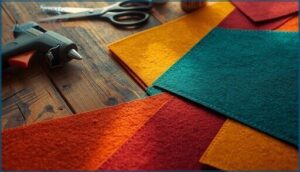
Sometimes you need felt that stays put for good, not just until someone bumps the table. The right method depends on your project, your materials, and how much stress the bond needs to handle.
Here are the main ways to get a permanent hold.
Gluing Techniques for Lasting Bonds
When you need felt pieces to hold together through real use, glue is what seals the deal. Fabric adhesives like tacky glue or fabric glue work great for most felt crafting projects — just apply a thin, even layer and press firmly. Hot glue dries fast and bonds tightly.
For felt preparation, roughen the surface slightly so the glue grips better.
Sewing and Needle Felting Options
Glue works fine, but if you want a bond that holds through washing, bending, and everyday wear, sewing or needle felting is the smarter move.
Basic felt stitching — a simple running or whip stitch — locks felt embellishments firmly in place. Needle felting techniques use a barbed felting tool to tangle fibers together permanently. Both sewing and embroidery methods give your felt crafting real staying power.
When to Use Each Method
Picking the right bonding method really comes down to one question: does your project need to survive real life, or just look good on a shelf?
- Glue works for decorative felt crafting techniques where adhesive timing and quick results matter most.
- Sewing is your go-to bonding technique when material choice and durability drive the project.
- Needle felting suits permanent surface prep needs where layers must fuse completely.
Match the method to the mission.
Best Glues for Sticking Felt to Felt
Not every felt project can rely on friction alone to hold things together. When you need a real bond, picking the right glue makes all the difference.
Here are the best adhesive options to explore.
Fabric Glue Choices

Fabric glue is your best friend for felt crafts that need to last. Options like Aleene’s Original Tacky Glue offer flexible bond strength without stiffening your felt.
Look for non-toxic formulas if kids are involved — they clean up with water. Need waterproof fabric results? Choose washable glue types labeled machine washable.
Smart adhesive techniques make all the difference in crafting with felt. For advice on choosing the right glue and tips, explore these felt crafting techniques and tips.
Hot Glue and Tacky Glue Options

Hot glue and tacky glue are two of the most reliable tools in any felt crafter’s kit, and knowing when to reach for each one can save you a lot of frustration.
- Hot glue guns bond fast — ideal for thick felt layers needing strong adhesive strength
- Tacky glue dries flexible, perfect for detailed felt crafts without stiffening
- Glue gun safety matters: work on a protected surface and avoid skin contact
Tacky glue tips: apply thin layers for clean, even glue application every time.
Super Glue and Spray Adhesives

Super glue and spray adhesives bring a whole different level of hold to felt projects — think permanent, fast, and no-nonsense. Super glue works best on small areas where bonding strength really matters. Spray glue covers larger surfaces evenly, making it great for bigger felt crafts.
Always prep your surface first and let drying times complete fully before handling. Both adhesive types deliver serious results when used right.
Top 5 Products for Sticking Felt
Knowing which glue to use is one thing — knowing which product to actually buy is another. There are a lot of options out there, and not all of them are worth your time or money.
Here are five that consistently get the job done with felt.
1. Romech Hot Glue Gun Kit
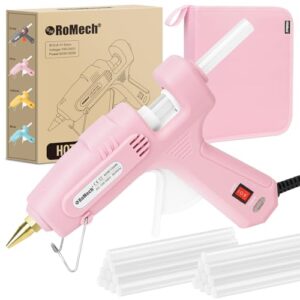
The Romech Hot Glue Gun Kit is a solid choice for felt crafts. It offers dual power settings — 60W and 100W — so you can dial in the right heat for delicate or heavier felt projects.
It heats up in 3 to 5 minutes and runs cordlessly for about an hour, which means no cord fighting while you work.
The narrow nozzle gives you control, so glue stays where you put it and doesn’t bleed through thinner felt sheets.
| Best For | Crafters, hobbyists, and DIYers who want a reliable, easy-to-use glue gun for felt, wood, and everyday creative projects. |
|---|---|
| Primary Use | Crafting & DIY |
| Finish | Clear/Transparent |
| Bond Strength | Strong |
| Material Compatibility | Wood, Fabric, Crafts |
| Form Factor | Gun with Sticks |
| Ease of Use | Quick heat-up |
| Additional Features |
|
- Dual power settings (60W and 100W) let you match the heat to your material, so you’re not stuck melting delicate felt or struggling with heavier stuff.
- The copper and brass nozzle combo means cleaner application — less dripping, less mess.
- Comes with 21 glue sticks and a storage case, so you’re ready to go right out of the box.
- It’s on the lightweight side, which makes it easy to tip over mid-project.
- Only two temperature settings — no fine-tuned control if you need something in between.
- 21 glue sticks sounds like a lot until you’re deep in a big project and suddenly need more.
2. Aleene’s Original Tacky Glue
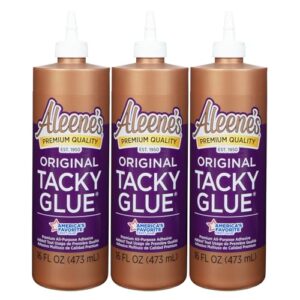
Aleene’s Original Tacky Glue is a go-to for felt crafters who want something reliable without the heat gun. It’s PVA-based, nontoxic, and dries clear — so no ugly white edges on your colored felt pieces.
The thick formula grabs fast, keeping layers from sliding while everything dries. Give it 37 to 47 minutes to set fully.
Use a thin, even coat for best results — too much glue soaks through and stiffens the felt. Cleanup is easy with soap and water before it dries.
| Best For | Crafters and DIYers who work with felt, foam, paper, or light materials and want a reliable, easy-to-use glue that dries clear without a lot of fuss. |
|---|---|
| Primary Use | Crafting & DIY |
| Finish | Clear |
| Bond Strength | Strong Permanent |
| Material Compatibility | Paper, Felt, Foam, Wood |
| Form Factor | Bottle (3-pack) |
| Ease of Use | Easy apply & clean |
| Additional Features |
|
- Thick formula grabs fast, so pieces stay put while drying — no sliding or shifting
- Dries clear and clean, which is a big deal when you’re working with colorful materials
- Nontoxic and easy to clean up with just soap and water
- Not the strongest option out there — heavier-duty projects may need something like Gorilla Glue
- Too much glue soaks through felt and leaves it stiff, so application takes a little care
- Long-term durability info is limited, so it’s hard to know how it holds up over time
3. Aleene’s Fabric Fusion Permanent Fabric Glue
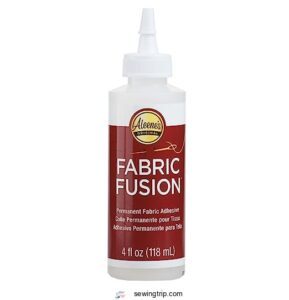
Want a fabric glue that actually holds up in the wash? Aleene’s Fabric Fusion is worth keeping in your craft bin. It’s a water-based acrylic formula that dries flexible and clear — no stiff, crusty edges on your felt.
Apply a thin, even coat and let it cure for up to 72 hours before tossing your project in the machine. One thing to note: it’s not ideal for felt, so use it mainly when attaching felt to other fabrics like denim or flannel.
| Best For | Crafters of all skill levels who need a flexible, wash-safe glue for everyday fabric repairs, hems, and DIY projects on materials like denim, cotton, and flannel. |
|---|---|
| Primary Use | Fabric & Crafting |
| Finish | Clear |
| Bond Strength | Permanent |
| Material Compatibility | Fabric, Denim, Cotton |
| Form Factor | Bottle |
| Ease of Use | Low odor, easy apply |
| Additional Features |
|
- Dries clear and flexible, so your fabric still moves and feels comfortable
- Works on a wide range of materials — great for clothing, accessories, and home decor
- Low odor and easy to apply, with a tip that swaps between precision and wider coverage
- Not great for felt, thick fabrics, or nylon — can leave white residue or bleed through
- Needs up to 72 hours to fully cure before washing, which slows down quick projects
- Not built for heavy-duty bonds like upholstery or tough repairs that take real stress
4. Gorilla Super Glue Gel
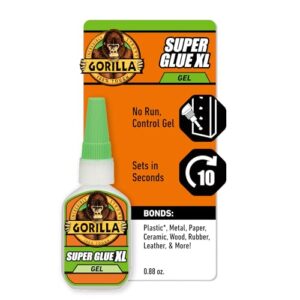
Gorilla Super Glue Gel is the one to reach for when you need small felt pieces locked in place fast. Its gel formula won’t run or soak through your felt, and it sets in 10 to 45 seconds — so position carefully on the first try.
A single drop covers about 6 square centimeters, meaning one bottle goes a long way. Just keep in mind it dries rigid, so it works best on flat, low-flex felt projects rather than anything that bends.
| Best For | Crafters and DIYers who need a quick, precise fix on small projects like 3D printed parts, kids’ toys, or household repairs. |
|---|---|
| Primary Use | Crafting & Repairs |
| Finish | Crystal Clear |
| Bond Strength | Strong Permanent |
| Material Compatibility | Plastic, Metal, Ceramic |
| Form Factor | Bottle/Gel |
| Ease of Use | Fast 10-45 sec set |
| Additional Features |
|
- Gel formula stays put on vertical surfaces and won’t soak through materials like felt
- Sets fast — anywhere from 10 to 45 seconds — so repairs are done in a flash
- Works on a ton of surfaces: plastic, metal, ceramic, rubber, stone, and paper
- Not safe for polyethylene or polypropylene plastics, so check your material first
- Has a strong smell and can bond skin if you’re not careful
- Can dry out or clog if the cap isn’t closed properly after each use
5. 3M Super Multipurpose Spray Adhesive
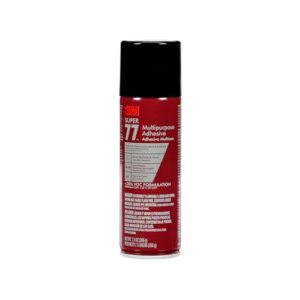
When you’re covering a large area, a single drop of glue just won’t cut it. That’s where 3M Super 77 Multipurpose Spray Adhesive earns its spot.
One even mist coat bonds felt to wood, cardboard, metal, and more in under a minute. It stays tacky long enough to reposition, then locks down fast. The low soak-in formula keeps your felt soft, not stiff.
Just spray outdoors — the fumes are strong and it oversprays easily.
| Best For | Crafters, hobbyists, and DIYers who need a fast, reliable bond across large surfaces or tricky materials like fabric, foam, and felt. |
|---|---|
| Primary Use | Crafting & Art |
| Finish | White/Clear |
| Bond Strength | Strong Permanent |
| Material Compatibility | Fabric, Felt, Foam, Paper |
| Form Factor | Spray Container |
| Ease of Use | Quick repositioning |
| Additional Features |
|
- Covers large areas quickly and evenly with one spray
- Stays tacky long enough to reposition, then bonds fast
- Works on a huge range of materials — fabric, cork, plastic, leather, and more
- Strong fumes mean you really need to be outside or near open windows
- Overspray is real — cover anything nearby you don’t want sticky
- Gets harder to reposition over time as the adhesive loses its grip
Tips for Stronger Felt-to-Felt Bonds

Getting a strong felt-to-felt bond isn’t just about picking the right glue—how you prep and apply everything matters just as much.
A few simple habits can make the difference between pieces that stay put and ones that peel apart after an hour. Here’s what actually works.
Surface Preparation Tricks
A little prep work goes a long way when you want felt pieces to actually stay put. Lightly brush the surface to raise the fibers — that’s your friction enhancement right there.
For glue, roughening the felt first helps with adhesive priming so it grips instead of sliding.
In dry conditions, a quick water mist manages material conditioning and gives your crafting materials a stronger surface attachment.
Applying The Right Amount of Adhesive
Once your felt is prepped, the next thing that can make or break your bond is how much glue you actually use. Too much and it soaks through; too little and nothing holds. Nail your glue application with these quick rules:
- Use thin, even layers
- Let tacky glue get slightly sticky before pressing
- Match adhesive quantity to felt thickness
- Respect drying times — rushing ruins bonds
- Less is more with super glue on crafting materials
Ensuring Even Pressure During Bonding
Getting the glue right is only half the job — if you don’t press those pieces together evenly, you’ll end up with weak spots and peeling edges no matter how good your adhesive is. Think of pressure distribution like ironing a shirt: uneven pressure leaves wrinkles.
Use a book, binder clip, or your hands to apply steady, flat pressure across the whole surface. Good surface alignment and clamping methods seal the deal.
Common Mistakes When Sticking Felt

Even small slip-ups can ruin an otherwise solid felt project. Most of them are easy to avoid once you know what to watch for.
Here are the most common mistakes people make when sticking felt.
Using The Wrong Glue Type
Grabbing the nearest glue bottle feels like a shortcut, but the wrong adhesive can ruin your felt project faster than you’d think. Super glue, for instance, stiffens felt and leaves sticky residue that won’t budge. Regular school glue barely bonds at all.
For DIY projects and crafting with felt, stick to fabric glue or tacky glue — they’re built for this without causing felt damage or bond failure.
Overusing or Underusing Adhesive
Too much glue and your felt turns into a soggy, wrinkled mess — too little and your pieces won’t hold past the first touch. Adhesive control is everything in felt crafting. Getting your glue ratio right means better bond strength and cleaner DIY results.
Here’s what solid application techniques look like in practice:
- Apply glue in thin, even layers — not blobs
- Let each layer reach the right tackiness before pressing pieces together
- Check drying times on your adhesive label and actually follow them
- Use a small brush or nozzle for precision
- Press firmly and hold for at least 30 seconds
Ignoring Felt Material Differences
Not all felt is created equal, and using the wrong type for your project is one of the fastest ways to end up with a bond that looks fine at first but falls apart the moment you need it to hold. Wool felt grips itself naturally through fiber entanglement. Acrylic felt? Much slicker.
Your adhesive types, bonding techniques, and felt layering approach all need to match your material. Treat them the same and you’re crafting on borrowed time.
Felt Boards and Craft Applications

Felt boards are one of the best examples of felt’s natural clinginess put to practical use. Whether you’re making something for a toddler or building a classroom tool, there’s a lot you can do with this simple material.
Here’s how felt sticking properties show up in real craft and educational applications.
How Felt Sticking Powers Felt Boards
Think of a felt board as a low-tech magic trick — no glue, no pins, just fibers grabbing onto fibers the moment two pieces touch. That’s the quiet genius behind felt board design. It turns crafting with felt into seamless interactive play and doubles as one of the most underrated educational tools around. Here’s why it works so well:
A felt board is a low-tech magic trick where fibers grip fibers — no glue, no pins, just quiet genius
- Felt’s fibrous surface creates instant friction, keeping pieces right where you place them.
- Kids can rearrange stories and scenes freely, fueling imagination development without the mess of fabric glue.
- The whole setup stays screen-free, making felt crafting feel grounded and hands-on.
Creating Reusable Felt Board Pieces
Your felt board is only as good as the pieces you make for it. For reusable designs, cut clean shapes from quality felt sheets — sharp scissors make all the difference.
Store pieces flat in a labeled box so they don’t curl or tangle. A little board maintenance, like lint-rolling the surface, keeps felt crafting sessions smooth every time.
Educational and DIY Uses
A felt board is one of those rare educational tools that pulls double duty without breaking a sweat. Use it for felt storytelling, sorting games, or early math — kids absorb concepts faster when their hands are involved.
DIY crafts like no-sew projects, sensory play mats, and alphabet sets make crafting with felt genuinely practical. These learning activities turn a simple felt board into a classroom you built yourself.
Felt Adhesion to Other Fabrics and Surfaces
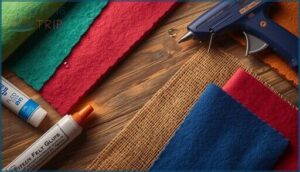
Felt doesn’t have to stay in its own lane. It bonds surprisingly well with other materials, each one requiring a slightly different approach to get a solid hold.
Here’s how felt plays with the most common surfaces you’ll run into.
Felt to Flannel and Fleece
Flannel and fleece are two of felt’s best friends regarding natural sticking power. Both fabrics have a soft, fibrous surface that grips felt without any adhesive. The fleece surface, in particular, acts almost like a gentle hook for felt fibers.
This is distinct from felt boards, where felt meets felt. With flannel and fleece, you often don’t need glue at all.
Felt to Paper and Cardboard
Paper and cardboard don’t have that same fibrous grip as flannel or fleece, so you’ll need a little help to make felt stick. For Felt Paper Adhesion and Cardboard Crafts, the right adhesive makes all the difference:
- Fabric glue works great for Paper Felt Layers
- Tacky glue manages Felt Cardboard Bonding well
- Craft glue dries clear and flexible
- Spray adhesive covers large surfaces fast
Felt to Wood, Plastic, and Concrete
Wood, plastic, and concrete are a whole different beast — none of them have fibers to grab onto, so you’ll need a stronger adhesive to make felt stay put. Hot glue manages Wood Adhesion and Concrete Attachment well. For Plastic Bonding, use a strong craft or super glue.
Surface Prep matters too — clean and dry beats dusty every time. Felt Coatings bond best when the surface has no grease or debris.
Frequently Asked Questions (FAQs)
Does all felt stick to each other?
Not all felt sticks equally. Wool felt grips better thanks to its natural fiber adhesion and surface friction.
Acrylic felt’s smoother texture reduces static cling, making it less reliable without glue or another adhesive.
What adhesive will stick to felt?
A hundred glues exist, but only a few truly bond felt. Fabric Glue, Hot Glue, and tacky glue top the list for reliable Felt Bonding. Match your Glue Types to the project for the best Adhesive Strength.
What are the disadvantages of using felt?
Felt has real drawbacks. It’s prone to felt shedding, color bleeding, and felt fraying over time.
Adhesive limitations mean glue doesn’t always hold cleanly, and quality material costs can add up fast in crafting projects.
What Tips Are There for Removing Felt That is Stuck Where I Don’t Want It?
The gentler you go, the faster it comes off. Peel slowly from one corner, use rubbing alcohol for adhesive residue, and a soft cloth for cleanup. Heat from a hair dryer loosens stubborn glue fast.
How do you get felt to stick to felt?
Press two pieces together firmly, and the fibers naturally grip each other. For a lasting bond, use tacky glue or fabric glue. Hot glue works fast when you need a quick fix.
How to felt two pieces of felt together?
To join two pieces of felt, use needle felting, fabric glue, or hot glue. Each bonding technique gives a different finish — needle felting blends fibers naturally, while adhesive selection depends on your crafting project’s flexibility needs.
Do felt boards need velcro?
If it ain’t broke, don’t fix it.” Felt boards don’t need velcro. Felt naturally clings to felt, making Velcro Alternatives like Adhesive Strips, Magnetic Attachments, or Snap Fasteners unnecessary for most crafting projects.
Why is my felt not sticking?
Your felt type, surface roughness, or adhesive choice might be off. Acrylic felt resists sticking more than wool.
Check material compatibility, prep your felt surface, and make sure you’re using the right glue.
What tips are there for removing felt that is stuck where I don’t want it?
Peel slowly from one corner using gentle peeling motions. For stubborn adhesive, dab rubbing alcohol on the spot and let it sit briefly. That usually loosens stuck felt without damaging the surface underneath.
How do you remove felt from felt?
Slow and steady wins here. For natural felt detachment, gentle peeling from one corner usually does the trick.
If adhesives are involved, a dab of rubbing alcohol helps with adhesive removal and clean felt separation.
Conclusion
Felt has been quietly bonding things together for a thousand years, and it’s still one of the most forgiving materials you’ll ever work with. Whether you’re wondering does felt stick to felt for a classroom board or a detailed craft project, the answer always comes back to knowing your felt type, picking the right adhesive, and giving it proper pressure.
Nail those three things, and your felt pieces will hold like they were always meant to be one.