This site is supported by our readers. We may earn a commission, at no cost to you, if you purchase through links.
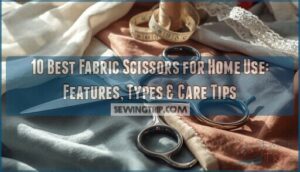
I learned the hard way that using kitchen shears on fabric ruins both the scissors and your project. After mangling a perfectly good cotton print with dull blades that crushed instead of cut, I invested in proper fabric scissors for home use—and the difference was immediate.
Clean edges, no fraying, and cuts that glided through multiple layers like butter. The right scissors don’t just make sewing easier; they protect your materials and save you from the frustration of jagged seams and wasted fabric.
Whether you’re hemming curtains, quilting, or tackling your first garment, choosing scissors designed specifically for textiles transforms your work from amateur hour to polished results.
Table Of Contents
- Key Takeaways
- Key Features of Fabric Scissors for Home Use
- Different Types of Fabric Scissors
- Why Dedicated Fabric Scissors Matter
- Top 10 Fabric Scissors for Home Use
- 1. Guggenhein Professional Tailor Shears
- 2. Karen Kay Buckley Perfect Scissors
- 3. Tula Pink Curved Snips
- 4. Snip Eze Embroidery Scissors
- 5. Kai Pinking Shears Scissors
- 6. Gingher Embroidery Scissors
- 7. Gingher Stainless Steel Fabric Scissors
- 8. Kai Sewing Scissors with Pink Handle
- 9. Handi Quilter Batting Scissors
- 10. Jistl Green Pinking Shears Scissors
- Tips for Choosing and Caring for Fabric Scissors
- Frequently Asked Questions (FAQs)
- Conclusion
Key Takeaways
- Dedicated fabric scissors with high-carbon or stainless steel blades maintain sharpness through thousands of cuts and prevent the fraying, crushing, and fabric damage that happens when you use kitchen shears or paper scissors on textiles.
- Blade length between 6-8 inches, ergonomic offset handles, and proper weight balance (180-250 grams) reduce wrist strain and hand fatigue during extended cutting sessions while delivering the precision you need for clean seams and accurate pattern work.
- Different scissor types serve specific purposes in your sewing toolkit—full-length dressmaking shears power through multiple fabric layers, pinking shears prevent fraying on woven materials, and embroidery snips with curved tips handle intricate detail work without damaging surrounding fabric.
- Proper maintenance extends your scissors’ lifespan dramatically: wipe blades after each use to remove lint and residue, sharpen every 6-12 months following the natural bevel angle, store in protective cases at 40-60% humidity, and never use your fabric scissors on paper, cardboard, or other materials that dull the cutting edge.
Key Features of Fabric Scissors for Home Use
You can’t just grab any pair of scissors and expect them to slice through fabric like butter—trust me, I learned that the hard way with my first quilting project.
The right fabric scissors come down to a handful of features that’ll either make your sewing life easier or leave you wrestling with frayed edges and sore hands.
Let’s break down what you should look for when you’re shopping for your next pair.
Blade Material and Sharpness
Your scissors’ cutting performance starts with what they’re made of—blade durability and steel quality determine whether you’ll glide through silk or wrestle with denim.
Here’s a breakdown of common scissor materials and their benefits:
- High-carbon steel edges hold sharpness longest, with edge retention tested to HRC 55–63 hardness for clean cuts on everything from chiffon to canvas.
- Stainless steel resists rust but needs more frequent sharpening—worth it if you sew in humid spaces.
- Titanium bonded coatings add three times the strength while staying corrosion-free through years of projects.
- Sharp blades require consistent scissor maintenance; cleaning after each use prevents lint buildup that dulls your edge faster than actual cutting.
To find the perfect scissors, consider exploring language related terms that describe their features and materials.
Ergonomic Handle Design
Even the sharpest blade won’t help if your hand cramps after ten minutes—that’s where ergonomic design for comfort steps in. Look for contoured finger contours that fit your natural grip, soft thumb rests that prevent pressure points, and handle materials like rubberized coatings for secure control.
Proper scissor balance (around 180–250 grams) keeps wrist strain at bay, while ergonomic grips with offset loops reduce tendinitis risk during marathon hemming sessions. Ensuring the right grip is vital for avoiding methodological flaws that can lead to discomfort and fatigue.
Blade Length and Weight
Blade balance isn’t just theory—your wrist will remind you after cutting four layers of denim. Home fabric scissors usually run 6 to 8 inches, with 7-inch blades hitting the sweet spot for cutting efficiency and control.
Weight reduction matters too: lighter models (around 100–130 grams) prevent fatigue, while midweight options deliver better edge quality on thicker materials without sacrificing scissor ergonomics.
Many best sewing techniques online emphasize choosing scissors that balance sharpness with comfort, especially for extended cutting sessions.
Precision and Cutting Performance
You need cutting accuracy that won’t let you down when you’re trimming bias seams or notching curves. Sharp blades with edge retention maintain precision cuts over thousands of passes, while proper blade alignment prevents fabric fray at the edge.
That’s the difference between fabric cutting tools that deliver consistent performance and scissor types that frustrate you halfway through a project.
Durability and Maintenance Needs
Longevity separates true workhorses from pretenders in your sewing kit. Carbon steel blades resist edge dulling for up to 20% longer with proper care, while stainless construction fights rust in humid spaces.
You’ll need sharpening every 6–12 months with regular use, plus light oiling at pivot points prevents corrosion.
Investing in professional quilting scissors means less hand fatigue and cleaner cuts that save you time on every project.
Ergonomic grips crafted from durable materials reduce fatigue during heavy-duty cutting sessions, maintaining scissor longevity through countless projects.
Pairing quality scissors with the right sewing threads for leather ensures clean cuts and consistent stitching results across all your crafting projects.
Different Types of Fabric Scissors
You’ll find fabric scissors come in distinct varieties, each designed to handle specific cutting tasks in your sewing room. From full-length shears that power through multiple fabric layers to tiny embroidery snips that navigate tight curves, the right tool makes all the difference in your finished project.
Let’s break down the main types you’ll encounter so you can build a scissor collection that actually works for your crafting style.
Dressmaking Shears Vs. Sewing Scissors
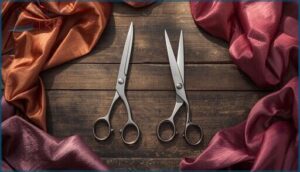
You might think all scissors cut fabric the same way, but dressmaking shears and sewing scissors serve completely different purposes in your creative toolkit. Understanding this scissor comparison transforms your cutting techniques and sewing efficiency:
- Dressmaking shears: Heavy blade, longer curved lower edge for straight cuts and enhanced fabric handling
- Sewing scissors: Lighter, shorter blades perfect for precise trimming and intricate detail work
- Handle design: Offset grips (shears) versus compact straight grips (scissors)
- Blade durability: Shears built for all-day fabric cutting; scissors optimized for thread and finishing work
- Primary function: Scale cutting in dressmaking and fashion versus maneuverability in tight spaces
Choose fabric shears for yardage, sewing scissors for finesse.
Pinking Shears for Fray Prevention
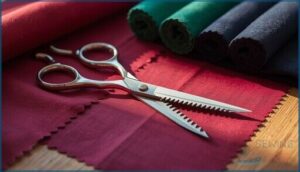
Those sawtooth blades on pinking shears create zigzag cuts that genuinely slow fabric fraying on woven materials, giving you edge finishing without a serger. Tightly woven cottons hold up beautifully with this sewing technique, though loosely woven fabrics still unravel after washing.
These specialized fabric scissors work best for craft edges and seam allowances, not as your only fray prevention method when cutting fabric for garments.
Embroidery and Applique Scissors
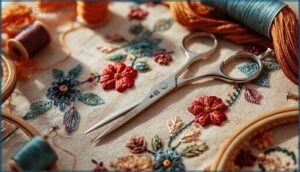
Fine-point embroidery scissors give you thread trimming control that full-size shears can’t match. These compact embroidery tools feature stainless-steel blade materials ground to razor-thin tips, letting you snip thread tails and fusible webbing around delicate applique work without snagging fabric.
Ergonomic grips reduce strain during sewing and embroidery sessions, while precision cutting delivers clean edges on stabilizer—scissor sharpness you’ll notice instantly on intricate projects.
Specialty Scissors for Quilting
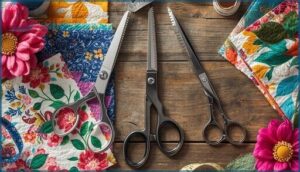
Curved snips with fine tips give you quilters edge control for precise appliqué work and tight block corners, while wide-blade quilting shears handle multiple fabric layers without resistance.
You’ll appreciate offset grips that reduce wrist strain during extended cutting sessions, and stainless steel construction maintains sharpness through repeated use.
Pinking shears among your quilting supplies prevent seam allowance fraying, completing your fabric cutting techniques toolkit.
Why Dedicated Fabric Scissors Matter
You might think any sharp pair of scissors will do the job, but using your fabric shears to cut paper, cardboard, or tape is like taking a sports car off-roading—it damages the precision you paid for.
Using fabric shears to cut paper or cardboard is like taking a sports car off-roading—it damages the precision you paid for
Dedicated fabric scissors aren’t just a luxury for serious sewists; they’re essential for maintaining clean cuts and preventing frayed edges that can ruin your projects.
Let’s look at exactly why keeping your fabric scissors separate from your household scissors will transform the quality of your work.
Risks of Using Scissors on Non-Fabric Materials
You wouldn’t cut silk with a serrated bread knife, right? Using your fabric scissors on cardboard, plastic, or heavy paper causes blade damage and dulls edges fast—leading to fabric fraying and poor edge quality when you return to sewing. These material risks compromise scissor safety and cutting precision.
Treat your crafting tools like the specialized instruments they are, and you’ll protect both your scissors and your projects.
Maintaining Blade Sharpness
Sharp blades aren’t just nice to have—they’re your ticket to professional-quality cuts every time. Keep your scissors performing by honing edges with a fine ceramic rod between full sharpenings, and only resharpen when fabric fibers fray instead of cutting cleanly.
Wipe blades with light oil after sharpening, inspect regularly for micro-dings, and maintain the manufacturer’s recommended angle to preserve that precision cutting performance you depend on.
Impact on Cutting Precision and Fabric Edges
The quality of your fabric scissors directly shapes every cut you make. When blade sharpness fades, fabric fraying starts before the fibers separate cleanly, and edge distortion follows from increased material drag that pulls instead of slices.
Here’s what dedicated sewing shears protect:
- Cutting precision through consistent blade geometry that eliminates fabric lift
- Clean fabric edges by minimizing fiber disruption during each pass
- Dimensional accuracy since pinking shears and specialty blades maintain their intended angles
Top 10 Fabric Scissors for Home Use
You’ve got the knowledge, now let’s talk tools. I’ve rounded up ten fabric scissors that’ll transform the way you work with fabric, from professional-grade shears to specialized snips for detail work.
Each one brings something different to your sewing table, so you can find exactly what your projects need.
1. Guggenhein Professional Tailor Shears
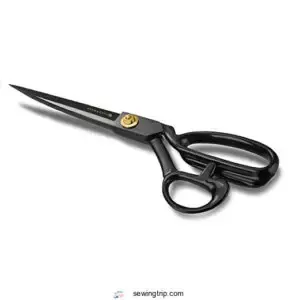
When you’re ready to break free from struggling with thick fabrics, Guggenhein Professional Tailor Shears deliver the precision you need. These forged steel Fabric Scissors feature 8-inch blades with adjustable tension, giving you complete control over your cuts.
Tailor Shear Reviews highlight their balanced weight and rust-resistant finish, though some users note quality control inconsistencies.
Regular Scissor Maintenance and proper Scissor Blade Sharpening will keep your Sewing Shears performing reliably. Following Professional Cutting Tips and Fabric Shear Maintenance routines ensures these scissors stay sharp for years of dedicated fabric work.
| Best For | Professional tailors, quilters, and serious hobbyists who need reliable fabric shears for cutting thick materials and detailed work. |
|---|---|
| Material | Alloy Steel |
| Weight | 8.5 ounces |
| Color | Black |
| Primary Use | Tailoring and quilting |
| Handle Design | Ergonomic comfort grip |
| Blade Type | Sharpened precision blades |
| Additional Features |
|
- Forged steel blades with adjustable tension give you precise control and clean cuts on heavy fabrics
- Ergonomic handles and balanced weight reduce hand fatigue during long sewing sessions
- Rust-resistant coating and durable construction keep the blades performing well over time
- Some users report quality control issues, including defective products or nuts that loosen over time
- Warranty and replacement support is limited to customers in the USA
- May require regular sharpening and maintenance to maintain peak cutting performance
2. Karen Kay Buckley Perfect Scissors
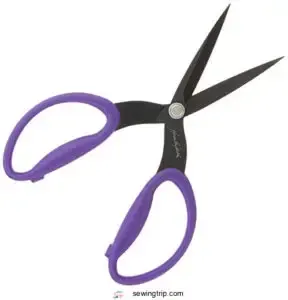
For intricate appliqué work and detailed piecing, you’ll appreciate the Karen Kay Buckley Perfect Scissors’ micro-serrated blade that grips fabric without slipping. These 4.4-inch Fabric Scissors combine Scissor Sharpness with outstanding Cutting Precision, thanks to blades that stay effective all the way to the tip.
The cushioned purple grips provide Handle Comfort during extended Crafting and Quilting sessions, while the lightweight Ergonomic Design reduces hand fatigue.
Though some find them pricey and vulnerable to drops, their Blade Durability and performance on multiple fabric layers make them reliable Sewing Scissors for precise work, requiring only careful Scissor Maintenance to preserve their edge.
| Best For | Quilters and sewers who need precision cutting for appliqué work, intricate piecing, and detailed fabric trimming. |
|---|---|
| Material | Plastic |
| Weight | 3.84 ounces |
| Color | Purple |
| Primary Use | Sewing and appliqué |
| Handle Design | Cushioned handle |
| Blade Type | Micro-serrated blade |
| Additional Features |
|
- Micro-serrated blade grips fabric securely and prevents slipping, making it easier to cut small, intricate pieces with accuracy.
- Sharp blades extend all the way to the tip, giving you excellent control for detailed work and allowing clean cuts through multiple fabric layers.
- Cushioned, ergonomic handles reduce hand fatigue during long sewing sessions and work well for both right- and left-handed users.
- The scissors are on the pricier side compared to standard fabric scissors, which may be a consideration for budget-conscious crafters.
- They can be damaged if dropped, so you’ll need to handle them carefully and store them properly to maintain their quality.
- Regular maintenance and sharpening are necessary to keep the blades performing at their best over time.
3. Tula Pink Curved Snips
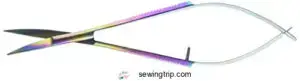
When you’re trimming threads right at the presser foot, you need snips that won’t jab fabric or fingers, and that’s where Tula Pink’s curved design shines. The Titanium Coating strengthens these Fabric Scissors, while Micro Serration grips threads for Precision Cutting without slippage.
Ergonomic Grips with spring action make repetitive snipping smooth during Crafting and Quilting sessions, though you might notice a slight blade roughness that needs filing.
At just over an ounce, these Sewing Scissors work beautifully for embroidery and seam ripping, giving you control exactly where your Sewing Tools matter most.
| Best For | Quilters and sewers who need precise thread trimming at the presser foot without damaging fabric or poking fingers. |
|---|---|
| Material | Stainless, Titanium, Steel |
| Weight | 1.06 ounces |
| Color | Pink |
| Primary Use | Quilting and embroidery |
| Handle Design | Curved with spring action |
| Blade Type | Titanium coated micro-serrated |
| Additional Features |
|
- Titanium-coated micro-serrated blades grip threads securely for clean cuts without slippage
- Curved design and ultra-thin blades allow easy access under presser feet and close trimming
- Lightweight spring-action handles reduce hand fatigue during long sewing sessions, even for those with arthritis
- Blade tips may have a rough burr that requires filing before use
- Heavier feel compared to some brands due to the opalescent coating
- Not as smooth-cutting as premium alternatives like Fiskars
4. Snip Eze Embroidery Scissors
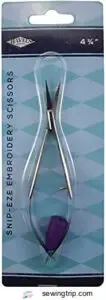
When your hands ache after hours of detailed embroidering, you’ll appreciate the easy-squeeze action on these lightweight silver plastic Embroidery Scissors—perfect for arthritic fingers. The curved Precision Blades snip threads flush with fabric, while those finely pointed tips navigate tight spaces during Fabric Cutting and Thread Trimming.
At under an ounce and just 2.9 inches long, you’ll master delicate work whether you’re sewing by hand or machine. Though opinions split on durability and Scissor Sharpening longevity, the comfort factor and Embroidery Tips-worthy control make them solid starter Scissors for your crafting arsenal.
| Best For | Embroiderers with arthritis or hand fatigue who need lightweight scissors for precise thread trimming in tight spaces. |
|---|---|
| Material | Plastic |
| Weight | 0.64 ounces |
| Color | Silver |
| Primary Use | Hand or machine embroidery |
| Handle Design | Easy squeeze action |
| Blade Type | Curved sharp blades |
| Additional Features |
|
- Easy-squeeze action reduces hand strain during long embroidery sessions
- Curved, sharp tips fit under presser feet and navigate intricate work with precision
- Compact and lightweight design (under an ounce) gives you excellent control for delicate tasks
- Durability varies—some users report the scissors breaking or becoming less sturdy over time
- Blades may dull with extended use, requiring careful maintenance or replacement
- Sharp points need cautious storage to prevent accidents or damage
5. Kai Pinking Shears Scissors
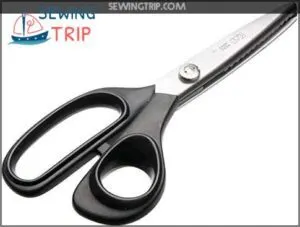
Those jagged teeth on Kai Pinking Shears cut zigzag edges that stop your fabric from unraveling—no serger needed. The stainless steel Scissor Blade Materials slice cleanly through cotton and tightly woven textiles, while the ergonomic rubber handle keeps you cutting comfortably at 3.2 ounces. Measuring 11.1 inches, these Sewing Tool Essentials shine during quilting and crafting sessions where Fabric Edge Finishing matters most.
Some sewers with smaller hands find them hefty, and a few Kai Scissor Reviews mention tightness, but the zigzag Pinking Shear Tips deliver reliable fray prevention for your home sewing arsenal.
| Best For | Quilters, crafters, and home sewers who need to prevent fabric fraying on seams and edges without a serger machine. |
|---|---|
| Material | Rubber and Stainless Steel |
| Weight | 3.2 ounces |
| Color | Stainless steel |
| Primary Use | Quilting and crafting |
| Handle Design | Ergonomic comfort handle |
| Blade Type | Saw-tooth cutting pattern |
| Additional Features |
|
- Stainless steel zigzag blades cut clean edges that stop fabric from unraveling
- Lightweight 3.2-ounce design with ergonomic rubber handle reduces hand fatigue during long projects
- Works well on multiple fabric layers for quilting, dressmaking, and patchwork
- Some users with smaller hands find the 11.1-inch scissors too heavy or cumbersome to control
- A few reviewers report the blades feel tight or stiff during use
- Not ideal for precise cutting tasks since pinking shears are designed primarily for edge finishing
6. Gingher Embroidery Scissors
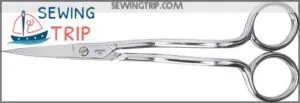
When delicate threadwork demands precision, Gingher Embroidery Scissors deliver the control you need with their 3.5-inch stainless steel blades and sharp, micro-serrated edge. The offset ergonomic handle keeps your fingers comfortable during appliqué, cross-stitch, and hand-stitching projects, while the fine tip navigates tight spaces without snagging lightweight fabrics like silk and cotton.
At under four inches, these Sewing Tools balance portability with reach, though you’ll want to wipe the blades after each use and store them in a protective case to maintain that Scissor Sharpness for intricate Fabric Cutting tasks.
| Best For | Embroiderers, quilters, and crafters who need precise control for trimming threads, cutting appliqués, and working with delicate fabrics on detailed projects. |
|---|---|
| Material | Carbon Steel |
| Weight | Not specified |
| Color | Original Version |
| Primary Use | Embroidery and appliqué |
| Handle Design | Double-loop ergonomic |
| Blade Type | Precision-ground knife-edge |
| Additional Features |
|
- Sharp micro-serrated stainless steel blades cut cleanly through lightweight fabrics without snagging or fraying
- Ergonomic offset handle design reduces hand fatigue during long stitching sessions
- Compact 3.5-inch size offers excellent maneuverability for intricate threadwork and tight spaces
- Not suitable for heavy-duty cutting or thick fabric layers
- Requires regular maintenance like cleaning and occasional honing to preserve sharpness
- No protective storage case included, so you’ll need to buy one separately to protect the fine tips
7. Gingher Stainless Steel Fabric Scissors
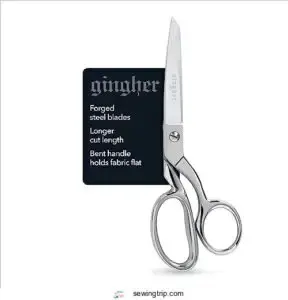
When you’re slicing through yards of quilting cotton or layering patterns for a fitted bodice, Gingher Stainless Steel Fabric Scissors bring the Cutting Precision you need with their 8-inch knife-edge blades and bent-handle design.
The chrome-over-nickel finish adds Scissor Durability that resists corrosion, while the ergonomic grip keeps your wrist aligned for mistake-free cuts—though you’ll notice the finger holes can feel slippery if your hands are bone-dry.
Keep these Sewing Supplies and Tools sharp with occasional honing, and they’ll tackle multiple fabric layers without snagging or fraying edges.
| Best For | Sewers, quilters, and tailors who cut multiple layers of fabric regularly and want durable, precision scissors that stay sharp through heavy use. |
|---|---|
| Material | Stainless Steel |
| Weight | 7.2 ounces |
| Color | Silver |
| Primary Use | Dressmaking and tailoring |
| Handle Design | Bent handle design |
| Blade Type | Precision-ground knife-edge |
| Additional Features |
|
- Knife-edge blades slice cleanly through multiple fabric layers without snagging or fraying edges
- Bent-handle design keeps your hand positioned above the cutting surface for accurate, mistake-free cuts
- Chrome-over-nickel finish resists corrosion and holds up to years of regular sewing projects
- Finger holes can feel slippery when your hands are very dry, which affects grip control
- 7.2-ounce weight may feel too heavy for users who prefer lightweight scissors during long cutting sessions
- Handle size might be too small for sewers with larger hands
8. Kai Sewing Scissors with Pink Handle
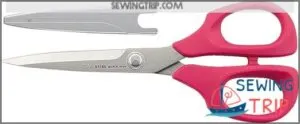
If you crave a lightweight option that won’t tire your wrist during marathon seam-trimming sessions, Kai Sewing Scissors with their distinctive Pink Handle deliver serious Hand Comfort and Sewing Precision. The 16.5 cm Japanese-quality stainless steel blades maintain Blade Sharpness long enough to handle vinyl, quilting cotton, and thread work without constant Scissor Maintenance, while the ergonomic grip fits snugly in your palm.
Most Sewing Tool Reviews praise these compact Fabric Scissors for intricate snipping tasks, and you’ll appreciate how Scissor Ergonomics meet affordability in one reliable package.
| Best For | Sewers, quilters, and crafters who need precise, lightweight scissors for detailed fabric work and extended cutting sessions without hand fatigue. |
|---|---|
| Material | Alloy Steel |
| Weight | 0.08 Kilograms |
| Color | Pink |
| Primary Use | Sewing and quilting |
| Handle Design | Standard handles |
| Blade Type | Sharp blades and points |
| Additional Features |
|
- Sharp Japanese-quality stainless steel blades (16.5 cm) that stay sharp through multiple layers of fabric, vinyl, and thread
- Ergonomic pink soft-touch handle designed to reduce grip fatigue during long sewing projects
- Rustproof construction with included blade covers for long-term durability and safe storage
- Compact size may feel too small or lightweight for users who prefer heavier, full-sized shears
- Price point might be higher than basic craft scissors, though most users find the quality worth it
- Limited cutting reach compared to larger fabric shears for cutting long straight lines or thick materials
9. Handi Quilter Batting Scissors
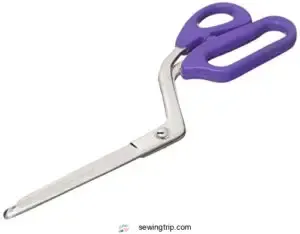
When you tackle bulky quilt batting or need to square off finished quilts, Handi Quilter Batting Scissors give you the muscle and Fabric Cutting Tips you need—13.7 inches of alloy-steel power with a rounded tip that protects your layers from snags.
These purple-handled Fabric Shears feature a 5-inch straight blade designed specifically for Quilting Tool Essentials, and the ergonomic grip makes sewing through multiple batting layers comfortable.
Regular Scissor Blade Sharpening and Batting Scissor Care keep them cutting cleanly, while Quilter Safety Precautions remind you to store these sturdy Batting Shears separately from everyday scissors.
| Best For | Quilters who regularly cut through thick batting layers or need to square off large finished quilts with clean, snag-free edges. |
|---|---|
| Material | Alloy Steel |
| Weight | 9.6 ounces |
| Color | Purple |
| Primary Use | Cutting batting |
| Handle Design | Ergonomic handles |
| Blade Type | Rounded tip blade |
| Additional Features |
|
- 5-inch straight blade with rounded tip cuts through multiple batting layers without snagging or fraying fabric
- Ergonomic purple handles reduce hand fatigue during extended quilting sessions
- Durable alloy steel construction holds up well to frequent use on dense materials
- 13.7-inch length may feel too large and unwieldy for quilters with smaller hands
- Requires regular sharpening and maintenance to keep cutting performance sharp
- Bulkier design means you’ll need dedicated storage space separate from your everyday scissors
10. Jistl Green Pinking Shears Scissors
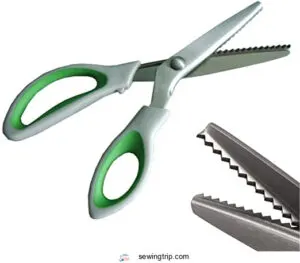
If you want a budget-friendly option for Pinking Shear Uses that manages fabric, leather, and paper with equal ease, Jistl Green Pinking Shears deliver solid performance at 9.5 inches. The hardened stainless steel blades maintain Blade Sharpness through multiple projects, while ABS ergonomic grips reduce hand fatigue during extended Sewing sessions.
Yes, they arrive with an anti-rust coating you’ll need to wipe off, and Scissor Maintenance means keeping them dry between uses—but for decorative edging and fray prevention in your Fabric Cutting work, these Pinking Shears offer reliable Scissor Ergonomics without breaking your craft budget.
| Best For | Home sewers and craft enthusiasts who need an affordable, versatile pinking shear for light to moderate fabric projects, decorative edging, and fray prevention on woven materials. |
|---|---|
| Material | Stainless Steel, ABS |
| Weight | Not specified |
| Color | Green |
| Primary Use | Fabric and decorative edging |
| Handle Design | Ergonomic ABS handles |
| Blade Type | Zigzag pinking blades |
| Additional Features |
|
- Hardened stainless steel blades stay sharp through multiple projects and handle fabric, leather, paper, and craft materials with ease
- Ergonomic ABS handles reduce hand fatigue during extended cutting sessions, making them comfortable for beginners and experienced users alike
- Budget-friendly price point delivers solid performance for decorative zigzag edging and preventing fabric fraying without overspending
- Blades arrive with anti-rust coating that requires wiping off before first use, adding an extra step out of the box
- Fixed tension screw cannot be adjusted or loosened, which may limit customization for different material thicknesses
- Larger 9.5-inch size and weight can feel bulky for users with smaller hands, and some find them stiff requiring extra hand strength
Tips for Choosing and Caring for Fabric Scissors
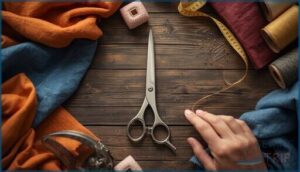
Finding the perfect fabric scissors is only half the battle—keeping them in top shape is what really sets your sewing game apart. You need to know what to look for when you’re shopping, and how to maintain those blades so they stay sharp for years, not months.
Let’s break down the essential tips that’ll help you choose wisely and care for your scissors like a pro.
How to Select The Right Scissors
Before you invest in fabric scissors, ask yourself: what kind of cutting will you actually do? Your fabric types and cutting techniques determine the blade materials and handle ergonomics you need. Here’s a quick sewing tool buying guide:
| Factor | What to Keep in Mind |
|---|---|
| Scissor sharpness | Test on your typical fabrics before buying |
| Blade materials | Stainless steel for most, high-carbon for heavy use |
| Handle ergonomics | Try offset or cushioned grips for comfort |
| Fabric scissor types | Match specialty scissors to your actual projects |
Choose ergonomic scissors that feel balanced in your hand, and you’ll never look back.
Cleaning and Sharpening Best Practices
After each project, wipe your scissors with a soft cloth to remove fabric fibers—no abrasive cleaners, they’ll wreck the edge. For blade sharpening and edge restoration, use a dedicated tool or professional service that follows the natural bevel angle.
This scissor maintenance keeps your fabric scissor types performing beautifully, and trust me, proper fabric care means your sewing tool buying guide investment lasts years.
Proper Storage Solutions
Between projects, you’ll want to protect those precious blades with proper dry storage methods—I keep mine in dedicated scissor cases with blade protection to shield edges from nicks.
Store your crafting tools and supplies in a climate-controlled drawer at 40–60% humidity, organized by type so you’re not digging around. This simple storage organization prevents rust and keeps your sewing accessories and equipment ready for action, honoring both textile and fabric care principles and sewing safety precautions.
When to Replace Your Fabric Scissors
Even with diligent scissor maintenance tips and regular scissor sharpening, blade wear eventually wins—you’ll notice replacement signs like fabric damage, fraying edges, or lost cutting accuracy after 10–20 hours of active fabric cutting.
If your blades snag heavy fabrics or skip mid-cut despite maintenance, it’s time for durable scissors for heavy use that honor proper sewing safety precautions and restore precision.
Frequently Asked Questions (FAQs)
Do fabric scissors work on leather or vinyl?
Fabric scissors aren’t ideal for leather or vinyl—they’ll dull quickly and leave rough edges. Heavy-duty shears or rotary cutters designed for these dense materials give you cleaner cuts and better blade durability without compromising your textile cutting tools.
What causes fabric scissors to stick or drag?
Sticky blade causes include fabric finishes, fusibles, or thread residue creating friction. Dull blade effects and incorrect alignment make fabric shears drag.
Regular cleaning your cutting tools for fabric and proper maintenance reduce these fabric residue issues.
Are expensive scissors worth the investment for beginners?
You get what you pay for—premium fabric scissors deliver exceptional blade sharpness, ergonomic design, and scissor durability that justifies the cost benefit through longevity value, especially as your sewing techniques advance beyond basic projects.
How do you test scissors before purchasing them?
Before you buy, check scissor sharpness by cutting cotton cleanly, test blade alignment along a ruler, assess the ergonomic grip comfort, and verify cutting efficiency across multiple fabric types for reliable durability tests.
Conclusion
Choosing the right fabric scissors for home use is like finding the perfect kitchen knife—once you experience the difference, there’s no going back to dull substitutes.
Your scissors should feel like an extension of your hand, cutting cleanly through every textile challenge you face.
Invest in quality blades, keep them sharp and dedicated to fabric only, and you’ll protect both your materials and your creative momentum for years to come.