This site is supported by our readers. We may earn a commission, at no cost to you, if you purchase through links.
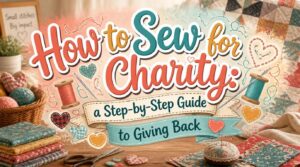
A single flannel heart, tucked into a NICU incubator, helps a preemie learn her mama’s scent while mom can’t be there. That small square of fabric does big work. It’s proof that a needle and thread can carry real comfort straight into someone’s hardest moment.
That’s the heart of learning how to sew for charity. It’s not about fancy machines or perfect stitches.
It’s about showing up with your skills and your love, one seam at a time. Grab your scraps and your hope, because we’re about to walk through exactly where to start.
Table Of Contents
Key Takeaways
- Before cutting any fabric, always contact your chosen charity directly to confirm their specific requirements for materials, sizing, and quality standards.
- Different organizations have distinct fabric standards, such as Quilts of Valor’s 100% cotton rule for veterans or Project Linus’s washable cotton and fleece guidelines for kids.
- Charity sewing spans many project types, from NICU flannel hearts and chemo comfort kits to pillowcases, tote bags, and reusable pad kits for girls overseas.
- Choosing durable, prewashed, colorfast, and allergen-free fabrics ensures handmade donations hold up well and stay safe for the people who receive them.
How to Start Sewing for Charity: a Step-by-Step Guide
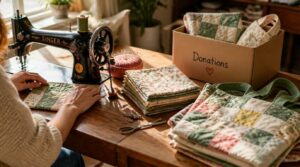
Ready to turn your sewing skills into something meaningful? Getting started is simpler than you think, and every stitch counts toward a bigger purpose. Here are five easy steps to guide you from idea to impact.
Before diving in, brush up on a few ways to finish raw fabric edges without a serger so your finished pieces hold up beautifully, wash after wash.
Choose a Cause You Care About
Why does one charity tug at your heart while another leaves you cold?
That’s your starting clue.
- What causes match your personal values—health, kids, veterans, animals?
- Do you have a personal story connecting you to it?
- Can you find impact reports proving real change?
- Is it local, letting you see your quilts in action?
Pick one. Crafting for a cause sticks when it’s personal.
Research Organization Requirements First
Got your cause picked? Good.
Now call the organization, or check their website, before you cut a single scrap.
Every nonprofit runs different textile donation guidelines — some demand 100% cotton, others require background checks for hospital settings. Ask about their intake procedures, sizing charts, and quality standards.
Skipping this step means wasted fabric and hours. A quick email saves heartache later.
Gather Approved Fabrics and Supplies
With your requirements in hand, it’s time to shop smart.
Look for fabrics with OEKO-TEX or GOTS certification — proof they’re free of harmful dyes and safe for sensitive skin.
Save those certificates! They matter for fabric traceability.
Keep in mind that fabric production costs can account for a significant portion of your total budget.
Stick to approved cotton, flannel, or poplin. Check colorfastness, then gather your notions, thread, and any leftover scraps before donating your time and talent.
Join Local Sew-Ins or Guilds
Sewing alone is fine. Sewing together is better.
Local guilds connect you to a whole sewing community—people who’ll swap fabric scraps, host skill building workshops, and cheer you on.
Look for sew-ins at libraries or fabric shops near you. You’ll find mentors, join collaborative charity drives, and turn sewing for good into real friendship, not just a solo hobby.
Follow Patterns Exactly
Grab that pattern and stick to it like glue.
Charities count on consistent sizing, so check grainline orientation, seam allowance, and notch alignment every time.
Transfer markings before you cut, stabilize seams as directed, and press along the way.
Skipping steps might seem harmless, but it throws off fit—and that hurts the folks waiting on your work.
What Can You Sew for Charity? Top Project Ideas
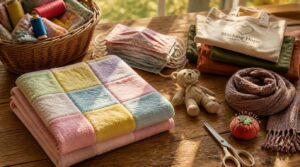
So what exactly should you sew? Good news: there’s no shortage of options, no matter your skill level or how much time you have. Let’s look at five project ideas that make a real difference.
Comfort Items for Hospitals and Shelters
Think about the last time you couldn’t sleep in a strange bed. That’s what patients face nightly.
Soft blankets, non-slip socks, and eye masks bring real relief. Choose hypoallergenic, scent-free fabrics in calming colors.
These small handmade comfort items support sleep hygiene and soothe frazzled nerves. Your stitches say "someone cares" louder than words ever could.
Handmade comfort items soothe frazzled nerves and whisper that someone truly cares
Medical and Cancer Care Items
Picture a chemo chair replacing a favorite armchair for hours. That’s where chemo comfort kits shine—fuzzy socks, rice packs, and knit caps offer real warmth.
Add pouches for medication storage solutions, plus soft cotton for skin barrier care (skip fragrance and alcohol). Toss in lozenges for oral dryness relief.
Sewing for cancer patients? A simple shower chair cover shows mobility aid support matters too.
Infant and NICU Essentials
Tiny bodies need tiny comforts. Soft flannel hearts and preemie hats support thermoregulation while babies grow strong.
Sew NICU graduate onesies with easy snaps for feeding equipment safety and quick access during kangaroo care—skin-to-skin time that soothes both parent and child.
Choose gentle, seam-free fabrics for skin integrity, and add tiny textured patches for sensory development. Your stitches become quiet love notes to families in tough seasons.
Cold-Weather Gear for Homeless Shelters
Cold nights hit shelter guests hardest, and your sewing machine can fight back.
- Insulated gloves with touchscreen fingertips
- Thermal beanie construction for heat retention
- Waterproof neck gaiters blocking wind
- Moisture wicking base layers
- Durable winter accessories built to last washing
Beyond blankets and quilts, these comfort items meet urgent needs. Sewing for others means choosing sturdy, washable fabrics that survive shelter life while keeping folks warm through brutal winter nights.
Pet Beds for Animal Rescues
Every rescue dog deserves a soft place to land, and your sewing machine can make that happen.
Choose durable fabric choices like quilted blue or purple prints that resist snags and odors. Add a waterproof liner to protect stuffing, plus orthopedic padding for arthritic seniors. Removable, washable covers keep hygiene standards high. It’s charity sewing at its kindest—simple, sturdy, and full of love.
How to Sew and Donate Blankets and Quilts
Blankets and quilts might be the heart of charity sewing. Nothing says comfort quite like being wrapped in something made just for you. Let’s look at where your stitches can go, and what each group needs from you.
Project Linus Blanket Guidelines
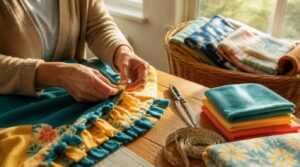
Nine million blankets and counting—that’s the kind of joy this group has spread to kids in crisis.
Stick to new, washable fabrics like cotton or fleece.
- Skip wool, buttons, or beads
- Keep edges flat and snag-free
- Tie fleece knots securely, away from edges
No pins, no odors, no bulky double layers. Simple, sturdy, and full of heart.
Quilts of Valor Fabric Standards
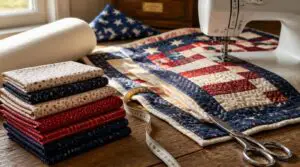
Fleece and cotton work for kids, but veterans deserve something sturdier.
Quilts of Valor calls for 100 percent quilting-weight cotton, patriotic or respectful adult colors, and no juvenile prints.
Backing must extend 3 inches beyond the edges.
| Element | Requirement | Why It Matters |
|---|---|---|
| Fabric | 100% cotton | Durability |
| Colors | Patriotic/adult | Respect |
| Prints | No juvenile | Dignity |
| Backing | +3 inches | Quilting ease |
| Batting | Low loft | Comfort |
Firehouse Quilts for Crisis Centers
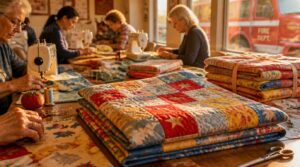
Firehouse Quilts brings hope to children in crisis with portable snuggle quilts—usually 45 by 45 inches—using cheerful cotton fabrics. Volunteers gather for community sew nights, sorting and piecing bright patterns. Quilts are handed to emergency responders, who offer comfort after fires or accidents. These charity sewing projects ease child anxiety, showing kindness and care in every stitch.
- Choose child-friendly fabrics
- Cut to 45×45 inches
- Quilt or tie as skill allows
- Label for accountability
- Drop off at local firehouses
Choosing Durable, Washable Materials
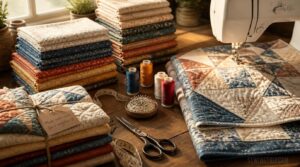
Firehouse Quilts and Project Linus both lean on one golden rule: pick fabric built to last.
Go with prewashed, colorfast cotton to prevent shrinkage and dye bleed. Reinforced seams and double-stitched hems stop unraveling wash after wash. Fiber blends resist pilling, while antimicrobial finishes keep quilts fresh between hugs.
Your sewing machine and a few smart sewing patterns for donation turn simple supplies into handmade donations built for years of love.
How to Sew and Donate Pillowcases
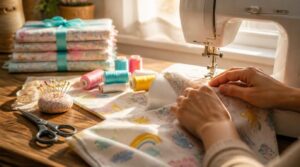
Sometimes the smallest projects bring the biggest smiles. A simple pillowcase can turn a scary hospital stay into something a little brighter for a child. Let’s walk through exactly what it takes to sew one worth donating.
Ryan’s Case for Smiles Requirements
Want your sewing to matter? Ryan’s Case for Smiles pillowcases must use 100% cotton and fit pediatric hospital pillows (20×26 inches). Double-stitch seams for strength, skip buttons or trims—no choking hazards allowed.
Label each pillowcase with your name and date, and wash before donating. Packaging matters, too: clear bags, no loose threads, just love stitched in.
Approved Cotton and Flannel Fabrics
Not every cotton feels the same in your hands, and that’s exactly why fabric choice matters here.
Stick with 100% cotton or flannel, never a mystery mix. Flannel needs at least 5 oz per square yard, and yes, it sheds lint like crazy—clean that bobbin often.
Brands like Robert Kaufman keep quality consistent. Always wash with scent-free detergent first. No exceptions.
Themed Prints Kids Love
Pick a print, and watch a sick child’s eyes light up.
Go for:
- Smiling animals in bold colors—lions and elephants feel safe, not scary
- Space scenes with rockets and stars for little dreamers
- Whimsical unicorns in candy-bright palettes
Vehicle prints and cheerful food motifs work too. These small joys turn a hospital stay into something a little less scary, one handmade pillowcase at a time.
Simple Pillowcase Pattern Steps
Ready to cut and stitch? Here’s the fun part.
Measure your body piece around 20 to 21 inches by 40 inches, plus an 11-by-40-inch cuff. Prewash everything first—it keeps sizing honest.
Try the burrito method: wrap the body around the cuff, stitch, then pull it right side out for a clean finish. Zigzag raw edges, press well, and topstitch the cuff for durability.
Where to Donate Other Handmade Sewing Projects
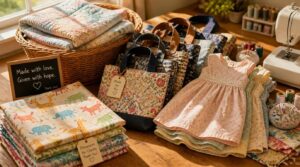
Pillowcases are just the beginning of what your sewing machine can do for others. So many groups out there are waiting for handmade gifts, from tote bags to tiny dresses. Let’s look at where your next project could land.
Tote Bags for The Lydia Project
A simple tote can carry more than supplies—it can carry hope.
Kits include pre-cut pieces, purple straps, and a volunteer name card.
- Monogrammed toppers
- Faith, Hope, or Love embroidery
- Pockets for encouragement cards
Follow the 1/2 inch seam allowance closely.
These totes reach women in cancer treatment nationwide, offering comfort through every handmade stitch.
Dresses and Shorts for Overseas Aid
A little dress can travel farther than you’d think—all the way across an ocean, straight into a child’s arms.
Keep it simple: A-line shapes, elastic-waist shorts, cotton fabric, knee-length hems.
| Feature | Guideline |
|---|---|
| Fabric | 100% cotton, prewashed |
| Closure | Buttons or elastic |
| Sizing | Toddler to early teen |
| Hem | Knee or fingertip length |
| Design | No logos, simple prints |
Modesty and durability matter more than flair here.
Days for Girls Reusable Pad Kits
Days for Girls kits keep girls in school. Missing class over something natural just isn’t fair.
Each kit needs:
- A waterproof shield (moisture barrier)
- Two flannel liners
- A snap closure
- A carry pouch
These reusable pads last up to three years, fighting period poverty across 75+ countries. Your sewing skills become hygiene education in fabric form.
Local Nursing Homes and Senior Centers
Not every cause lives overseas. Sometimes it’s right down the street.
Local nursing homes and senior centers need handmade blankets, walker bags, and wheelchair robes daily.
| Item | Purpose |
|---|---|
| Wheelchair robe | Warmth and dignity |
| Walker bag | Easy access to belongings |
| Memory care quilt | Comfort for dementia friendly units |
| Craft kits | Senior activity engagement |
Your donating handmade goods brings genuine joy to residents craving connection.
Hygiene and Quality Standards to Follow
Good deeds still need clean hands behind them.
Whether you’re stitching hygiene products or menstrual pad kits, wash up first and keep your space allergen-free. Test fabric dyes for colorfastness, disinfect your tools between projects, and log any flaws you spot.
These small habits protect cross-contamination prevention and keep your handmade goods safe. Quality checks aren’t extra work. They’re proof your sewing skills truly serve others well.
Frequently Asked Questions (FAQs)
What can I sew for charity?
Try pediatric companionship toys, cancer recovery kits, NICU newborn accessories, homeless winter gear, or animal rescue bedding.
Whatever your skill level, there’s a charity sewing project with your name on it—and a heart waiting to receive it.
What is the dark side of donating clothes to charity?
Sadly, tossed clothes often become textile export waste, overwhelming poorer nations with unsold bales, pollution, and fire hazards.
That’s why handmade donations matter more—they skip the fast fashion cycle and go straight to someone who truly needs them.
What are some sewing projects for charity?
From beginner-friendly pillowcase dresses to NICU blankets, shelter hygiene kits, seasonal weather gear, and animal rescue beds, charity sewing projects offer something for every skill level—turning your sewing machine into a tool for hope, comfort, and love.
What sewn items sell well?
Simple often outsells fancy.
Fleece blankets and reversible pillowcases fly off fundraiser tables, while pastel burp cloths and NICU caps stay in steady demand—proof that everyday comfort items, made with durable stitching, win hearts every time.
What is charity sewing?
Charity sewing turns everyday skills into acts of kindness—quilts, pillowcases, or tote bags stitched for shelters, hospitals, and families in crisis.
It’s philanthropy through crafting: hands doing the talking, dignity built into every seam, hope delivered one stitch at a time.
How do I find a sewing charity?
Where do the helpers hide before you ask them?
Right in your backyard. Check with your local hospital, shelter, or community center first, then search national charity directories like Days for Girls or Ryan’s Case for Smiles, or scroll local guild and social media groups.
Should you start a sewing group for charity?
Grab a few friends and turn giving into a shared joy. Group sewing means tackling bigger projects, swapping ideas, and staying motivated together, plus building real community connection while measuring your local impact one stitch at a time.
How can I support charitable sewing?
Pick a cause that tugs your heart, then join local guilds, host sewing-meetups, or organize donation-days.
Donate fabric scraps, track your impact, and connect with charitable organizations—every stitch and every non-sewing contribution builds hope for someone waiting.
How do I start a charitable sewing project?
Start with a clear goal: pick one cause, set a monthly sewing target, and plan your timeline.
Source scraps, choose a simple pattern, and create a one-page plan. Small steps stitched together build real community impact.
Should you sew for charity or make a quilt?
Why not both? Pillowcases fit a lunch break; charity quilts ask for a weekend. Match the project to your available time and skill level, easing waste from scraps into either quick comfort items or lasting, layered warmth.
Conclusion
That flannel heart from the NICU never really left this story. It was the whisper reminding you why you picked up a needle in the first place.
Now you know how to sew for charity, and honestly, that’s a superpower. Every stitch becomes someone’s comfort, someone’s courage, someone’s quiet proof they aren’t forgotten.
So thread your needle, gather your scraps, and start today. Your hands can hold hope.
- https://www.asg.org/charitable-sewing-cause-and-effect
- https://customcy.com/blog/craft-handmade-charities
- https://www.threadsmagazine.com/2024/11/18/share-your-skills-by-sewing-for-charity
- https://www.thesimplelifecompany.com/american-charities-that-accept-handmade-donations-where-your-sewing-talents-make-a-difference
- https://elizabethmadethis.com/sewing-for-charity